
Reviewed · WORKSHOPS
Sushi Making Class
Sushi gets real fast. In Chef Ken’s Tokyo class, I like that you learn sushi rice technique and ingredient prep with someone who has worked at hotel-level sushi service. I also like the small-group setup (max 6) paired with daily-selected, high-quality fish bought for the lesson. One consideration: the session is only about 1 hour 30 minutes, so you’ll finish with skills to use right away, but not enough time to perfect everything like a lifelong artisan.
You’ll make multiple styles—traditional and more creative—then enjoy what you produce with Japanese sake and green tea mentioned as part of the experience. If you want a hands-on food memory from Tokyo that feels personal rather than commercial, this fits the bill. The class ends back at the meeting point, so you can plan the rest of your day without stress.
In This Review
- Key takeaways before you book
- Why a sushi class in Shibuya feels more hands-on than you expect
- Meet Chef Ken: hotel-trained precision with English-friendly teaching
- The class flow: how you’ll move from sushi rice to four real styles
- 1) Sushi rice: the base that makes or breaks everything
- 2) Ingredient prep: getting fish and fillings ready
- 3) Nigiri: hand-pressed sushi that holds its shape
- 4) Maki: rolled sushi you can slice cleanly
- 5) Temaki: the hand-roll that’s all about confidence
- 6) Gunkan: the battleship form that looks dramatic and eats well
- Fresh ingredients and daily buying: why this class tastes different
- The equipment is taken care of, so you can focus on technique
- Sake and green tea: part of the experience, part of the meal
- Price and value: what $107.26 really buys you in Tokyo
- Who should take this sushi making class (and who might pass)
- Should you book Chef Ken’s sushi making class?
- FAQ
- How long is the Sushi Making Class?
- Is the class taught in English?
- How many people are in the class?
- What sushi styles will I learn to make?
- Are ingredients and equipment included?
- Where does the class meet?
- Can I cancel for a full refund?
Key takeaways before you book
- Chef Ken teaches in English, with experience both in Japan and California
- Daily-purchased sushi ingredients are used, not leftovers or packaged shortcuts
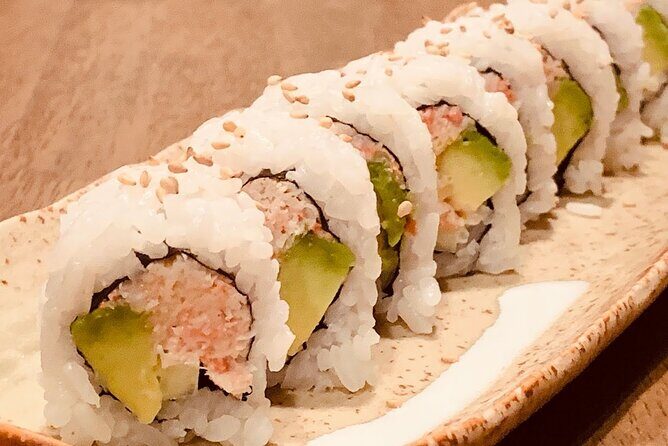
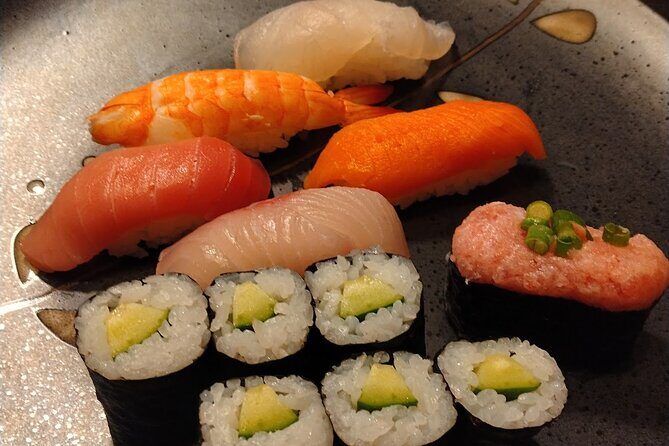
- You’ll practice four styles: nigiri, maki, temaki, and gunkan
- All equipment and ingredients are included, so you show up empty-handed
- Max 6 participants, which helps the lesson stay hands-on
- A true class feel with technique focus, not just watching someone work
More things to make with your own hands
- Sushi Making Tokyo Roll and Authentic Japanese Sushi Class★ 5.0 · 3,971 reviews
- Tokyo Shinjuku Chopsticks Making Class★ 5.0 · 1,763 reviews
- Chopstick Making Workshop in Ginza★ 4.8 · 1,366 reviews
Why a sushi class in Shibuya feels more hands-on than you expect
Tokyo has no shortage of sushi experiences. What makes this one worth your time is how much of it is built around doing the work yourself, step by step. You’re not just learning what sushi is. You’re learning how it’s assembled—rice, fish, tools, and the small movements that turn a pile of ingredients into something that holds its shape.
The setting is in Shibuya, near public transportation, and the meeting point is a clear address: 15-17 Sakuragaokachō, Shibuya, Tokyo 150-0031. That matters more than it sounds. If getting there is easy, you’ll arrive calm and ready to focus, which is when the lesson becomes fun instead of rushed.
Also, because the group is small (maximum 6), Chef Ken can correct your technique as you go. That keeps you from picking up bad habits, like overworking rice or building rolls that fall apart the second you lift them.
Meet Chef Ken: hotel-trained precision with English-friendly teaching
Chef Ken is the heart of this class. The info you’re given is specific: he’s a former HYATT hotel sushi chef with experience in both Japan and California, and he’s taught sushi making and catering for both Japanese and foreign customers. That background shows up in how the class is described—focused on process, not vague tips.
Another detail I appreciate is the teaching language. The class is taught in English, so you’re not stuck playing charades with sushi terms. You’ll still learn Japanese names for the styles—Nigiri (hand-pressed), Maki (roll), Temaki (hand-roll), and Gunkan (battleship)—but you won’t be left behind on explanations.
If you’re the kind of traveler who likes asking questions, this class supports that. The approach is small group and technique-driven, and the feedback loop is faster than in a bigger, more showy format.
The class flow: how you’ll move from sushi rice to four real styles
The session runs about 1 hour 30 minutes. In that time, you cover the stuff that normally takes many meals to learn: rice making, ingredient prep, and multiple assembly styles. Here’s what that usually feels like in practice.
1) Sushi rice: the base that makes or breaks everything
Sushi rice isn’t just cooked rice. You’ll learn how to make it, and that means understanding the key goal: the rice should be seasoned and handled in a way that gives it structure. If the rice is too dry, rolls crumble. If it’s too wet, it turns into a sticky mess.
You’re also learning process, not just outcomes. That’s why this part matters for you. If you can replicate the rice step later, you can make sushi at home without guessing.





2) Ingredient prep: getting fish and fillings ready
Next is ingredient preparation. The class description is clear that you’ll prepare ingredients before assembly. This part is useful because it teaches you what good prep looks like—portioning, arrangement, and readiness—so you’re not trying to figure it out mid-build.
3) Nigiri: hand-pressed sushi that holds its shape
Nigiri is taught as a core style. The “hand-pressed” method sounds simple, but it’s all technique: rice shape, fish placement, and balance. This is where small-group teaching shines. You’ll see what works and what doesn’t, and you’ll get guidance while you try it.
4) Maki: rolled sushi you can slice cleanly
With Maki, you’ll learn how to build a roll you can form and handle. Rolling is one of those skills where your hands learn by doing. You’re not just watching someone wrap a sheet and calling it a day. You’ll make it yourself and learn the logic of the roll—how much you pack, how you align layers, and what helps it cut cleanly.
5) Temaki: the hand-roll that’s all about confidence
Temaki is the “hand-roll” style, and it’s often the most forgiving because it’s meant to be shaped by hand. Still, it requires the same basics: balanced rice, proper filling placement, and a build that doesn’t collapse when you lift it.
6) Gunkan: the battleship form that looks dramatic and eats well
Gunkan (battleship) is taught too. This style usually gets attention because of its shape and how it can hold toppings. For you, it’s a fun way to learn structure and assembly—how to form a vessel that stays together and doesn’t turn into toppings on the floor.
Across these styles, the emphasis is on learning the process of making different types of sushi, including creative sushi that’s loved around the world. Translation: you’ll leave with traditional technique and a sense of where creativity fits in—without turning it into random chaos.
Fresh ingredients and daily buying: why this class tastes different
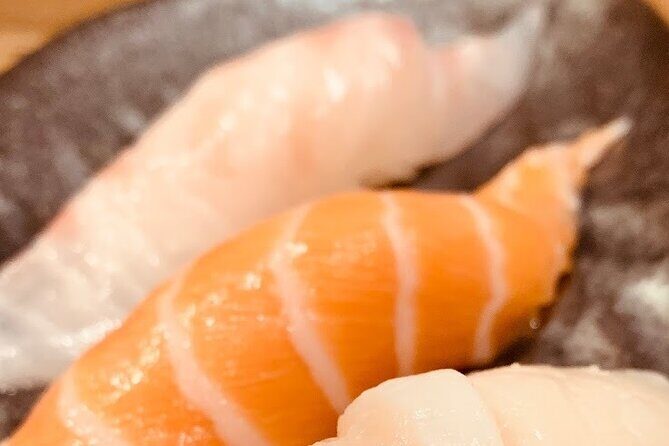
One line in the description is doing a lot of work: sushi ingredients are strictly selected and purchased on the day. That matters because sushi is extremely ingredient-dependent. Rice can be practiced. Technique can improve. But fish quality affects flavor and texture instantly.
It also explains why the class is described as using high-quality ingredients. When the fish is fresh and chosen for what’s being made, you taste the difference right away. And since the class is small, there’s less chance of ingredient substitution or generic handling that can happen in larger settings.
Also, Chef Ken’s experience across Japanese and foreign customers suggests he understands what you’re there for: learning technique plus eating something actually worth your time. In a good sushi lesson, the food is part of the lesson, not just a reward.
The equipment is taken care of, so you can focus on technique
You don’t need to bring anything. All equipment and ingredients are included. That’s practical and underrated. Sushi class tools can be specific—mats, knives, rice tools, and so on. If you show up trying to guess what’s needed, you waste mental energy you should spend on learning.
This setup also helps keep the class smooth for the group. With only up to 6 people, the pace stays focused. You get enough time to try each style and not spend the whole session waiting.
And since the class ends back at the meeting point, you can plan the rest of your day with fewer unknowns.
Sake and green tea: part of the experience, part of the meal
The tour summary mentions adding fun with Japanese sake and green tea. In a class like this, that usually means you’re tasting along the way or enjoying it with the meal you make. Either way, it connects to the real Japanese dining rhythm: food, drink, and conversation—not just a workshop atmosphere.
I like experiences where you don’t have to separate learning from enjoying. Here, the lesson is tied to what you’ll eat. So you’re not only building muscle memory in your hands. You’re also building a flavor memory—how ingredients and technique work together.
If you prefer to skip alcohol, you can still enjoy green tea as part of the experience, since it’s explicitly included in the concept of the class. (The data doesn’t spell out replacement options, so I recommend confirming any drink preferences when you book.)
Price and value: what $107.26 really buys you in Tokyo

At $107.26 per person, this isn’t a bargain price. But sushi lessons aren’t meant to be cheap. You’re paying for a trained teacher, fresh daily ingredients, and structured practice.
Here’s how the value makes sense for you:
- Chef Ken’s background (hotel restaurant experience plus sushi teaching and catering) reduces the chance you get generic instructions.
- Fresh, day-of ingredients cost more than prepackaged or bulk supplies, and you can taste the difference.
- Up to 6 people means more direct guidance than bigger classes.
- You make multiple styles—not just one roll.
Duration is about 1 hour 30 minutes, and that’s exactly why it’s priced like a lesson. You’re getting hands-on training across several sushi forms, plus an end result you can eat.
If you’re the type of traveler who values skills you can bring home, this price starts to feel fair. If you’re only looking for a one-and-done meal with no learning component, you might decide to spend less elsewhere. But if your goal is sushi literacy—rice, prep, assembly—this class has the structure to get you there.
Who should take this sushi making class (and who might pass)
This class is a great fit if you want:
- A small-group, technique-focused lesson
- English-friendly explanations without needing sushi vocabulary to participate
- A chance to make nigiri, maki, temaki, and gunkan in one go
- Fresh ingredients chosen for the day, not generic stand-ins
It’s also ideal for couples or small groups. Minimum number of participants is 2, and the experience is described as personal and non-commercial in the way people talk about it. For two people especially, small-group teaching can feel private, even when it’s not advertised as a full exclusive rental.
You might pass if you want a longer deep training session. One hour 30 minutes is enough to learn and eat, but not enough to become expert. You’ll still need practice at home to tighten your hand skills.
Should you book Chef Ken’s sushi making class?
My take: yes, if you’re in Tokyo and you want a hands-on food experience that teaches real sushi construction. The combination of English teaching, Chef Ken’s background, and the focus on multiple styles makes it a practical choice. You’ll leave with a clearer idea of how sushi rice should behave, how to handle ingredients, and how different forms are assembled.
Book it if you value daily-fresh ingredients and you like learning by doing. Consider it less if you’re mainly after a sit-down meal, since you’re paying for instruction and practice time.
One smart tip: go in hungry for learning, not just tasting. Ask questions as you build. When you’re making nigiri, don’t just aim for pretty. Aim for balance—rice and fish should work together.
If you do that, you’ll walk away with something rarer than a photo: repeatable technique.
FAQ
How long is the Sushi Making Class?
The class is approximately 1 hour 30 minutes.
Is the class taught in English?
Yes. The class is taught in English.
How many people are in the class?
It’s a small group with a maximum of 6 travelers. The minimum number of participants is 2.
What sushi styles will I learn to make?
You’ll learn multiple styles, including Nigiri (hand-pressed), Maki (roll), Temaki (hand-roll), and Gunkan (battleship).
Are ingredients and equipment included?
Yes. All equipment and ingredients are included, so you don’t need to bring anything.
Where does the class meet?
The meeting point is 15-17 Sakuragaokachō, Shibuya, Tokyo 150-0031, Japan. The activity ends back at the meeting point.
Can I cancel for a full refund?
Yes. You can cancel up to 24 hours in advance for a full refund. If you cancel less than 24 hours before the start time, the amount paid is not refunded.
Make Something to Take Home


More Tour Reviews in Tokyo



Fresh reviews from around Tokyo






Workshops, compared.
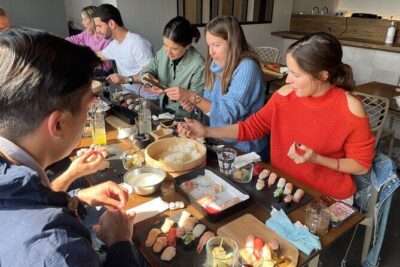 ★ 5.0Sushi Making Tokyo Roll and Authentic Japanese Sushi ClassFrom $593,971 reviews
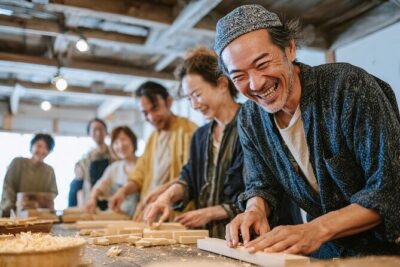 ★ 5.0Tokyo Shinjuku Chopsticks Making ClassFrom $201,763 reviews
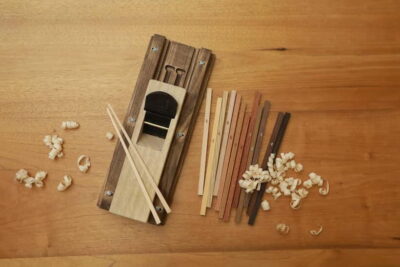 ★ 4.8Chopstick Making Workshop in GinzaFrom $251,366 reviews
 ★ 5.0Tokyo Sushi Making Class in Tsukiji with Professional ChefFrom $491,177 reviews
 ★ 5.0Ramen & Gyoza Cooking Class in Tokyo with Local Supermarket VisitFrom $122823 reviews
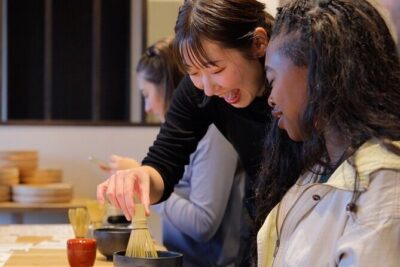 ★ 5.0Matcha Making Class in Tokyo with Authentic Japanese Sweets SetFrom $21744 reviews
 ★ 5.0Samurai Sword & Archery Class from Samurai DescendantFrom $193603 reviews
 ★ 4.9Tsukiji Fish Market Sushi Making Class with Pro ChefFrom $63506 reviews
Browse the lists this tour appears in