
Tokyo cooking feels oddly familiar. This class in the Shinjuku area gives you a real taste of everyday Japanese home cooking, with an English-speaking instructor and a menu you choose in advance (when availability allows). You’ll prep and cook several dishes in a proper kitchen studio, then sit down to enjoy what you made.
What I like most is how hands-on it is. You’re not just watching—on most menu options, you’ll actively tackle key steps for things like okonomiyaki, gyoza, takoyaki, sushi rolls, or a traditional gozen-style set. I also like the teaching style: instructors such as Kana, Kayo, Lulu, Chieko, Miyuki, and Mika are described as friendly and patient, with lots of ingredient and technique talk in clear English.
One drawback to plan for: your menu choice depends on the day’s schedule. The class says you may only be able to choose your menu if your group is the only one attending; if another group joins, menu options might be limited. Also, the exact address is sent after booking—one of the most common practical issues is finding the right doorway, so I’d rather you arrive a few minutes early.
In This Review
- Key highlights to look for
- A kitchen studio near Shinjuku, not a tourist-food factory
- Choose your comfort-food menu: okonomiyaki, gyoza/takoyaki, sushi/teriyaki, or gozen
- Menu A: Okonomiyaki and yakisoba set
- Menu B: Gyoza and takoyaki set
- Menu C: Rolled sushi and teriyaki set
- Menu D: Traditional gozen set
- Menu E: Request-based option (if available)
- What the 150 minutes really look like
- Techniques and ingredient tips you’ll actually use at home
- Griddle and pan heat control
- Sauce balance and timing
- Ingredient substitutions and why they matter
- Cutting, rolling, and plating basics
- Dietary needs, allergies, and how the menu gets adjusted
- Meal value: you cook, you eat, and you leave with recipes
- Price and timing: when this fits best in your Tokyo plan
- Who should book this cooking class (and who might not)
- Book it if you want hands-on food learning
- Book it if you have dietary preferences
- Consider skipping if you hate kitchens or fear mess
- Consider moving slower if you’re very time-sensitive
- Should you book this cooking class near Shinjuku?
- FAQ
- Where is the meeting point for this class?
- How long is the experience?
- What menu options can I choose?
- Can the menu be changed for dietary restrictions or allergies?
- Is the instructor speaking English?
- What’s included in the price?
- What is not included?
- What is the cancellation policy?
Key highlights to look for
- Pick from popular menus like okonomiyaki and yakisoba, gyoza and takoyaki, rolled sushi with teriyaki, or a gozen set
- Cook several dishes yourself, including hands-on work with sauces, fillings, dumpling shaping, or sushi rolling
- English-speaking instruction from hosts such as Kana, Kayo, Lulu, Chieko, Miyuki, and Mika
- Dietary flexibility for vegetarians and vegans, plus allergy discussions in advance
- You leave fed and educated, with recipes and even photos mentioned in past participants’ experiences
Different nights, same neon: more Shinjuku crawls
- Tokyo: Shinjuku Food Tour (13 Dishes at 4 Local Eateries)★ 5.0 · 6,603 reviews
- Tokyo Bar Hopping Tour in Shinjuku (All-You-Can-Drink + Dinner)★ 5.0 · 3,587 reviews
- Tokyo: Shinjuku Food Tour (15 Dishes and 4 Eateries)★ 4.9 · 2,033 reviews
A kitchen studio near Shinjuku, not a tourist-food factory
Shinjuku is loud, bright, and famous for a reason. But inside this cooking class studio, the mood shifts fast. You go from Tokyo street noise to a calm workspace where the focus is technique, ingredients, and making a meal that looks like it belongs in a Japanese home.
The location matters. Being in or around Shinjuku keeps your day simple. If you’re already sightseeing around central Tokyo, you’re not spending half your trip negotiating faraway trains just to cook lunch. And because it’s a kitchen studio (not a restaurant dining room), you get the space to move, chop, roll, and cook without feeling like you’re in the way.
The vibe is also practical. The class is designed for you to participate, ask questions, and actually learn what each dish is doing and why. That’s why instructors like Kana and Lulu stand out in prior sessions: they don’t just explain the finished product, they explain the process and the choices behind it.
Choose your comfort-food menu: okonomiyaki, gyoza/takoyaki, sushi/teriyaki, or gozen
When you book, you select one of four menu sets (plus a possible request option). These are all crowd-pleasers in Japan—friendly flavors that teach you real cooking fundamentals.
Menu A: Okonomiyaki and yakisoba set
If you like savory, griddle-style cooking, this is a great pick. Okonomiyaki is built from batter and shredded cabbage, cooked on a hot surface and finished with sauces and toppings. Yakisoba brings another skill set: stir-fried noodles (often paired with seafood or pork and vegetables) plus that sweet-savory sauce that clings to everything.
This combo is a nice teaching pair because it shows how Japanese home cooking can feel playful and flexible. You learn how texture changes on the grill and how sauce timing affects the final bite.
Menu B: Gyoza and takoyaki set
This is your dumpling-and-crunch menu. Gyoza is pan-fried for crisp edges, and the key lesson tends to be heat control—how the bottom gets browned while the inside stays tender. Takoyaki is the famous Osaka-style ball-shaped snack: batter poured into a special pan, filled, flipped, and cooked until the outsides turn golden and springy.
It’s also one of the more memorable menus because it involves a lot of hand skills. You’re shaping and managing small pieces. That makes it fun even if you’re a bit rusty in the kitchen.
More things to make with your own hands
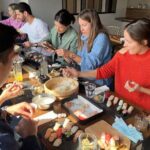
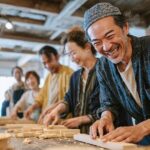
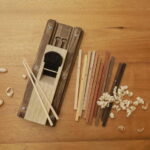


Menu C: Rolled sushi and teriyaki set
This option targets precision and patience. You’ll roll your own sushi pieces and pair them with either yellowtail fish or chicken teriyaki, plus miso soup. Sushi is great for learning because it forces you to handle rice and fillings with care, then cut and plate with intent.
If you’ve ever bought store-bought sushi and thought it tasted fine but never quite felt right, this menu is the one that turns theory into muscle memory.
Menu D: Traditional gozen set
Gozen-style meals are the Japanese home-cooking version of a balanced plate. You’ll see a bit of everything: meat, fish, a side dish, miso soup, and onigiri (rice balls). It’s ideal if you want variety and you like the feeling of eating like someone’s auntie cooked for the family.
This menu also tends to teach you how Japanese meals are composed—how different items play together rather than competing.
Menu E: Request-based option (if available)
There’s also an option to request a menu, with the instructor discussing what can be done together. That’s useful if you’re trying to match dietary limits or personal preferences that don’t fit neatly into A–D.
What the 150 minutes really look like
The class runs about 150 minutes, roughly two and a half hours from start to sit-down-eat. The structure is simple, and that’s why it works.
1) Welcome, menu confirmation, and technique setup
You’ll get instructions in English, plus guidance on how the kitchen stations will flow. Ingredients are prepared beforehand, but you’ll do the cooking steps that matter most for learning. This is a key point: you don’t just assemble a final plate. You practice the components.
2) Cooking in stages, not one big chaos session
Each menu has several dishes, and the timing keeps you moving without feeling rushed. For example, you might start on one hot-item component (griddles or pans), then move to dumpling work or rolling/finishing tasks. The goal is that you participate in more than one “skill moment.”
3) The tasting meal at the end
After cooking, you eat what you made together. The pacing is built so you’re not starving and waiting forever, either. Multiple past experiences mention that the meal is plentiful enough to keep you going for the rest of the day, which tells me the portions are meant to feel satisfying, not symbolic.
4) Wrap-up with take-home help
You can expect recipe support and photos from the session in many cases. That matters because Japanese home cooking can have subtle ratios and technique cues. Photos and recipes help you replicate the feel back home, not just the ingredients.
Practical note: because menu availability can change depending on who else is in the class, don’t count on every exact detail if the day’s schedule is busy. The class is designed to work around it, but it’s smarter to be flexible.
Techniques and ingredient tips you’ll actually use at home
Japanese home cooking is less about rare gadgets and more about mastering small choices: heat level, sauce timing, and how ingredients are prepared before they hit the pan.
Here are the kinds of takeaways that tend to stick based on how these classes are taught:
Griddle and pan heat control
Whether you’re making okonomiyaki, crisping gyoza, or cooking takoyaki, the big variable is temperature. You learn what the surface should look like as it cooks, so you can avoid the usual home-kitchen problems: pale bottoms, soggy centers, or sauce that turns flat.
Sauce balance and timing
Japanese dishes often hinge on sauces. You don’t just add sauce at the end and hope. In class, you learn when sauces go on, what they should do to the food, and why some dishes get a finishing drizzle while others get a coating effect.
Ingredient substitutions and why they matter
Instructors such as Mika and Miyuki are known for explaining how key ingredients show up and what they’re for. That’s valuable because at home you’ll face real-world variation: brands, local availability, and personal preferences.
Cutting, rolling, and plating basics
Sushi rolling and gozen-style plating both teach you presentation choices. Even if your first attempt at a roll isn’t museum-perfect, you’ll understand what makes it hold together and how to cut it cleanly.
Dietary needs, allergies, and how the menu gets adjusted
This class is built to handle dietary preferences, including vegetarians and vegans. That’s a big deal for Tokyo, where “easy to eat” isn’t always the same as “easy to eat safely.”
Two things to do before you go:
- Tell them about allergies in advance. The class explicitly asks you to let them know ahead of time so the menu can be discussed and options available.
- Ask early about plant-based swaps. The class says it’s designed to accommodate dietary preferences, but your best chance for a smooth match is early communication.
Also pay attention to the day’s menu limitation issue mentioned above. If menu selection changes due to the group schedule, you’ll want to confirm what “adapted menu” means for your specific dietary needs. The class indicates that discussion is possible, so it’s worth asking what will happen if your first choice isn’t available.
Meal value: you cook, you eat, and you leave with recipes
At $88 per person for about 150 minutes, this isn’t the cheapest thing in Tokyo. But it also isn’t trying to compete with a street-food spree. You’re paying for three things at once: instruction in English, a guided cooking setup, and a full meal you didn’t have to plan, shop for, or translate.
Here’s the practical value math:
- The dishes are popular and satisfying (not “lite sample portions”).
- You use cooking tools and ingredients included in the price.
- You get structured time—2.5 hours is enough to learn and actually finish.
What’s more, multiple instructors are mentioned by name across past sessions, including Kana, Lulu, Chieko, Kayo, and others. That suggests the teaching team is consistent, and the class keeps its tone friendly and supportive. One of the best signals in the details is how often the experience is described as personal and easy for people to ask questions.
And yes, you’ll likely want to re-create dishes at home. One person even mentioned buying a pan after the class to repeat the cooking. That tells me the class doesn’t just end at the table—it nudges you into continuing the food you learned.
Price and timing: when this fits best in your Tokyo plan
This is an afternoon-friendly activity. With a 150-minute duration, it’s long enough to count as a true plan, but not so long it eats an entire day.
I’d slot it:
- Before an evening neighborhood hangout (so you’re not rushing dinner right afterward).
- On a lighter sightseeing day when you want something structured.
- For rainy weather or days when you want a warm, indoor Tokyo experience that still feels local.
What you’ll need to consider:
- No private transportation is included, so you’ll rely on public transit or taxis. That’s fine in Shinjuku, but still plan your route.
- Because the exact address is provided after booking, treat it like a scheduled meeting point, not a “I’ll find it when I get there” situation. Follow the message you’re sent.
Who should book this cooking class (and who might not)
Book it if you want hands-on food learning
This is ideal if you want to cook real dishes, not just hear about them. The menu structure, included ingredients and tools, and English instruction all point to active participation.
Book it if you have dietary preferences
The class explicitly mentions adjustments for vegetarians and vegans and requests that you share allergies in advance. If that’s your main goal, this is one of the more straightforward ways to eat comfortably in Tokyo while still doing something fun.
Consider skipping if you hate kitchens or fear mess
You’ll be cooking. Even with tools and support, there’s a hands-on element. If you’re the type who wants a sightseeing-only day or you’re uncomfortable around food prep, you might prefer a food tour instead.
Consider moving slower if you’re very time-sensitive
Address details and entry can be tricky in older buildings. The class sends the exact location after booking, so build in a small buffer. In places like Shinjuku, five minutes of confusion can turn into fifteen if you’re rushing.
Should you book this cooking class near Shinjuku?
I think you should book it if you want a real Tokyo skill, not just another meal. You’ll leave with practical dish knowledge: how to cook, how sauce and heat work, and how Japanese home meals are built. The menu options are also varied enough that you can pick based on your taste: savory griddle comfort (okonomiyaki/yakisoba), dumpling fun (gyoza/takoyaki), precision (sushi/teriyaki), or a balanced set (gozen).
One last decision tip: if your top priority is making a specific menu choice, book with enough flexibility to handle possible availability limits. If you can do that, this class becomes a strong value. It’s one of the rare Tokyo activities where the payoff is both in the moment and back home on your own stove.
FAQ
Where is the meeting point for this class?
The meeting point is a kitchen studio in or around Shinjuku, Tokyo. The exact address is shared after you book, so you should wait for the message and go to the address provided.
How long is the experience?
The class runs for about 150 minutes, which is roughly 2.5 hours.
What menu options can I choose?
You can select from four set menus (A to D) when booking, and there’s also an option for requesting a menu (menu E) where you discuss what’s possible.
Can the menu be changed for dietary restrictions or allergies?
Yes. The class is designed to accommodate dietary preferences, including vegetarians and vegans. If you have food allergies, you should let them know in advance so the menu can be discussed and options can be arranged.
Is the instructor speaking English?
Yes. The instructor is listed as English-speaking.
What’s included in the price?
The price includes all fees and taxes, cooking tools, ingredients, and drinking water.
What is not included?
Private transportation is not included, so you’ll need to arrange getting there on your own.
What is the cancellation policy?
You can cancel up to 24 hours in advance for a full refund.
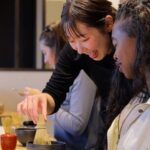
Make Something to Take Home
More Tour Reviews in Tokyo






Shinjuku After Hours: The Other Crawls


Fresh reviews from around Tokyo






Shinjuku Bar Hopping, compared.
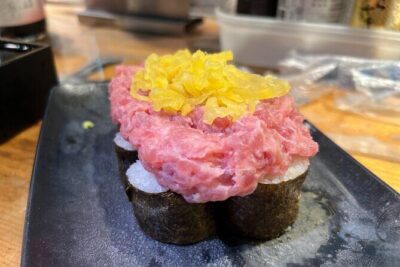 ★ 5.0Shinjuku Food Tour (13 Dishes at 4 Local Eateries)From $866,603 reviews
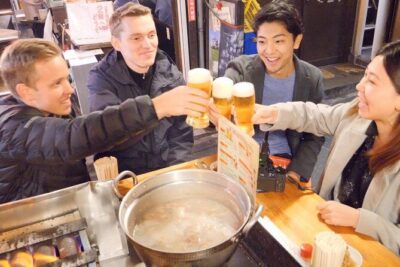 ★ 5.0Tokyo Bar Hopping Tour in Shinjuku (All-You-Can-Drink + Dinner)From $1063,587 reviews
 ★ 4.9Shinjuku Food Tour (15 Dishes and 4 Eateries)From $852,033 reviews
 ★ 4.9Shinjuku Local Bar and Izakaya Guided Walking TourFrom $341,794 reviews
 ★ 5.0Tokyo Shinjuku Chopsticks Making ClassFrom $201,763 reviews
 ★ 5.0Tokyo Shinjuku Sumo Show & Experience with PhotoFrom $791,750 reviews
 ★ 5.0Tokyo Night Foodie Tour in Shinjuku – Seasonal Sushi, Wagyu BeefFrom $1111,161 reviews
 ★ 4.8Sumo Show and Experience in ShinjukuFrom $691,001 reviews
Browse the lists this tour appears in