
Reviewed · SHIBUYA TOURS
Shibuya: Local Food & Culture Walk in Sangenjaya District
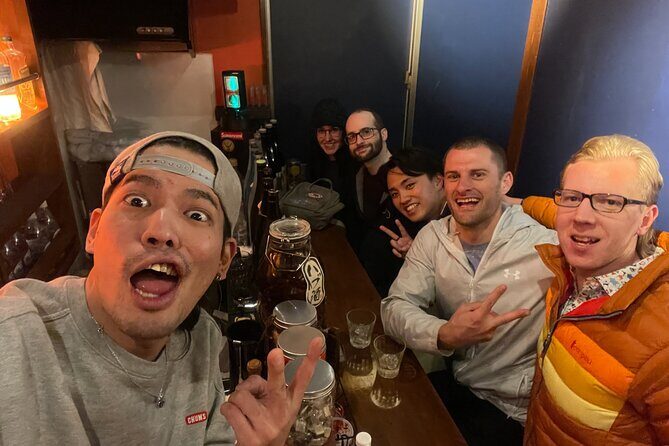
Tokyo has a quieter side. This Sangenjaya food-and-culture walk (just two stops from Shibuya) trades crowds for retro lanes, small shrines, and local bars where the vibe feels like someone invited you in. I love how the night is paced through real izakaya culture with Hiro, and I like that you get full value on the eating plan, not just a couple of snacks.
One thing to plan for: it’s an evening on foot, and the finish is in a maze of narrow alleys in Sankaku where comfort shoes help. The total time is about 4 hours, and the group is kept small (max 4), so you get attention, but it won’t feel like a big party tour.
In This Review
- Quick Hits: What makes Sangenjaya Night Food feel different
- Why Sangenjaya beats another Shibuya night
- Suzuran Street izakaya start: grilled yakitori and a relaxed entry
- Gorilla Building and Taishido Hachiman Shrine: playful photos, then a quiet reset
- Chazawa-dori dinner: 13 dishes across the night’s main meal
- Carrot Tower’s free observation deck: get your bearings fast
- Sankaku Chitai: tiny bars, narrow alleys, and real late-night Tokyo texture
- Price and value: what $123.57 really buys you
- Practical notes: timing, walking comfort, and who fits best
- Should you book this Sangenjaya walk?
- FAQ
- How long is the Sangenjaya local food and culture walk?
- What does the tour cost?
- What’s included for food and drinks?
- Are there admission fees at the stops?
- Where do I meet and where does it end?
- Can most people participate, and what should I wear?
- What’s the cancellation policy?
Quick Hits: What makes Sangenjaya Night Food feel different
- Hiro’s guide style: friendly, easy to talk with, and focused on showing the local neighborhood rather than rushing through sights
- Izakaya-first start: Suzuran Street begins with grilled yakitori plus your first drinks so you’re in the rhythm fast
- Three-meal energy with 13 dishes: you’re eating across multiple spots, including classic plates like karaage and sashimi
- Free photo + calm breaks: the Gorilla Building keeps it playful, then Taishido Hachiman Shrine slows the pace with a small, 17th-century feel
- Carrot Tower orientation: the free top-floor view helps you connect where you are in Tokyo at night
- Sankaku Chitai at the end: tiny bars in tight lanes gives you that late-night Tokyo texture
More to do within sight of the Crossing
- Official Street Go-Kart in Shibuya★ 5.0 · 3,435 reviews
- Tokyo: Street Kart Experience in Shibuya★ 4.9 · 1,484 reviews
- Shibuya Meltdown Nightlife Tour: All-You-Can-Drink Bar Hopping★ 5.0 · 1,058 reviews
Why Sangenjaya beats another Shibuya night
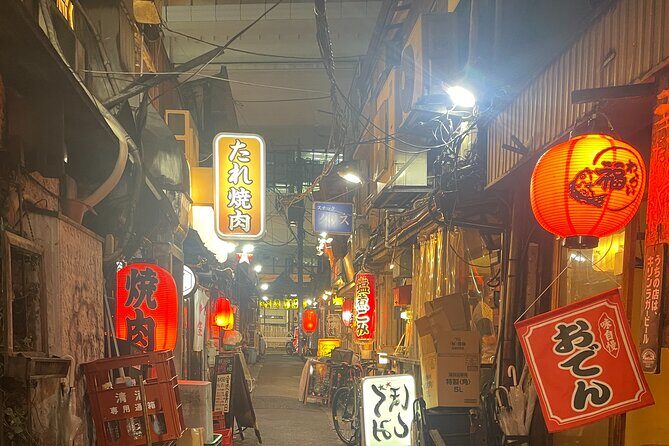
Shibuya gets all the attention, but Sangenjaya is where Tokyo feels more like a lived-in neighborhood. The whole idea here is simple: you move just a short distance from the tourist pulse, and suddenly the streets are full of lanterns, retro signage, and places that look like regulars actually show up.
I like that this isn’t a checklist tour. It’s built around how you experience a night in Tokyo—eat first, take a quick breather, then finish with the kind of bar-hopping alleys that usually don’t make it into big-name itineraries.
Suzuran Street izakaya start: grilled yakitori and a relaxed entry
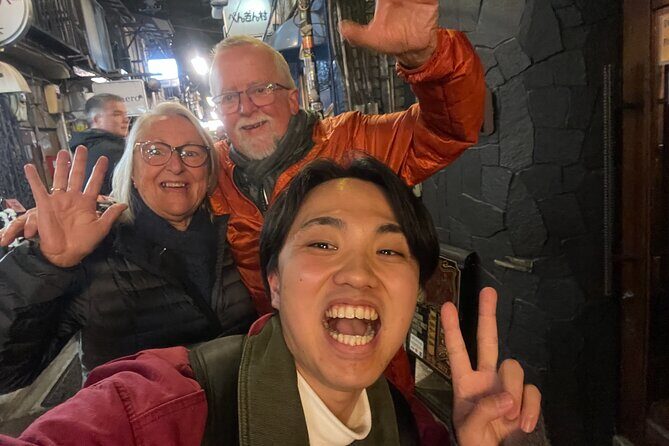
You begin at a cozy local izakaya on Suzuran Street, known for its lantern-lit, old-Tokyo alley feeling. That first hour matters. It sets the tone before you start moving around, and it helps you understand the basics of an izakaya night: order, share, sip, and settle in.
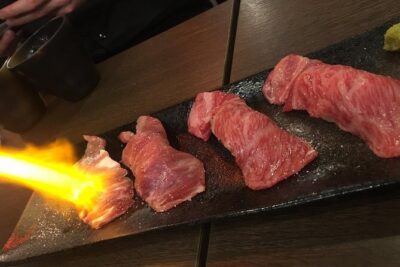
The food at this start is focused on freshly grilled yakitori, and you get a choice of drinks like beer or a highball, plus non-alcoholic options. This is a good moment to stop thinking like a tourist and start thinking like a diner—no big speeches, just good comfort food and a guide keeping things smooth.
What to watch: the dinner pace is social and steady, so if you’re the type who prefers quick hit stops and constant sightseeing, you might want to remind yourself this is a food walk first. Also, it’s at night, so bring the same mindset you’d bring to an evening out at home: small talk, patience, and fun.
Gorilla Building and Taishido Hachiman Shrine: playful photos, then a quiet reset
After the first izakaya, you hit the Gorilla Building, a quirky Sangenjaya photo spot locals nickname for the giant gorilla figure on the facade. It’s quick—just a short stop—but it works because it breaks the evening into moments. You’re not just eating; you’re also seeing the neighborhood’s personality.
Right after that, you get a breather at Taishido Hachiman Shrine. This one is small, but it has staying power: it dates back to the 17th century and is meant to protect the area and its people. I like these short shrine stops on night tours because they add contrast. After bright signs and food steam, the calm space helps your brain slow down.
Possible drawback: if you’re not into shrines or quiet moments, this stop may feel brief. But even then, it’s useful as a reset before dinner ramps up again.
Chazawa-dori dinner: 13 dishes across the night’s main meal
Dinner is where the tour shows its value. You head to a lively izakaya on Chazawa-dori, one of Sangenjaya’s main roads for local food energy. This is the part of the night that turns into a proper meal, not just sampling.
The tour includes an all-you-can-drink plan along with the food. Dishes you can expect include classics like karaage, sashimi, grilled fish, and edamame. And across the night, the plan is built around 13 Japanese dishes served at 3 eateries, which is a big deal for anyone who’s been burned by tours that call two bites a dinner.
Why this is a smart setup: if you don’t speak much Japanese, you don’t want to spend your night translating menus and guessing what to order. Here, the guide and the structured meal flow help you focus on eating and enjoying the room—everything from the ordering rhythm to pacing between courses.
One consideration: this is a heavy food night. If you’re picky about specific items (for example, if you avoid raw fish), ask questions early and let Hiro know what you prefer so the plan can work for you.
Tokyo at walking pace, a few more ways
Carrot Tower’s free observation deck: get your bearings fast
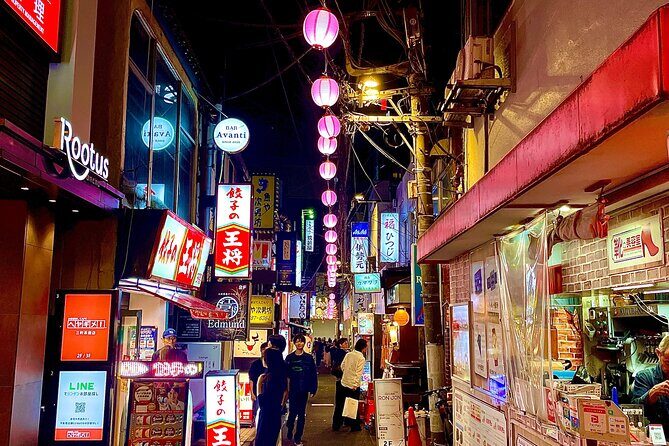
After dinner, you get a night view moment from Carrot Tower. The key point is the deck is free, and the vantage is wide—think a full 360-degree sweep of Tokyo’s city lights. This stop is about more than photos. It helps you understand the geography of where you’ve been walking.
In Tokyo, neighborhoods can feel like a blur of alleys and lights. A view like this gives you a map in your head. You start to connect how Sangenjaya fits into the larger city, which makes the whole evening feel more “connected” rather than random.
Practical note: this part is short—about 20 minutes—so it’s not a long line situation built into the tour. You’re there to grab the view and keep moving.
Sankaku Chitai: tiny bars, narrow alleys, and real late-night Tokyo texture
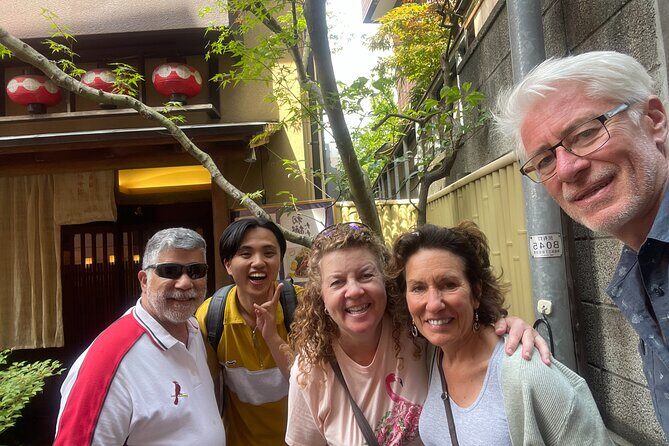
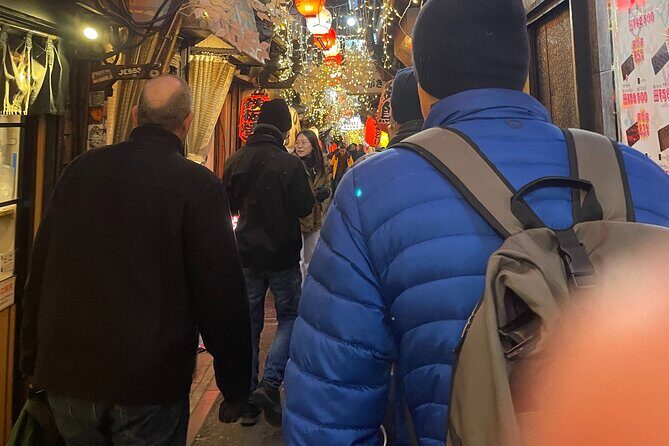
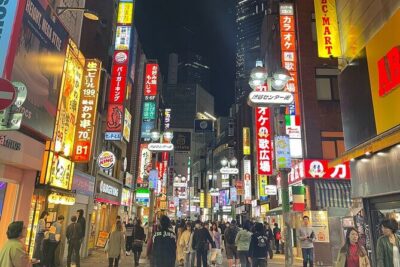
The tour ends in Sankaku Chitai, often described as a maze of narrow alleys filled with small bars and neon charm. This is where the night feels most local. You’re not in a wide promenade where everything is spaced out; you’re in a tight network of places that feel like you could keep exploring for hours.
It’s also the part of the tour that matches the best feedback from people who like nightlife through a local lens. The small scale (max 4 travelers) plus the guide’s comfort with the area makes this feel like a guided entry into the scene, not a scramble.
What to do: pace yourself and choose one or two spots you actually want to linger in. With narrow lanes and lots of signs, it’s easy to get over-stimulated if you try to do everything at once.
Location benefit: the tour finishes at a bar that’s just a short walk from Sangenjaya Station, so you can get home without a long haul.
Price and value: what $123.57 really buys you
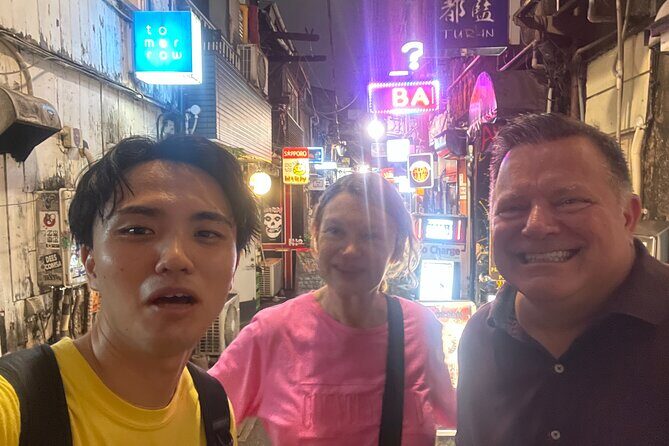
At $123.57 per person, you’re paying for more than a walk and a guide. The structure includes:
- a professional guide (Hiro is the name you’ll hear in the guidance style),
- multiple meal stops,
- 13 Japanese dishes across 3 eateries,
- complimentary drinks early on,
- and an all-you-can-drink plan during dinner.
When you compare that to trying to recreate it on your own in Tokyo, the math starts to make sense. A guided night that also feeds you enough for a full evening is usually good value, especially in neighborhoods where ordering confidently can be hard.
Also, this type of small-group tour (max 4) tends to be more interactive. You’re less likely to be left behind at the next stop, and you get a smoother experience hopping between places.
Scheduling reality: it’s commonly booked about 8 days in advance, so if you want a slot on a specific night, don’t wait until the last minute.
Practical notes: timing, walking comfort, and who fits best
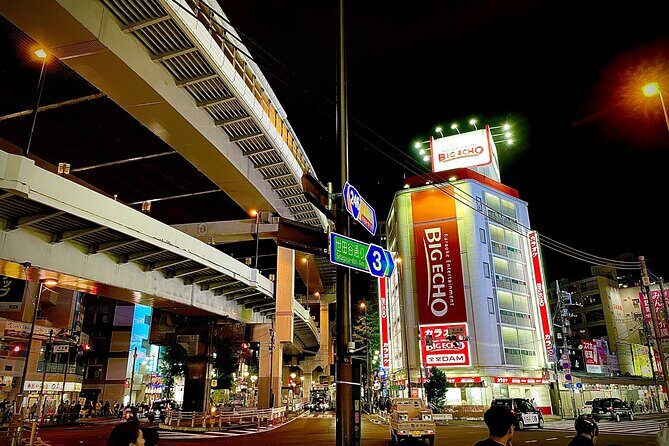
The tour runs about 4 hours, which is a solid length for a Tokyo evening. It’s long enough to eat properly and get a view, but short enough that you’re still fresh for whatever you want to do next in the city.
The route includes walking through local streets and finishing in narrow alley bar areas. That means:
- wear comfortable shoes,
- expect night street conditions,
- and keep your phone charged for quick Gorilla Building photos and city-light shots.
Who it suits best: this is ideal if you want local food culture without staying in the busiest tourist zones. It’s also a good fit if you enjoy chatting with your guide and learning how the neighborhood works, not just taking pictures and moving on.
Who might want to think twice: if you hate structured dining, prefer quiet museums over noise, or can’t do several food stops in a row, you may find it too food-centered.
Should you book this Sangenjaya walk?
I’d book it if you want a Tokyo night that feels like it belongs to the locals. The best parts here are the guide-driven flow, the heavy focus on eating well (not just tasting), and the mix of playful landmarks plus a calm shrine reset plus a night view.
Skip it only if you’re looking for a major-sight tour (Tokyo’s biggest attractions) or if you strongly prefer quiet daytime exploring. This is a night plan built around food and neighborhood texture, and that’s exactly what it delivers.
FAQ
How long is the Sangenjaya local food and culture walk?
It’s about 4 hours.
What does the tour cost?
The price is $123.57 per person.
What’s included for food and drinks?
You’ll get 13 Japanese dishes across 3 eateries, plus complimentary drinks (alcohol and non-alcohol). Dinner includes an all-you-can-drink plan, and the tour also includes items like yakitori and dishes such as karaage, sashimi, grilled fish, and edamame.
Are there admission fees at the stops?
The listed stops include free admission, including the Gorilla Building, Taishido Hachiman Shrine, and the free observation deck at Carrot Tower.
Where do I meet and where does it end?
You start at FRESHNESS BURGER Sangenjaya (Carrot Tower North building 1F). The tour ends at a bar in Sankaku Chitai, about a 2-minute walk from Sangenjaya Station.
Can most people participate, and what should I wear?
Most travelers can participate, but the tour is a walking night through local streets and narrow alleys in the Sankaku area. Wear comfortable shoes.
What’s the cancellation policy?
You can cancel for a full refund if you cancel at least 24 hours before the experience starts. If you cancel within 24 hours of the start time, you won’t get a refund.
Tokyo on Foot: More Walks


More Tour Reviews in Tokyo






Still in Shibuya? Keep Going





Fresh reviews from around Tokyo






Shibuya Tours, compared.
 ★ 5.0Official Street Go-Kart in ShibuyaFrom $763,435 reviews
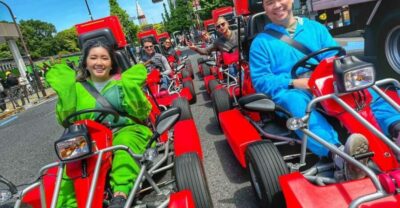 ★ 4.9Street Kart Experience in ShibuyaFrom $741,484 reviews
 ★ 5.0Shibuya Meltdown Nightlife Tour: All-You-Can-Drink Bar HoppingFrom $1061,058 reviews
 ★ 5.0Shibuya Official Street Go-Kart in Shibuya AnnexFrom $69972 reviews
 ★ 5.0Shibuya Food Tour (13 dishes and 4 Eateries)From $77770 reviews
 ★ 5.0Best of Shibuya Food TourFrom $217612 reviews
 ★ 4.8Shibuya Highlights Walking TourFrom $19601 reviews
 ★ 4.7Premium Go-Kart Tour with Tower & Shibuya CrossingFrom $116528 reviews
Browse the lists this tour appears in