
Reviewed · SAKE TASTING
Sake Tasting in Tokyo
Tokyo can be loud. This tasting is focused.
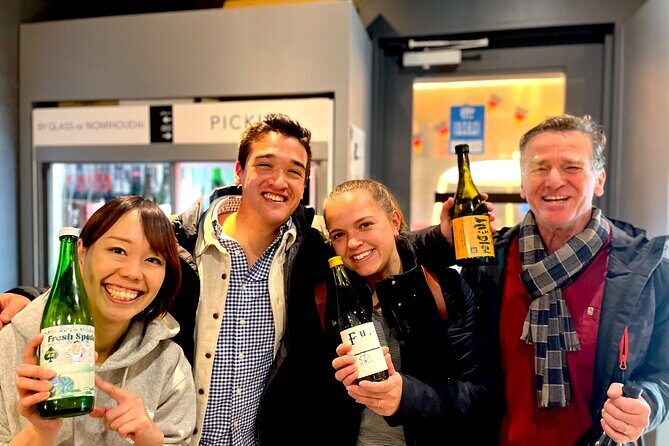
This private sake tasting in Shibuya is a smart way to understand Japanese sake fast—without needing a degree in brewing. You’ll meet Eriko at MIRAI SAKE STORE & SAKE BAR, and she guides you through multiple sake styles, including options you may never have heard of.
I especially like the mix of learning and tasting: first a 20-minute mini-lesson with materials and videos, then you try different sakes with appetizers while she explains what you’re tasting. One thing to keep in mind: it includes alcoholic beverages, so if you’re sensitive to alcohol or have a tight schedule right after, plan for a slower evening.
In This Review
- Key things to know before you go
- Sake in Shibuya: why this tasting is worth your time
- Meet Eriko at MIRAI SAKE STORE & SAKE BAR
- The 20-minute sake lesson: process, not just flavors
- Unpasteurized namazake and aged sake: what you’re actually comparing
- Namazake (unpasteurized)
- Aged sake
- Exclusive brews you can only find here
- Appetizers and pairing: how to taste with more confidence
- What you learn beyond taste: building your own shortlist
- You can buy your favorite bottle on the spot
- Price and value: is $87.80 a fair deal?
- Timing and pacing: what 90 minutes feels like
- Who should book this sake tasting (and who might not)
- Should you book this sake tasting in Tokyo?
- FAQ
- Where does the sake tasting start?
- How long is the experience?
- Is it a private tour?
- What’s included in the price?
- What is the main structure of the tour?
- Can I buy sake during the tour?
- Is it near public transportation?
- How soon should I book?
- What ticket type do I get?
- What is the cancellation policy?
Key things to know before you go
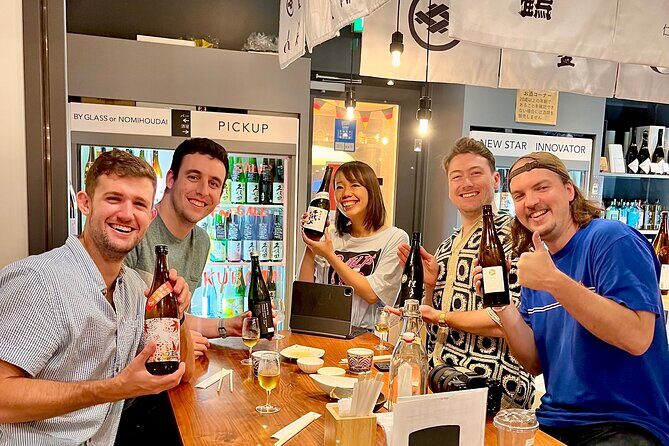
- Eriko’s teaching approach uses a short lecture plus real tasting guidance, so first-timers can follow easily.
- Namazake and aged sake are part of the experience, so you can compare fresh vs. aged styles.
- Unpasteurized sake gets attention, which helps you understand why some sakes taste brighter and more alive.
- Appetizers are included, and the guide connects flavor choices to what you’re eating.
- You can buy sake on the spot if you find a bottle you really like.
Another round: more sake tastings
- Ramen and Sushi Cooking Class with Sake Pairing Set in Tokyo★ 5.0 · 291 reviews
- Sake Tasting Masterclass in Shinjuku (8+ Varieties with a Pro)★ 5.0 · 271 reviews
- Wagyu & Sake Pairing in Shinjuku – Steak, Shabu-Shabu & More★ 5.0 · 112 reviews
Sake in Shibuya: why this tasting is worth your time
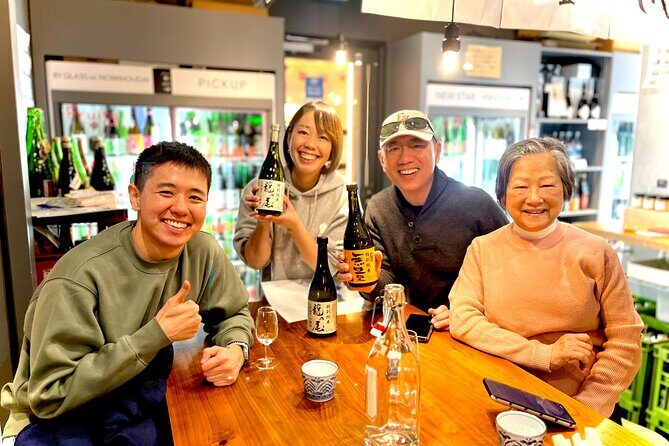
Sake tastings in Tokyo can be either social and vague, or technical and intimidating. This one aims for the sweet spot: you get enough context to taste with confidence, then you sample different styles in a guided way.
The biggest value is how the guide helps you connect taste to process. You’re not just handed a flight and told to pick your favorite. Instead, you learn how sake develops and why that shows up on your tongue.
You also get a clear sense of choice. Since you’ll try multiple types (including ones that go beyond the basics), you can quickly discover what kind of sake fits your palate instead of guessing.
Meet Eriko at MIRAI SAKE STORE & SAKE BAR
Your start point is MIRAI SAKE STORE & SAKE BAR in Shibuya, at Udagawachō, 297 Y’MEZビル 2階 (Tokyo 150-0042). The tour ends right back at the same meeting point, so you don’t need to figure out a second location when you’re already full from snacks and sake.
This matters more than it sounds. When you don’t have to travel again, you can relax into the experience and actually pay attention to what you’re tasting.
It’s also a private activity. That means it’s set up for your group only, not a mixed crowd. For first-timers, that usually translates into quicker answers and less pressure to keep up.
The 20-minute sake lesson: process, not just flavors
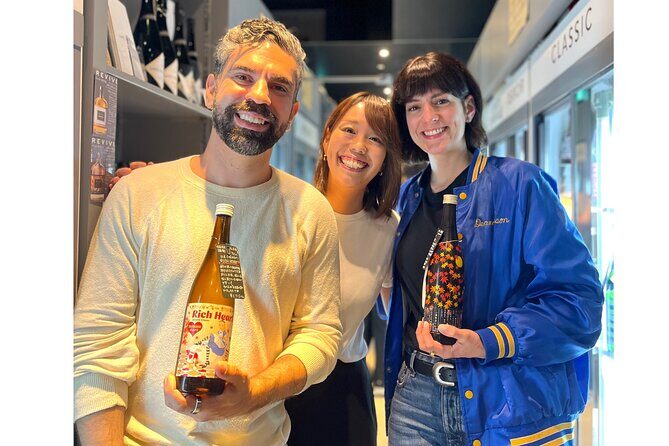
The tour begins with an engaging 20-minute sake lecture. The host uses informative materials and videos, so you’re not relying on memory or random trivia you’ll forget the moment the tasting starts.
Here’s what this kind of short lesson does for you. Sake has categories that can feel like a code. Once you understand the basics—especially how fermentation and related processes shape the end result—tasting stops being guesswork.
The experience is designed so you can ask questions while the ideas are fresh. And from what you’ll likely hear in the flow of the lesson, Eriko’s strength is connecting development and flavor in a way that’s easy for newcomers to grasp. That’s exactly the kind of guidance that helps you taste like you know what you’re doing.
Practical tip: if you’re the note-taking type, jot down two things during the lecture. One about the process you hear most clearly. Another about the flavor you notice first once tasting begins.
Unpasteurized namazake and aged sake: what you’re actually comparing
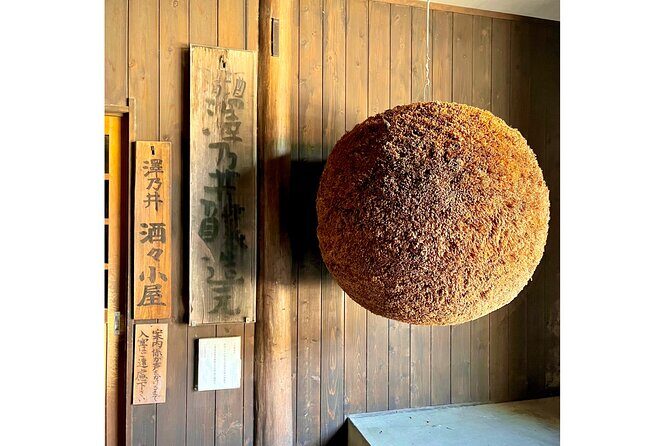
After the lesson, the tasting portion focuses on sampling various sakes paired with appetizers, with the guide explaining each one. The lineup includes styles you might not have met before, such as unpasteurized namazake and aged sake, plus exclusive brews you can only find here.
Other plates worth crossing Tokyo for


Namazake (unpasteurized)
Namazake is the style that often makes people sit up. Because it’s unpasteurized, it tends to taste fresher and feel more lively than pasteurized sakes. It’s the kind of contrast that quickly shows you how processing changes flavor.
When you try it in a guided setting, you’re not just tasting something new. You’re learning what makes it different, which gives your palate a reference point.
Aged sake
Aged sake is where you learn patience in liquid form. Aging can bring out deeper, rounder flavors and a different kind of texture on the finish. If namazake is bright, aged sake often feels more structured.
I like that you’re not stuck choosing one direction. By tasting both, you can decide what you prefer without making it a leap of faith.
Exclusive brews you can only find here
The tour also highlights brews that are unique to this stop. That’s a real advantage of booking a smaller, focused experience. It’s not just generic sake education. It’s your chance to taste something tied to this specific shop and selection.
Appetizers and pairing: how to taste with more confidence
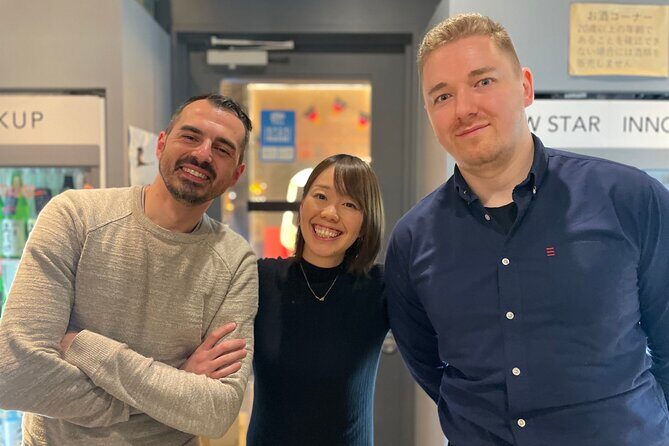
You’ll have snacks during the tasting, and the guide explains how each sake fits with what you’re eating. Even if you don’t call it formal pairing, the effect is the same: the food changes how aromas and flavors show up.
This is especially helpful for first-timers. Many people worry they won’t notice subtle differences between sakes. With appetizers involved, it becomes easier to track what changes when you switch sips and bites.
A practical way to get more from pairing: pick one moment in the tasting to focus on each sense. For example, spend a few seconds noticing aroma before the first sip, then pay attention to body and finish after the second sip with a bite. It’s small effort, but it makes the comparisons clearer.
What you learn beyond taste: building your own shortlist
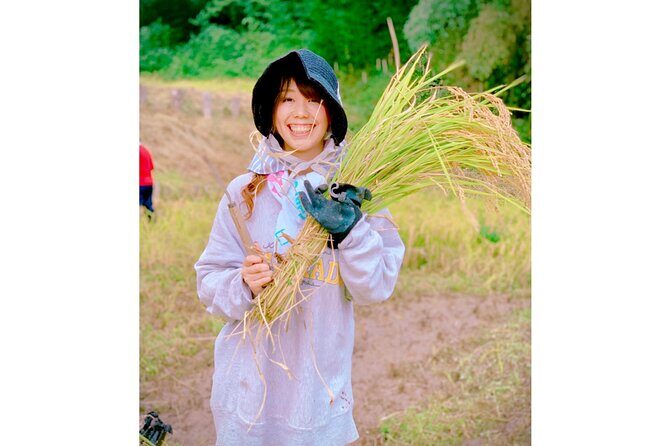
The best part of a guided tasting is that you leave with a mental map. This experience is set up so you understand sake beyond flavor adjectives.
From the way the host teaches—using lecture materials plus live explanation—it’s designed to help you develop a more nuanced sense of how sake types come to be. You’re learning what to pay attention to, like how fresh versus aged styles can feel different, and how the tasting notes connect back to the process.
You’ll also be able to identify your preferences while you’re still there. The guide helps you figure out what you like, then explains the sake you’re trying in a way that connects to your reactions.
You can buy your favorite bottle on the spot
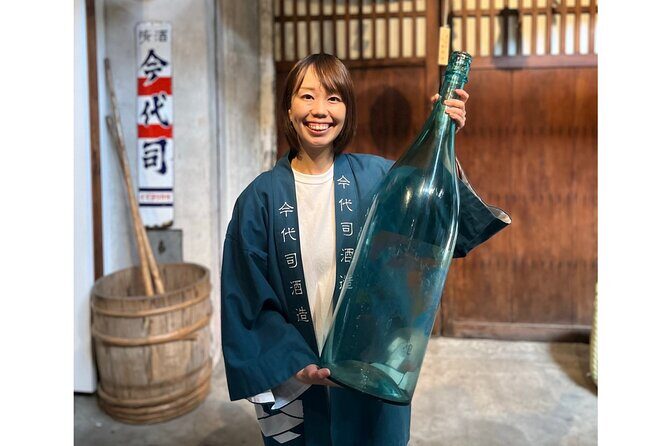
If you find a sake you really enjoy, you can purchase it on the spot. That’s a major practical win. Instead of buying blind later, you can match the bottle to the exact moment you liked it.
It also makes the tasting more than just an hour-and-a-half stop. It becomes the beginning of a small collection you actually understand.
Quick sanity check before you buy: think about your next meal plans. Sake you loved with appetizers might fit nicely with simple Japanese food later. And if you’re buying a more intense aged style, you may want something that won’t overpower it.
Price and value: is $87.80 a fair deal?
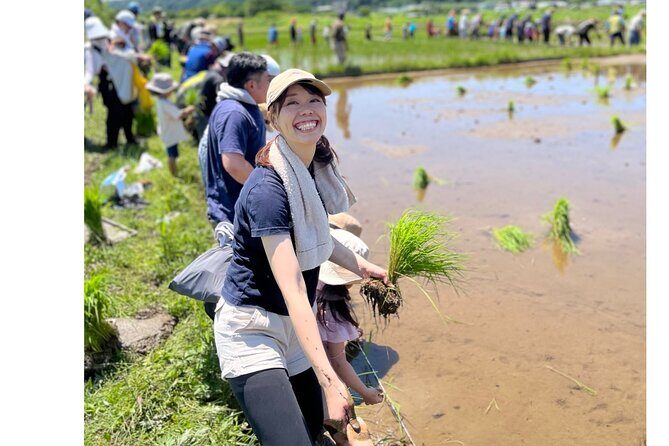
At $87.80 per person for about 1 hour 30 minutes, this isn’t a cheap impulse activity. But the value comes from what’s bundled and how it’s taught.
You’re paying for:
- A private setup for your group
- A 20-minute lecture with learning materials and videos
- Multiple sake tastings
- Alcoholic beverages and snacks
- A small gift
- A guide (Eriko) who explains each sake, helping you learn instead of just sample
So the real question is whether you want learning plus tasting in one go. If you’re the type who likes to understand what you’re drinking, this price starts to make sense. If you only want to sample quickly and move on, you might find other cheaper tastings—but you’d likely lose the teaching that makes this experience easier to repeat at home.
Also, the timing is tight enough to fit many Tokyo days. This is built to be efficient: learn first, taste second, leave with your preferences.
Booking note: it’s commonly booked about 28 days in advance. If your trip dates are firm, don’t wait until the last minute.
Timing and pacing: what 90 minutes feels like
The tour is listed at roughly 1 hour 30 minutes and uses a lecture + tasting flow. That’s a good length for a food-and-drink activity in Tokyo because it’s long enough to learn and compare, but short enough to avoid turning into a blur.
The tasting portion includes appetizers and guide explanations. That means you’re not racing. You’ll have time to ask questions and refine what you like as you go.
One small caution: since it includes alcoholic beverages, keep your next plans flexible. Tokyo is great for walking, but after a tasting like this, you may want an easy stroll rather than a long commute.
Who should book this sake tasting (and who might not)
This experience is a strong match for:
- First-time sake drinkers who want clarity without intimidation
- People who like guided food-and-drink activities
- Anyone who wants to try less common styles like unpasteurized namazake
- Travelers who enjoy asking questions and getting help choosing a bottle
It might be less ideal if:
- You want a zero-lesson, pure-social drinking night
- You’re avoiding alcohol completely or for medical reasons
- You need to be at peak performance right after, since you’ll be tasting alcoholic beverages
If you’re new to Japanese sake, this tour’s structure is built for you. The lecture is short and practical, then the tasting answers questions immediately.
Should you book this sake tasting in Tokyo?
I think you should book it if you want more than a drink ticket. This is a guided tasting where the host’s explanations help you taste with intention. You’ll try styles that teach you something—especially the contrast between unpasteurized namazake and aged sake.
I’d also book it if you’re the type who likes to leave with a next step. The option to buy what you like right away turns learning into a purchase you actually feel confident about.
If you’re on the fence, ask yourself one question: do you want to understand sake, or just sample it? If understanding matters, this is a solid choice for Shibuya.
FAQ
Where does the sake tasting start?
The tour starts at MIRAI SAKE STORE & SAKE BAR in Shibuya, Tokyo: 150-0042 Tokyo, Shibuya, Udagawachō, 297 Y’MEZビル 2階.
How long is the experience?
It lasts about 1 hour 30 minutes.
Is it a private tour?
Yes. It’s listed as a private tour/activity, so only your group participates.
What’s included in the price?
The experience includes alcoholic beverages, snacks, and a small gift.
What is the main structure of the tour?
You can expect a 20-minute sake lecture, followed by sake sampling paired with appetizers. The host explains each sake and helps you discover what you like.
Can I buy sake during the tour?
Yes. If you find a sake you enjoy, you can purchase it on the spot.
Is it near public transportation?
Yes, the meeting point is noted as being near public transportation.
How soon should I book?
On average, it’s booked about 28 days in advance.
What ticket type do I get?
You’ll receive a mobile ticket.
What is the cancellation policy?
You can cancel for a full refund if you cancel at least 24 hours before the experience’s start time. If you cancel less than 24 hours before, the amount paid is not refunded. Free cancellation is available up to 24 hours in advance.
Eat Your Way Round Tokyo

More Tour Reviews in Tokyo





Tokyo by the Cup: More Sake Tastings

Fresh reviews from around Tokyo






Sake Tasting, compared.
 ★ 5.0Ramen and Sushi Cooking Class with Sake Pairing Set in TokyoFrom $79291 reviews
 ★ 5.0Sake Tasting Masterclass in Shinjuku (8+ Varieties with a Pro)From $72271 reviews
 ★ 5.0Wagyu & Sake Pairing in Shinjuku – Steak, Shabu-Shabu & MoreFrom $148112 reviews
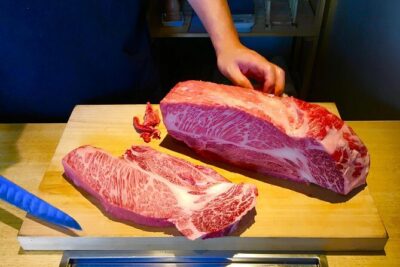 ★ 5.0Tokyo Wagyu & Sake Pairing Tasting Experience with Local FlavorsFrom $151108 reviews
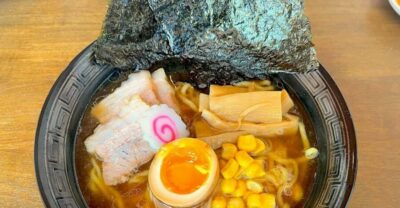 ★ 5.0Sushi and Ramen Cooking Class with Sake Pairing SetFrom $12981 reviews
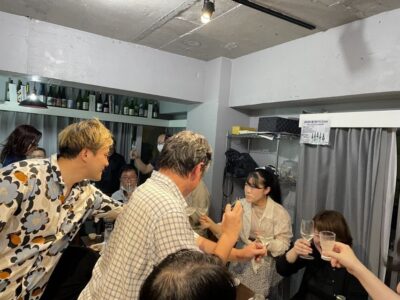 ★ 4.9Tsukiji: Outer Market Walking Tour & Sake Tasting ExperienceFrom $7081 reviews
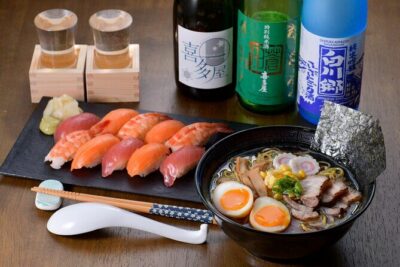 ★ 5.0Cozy Tokyo Class: Ramen, Sushi, Sake Pairing & Cultural ExchangeFrom $7974 reviews
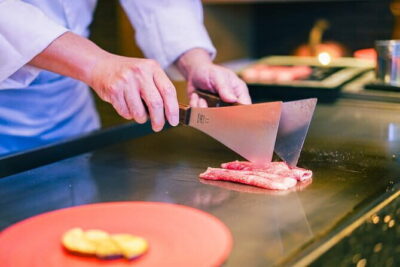 ★ 5.0Wagyu Beef and Sake Pairing Foodie Tour in TokyoFrom $21871 reviews
Browse the lists this tour appears in