
Reviewed · NIKKO DAY TRIPS
Tokyo: Nikko Day Tour Shrines, Lake Chūzenji & Kegon Falls
Nikko is a fast way to swap Tokyo noise for sacred scenery. This private day trip strings together UNESCO shrine stops, the iconic red Shinkyo Bridge, and big nature sights like Lake Chūzenji and Kegon Falls. I like that it’s hotel pickup plus a private car, so you don’t waste the day on transfers, and I also like that your driver is English-speaking and stays focused on keeping the schedule realistic without rushing your photos.
There is one big thing to watch: the day runs about 10 hours, and Nikko is weather-dependent. In rainy conditions the views at the falls may change, and time spent on the road (even from places like Shibuya) can eat into your sightseeing.
In This Review
- Key Highlights That Make This Tour Worth Your Time
- A Private Day Out of Tokyo That Actually Feels Like a Day
- Hotel Pickup Rules You Should Know Before You Book
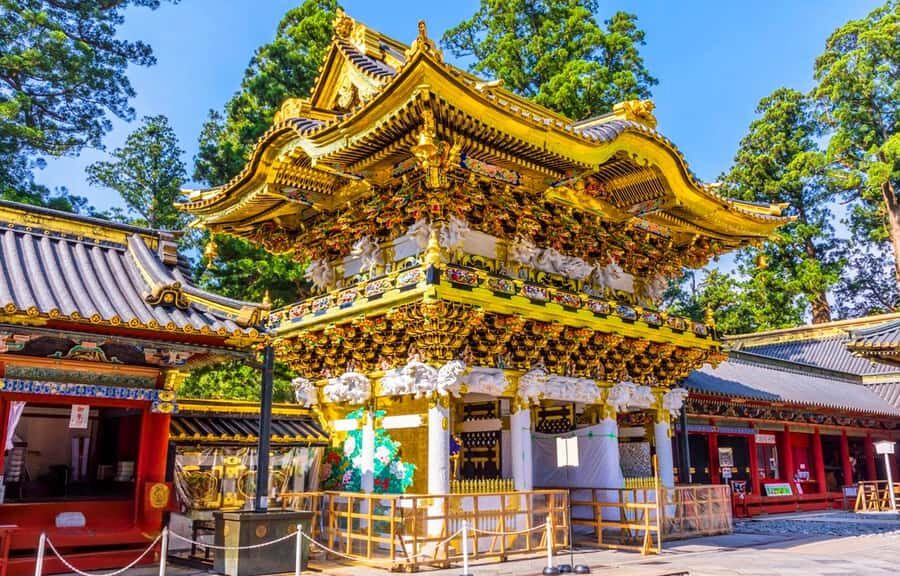
- UNESCO Nikko Toshogu: Where Architecture Does the Talking
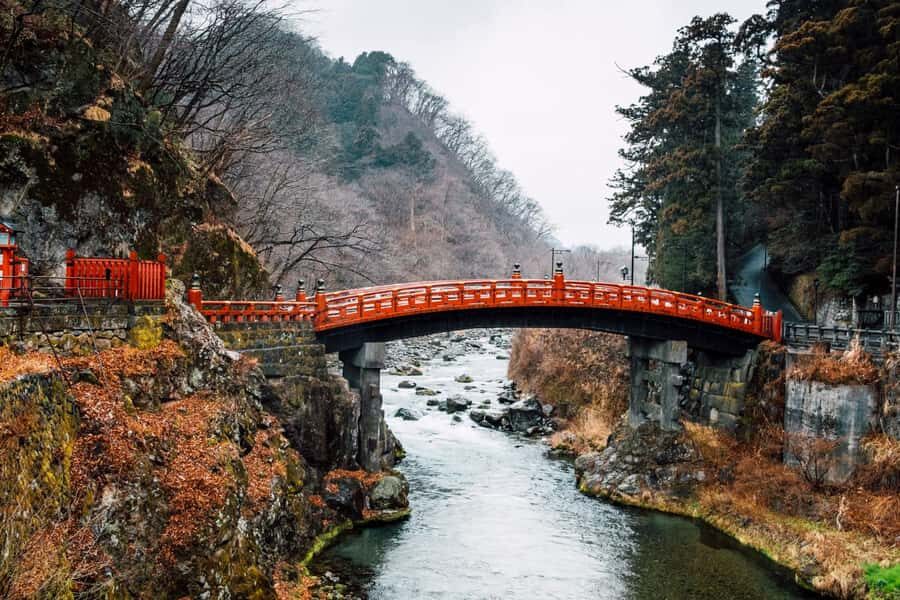
- Shinkyo Bridge: A Short Walk, Big Nikko Feeling
- Lake Chūzenji and Kegon Falls: Plan for Weather, Not Perfect Conditions
- Futarasan Shrine and Narabi Jizo: The Calmer Side of Nikko
- Edo Wonderland: Samurai and Ninja Shows as a Fun Reset
- Private Driver Quality: The Real Difference Maker
- Price and Value: Why $500 Per Group Can Make Sense
- A quick note on wheelchair access
- Timing Tips That Help You Actually Enjoy the Day
- What’s Actually Included During the Ride (So You Can Relax)
- Who This Nikko Day Trip Is Best For
- Should You Book This Tour?
- FAQ
- How long is the Nikko day trip?
- Where does pickup happen?
- How many people can join this private tour?
- What’s included in the price?
- Are meals included?
- Are attraction entry tickets included?
- What languages are supported?
- Is there Wi‑Fi on the vehicle?
- What should I bring?
- What if the weather is bad?
Key Highlights That Make This Tour Worth Your Time
- UNESCO Nikko Toshogu Shrine Complex with a deep, impressive feel to the architecture and grounds
- Walking the red Shinkyo Bridge for a classic Nikko photo moment
- Lake Chūzenji + Kegon Falls views that often feel like a whole separate world from Tokyo
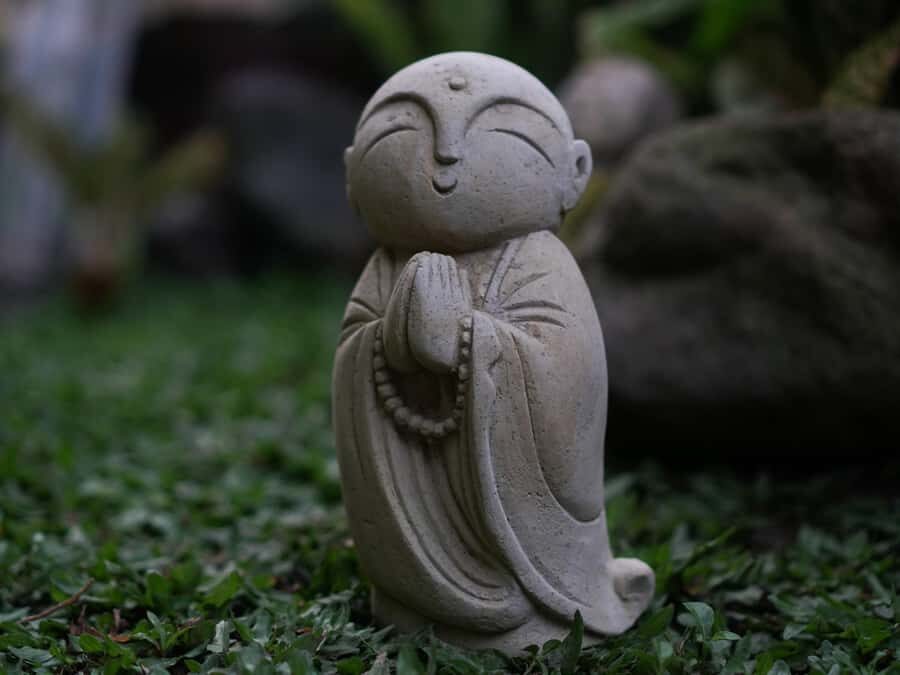
- Narabi Jizo along the river path for a quieter, statue-lined pause
- Edo Wonderland with samurai and ninja show energy in an Edo-period setting
- Private-car comfort features like onboard Wi‑Fi, and tea/coffee/water for the ride
The shrine road north: other Nikko trips
- Nikko: Kegon Falls, Lake Chuzenji & Toshogu Temple★ 4.6 · 1,577 reviews
- Tokyo: Nikko Toshogu Shrine and Kegon Waterfall Tour★ 4.5 · 1,266 reviews
- From Tokyo: Nikko World Heritage Site Private Full-Day Trip★ 4.9 · 243 reviews
A Private Day Out of Tokyo That Actually Feels Like a Day

This is the kind of outing that makes sense for Nikko. You get a comfortable, climate-controlled private vehicle and pickup from your hotel within Tokyo’s 23 wards. That matters because Nikko is not next door. Even with good planning, you’ll spend real time on the road, so you want your transport to be easy, not stressful.
I also like the way the day is structured. It’s an exclusive 10-hour tour designed for your group, which helps you spend more time where you want and less time waiting around. The driver is responsible for the flow, and you’re not stuck counting down to the next bus departure.
One more practical perk: onboard Wi‑Fi hotspot, plus tea, coffee, and water during the trip. It’s not life-changing, but it keeps the day feeling smoother—especially if you’re using your phone for maps and tickets you already bought.
Hotel Pickup Rules You Should Know Before You Book
Pickup is available from accommodation within Tokyo’s 23 Wards (areas like Shinjuku, Shibuya, Minato, Bunkyo, and others listed). Airport and port pickup/drop-off aren’t part of this tour, so plan to start from a Tokyo hotel lobby or a train station meeting point.
Your driver will wait up to 60 minutes beyond the scheduled pickup time. That’s a rare kindness in a big city. Still, do your part: be ready, and don’t treat the meeting time like a suggestion.
Group size is another detail to confirm. The price is listed as $500 per group up to 6, while the tour description also says it accommodates up to 7 people. Before you pay, I’d double-check how they count your group in practice. It’s the kind of mismatch that can cause awkward moments if you assume wrong.
UNESCO Nikko Toshogu: Where Architecture Does the Talking
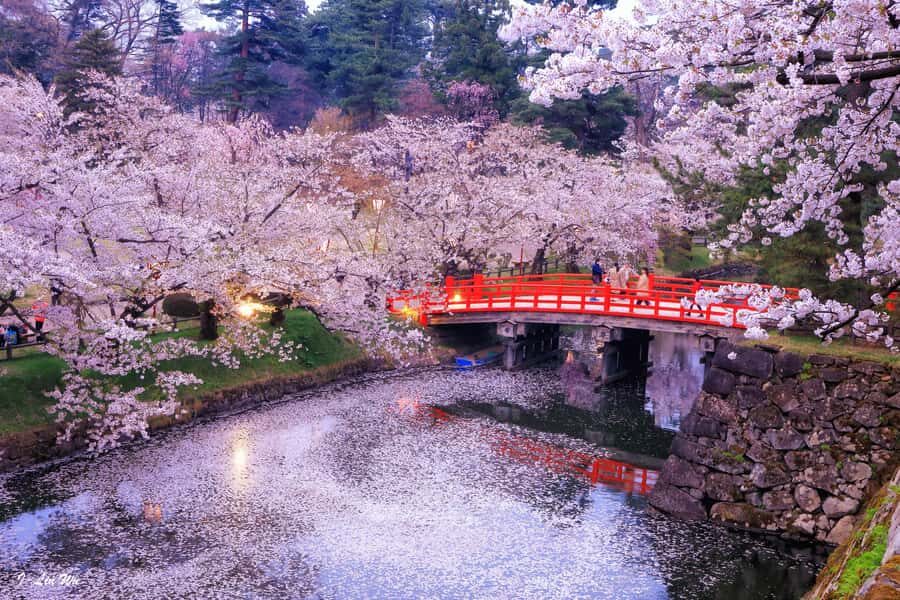
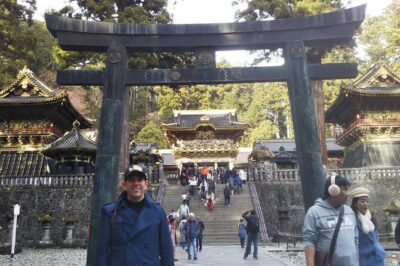
The star of the Nikko shrine area is the Nikko Toshogu Shrine Complex. This is not a quick “walk through and move on” stop. The grounds and buildings are designed to feel ceremonial, and it takes time to actually enjoy what you’re seeing.
I love that this stop gives you the classic Nikko experience: you’re in a place where details matter—colors, carvings, and the sense that the site was built to be experienced slowly. With a private guide-driver handling the pacing, you can pause for photos without feeling like you’re holding up a giant group.
A big benefit of doing this by private car is that the driver can set a sensible rhythm. In one case, Umer specifically suggested starting at 7:00 AM to reduce Tokyo traffic. That kind of planning makes a real difference—less road stress means more energy for shrine time.
Shinkyo Bridge: A Short Walk, Big Nikko Feeling
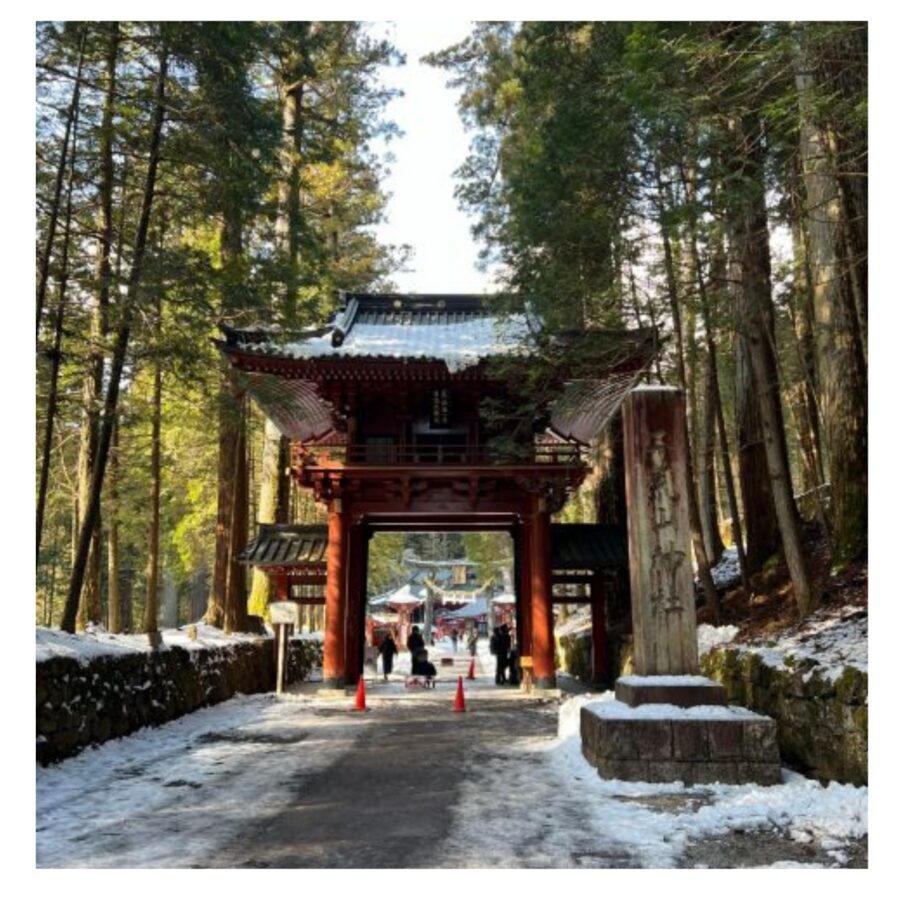
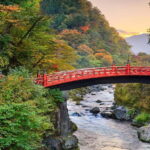
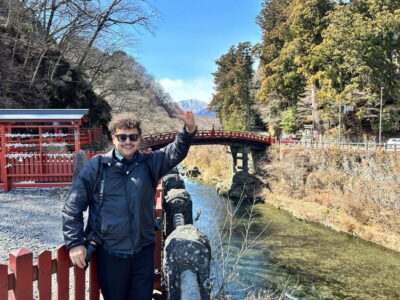
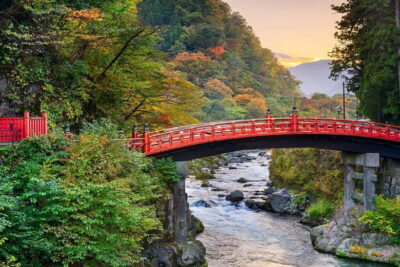
Then comes the iconic red Shinkyo Bridge. It’s a simple idea: you cross the bridge and look around. But it lands hard because it’s so recognizable, and it sits in the right visual mood for Nikko.
This is one of those stops where being private helps. You can slow down, get your angles, and step aside when you need space. It’s also easier with families or anyone who doesn’t want to march at the pace of a timetable.
If rain happens, don’t panic. You might not get the same contrast you’d see on a clear day, but you can still appreciate the structure and the river setting. The key is having enough time on site to adapt—and private pacing gives you that breathing room.





Lake Chūzenji and Kegon Falls: Plan for Weather, Not Perfect Conditions
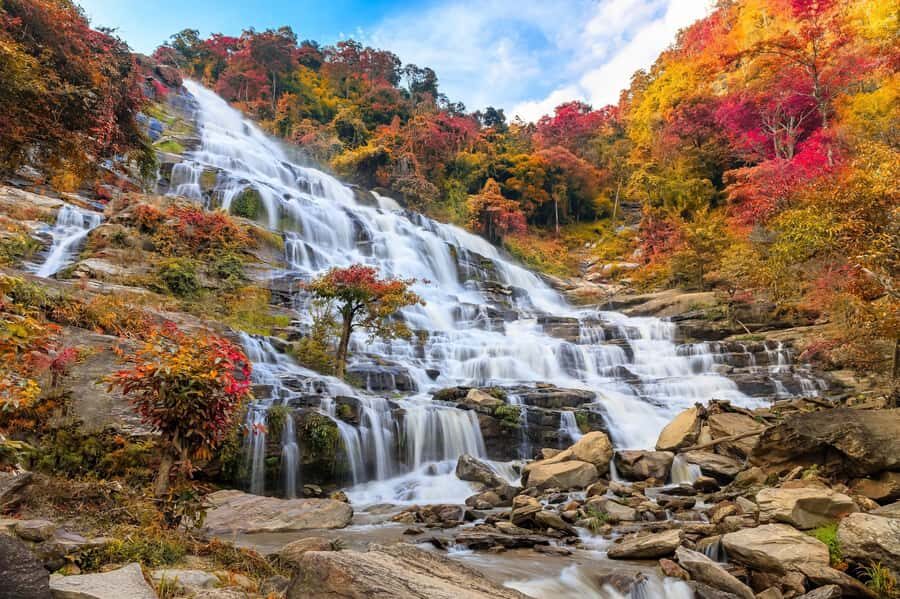
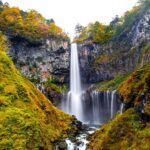
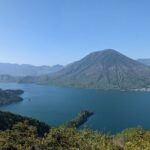
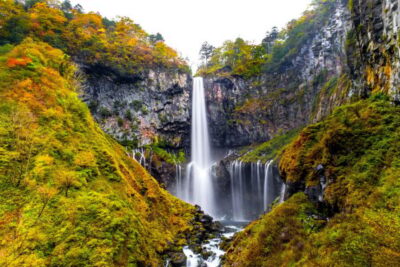
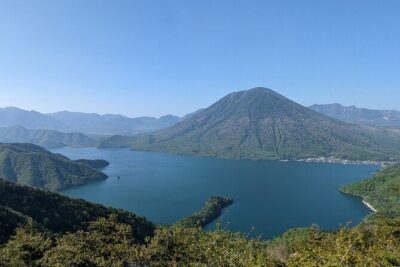
Lake Chūzenji and Kegon Falls are your major nature hits. The falls are one of Japan’s most famous, and the viewpoints around Lake Chūzenji help you feel the region’s scale. Even when the day is gray, you’re still getting a big change of scenery from Tokyo.
Here’s the practical part: weather can change the experience quickly. Aaryan handled a rainy day well and still found an opportunity to go up to Chūzenji to see snow. That tells you the driver approach matters—someone careful with timing and route choices can sometimes turn ugly weather into a memorable version of the plan.
Still, keep expectations flexible. If visibility is poor, the falls may feel less dramatic than on a crystal-clear day. On the other hand, fog and rain can create their own mood. The main thing is that your schedule isn’t so tightly packed that one bad hour ruins the day.
Futarasan Shrine and Narabi Jizo: The Calmer Side of Nikko
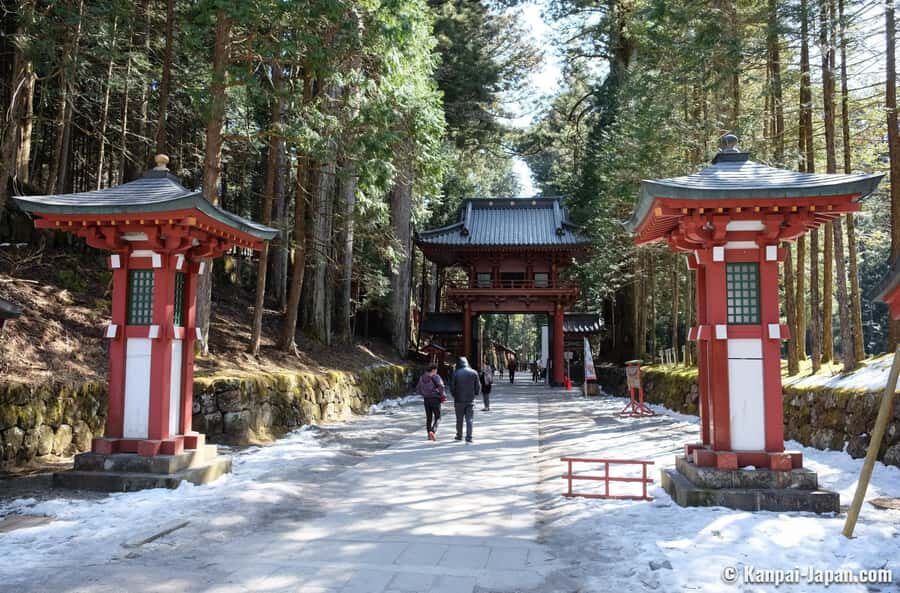
After the big visual hits, Nikko has a quieter rhythm. You visit Nikko Futarasan Shrine, then you head to Narabi Jizo.
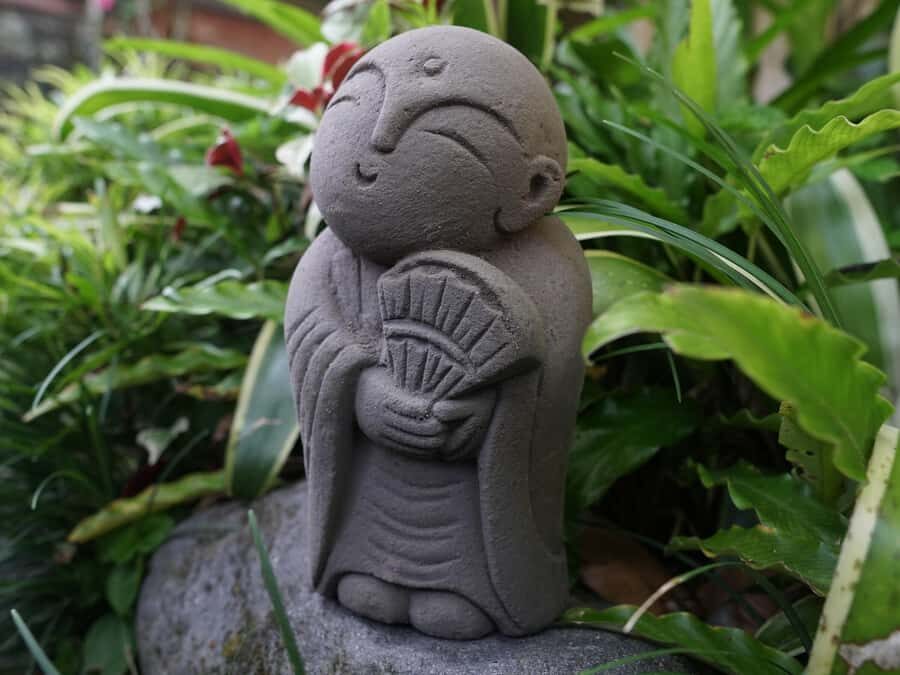
Narabi Jizo is specifically described as a peaceful riverside path lined with stone statues. That’s a different kind of experience than the main Toshogu area. Instead of grand buildings, you get a walk that encourages slow attention. It’s the kind of stop that’s perfect when you want a breather—especially with kids or if your group likes photos but also likes a moment of calm.
The best way to enjoy these quieter shrines is to avoid treating them like checkboxes. If you rush here, you miss the point. With a private setup, you can keep your pace human.
Edo Wonderland: Samurai and Ninja Shows as a Fun Reset
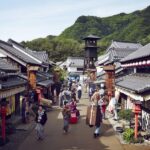
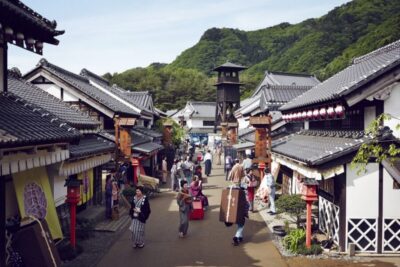
Edo Wonderland shifts the tone from sacred to theatrical. It’s Edo-period themed, with samurai and ninja shows, plus traditional street-style scenes.
I like this portion for a simple reason: it breaks the day into two moods. First you handle shrines and nature. Then you get an energy boost with performance-style attractions. It’s also a good fit for families, because it’s easier to keep kids interested when there are shows and clear “what to look for” moments.
You’ll want to go with a flexible mindset. Edo Wonderland isn’t about quiet reflection; it’s about fun and spectacle. If you love Japanese pop-culture influences, it also scratches that itch in an old-school setting.
Private Driver Quality: The Real Difference Maker
The tour’s itinerary matters, but the driver matters more than most people expect. These aren’t anonymous transfers. You’re with an English-speaking driver who can explain what you’re seeing and help you keep a schedule that works.
In the reviews, you see patterns:
- Abdul took time to talk about each site and suggested an excellent lunch spot.
- Ali was patient and didn’t rush stops, which is huge when your group wants time to breathe.
- Malik was helpful and responsive to requests.
- Liriana’s experience also highlights how the driver explained the differences between temples and shrines in plain language, which is exactly what many people want before they start walking.
That’s the best part of a private day trip: you can ask questions, adjust pacing, and feel like someone is steering the day for you—not just transporting you.
Price and Value: Why $500 Per Group Can Make Sense
At $500 per group (up to 6), this is not a budget option. But private tours aren’t competing with cheap public transit. They’re competing with your time, your stress level, and your ability to see more without logistics headaches.
What you get for that price includes:
- Private transport with fuel, tolls, and parking fees covered
- English-speaking driver (licensed)
- Child seats and wheelchair accessibility upon request (important note: see below)
- Onboard Wi‑Fi hotspot
- Complimentary tea, coffee, and water
- Photo and video assistance available
What you don’t get:
- Meals
- Attraction entry tickets
- Airport and port pickup/drop-off
Value math is usually about two things: total cost vs. total comfort, and included vs. add-on expenses. Here, the transport side is handled fully. The biggest variable you’ll pay separately is entry tickets and meals, so if you already plan meals and budget for tickets, the day feels more predictable.
A quick note on wheelchair access
The description says wheelchair accessibility is available upon request, but it also says the tour is not suitable for wheelchair users. Because that is a real contradiction, don’t guess. Ask Prime Tour Japan directly how they handle the vehicle and stops with accessibility needs.
Timing Tips That Help You Actually Enjoy the Day
This is a full day. The road time is real. If you’re staying in central Tokyo, you still may be looking at around 2.5 hours each way from places like Shibuya, based on one review. That means your early start isn’t optional.
One of the best practical tips shared was Umer’s suggestion to start at 7:00 AM to avoid Tokyo traffic. Even if you can’t start that early, think seriously about your pickup location. A hotel with easier access into the route helps you gain time at the destination.
Also, wear comfortable shoes. This kind of day is about walking through multiple sites, including riverside paths and shrine areas.
What to bring:
- Comfortable shoes
- Sunscreen
- Comfortable clothes
- A daypack
And don’t plan to snack only on the go. Meals aren’t included, so you’ll need a plan for lunch time.
What’s Actually Included During the Ride (So You Can Relax)
The vehicle is climate-controlled, which is a big deal when Japan shifts weather fast. You also get an onboard Wi‑Fi hotspot, plus refreshments (tea, coffee, water). It’s the kind of support that makes a long drive less tiring.
Photo and video assistance is also listed as available. That can be as simple as helping with angles and making sure you get your group shot without juggling phones awkwardly.
Onboard rules are pretty standard but worth noting:
- No smoking in the vehicle
- No alcohol and drugs
- No fireworks
- No making fire
Who This Nikko Day Trip Is Best For
This works well if you want:
- A classic Nikko mix of UNESCO shrines + nature views
- A private setup with an English-speaking driver who can explain what you’re seeing
- Less hassle than trains and bus connections for a one-day schedule
It also fits small groups and families. Edo Wonderland helps keep energy up after a morning of temples and statues, and the pace can be adjusted by your driver depending on what your group needs.
If you’re traveling alone but want a more guided feel, the private format is still a good option because it removes stress and keeps you moving with purpose.
Should You Book This Tour?
If you’re deciding between doing Nikko independently or going private, I’d book this when your priority is a smooth day with minimal logistics. The combination of hotel pickup, included transportation costs, and a driver who handles pacing is the real win. It’s also a strong choice if you want both nature highlights (Lake Chūzenji and Kegon Falls) and a fun cultural counterpoint (Edo Wonderland).
Skip or at least confirm details first if:
- You’re very sensitive to long road days
- You need wheelchair-specific accommodations and must resolve the accessibility contradiction
- You don’t want to manage meals and entry tickets separately
FAQ
How long is the Nikko day trip?
It’s an exclusive 10-hour tour designed for your group.
Where does pickup happen?
Pickup is available from any accommodation within Tokyo’s 23 Wards, like Shinjuku, Shibuya, Minato, and more listed in the description. Airport and port pickup are not available.
How many people can join this private tour?
It accommodates up to 7 people. The price is listed as $500 per group up to 6, so it’s smart to confirm how they count your booking.
What’s included in the price?
The tour includes private climate-controlled transport, a licensed English-speaking driver, onboard Wi‑Fi hotspot, tea/coffee/water, and all fuel, toll, and parking fees.
Are meals included?
No. Meals are not included.
Are attraction entry tickets included?
No. Attraction entry tickets are not included.
What languages are supported?
The languages listed are English, Urdu, Japanese, and Hindi.
Is there Wi‑Fi on the vehicle?
Yes. There is an onboard Wi‑Fi hotspot.
What should I bring?
Bring comfortable shoes, sunscreen, comfortable clothes, and a daypack.
What if the weather is bad?
Tours may be rescheduled due to adverse weather or unforeseen circumstances, and the driver may adapt day-of pacing to keep the plan workable.
More Tours in Tokyo

More Tour Reviews in Tokyo



North Again: More Nikko Trips
Fresh reviews from around Tokyo






Nikko Day Trips, compared.
 ★ 4.6Nikko: Kegon Falls, Lake Chuzenji & Toshogu TempleFrom $891,577 reviews
 ★ 4.5Nikko Toshogu Shrine and Kegon Waterfall TourFrom $841,266 reviews
 ★ 5.0Nikko Full-Day Private Tour with Government-Licensed GuideFrom $155259 reviews
 ★ 4.9From Tokyo: Nikko World Heritage Site Private Full-Day TripFrom $483243 reviews
 ★ 4.3Nikko: Edo Wonderland Edomura Cultural Theme Park TicketFrom $35205 reviews
From Tokyo: Nikko World Heritage Sight Full Day Private TourFrom $362127 reviews
★ 4.3Nikko: Edo Wonderland Edomura Cultural Theme Park TicketFrom $35205 reviews
From Tokyo: Nikko World Heritage Sight Full Day Private TourFrom $362127 reviews
 ★ 4.9Nikko – Beautiful Full-Day Personal and Private TourFrom $364119 reviews
 ★ 5.0Chartered Private Tour – Tokyo to Nikko, Toshogu, Edo WonderlandFrom $1,286105 reviews
Browse the lists this tour appears in