
Reviewed · MT FUJI DAY TRIPS
From Tokyo: Mount Fuji Sightseeing One Day Trip
Fuji day trips can be a mess.
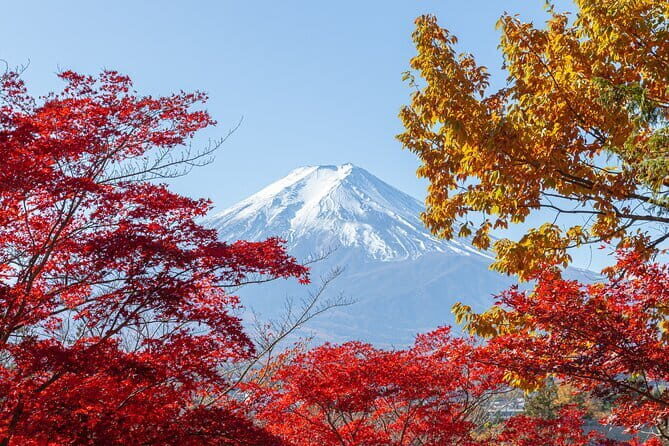
This one is built to remove the stress: you ride in an air-conditioned round-trip vehicle while the route and timing stay organized. You also hit multiple scheduled Fuji viewpoints in one long day, so you’re not gambling on just one angle.
I especially like two things. First, the itinerary mixes iconic photo stops with real cultural context at Arakura Fuji Sengen Shrine (built in 705, guardian for more than 1,300 years). Second, the day often feels guided in the best way: reviews mention standout guides by name such as Keiko, Joey, Jay, and Zoe, with clear explanations and quick photo coaching.
One drawback to plan for: views depend on weather, and on foggy or cloudy days Mt. Fuji can be partly hidden or not show much. Add in that some stops get crowded, so you may feel a little time-pressure if you want long wandering for food or souvenirs.
In This Review
- Key things to know before you go
- Why this Mount Fuji day trip is less work than DIY
- Price and value: what you pay for, and what you plan around
- How the 10-hour schedule keeps Fuji options alive
- Arakurayama Sengen Park: Chureito Pagoda plus a 1,300-year shrine
- Lake Kawaguchiko and Oishi Park: the classic Fuji viewpoints
- Oshino Hakkai springs, Hikawa Clock Shop, and small-town scenes
- Lawson Fujikawaguchiko: the quick photo stop
- Guide quality and bus comfort: what to watch for
- Should you book this tour from Tokyo or Shinjuku?
- FAQ
- How long is the Mount Fuji Sightseeing One Day Trip?
- Where does the tour depart from?
- What does the ticket price include?
- Do I need to pay entrance fees at the stops?
- Will I definitely see Mt. Fuji?
- Can I cancel for a refund?
Key things to know before you go
- Multiple Fuji angles in one day, with stops spaced to improve your chances
- Arakurayama Sengen Park gives you Chureito Pagoda views plus a historic shrine nearby
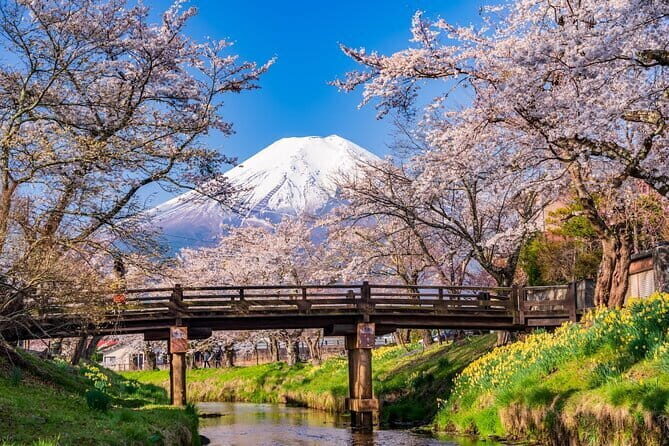
- Lake Kawaguchiko and Oishi Park focus on the classic Lake Fuji photo setups
- Oshino Hakkai is a full stop (about an hour) for Japan’s spring ponds
- Group size stays under 45, so it’s lively but not a giant crowd bus
Other routes to the mountain, compared
- Mt Fuji & Hakone Cruise, Drum Show Bullet Train 1 Day from Tokyo★ 4.0 · 7,413 reviews
- Tokyo Mt Fuji 5th St & Hakone Cruise Bus Tour w/Bullet Train★ 4.4 · 5,024 reviews
- From Tokyo: Mount Fuji Full-Day Sightseeing Trip★ 4.5 · 4,970 reviews
Why this Mount Fuji day trip is less work than DIY
If you’ve tried planning a Mount Fuji day from Tokyo, you already know the pain: transfers, train schedules, and then trying to sync it all with sightseeing time. This tour keeps it simple. You get round-trip transportation from either Tokyo or Shinjuku, and you just show up, hop on, and follow along.
The bus ride itself is part of the experience. You’ll pass through countryside scenery as you work your way toward the Fuji area, and you don’t have to think about directions or ticket machines. The group stays together, so you can focus on getting your timing right for photos and short walks.
One small comfort detail: the vehicle is air-conditioned, and several reviews praise smooth, comfortable rides. If you’re carrying a stroller or large luggage, flag it when booking so the operation can plan around you. That kind of attention matters more than people think on a 10-hour day.
Price and value: what you pay for, and what you plan around
The price is $58.90 per person for a roughly 10-hour day trip, and that number feels fair because it includes air-conditioned transport plus all fees and taxes. Also, many stops in the plan show admission as free, so you’re not stacking extra ticket costs onto the day.
What’s not included is lunch. That’s important because the stops are timed. You’ll want to either grab snacks before you reach the next viewpoint area or plan to buy food at the stops with quick timing. If you’re the kind of person who likes leisurely meals, you’ll probably feel slightly rushed here.
Value-wise, this tour is strongest if you care about checking off several highlights with minimal logistics. It’s less ideal if you want to stay for hours at just one favorite spot. The day is packed, and some reviews describe certain stops as moving a bit fast for shopping.
How the 10-hour schedule keeps Fuji options alive
This is not a “one viewpoint and chill” tour. It’s a sequence designed to give you multiple chances at the view, which matters because you can’t control fog, cloud cover, or visibility from your hotel room window.
Your day is built around quick but meaningful time blocks:
- A longer first stop at Chureito Pagoda (about 1 hour)
- Shorter shrine time (about 15 minutes)
- Lakeside blocks that let you step out, take photos, and move on
- A full 1-hour window at Oshino Hakkai
- Two quicker photo stops near the end
Reviews underline the reality: even with multiple planned angles, some days Mt. Fuji still hides. On those days, I’d treat the trip as a cultural and scenic sampler, not a guarantee. The good news is that the stops are interesting even when the peak is faint—especially the historic shrine and the spring ponds.
The tour capacity is up to 45 travelers, which usually keeps things organized. You’ll still see crowds at the best photo points, and that’s why punctuality and timing coaching from the guide can make a difference.
Arakurayama Sengen Park: Chureito Pagoda plus a 1,300-year shrine
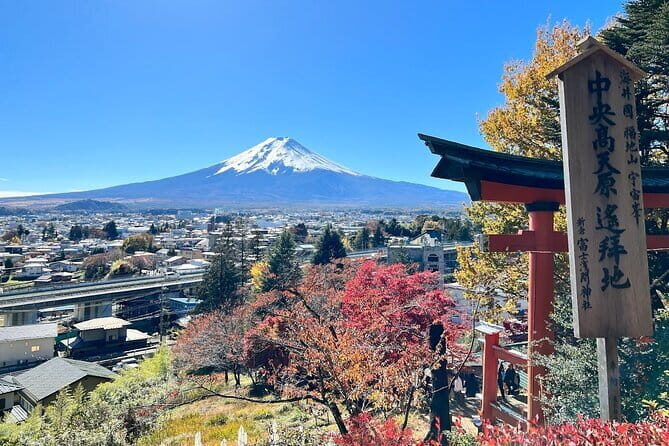
Your first major moment is Chureito Pagoda in Arakurayama Sengen Park. You get around 1 hour here, and it’s a classic setup: you’re aiming for panoramic views of Chureito Pagoda, Mt. Fuji, and Fujiyoshida City. Even if Fuji is partially hidden, the pagoda scene and the park viewpoints still work as a strong “arrival moment.”
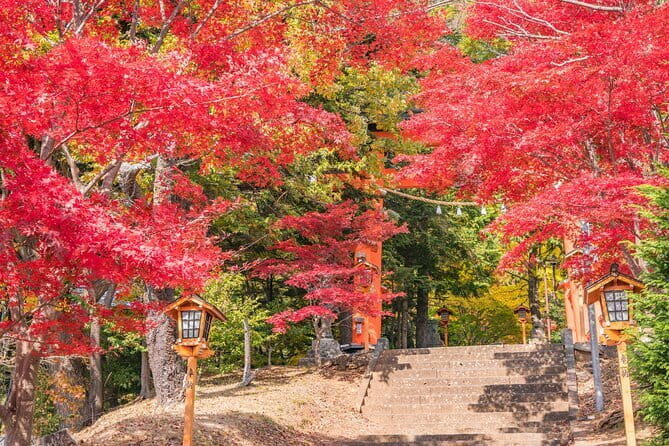
Next comes Arakura Fuji Sengen Shrine. It’s not just a quick photo stop. The shrine dates to 705 and has served as a guardian worship site for over 1,300 years. You’ll spend about 15 minutes, so keep expectations realistic: this is enough time to see the atmosphere and capture a couple of respectful shots, not enough time for a long, slow temple circuit.
A helpful mindset: when you’re in Japan at a famous viewpoint, the “best” position can be as much about timing as it is about taste. The longer Chureito stop gives you space to find a spot, take photos, and adjust if crowds bunch in. The shrine stop stays short, so be ready to move when the group does.
Worth weighing up alongside this Tokyo pick:


Lake Kawaguchiko and Oishi Park: the classic Fuji viewpoints
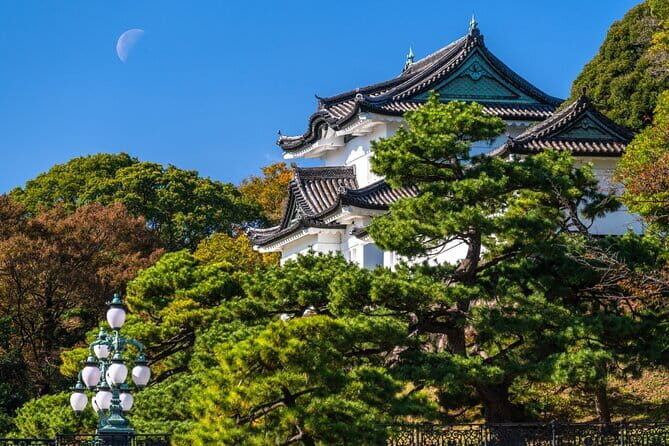
From there, you head to Lake Kawaguchiko, one of the Fuji Five Lakes and the most popular by reputation. Your time here is about 20 minutes, and the goal is simple: get a lakeside feel and try for those signature Mount Fuji reflections and skyline views.
If you’re someone who loves wide-open compositions, this portion of the route makes sense. The lake view is more forgiving than a single mountain angle. Even when Fuji isn’t crisp, you may still get a layered scene of lake, sky, and distant slopes.
Then it’s Oishi Park for about 30 minutes. This is a good expansion of the lake experience because the promenade area gives you a chance to look at flowers and the shoreline setup, with Mt. Fuji often in the background when conditions cooperate. It’s a longer stop than Lake Kawaguchiko, so you’ll have a bit more breathing room to walk slowly and change angles.
Practical tip: rain and cold can hit here depending on season. One review specifically says to take an umbrella because when it rains, it rains. So even if the forecast looks friendly, plan for weather that can shift fast.
Oshino Hakkai springs, Hikawa Clock Shop, and small-town scenes
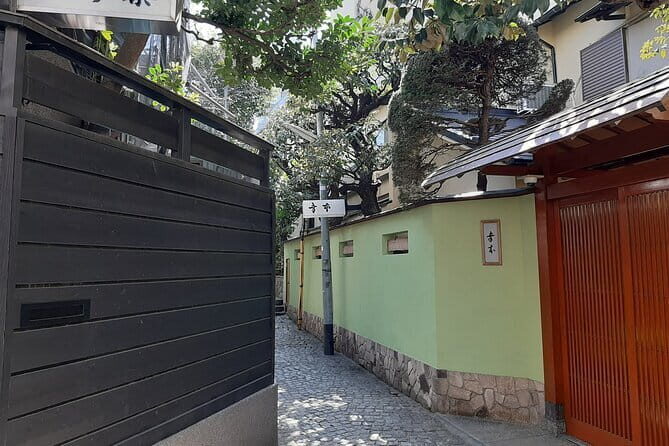
Oshino Hakkai is where the tour gets grounded in something beyond the postcard. You spend about 1 hour at this village known for eight clear spring water ponds, recognized as one of Japan’s Top 100 Famous Waters. It’s also described as a Natural Monument, so it’s not just a pretty stop—it’s a protected, meaningful place.
This stop is great if you want a break from “stand and shoot.” You’ll likely appreciate the walking and the details around the ponds. And when Fuji is clouded out, Oshino Hakkai still delivers a reason to be there.
After that, you have Hikawa Clock Shop for about 20 minutes. The vibe here is smaller and more street-photo friendly. There’s a serene path and a chance to capture Japanese town scenes with Mt. Fuji in the background when visibility allows.
At this stage of the day, the timing matters. You’re moving toward the end, so you’ll want to keep your energy. Use the Hikawa stop for casual photos and quick wandering rather than trying to do everything at once.
Lawson Fujikawaguchiko: the quick photo stop
The final named stop is Lawson Fujikawaguchiko Town hall for about 15 minutes. Yes, it’s a convenience store photo moment. That doesn’t sound like a historic attraction, but the plan is built around a real photographic contrast: a modern blue facade set against Mt. Fuji in the background.
This is exactly the kind of stop that makes the tour feel fun and very Japanese. It also helps you wrap up your day with a memorable, shareable image without requiring a long hike.
A caution from the tone of reviews: 15 minutes can feel short for anyone who wants to linger or stop for snacks with a line. If you’re the type who cares about food and treats, try to eat before you reach this late-stage photo block, not after.
Guide quality and bus comfort: what to watch for
In reviews, the biggest difference-maker is often the guide. Names that come up positively include Augustine, Wennie, Keiko, Jay, Joey, Kevin, Tim, Brewski, Ann, and Allan. What you should look for in a good guide here is not just facts—it’s pacing, clarity, and making sure you know where to stand and when to move.
Some reviews also flag that English clarity can vary. That’s not a dealbreaker if you mainly want logistics covered, but it is a reason to choose this tour for the structure, not for deep storytelling alone.
Comfort-wise, the vehicle is air-conditioned, but at least one review mentions bus comfort not being ideal for them. That’s worth keeping in mind if you’re sensitive to seating. Also, you’ll spend a long time on the road, so bring layers and something for your feet.
Finally, keep an eye on the day’s tone: some stops are described as crowded. Your guide keeping the group punctual can make those crowds feel like manageable lines instead of a time-sink.
Should you book this tour from Tokyo or Shinjuku?
Book it if you want a low-effort Mount Fuji day, with a guided plan that hits major icons—Chureito Pagoda, Lake Kawaguchiko, Oishi Park, Oshino Hakkai, plus a couple of quick photo stops. It’s also a good fit if you’re visiting only one day outside Tokyo and you’d rather check off highlights than wrestle with public transport timing.
Skip it or adjust expectations if your main goal is a crystal-clear Mt. Fuji view. The tour includes multiple angles, but weather can still beat the plan. Also, if you hate crowds and prefer lots of free time at each stop, this itinerary may feel a little intense.
If you go in with a flexible mindset—expect to see Fuji if the skies cooperate, and enjoy the rest of the day if it doesn’t—this is a solid way to spend a long, scenic day with less stress.
FAQ
How long is the Mount Fuji Sightseeing One Day Trip?
It runs for about 10 hours.
Where does the tour depart from?
It offers round-trip transport from Tokyo or Shinjuku.
What does the ticket price include?
It includes an air-conditioned vehicle plus all fees and taxes. Lunch is not included.
Do I need to pay entrance fees at the stops?
Many of the stops listed show admission ticket free, and the tour also includes all fees and taxes. You should still plan on lunch being separate since it’s not included.
Will I definitely see Mt. Fuji?
No. Mt. Fuji visibility depends on weather. The itinerary gives you multiple chances to see it, but fog or cloud cover can limit what you can see.
Can I cancel for a refund?
Yes. You can cancel for a full refund up to 24 hours in advance. If you cancel less than 24 hours before the start time, the amount paid isn’t refunded.
More 1-Day Tours in Tokyo
More Tour Reviews in Tokyo





The Fuji Shortlist: Other Days Out to the Mountain


Fresh reviews from around Tokyo






Mt Fuji Day Trips, compared.
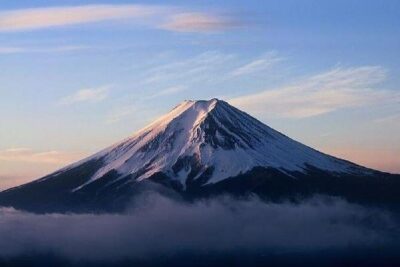 ★ 4.0Mt Fuji & Hakone Cruise, Drum Show Bullet Train 1 Day from TokyoFrom $1497,413 reviews
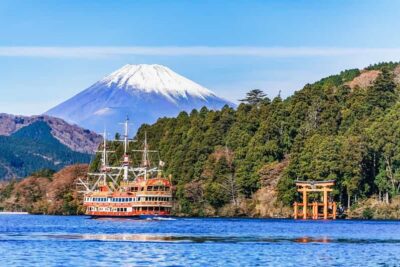 ★ 4.4Tokyo Mt Fuji 5th St & Hakone Cruise Bus Tour w/Bullet TrainFrom $1545,024 reviews
 ★ 4.5From Tokyo: Mount Fuji Full-Day Sightseeing TripFrom $684,970 reviews
 ★ 4.7Mt. Fuji Tour, Hakone Ropeway, Owakudani, Lake AshiFrom $544,002 reviews
 ★ 5.0Private Tour to Mt. Fuji and Hakone (Fully Licenced Operator)From $4971,910 reviews
 ★ 4.9Mount Fuji Full-Day Private Tour from Tokyo (Customizable)From $3931,470 reviews
 ★ 4.0Mt Fuji & Hakone Cruise, Drum Show Bus 1 Day from TokyoFrom $1221,287 reviews
 ★ 4.2From Tokyo: Mt. Fuji & Hakone Tour w/ Return by Bullet TrainFrom $1171,278 reviews
Browse the lists this tour appears in