
Reviewed · HISTORICAL TOURS
Modern Japanese History Tour in Tokyo
WWII history in Tokyo hits differently here. You’ll start at Yasukuni Shrine and then move into two focused war museums that explain what happened to soldiers and civilians during World War II. This is a tight, well-paced morning walk through places built for remembrance, where the stories are presented with an expert guide in plain English.
I especially like two things. First, the tour is led by a private English-speaking guide, so you get context as you walk instead of reading in the dark. Second, the key museum stops are handled with entrance fees included, so you can focus on learning instead of budgeting on the fly.
One thing to consider: this is a sensitive topic. The tour is designed to inform and educate, but you should be ready for uncomfortable material and respectful discussion.
In This Review
- Key highlights to know before you go
- A Tokyo morning that focuses on remembrance, not just facts
- Getting oriented at Kudanshita Station (and why timing matters)
- Stop 1: Yasukuni Shrine grounds and the meaning behind the architecture
- Stop 2: Yūshūkan Museum and the story of military practice
- Stop 3: Showa-kan (National Showa Memorial Museum) and civilian life
- Guide matters more than you’d think (and the names you might hear)
- Price and value: what you’re paying for at $204.58
- Who this tour is best for (and who should think twice)
- Booking notes that affect your planning
- Should you book this Modern Japanese History Tour?
- FAQ
- What is the duration of the Modern Japanese History Tour in Tokyo?
- Where do I meet the guide, and where does the tour end?
- What time does the tour start?
- What’s included in the price?
- What is not included?
- Is this tour private?
- Is the tour content sensitive?
Key highlights to know before you go
- Private English-speaking guide who can translate and connect the exhibits to real stories
- Yasukuni Shrine + Yūshūkan Museum close together, so the “why this place matters” clicks fast
- Showa-kan (National Showa Memorial Museum) for the civilian experience, not only battlefield details
- Photo opportunities at the shrine grounds and around the museum areas
- Tickets included for the main museum stops, which makes the morning feel smoother
- Small-group feel since it’s private for your group only
More paths into old Tokyo
- Tokyo: Imperial Palace Japanese History Walking Tour★ 4.9 · 987 reviews
- Tokyo: Shinjuku Historical Walking Tour & Secret Backstreets★ 5.0 · 530 reviews
- From Tokyo: Nikko World Heritage Site Private Full-Day Trip★ 4.9 · 243 reviews
A Tokyo morning that focuses on remembrance, not just facts
This is modern Japanese history, but it doesn’t read like a textbook. You’re dealing with how Japan commemorates war dead, what civilians endured, and how soldiers prepared for the end—topics that can feel heavy anywhere, and even heavier when you’re standing in the places where people come to remember.
The tour theme is clear from the start: it covers Japan’s modern war period with a focus on World War II, including the scale of loss (with reference to 2.5 million war dead) and the reality of kamikaze (tokotai). It also keeps an eye on the daily life side of war—especially starvation and civilian suffering—and how families were involved emotionally in soldiers’ final messages.
If you like history that connects ideas to physical locations, this works. You’re not just hearing about the past. You’re seeing how it’s framed in Japanese memorial sites and museums—and how an expert helps you interpret what you’re looking at.
Getting oriented at Kudanshita Station (and why timing matters)
You meet at Kudanshita Station (1-chōme-13-19 Kudankita, Chiyoda City) at 9:00 am, and the tour returns you back to the same meeting point. It runs about 3 hours, so the pace is brisk but not rushed.
That start time matters. Most of these sites are busiest during the later morning and early afternoon museum peak. Going earlier gives you a calmer rhythm at the shrine grounds, and it helps the museums feel less like a sprint.
Also, remember this is not a food tour. Food and drinks are not included, so you’ll be happier if you eat something before you meet your guide or plan to grab a meal right after the tour ends.
Stop 1: Yasukuni Shrine grounds and the meaning behind the architecture
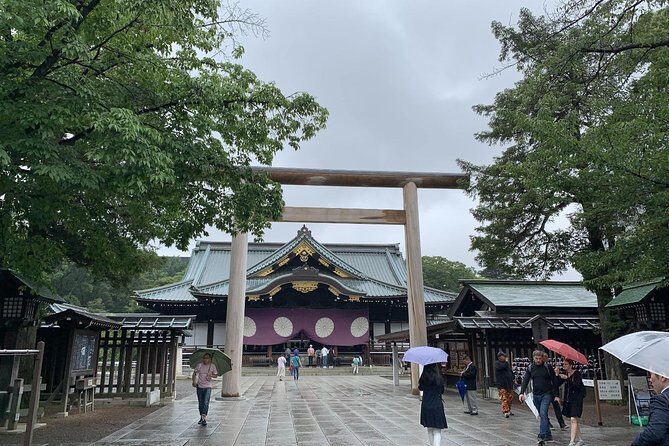
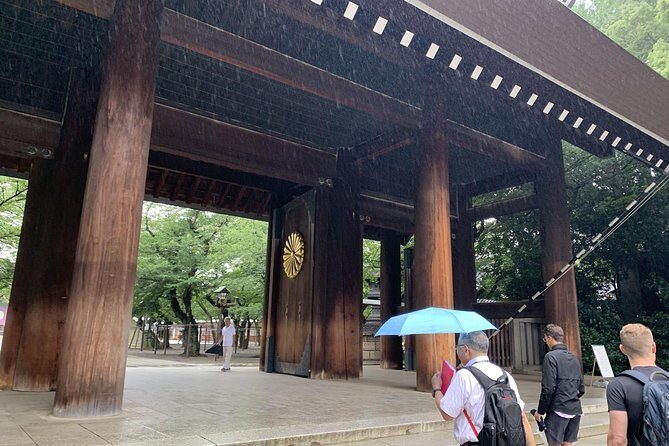
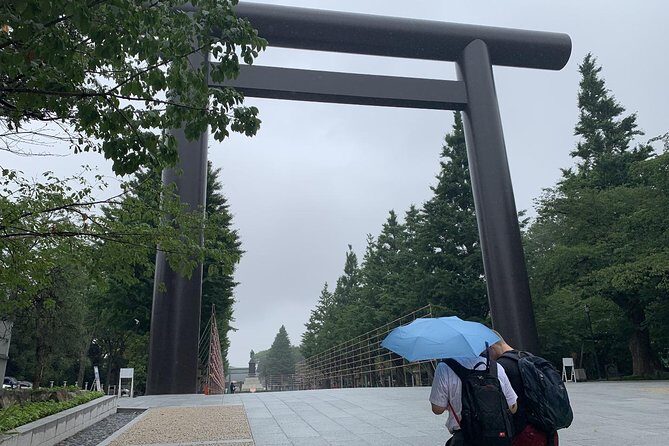
Your first stop is Yasukuni Shrine, a place designed for commemoration. Even if you know the basics, the tone here is different from a typical museum. The shrine grounds have a calm feel, and the traditional architecture sets expectations: this is about respect and remembrance.
You’ll spend about 30 minutes here, with admission ticket included for this stop. That half hour is long enough to take in the space, but short enough that you don’t feel stuck when the tour shifts into more detailed war history.
Why this stop is worth it: Yasukuni isn’t just a pretty landmark. It’s part of how Japan frames the meaning of sacrifice and loss. When your guide connects what you’re seeing to the larger WWII narrative, the rest of the morning makes more sense.
Practical tip: wear shoes you can walk in comfortably. The shrine grounds and museum routes are manageable, but it’s still a few hours on your feet.
Stop 2: Yūshūkan Museum and the story of military practice
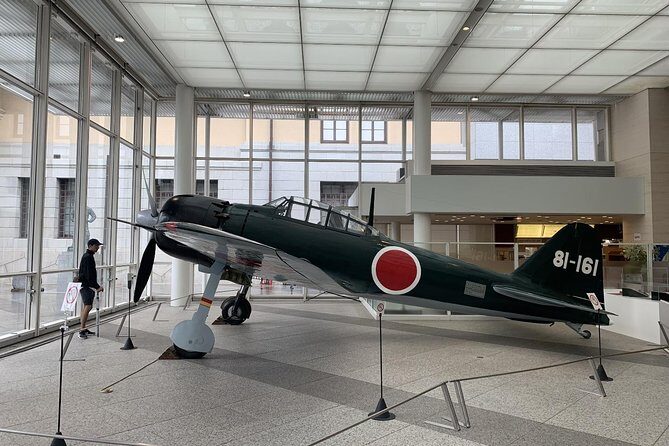
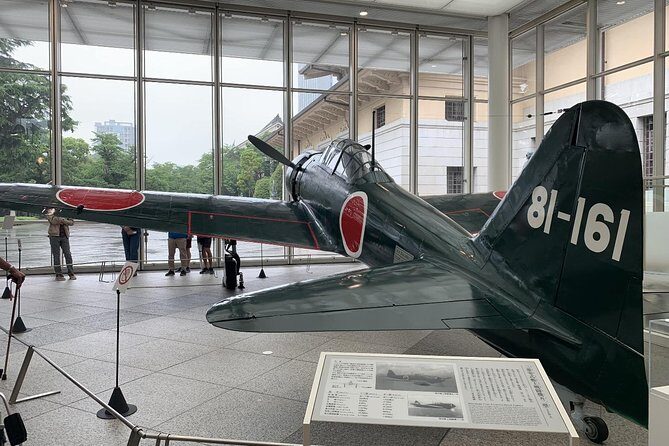
After the shrine, you move into the Yūshūkan Museum. Expect exhibits built around military history—artifacts, documents, and military equipment—presented in a way that’s easier to process when you have a translator guiding you through the bigger picture.
This stop is about 1 hour 30 minutes, and tickets are included. That time is important. If you only had a quick look, you’d miss the logic behind the exhibits—how themes connect from one display to the next.
This is also the part of the tour that centers the war practices you’ve probably heard about in headlines but never fully understood. The guide is there to explain why kamikaze attacks (tokotai) were so prevalent and how the soldiers talked to their families before their inevitable fates.
A balanced warning, in plain words: kamikaze and mass loss are not abstract concepts here. You’ll be dealing with real human decisions and real consequences. If you’re someone who wants gentle history only, this might feel intense. If you prefer direct education that respects the subject, this stop delivers.





Stop 3: Showa-kan (National Showa Memorial Museum) and civilian life
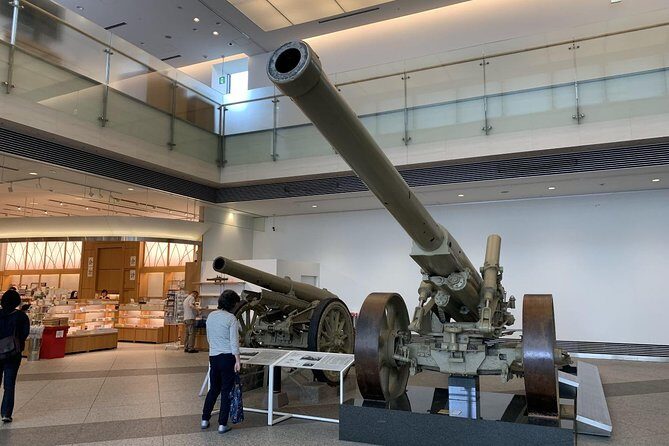
The final stop is the National Showa Memorial Museum, often called Showa-kan. This is the part of the morning that brings the war down to everyday life—how civilians experienced the war, and what life looked like during and after WWII.
You’ll spend about 1 hour here, also with admission included. The museum uses exhibits that include personal items and photographs, which helps shift the focus from military events to the human timeline: what people had to endure, how communities changed, and how survival played out.
Why Showa-kan matters: a lot of war history tours focus on strategies and weapons. This one makes room for what happened to regular people—especially around starvation and civilian hardship—so the moral math of the war feels less like statistics and more like lived experiences.
If you want one sentence to remember after the tour: Yūshūkan gives you the military frame. Showa-kan gives you the civilian frame.
Guide matters more than you’d think (and the names you might hear)
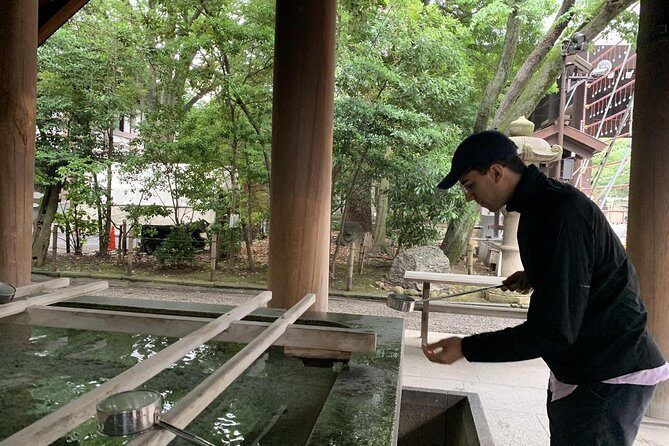
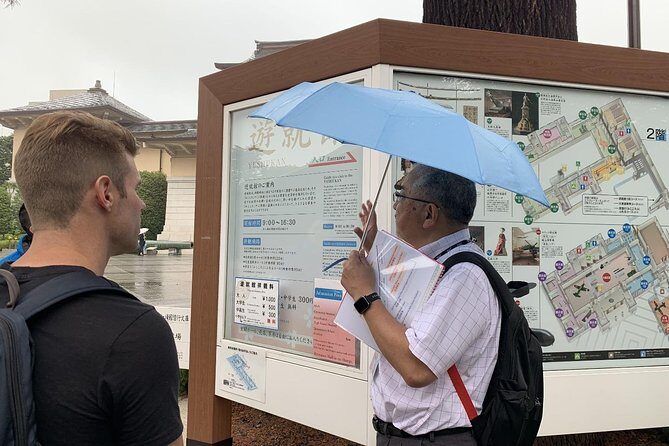
The tour is built around an expert who explains what you’re seeing, especially because museum labeling may be in Japanese and some details may be hard to interpret without help. That’s where a strong guide changes everything.
I’ve seen positive write-ups highlighting guides such as Shun, Yasuhiro Suzuki, Hiro, and Izumi. What they seem to share in common is a calm, organized approach—linking exhibits to context and handling questions without making people feel rushed.
In other words: if you like asking why certain narratives are presented the way they are, this format is a good fit. You’re not stuck with silence or guessing.
If you’re the type who likes to prepare, jot down a couple of questions before you go. For example:
- How does Japan choose what to emphasize in each museum?
- How do civilian experiences get presented alongside military history?
- What details about kamikaze are most emphasized, and what tone is used?
Your guide can steer you toward the answers you’ll actually find inside the rooms.
Price and value: what you’re paying for at $204.58
At $204.58 per person for about 3 hours, it’s not the cheapest thing on the Tokyo list. But it’s also not trying to be a quick photo stop.
Here’s where the value comes from:
- Private tour for your group only means you’re not competing for attention.
- English-speaking guide helps you understand the meaning of memorial sites and museum displays, not just translate words.
- Entrance fees included for Yūshūkan War Museum and Showa Memorial Museum removes two common friction points.
- Photo opportunities are built into the flow, so you’re not left asking when to take pictures.
There are also group discounts offered, which can reduce the per-person cost if you’re traveling with friends or family.
One more subtle point: the tour is scheduled in a compact area, so you’re not spending your morning crossing the city. That matters when you’re paying for a guided experience—time is part of the price.
Who this tour is best for (and who should think twice)
This is a strong match for you if:
- You want a focused WWII-focused morning in Tokyo.
- You care about how societies remember war, not only battles.
- You prefer guided interpretation, especially for museum content that may be harder without English support.
- You like balanced attention to both soldier life and civilian hardship.
You might think twice if:
- You’re hoping for a light, casual sightseeing route.
- You strongly dislike war-related memorial topics and don’t want to deal with respectful but heavy material.
- You know you’ll need schedule changes last-minute. This experience is non-refundable and cannot be changed for any reason.
Booking notes that affect your planning
This tour is marked as mobile ticket. Plan to have your phone available and your ticket ready on the day of the tour. The tour confirmation is typically received at booking, though if you book close to travel (within 7 days), confirmation comes within 48 hours depending on availability.
Most people can participate, but the itinerary is still based on walking between a shrine and two museums. If you have mobility limits, it’s smart to check with the provider before you book—especially since the tour is structured around fixed time blocks.
And one important mindset note: since the topic can be sensitive, the tour emphasizes open-minded learning. If you come prepared to ask questions respectfully and listen, the experience will likely feel more constructive and less stressful.
Should you book this Modern Japanese History Tour?
Book it if you want a guided Tokyo experience that connects Yasukuni Shrine, the Yūshūkan Museum, and Showa-kan into a coherent story about WWII remembrance and human impact. The guide-led interpretation is the main advantage here, and the included tickets keep the morning simple.
Skip it if you’re looking for a purely scenic outing, or if you know you’re not comfortable with respectful memorial history and war-related topics.
If your goal is understanding—how Japan frames the war’s legacy in these spaces—this is one of the more direct ways to do it in a short morning.
FAQ
What is the duration of the Modern Japanese History Tour in Tokyo?
The tour lasts about 3 hours.
Where do I meet the guide, and where does the tour end?
You meet at Kudanshita Station (1-chōme-13-19 Kudankita, Chiyoda City, Tokyo) and the tour ends back at the meeting point.
What time does the tour start?
The start time is 9:00 am.
What’s included in the price?
The price includes a private English-speaking guide, photo opportunities, and entrance fees to Yūshūkan War Museum and Showa Memorial Museum.
What is not included?
Food and drinks are not included. Souvenirs are not included. Hotel pickup and drop-off are not included, and gratuities are optional.
Is this tour private?
Yes. It’s a private tour/activity, meaning only your group participates.
Is the tour content sensitive?
It is designed to educate and inform about modern Japanese history, including WWII and related memorial topics. The provider notes it may still be sensitive for some people and asks guests to keep an open mind so guides can work safely and respectfully.
The Old Tokyo, Toured Properly
More Tours in Tokyo

More Tour Reviews in Tokyo



Fresh reviews from around Tokyo






Historical Tours, compared.
 ★ 4.9Imperial Palace Japanese History Walking TourFrom $32987 reviews
 ★ 5.0Shinjuku Historical Walking Tour & Secret BackstreetsFrom $25530 reviews
 ★ 4.9From Tokyo: Nikko World Heritage Site Private Full-Day TripFrom $483243 reviews
 ★ 5.0Yanaka Historical Walking Tour in Tokyo’s Old TownFrom $81182 reviews
 ★ 5.0Kamakura Historical Walking Tour with the Great BuddhaFrom $98129 reviews
From Tokyo: Nikko World Heritage Sight Full Day Private TourFrom $362127 reviews
★ 5.0Kamakura Historical Walking Tour with the Great BuddhaFrom $98129 reviews
From Tokyo: Nikko World Heritage Sight Full Day Private TourFrom $362127 reviews
 ★ 4.8Yanaka District: Historical Walking Tour in Tokyo’s Old TownFrom $79117 reviews
 ★ 4.8Nikko Heritage & Nature Day Trip from TokyoFrom $39194 reviews
Browse the lists this tour appears in