
Reviewed · TOKYO
Tokyo Sumo Morning Training/ Sumo Practice with Wrestlers
Sumo practice is intense up close. This Tokyo morning visit gives you rare access to a sumo stable training area where you can watch wrestlers work through their routine and learn what the movements mean. I also like that the guide keeps things clear with English commentary via headset, so you are not just staring at legs and salt (though that can be fascinating too). One real consideration: plan for cool waiting time and basic seating, since some stables do not have chairs.
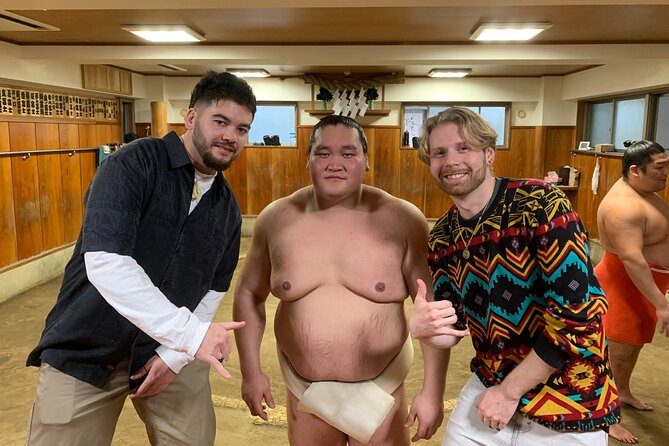
You will also get a memorable keepsake at the end: a photo with a sumo wrestler, with rules that keep things respectful and orderly. I like that you can ask questions as you go, which turns the experience from sightseeing into something closer to understanding the sport. Just remember the discipline rules: no eating, phones on silent, and once you leave the stable area, you cannot go back in.
In This Review
- Key things to know before you go
- Morning Sumo in Sumida: what you’ll actually see
- Stop 1 briefing: arriving ready for a calm, respectful start
- Entering the stable: etiquette that makes the visit work
- The dohyō rules: shoes off, and the ring has its own boundaries
- English headset guide: how to get more out of the hour
- The photo with a wrestler: your respectful souvenir
- Price and value: is $99.10 worth it for one hour?
- Who should book this Tokyo sumo practice session?
- Should you book the sumo stable morning training in Tokyo?
- FAQ
- How long is the Tokyo sumo training experience?
- Where do I meet for the tour?
- Is the stable admission included?
- Do I get explanations in English?
- Can I ask questions during the experience?
- Are photos and videos allowed?
- Do I need to remove shoes?
- Are women allowed to participate?
- Is eating allowed during the tour?
- How late can I cancel for a full refund?
Key things to know before you go
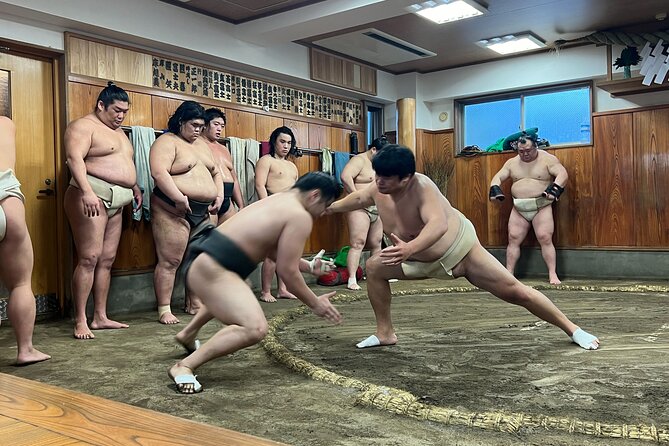
- You watch practice quietly, like you belong there: phones silent, no flash, and you avoid showing soles of your feet toward the ring.
- English headset commentary helps a lot: the guide explains sumo history, rules, and what you are seeing during training.
- Shoe-off entry and floor seating are common: wear comfortable clothes; you may sit cross-legged on a mat.
- Women can join, but ring access is restricted: women cannot enter the dohyō and sit from designated areas.
- Yokozuna attendance is not guaranteed: the stable is the one where a Yokozuna trains, but whether he is there is confirmed only the morning of.
- Timing can shift: the practice schedule may vary by day, especially around big tournaments, so the visit can run a bit shorter.
Before you commit, see how this one stacks up against a few Tokyo favourites:
- Mt Fuji and Hakone 1-Day Bus Tour Return by Bullet Train★ 5.0 · 26,383 reviews
- 1-Day Tokyo Bus Tour★ 5.0 · 14,250 reviews
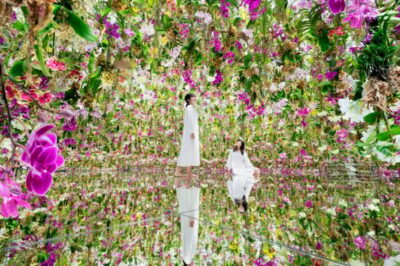
- Tokyo: teamLab Planets TOKYO Digital Art Museum Entry Ticket★ 4.6 · 9,779 reviews
Morning Sumo in Sumida: what you’ll actually see
This is a hands-on viewing experience, not a show. You get to enter a working sumo stable and watch the daily training rhythm from very close range, with a guide guiding your attention to what matters.
The biggest payoff is how physical sumo practice looks in real life. The pace is disciplined and repetitive in the way real training is, and the silence-and-focus atmosphere feels different from a typical sport match. Even if you only know sumo from tournaments on TV, you’ll start spotting patterns: warmups, drills, and the build toward more specific ring work.
A good part of the value here is context. You are not just watching random grappling. With the guide’s running explanations, you learn what different phases of practice are for and why the wrestlers act with such ceremony and restraint.
Stop 1 briefing: arriving ready for a calm, respectful start
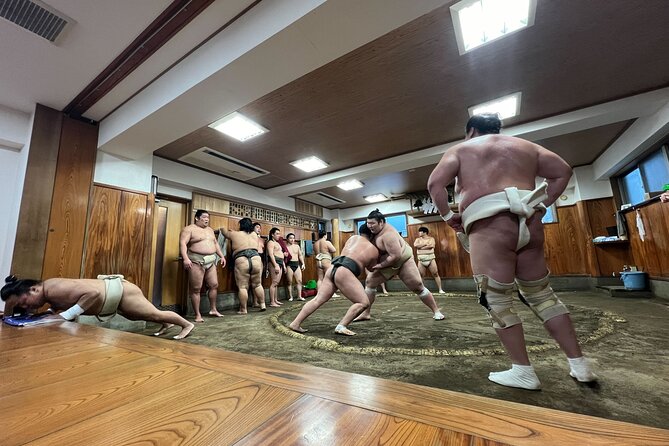
You meet near 1-chōme-2-8 Chitose, Sumida City. Exact meeting time and point can vary by date, and after booking you should get the specific details by message. Use the restroom before you arrive, because you do not want to start your morning hunt for facilities after the group gathers.
Before heading into the stable, there is usually a short explanation period. This is where the guide sets expectations: how sumo practice runs, what is appropriate to watch, and how to ask questions without disrupting anyone’s concentration.
Small practical note: it’s not a casual hangout. The stable is a workplace with rules. That shows in the behavior they ask from you—watch quietly, keep your phone silent, and do not stretch your legs toward the ring (it’s considered impolite to show the soles of your feet).
Entering the stable: etiquette that makes the visit work
Once you’re inside the stable, you’ll feel the structure of the day right away. You enter and watch the wrestlers moving through their routine, and you are expected to stay in place through the end of the practice. You cannot leave mid-session and then re-enter later, so it’s worth planning your timing and comfort level before you go in.
Cellphones must be on silent. Photos are allowed, but with strict limits: no flash and no shutter sounds. Videos are not allowed. If you are the type who takes lots of action clips, you’ll need to adjust. The best souvenir here is a few thoughtful photos, plus that official photo with a wrestler at the end.
Seating is another detail that matters. Some stables do not have chairs, and you may need to sit on the floor on a mat. Bring the right mindset: this is a low-tech viewing setup. Comfort comes from preparing your body for a sitting-focused morning.
The dohyō rules: shoes off, and the ring has its own boundaries
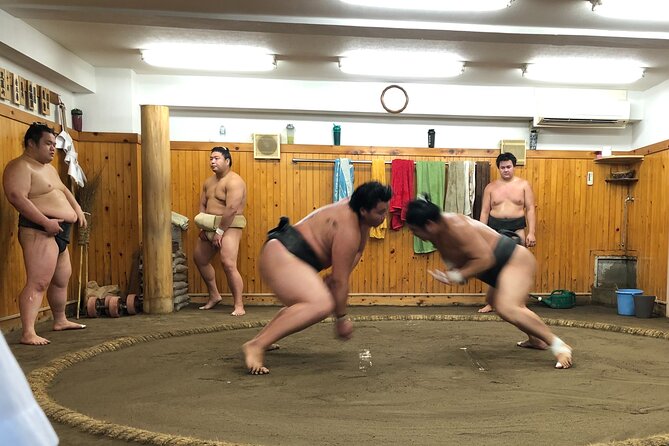
This is the part many people are most curious about: getting close to the ring. For the practice viewing area, men must remove their shoes before stepping onto the dohyō (sumo ring). Women can participate in the training experience from designated seating areas, but they are not permitted to enter the dohyō.
So what does that mean for your experience? You can still watch the training closely and you can still learn from the guide’s explanations. But you should go in with correct expectations about where you will be allowed to stand and what spaces are off-limits.
Also expect strict non-interference behavior. You should be careful not to interrupt concentration, and you should not try to do anything dramatic in the background (no standing on tiptoes to get a better shot at the wrong moment). The stable depends on quiet attention from visitors.
And yes, you will likely notice the ceremony side of sumo even during practice. Wrestlers treat the space and routine with seriousness, and the crowd behavior is part of that.





English headset guide: how to get more out of the hour
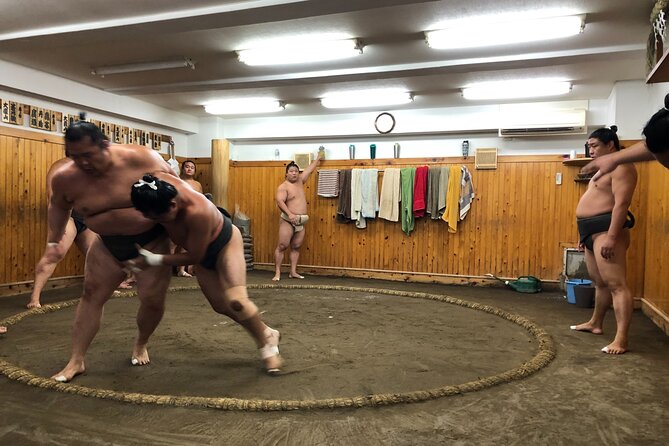
One of the most praised parts of this kind of tour is the guide’s ability to translate what you’re watching. You get helpful explanations about sumo—history, basic rules, and what the wrestlers are doing in training—so you understand more than just the silhouettes.
In practice, the headset English commentary makes a big difference. Without it, you might hear fragments and end up guessing what each drill means. With it, the hour becomes educational, and your questions actually land.
This is also where the tour shines for beginners. You don’t need to already know sumo terms. The guide helps you connect the movements you see with how the sport works.
If you want hands-on insight, there may be opportunities for interaction depending on what the stable’s practice day includes. At minimum, you’ll get plenty of guided explanation during the session, plus chances to ask questions along the way.
The photo with a wrestler: your respectful souvenir
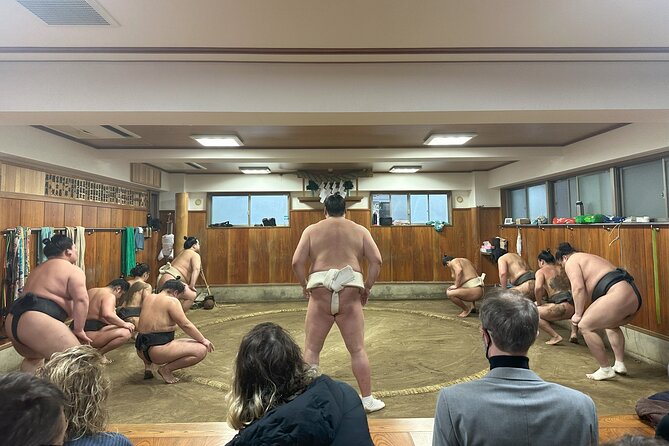
The experience includes a photo with a sumo wrestler. You should treat this as part of the overall etiquette of the stable visit, not a random tourist photo op.
Because photos have rules (no flash, no distracting shutter sounds, and videos not permitted), plan to take a few quick stills during practice, then focus on the end photo opportunity when it’s offered.
In real terms, this keeps the experience grounded. You’re not turning a working training environment into a loud studio session. You get a memorable keepsake, and the wrestlers get a controlled, respectful moment.
Price and value: is $99.10 worth it for one hour?
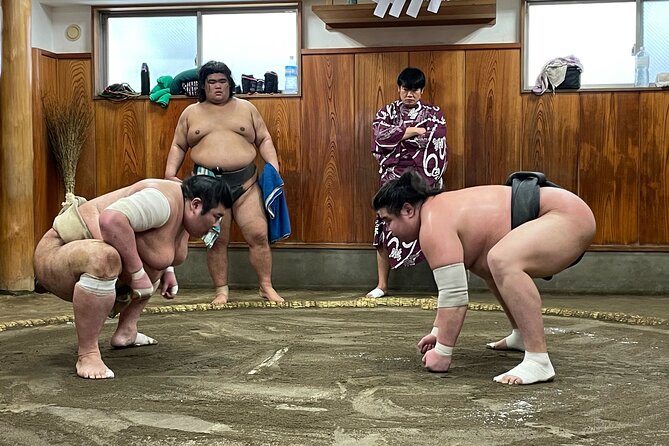
At $99.10 per person for about an hour, you are paying for three things: access, guidance, and a keepsake.
Access is the big one. A sumo stable is not an open museum. You’re entering a training area with strict visitor behavior, which already narrows who can see this up close.
Guidance is the second. The guide provides explanations during the session, and the English headset commentary helps you make sense of what is otherwise hard to understand from the sidelines.
A photo with a wrestler is the third. That final moment is often what people remember when they think back on the morning.
Now for the honest balancing point: the exact amount of ring action and who you see can vary by day. The schedule can change, the visit length can shift, and it’s not confirmed in advance whether a Yokozuna will be present. If you want a guaranteed star sighting or a specific style of interaction, you might feel disappointed on a day with a different roster or practice focus.
So I frame it like this: if you want a structured, respectful, up-close look at training and you value learning the sport, the price starts to feel fair. If you want a flashy performance, it won’t match that expectation.
Who should book this Tokyo sumo practice session?
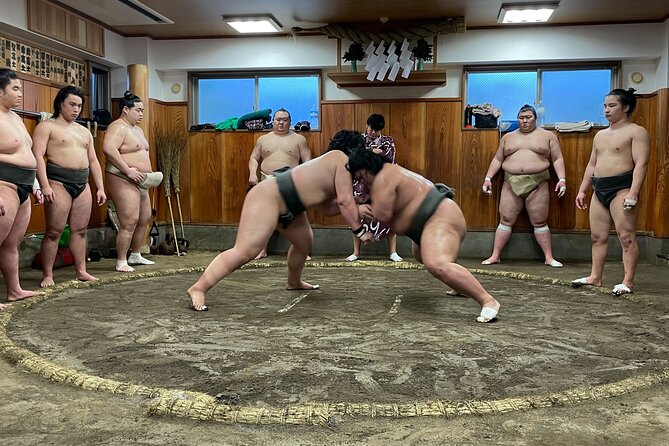
This tour fits best if you fall into one of these groups:
- You are a sumo fan, or you want to become one fast, and you want to understand training rather than just watching a match.
- You like authentic, rule-based cultural experiences where visitors act quietly and respectfully.
- You travel with kids who are curious about sports culture and enjoy meeting athletes afterward.
- You want a small-group feel. The group size is capped at 25 travelers, which usually means you can hear instructions and stay organized.
It may be less ideal if you need chair seating, hate sitting on the floor for extended time, or you want to film lots of video. Also note that if you show up late or miss the meeting point without checking messages, you generally won’t be able to catch up.
Should you book the sumo stable morning training in Tokyo?
I think you should book this if you want the most direct connection you can get to how sumo training actually looks and feels. The biggest strengths are the close viewing inside a real stable, the English headset explanations, and the respectful rules that keep the experience authentic. Add in the photo with a wrestler, and it’s a strong value for a limited-time window in Tokyo.
I’d be cautious if your top priority is seeing a specific high-profile wrestler with certainty. Even though the stable is connected to Yokozuna training, attendance isn’t guaranteed until the morning. And if you’re sensitive to cool weather or floor seating, dress and plan accordingly.
If you go in prepared—quiet, patient, and curious—you’ll come away with a much better sense of what sumo is beyond the tournament spotlight.
FAQ
How long is the Tokyo sumo training experience?
It runs about 1 hour (approx.). The practice content and schedule can make it slightly shorter or longer depending on the day.
Where do I meet for the tour?
The meeting point is at 1-chōme-2-8 Chitose, Sumida City, Tokyo 130-0025, Japan. The exact meeting time and point can vary by tour date.
Is the stable admission included?
Yes. The entry ticket is listed as free, and the tour includes access to the sumo stable for the practice.
Do I get explanations in English?
You get a guide with explanations, and English commentary is provided via a headset.
Can I ask questions during the experience?
Yes. The guide accompanies you and you can ask questions along the way.
Are photos and videos allowed?
Photos are OK without flash or shutter sounds. Videos are not allowed.
Do I need to remove shoes?
For men, shoes must be removed before stepping onto the dohyō (sumo ring). The stable has specific footwear expectations.
Are women allowed to participate?
Women are welcome, but they cannot enter the dohyō. Women participate from designated seating areas.
Is eating allowed during the tour?
Eating is not allowed inside the stable. You can drink water and sports drinks.
How late can I cancel for a full refund?
You can cancel up to 24 hours in advance for a full refund. If you cancel less than 24 hours before the start time, you won’t receive a refund.
More Tour Reviews in Tokyo



Fresh reviews from around Tokyo






Tokyo, compared.
 ★ 5.0Mt Fuji and Hakone 1-Day Bus Tour Return by Bullet TrainFrom $16326,383 reviews
 ★ 5.01-Day Tokyo Bus TourFrom $12914,250 reviews
 ★ 4.6teamLab Planets TOKYO Digital Art Museum Entry TicketFrom $259,779 reviews
 ★ 4.0Mt Fuji & Hakone Cruise, Drum Show Bullet Train 1 Day from TokyoFrom $1497,413 reviews
 ★ 5.0Shinjuku Food Tour (13 Dishes at 4 Local Eateries)From $866,603 reviews
 ★ 4.4Tokyo Mt Fuji 5th St & Hakone Cruise Bus Tour w/Bullet TrainFrom $1545,024 reviews
 ★ 5.0Flagship 2-Hours Official Street Go-Kart Tour – Tokyo Bay ShopFrom $644,974 reviews
 ★ 4.5From Tokyo: Mount Fuji Full-Day Sightseeing TripFrom $684,970 reviews