
Reviewed · KAMAKURA DAY TRIPS
Kamakura Private Custom Tour with Local Guide
Kamakura rewards slow walking. This private custom tour lets you hit the big-name sights and slip into quieter temple corners with an English local guide. I especially love the way it feels personal (you steer the rhythm) and how you get clear historical context instead of just “here’s a sign, bye.”
You’ll spend hours on foot, with the guide shaping what matters most to you, from Zen sites to coastal stroll energy around Kamakura. The main thing to watch is that while the guide is included, entrance fees and lunch are not, and transportation costs can also add up since transportation isn’t listed as included.
If you want a straightforward day in Kamakura that feels like a local plan, this is a strong pick—just budget a bit for food and site fees.
In This Review
- Key highlights to look for
- Kamakura in 4 to 8 Hours: the timing that keeps it enjoyable
- Your English local guide (Ken-san) and what “custom” really changes
- Kotoku-in’s Great Buddha and Tsurugaoka Hachimangu: the must-sees done right
- Kotoku-in Temple: the Great Buddha moment
- Tsurugaoka Hachimangu Shrine: calm ceremony and easy walking
- Hokokuji’s bamboo forest: when the sound changes
- Komachi Street: snacks, souvenirs, and not wasting time
- Beyond the headlines: quieter temples and local legends
- Walking, public transit, and how to plan your movement day
- Price and value: what $122 gets you, and what it doesn’t
- Who this Kamakura tour suits best
- Should you book this Kamakura private custom tour?
- FAQ
- How long is the Kamakura Private Custom Tour with Local Guide?
- Is this tour private?
- Is the guide English speaking?
- Can you pick up guests from accommodation in Kamakura?
- What’s included in the tour price?
- Are entrance fees and lunch included?
- Can I cancel and get a full refund?
Key highlights to look for
- A local English guide (Ken-san) who shares stories you won’t get from a quick guidebook skim
- Great Buddha at Kotoku-in plus the calm, ceremonial feel of Tsurugaoka Hachimangu
- Hokokuji Temple’s bamboo forest for that classic Kamakura mood shift
- Komachi Street time for snacks and practical souvenir shopping
- Customization so you can spend more time on what you care about and trade less for your energy level
Kamakura in 4 to 8 Hours: the timing that keeps it enjoyable
Kamakura can feel like two places at once: a compact historic city packed with major temples, and a shoreline town where the pace slows down. This tour is designed for that reality. The duration runs 4 to 8 hours, so you can choose a “most important stops” plan or a “longer day with more side streets” plan.
That time window matters because Kamakura’s top sights cluster, but you still need breathing room between them. A private guide helps you avoid the common problem of rushing from one crowded entrance to the next with no idea what you’re looking at. Instead, the day can flow like a walking tour with stops that actually make sense together.
The other timing advantage: it’s private, so you don’t get stuck with a group pace. If you want a shorter loop and quicker snack breaks, you can. If you’d rather slow down at the quieter temples, you can.
Your English local guide (Ken-san) and what “custom” really changes
The best part of this experience isn’t just the places—it’s the guide. In the reviews, the guide is repeatedly described as friendly and story-driven, and several notes call out Ken-san by name. That’s a good sign: when a guide’s communication is strong, your whole day feels smoother.
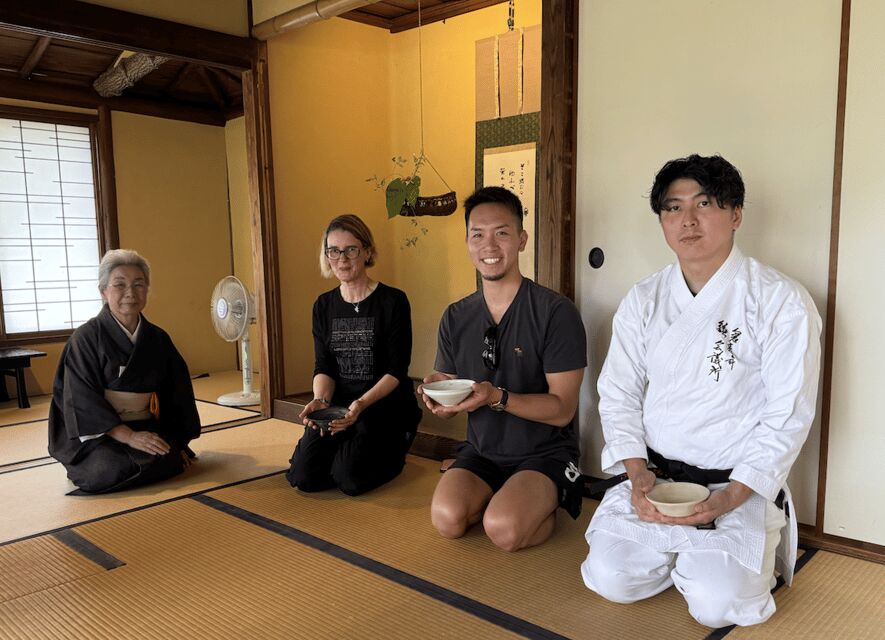
Customization is the big deal here. You’re not locked into a one-size-fits-all checklist. The tour is set up so you can adjust the emphasis—more time on spiritual sites, more time shopping, more time on scenic coastal views, or even adding something like a traditional tea ceremony if that’s what you want to experience.
Here’s what you’ll feel on the ground: instead of guessing where to turn next, you get a route that makes sense. And when you hit the “smaller” temples or less-frequented spots, you’re not just wandering—you’re learning what those places mean in Kamakura’s cultural and religious life.
Kotoku-in’s Great Buddha and Tsurugaoka Hachimangu: the must-sees done right
Most first-timers to Kamakura start with Kotoku-in and Tsurugaoka Hachimangu for a reason. They’re the anchors. This tour builds around those icons, then adds breathing room so you can experience them instead of racing through them.
Kotoku-in Temple: the Great Buddha moment
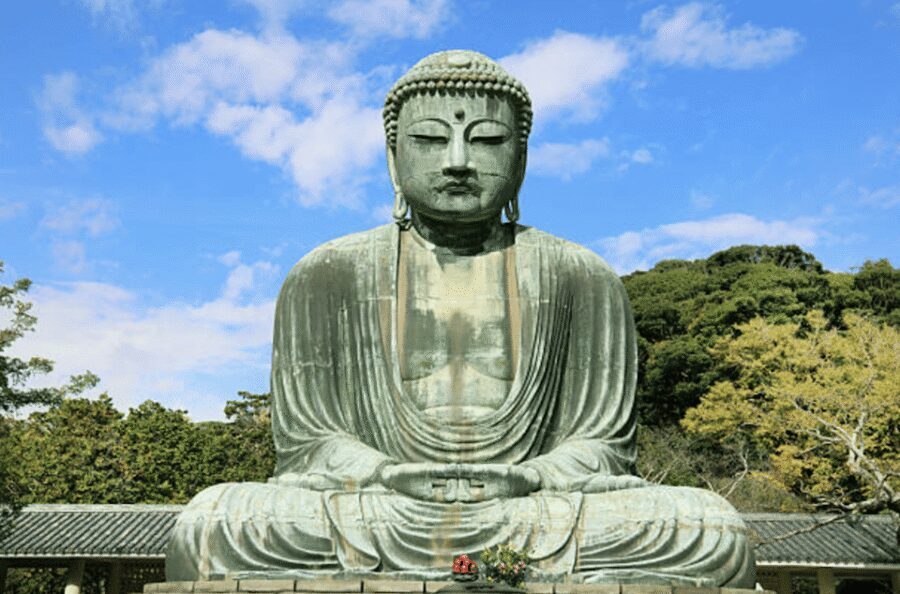
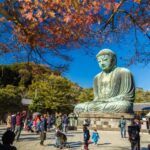
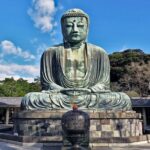
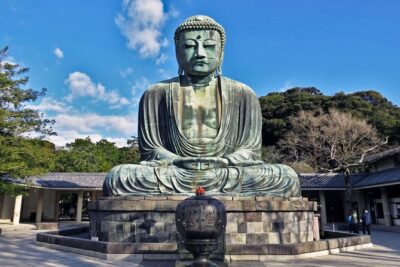
Kotoku-in’s Great Buddha is the headline. You’ll see one of Kamakura’s most famous sights up close, and the guide helps connect what you’re seeing to the broader temple tradition and why this site became such a symbol. The value here is simple: without context, the statue is impressive but still a bit “floating.” With context, you start noticing details—how people approach the space, how the place holds attention, and how it fits into the town’s spiritual identity.
One practical note: this is a site with a lot of visitors. A private walking plan helps you manage your time better, so you’re not stuck waiting as long as you would on a rigid group schedule.
Tsurugaoka Hachimangu Shrine: calm ceremony and easy walking
Then there’s Tsurugaoka Hachimangu, which feels different from Kotoku-in. It’s serene and orderly, and it helps you reset the day’s energy. The guide’s stories matter a lot here too. You’ll hear historical background and cultural explanations tied to the shrine’s role, and that turns the visit into more than photos.
This stop is also a good “pace regulator.” If you’re starting the day with big sights, Hachimangu is a nice transition into a slower, more observational mode.
Hokokuji’s bamboo forest: when the sound changes
If Kamakura has a mood switch, Hokokuji Temple’s bamboo forest is it. The air feels different in there—cooler, quieter, and more meditative. It’s one of those places where people often say the photos don’t quite capture it. The guide’s job is to help you slow down enough to actually notice what makes it special.
This is also where personalization shows up. If your interests lean Zen Buddhism or atmosphere-driven sightseeing, you’ll likely want extra time. If you prefer brisk movement, you can keep it efficient and return to the rest of the day without dragging.
Practical tip: bamboo forests can feel crowded at peak times. The private format won’t magically remove visitors, but it can help you choose the right moment to experience the space rather than just arriving at the busiest time and calling it a day.
Komachi Street: snacks, souvenirs, and not wasting time
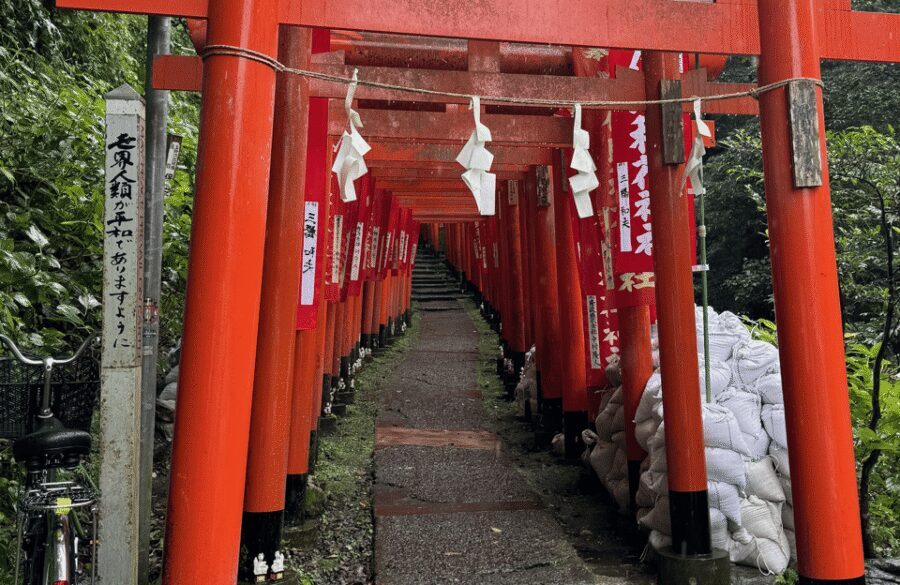
Komachi Street is a Kamakura classic, and it’s where your walking tour turns into a real-life stroll. This is the area where you can sample local delicacies, browse shops, and pick up souvenirs that feel more specific than generic “Japan fridge magnets.”
I like Komachi Street for two reasons. First, it gives you a clear place to eat without planning the whole meal from scratch. Second, it’s ideal for souvenir shopping because the guide can steer you toward options that match what you like—food gifts, small crafts, or everyday items that feel local.
One consideration: Komachi Street can be busy. If you’re someone who gets bothered by crowds, you can use the private guide to time your stop for shorter bursts, then move on to quieter temple sections.
Beyond the headlines: quieter temples and local legends
The tour’s promise isn’t only big-name sights. It also focuses on “former samurai capital” Kamakura’s cultural and spiritual depth, including lesser-known temples and corners that locals know better than typical sightseeing routes.
In the reviews, this is exactly where the standout feedback comes from. People highlight unique spots that are hard to find without a guide, plus stories and history that make the places feel connected instead of random. That’s the difference between visiting Kamakura and understanding it.
Here’s how this tends to play out in real life: you’ll go past the obvious main gates, and the guide will point out why a certain temple matters, what tradition lives there, or which kind of legend is linked to the space. Even if you’re not a “temple expert,” the stories give you hooks. You remember the route because it has meaning.
If you’re the type who enjoys atmospheric sightseeing—quiet halls, calmer courtyards, and temple interiors that feel lived-in—this portion of the tour is where you’ll feel the value most.
Walking, public transit, and how to plan your movement day
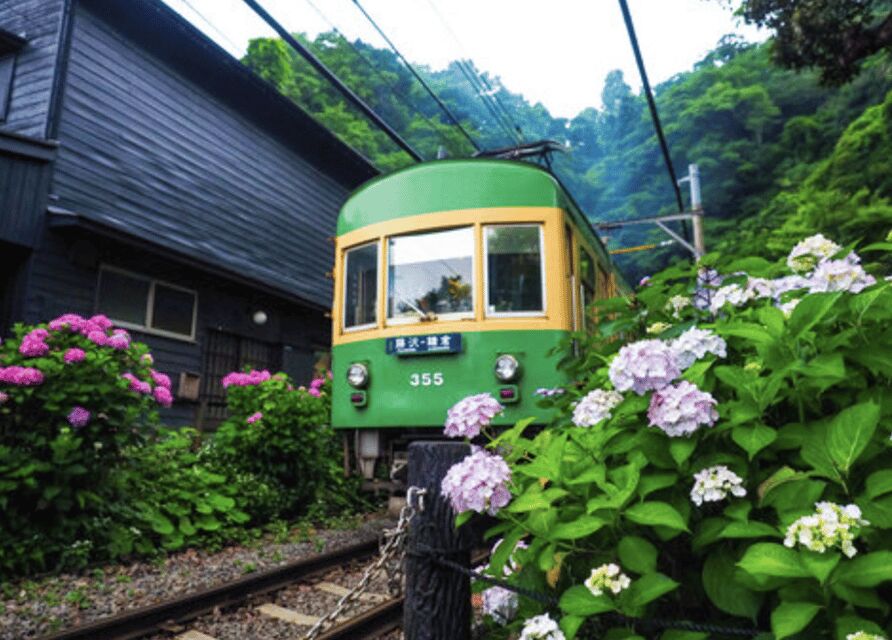
This is a walking tour, and that’s part of the appeal. You’re not riding in a private bus for every step. You’ll get the feel of Kamakura as you move between sites.
The plan uses public transportation to match the local rhythm. There’s also an option to arrange a private vehicle upon request, but public transit is the default approach described. The catch is in the fine print of budgeting: transportation is listed as not included, so you should expect to pay for transit during the day.
Wheelchair accessible is listed, which matters because it signals the tour provider takes mobility needs seriously. Still, because this is a walking tour, you’ll want to think about your own comfort level with uneven sidewalks and temple-area steps. A private guide can usually adjust pacing, but physical access depends on the specific paths at each stop.
Price and value: what $122 gets you, and what it doesn’t
At $122 per person for 4 to 8 hours, this isn’t a “cheap” add-on. It’s paying for private time with an English local guide, itinerary customization, and a route designed to cover Kamakura’s key sites efficiently.
What you’re getting included:
- Private tour and a walking tour
- English-speaking local guide
- Itinerary customization
- Pickup from your accommodation in Kamakura if you want it
- Private group setup
What to budget extra for:
- Lunch (not included)
- Entrance fees (not included)
- Transportation (not included)
- Gratuity (not included)
So how does it stack up? If you’re pairing this with a normal self-guided day, the cost looks bigger upfront. But when you factor in that you’re hiring an expert to connect the sites, find quieter areas, and adapt the plan to your interests, it becomes more reasonable. You’re essentially buying time savings plus interpretation.
Also, private pricing can be especially worth it if you’re traveling as a couple or small group and want flexibility. If you’re going alone and want the ability to ask questions and slow down where you care, the guide time is still the core value.
Who this Kamakura tour suits best
This tour fits best if you want Kamakura’s highlights with less guesswork. Specifically, it works well for you if:
- You want to see Kotoku-in, Tsurugaoka Hachimangu, Hokokuji, and Komachi Street without turning your day into a puzzle
- You enjoy historical and spiritual explanations while walking
- You care about quieter temple corners and want a guide who can point you there
- You prefer public-transport style local travel rather than being chauffeured the whole time
It’s also a solid match if you like tailoring your day. The description makes it clear you can shift focus toward Zen sites, scenic coastal viewing, or potentially add a traditional tea ceremony experience depending on your interests.
If you’re the kind of traveler who already knows Kamakura well, just wants a checklist, and plans to spend minimal time in each place, a guided format might feel like overkill. But if you want meaning and direction, this setup is exactly the point.
Should you book this Kamakura private custom tour?
Book it if you want a guided, customizable Kamakura day that covers the big sights and still leaves room for the quieter corners that make the place feel special. The repeated praise for Ken-san and the focus on unique local spots is a strong signal that the guide experience is the heart of the value here.
Skip it or consider something else if you’re mainly budget-focused and ready to handle entrance fees, transit costs, and lunch on your own while sticking to a self-planned route. Also, because it’s a walking tour, think about your comfort with temple-area walking and steps.
If your goal is a smooth day in Kamakura with real context and fewer dead ends, this one is a confident choice.
FAQ
How long is the Kamakura Private Custom Tour with Local Guide?
It runs for 4 to 8 hours, and you can check availability to see starting times.
Is this tour private?
Yes. It’s a private group experience.
Is the guide English speaking?
Yes. The tour includes an English-speaking local guide.
Can you pick up guests from accommodation in Kamakura?
Pickup from your accommodation in Kamakura is available if you want it.
What’s included in the tour price?
The tour includes a private tour, walking tour, English local guide, and itinerary customization.
Are entrance fees and lunch included?
No. Lunch is not included, and entrance fees are not included.
Can I cancel and get a full refund?
Yes. Free cancellation is available if you cancel up to 2 days in advance for a full refund.
More Tours in Kamakura
More Tour Reviews in Kamakura
More Days by the Great Buddha
Kamakura Day Trips, compared.
 ★ 4.5Kamakura & Enoshima Day Trip including Temple TicketsFrom $581,375 reviews
 ★ 4.5From Tokyo: Kamakura & Enoshima 1-Day Bus TourFrom $66189 reviews
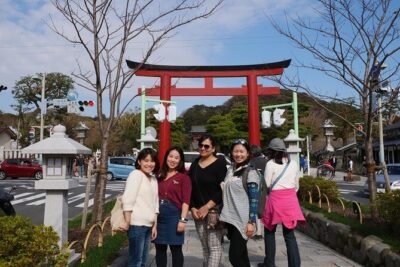 ★ 5.0Kamakura Historical Walking Tour with the Great BuddhaFrom $98129 reviews
Kamakura Private Tour: Temples, Nature, and the Great BuddhaFrom $98121 reviews
Kamakura Walking Tour – The City of ShogunFrom $35100 reviews
★ 5.0Kamakura Historical Walking Tour with the Great BuddhaFrom $98129 reviews
Kamakura Private Tour: Temples, Nature, and the Great BuddhaFrom $98121 reviews
Kamakura Walking Tour – The City of ShogunFrom $35100 reviews
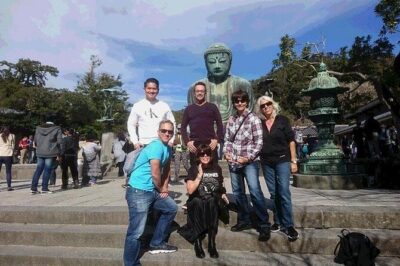 ★ 5.0Kamakura 8 hr Private Walking Tour with Licensed Guide from TokyoFrom $20180 reviews
 ★ 4.1Kamakura & Enoshima Day Tour with Pickup & Train RideFrom $1361 reviews
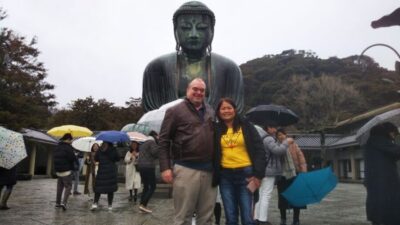 ★ 4.8Kamakura: Private Guided Walking Tour with Local GuideFrom $10660 reviews
Browse the lists this tour appears in