
Reviewed · WORKSHOPS
Kaisendon and Sashimi Cutting Workshop
Knives, fish, and real hands-on learning. This Kaisendon and Sashimi Cutting Workshop turns Japanese knife skills into something you do with your own hands, not just watch. You’ll learn how sashimi knives are used, then cut sashimi and lay it over vinegared rice to build your kaisendon bowl.
Two things I really like: you get very personal instruction in a small group (max 4 people), and the end result is food you make yourself and actually eat as a full meal. The main drawback is timing: it’s a short, focused class, so if you’re looking for a long, slow tour around Tokyo food neighborhoods, this isn’t it.
Also, it’s not just “cute cooking.” The structure matters. You start with technique basics using flour dumplings, then move to real fish so your cuts improve fast instead of staying theoretical. One thing to consider: since it’s knife work, you should be ready to pay attention, go slow, and follow the instructor’s safety cues.
In This Review
- Key Highlights You Should Know
- Why This Class Feels More Useful Than a Typical Food Stop
- Meeting in Nishiazabu: Getting to DKビル Without Stress
- The First 20 Minutes: Knife Background, Not Just Show-and-Tell
- Flour Dumplings First: How You Practice Without Wasting Fish
- What you should do to get the most out of the cutting stage
- Building Your Kaisen-don Bowl: Sashimi Over Vinegared Rice
- Eating What You Made: Miso Soup and Sake Included
- Price and Value: What $160 Buys You in Real Skills
- Who gets the best value
- The Human Touch: Naoya Kumagai and the English Support
- What to Expect Step by Step (Timing for the 1:00 pm Session)
- Who Should Book This Workshop (and Who Might Not)
- Should You Book Kaisendon and Sashimi Cutting Workshop?
- FAQ
- How long is the Kaisendon and Sashimi Cutting Workshop?
- What exactly will I make in the class?
- Does the workshop include alcoholic beverages?
- Do I use a knife myself, or is it just watching?
- Is there a practice stage before cutting real fish?
- Who teaches the knife techniques?
- Where is the meeting point?
- Is transportation included?
- What’s the group size limit?
- Is there a discount at a shop after the class?
- Is there a cancellation window for a refund?
Key Highlights You Should Know
- Small group (max 4 people) means more hands-on time and clearer feedback
- Real sashimi cutting after practice with flour dumplings
- Knife technique mini-lecture plus a demonstration by instructor Naoya Kumagai
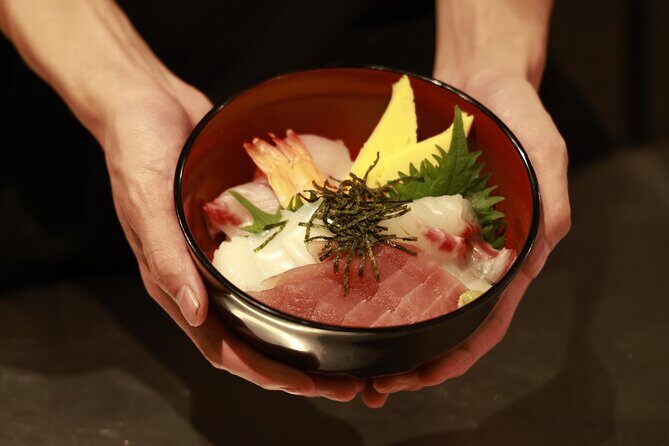
- You build the bowl: sashimi over vinegared rice for kaisen-don
- Meal included: the seafood bowl you made, plus miso soup and sake tasting
- A 1F Shop discount (10%) the same day as your workshop visit
More things to make with your own hands
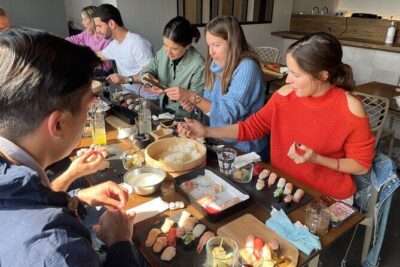
- Sushi Making Tokyo Roll and Authentic Japanese Sushi Class★ 5.0 · 3,971 reviews
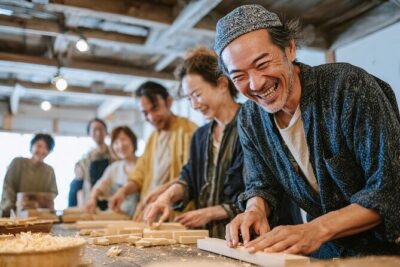
- Tokyo Shinjuku Chopsticks Making Class★ 5.0 · 1,763 reviews
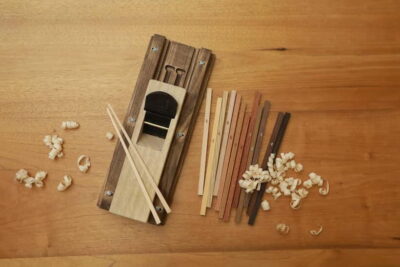
- Chopstick Making Workshop in Ginza★ 4.8 · 1,366 reviews
Why This Class Feels More Useful Than a Typical Food Stop
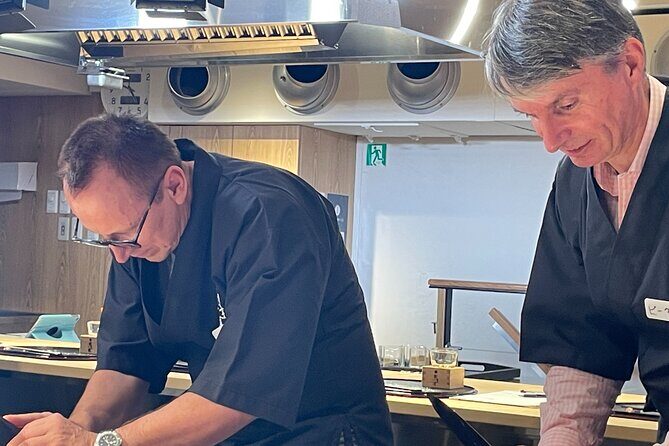
This workshop teaches the kind of skill that usually stays invisible in photos. Sushi counters and yakiniku places look “simple,” but sashimi cutting takes control—angle, pressure, and clean motion. Here, you get a pro’s explanation and then you repeat the motions until they start to make sense.
I also like that the class ends with a proper payoff. You don’t just snack on something random—you make a kaisen-don seafood bowl, and you finish with a full meal including miso soup. One review noted they left “full and happy,” which fits the intent here: technique first, then food you can taste right away.
The vibe seems warm and relaxed too. People describe the hosts (including Naoya Kumagai and interpreter/support Weixin) as friendly, with English help and lots of encouragement. That matters because knife classes can make some folks tense; a calm room lets you learn instead of freezing.
Meeting in Nishiazabu: Getting to DKビル Without Stress
You’ll meet at Kappodo H.Q / Tokyo D kitchen Studio, which is in Minato City, Nishiazabu (DKビル, 2-chōme 21-12). It’s listed as near public transportation, and the activity ends back at the same meeting point, so you’re not stuck navigating part-way through a longer route.
The workshop uses a mobile ticket, so have it ready on your phone at check-in. Since private transportation isn’t included, plan on taking train/subway and walking the last bit. This location is in a very normal Tokyo grid layout—meaning you can arrive, find the building, and not lose half your class time doing map gymnastics.
Group size is small (max 4 people), so expect the room to feel “workshop-y,” not “show room.” That also means the schedule is tight. Arrive a few minutes early so you can get settled before the knife lesson starts.
The First 20 Minutes: Knife Background, Not Just Show-and-Tell
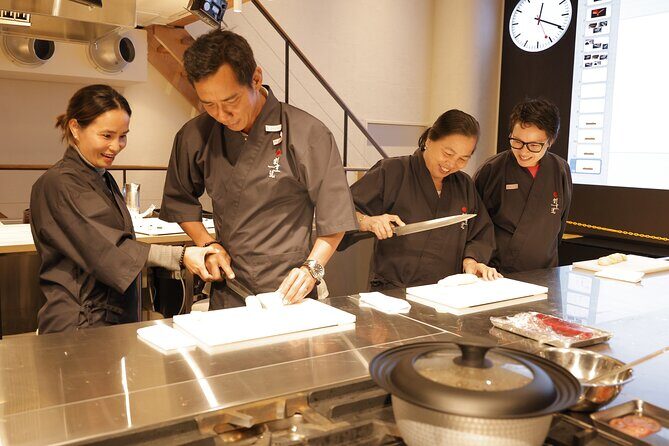
For the 1:00 pm session, the flow is clear. You register at about 12:45, then you’re greeted and introduced around 1:00 pm. Next comes a short lecture on sashimi knives by instructor Naoya Kumagai (around 1:10 pm), followed by a demonstration of how to use Japanese knives (around 1:20 pm).
This is where the class earns its value. A lot of cooking experiences skip the “why.” Here, you get quick context on what makes a sashimi knife special and how technique translates to clean cuts. It’s not a long knife documentary. It’s focused enough that you can use what you learn immediately in practice.
If you’re the type who’s interested in buying a Japanese knife, this section is especially relevant. One person emphasized that you shouldn’t buy a knife without understanding what matters. Even if you don’t plan to shop, knowing what different knife actions are supposed to do helps you cut better and care for the tool later.
Flour Dumplings First: How You Practice Without Wasting Fish
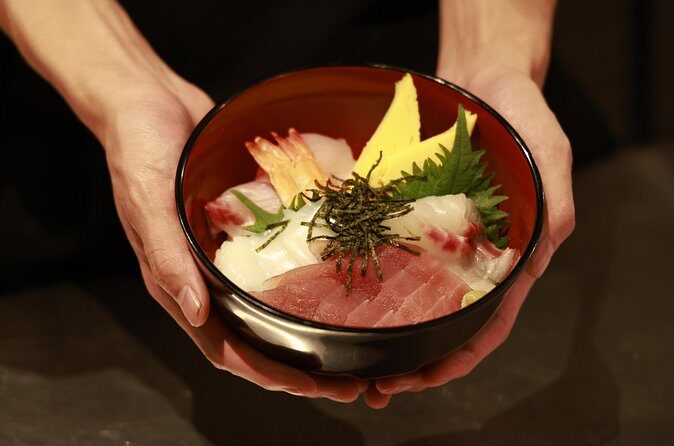
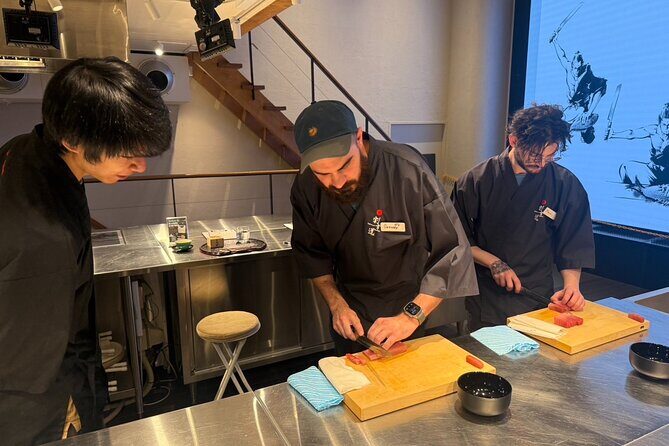
The most practical part starts around 1:30 pm, when you practice with all participants. The class uses flour dumplings first for knife practice. That’s a big deal. Flour gives you feedback without worrying about expensive materials, and it lets you focus on angle and motion.
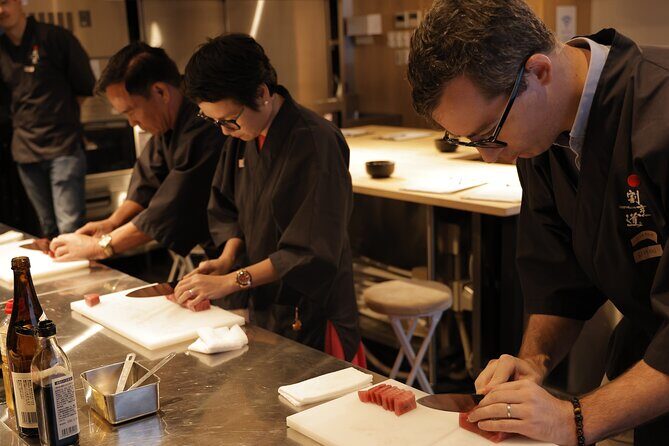
Then the course moves to the real deal: cutting sashimi for each person using a sashimi knife (timed around 1:30–1:50 pm depending on the session flow). This is where you go from “I watched” to “I can do this.”
A good sign from the experience: people mention learning different fish cuts and different cutting angles, plus improving their skills through repetition. The workshop seems designed so you aren’t just “one-and-done.” You practice, adjust, then practice again with guidance.





What you should do to get the most out of the cutting stage
- Watch the demonstration once, then copy the motion slowly
- Don’t try to rush for speed; clean cuts come from control
- Ask questions about technique right when you’re stuck, not at the end
- Treat the flour phase as part of the lesson, not a warm-up you can ignore
Building Your Kaisen-don Bowl: Sashimi Over Vinegared Rice
Around 1:50 pm, you shift from cutting to assembling. You’ll make a kaisen-don (seafood bowl) by placing your cut sashimi on top of vinegared rice. This part is satisfying because it turns technique into a finished plate that looks like what you’ve been seeing in Tokyo restaurants.
The order matters. Rice isn’t just a base—it’s part of the balance. Vinegared rice changes texture and flavor, so your cutting and arrangement influence how the bowl eats. You’re not only learning knives; you’re learning how sashimi is presented in a real dish.
Also, since you’re building your own bowl, you get a direct sense of portioning and layering. That’s useful even if you cook at home. A knife skill without a serving idea is incomplete. This class connects both.
Eating What You Made: Miso Soup and Sake Included
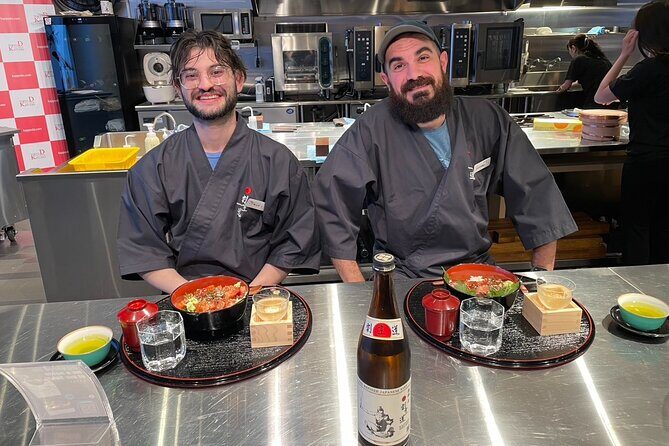
Tasting time comes around 2:00 pm. You’ll have the seafood bowl you made, and the full meal setup includes miso soup and sake. Alcoholic beverages are listed as included, and the schedule notes sake tasting is also available.
This is the moment to slow down and actually taste the results of your work. When you cut well, you get a cleaner texture and better mouthfeel. When you don’t, you notice it instantly. It’s a practical feedback loop, and it’s one reason this workshop doesn’t feel like a ticket to nowhere.
One review-style theme that comes through clearly: people left full, with a smile. That’s not just about portion size. It’s about “I made that” satisfaction.
Price and Value: What $160 Buys You in Real Skills
At $160 for about 1.5 hours, this is not the cheapest Tokyo cooking class on the menu. But the pricing makes sense if you think about what you’re paying for:
- Tools are provided (you’re not renting or bringing a knife)
- You get a professional knife techniques performance, a lecture, and repeated practice
- It’s a small group (max 4 people), so instruction time per person is higher
- You eat the meal you made, including miso soup and sake
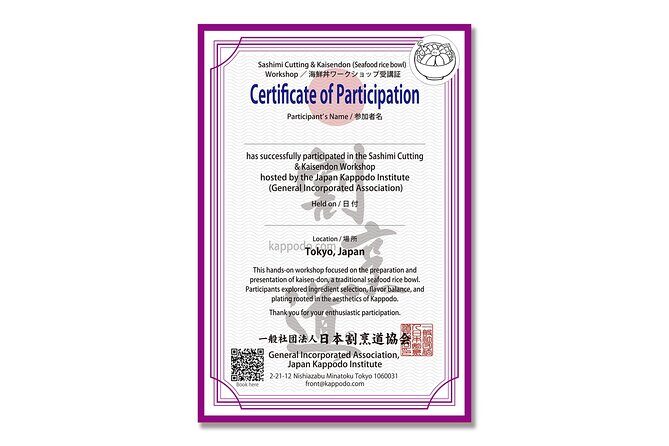
- You receive a certificate of participation
On top of that, there’s a 10% discount on items at the 1F Shop on the same day. If you’re even lightly interested in Japanese knives, that discount can turn the class into a smarter buying decision. It’s one of those “value multipliers” that makes the cost feel less like a sunk expense.
Who gets the best value
You’ll likely feel it most if you want:
- hands-on knife technique (not just a cooking demo)
- real sashimi cutting experience
- to understand what makes sashimi knives and cuts different
If you only want to eat kaisendon with zero interest in technique, you might decide it’s pricier than you need. But if you care about learning, it’s built for learning.
The Human Touch: Naoya Kumagai and the English Support
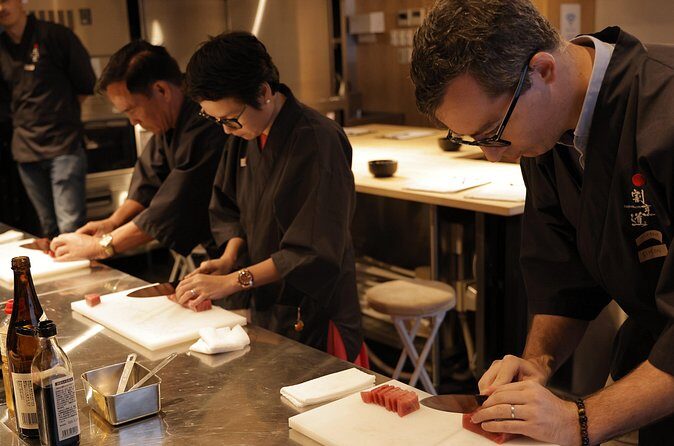
Instructor Naoya Kumagai leads the knife explanation and demonstration. People also mention a supportive English interpreter/host named Weixin, described as friendly and helpful throughout the workshop. That combination is a big part of what makes the class feel safe and fun.
Knife skills can be intimidating. When the staff explains clearly and keeps the mood relaxed, you learn faster. And because the class is small, you’re more likely to get quick correction when your angle or grip needs adjustment.
This “teach it, then fix it” approach is how you actually improve during the time you have.
What to Expect Step by Step (Timing for the 1:00 pm Session)
Here’s the flow for the afternoon start around 1:00 pm, based on the scheduled times:
- 12:45 Registration
- 1:00 pm Greeting and introduction
- 1:10 pm Brief lecture on sashimi knives
- 1:20 pm Demonstration on using Japanese knives
- 1:30 pm Practice with all participants
- knife practice using flour dumplings
- sashimi cutting for each person
- 1:50 pm Make the kaisen-don bowl
- 2:00 pm Tasting time, with sake tasting available
- Ends back where you started
It’s tight, but that’s the point. You get technique, practice, assembly, then you eat. No extra sightseeing treadmill. If your Tokyo plan includes a few “must-see” stops, this workshop is an efficient way to add something truly hands-on.
Who Should Book This Workshop (and Who Might Not)
This class is a great fit if you:
- want to learn knife technique you can actually practice at home
- are curious about sashimi cutting angles and clean motion
- enjoy eating what you make
- want small-group attention instead of a crowded class
It may be less ideal if you:
- want a long “food tour” with multiple restaurants and wandering time
- don’t want to handle knife work at all
- prefer learning mainly by watching instead of doing
Because the group is tiny, it’s also a good choice for couples, small families, or friends who want a more personal experience instead of feeling lost in a crowd.
Should You Book Kaisendon and Sashimi Cutting Workshop?
Yes—if you want a real skill session tied directly to a meal. This isn’t just entertainment. You practice cutting, you assemble a kaisen-don, and you finish with miso soup and sake. The small group size and the mix of lecture + demonstration + hands-on practice make it feel like instruction, not a show.
Book it especially if you’ve ever looked at Japanese knives and thought, I’d like to understand what I’m actually buying. Even if you don’t purchase, you’ll come away with clearer expectations and better instincts for what clean cutting should feel like.
FAQ
How long is the Kaisendon and Sashimi Cutting Workshop?
It runs for about 1 hour 30 minutes.
What exactly will I make in the class?
You’ll cut sashimi and place it on vinegared rice to create your own kaisen-don (seafood bowl). Miso soup is also part of the meal.
Does the workshop include alcoholic beverages?
Yes. Alcoholic beverages are included, and sake tasting is also available.
Do I use a knife myself, or is it just watching?
You’ll use a sashimi knife yourself. Each participant practices cutting and then cuts a piece of sashimi.
Is there a practice stage before cutting real fish?
Yes. You first practice with flour dumplings, then you practice cutting sashimi using the sashimi knife.
Who teaches the knife techniques?
The instructor is Naoya Kumagai, who gives a lecture on sashimi knives and demonstrates Japanese knife use.
Where is the meeting point?
You meet at Kappodo H.Q / Tokyo D kitchen Studio in Nishiazabu, Minato City (DKビル, 2-chōme 21-12), Tokyo 106-0031.
Is transportation included?
No. Private transportation is not included.
What’s the group size limit?
The workshop has a maximum of 4 people.
Is there a discount at a shop after the class?
Yes. You can enjoy 10% off items at the 1F Shop on the same day of your workshop visit.
Is there a cancellation window for a refund?
Yes. You can cancel for a full refund up to 24 hours in advance of the experience start time. If you cancel less than 24 hours before, it isn’t refunded.
Make Something to Take Home


More Tour Reviews in Tokyo



Fresh reviews from around Tokyo






Workshops, compared.
 ★ 5.0Sushi Making Tokyo Roll and Authentic Japanese Sushi ClassFrom $593,971 reviews
 ★ 5.0Tokyo Shinjuku Chopsticks Making ClassFrom $201,763 reviews
 ★ 4.8Chopstick Making Workshop in GinzaFrom $251,366 reviews
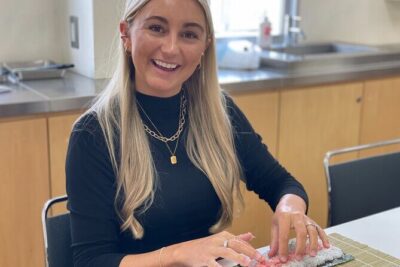 ★ 5.0Tokyo Sushi Making Class in Tsukiji with Professional ChefFrom $491,177 reviews
 ★ 5.0Ramen & Gyoza Cooking Class in Tokyo with Local Supermarket VisitFrom $122823 reviews
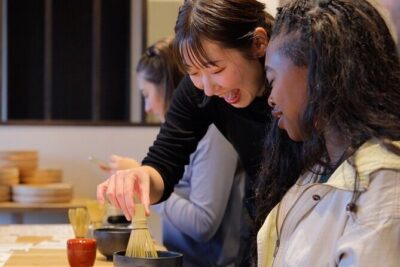 ★ 5.0Matcha Making Class in Tokyo with Authentic Japanese Sweets SetFrom $21744 reviews
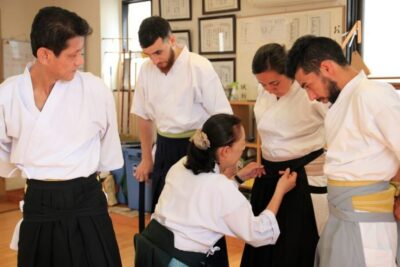 ★ 5.0Samurai Sword & Archery Class from Samurai DescendantFrom $193603 reviews
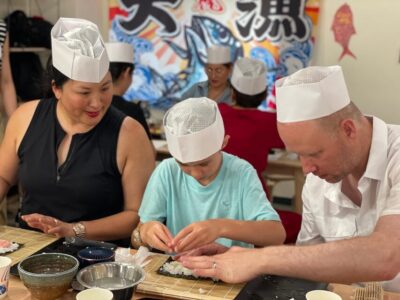 ★ 4.9Tsukiji Fish Market Sushi Making Class with Pro ChefFrom $63506 reviews
Browse the lists this tour appears in