
Reviewed · WORKSHOPS
Japanese Knife Skills & Tuna Don/Sushi Workshop in Tokyo
Tokyo cuts finer than you expect.
This hands-on workshop is built around Japanese knife skills you can actually practice. You’ll start with knife culture, watch a pro slice sashimi, then hold the knife yourself for tuna cuts that look simple until you try them.
I like the way the class pairs technique with real food results, especially whetstone sharpening taught step-by-step and the chance to eat what you make. One thing to plan for: the fish used can vary by availability, and the session is only 2 hours, so you’ll learn a strong foundation, not a full career skill.
In This Review
- Key moments that make this Tokyo workshop worth your time
- Finding the class: samurai murals and a fast gear-up
- What “Japanese knife skills” really means in a 2-hour format
- Knife sharpening with a whetstone: the skill behind clean cuts
- Sashimi slicing practice: tuna cuts you can feel in your wrist
- Cooking your zuke-don or sushi set: your knife skills meet the stove
- The full meal moment: miso soup, sake tasting, and a calmer finish
- Price and value: why $127 can feel fair in Tokyo
- Who should book this workshop (and who might skip it)
- Making it work with your Tokyo schedule
- Should you book Japanese Knife Skills & Tuna Zuke-don/Sushi in Tokyo?
- FAQ
- How long is the Japanese Knife Skills & Tuna Workshop in Tokyo?
- What can I choose to make during the class?
- Do I get to sharpen a knife during the workshop?
- Is the sashimi slicing part included?
- What’s included with the meal?
- What language is the instructor?
- Is this workshop suitable for children or people with allergies?
Key moments that make this Tokyo workshop worth your time
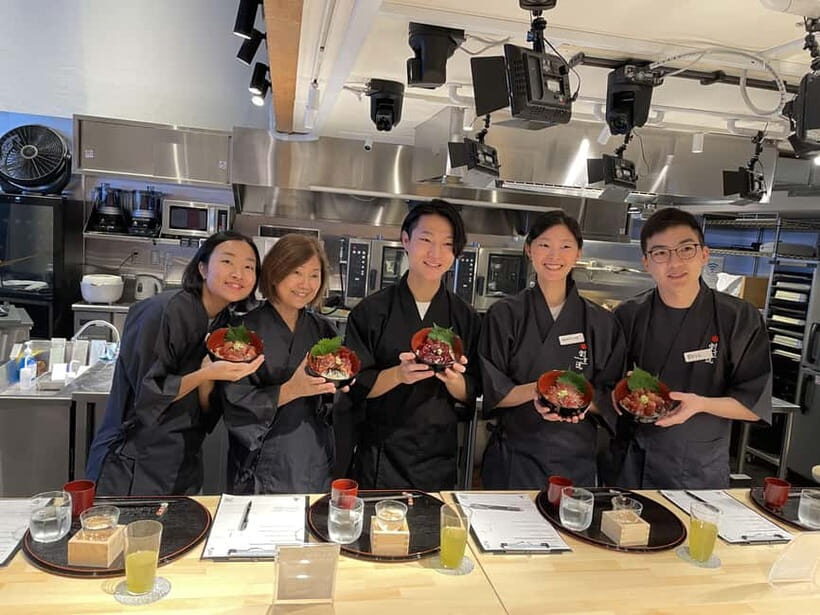
- Small group (max 8) means more time at the cutting station, not just watching.
- Hands-on sashimi slicing with fresh tuna, guided closely.
- Whetstone sharpening practice so you understand what keeps a blade performing.
- Cook and eat a tuna zuke-don or a 10-piece sushi set, with miso soup.
- Sake + green tea included, so the meal feels complete.
- Take-home value: participation certificate, plus a recipe to recreate your dish.
More things to make with your own hands
- Sushi Making Tokyo Roll and Authentic Japanese Sushi Class★ 5.0 · 3,971 reviews
- Tokyo Shinjuku Chopsticks Making Class★ 5.0 · 1,763 reviews
- Chopstick Making Workshop in Ginza★ 4.8 · 1,366 reviews
Finding the class: samurai murals and a fast gear-up
Tokyo has no shortage of food classes, but this one is aimed at skills, not just a cute meal. Your first clue is the meeting building with samurai-style murals painted on it. It’s a good landmark when you’re navigating a busy area and don’t want to arrive late.
You’ll want comfortable clothes because you’ll be working and cooking. The good news: the workshop includes kappodo costume rental, so you may get a more traditional look for the experience while you learn (and it also makes photos fun without turning the day into a costume party).
Because the group is limited to 8 participants, you’re less likely to feel like you’re sharing space with a crowd. Instead, you can pay attention to what matters—how the blade moves, where your fingers go, and how the cutting motion should feel.
What “Japanese knife skills” really means in a 2-hour format
This workshop is designed to do three things quickly and clearly: explain the knife culture, show the motion, and let you repeat it. You start with an introduction to Japanese knife culture and why these blades are prized for their craftsmanship and sharpness. That context matters, because sharpening and cutting techniques make more sense when you understand what the knife is built to do.
Next comes the structure you’ll feel in your hands. You’ll watch a knife skills performance where the instructor demonstrates sashimi slicing, then you’ll practice cutting sashimi yourself. This isn’t about making you fancy. It’s about helping you understand how sharpness changes the cut and why technique beats force.
Finally, the class connects knife skills to cooking results. After the cutting practice, you’ll move to making either zuke-don (tuna marinating rice bowl) or a 10-piece sushi set. That link is where the value really shows—your knife skills become part of the meal, not just a demo.
Knife sharpening with a whetstone: the skill behind clean cuts
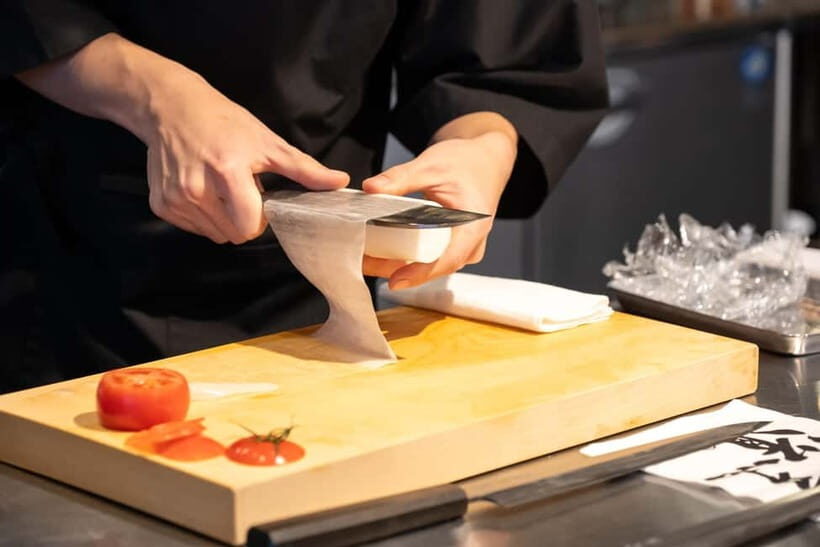
If you only remember one part of this class, make it the sharpening guidance. You learn knife sharpening techniques using a whetstone, with step-by-step instruction from the instructor. Even if you’ve never sharpened anything before, the format is meant to bring you along, not leave you guessing.
Why this matters for you: a sharp knife doesn’t just cut food. It gives you control. When the blade is properly sharpened, slices behave more predictably, and your sashimi cuts look cleaner because you’re not fighting a dull edge.
You’ll also get a clearer sense of which knife to use for different tasks. The workshop covers learning about how Japanese knives are made and why certain blades are chosen for certain food prep. That practical decision-making is the kind of takeaway that helps after the class, when you’re standing in a kitchen trying to recreate what you saw.
Sashimi slicing practice: tuna cuts you can feel in your wrist
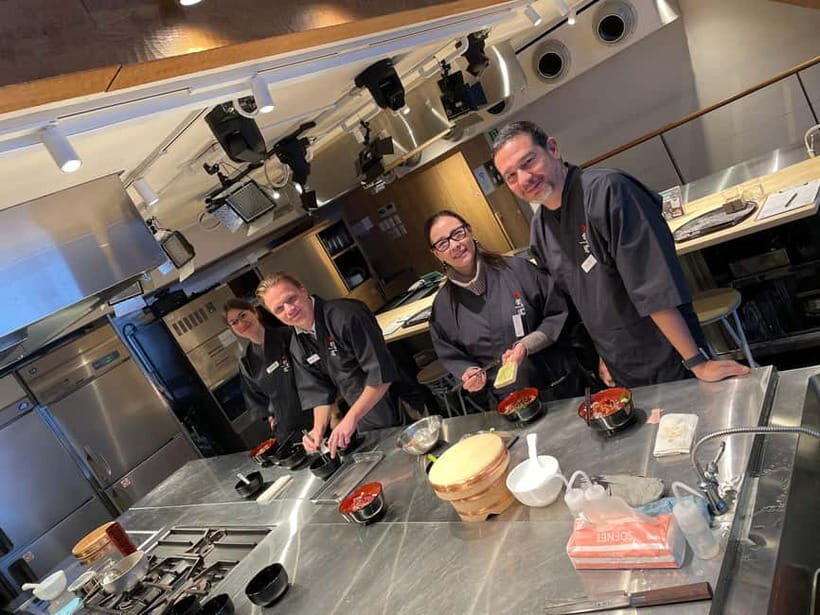
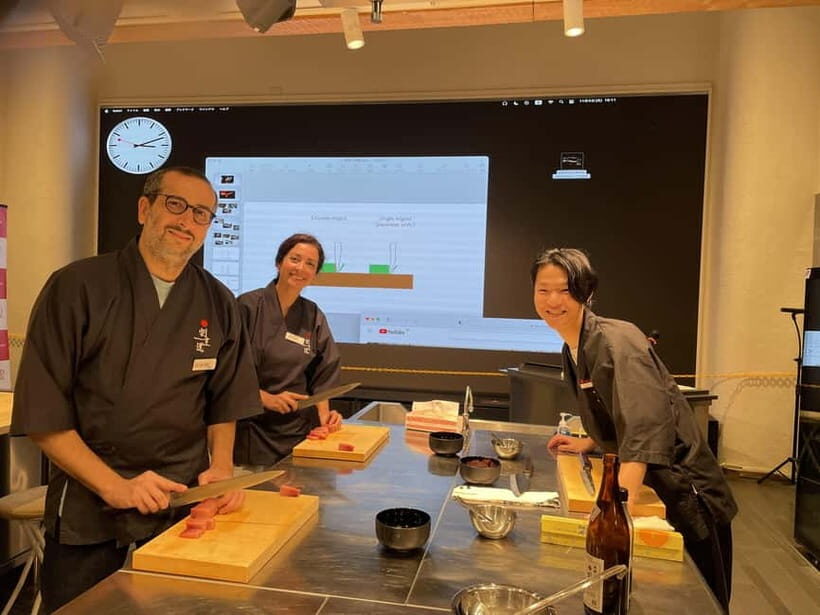
The hands-on sashimi portion is the heart of the experience. You’ll watch the instructor slice fresh sashimi first, then it’s your turn to practice cutting tuna. The fish used can vary depending on availability, but tuna is the focus for this workshop, and the goal is the same: learn how clean slicing should feel.
There’s a real difference between watching and doing. When you cut sashimi, you notice how your angle changes the result, how pressure (or the lack of it) affects texture, and how a properly sharpened blade makes the motion smoother. The class is built so you get feedback while you try.
You also get a sense of what “precision” means in a kitchen setting. It’s not only about speed. It’s about repeating the same controlled movement so you get even slices. That’s the kind of skill you can carry into home cooking, especially if you like sushi, sashimi, or even just crisp vegetable prep.





Cooking your zuke-don or sushi set: your knife skills meet the stove
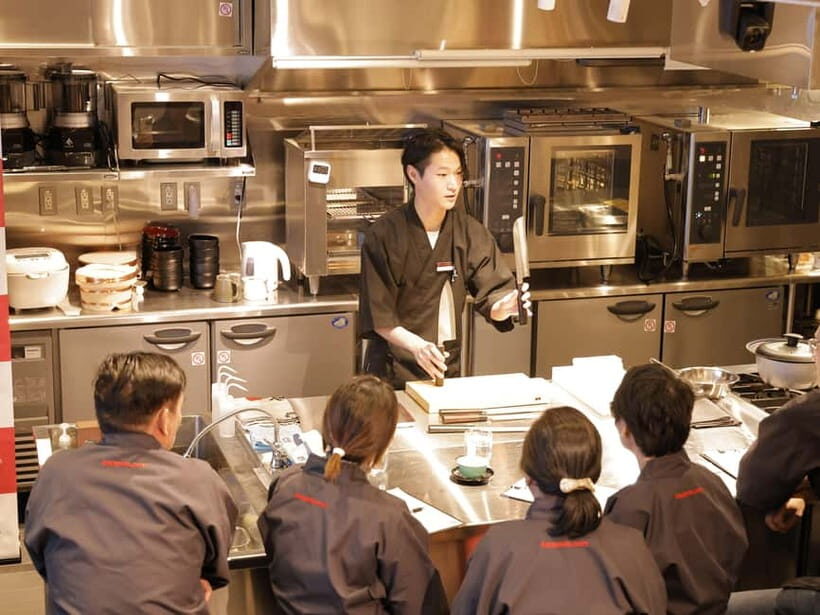
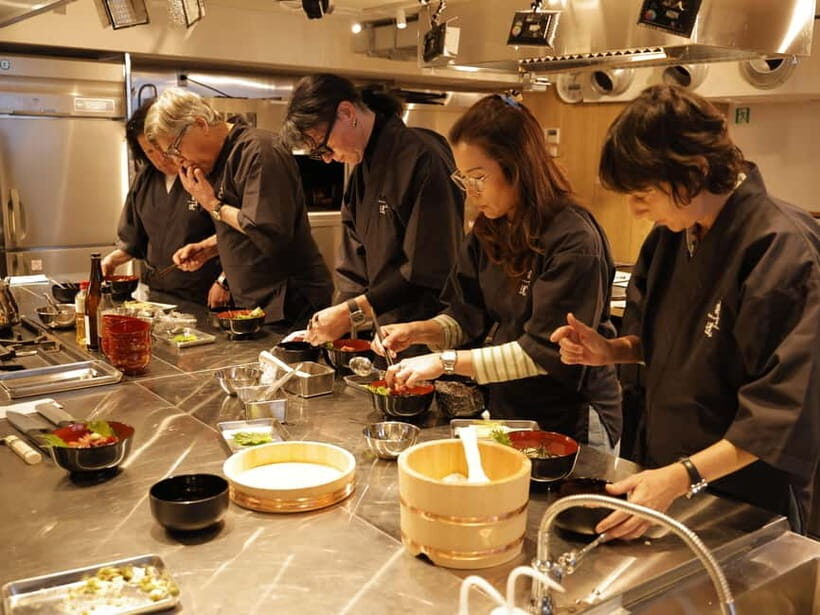
After the cutting practice, the workshop turns from technique to cooking. You’ll prepare either a tuna zuke-don—marinated sashimi over rice—or a 10-piece sushi set. Both choices keep the day focused: you’re learning a classic Japanese style with clear steps and ingredients.
You’ll also make and enjoy miso soup, so the meal doesn’t feel like an afterthought. One nice practical detail: the class includes the ingredients and tools, so you’re not showing up to figure out what you’re missing. That keeps the day simple, especially if you’re already juggling sightseeing in Tokyo.
For the zuke-don option, the concept is straightforward and satisfying: tuna is marinated, then served over rice. For the sushi set option, you’ll assemble a set designed to be approachable in a single session. Either way, you’re eating what your hands made, not just what was delivered.
Also, because fish availability can vary, don’t worry if your exact tuna cut or portion looks slightly different from someone else’s class day. The important part is the process and the technique you learn to apply at home.
The full meal moment: miso soup, sake tasting, and a calmer finish
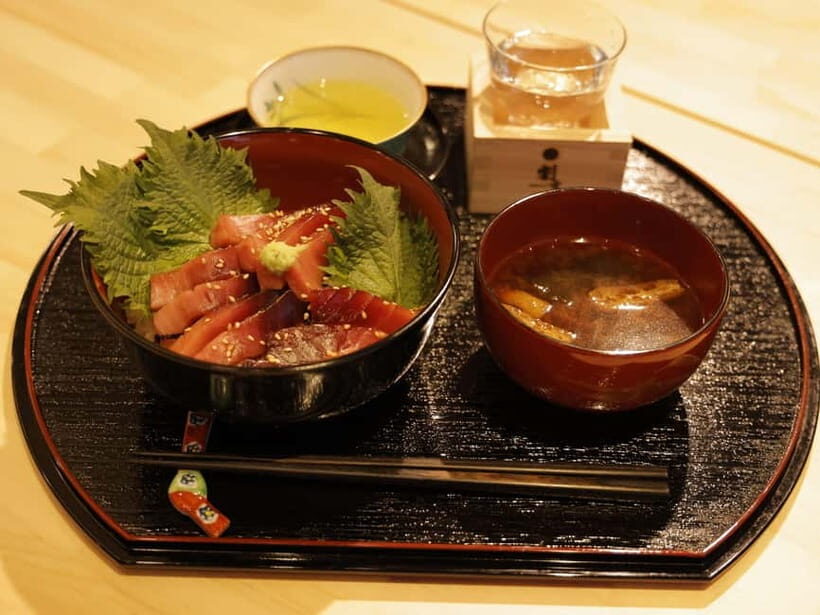
After cooking, you sit down and enjoy your meal. You’ll have miso soup with your handmade dish and a tasting of original sake as a finish. Green tea is included too, so if you prefer something lighter than sake, you’re covered.
This part matters more than you’d think. A class can be very “skill lab,” but here the meal is part of the structure. You taste the result right away, which helps you connect what you did—cut, assemble, season—to what you’re eating.
It also makes the experience feel social in a good way. Since the group is small, you’re more likely to share the “what just happened” moments that come from trying something new. And once you’ve eaten, it’s easier to remember what to replicate later.
Price and value: why $127 can feel fair in Tokyo
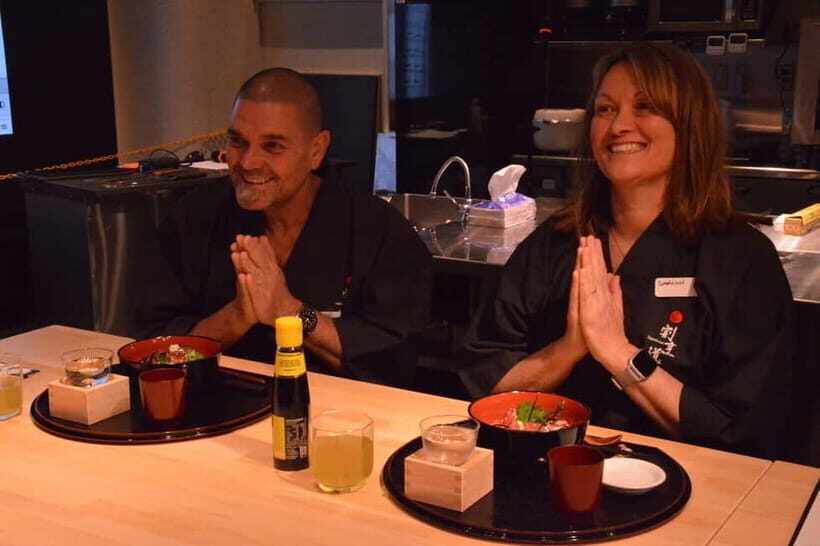
At $127 per person for a 2-hour workshop, you’re paying for more than a meal. You’re paying for instructor time, small-group attention, included ingredients and tools, and the chance to practice cutting and sharpening—both of which are hard to do well without guidance.
Here’s what specifically adds value:
- You learn knife sharpening with a whetstone, not just a lecture.
- You practice sashimi slicing yourself, instead of only watching.
- You cook and eat a complete dish (zuke-don or sushi set) plus miso soup and drinks.
- You receive a participation certificate and a recipe to recreate your dish at home.
- There’s also a same-day perk: participants get 10% off items at the 1F shop on the workshop visit date.
In Tokyo, food experiences can range from casual tastings to hands-on classes. This one sits in the sweet spot for people who want real technique—and who want to leave with a dish they understand, not just a plate they sampled.
Who should book this workshop (and who might skip it)
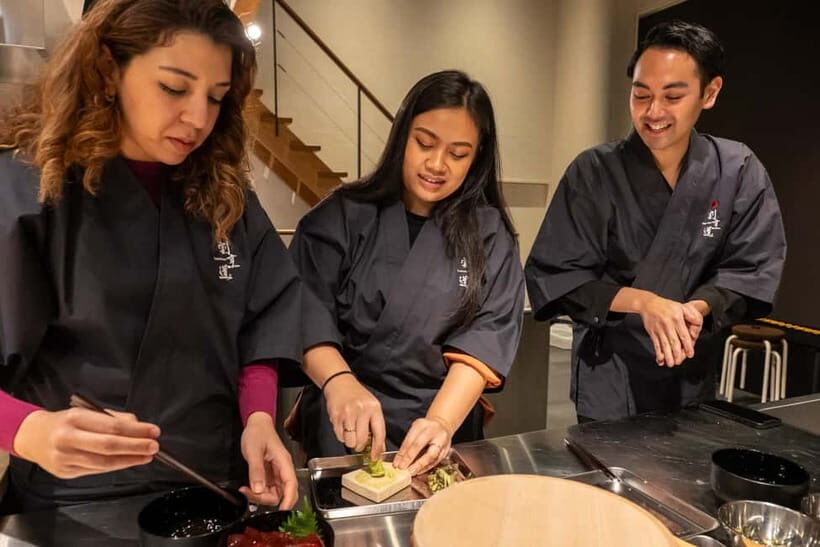
This is a great fit if you:
- Want hands-on Japanese knife skills you can practice, not just observe.
- Like sushi or sashimi and want to understand how sharpness and cutting technique affect quality.
- Enjoy learning traditional cooking steps that result in a complete meal.
It’s also a strong choice for couples or small groups because the class is capped at 8. You’ll get more individual attention than in larger group formats.
Skip or reconsider if:
- You have food allergies, because the workshop is not suitable for people with allergies.
- You’re traveling with kids under 12, since it’s not suitable for children under 12.
- You’re expecting a long full-day cooking journey. This is focused and fast, with a tight 2-hour time window.
Making it work with your Tokyo schedule
Because it’s only 2 hours, you can usually plug it into a day without throwing off everything else. It’s designed as a single concentrated block: knife culture intro, slicing practice, cooking, and then eating.
Bring comfortable clothes and plan to stay engaged from start to finish. The format moves quickly, so if you arrive tired or distracted, you’ll lose some of what makes it valuable—especially during the hands-on sashimi and sharpening parts.
Also, check fish availability expectations in your head. The class uses fish that varies based on availability, so the exact tuna cuts or portions can differ. That’s normal here and shouldn’t worry you.
Should you book Japanese Knife Skills & Tuna Zuke-don/Sushi in Tokyo?
If you care about skills—how a blade cuts, how sharpening changes control, and how technique connects to food—book it. The small group size, the whetstone practice, and the chance to slice tuna sashimi put this workshop in a different category than basic cooking demos.
If you just want a tasty meal and don’t care about the technique side, you might prefer a more casual food experience. But if you want to leave with a recipe, a certificate, and a clearer sense of what makes Japanese knives special, this is a practical, high-value way to spend part of your Tokyo time.
FAQ
How long is the Japanese Knife Skills & Tuna Workshop in Tokyo?
The workshop lasts 2 hours.
What can I choose to make during the class?
You can make either a tuna zuke-don (tuna marinating rice bowl) or a 10-piece sushi set.
Do I get to sharpen a knife during the workshop?
Yes. The class includes knife sharpening techniques using a whetstone, taught step-by-step.
Is the sashimi slicing part included?
Yes. You’ll watch a knife skills performance and then practice slicing sashimi yourself.
What’s included with the meal?
Your handmade zuke-don or sushi is served with miso soup, plus sake and green tea.
What language is the instructor?
The instructor speaks English and Japanese.
Is this workshop suitable for children or people with allergies?
No. It is not suitable for children under 12 and it is not suitable for people with food allergies.
Make Something to Take Home


More Tour Reviews in Tokyo



Fresh reviews from around Tokyo






Workshops, compared.
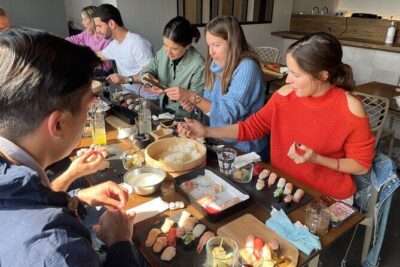 ★ 5.0Sushi Making Tokyo Roll and Authentic Japanese Sushi ClassFrom $593,971 reviews
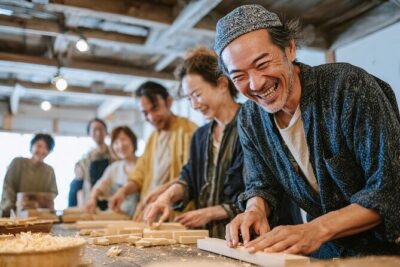 ★ 5.0Tokyo Shinjuku Chopsticks Making ClassFrom $201,763 reviews
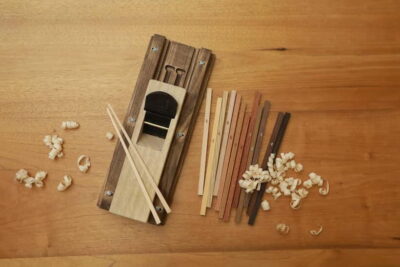 ★ 4.8Chopstick Making Workshop in GinzaFrom $251,366 reviews
 ★ 5.0Tokyo Sushi Making Class in Tsukiji with Professional ChefFrom $491,177 reviews
 ★ 5.0Ramen & Gyoza Cooking Class in Tokyo with Local Supermarket VisitFrom $122823 reviews
 ★ 5.0Matcha Making Class in Tokyo with Authentic Japanese Sweets SetFrom $21744 reviews
 ★ 5.0Samurai Sword & Archery Class from Samurai DescendantFrom $193603 reviews
 ★ 4.9Tsukiji Fish Market Sushi Making Class with Pro ChefFrom $63506 reviews
Browse the lists this tour appears in