
Reviewed · WORKSHOPS
Japanaese tradtional Tsugaru Shamisen music lesson in Tokyo
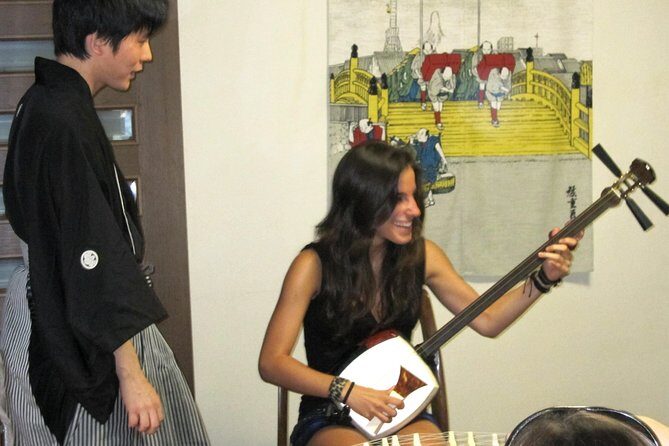
Tsugaru shamisen has a way of grabbing your ears right away. This hands-on Tokyo session pairs a real performance by an award-winning player with a step-by-step workshop, so you’re not just watching—you’re learning. I like the hands-on structure (hold the instrument, learn the bachi, then play), and I also like that the instructor is described as very patient, which makes beginners and families feel at ease.
One thing to keep in mind: this is a focused music lesson, not a long sightseeing tour. If you’re hoping to use it as your main Tokyo activity that day, plan around the fact it’s about one hour and ends back at the meeting point.
In This Review
- Quick snapshot: Tsugaru shamisen in Shinjuku
- Key highlights to know before you go
- Why this Tsugaru Shamisen lesson beats a casual show
- The hour-long flow: from holding the instrument to playing together
- 1) First, you hear the shamisen performance
- 2) How to hold the shamisen (so your hands don’t fight you)
- 3) How to play with the bachi (pick)
- 4) Learn an easy song
- 5) Intro to advanced techniques (brief, but motivating)
- 6) Learn the structure of the instrument
- 7) Play one song together with the teacher
- 8) Photo/video time
- What you’ll learn (and what to listen for) on Tsugaru Shamisen
- The bachi motion is the heart of it
- You’ll learn a song, not just isolated moves
- You’ll get a peek at more advanced playing
- You’ll understand the instrument’s structure
- Instructor quality: patient teaching that works for kids
- Price and value: what $77.26 gets you in Tokyo
- Shinjuku meeting point: easy to reach, no transportation included
- Photos and video: how to make it worth filming
- Who should book this shamisen workshop
- Book it if you:
- You might skip it if you:
- Should you book? My honest take
- FAQ
- How long is the Tsugaru shamisen lesson?
- Where does the experience take place?
- What is included in the price?
- Do I need any prior music experience?
- Will I get to play the shamisen, or only watch?
- What languages are available for instruction?
- Can I take photos or videos during the workshop?
- Is transportation to and from the venue included?
- What’s the cancellation policy?
- Is this a private experience?
Quick snapshot: Tsugaru shamisen in Shinjuku
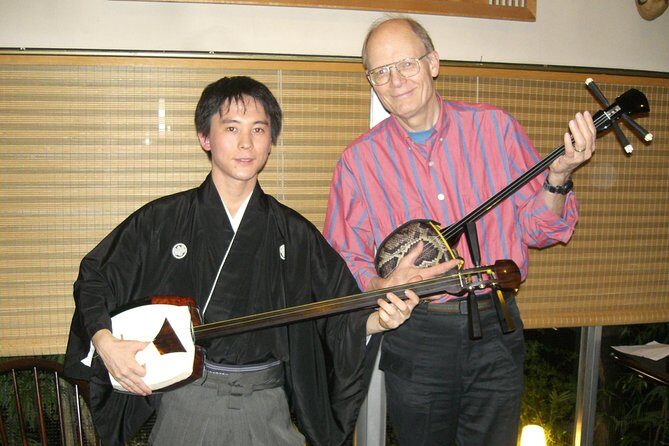
You’ll start in Shinjuku City near Shinjuku, listen to the instrument’s deep, punchy tone, and then work your way toward playing an easy song on your own (with teacher support). After that, there’s time for photo/video, because you’ll want proof you really did it.
More things to make with your own hands
- Sushi Making Tokyo Roll and Authentic Japanese Sushi Class★ 5.0 · 3,971 reviews
- Tokyo Shinjuku Chopsticks Making Class★ 5.0 · 1,763 reviews
- Chopstick Making Workshop in Ginza★ 4.8 · 1,366 reviews
Key highlights to know before you go
- Award-winning performance first, so you hear what you’re aiming to play
- Learn the bachi (pick) technique and how to hold the shamisen
- You play an easy song, plus a brief intro to more advanced techniques
- English instruction available, with French or Spanish on request
- Rental included, so you don’t hunt for an instrument option
- Photo/video time right after your performance
Why this Tsugaru Shamisen lesson beats a casual show
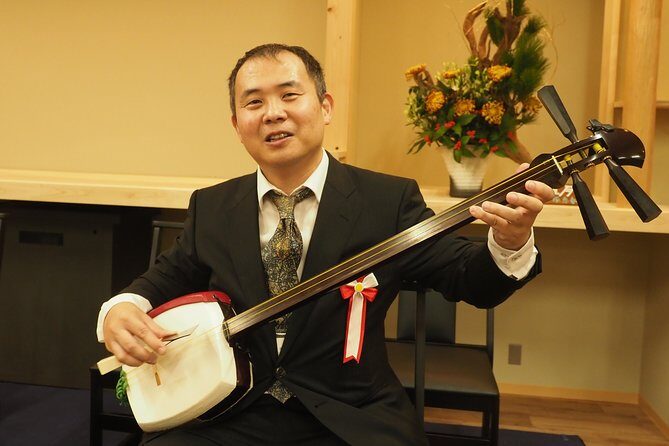
If you’ve ever seen a shamisen performance from the outside, you know it can look both hypnotic and intimidating. Tsugaru shamisen is special because it’s known for a powerful, deep sound. Here, the experience doesn’t stop at the listening part. You’ll hear the instrument from a professional who has won the Tsugaru Shamisen World Tournament group championship, then you’ll get guided instruction so that sound makes sense in your hands.
What I’d call the “smart part” of this tour is that it’s built around one clear goal: play a song yourself. Many music experiences feel like a preview. This one aims for a real result, even if you’re a complete beginner.
And yes, the setting matters. Shinjuku is easy to reach by transit, and you’re not sent across town for one hour of music. You’ll meet at 14-28 Yochōmachi, Shinjuku City, Tokyo 162-0055, and the activity ends back at the meeting point.
The hour-long flow: from holding the instrument to playing together
This is a workshop with a tight timeline. Expect a smooth progression where each step supports the next one.
1) First, you hear the shamisen performance
You start by listening to Tsugaru shamisen played by the professional instructor/performer. This matters more than people think. You’re basically setting your ear to the rhythm and tone you’ll try to reproduce. The deep tone you’re listening for isn’t just a cool sound effect—it’s a clue about timing and technique.





2) How to hold the shamisen (so your hands don’t fight you)
Next comes the basics: how to hold the shamisen. This is where beginners often struggle in other settings. Proper positioning helps your picking motion (with the bachi) feel natural rather than forced.
3) How to play with the bachi (pick)
Then you learn how to use the bachi, the pick used on the strings. You’ll get guidance on how the picking motion works, not just which string to hit. This part is key for getting the right attack and rhythm.
4) Learn an easy song
After you get comfortable with holding and picking, you move into an easy song. You’ll practice what you were taught until it clicks, and then you’ll have a chance to play through as part of the class experience.
This is exactly the kind of goal that works on a short schedule. In one hour, it’s hard to master an instrument. It’s much easier—and more satisfying—to learn something you can actually play.
5) Intro to advanced techniques (brief, but motivating)
You’ll also get an introduction to advanced techniques. The idea isn’t to turn beginners into touring musicians. It’s to show you what’s possible, what to listen for, and what you might explore later if you catch the shamisen bug.
6) Learn the structure of the instrument
You’ll hear an explanation of the shamisen’s structure. Again, this isn’t trivia-only. Knowing how the instrument is built helps you understand why the tone works the way it does.
7) Play one song together with the teacher
One of the most encouraging parts is the group moment: play one song together with the teacher. That “together” factor matters for confidence. Even if you’re still learning, you’re not doing it alone.
8) Photo/video time
Finally, there’s photo/video time after your performance. This is a rare little bonus that turns the workshop into a memory you can actually share.
What you’ll learn (and what to listen for) on Tsugaru Shamisen
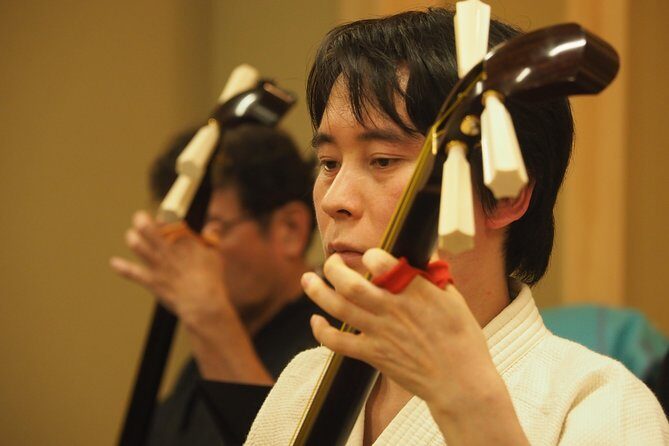
The core learning blocks here are practical: holding, picking, and then using those basics to play a piece. You’ll also get short explanations that connect technique to sound.
The bachi motion is the heart of it
When you pick with the bachi correctly, you get the tone people associate with tsugaru shamisen. If your picking motion is off, everything feels harder than it needs to be. That’s why this workshop emphasizes the pick technique early.
You’ll learn a song, not just isolated moves
Many classes teach techniques but don’t get you to a song outcome quickly enough. Here, the program flow explicitly moves toward an easy song, and later includes playing together with the teacher.
That “song first” approach is good value for your time. It gives you something concrete to take home.
You’ll get a peek at more advanced playing
The program includes an introduction to advanced techniques. Even if you can’t execute them perfectly yet, you’ll start noticing them during the performance and in what the teacher demonstrates.
You’ll understand the instrument’s structure
Knowing the shamisen structure helps you interpret what you hear. It also makes the instruction feel less like magic and more like a system.
Instructor quality: patient teaching that works for kids
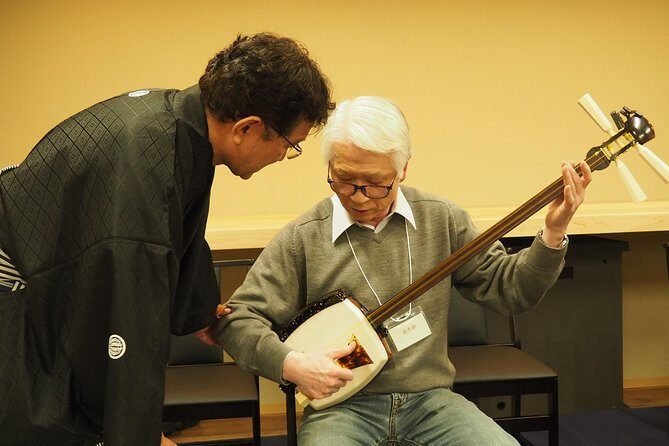
This kind of workshop lives or dies by the instructor. In the program description and feedback, the standout theme is patient coaching. That’s huge for beginners because tsugaru shamisen can feel intimidating at first glance.
You’ll be taught by licensed instructors, and instruction is available in English, with French or Spanish available upon request. That language support matters if you want to ask questions or fully understand the technique explanations.
If you’re bringing a family, this style of class also makes sense. The lesson is described as suitable for children and families, and it’s also framed for educational uses such as schools and corporate training.
So you can treat this as a fun activity for your trip, or as a legitimate learning session—either way, it’s not watered down for non-musicians.
Price and value: what $77.26 gets you in Tokyo
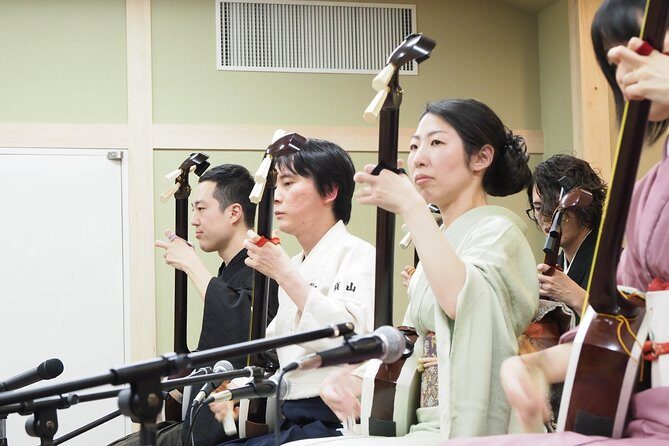
At $77.26 per person for about one hour, you’re not just paying for watching someone play. You’re paying for:
- A nationally accredited tour guide-interpreter
- Shamisen rental
- The playing lesson itself
On a short schedule, the rental and the instructor time are usually where value is won or lost. Here, those costs are bundled, so you don’t need a separate plan to get access to an instrument.
You might also see group discounts and you’ll get a mobile ticket, which makes it easier to handle without extra paperwork. If you’re traveling with friends or family, ask about group discount options when booking.
One more value note: you also get the performance element inside the same session. That means you hear the instrument as well as learn to play it.
Shinjuku meeting point: easy to reach, no transportation included
This is in Shinjuku City, near Shinjuku Station. Your meeting point is 14-28 Yochōmachi, and the activity ends back at the meeting point.
Transportation to and from the venue is not included, so plan your route like a regular Tokyo outing. The good news is it’s listed as near public transportation, and that usually means you won’t waste your one-hour slot getting stuck in the wrong direction.
If you’re pairing this with other Shinjuku plans, schedule it when you can move around calmly. You’ll want your attention for the technique steps.
Photos and video: how to make it worth filming
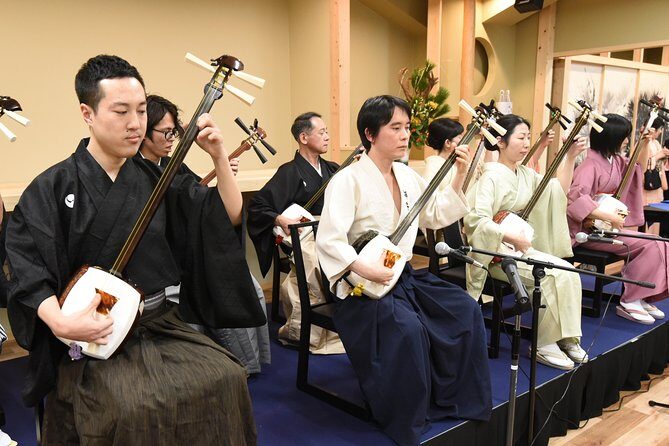
The program allows photo/video time during your performance. That’s great because you’re not just taking a selfie. You’re capturing what you learned—your own playing, even if it’s an easy song.
Practical tip: bring your fully charged phone and storage space. The workshop is time-limited, so you’ll likely want to record quickly rather than spend five minutes figuring out settings.
Also, keep your expectations realistic. You’re learning in real time. Your first recording will be more about progress than perfection.
Who should book this shamisen workshop
This lesson is a strong fit if you want a hands-on Tokyo activity that doesn’t require music experience.
Book it if you:
- Want a beginner-friendly introduction to tsugaru shamisen
- Prefer doing something interactive instead of just sightseeing
- Are traveling with children or family
- Like cultural learning that leads to a small performance outcome
- Want instruction in English (and possibly French or Spanish on request)
You might skip it if you:
- Only want a casual background show with no playing time
- Need a long multi-stop day itinerary
- Are looking for a pure cultural tour without instrument practice
Should you book? My honest take
I think this is a smart booking for most people who want a memorable Tokyo moment with real skill transfer. You get the professional performance, you get rental and instruction included, and you leave with the satisfaction of playing an easy song (plus a taste of more advanced techniques).
The main reason to book is simple: you’re not standing there hoping to understand. The workshop teaches you how to hold the shamisen, how to use the bachi, and how to make sound on purpose.
If you’re deciding between a show and a workshop, go workshop. This one is built to give you something you can share—and something you can actually do.
FAQ
How long is the Tsugaru shamisen lesson?
It’s listed as about 1 hour.
Where does the experience take place?
The meeting point is at 14-28 Yochōmachi, Shinjuku City, Tokyo 162-0055, Japan, and it ends back at the meeting point.
What is included in the price?
The price includes a nationally accredited guide-interpreter, shamisen rental, and the shamisen playing lesson.
Do I need any prior music experience?
No. Gentle instruction is provided and beginners are welcome.
Will I get to play the shamisen, or only watch?
You’ll play. The program includes learning to hold the instrument, use the bachi, and play an easy song, plus playing together with the teacher.
What languages are available for instruction?
Licensed instructors are available in English. French and Spanish are available upon request.
Can I take photos or videos during the workshop?
Yes. There is photo/video time during your performance.
Is transportation to and from the venue included?
No. Transportation to and from the venue is not included.
What’s the cancellation policy?
You can cancel for a full refund if you cancel at least 24 hours before the experience’s start time. Free cancellation is available, with the cut-off based on local time.
Is this a private experience?
It’s described as a private tour/activity, so only your group participates.
Make Something to Take Home



More Tour Reviews in Tokyo



Fresh reviews from around Tokyo






Workshops, compared.
 ★ 5.0Sushi Making Tokyo Roll and Authentic Japanese Sushi ClassFrom $593,971 reviews
 ★ 5.0Tokyo Shinjuku Chopsticks Making ClassFrom $201,763 reviews
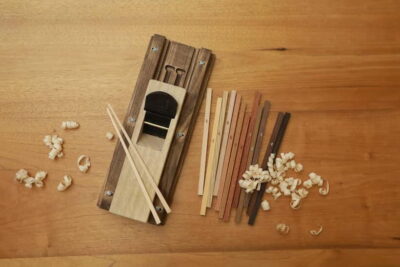 ★ 4.8Chopstick Making Workshop in GinzaFrom $251,366 reviews
 ★ 5.0Tokyo Sushi Making Class in Tsukiji with Professional ChefFrom $491,177 reviews
 ★ 5.0Ramen & Gyoza Cooking Class in Tokyo with Local Supermarket VisitFrom $122823 reviews
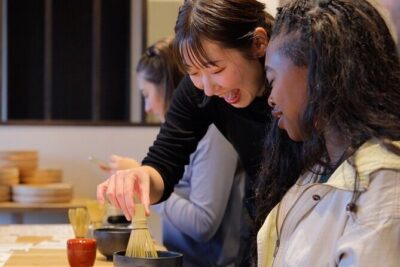 ★ 5.0Matcha Making Class in Tokyo with Authentic Japanese Sweets SetFrom $21744 reviews
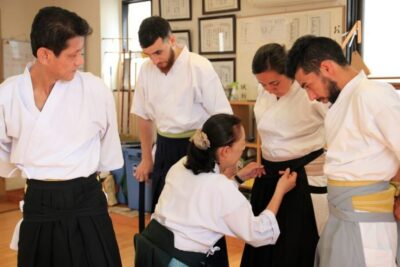 ★ 5.0Samurai Sword & Archery Class from Samurai DescendantFrom $193603 reviews
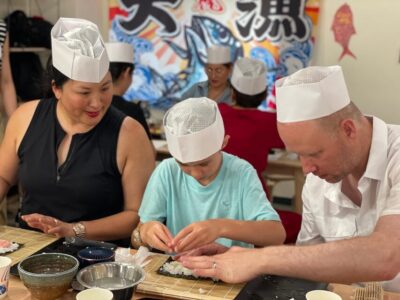 ★ 4.9Tsukiji Fish Market Sushi Making Class with Pro ChefFrom $63506 reviews
Browse the lists this tour appears in