
Reviewed · WORKSHOPS
How to use Japanese knife, Tuna Cutting and Sushi Workshop
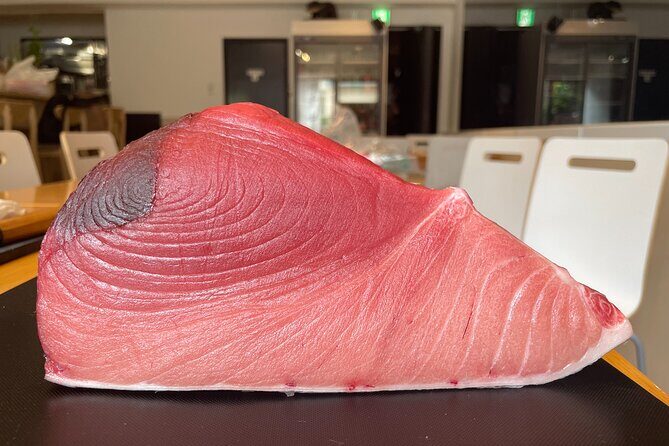
Cutting tuna like a pro is the point. This hands-on Japanese knife and sushi session turns a block of tuna into real, good-looking nigiri, with your chef showing you what to look for on the fish and how to make the cuts that matter. I especially like that the tuna and sushi ingredients are included, so you can focus on learning instead of budgeting extra. One drawback to consider: you are doing knife work and technique, so this isn’t just a quick tasting experience where you mostly watch.
You’ll meet in Azabujūban (Minato City) at 9:30 am and spend about 2 hours in a small group (max 10). The vibe stays friendly and intimate, with enough time for questions and hands-on practice rather than a rushed demo.
If your day is affected by weather or the minimum group size isn’t met, the experience may shift dates or be refunded. It ends back at the meeting point, and you get to eat what you make for breakfast, which is a rare payoff for a class that’s this practical.
In This Review
- Key things that make this sushi workshop work
- Tuna, knife, and sushi: what this experience actually teaches
- What “learning the parts of the tuna” means in practice
- Finding the meeting point in Azabujūban (and why it matters)
- Your morning workflow: from tuna block to breakfast sushi
- Step 1: Getting taught how to use the Japanese knife
- Step 2: Cutting tuna with a chef watching (the part most people miss)
- Step 3: Making sushi with the tuna you cut
- Step 4: Eating your sushi for breakfast
- The chef, the tone, and why the instruction feels different
- Value for your money: why $182.43 can make sense
- Who gets the best value
- Logistics that help (and one thing to watch for)
- If you want Edo sushi context, this class points in that direction
- Who should book this workshop in Tokyo?
- Should you book this tuna cutting and sushi workshop?
- FAQ
- How long is the sushi and tuna cutting workshop?
- What time does it start in Tokyo?
- Where is the meeting point?
- Does the activity end at the meeting point?
- Is the tuna and sushi ingredients included in the price?
- How many people are in the group?
- Do I need to print anything?
- When will I receive confirmation after booking?
- What happens if the weather is bad?
- What is the cancellation policy?
- How much does it cost per person?
Key things that make this sushi workshop work
- Hands-on tuna cutting with guidance from a professional sushi maker, not just watching
- Japanese knife practice as part of the workflow, so you learn how the tool is meant to be used
- All ingredients included (your tuna and sushi components are part of the price)
- Small group size (max 10) so you get real coaching and time at your station
- You eat your own sushi right after making it, described as breakfast
- Chef-led learning about tuna parts and technique, including the difficulty of getting proper cuts
More things to make with your own hands
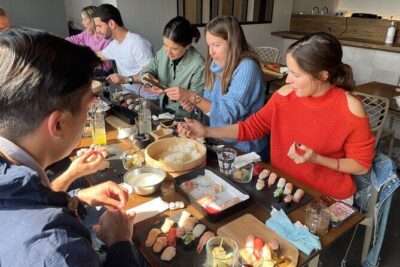
- Sushi Making Tokyo Roll and Authentic Japanese Sushi Class★ 5.0 · 3,971 reviews
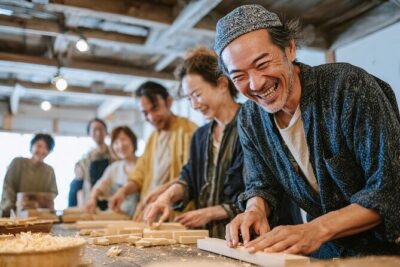
- Tokyo Shinjuku Chopsticks Making Class★ 5.0 · 1,763 reviews
- Chopstick Making Workshop in Ginza★ 4.8 · 1,366 reviews
Tuna, knife, and sushi: what this experience actually teaches
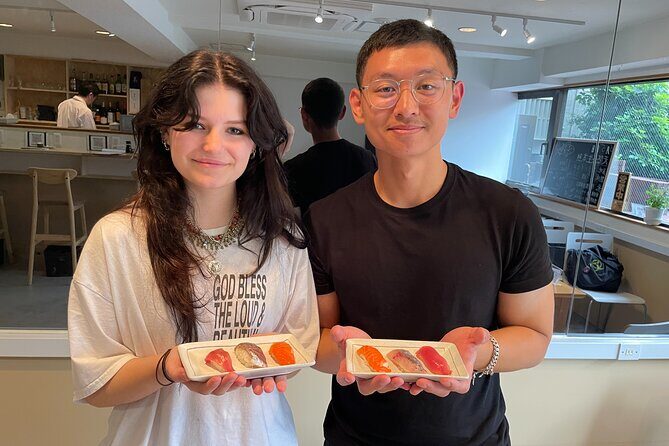
This workshop is built around a skill gap most visitors never close: cutting tuna well enough to turn into attractive sushi. That sounds simple until you’re holding a knife and the fish is slick, cold, and exacting. Here, the instruction focuses on technique rather than hype, and you learn what to pay attention to as you work with the tuna block.
The core idea is that you’re not just making sushi. You’re learning how the sushi-making process starts: with the cut. Once you see how different portions of tuna behave and how precise cuts affect the final texture, sushi stops being a menu item and becomes something you understand. That shift is why people rate this so highly.
Another reason it’s satisfying: you do more than one step. You begin with knife use, move to tuna cutting, then finish by making sushi you can eat. It’s the full loop—tool, ingredient, form, and food—so the learning sticks.
What “learning the parts of the tuna” means in practice
You’ll learn about the tuna’s different sections while the chef guides your cutting. The important part for you is not memorizing fish anatomy like a quiz. It’s learning how the fish changes depending on where it’s coming from, and how that impacts your ability to make clean pieces.
That matters because sushi isn’t only about taste. Presentation is part of the craft. When your pieces look right, they eat right too.
Finding the meeting point in Azabujūban (and why it matters)
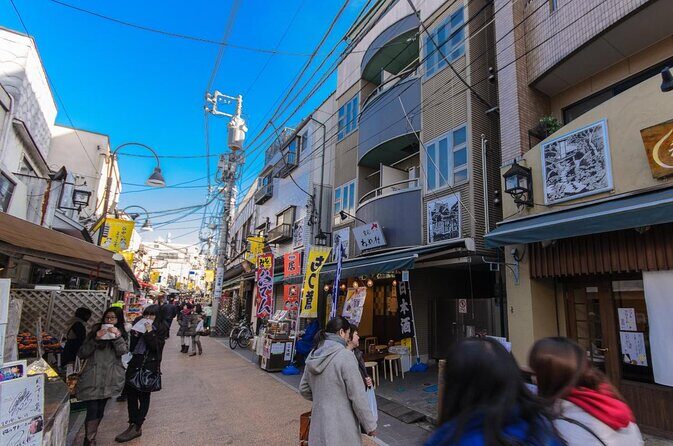
Meeting location is in Minato City’s Azabujūban area, at Japan, 106-0045 Tokyo, Minato City, Azabujūban, 3-chōme34 サンピア麻布十番. It’s also described as easy to locate and near public transportation, which matters in Tokyo. The faster you get oriented, the more relaxed you’ll feel before you start cutting something sharp and delicate.
Start time is 9:30 am, and the whole experience lasts about 2 hours. That timing works well if you want a structured morning that ends early—especially since you’ll eat breakfast made by you. It’s also ideal if you hate the feeling of “I’m in Tokyo, but I’m just walking around hoping to find food.”
Small-group format (max 10 travelers) adds a real advantage here. You’re less likely to get lost in a crowd or stuck waiting for the instructor to finish with everyone else.
Your morning workflow: from tuna block to breakfast sushi
Here’s the flow you should expect, in plain terms. You arrive, get oriented, and then the workshop moves in a logical order: knife skills first, then tuna cutting, then sushi-making.





Step 1: Getting taught how to use the Japanese knife
Because the workshop is explicitly about knife use, you’re not expected to guess. The chef shows you how to handle the blade and how to approach the fish so the cuts come out clean. Even if you think you’re “good with knives,” sushi cutting is a different world: the goal is control, not speed.
You’ll also learn by doing. That’s the big difference between a class where you watch and one where you cut tuna. Once you’re the one moving the knife, you finally understand what “proper technique” looks like.
Step 2: Cutting tuna with a chef watching (the part most people miss)
After you start with knife basics, you move to cutting tuna. A key detail from the workshop concept: cutting a block of tuna is usually reserved for professionals. So you’re getting access to a skill most people never even attempt.
During the cutting portion, you learn:
- the tuna parts you’re working with
- how the chef positions the block and guides the cut
- why certain cuts are easier to mess up than others
One of the nicest benefits of being coached is that the chef can correct your angle or hand position while you’re still learning, so you don’t pick up sloppy habits.
Step 3: Making sushi with the tuna you cut
Once your tuna is cut, you turn it into sushi. This is where the workshop becomes rewarding for non-food-nerds too. It’s not just technique for its own sake—you see how the cut translates into the finished nigiri.
If you’ve ever wondered why restaurant sushi looks so neat and why the pieces don’t look homemade, this is the lesson. You’ll feel that gap yourself when you try to create tidy shapes with the fish. Then the chef’s method gives you a path to close it.
Step 4: Eating your sushi for breakfast
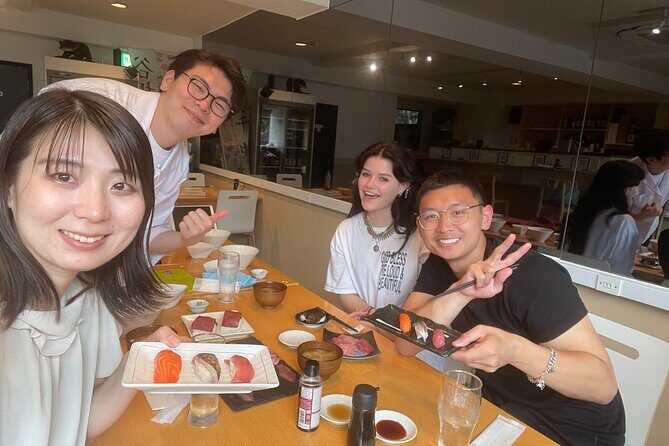
The workshop ends with you eating what you made, described as breakfast. That’s more than a bonus. It’s how you lock in the lesson—taste and texture show you what the technique accomplished.
And it turns the class into a meal plan. Instead of “spend time learning, then figure out breakfast,” you get both in one tight morning.
The chef, the tone, and why the instruction feels different
The reviews highlight something that you can feel in a good class: the instruction is structured, but it stays warm. People mention a kind chef who explains clearly, and an enthusiastic translator who keeps things moving and understandable.
In one noted experience, translator Amy explained the steps with energy and clarity, which is huge when you’re learning knife work. Another set of names that show up in feedback are Azusa and Adam, both described as friendly and informative. Even if your class doesn’t have the same team, the format suggests you’ll get supportive coaching rather than stiff, silent technique.
One more point you’ll appreciate: the workshop doesn’t pretend tuna cutting is easy. It teaches you that precision takes practice, which is actually reassuring. You’re not being judged for being new—you’re being guided through becoming less wrong, one cut at a time.
Value for your money: why $182.43 can make sense
At $182.43 per person, this is not a bargain class. But it can be good value for the right traveler because you’re paying for three things that add up fast elsewhere:
- A professional sushi maker’s time (hands-on coaching)
- Real technique that most people can’t access safely or properly on their own
- Included ingredients: your tuna and sushi components are part of the price
Also, the group size is capped at 10, which usually means the instructor can actually help you while you’re cutting. That’s where many cooking classes fall short: big groups and short attention spans.
In terms of experience quality, this workshop scores on the things that actually change what you can do next. After a good class like this, you’re not just full—you’re better at something.
Who gets the best value
You’ll feel the price more justified if you:
- want hands-on cooking skill, not just a food walk
- like learning technique you can repeat later
- enjoy sushi enough that you want to understand why the cuts matter
If you’re hoping for a mostly passive tasting tour, this might feel like more work than you expected.
Logistics that help (and one thing to watch for)
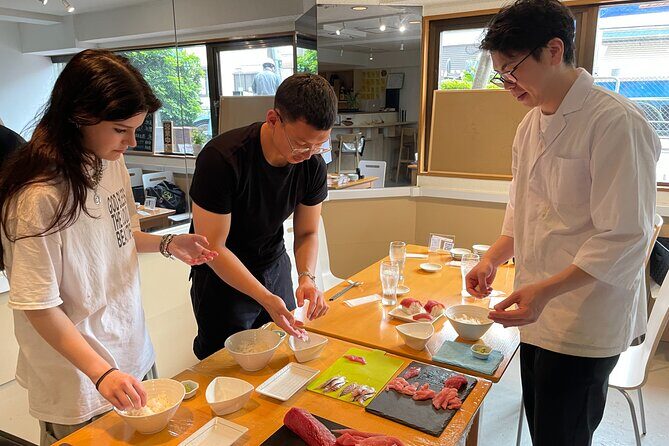
The experience is described as easy to find and near public transportation, and it’s listed with a mobile ticket. You’ll start at 9:30 am and finish back at the meeting point, so you don’t need to solve an end-of-day puzzle.
It also requires good weather. If weather is poor, you’ll be offered a different date or a full refund. That’s a small but real consideration when you plan your Tokyo mornings.
One other thing to keep in mind: because the class focuses on cutting, the session is likely to be very technique-driven from the start. Come ready to listen, watch, then do. The best experience comes when you treat it like practice, not performance.
If you want Edo sushi context, this class points in that direction
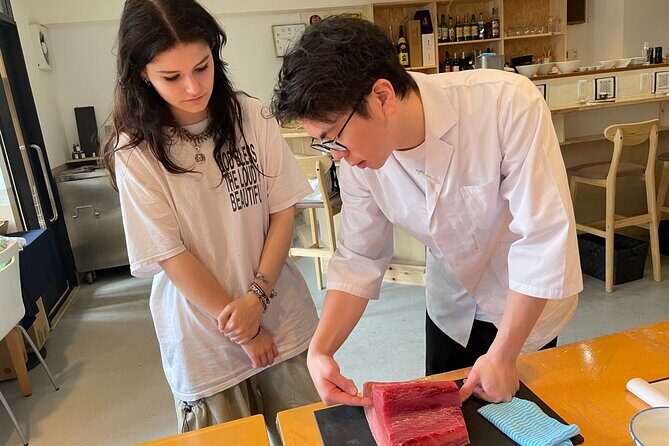
A couple of experiences described the content as educational about Edo sushi, and that fits the workshop’s theme. Even without turning into a lecture, learning tuna cuts and the idea behind the craft naturally connects you to what Edo-style sushi emphasized: balance, restraint, and clean technique.
So you’ll leave with a deeper appreciation for how sushi gets built. That makes your next meal in Tokyo more meaningful, because you notice the fish texture and the cut quality instead of only chasing the freshest-looking piece on the plate.
Who should book this workshop in Tokyo?
This is a strong match if you:
- want a small-group class with real instruction
- like practical travel—learning a skill you can use again at home
- want a morning meal that’s included and hands-on
It’s also a good choice for couples or small groups who want a shared activity with a clear structure and an actual output (your sushi).
It may be less ideal if:
- you have zero patience for hands-on tasks
- you want a long sightseeing plan with lots of walking and photo stops
- you’d rather pay for a restaurant experience than for technique coaching
Should you book this tuna cutting and sushi workshop?
Yes, if you’re hungry for skill and not just novelty. This workshop rewards curiosity with real results: you cut tuna, make sushi, and eat what you made. The included ingredients, small group size, and professional coaching are exactly the ingredients of a class that feels worth it.
If you’re the type who likes watching other people cook while you enjoy the food, you might find the knife work a bit too active. In that case, you might prefer a more purely culinary experience where your role is mostly tasting and conversation.
FAQ
How long is the sushi and tuna cutting workshop?
It runs for about 2 hours.
What time does it start in Tokyo?
The start time is 9:30 am.
Where is the meeting point?
You meet at Japan, 106-0045 Tokyo, Minato City, Azabujūban, 3-chōme34 サンピア麻布十番.
Does the activity end at the meeting point?
Yes, it ends back at the meeting point.
Is the tuna and sushi ingredients included in the price?
Yes, your tuna and sushi ingredients are included.
How many people are in the group?
The maximum group size is 10 travelers.
Do I need to print anything?
No. You’ll have a mobile ticket.
When will I receive confirmation after booking?
Confirmation is received within 48 hours of booking, subject to availability.
What happens if the weather is bad?
The experience requires good weather. If it’s canceled due to poor weather, you’ll be offered a different date or a full refund.
What is the cancellation policy?
Free cancellation is available up to 24 hours in advance for a full refund.
How much does it cost per person?
The price is $182.43 per person.
Make Something to Take Home


More Tour Reviews in Tokyo



Fresh reviews from around Tokyo






Workshops, compared.
 ★ 5.0Sushi Making Tokyo Roll and Authentic Japanese Sushi ClassFrom $593,971 reviews
 ★ 5.0Tokyo Shinjuku Chopsticks Making ClassFrom $201,763 reviews
 ★ 4.8Chopstick Making Workshop in GinzaFrom $251,366 reviews
 ★ 5.0Tokyo Sushi Making Class in Tsukiji with Professional ChefFrom $491,177 reviews
 ★ 5.0Ramen & Gyoza Cooking Class in Tokyo with Local Supermarket VisitFrom $122823 reviews
 ★ 5.0Matcha Making Class in Tokyo with Authentic Japanese Sweets SetFrom $21744 reviews
 ★ 5.0Samurai Sword & Archery Class from Samurai DescendantFrom $193603 reviews
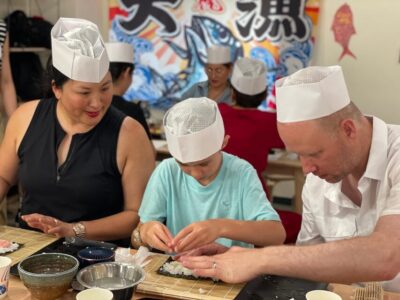 ★ 4.9Tsukiji Fish Market Sushi Making Class with Pro ChefFrom $63506 reviews
Browse the lists this tour appears in