
Reviewed · HAKONE DAY TRIPS
Hakone 6 hour Private Tour with Government-Licensed Guide
Hakone in six hours, without the headache. This private tour pairs a government-licensed English guide with a pick-your-own-route day, usually centered on Lake Ashinoko, Hakone Shrine, and the ropeway-and-volcano zone. What I like most is the freedom to choose 3–4 stops that match your mood, and the way the guide turns transit headaches into a smooth route. The catch: it is a walking tour and most museums and rides have extra tickets, plus weather can shut down things like the ropeway.
If you get a guide like Yumi or Hiro (or Kumiko, who many people call Kate), you’ll likely get clear explanations and real-time plan tweaks when wind or crowds mess with the schedule. You can also start on several mornings, so you can chase clearer skies for Mt. Fuji and still keep the day under control.
In This Review
- Key highlights before you go
- What you’re really buying: a licensed Hakone day on foot
- Choosing 3–4 Hakone stops without overloading your feet
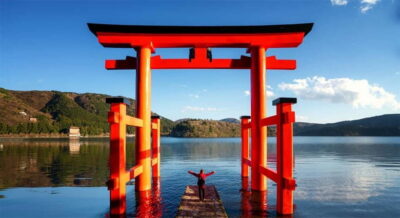
- Lake Ashinoko and Hakone Shrine: the easy start that sets the mood
- Ropeway to Open-Air Museum: where Hakone turns visual
- Owaku-dani Valley and black eggs: the geothermal payoff
- Art museums scattered around Gora and beyond
- POLA Museum of Art
- Okada Museum of Art
- Hakone Museum of Art (Gora)
- Hakone Venetian Glass Museum
- Narukawa Art Museum (nihonga)
- Zen temple, wetlands gardens, and parks for a slower Hakone
- Choanji Temple (free)
- Hakone Shisseikaen (wetlands botanical garden)
- Gora Park
- Sengokuhara (seasonal pampas grass)
- Dollhouse Museum Hakone
- Owakudani Nature Research Trail: up close with a reservation
- When wind shuts things down: how the guide protects your day
- Price and logistics: does $175.76 per person make sense?
- Practical tips that make this tour feel smooth
- Should you book this Hakone private tour?
- FAQ
- How long is the Hakone private tour?
- What does the price include?
- How does pick-up work for this walking tour?
- Can I choose which places to visit?
- Are entrance fees and transport included?
- Is the Hakone Ropeway included?
- Are any stops free?
- Do I need a reservation for the Owakudani Nature Research Trail?
- What if I need to change plans?
Key highlights before you go
- Pick 3 to 4 places, so you spend time seeing instead of rushing between everything
- Licensed English guide who helps you read Hakone fast: what matters, what’s worth skipping
- Walking-first private format with a meet-up on foot in a designated area
- Weather-aware scheduling, including practical alternates when ropeway or cruises pause
- Iconic Hakone mix, from Lake Ashinoko views to Zen temples to art museums
What you’re really buying: a licensed Hakone day on foot
This isn’t a bus-and-brochure day. You hire a government-licensed English guide and use their local brain for one main goal: a Hakone route that matches your pace. The tour is private, so you and your group only are doing the walk and stops. That matters in Hakone, because the “Round Course” is popular and can get crowded fast.
The format is simple: choose 3–4 stops from a menu of Lake, shrines, ropeway/volcano area, and museums. The guide then builds the timing around what you pick and what the day can handle. In the best versions of this tour, guides like Yumi and Hiro are the kind of people who make even the waiting time useful—explaining what you’re looking at and why it’s there.
One more practical point: it’s called a walking tour. Even with paid transport rides in the mix, you should expect to walk a lot between stations and viewpoints, and you’ll pay for most individual attractions yourself.
Choosing 3–4 Hakone stops without overloading your feet
Hakone works best when you don’t try to “collect everything.” This tour keeps you focused by limiting you to 3–4 choices. That’s actually good value, because you’re paying for guide time and for decisions—so you shouldn’t spend the day paying admission fees to places you barely care about.
Here’s how I’d choose your stops by vibe:
If you want classic Hakone views
- Lake Ashinoko
- Hakone Shrine
- Ropeway/volcano zone (Owakudani is the usual pick)
This combo gives you the postcard scenery plus the geothermal theme that makes Hakone famous.
If you like art and small museum moments
- Hakone Open-Air Museum
- One of the private museums (Pola Museum of Art or Okada Museum of Art)
- Add a specialty option like the Hakone Venetian Glass Museum
Art museums here tend to pair well with walking, because they’re spread out and easy to explore at a slower speed.
If you want calmer, quieter Hakone
- Choanji Temple (free)
- Gora Park
- Hakone Shisseikaen (wetlands botanical garden)
Then top it off with one “big” feature like Lake Ashinoko.
If you travel for the geothermal factor
- Owaku-dani Valley
- Owakudani Nature Research Trail (advance reservation required)
This is for people who don’t mind active-volcano vibes.
Tip: even though the guide can customize, the tour has time blocks for each stop (often around 20–30 minutes). If you pick 4 places, you’ll likely do tighter visiting. If you pick 3, you usually get more breathing room.
Lake Ashinoko and Hakone Shrine: the easy start that sets the mood
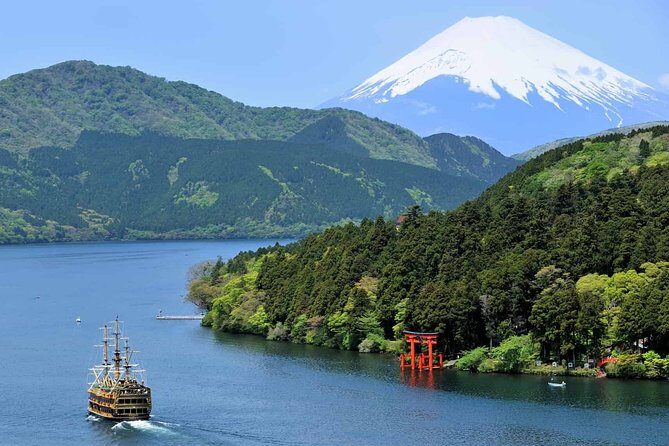
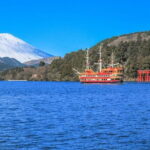
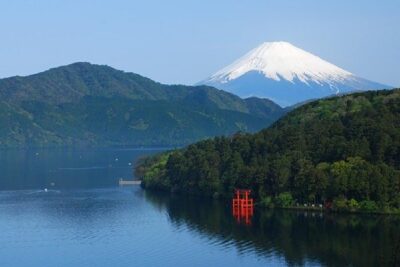
Most routes begin with Lake Ashinoko, the caldera lake formed after Hakone’s last major eruption long ago. The big draw is the view—especially with Mt. Fuji in the background when the weather cooperates. Even if Fuji is shy, the lake still feels like Hakone: quiet, scenic, and built around water and volcanic history.
What I like: this is a “reset” stop. After you meet your guide, it’s a simple way to orient yourself in the region, and it gives you a strong sense of where the rest of Hakone sits.
A few practical notes:
- Lake Ashinoko itself is free for admission.
- Views change with clouds and wind, so your guide may adjust which angle or timing makes the most sense that day.
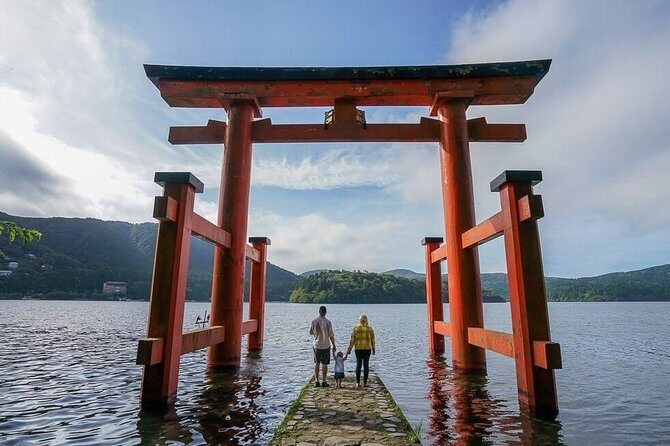
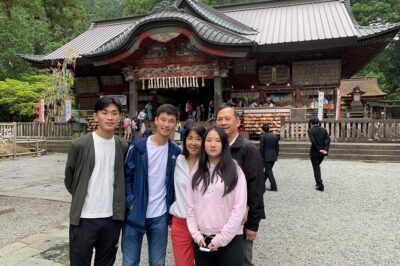
Then comes Hakone Shrine (Hakone-jinja). It’s peaceful, and it has centuries of worship behind it—destroyed by fire and rebuilt multiple times, which is very Hakone: resilient, always changing, still spiritually grounded. Expect a calm walk and a chance to slow down before the more active geothermal zone.
Admission is free, and it’s a good cultural stop if your group wants more than scenery.
Ropeway to Open-Air Museum: where Hakone turns visual
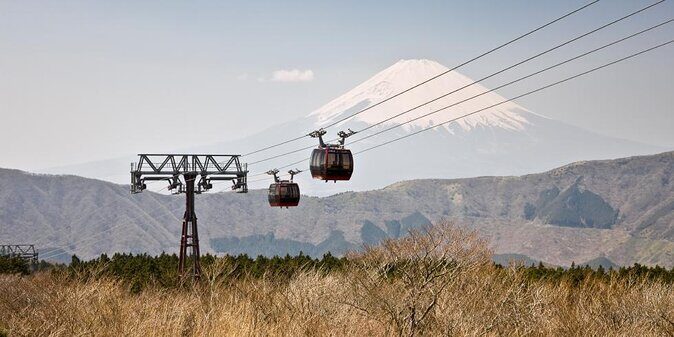
From the shrine area, Hakone commonly shifts into the ropeway and cultural highlights. The Hakone Ropeway connects Sounzan Station to Togendai Station, part of the Hakone Round Course. This ride helps you cover steep terrain without fighting elevation all day.
Two reality checks:
- Ropeway admission is not included, so budget for it.
- On windy days, ropeway and nearby systems can pause, and you’ll want your guide to rework the plan (more on this later).
Next up is the Hakone Open-Air Museum. This is Japan’s first open-air art museum, built to mix art with nature across about 70,000 square meters. If you like walking slowly through sculptures and installations while the hills and sky do the background work, this stop lands well.
Time matters here. With only around 20 minutes on the clock, you won’t see everything—but that’s why a good guide helps. They point you to the pieces worth your limited time, then tell you what you can skip without missing the spirit of the museum.
Owaku-dani Valley and black eggs: the geothermal payoff
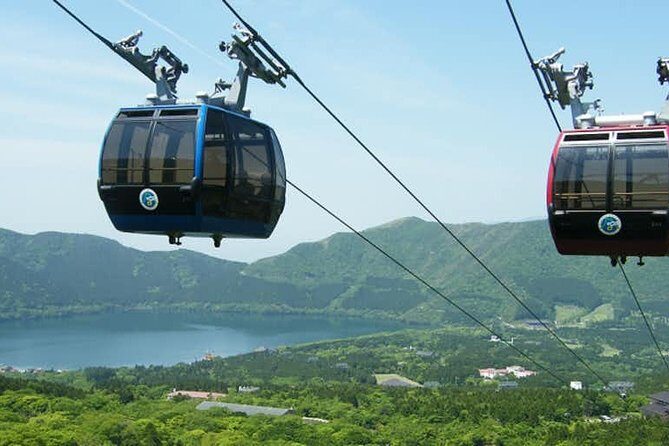
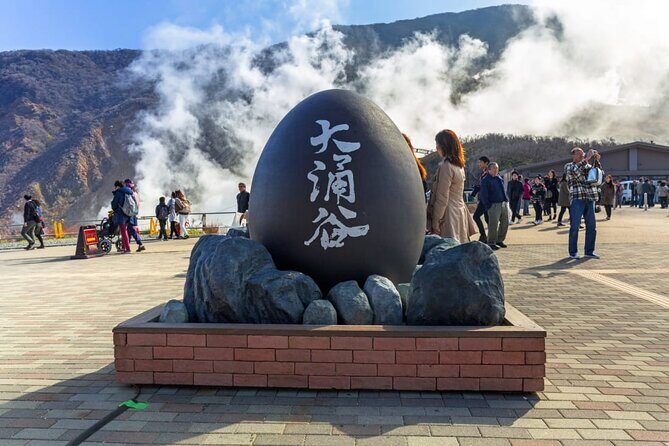
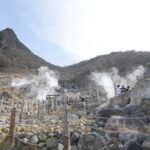
No Hakone day feels complete without Owaku-dani Valley, an active volcano area that powers local hot springs. This is the “Hakone is real” stop. Steam, heat, and the sense of a living landscape are hard to fake.
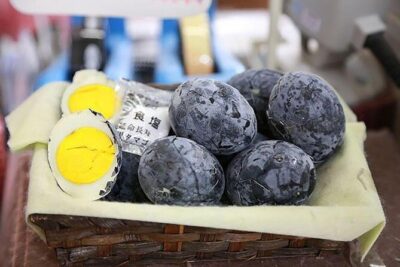
A typical flow is ropeway up to a viewpoint/observatory. It’s also a spot famous for black boiled eggs cooked in volcanic heat—an easy, iconic snack. If your group enjoys local food, this is one of the best places to do it without turning lunch into a mission.
What I like about this stop is the combo:
- You get a geology lesson without reading a textbook
- You get an eating moment tied directly to the theme
Drawback: this is the stop most sensitive to weather and operations. If wind shuts systems down, your guide needs a backup plan so you don’t lose the entire geothermal experience.
Art museums scattered around Gora and beyond
Hakone is packed with private museums, and a smart guide uses that for you. Instead of sending you to the most obvious “must-see,” they match your interests to the area your day already covers.
Here are the main art options, and what to know before you pick:
POLA Museum of Art
Opened in 2002, it shows a large private collection from the POLA group. If your vibe is art-with-a-story and you like controlled museum spaces (instead of outdoor walking only), this is a solid choice. Admission is not included.
Okada Museum of Art
A privately owned museum open since 2013, covering artwork from antiquity to modern eras. It’s the kind of stop that can satisfy people who want variety without traveling far.
Again: not included, so factor it into your day budget.
Hakone Museum of Art (Gora)
Founded in 1952 by Okada Mokichi, with a connection to the MOA Museum of Art built later in Atami. If you like learning how collections grew over time, this can feel satisfying.
Not included.
Hakone Venetian Glass Museum
The Hakone Glass no Mori has Italian-style buildings, plus a museum and shops, with a garden-style stroll outside—garden paths around a canal-like pond. If your group enjoys decorative design and photo-friendly strolls, this one plays well.
Not included.
Narukawa Art Museum (nihonga)
A contemporary museum focused on nihonga, Japanese-style painting. This is for people who want something more specific than general art.
Not included.
My practical advice: don’t pick two “serious art museums” unless you already know you want that. Three hours of museums can be great, or it can turn into quiet fatigue. A licensed guide can help you find the right mix, but you control the choices by limiting to 3–4 stops.
Zen temple, wetlands gardens, and parks for a slower Hakone
If you want Hakone to feel less like a checklist, choose at least one softer stop. These are the places that give you space to breathe, look closely, and chat with your guide without sprinting.
Choanji Temple (free)
A Soto Zen temple established in 1356 in the Sengokuhara area. It’s known for its quiet, hill-base setting and a small atmosphere that rewards walking slowly. Admission is free and it’s a good “pause” stop between busier areas.
Hakone Shisseikaen (wetlands botanical garden)
A garden in the Fuji Hakone Izu National Park highlands, created in 1976 to preserve wetlands plants and natural ecosystems. Admission is not included.
This is best when the weather is comfortable. Gardens can feel long if the day is already wet and you’re behind schedule, so make it a mid-day choice.
Gora Park
A western-style landscape park above Gora Station. If you want a gentle break and views over the hills, this can work well between stations and museum stops. Admission is not included.
Sengokuhara (seasonal pampas grass)
A pampas grass slope that shines most in fall. If you’re traveling in that season, this can be one of the prettiest simple outdoor stops. Admission is not included.
Dollhouse Museum Hakone
A smaller, quirky option with dollhouses from around the world, including some over 200 years old. Admission is not included. It’s a fun “offbeat” choice for families or anyone who loves odd collections.
Owakudani Nature Research Trail: up close with a reservation
If your group wants an active-volcano walking option, consider the Owakudani Nature Research Trail. It’s a walking path through an active volcanic area with close-up geothermal views.
Important details:
- Advance reservation is required
- There’s an 800 yen entrance fee
- This is not the same as a casual stroll. It’s specifically about being in the geothermal zone.
Why it’s worth considering: it’s one of the few ways to get truly close-up to Hakone’s geothermal reality without just looking from a single viewpoint. Your guide will help you decide if your day and energy level can handle it.
When wind shuts things down: how the guide protects your day
Hakone has systems that can pause on windy days. Ropeway and cruises can stop, and queues can spike. The difference between a good day and a frustrating one is how quickly your guide adapts.
From past experiences with guides here, what tends to work best is:
- keeping alternatives ready (another stop nearby instead of waiting endlessly)
- shifting timing so you can still catch key viewpoints
- helping you navigate where the “next best” transport option is
This is also where choosing fewer stops helps. If you only planned 3–4 fixed items and one is closed, you can pivot without your whole day collapsing.
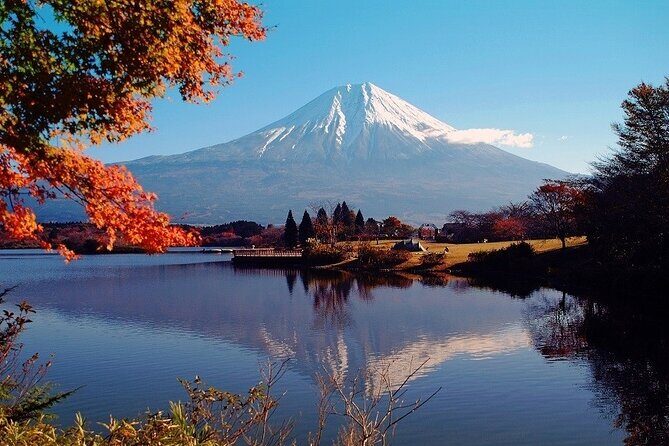
A second point: Mt. Fuji is a weather-dependent prize. Sometimes you see it clearly; sometimes clouds cover it. A strong guide aims for the highest odds in the time you have, and they adjust if the morning turns grey.
Price and logistics: does $175.76 per person make sense?
At $175.76 per person for about 6 hours, you’re paying for a private, licensed English guide plus the flexibility to choose 3–4 stops. Many self-guided days in Hakone become an exhausting mix of buying tickets, figuring out routes, and translating signs while you’re walking uphill. This tour is designed to reduce that friction.
What’s included:
- Licensed local English-speaking guide
- Meet-up with your guide on foot in a designated area
- A customizable selection of 3–4 stops
What’s not included:
- Transport fees during the day
- Entrance fees (most museum and attraction admissions)
- Lunch and personal expenses
- A private vehicle
So the value depends on how you travel:
- If you like doing things efficiently with minimal decision-making, this tour tends to pay off.
- If you already know exactly what you want and plan to travel at a very slow, museum-hopping pace, you might not need a guide for every step.
One helpful trick: treat the guide fee as your “decision-making insurance.” You still budget for admissions and rides, but you’re buying clarity, pacing, and smart routing.
Practical tips that make this tour feel smooth
1) Pick a theme before you lock your 3–4 stops
Classic views, art focus, or geothermal first. One theme makes the whole day feel coherent.
2) Bring comfortable shoes
This is a walking-heavy day. Even when you use ropeways or other transport, your feet do the connecting.
3) Expect extra tickets at paid attractions
Ropeway, most museums, and several stops beyond Lake and Shrine are not included.
4) Use your start time
Multiple morning start times are offered. If you’re aiming for Mt. Fuji, earlier can help, even if it’s never guaranteed.
5) Ask your guide for lunch logic
You’ll likely want a stop that makes sense between attractions. In similar Hakone days, guides have helped match lunch to your preferences, including vegetarian-friendly options.
6) Don’t overpack the day
If you want time to explore on your own at each stop, choose 3 places. If you’re the power-walker type, 4 is doable, but it’s tighter.
Should you book this Hakone private tour?
Book it if you want:
- a licensed English guide who helps you plan in real time
- a custom day built around Hakone’s big themes (views, geothermal, art)
- less crowd stress and better pacing than a fixed group route
Skip it (or choose fewer stops) if:
- you dislike walking and want a more vehicle-based tour
- you’re traveling on a strict admissions-only budget and don’t want extra costs for ropeway/museums
My take: this is a strong choice for first-timers who want the Hakone highlights without turning the day into logistics work. Choose your 3–4 stops carefully, wear good shoes, and let your guide do the route math.
FAQ
How long is the Hakone private tour?
It runs about 6 hours.
What does the price include?
You get a licensed local English-speaking guide and a customizable itinerary of 3 to 4 sites. Mobile tickets are included, and the guide meet-up is within a designated area.
How does pick-up work for this walking tour?
Pick-up is offered, but this is still a walking tour. You meet the guide on foot within a designated area.
Can I choose which places to visit?
Yes. You pick 3 to 4 places from the options provided.
Are entrance fees and transport included?
No. Transportation fees, entrance fees, lunch, and other personal expenses are not included.
Is the Hakone Ropeway included?
No. Ropeway admission is not included.
Are any stops free?
Yes. Lake Ashinoko and Hakone Shrine are listed as free, and Choanji Temple is listed as free.
Do I need a reservation for the Owakudani Nature Research Trail?
Yes. Advance reservation is required, and there is an 800 yen entrance fee.
What if I need to change plans?
You can cancel for a full refund up to 24 hours before the experience starts. Service animals are allowed, and the tour provides flexibility with multiple morning start times.
More Tours in Hakone

More Tour Reviews in Hakone
Hakone, Three More Ways
Hakone Day Trips, compared.
 ★ 4.0Mt Fuji & Hakone Cruise, Drum Show Bullet Train 1 Day from TokyoFrom $1497,413 reviews
 ★ 4.4Tokyo Mt Fuji 5th St & Hakone Cruise Bus Tour w/Bullet TrainFrom $1545,024 reviews
 ★ 4.7Mt. Fuji Tour, Hakone Ropeway, Owakudani, Lake AshiFrom $544,002 reviews
 ★ 5.0Private Tour to Mt. Fuji and Hakone (Fully Licenced Operator)From $4971,910 reviews
 ★ 4.0Mt Fuji & Hakone Cruise, Drum Show Bus 1 Day from TokyoFrom $1221,287 reviews
 ★ 4.2From Tokyo: Mt. Fuji & Hakone Tour w/ Return by Bullet TrainFrom $1171,278 reviews
 ★ 4.5Mt. Fuji & Hakone Private Day Tour with English-Speaking DriverFrom $453824 reviews
 ★ 4.2Hakone Fuji Day Tour w/ Cruise, Cable Car, VolcanoFrom $98724 reviews
Browse the lists this tour appears in