
Reviewed · HAKONE DAY TRIPS
Hike Hakone Hachiri Japan Heritage Area
That first stretch of old road feels time-warped. This is an 8-mile hike on the Old Tokaido foot highway, the historic route that connected Tokyo with Kyoto and Osaka. I especially love the stone-paved walking sections through forest, and the chance to stop at an amazake teahouse that’s among the few still around from the hundreds once lining the road.
You’ll also like the way the guide turns logistics into story. Tony (an English-and-Japanese guide) brings the history of Hakone Hachiri Japan Heritage Area into everyday details, and he adjusts the plan based on weather and your pace. One real consideration: parts of the climb will test your stamina, and it’s not a fit for people with mobility impairments.
In This Review
- Key highlights worth planning around
- Old Tokaido, not the main drag: why this Hakone Hike feels special
- Getting there without stress: the train rhythm and meeting point
- Amazake Chaya: the warm reset before the hike starts
- Stone-paved Old Tokaido into Moto-Hakone: the walking section that does the work
- Cedar Avenue: 400-year-old trees and a long, satisfying stretch
- Hakone checkpoint area: when travel control becomes history you can picture
- Lake Ashinoko lunch break: reset with views and real downtime
- Rejoining Old Tokaido toward Yamanaka Castle Ruins
- Mishima and the Genbe River World Heritage water area
- The ride home: Shinkansen timing that keeps you from feeling trapped
- Price and value: $451 per group up to 6 is the key
- What Tony brings to the day (and why reviews keep pointing to it)
- Who should book this hike (and who should skip it)
- Quick planning checklist so your day goes smoothly
- Should you book this Hakone Hachiri hike?
- FAQ
- Where does the hike start?
- How long is the hike?
- How much walking is there?
- What language is the guide?
- What is included in the price?
- What is not included?
- What should I bring?
- Is the tour suitable for mobility impairments?
- How does the day end?
- Can I cancel for a full refund?
Key highlights worth planning around
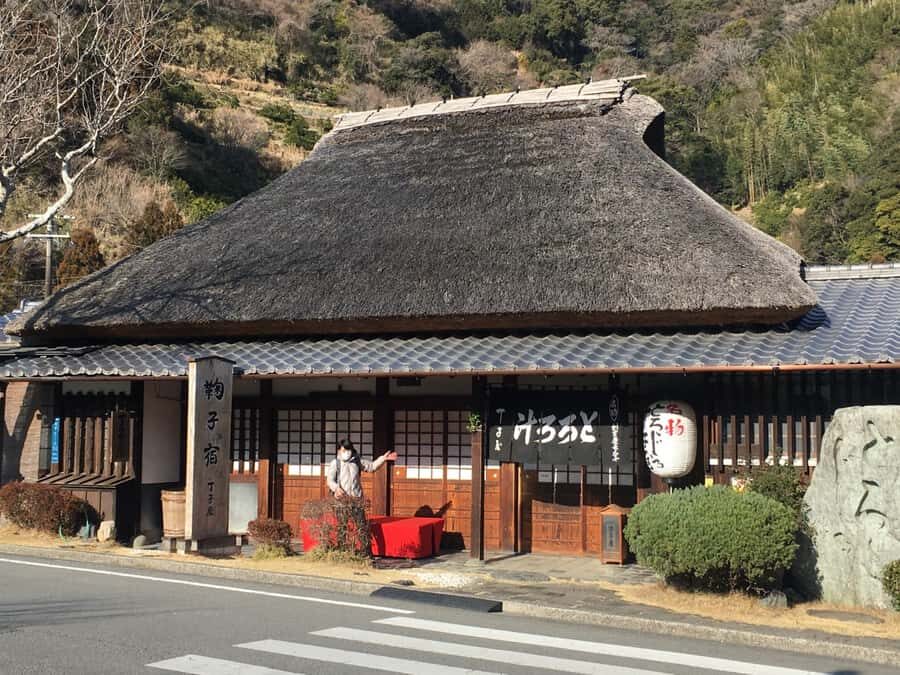
- Amazake stop at a surviving Tokaido teahouse, one of the few left from the old corridor
- 400-year-old cedar avenue, a long, memorable walk under tall trees
- Hakone checkpoint area, where the route’s traffic-control history comes to life
- Lake Ashi lunch break, with the walking rhythm reset by the water views
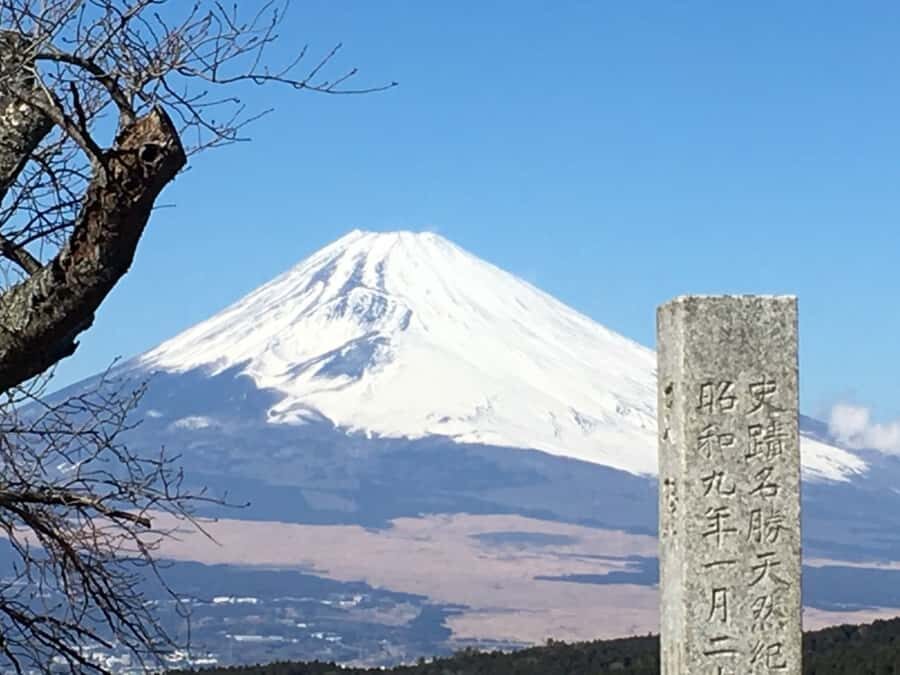
- Yamanaka Castle Ruins + Fuji photo chance, weather permitting
- World Heritage water area in Mishima, a different kind of cultural landscape than Hakone
Old Tokaido, not the main drag: why this Hakone Hike feels special
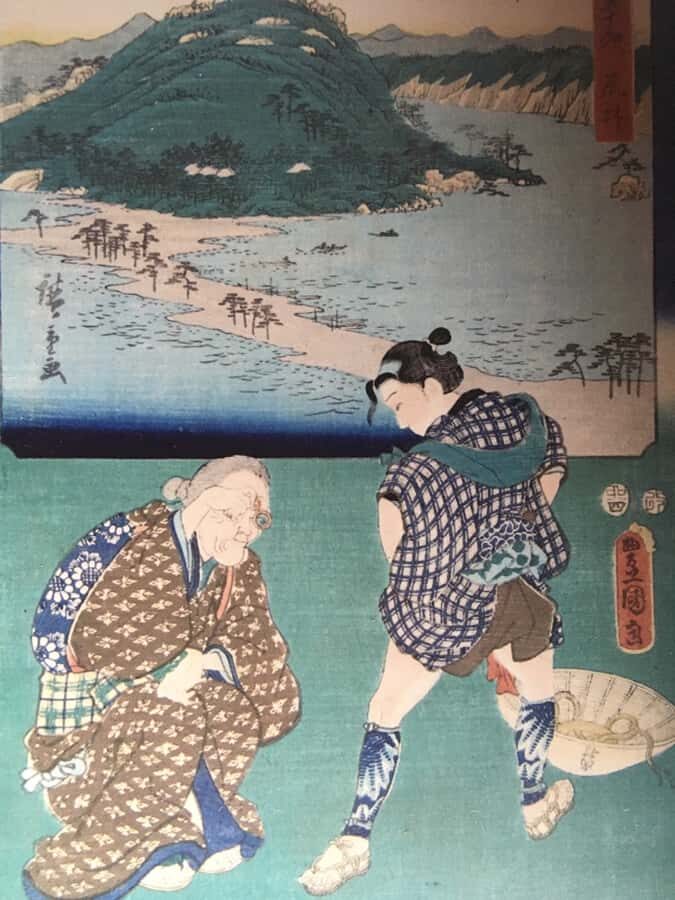
Hakone gets a lot of attention in Japan, but this hike takes you off the usual postcard loop. You’ll follow the Old Tokaido sections that once carried travelers and goods on the long route between the new capital in Tokyo and the older power centers in Kyoto and Osaka. That context matters because the walk isn’t just scenery. It’s a working route, shaped by geography—forest paths, checkpoint areas, and the way people reached and moved along Lake Ashinoko.
This is also one of those days where “private group” actually helps. With a group of up to 6, your guide can keep a steady tempo, slow down for questions, and shift the route if weather changes. In plain terms: you don’t spend the day herding people through a checklist.
Getting there without stress: the train rhythm and meeting point
The day is built around specific rail times. You catch Tokaido Shinkansen Kodama #707 departing Tokyo at 07:57 and get off at Odawara Station at 08:30. From there, you take the local train onward to Hakone Yumoto Station, where Tony will meet you.
From Hakone Yumoto, you don’t start walking immediately. You’ll head by bus/taxi up to near Amazake Chaya teahouse, so your first time on the Old Tokaido is already on the right stretch.
Why I like this approach: it reduces the number of moving parts right at the start. You’re not guessing connections or spending half the morning in stations. You also get a head start on the “story mode,” because the teahouse stop lands early rather than late.
Amazake Chaya: the warm reset before the hike starts
Before your boots hit the stone-paved road, you’ll enjoy amazake—non-alcoholic fermented rice drink—at Amazake Chaya teahouse. This is one of the few remaining teahouses from the era when hundreds lined the Old Tokaido, serving travelers with food, drink, and a place to pause.
This stop is more than a snack. It gives you a feel for how the route functioned: people couldn’t just keep walking all day. They needed places to warm up, refuel, and regroup, especially in a wooded stretch where footing can turn uneven.
If you’re wondering about the vibe: think cozy, historical, and human. Tony also makes the visit easier by translating and explaining what you’re seeing, so you know what the stop means instead of treating it like a photo point.
Stone-paved Old Tokaido into Moto-Hakone: the walking section that does the work
After the teahouse, you follow the Old Tokaido foot highway on foot through the forest down toward the shore of Lake Ashinoko in Moto-Hakone. This is where the day’s pace starts to feel like a true hike—constant, grounded walking rather than short sightseeing hops.
The stone-paved sections are the star here. They may not sound dramatic, but they matter: stone paths are one of the clearest ways to feel the route’s age and purpose. Your legs work, and your eyes get pulled forward, which is exactly what you want on an 8-mile day.
Practical note: wear sports shoes you trust. Old routes can be charming and still a little slippery, especially in damp conditions.
Cedar Avenue: 400-year-old trees and a long, satisfying stretch
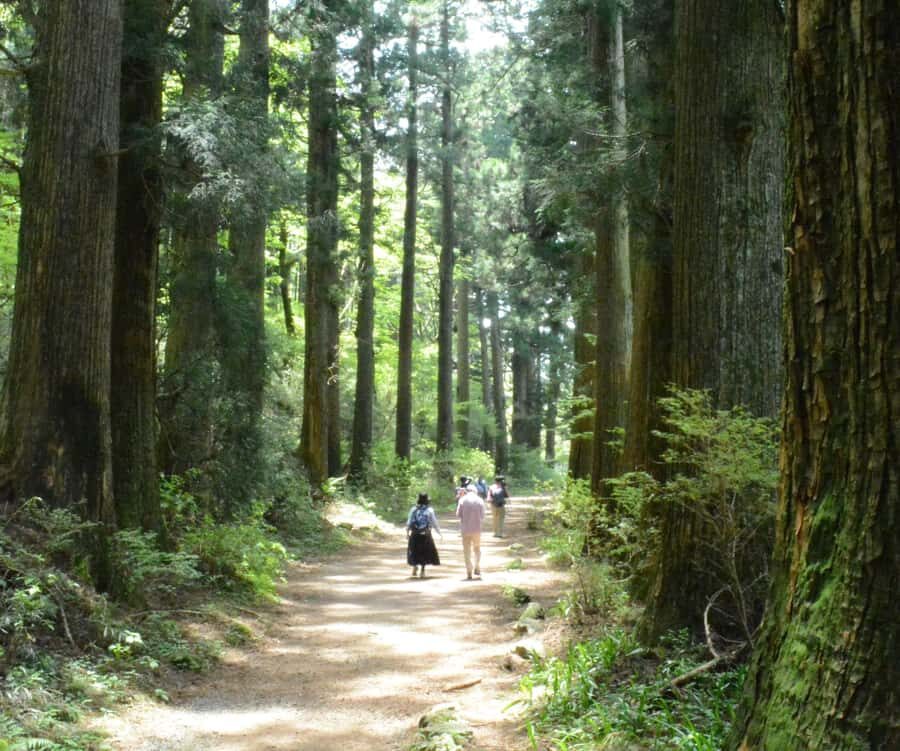
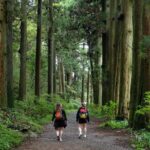
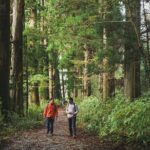
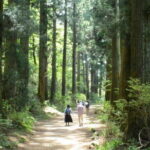
Next you stroll the mile-long Cedar Avenue, lined on both sides with towering cedars said to be around 400 years old. This section is classic Japan in the best way: a simple route with a strong sensory payoff. The rhythm comes from the repeated tree line and the sense that the road has been used long enough to feel permanent.
You’ll keep moving, and the avenue becomes a “breathing space” before the checkpoint area. It’s also a great place to check your footing and hydration, because the day continues with more walking and some elevation.
Hakone checkpoint area: when travel control becomes history you can picture
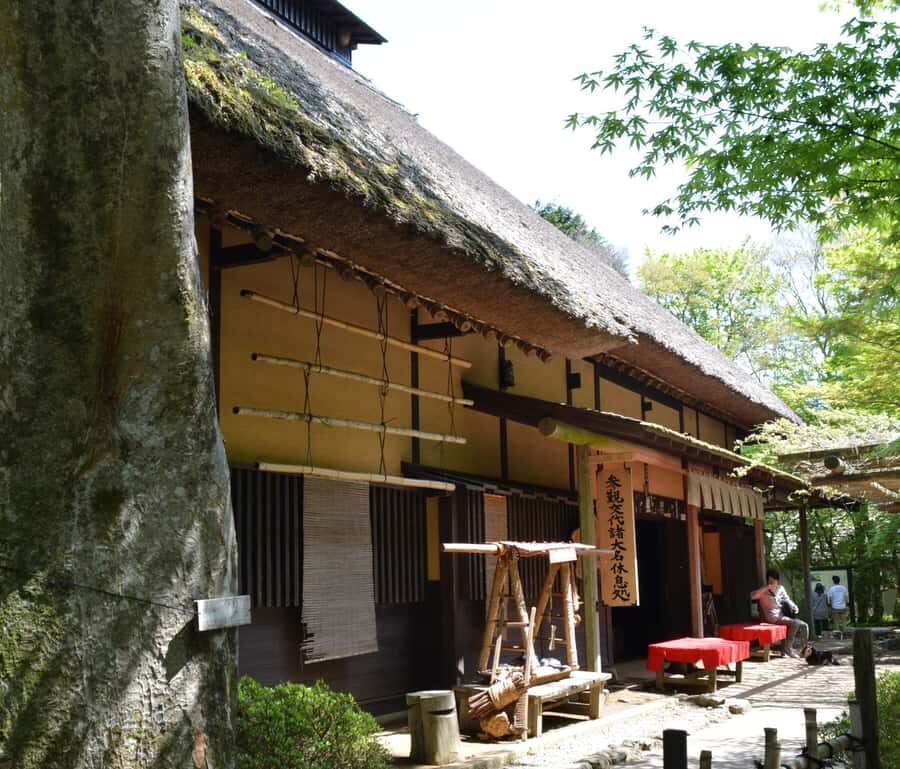
From Cedar Avenue you pass through the Hakone checkpoint area. This is the kind of historical stop that can be dry if you only read it on a sign. With Tony, it becomes easier to picture how checkpoints worked on a major highway: monitoring movement, managing travelers, and keeping order along a corridor that carried people and goods.
This is also where good guides earn their fee. The checkpoint concept is historical, but your guide ties it to what you’re seeing on the ground—path width, the route’s flow, and why this location made sense.
Lake Ashinoko lunch break: reset with views and real downtime

You’ll take a lunch break by the lake. It’s scheduled so you’re not rushing straight through the best parts of the day. Lake Ashi gives you a natural pause: you sit, eat (lunch is not included, so you’ll plan for your own meal), and let your legs cool down.
Even if the weather isn’t perfect, this timing matters. It turns the day from one long effort into two halves: hike to the lake, then hike onward toward ruins and a Fuji photo attempt.
Rejoining Old Tokaido toward Yamanaka Castle Ruins
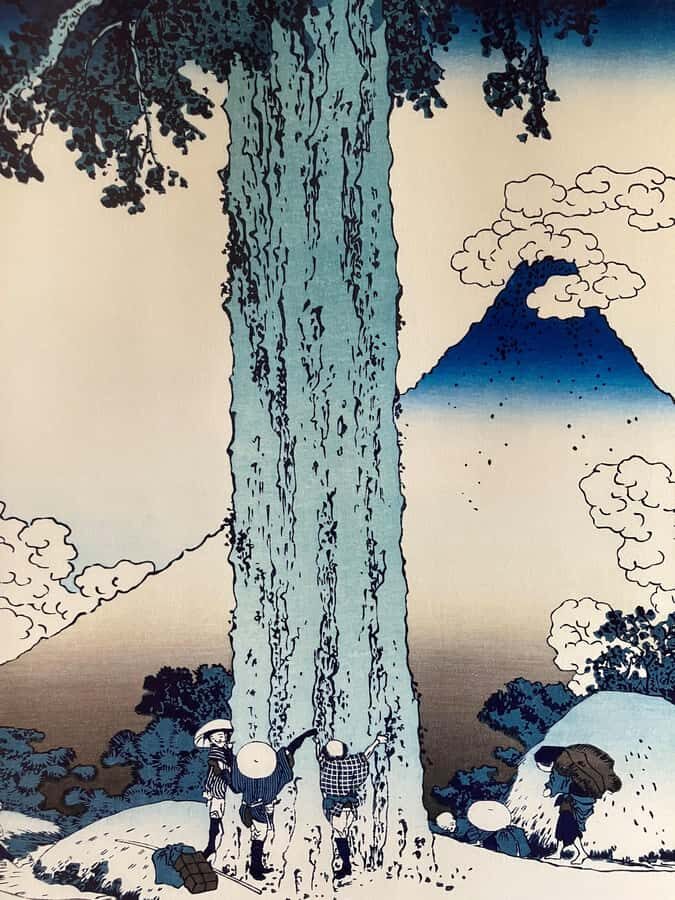
After lunch, you rejoin Old Tokaido for a largely forested hike toward Yamanaka Castle Ruins. This is the portion that feels more “up hill effort,” and it’s why the stamina note is real. You should think of it as a hiking day, not an easy stroll.
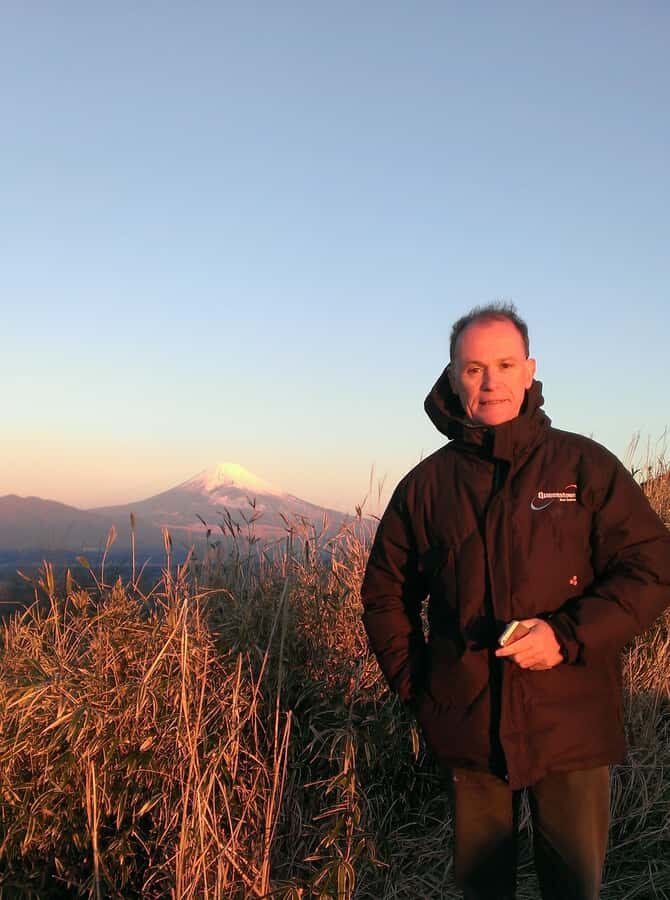
You’ll also get a Mount Fuji photo opportunity, weather permitting. That’s the big payoff moment: you might catch Fuji in the distance, or you might get clouds and a different kind of mood. Either way, the route itself stays worthwhile.
The best way to handle the effort is to pace yourself. Tony’s style is to keep things comfortable, and he can adjust based on your schedule and conditions.
Mishima and the Genbe River World Heritage water area
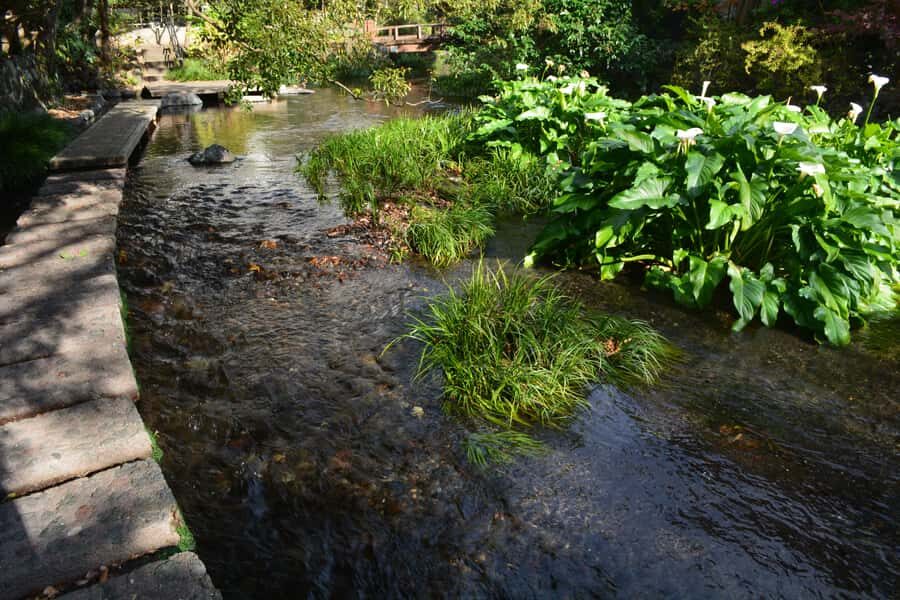
Once the main hiking stretch is done, you’ll bus to Mishima. Then you’ll stroll along the Genbe River World Heritage Water Area and continue onward to Mishima Station.
This section is a nice change from cedar, stone, and uphill forest. Water heritage areas can feel abstract on paper, but walking along the river corridor helps you see how water systems support daily life and long-term settlement. It’s a quieter finale, and it sets up an easy end to the day.
The ride home: Shinkansen timing that keeps you from feeling trapped
From Mishima Station, you catch Tokaido Shinkansen Kodama #734. It leaves Mishima at 17:24 and gets you back to Tokyo at 18:18.
That matters because it gives your whole day a clean finish line. You’re not stuck wondering if you’ll make trains or losing time to last-minute searches. Your guide can also help with practical stuff—people mention Tony even assists with return ticket booking when needed.
Price and value: $451 per group up to 6 is the key
The price is listed as $451 per group up to 6, for about 8 hours. That’s the kind of pricing that can look expensive until you think in per-person terms.
- If you book with a full group of 6, you’re effectively around $75 per person.
- If you book with 2 or 3 people, your cost per person rises.
The value here isn’t just “a guide.” It’s a guide who is strong on history, timing, and weather-aware route choices, plus a day plan that covers multiple meaningful stops without you needing to piece together transit and translations. Add in the focus on a surviving teahouse stop and the Cedar Avenue checkpoint sections, and you’re paying for access and context—not just walking time.
What Tony brings to the day (and why reviews keep pointing to it)
The most praised part of this experience is Tony himself: communicative before the hike, fluent in English and Japanese, and genuinely focused on making the route work on your day, not just on a schedule. People highlight a few practical strengths:
- He talks through weather and helps you plan around it.
- He brings extra hiking gear and safety-minded help for the footing and climbs.
- He handles the “translation gap” at the teahouse so you’re not left guessing.
- He keeps the day interactive, with history tied to what you’re walking past.
- He can help you with return ticket tasks if you run into confusion near Mishima.
One small detail that signals how human the day can be: there’s mention of Fijusan appearing and playing during the day, which tells you this isn’t a stiff, scripted tour. You get a guide who pays attention to the moments between the milestones.
Who should book this hike (and who should skip it)
This is a great match if you want:
- a walk on the Old Tokaido that still feels like a real route, not a theme park trail
- a guide who explains how the area works historically and practically
- a private group day that can adapt to pacing and weather
You might want to skip it if:
- you need an accessibility-friendly option (it’s not suitable for mobility impairments)
- you want an easy, flat walk with minimal effort
- you’re not comfortable with about 8 miles of walking and some climbing toward ruins
Quick planning checklist so your day goes smoothly
Here’s what you should take seriously because the tour is built around it:
- Wear sports shoes with grip.
- Bring a hat and a jacket; conditions around Lake Ashinoko and in forested sections can feel cooler.
- Bring water and plan for lunch because lunch and refreshments are not included.
- If you care about the Fuji photo, remember it depends on weather.
Should you book this Hakone Hachiri hike?
I’d book it if you want a day that mixes authentic walking with strong local storytelling. The surviving teahouse stop, the 400-year cedar avenue, and the checkpoint-to-ruins rhythm make it more than a single sightseeing day.
I’d think twice if you’re mainly chasing a comfortable, low-effort outing. This is an honest hiking route. Bring the right shoes, accept the stamina test part of the deal, and you’ll get a very satisfying Old Tokaido experience.
FAQ
Where does the hike start?
It starts at Hakone-Yumoto Station.
How long is the hike?
The full experience is about 8 hours.
How much walking is there?
You’ll walk about 8 miles total.
What language is the guide?
The tour guide speaks English.
What is included in the price?
Included are the guide fee, the guide’s expenses, and the guide’s gratuity.
What is not included?
Transport, entry fees, refreshments, lunch, and souvenirs are not included.
What should I bring?
Bring a hat, a jacket, and sports shoes.
Is the tour suitable for mobility impairments?
No, it is not suitable for people with mobility impairments.
How does the day end?
You finish at Mishima Station, then take Tokaido Shinkansen Kodama #734 to Tokyo.
Can I cancel for a full refund?
Yes. You can cancel up to 24 hours in advance for a full refund.
The Old Hakone, Toured Properly
More Tour Reviews in Hakone

Hakone, Three More Ways
Hakone Day Trips, compared.
 ★ 4.0Mt Fuji & Hakone Cruise, Drum Show Bullet Train 1 Day from TokyoFrom $1497,413 reviews
 ★ 4.4Tokyo Mt Fuji 5th St & Hakone Cruise Bus Tour w/Bullet TrainFrom $1545,024 reviews
 ★ 4.7Mt. Fuji Tour, Hakone Ropeway, Owakudani, Lake AshiFrom $544,002 reviews
 ★ 5.0Private Tour to Mt. Fuji and Hakone (Fully Licenced Operator)From $4971,910 reviews
 ★ 4.0Mt Fuji & Hakone Cruise, Drum Show Bus 1 Day from TokyoFrom $1221,287 reviews
 ★ 4.2From Tokyo: Mt. Fuji & Hakone Tour w/ Return by Bullet TrainFrom $1171,278 reviews
 ★ 4.5Mt. Fuji & Hakone Private Day Tour with English-Speaking DriverFrom $453824 reviews
 ★ 4.2Hakone Fuji Day Tour w/ Cruise, Cable Car, VolcanoFrom $98724 reviews
Browse the lists this tour appears in