
Reviewed · HAKONE DAY TRIPS
Hakone 8 hour Private Tour with Government-Licensed Guide
Hakone feels bigger when it is yours. This private 8-hour day turns the usual loop of Hakone into a choose-your-own plan, guided by a government-licensed English speaker. I love the freedom to select 4 to 5 stops that match your mood (views, volcano fun, art, gardens). I also like that you can ask questions and get local recommendations as you go. One trade-off: entrance fees, lunch, and most transport costs are on you, and this is a walking tour—so comfortable shoes matter.
What makes this work well is the structure. You start in the morning with multiple start-time options, and you build a day that fits the time you have (not a rush-and-repeat group schedule). I’ve seen examples of guides like Ryuta tailoring the route tightly to interests, and Hide adjusting on the fly so the pace still felt doable for a family. The main consideration is that you should expect some walking and lines at popular spots like the Lake Ashi viewpoints and transit areas.
In This Review
- Key Things That Make This Hakone Private Tour Click
- Hakone Private Touring: What You Gain by Going 1-on-1
- Price and Logistics: Is $201.46 Per Person Worth It?
- Choosing Your 4–5 Stops: Build a Day That Matches Your Interests
- Lake Ashinoko and Hakone Shrine: The Classic Opening Move
- Owaku-dani Valley and the Owakudani Nature Research Trail: Volcano Energy on Foot
- Art in Hakone: From Open-Air Museum to Private Collections
- Gondola, Ropeway, and Scenic Transit: Seeing More by Moving Smart
- Sengokuhara, Gora, and Garden Stops: When You Want Hakone to Breathe
- Timing, Weather, and Route Adjustments: Why a Licensed Guide Helps
- Food, Breaks, and the Off-Menu Moments You Actually Remember
- Who Should Book This Hakone 8-Hour Private Walking Tour?
- Should You Book This Hakone Tour?
- FAQ
- How many stops can I choose during the 8-hour tour?
- Is this tour a walking tour, and is a private vehicle included?
- Do you provide an English-speaking guide?
- What’s included in the price, and what’s not?
- Which places have free admission?
- If I want the Owakudani Nature Research Trail, do I need to reserve ahead?
- What is the cancellation window?
Key Things That Make This Hakone Private Tour Click
- Government-licensed English guide who can explain what you are seeing and keep your day organized
- Pick 4–5 sites from a menu, instead of getting stuck at the stops you did not want
- Flexible morning start times for fitting Hakone into train schedules and daylight
- Walking-first touring with no private vehicle included, so plan for steady steps
- Photo-and-timing support at transport points and viewpoints (especially useful around Lake Ashi and Hakone Ropeway)
Hakone Private Touring: What You Gain by Going 1-on-1
Hakone can be a little tricky if you like to wander at human speed. The public transit system is good, but timing is everything when you want views, not just motion. This tour is built for people who want a smart plan without the crowd circus.
The big win is control. You decide which flavor of Hakone you want that day—scenic lake and shrine, volcanic heat and black eggs, art museums, temple stops, or gardens and parks. Then your licensed guide helps connect those dots so you do not waste half the day figuring out routes.
Another win is conversation time. Instead of hearing a script once and moving on, you can ask why a temple was built, what a museum collection focuses on, or what to do next when the weather shifts. In the real world, guides like Dragon and Atsushi were praised for pacing the day so the information actually lands, not just noise while you walk.
Price and Logistics: Is $201.46 Per Person Worth It?
At $201.46 per person, you are not paying for entry tickets—you are paying for planning power and guided access to a tight schedule. That makes it good value if you have limited time in Hakone, you do not want to gamble with transit timing, or you want to build a day around specific interests.
Here’s what you should budget separately:
- Entrance fees (many sights charge, even when the tour stops are only brief)
- Lunch
- Transport fees during the day (the tour is walking-first, but you still use Hakone’s cable car, ropeway, and other public transport links)
- Owakudani trail reservation fee if you choose the Nature Research Trail (800 yen is required and noted)
So the value equation looks like this: if you would otherwise spend hours comparing routes and losing time at the wrong moment, the guide fee starts to make sense fast. If you are traveling slow and already comfortable building Hakone by yourself, you might not need private guiding.
Also keep in mind what is not included: there is no private vehicle. Your tour meets the guide on foot in a designated area, and the day is structured as a walking tour. That is great for flexibility, but it is not a good fit if you want minimal walking.
Choosing Your 4–5 Stops: Build a Day That Matches Your Interests
The tour is designed around selection. You pick from a list of sites, and your guide helps you shape the day around them. That choice is where your trip becomes personal—one day can feel like volcano-and-view, another can be art-and-garden, and both can still include the classic Hakone landmarks.
A practical way to choose:
- If you want iconic views: start with Lake Ashinoko and consider Hakone Shrine.
- If you want the volcanic core: add Owaku-dani Valley for black boiled eggs.
- If you love art: mix museums like the Hakone Open-Air Museum or the Hakone Museum of Art with one smaller private museum.
- If you prefer softer, slower scenes: add Sengokuhara (pampas grass, especially pretty in autumn), Hakone Shisseikaen, or Gora Park.
You might also pick a “contrast” pairing. For example, combine a quiet temple stop like Choanji Temple with the busier scenic transport of ropeway/cable routes. That mix tends to keep the day interesting without exhausting you.
Lake Ashinoko and Hakone Shrine: The Classic Opening Move
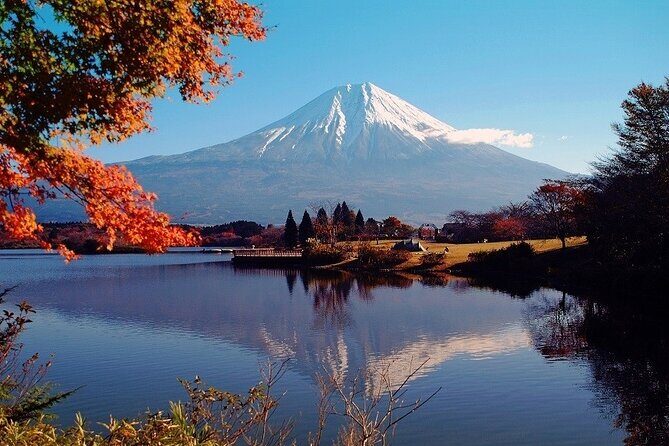
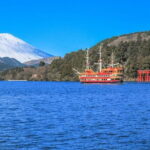
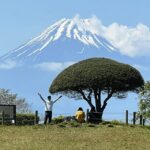
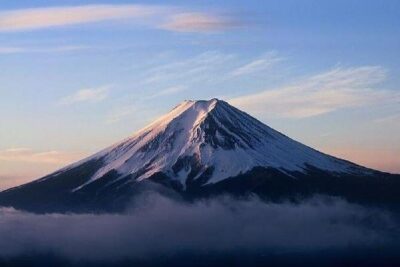
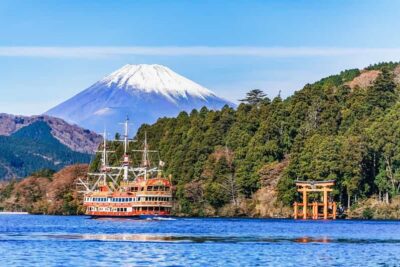
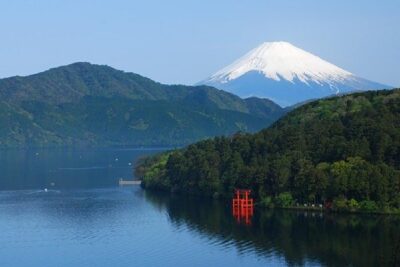
Lake Ashinoko is the Hakone symbol, tied to the caldera story of Mount Hakone’s last eruption. You get a short stop here to orient yourself and take in the framing—this is one of the places where Mount Fuji is associated with the view. Even if Fuji is shy on a given day, Lake Ashinoko still delivers the Hakone mood.
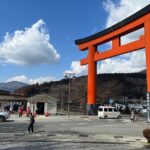
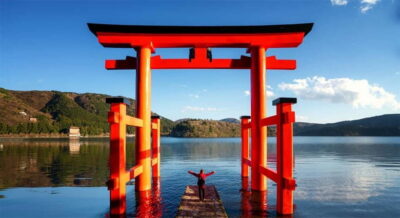
Right after that, Hakone Shrine offers a calmer counterpoint. It is described as a tranquil place of worship with a history stretching more than 12 centuries, and rebuilt after fires. This is a good moment to slow down, look at the atmosphere, and ask your guide how the shrine fits into the broader Hakone story.
Practical tip: since these are quick stops, you want to think before you arrive. If you care about photos, tell your guide what kind you want—wide lake shots versus shrine details—so your time stays useful.
Owaku-dani Valley and the Owakudani Nature Research Trail: Volcano Energy on Foot
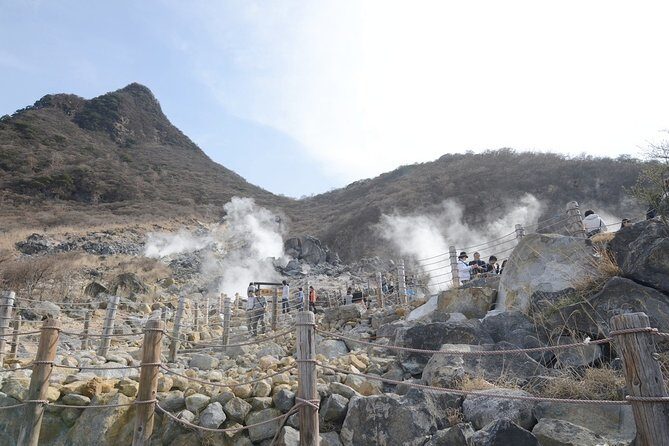
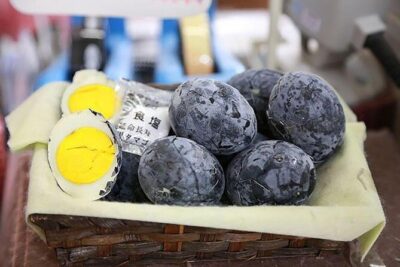
If Hakone has a main character, it is the volcano. Owaku-dani Valley is set up for close-up geothermal activity and, yes, the famous black boiled eggs. The egg tradition is part of the attraction here, and your guide can explain what you are tasting and why this place is such a Hakone rite.
There is also an option that leans more into walking: the Owakudani Nature Research Trail. It is in an active volcanic area, with close-up views of geothermal activity, but it has a key requirement: advance reservation is required, and there is an 800 yen entrance fee. If you love longer walks and want more than a quick look, this is the choice to make—but plan it like an add-on, not something to treat casually.
A balanced approach I like: do Owaku-dani Valley if you want the iconic stop with low commitment, then consider the trail only if your group’s legs and timing can handle it.
Art in Hakone: From Open-Air Museum to Private Collections
Hakone is not just scenery. It is also a museum region, and this tour makes art fit into a day that already includes transport and viewpoints.
Here are the art options from the site list, and how they tend to feel in real life:
- Hakone Open-Air Museum: built to harmonize nature and art, and designed so works are placed throughout the site. This is often a good choice when you want your art stop to also feel like a walk.
- Hakone Museum of Art (Gora): a museum founded in 1952. If you like more traditional museum pacing, this can be the steadier option.
- Okada Museum of Art: a privately owned museum that spans collections from antiquity to modern era, opened in 2013. This can work well if you want variety without committing to only one art style.
- Pola Museum of Art: focused on a private collection; it’s connected to the POLA group and opened in 2002.
- Narukawa Art Museum: dedicated to nihonga, Japanese-style painting. If that specific art form excites you, this is worth targeting.
- Dollhouse Museum Hakone: a compact, charming collection of dollhouses from around the world. It can be a fun change of pace if the day is getting heavy.
- Hakone Venetian Glass Museum (Hakone Glass no Mori): Italian-styled buildings plus a strolling garden and canal-like pond. This one can add a playful, visual break.
- Choanji Temple and Choanji Temple area stops: not art museums, but they give you that quiet contrast so your eyes and brain can reset.
In practical terms: for most people, picking one major art stop is enough for an 8-hour day. Add a second only if your group loves museums and you are not trying to fit in a lot of transit.
Gondola, Ropeway, and Scenic Transit: Seeing More by Moving Smart
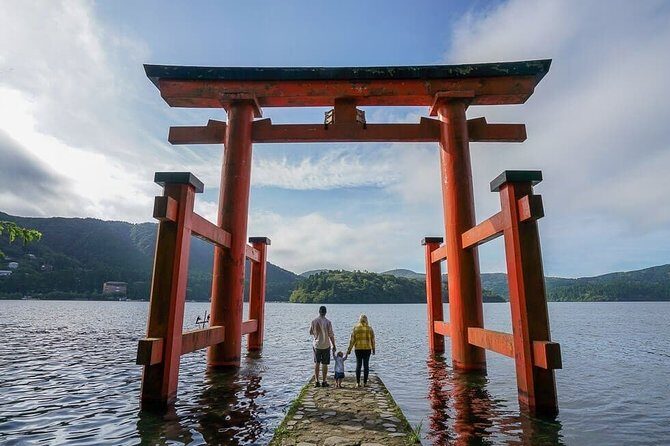
Hakone’s best scenes are often tied to getting from one zone to another. This tour is walking-first, but you still use Hakone’s elevated transport links.
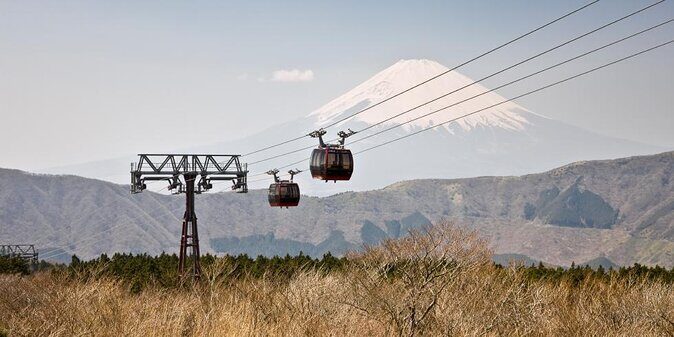
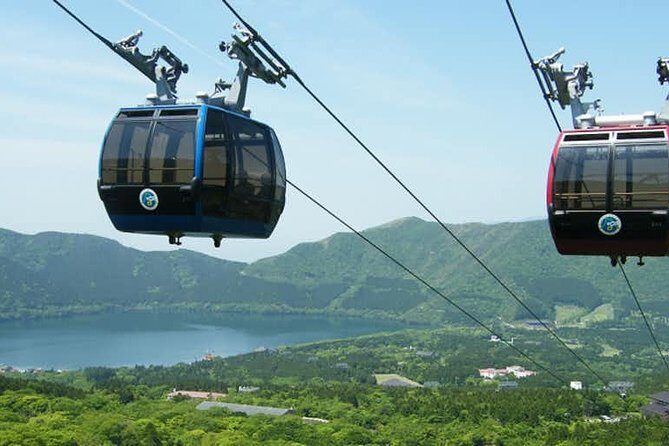
Hakone Ropeway connects Sounzan Station with Togendai Station, part of the Hakone Round Course. Even though your stop time is brief, it is usually one of the easiest ways to see the dramatic terrain without grinding through too much ground distance.
Your guide can also stitch together the transit pieces efficiently. In actual tour experiences, Hide’s day included moving by cable-carts and using Lake Ashi’s boat options—classic Hakone motion that makes the day feel like a journey, not just a list of stops.
If you want this to feel smooth, tell your guide:
- whether you prefer views from above versus walking viewpoints on the ground
- how much time you can tolerate in queues at major transit points
- whether you need frequent bathroom stops
That sounds basic, but it is exactly how guides keep a private tour from turning into a long wait with nobody to blame but your schedule.
Sengokuhara, Gora, and Garden Stops: When You Want Hakone to Breathe
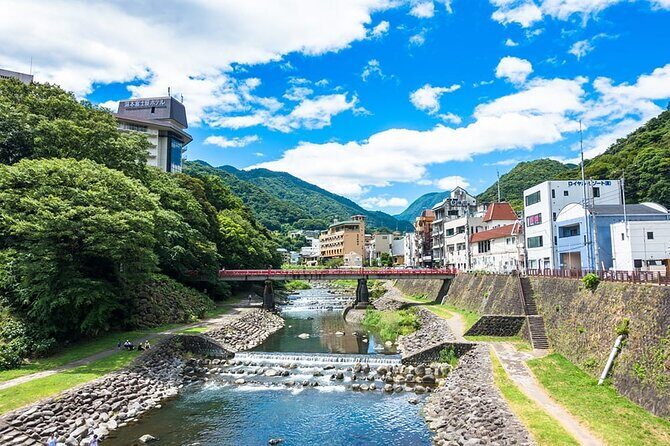
Not every Hakone moment needs to be volcano heat or museum walls. The tour menu includes softer stops that help the day feel human.
- Sengokuhara: a field known for pampas grass, most beautiful in autumn. Even in other seasons, it tends to be a pleasant breather from crowds.
- Hakone Shisseikaen: a botanical garden focused on wetlands in the highlands of Fuji Hakone Izu National Park. It’s designed to preserve plant life and create a nature-focused stroll.
- Gora Park: a western-style park on the steep slope above Gora Station. It is a good reset spot when you want scenic relaxation.
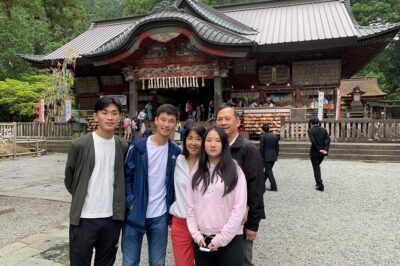
- Choanji Temple: a Soto Zen temple established in 1356. It is described as atmospheric and located in a quiet area at the base of a hill. This is the kind of stop that pairs well with a heavy view day.
If you are building your own mix, these garden and park stops are excellent for groups with mixed interests—someone wants art, someone wants nature, and everyone still ends up happy.
Timing, Weather, and Route Adjustments: Why a Licensed Guide Helps
Hakone is weather-sensitive. Low cloud means fewer views; rain changes the pace; wind changes whether you want to linger outside. With a private guide, you can shift the plan instead of forcing it.
You’ll see this kind of flexibility in the way guides plan around conditions. For example, Masa-san adapted the day to include an art museum when the weather turned rainy and cold. Another guide like Shuji was credited with staying organized in rainy conditions and still delivering a satisfying day, even when Mount Fuji did not show.
This is the real reason to book a licensed guide. A well-timed day matters more than a perfect checklist. When you control the sequence, you get to keep the best parts of Hakone feeling best, even if the day is not cooperating.
Food, Breaks, and the Off-Menu Moments You Actually Remember
Lunch is not included, but your guide can help you land in the right place for your group. There’s real value in having someone who can handle local menu basics and keep you on schedule.
In one set of experiences, Yukie helped guests work through a local menu and made lunch easy. Hide handled logistics for family needs, like helping arrange where to eat, and also built in downtime after the more intense parts of the day.
And yes, some days include relaxing bath time. One guide’s end to the tour included an open-air bath experience. That is not listed as a fixed stop on the site menu, so treat it as something to ask about during planning rather than a guaranteed inclusion. But if you want that Hakone signature relaxation, ask early so it does not steal time from your chosen sights.
Who Should Book This Hakone 8-Hour Private Walking Tour?
This is a strong match if:
- you have limited time and want to hit top areas without guessing
- you care about customization—black eggs, specific art museums, temples, gardens
- you want a guide who can explain what you are seeing and help you make smart timing calls
- your group includes different interests and you want one plan that works for all
It is less ideal if:
- your group struggles with walking. The tour is explicitly a walking tour, and most costs like transit and entrances are separate.
- you want a car-and-driver style day. No private vehicle is included.
- you prefer a self-guided pace with zero planning support.
One more note: since your tour is private to your group and cannot combine with other groups, you are less likely to get stuck waiting behind strangers who have their own agenda.
Should You Book This Hakone Tour?
If your Hakone day is important, and you want it to feel organized without becoming rigid, I would book it. The guide-driven structure makes it easier to choose the right mix of Lake Ashinoko, shrine/temple moments, volcanic highlights like Owaku-dani and black eggs, plus one or two art stops.
You should book with clear expectations: you will still pay for entrances and lunch, and you will walk. If you are okay with that trade-off for time savings and better pacing, you’re set up for a day that feels like Hakone, not like logistics.
FAQ
How many stops can I choose during the 8-hour tour?
You can customize your day by choosing 4 to 5 sites from the options available for the tour.
Is this tour a walking tour, and is a private vehicle included?
Yes, it is a walking tour. A private vehicle is not included, and pickup is offered as part of the tour setup, with the guide meeting you on foot within a designated area.
Do you provide an English-speaking guide?
Yes. The experience includes a licensed local English-speaking guide.
What’s included in the price, and what’s not?
Included items are the guide and the customizable selection of 4 to 5 sites. Not included are transportation fees, entrance fees, lunch, and other personal expenses. A Hakone Freepass is also not included.
Which places have free admission?
From the included information: Lake Ashinoko and Hakone Shrine are listed as admission ticket free, and Choanji Temple is also listed as admission ticket free.
If I want the Owakudani Nature Research Trail, do I need to reserve ahead?
Yes. Advance reservation is required for the Owakudani Nature Research Trail, and the entrance fee is listed as 800 yen.
What is the cancellation window?
You can cancel for free up to 24 hours in advance of the experience start time for a full refund.
More Tours in Hakone


More Tour Reviews in Hakone
Hakone, Three More Ways
Hakone Day Trips, compared.
 ★ 4.0Mt Fuji & Hakone Cruise, Drum Show Bullet Train 1 Day from TokyoFrom $1497,413 reviews
 ★ 4.4Tokyo Mt Fuji 5th St & Hakone Cruise Bus Tour w/Bullet TrainFrom $1545,024 reviews
 ★ 4.7Mt. Fuji Tour, Hakone Ropeway, Owakudani, Lake AshiFrom $544,002 reviews
 ★ 5.0Private Tour to Mt. Fuji and Hakone (Fully Licenced Operator)From $4971,910 reviews
 ★ 4.0Mt Fuji & Hakone Cruise, Drum Show Bus 1 Day from TokyoFrom $1221,287 reviews
 ★ 4.2From Tokyo: Mt. Fuji & Hakone Tour w/ Return by Bullet TrainFrom $1171,278 reviews
 ★ 4.5Mt. Fuji & Hakone Private Day Tour with English-Speaking DriverFrom $453824 reviews
 ★ 4.2Hakone Fuji Day Tour w/ Cruise, Cable Car, VolcanoFrom $98724 reviews
Browse the lists this tour appears in