
Reviewed · HAKONE DAY TRIPS
Hakone Geology & History Tour
Volcano science meets old Japan fast. Hakone is an ancient caldera with an active crater nearby, so your day has real geology baked into every ride. You’ll start by flying across the mouth of Owakudani by ropeway and keep learning as you move from volcanic valley to steaming waters on Lake Ashi.
I particularly like how this tour pairs big natural forces with human stories. You visit a 400-year-old Amazake Teahouse and chat with the Yamamoto family’s 13th generation manager, which is a rare way to see how local life stays connected to the land. One consideration: the ropeway section over Owakudani is not recommended if you have heart or respiratory issues, so plan accordingly.
In This Review
- Key Highlights You’ll Feel During This Hakone Day
- Hakone’s Active Caldera: The Story Starts Before the Ropeway
- Crossing Owakudani by Ropeway: Big Views With Real Caution
- Lake Ashi’s Pirate Ship: The Water That Never Freezes
- The Old Tokaido Foot Highway: 400-Year Cedars and Human Roads
- Amazake Teahouse and the Yamamoto Family: Where Tradition Is the Point
- Timing, Pace, and Getting Around: What 8 Hours Really Means
- Value Check: What You Get for $483 (and What You Pay For Yourself)
- Who Should Book This Hakone Tour
- Should You Book This Hakone Geology and History Tour?
- FAQ
- How long is the Hakone Geology and History Tour?
- Where will pickup happen?
- Is this a private tour?
- What does the tour include?
- Is lunch included?
- Do I need to purchase transport passes in advance?
- Is the ropeway safe for everyone?
Key Highlights You’ll Feel During This Hakone Day
- Owakudani crater views from the ropeway area, with clear safety notes for sensitive guests
- Lake Ashi by pirate ship, crossing water that doesn’t freeze due to hot-spring upwelling
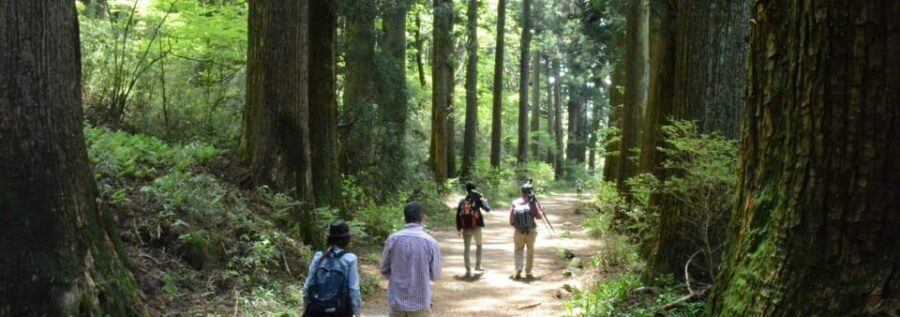
- Old Tokaido Foot Highway walking time with towering 400-year-old cedars
- Tea house conversation at the 400-year-old Amazake Teahouse with the 13th generation Yamamoto manager
- A tight, efficient flow between stops so you spend more time outside and less time waiting around
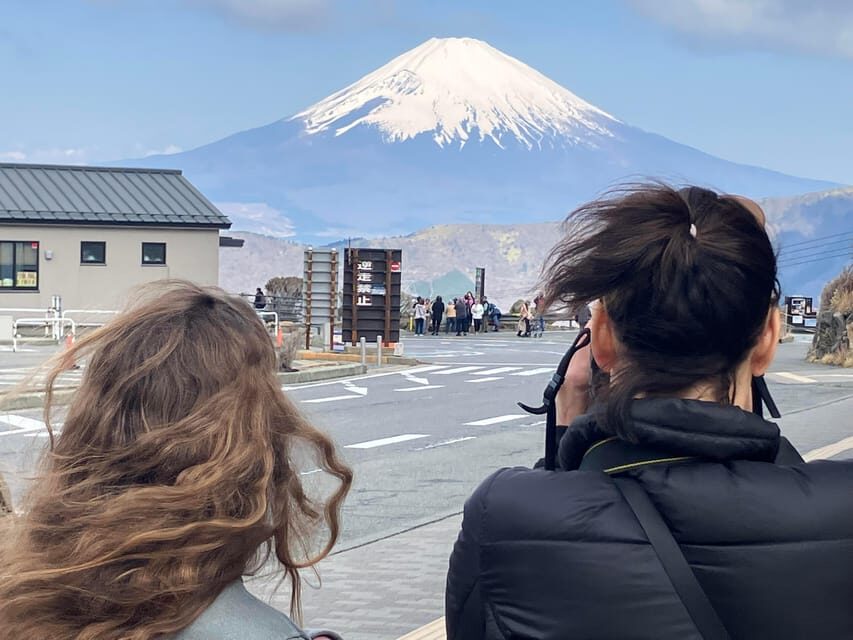
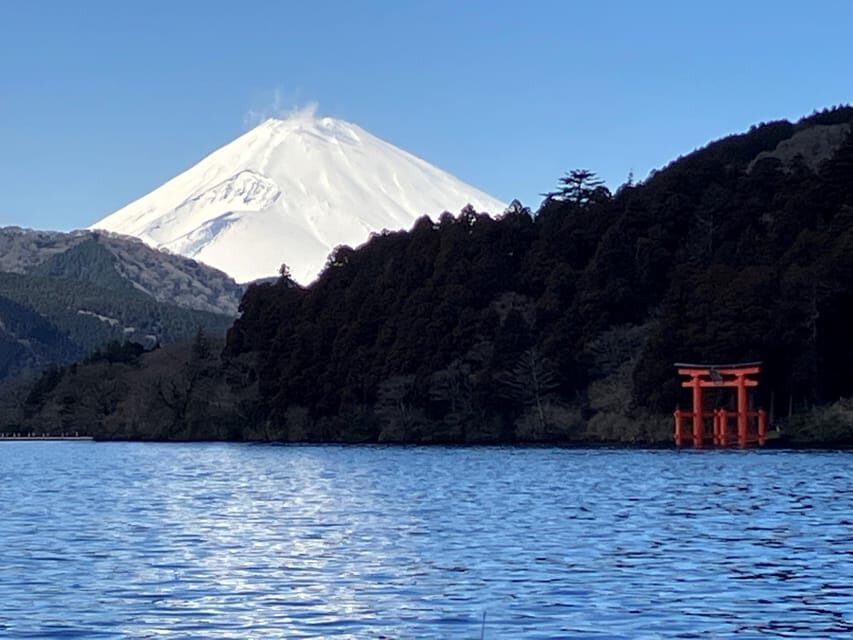
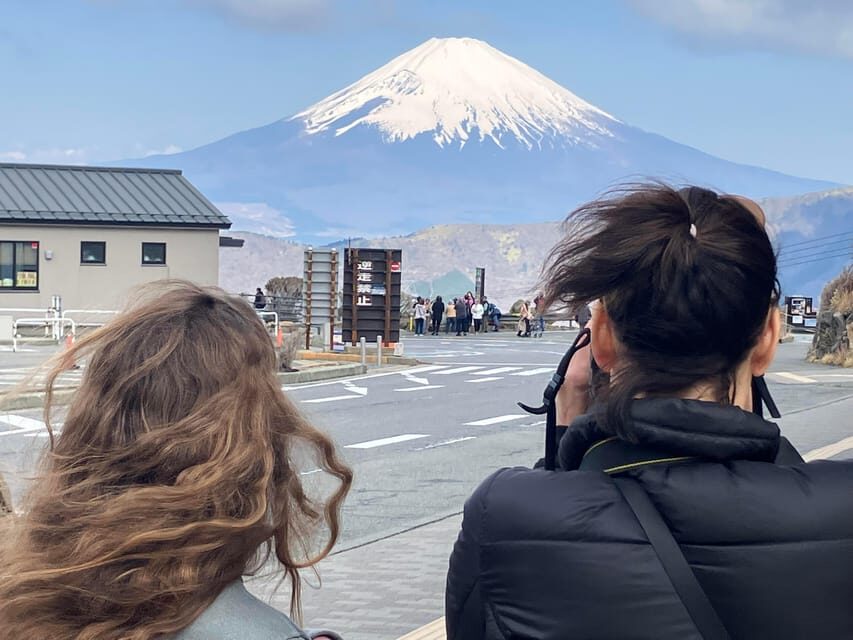
- Mt. Fuji potential for views, depending on weather
Hakone’s Active Caldera: The Story Starts Before the Ropeway
Hakone isn’t just scenic. It’s an ancient caldera about 15 miles across, and the geology isn’t “in the background.” You’ll be near Owakudani, where a low level of volcanic activity continues in the crater. That means the area feels alive in a way that famous photo spots don’t always capture.
The way this tour is built helps you understand what you’re seeing instead of just taking pictures. I like that you get orientation early: how a caldera forms, why this volcanic system still affects daily life, and what to notice when steam and crater views show up. It also adds a practical layer—Hakone’s activity shapes routes, timing, and even what parts of the day you’ll spend outdoors.
A good rule for this kind of day: pack for the weather and expect changing conditions. Even when the mountain views are there, Hakone can shift quickly between clear and cloudy, so you’ll want to stay flexible.
Crossing Owakudani by Ropeway: Big Views With Real Caution
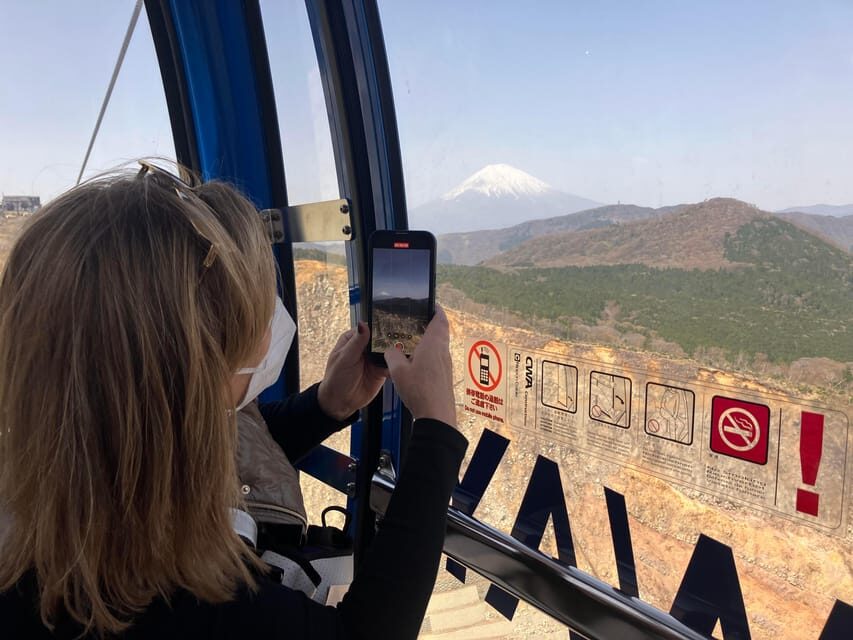
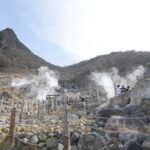
Your day’s geology moment peaks at Owakudani Valley. You’ll take a gondola ride through the area, and you’ll also cross the mouth of the active crater by ropeway. This is one of those experiences where the views can be dramatic, but the setting comes with a straightforward warning.
If you have heart or respiratory disorders, this tour is not recommended. The ropeway area is not something to gamble with, especially if you’re unsure how you’ll handle enclosed spaces, movement, and altitude-like exposure. If you’re sensitive, it’s worth talking to your doctor before committing.
On the plus side, this is the fastest way to get close to active volcanic terrain without turning the day into a hard hike. You’ll be out there long enough to feel the scale of the crater and the “why” behind Hakone’s hot springs and steaming zones, but not so long that the day loses its cultural pace.
If visibility is good, this is also where you’ll be most aware of how the crater shapes Hakone’s routes. When the air is clear, the surrounding ridges and valleys give you a natural map you can keep in your head for the rest of the tour.
Lake Ashi’s Pirate Ship: The Water That Never Freezes
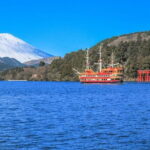
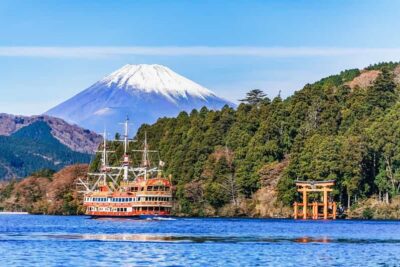
Next up is Lake Ashinoko by boat cruise, including time crossing by Hakone’s famous pirate ship. This isn’t a tourist-only ride. It’s geography you can watch in motion.
Lake Ashinoko is about half a mile deep, and it’s known for not freezing because of volcanic hot spring water gushing up from its depths. That fact sounds like trivia until you’re actually out on the water. You’ll get a sense of how Hakone’s geothermal system controls the environment around you, not just the hot springs and steam vents you see on land.
I like that the cruise gives you an easy, low-effort break between the more intense crater section and the walking portion later. You can scan the shoreline and slopes while your guide ties it back to what you already saw at Owakudani.
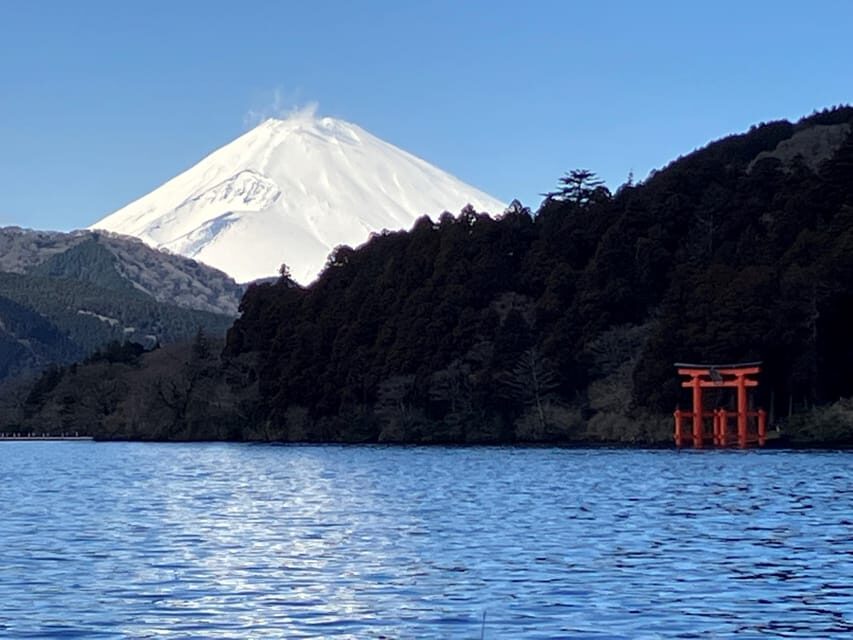
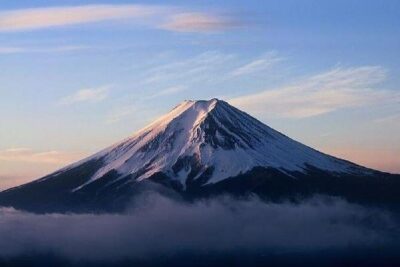
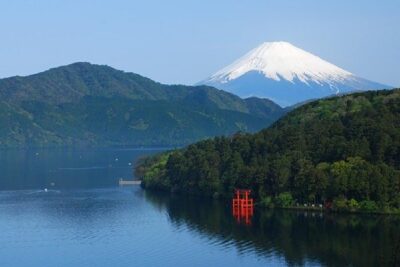
And weather permitting, you may catch Mt. Fuji views. Don’t build the whole day around it, but if the sky cooperates, Lake Ashi is one of the places where that view can feel especially memorable because it contrasts the calm water with the volcanic origin story running under it.
The Old Tokaido Foot Highway: 400-Year Cedars and Human Roads
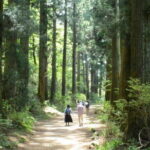
After the water, you’ll shift from “Hakone as volcano” to “Hakone as corridor of culture.” You’ll stroll a short section of the Old Tokaido Foot Highway, a route that historically connected Japan’s main centers—Tokyo, Kyoto, and Osaka.
Here’s why this matters: roads tell you what societies valued. People moved for trade, pilgrimage, work, and family. Walking even a small section helps you feel that continuity in your legs and your pace. You’re not just learning dates; you’re experiencing how a corridor shaped daily movement for centuries.
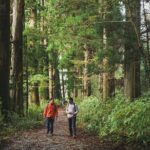
On both sides of this section are towering 400-year-old Japanese cedars. It’s the kind of detail that can make the history feel physical instead of abstract. The trees also create a naturally sheltered mood, which is helpful on bright days or when the weather turns.
The drawback is simple: it’s still a walk. This part is described as a stroll, but it’s outdoors, so plan shoes you’re comfortable wearing all day. If you’re used to sneakers and light walking, you’ll likely be fine.
Amazake Teahouse and the Yamamoto Family: Where Tradition Is the Point
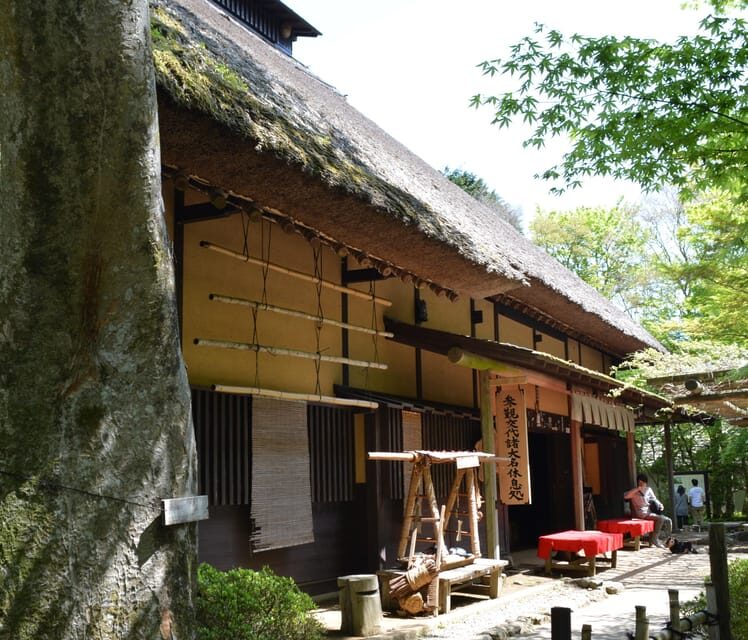
The day’s cultural highlight is at the Amazake Teahouse, built around a 400-year timeline. Amazake is a traditional rice drink, and here it’s treated less like a souvenir and more like a way of life tied to local craft and community rhythms.
You’ll spend time at the tea house and chat with the 13th generation manager of the Yamamoto family. That kind of intergenerational presence changes the tone. You’re not just tasting something; you’re hearing how a family keeps a tradition moving while the world outside changes.
This is also where a good guide makes a difference. In this kind of setting, details matter—why the drink is served in a certain way, how the teahouse fits into the region’s story, and what locals consider important. The guide’s energy can turn this stop from a quick tasting into a conversation you actually remember.
I also like the way this stop balances the day. After crater and lake scenery, you get warmth, human voices, and slow time. It’s a reset button for the senses.
Timing, Pace, and Getting Around: What 8 Hours Really Means
This is an 8-hour private group tour, built as a day loop with pickup and a clear finish. You’ll have 3 pickup options: Hakone-Yumoto Station, Yumoto Station Hotel MIRAHAKONE, or Odawara Station. If you’re doing a day return from Tokyo, the plan is to meet at the Odawara Station ticket gate. If you’re staying overnight in Hakone, you’ll get pickup at your hotel.
The schedule moves fast by design. After pickup, there’s about 75 minutes of train time, then you’re into Owakudani Valley for roughly an hour with gondola and crater-area time, followed by about an hour on Lake Ashi, and then around an hour for tea and conversation.
That pace can be a plus if you want variety without losing a full day to transfers. One thing I’d recommend: treat this as a structured highlights day rather than a “wander whenever you want” kind of outing. The route is efficient, and you’ll likely feel the value in that efficiency.
Cost-wise, the price is $483 per group up to 8. That’s not cheap in absolute terms, but it’s not priced like a solo luxury experience either. Since it’s private, you’re paying for a guide plus the ability to move as a small group at a pace that works. Also, this is the kind of tour where interpretation helps—geology and history aren’t always obvious, especially if you’re just reading signs on your own.
One more practical detail: local transport is not included in the tour price as a bundle. You’re asked to prepurchase a Hakone Free Pass, and lunch plus afternoon tea are not included. Translation: budget for food yourself. Plan snacks if you’re the type who gets hungry during walking and boat time.
Value Check: What You Get for $483 (and What You Pay For Yourself)
For the money, you’re primarily buying guide time and interpretation. The tour is listed as including an experienced guide and the guide’s own costs. Your meals aren’t included, and local transport needs your Hakone Free Pass purchase.
So where does the value land?
- If you care about understanding what you’re looking at—caldera formation, crater activity, and why the lake stays liquid—this guide-led format is worth it. The geology stops aren’t just photos; they come with explanation.
- If you’re traveling with a group up to eight, the per-person cost can work out more smoothly than solo guided options, especially in a day where transport and transfers can eat up time.
- If you’re the type who likes to take control and linger, you might feel the schedule is tight. This is a planned route with set blocks, not open-ended roaming.
If Mt. Fuji is visible, that’s a bonus. If it’s not, you still get the geology and the cultural story of Hakone, which is the real backbone of the day.
Who Should Book This Hakone Tour
This tour is a great fit if you want a single-day experience that connects geology, history, and everyday tradition.
You’ll probably enjoy it most if:
- you like nature with context, not just scenery
- you want a walking portion with historical meaning (Old Tokaido)
- you enjoy cultural conversation—especially with someone from the Yamamoto family
- you prefer private pacing over squeezing into a large group
It may be less suitable if:
- you have heart or respiratory issues due to the Owakudani ropeway environment
- you want a totally flexible day with long unplanned breaks
Should You Book This Hakone Geology and History Tour?
If your goal is to make Hakone make sense, I’d book it. The mix is well balanced: active volcanic terrain, a lake shaped by geothermal upwelling, a historic road lined with centuries-old cedars, and a 400-year-old teahouse with a conversation tied to living family tradition. That combination is hard to replicate on your own without losing time or missing the connections.
I’d especially consider this tour if you’re tired of “stand here, take photos” sightseeing and you want a guide who can connect the dots. And if your health makes ropeway areas a no-go, you’ll want to skip it or ask for a different Hakone plan that avoids that segment.
Go in with comfortable shoes, a weather-ready layer, and a realistic view of Mt. Fuji chances. If you do, this day tends to deliver that rare feeling of getting both the wonder and the meaning.
FAQ
How long is the Hakone Geology and History Tour?
The tour lasts 8 hours.
Where will pickup happen?
Pickup options include Hakone-Yumoto Station, Yumoto Station Hotel MIRAHAKONE, or Odawara Station. If you’re returning from Tokyo, you meet at Odawara Station ticket gate. If you’re staying overnight in Hakone, pickup is at your hotel.
Is this a private tour?
Yes. It’s a private group tour, priced for a group up to 8.
What does the tour include?
It includes an experienced English-speaking guide and the guide’s own costs.
Is lunch included?
No. Lunch is not included.
Do I need to purchase transport passes in advance?
Yes. Local transport is not included, and you’re advised to prepurchase a Hakone Free Pass.
Is the ropeway safe for everyone?
It is not recommended for customers with heart or respiratory disorders.
More Tours in Hakone

More Tour Reviews in Hakone
Hakone, Three More Ways
Hakone Day Trips, compared.
 ★ 4.0Mt Fuji & Hakone Cruise, Drum Show Bullet Train 1 Day from TokyoFrom $1497,413 reviews
 ★ 4.4Tokyo Mt Fuji 5th St & Hakone Cruise Bus Tour w/Bullet TrainFrom $1545,024 reviews
 ★ 4.7Mt. Fuji Tour, Hakone Ropeway, Owakudani, Lake AshiFrom $544,002 reviews
 ★ 5.0Private Tour to Mt. Fuji and Hakone (Fully Licenced Operator)From $4971,910 reviews
 ★ 4.0Mt Fuji & Hakone Cruise, Drum Show Bus 1 Day from TokyoFrom $1221,287 reviews
 ★ 4.2From Tokyo: Mt. Fuji & Hakone Tour w/ Return by Bullet TrainFrom $1171,278 reviews
 ★ 4.5Mt. Fuji & Hakone Private Day Tour with English-Speaking DriverFrom $453824 reviews
 ★ 4.2Hakone Fuji Day Tour w/ Cruise, Cable Car, VolcanoFrom $98724 reviews
Browse the lists this tour appears in