
Reviewed · HAKONE DAY TRIPS
Hakone Full-Day Private Tour(Tokyo DEP.) with Government-Licensed Guide
Hakone feels less like work.
This full-day private tour from Tokyo is built for people who want real sights without sorting trains and tickets in a second language. You’ll choose about 3-4 stops together, with options that frame Mount Fuji views, volcanic steam, and calm shrine time.
I especially like the government-licensed English guide angle. Guides I’ve seen named in feedback include Michio, Yoshi, Taka, Nobu, and Yasuko, and the pattern is clear: they manage routes and timing so you spend your energy looking, not figuring out transfers.
One thing to weigh: this is guide service only. Meals, the Tokyo round-trip train, and many admissions are not included, so you’ll still budget for transport and entry fees on top of the tour price.
In This Review
- Quick highlights
- Why Hakone is a standout day trip from Tokyo
- Private, government-licensed guide: what you gain on day-of
- Price and value: what the $279 really covers
- Picking your 3-4 stops: build a Hakone day that makes sense
- Lake Ashinoko and Hakone Shrine: calm Fuji-card moments
- Ropeway and Owaku-dani: steam, sulfur, and the best kind of weather dependence
- Museums in Hakone: when art becomes the easy plan
- Temples, botanic gardens, and parks for a slower pace
- How the day flows: transit, timing, and choosing the right mix
- The guide factor: what the best reviews have in common
- Should you book this Hakone private tour?
- FAQ
- How long is the Hakone full-day private tour?
- Is this tour private or shared with other groups?
- Where do we meet the guide?
- What is included in the tour price?
- Do I need to pay for train tickets from Tokyo?
- Are ropeway and museum tickets included?
- What is the cancellation policy?
Quick highlights
- Government-licensed English guide with strong local routing skills (named guides include Michio, Yoshi, Taka, Nobu, Yasuko)
- Choose 3-4 Hakone sights so your day matches your interests instead of a fixed checklist
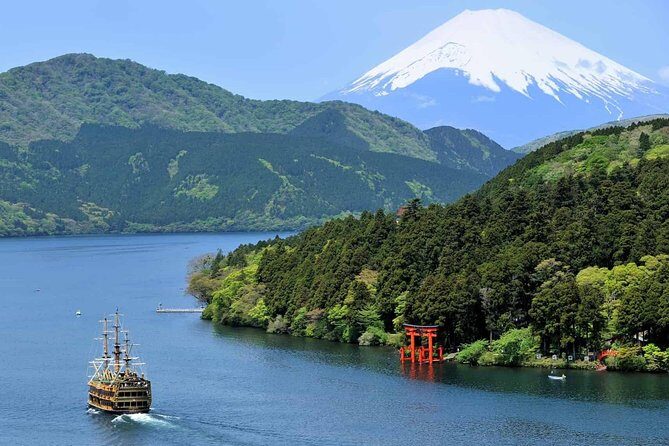
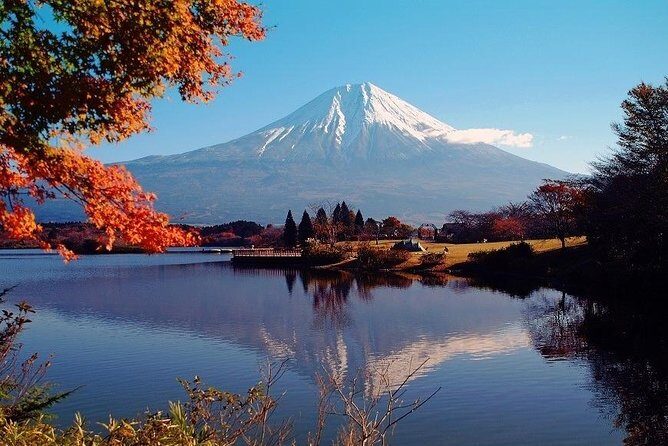
- Mt Fuji-ready viewpoints, especially around Lake Ashinoko
- Volcanic Hakone time at Owaku-dani with steam and sulfur (plus an optional research trail)
- Art and museum options from open-air sculpture to a stained-glass staircase
- Private format for your group, not a shared bus ride with strangers
More Hakone loops, ropeways and lake crossings
- Mt Fuji & Hakone Cruise, Drum Show Bullet Train 1 Day from Tokyo★ 4.0 · 7,413 reviews
- Tokyo Mt Fuji 5th St & Hakone Cruise Bus Tour w/Bullet Train★ 4.4 · 5,024 reviews
- Tokyo: Mt. Fuji Tour, Hakone Ropeway, Owakudani, Lake Ashi★ 4.7 · 4,002 reviews
Why Hakone is a standout day trip from Tokyo
Hakone is one of those places where a day feels like two different trips. You start in the Tokyo orbit, then you’re soon surrounded by hills, hot-spring culture, and lookout points where Mount Fuji can show up like a movie cue.
What makes it a smart day trip is how the area works in layers. You can build your itinerary around classic scenery (Lake Ashinoko), a shrine stop for pacing and photos, volcanic activity for a more dramatic mood, and then museums or gardens when you want a break from outdoor walking.
Also, you don’t need to be an expert to enjoy Hakone. If you can handle basic transit in your own country, you can handle this—especially because you’re traveling with a guide who can translate the chaos into a simple plan. The tour is designed for exactly that: helping you get the value out of the region without needing to understand every Japanese sign.
Private, government-licensed guide: what you gain on day-of
This tour is private, meaning only your group participates. That matters because Hakone timing is real—ropeways run on schedules, viewpoints can change quickly with clouds, and transit connections can stack up.
I like that the guide isn’t just a friendly companion. The tour is described as using a government-licensed local English guide, and feedback specifically calls out planning detail. For example, Yoshi is praised for handling trains to and from Hakone and the internal transportation plan. Nobu gets credit for making a day with many transport changes feel easy, with a smooth sequence of transfers.
Even better: you’re not forced into a rigid route. Instead, you pick about 3-4 sights from the options, so you can steer toward what you actually care about—Fuji views, hot-spring volcanic scenery, art museums, or a quieter temple/garden moment.
One practical note: this is a walking tour and pickup is on foot within a designated area of Tokyo. You may meet your guide at your hotel (or another meeting point like the port or airport), but don’t expect a driver to whisk you around in a private vehicle. If you’re carrying heavy bags or you’re tight on mobility, it’s worth thinking ahead.
Price and value: what the $279 really covers
Let’s talk value plainly. At $279.17 per person, you’re paying for a private, government-licensed English guide plus a customizable plan for about 10 hours. What you are not paying for is the full travel cost of getting there and doing every admission-heavy stop.
Here’s the split:
- Included: licensed local English guide, customizable selection of 3-4 sights, and meeting your guide within a designated Tokyo area (on foot).
- Not included: your Tokyo round-trip train ticket (about 5,000 JPY for yourself, approximate), transportation inside Hakone (you may pay fares depending on your route), most admission fees, lunch, and personal expenses.
- Also not included: Hakone Freepass (so don’t assume this ticket is automatically bundled).
So is it worth it? In my view, it’s worth it when at least one of these is true:
- You want a private format and don’t want to manage transit stress alone.
- You’re trying to hit 3-4 high-value sights efficiently, especially around Fuji and the volcanic zone.
- Your group values someone coordinating timing so you’re not gambling on train schedules.
If you’re traveling solo, super budget-focused, or already confident with Hakone transit and museum ticketing, a DIY plan can be cheaper. But the guide cost is basically buying you time, clarity, and less friction. And in Japan, less friction is sometimes the difference between a fun day and a mentally tired one.
Picking your 3-4 stops: build a Hakone day that makes sense
The itinerary list is long, but the tour is designed so you don’t have to do everything. You’re choosing roughly 3-4 sights, which is the right number for a day that includes travel time plus actual walking.
A simple way to choose:
- Choose one “big scenery” anchor (Lake Ashinoko is the obvious pick).
- Choose one “Hakone identity” stop (Owaku-dani / geothermal area).
- Choose one “inside time” stop (open-air art museum or a private art museum).
- Add a pacing stop if time allows (shrine, temple, park, or gardens).
This matters because Hakone isn’t a straight line. You’ll be moving between areas like Lake Ashinoko, volcanic viewpoints, and spots around Gora/Sengokuhara. With only 3-4 stops, your guide can keep the day flowing instead of hopping randomly.
If Mount Fuji is your main goal, you’ll want to prioritize viewpoints that frame it. If you care more about art and design, swap one scenery stop for a museum slot. And if you like a slower day, pick the shrine/temple/garden combo to balance the steam-and-sulfur intensity.
More days made easy by a guide


Lake Ashinoko and Hakone Shrine: calm Fuji-card moments
Stop 1: Lake Ashinoko (about 10 minutes)
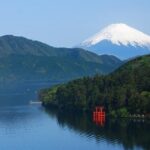
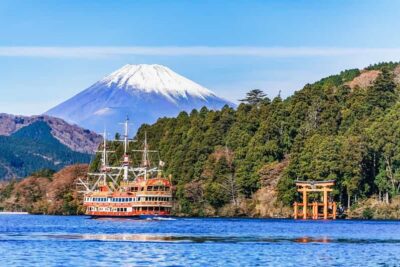
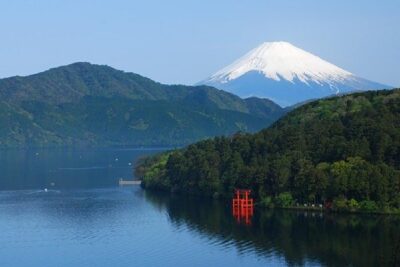
Lake Ashinoko sits in Hakone’s volcanic caldera history, and today it’s the classic “Fuji in the background” symbol people come for. Even when Fuji is partially obscured, the lake atmosphere tends to feel open and airy, which gives your day a reset.
The time listed is short, so think of this as a photo-and-take-in-the-view stop rather than a long paddle adventure. If you’re selective, make sure this is one of your chosen 3-4 stops.
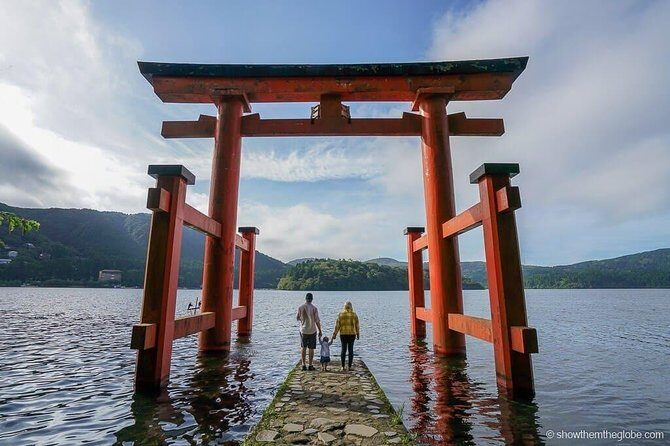
Stop 2: Hakone Shrine (about 30 minutes)
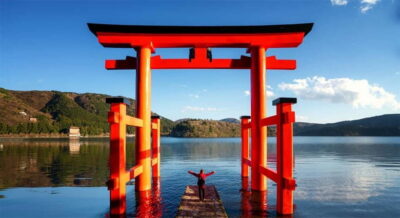
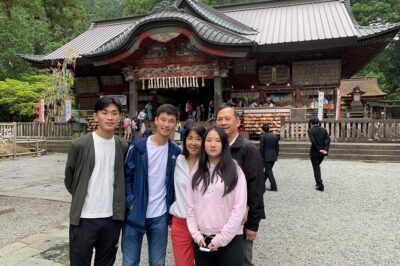
Hakone-jinja Shrine is a quiet place of worship with history stretching back more than 12 centuries. The buildings have been destroyed and rebuilt over time, so it’s not preserved as one single era. That’s part of what makes it feel real instead of museum-like.
If you’re worried about the day feeling too “transport-heavy,” the shrine is a good pacing break. It also offers a different mood than the volcano zone—more calm, less fumes.
Downside to consider: like many Japan landmarks, it can be popular depending on the day. If your group hates crowds, you’ll want your guide to time this smartly within the route you select.
Ropeway and Owaku-dani: steam, sulfur, and the best kind of weather dependence
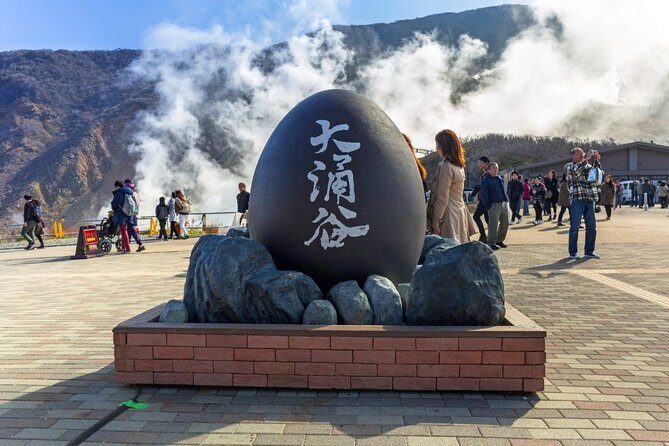
Stop 3: Hakone Ropeway (about 30 minutes)
This ropeway connects Sounzan Station and Togendai Station as part of the Hakone Round Course. It’s a common way to move between viewpoints and get a “from above” feel.
But the ticket isn’t included. So it’s a paid add-on you’ll plan for, depending on which sights you choose. If you’re staying cost-sensitive, you can still build a great day without it.
Stop 4: Owaku-dani Valley (about 45 minutes)
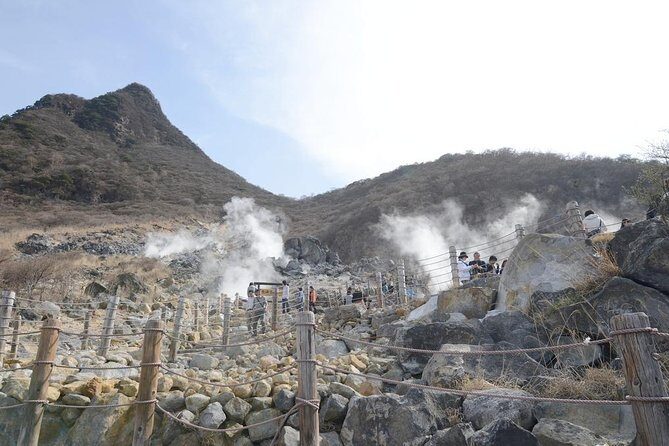
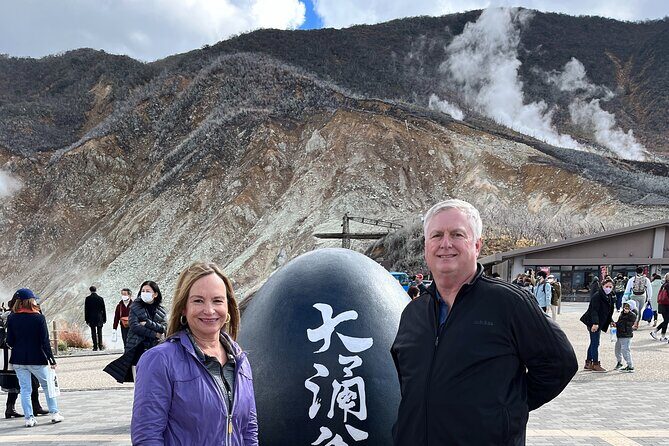
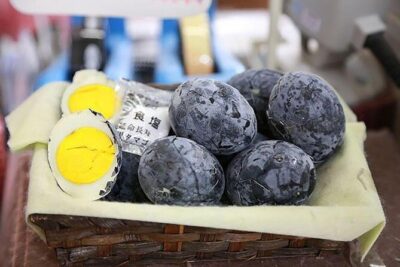
This is the volcanic engine of Hakone. It powers hot-spring culture in the region, and it’s famous for the black boiled eggs often associated with longevity. Even if you don’t buy the eggs, the whole area has that unmistakable geothermal mood—steam, mineral smells, and raw nature energy.
Why I like it: it’s Hakone’s identity in one stop. You’re not just seeing things; you’re experiencing the reason the area exists.
Stop 16: Owakudani Nature Research Trail (40 minutes, reservation + 800 yen fee)
This option is more specific: a walking trail through an active volcanic area, with close-up looks at geothermal activity. The big consideration is that advance reservation is required, and there’s an 800 yen entrance fee.
Choose this if you like getting closer to the action and your group is comfortable with active-area walking. Don’t choose it if you’re short on time or don’t want extra planning steps.
Weather reality: volcanic areas and mountain viewpoints depend a lot on visibility. If clouds roll in, you might get less Fuji framing. The upside is that Hakone still feels interesting—steam still does its job.
Museums in Hakone: when art becomes the easy plan
Hakone has an unusual strength: you can take breaks from outdoor walking with art and design stops that still feel very Japanese. The tour’s museum options are great choices when you want indoor time or you’re traveling with mixed-interest companions.
Stop 5: POLA Museum of Art (about 30 minutes)
This museum displays a private art collection connected to the POLA group. The time window is short, so it’s best treated as a focused hit rather than a deep study.
Stop 6: Okada Museum of Art (about 30 minutes)
A privately-owned museum covering art from antiquity to modern eras, opened in 2013. If your group likes variety across time periods, this is a good choice.
Stop 8: Hakone Open-Air Museum (about 2 hours)
This is one of the big time commitments, and it’s worth respecting that. It’s described as the most famous art museum in Hakone, and one standout feature is a stained-glass staircase. If you choose this stop, consider it the “anchor” that shapes your route.
Trade-off: two hours is long in a day that also includes travel. If your group prefers tighter pacing, you may want shorter museums instead.
Stop 10: Hakone Museum of Art (about 30 minutes)
Located in Gora and founded by Okada Mokichi in 1952. The museum’s sister museum is the MOA Museum of Art in Atami City (on the Izu Peninsula). This is a solid option if you want a clean, traditional museum-style stop.
Stop 15: Narukawa Art Museum (about 10 minutes)
A contemporary art museum dedicated to nihonga, or Japanese-style painting. The short time makes it ideal as a filler choice when you’re trying to keep the day balanced.
One caution across all museums: admission isn’t included for these stops. So your group should be ready for ticket purchases even though the guide is handling routing and timing.
Temples, botanic gardens, and parks for a slower pace
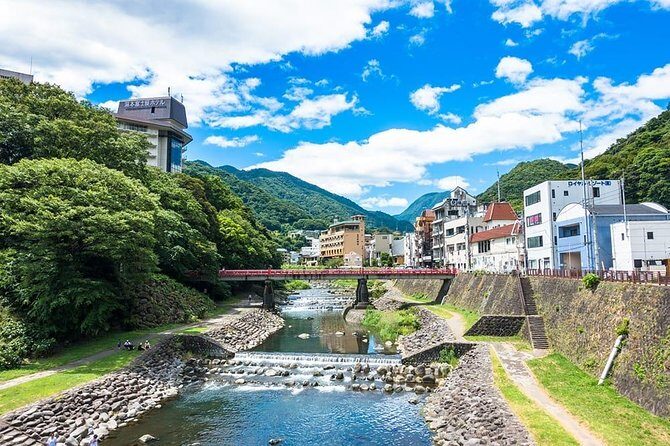
Not every Hakone moment needs to be dramatic. These stops help you slow down, breathe, and reset between transit legs.
Stop 2 already covered: Hakone Shrine (30 minutes)
It’s the calmer faith stop that works as a natural break.
Stop 9: Choanji Temple (about 30 minutes)
A Soto school Zen temple established in 1356, set in a quiet area at the base of a hill in the Sengokuhara region. The atmosphere is the point here, not speed. If you like quiet spaces and you want photos without volcanic heat, choose this.
Stop 11: Hakone Shisseikaen (about 30 minutes)
This is a botanical garden of wetlands in the highlands of Fuji Hakone Izu National Park. Founded in 1976 to preserve and showcase plants. It’s the kind of place where the pace naturally slows because you’ll want to look at plant details.
Stop 12: Dollhouse Museum Hakone (about 1 hour)
A quirky museum with dollhouses from around the world. It’s ideal for miniature lovers and can be a fun change of pace if the rest of your day is temples and steam.
Stop 13: Gora Park (about 30 minutes)
A western-style landscape park on the steep slope above Gora Station, made for views and unwinding. The walking paths feel like part of the experience, not just the setting.
Stop 14: Hakone Venetian Glass Museum (about 30 minutes)
Located at Hakone Glass no Mori, with Italian-styled buildings, a museum and shops, plus a garden with a canal-like pond. If your group loves design objects or you want a visually memorable stop without long lines, this can be a great pick.
Stop 7: Sengokuhara (about 30 minutes)
A field known for long pampas grass, most beautiful in fall. Even if your visit isn’t in fall, it can still be a pleasant, open-air break between busier stops. If seasonal beauty is your goal, talk to your guide about whether it fits your timing.
How the day flows: transit, timing, and choosing the right mix
A Hakone day can involve lots of moving parts: train segments, cable/ropeway connections, and local routes. What you’re buying with the private guide is the ability to keep those moving parts from turning into stress.
The tour is built as a full day (about 10 hours), but your actual sightseeing time depends on your 3-4 selection. That’s why I treat the itinerary like a menu, not a schedule.
Here’s how I’d plan for efficiency:
- Start with a priority sight first (Fuji framing at Lake Ashinoko or the volcanic core at Owaku-dani).
- Pair a nature stop with a pacing stop (shrine/temple) so the day doesn’t feel like constant walking.
- Add one museum if your group likes indoor time; otherwise, trade museum time for parks or gardens.
One more point: guide entry fees are only covered for sights listed under what to expect. Since many museums and attractions show as “not included,” you should expect to pay for admissions yourself at several stops.
As for transport inside Hakone, the guide helps set up the route and timing, but transportation fees aren’t included. I like this setup because it keeps the itinerary flexible. It just means you should budget a little and keep spare cash or a reliable way to pay.
The guide factor: what the best reviews have in common
The strongest praise is consistent: the guide is the product. In feedback, Michio is called perfect. Yoshi is praised for excellent planning, including trains to and from Hakone and optimal transport connections within the region. Taka is described as an expert with deep Hakone knowledge and leadership in the Hakone tour guide association. Nobu gets credit for handling a route with many transport changes smoothly. Yasuko is linked to a satisfying Mount Fuji moment, which tells me the timing was worked well.
That’s the practical value: not just facts, but order. Hakone is beautiful, but it doesn’t hand you a simple day by itself. A good guide turns it into something you can enjoy without constant “wait, which platform?” moments.
Balance check: there is at least one negative report about pickup not arriving on time and a refund issue still being processed. I wouldn’t ignore that. If you book, be sure your contact details are correct and confirm meeting plans before the day starts. Still, with a 4.7 rating and 95% recommended in the feedback summary, the overall pattern points to reliable execution.
Should you book this Hakone private tour?
I’d book this Hakone full-day private tour if you want:
- a private, government-licensed English guide who can handle the “how do we get there?” part
- a chance to build a day around Mount Fuji views and Hakone’s volcanic personality
- flexibility to choose about 3-4 sights based on your group
I wouldn’t prioritize it if:
- you only want one or two sights and plan to DIY everything else
- you’re counting pennies and don’t want to add museum/ropeway admissions and lunch on top
- your group expects a private vehicle (this tour is not that)
If your goal is a smooth, high-quality Hakone day without language friction, the guide-led format is the real value. You’ll spend more time looking at Hakone and less time sorting transit puzzles—exactly what a day trip should feel like.
FAQ
How long is the Hakone full-day private tour?
The tour runs for approximately 10 hours.
Is this tour private or shared with other groups?
This is a private tour/activity. Only your group will participate.
Where do we meet the guide?
You can meet the guide at the port, airport, or your Tokyo hotel. The tour notes that pickup is on foot within a designated area of Tokyo.
What is included in the tour price?
Included are the licensed local English speaking guide, a customizable tour of about 3-4 sites, and meeting your guide in the designated Tokyo area. Guide entry fees are only covered for sights listed under what to expect. Meals, transport tickets, and admissions are not included.
Do I need to pay for train tickets from Tokyo?
Yes. Round-trip train tickets from Tokyo are not included and are listed as approximately 5,000 JPY for yourself.
Are ropeway and museum tickets included?
No. For example, the Hakone Ropeway ticket is not included, and many museums listed (such as POLA Museum of Art and Okada Museum of Art) are also not included. The Owakudani Nature Research Trail requires advance reservation and an 800 yen entrance fee.
What is the cancellation policy?
Free cancellation is available up to 24 hours in advance for a full refund. If you cancel less than 24 hours before the start time, the amount paid is not refunded.
More Tours in Tokyo




More Tour Reviews in Tokyo




Hakone, Three More Ways
Fresh reviews from around Tokyo






Hakone Day Trips, compared.
 ★ 4.0Mt Fuji & Hakone Cruise, Drum Show Bullet Train 1 Day from TokyoFrom $1497,413 reviews
 ★ 4.4Tokyo Mt Fuji 5th St & Hakone Cruise Bus Tour w/Bullet TrainFrom $1545,024 reviews
 ★ 4.7Mt. Fuji Tour, Hakone Ropeway, Owakudani, Lake AshiFrom $544,002 reviews
 ★ 5.0Private Tour to Mt. Fuji and Hakone (Fully Licenced Operator)From $4971,910 reviews
 ★ 4.0Mt Fuji & Hakone Cruise, Drum Show Bus 1 Day from TokyoFrom $1221,287 reviews
 ★ 4.2From Tokyo: Mt. Fuji & Hakone Tour w/ Return by Bullet TrainFrom $1171,278 reviews
 ★ 4.5Mt. Fuji & Hakone Private Day Tour with English-Speaking DriverFrom $453824 reviews
 ★ 4.2Hakone Fuji Day Tour w/ Cruise, Cable Car, VolcanoFrom $98724 reviews
Browse the lists this tour appears in