
Reviewed · SUMO SHOWS
Grand Sumo Tournament Tokyo – Osaka – Nagoya
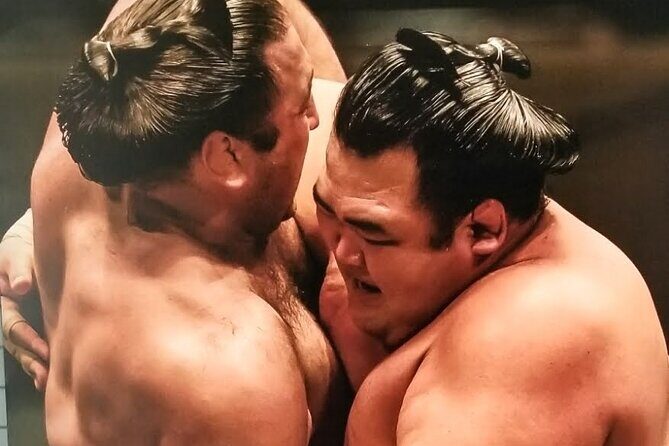
Sumo gets loud fast. And when it does, you’ll feel it in your chest. This ticket-first experience takes you to the Grand Sumo Tournament at the big arena in Tokyo (with other cities available), so you can watch local fans cheer, chant, and react to every clash up close.
I like the fact that admission is included, so you’re not spending extra time hunting for the right ticket. I also like how the experience is designed to be straightforward: you get your paper ticket, show up, and focus on the match day atmosphere. One thing to consider: the price is high, and sold-out tournaments can mean the seat you get is priced like a hot commodity.
If you want the easiest day, build in time before your match start so you can find your seat and get your bearings. And if you’re picky about seating, check whether the seat upgrade option is worth the extra cost for your exact session.
In This Review
- Key points I’d focus on
- What you’re really seeing: a Grand Sumo day at Ryōgoku
- Price and logistics: why it costs $946 and what you’re paying for
- Finding your seat: arriving early is part of the plan
- The match day flow: what happens before the bout
- Optional seat upgrades: how to choose without overpaying
- Tokyo, Osaka, or Nagoya: what changes when you switch cities
- Paper ticket reality: small detail, big payoff
- Who this is best for (and who should think twice)
- Practical checklist for a smoother sumo outing
- Should you book this Grand Sumo tournament experience?
Key points I’d focus on
- Small group limit (max 20) keeps the day from feeling chaotic.
- Admission included means less last-minute stress.
- Optional seat upgrades can be a big difference for sightlines.
- Paper tickets are simple, but you should keep them dry and secure.
- Food and pre-match energy make arriving early worthwhile.
- Higher pricing for sold-out dates is the trade-off for access.
More chances to sit ringside
- Tokyo: Sumo Show and Dining Experience★ 4.8 · 2,742 reviews
- the SUMO show★ 5.0 · 1,960 reviews
- Tokyo Shinjuku Sumo Show & Experience with Photo★ 5.0 · 1,750 reviews
What you’re really seeing: a Grand Sumo day at Ryōgoku
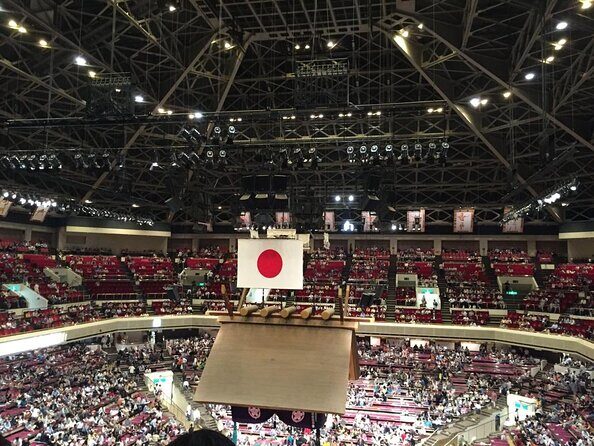
At the Ryōgoku Kokugikan area in Tokyo, sumo isn’t a quiet sport. It runs like a major league event, with fans treating every bout as something worth showing up for. You’ll see the ceremonial rhythm before the wrestling even starts, and then the momentum shifts—fast—into power, speed, and sudden endings.
The biggest payoff for many people is cultural context. Sumo is Japanese tradition with rules that are easy to follow once you know what to watch: who’s entering, what gestures mean, and why the crowd gets so vocal at specific moments. The result is that the match feels less like random sport viewing and more like you’re watching a live ritual with athletic drama attached.
Price and logistics: why it costs $946 and what you’re paying for
At $946 per person, this isn’t a bargain ticket. The value is in getting access. Grand Sumo tournaments can sell out, and hard-to-find seats are exactly where pricing jumps.
You may notice a mismatch between a ticket’s face value and what you actually pay through an agency. That’s often the reality of sold-out demand: if the best available seats are gone, pricing shifts to reflect rarity. If you’re coming in with a strict budget, expect some sticker shock and decide early how much you care about seat location.
Also note what you’re not buying here: transportation is not included. So your real cost isn’t only the tour price—you’ll add local transit or taxi time to reach Ryōgoku (or your chosen city’s arena). The upside is the schedule stays tight and simple since you’re not stuck on a long transfer.
Finding your seat: arriving early is part of the plan
Even when your ticket is correct, seats can be tricky at first. A good approach is to arrive early enough to get oriented, locate the entrance for your section, and settle in without rushing.
Why this matters: sumo match days have a lot happening around the venue. People often look for a chance to see sumo stars out front, and the area tends to feel like game day—food stalls, chatter, and that pre-bout buzz. If you arrive late, you’ll still catch the wrestling, but you’ll miss the build-up that makes the day feel special.
If you can, treat the day like you’re going to a stadium show, not a museum. Give yourself breathing room. Then enjoy the walk, the snacks, and the crowd noise.
The match day flow: what happens before the bout
Most sumo experiences are about the main event—the wrestling. But the atmosphere builds before that. In this style of event, you’ll typically spend time in the arena area learning what to look for and then heading into the seating bowl.
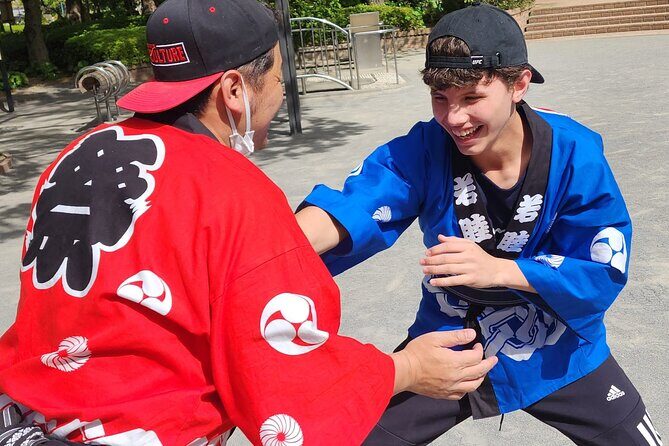
Some versions of this experience include time with staff who explain the rituals and rules, and you may get extra context on what’s happening when you see the ring and ceremonial steps. People also mention an interactive, friendly vibe, including light play-bout moments with faux sumo-style action and simple guidance so you understand the sport as you watch it.
One important note: the event is described as a ticket-only setup with no tour guide. At the same time, the operator’s staff names show up repeatedly in real-world experiences (including Ken and Shin). In practice, I’d expect at least some assistance or communication around what to do next, even if you’re largely self-guided once you’re inside.





Optional seat upgrades: how to choose without overpaying
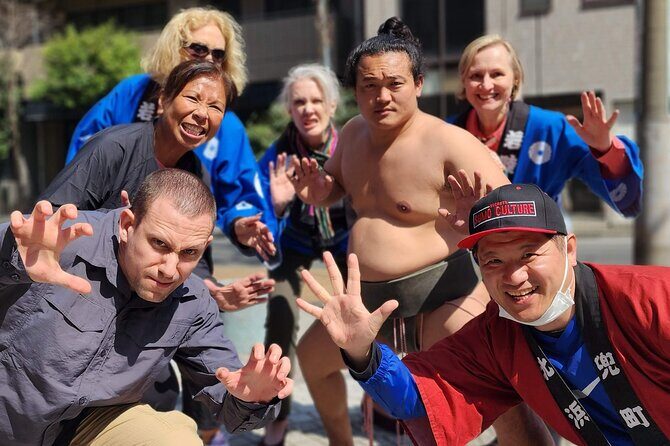
Seat upgrades can matter a lot in sumo. Close seats can give you better “read” on movement and body control, while higher sections can still be fun if you’re focused on the big picture and don’t mind smaller details.
Here’s a practical way to decide:
- If you’re seeing a single tournament day and you care about fully understanding the sport, paying for better sightlines often feels worth it.
- If you’re going for the atmosphere and you’re flexible on where you sit, you may be okay with standard admission and focus on cheering and ceremony.
Keep in mind that upgrades cost extra, and sold-out dates can push overall pricing up fast. If you’re comparing options, compare like with like: section location and view angle, not just the fact that it’s “better seats.”
Tokyo, Osaka, or Nagoya: what changes when you switch cities
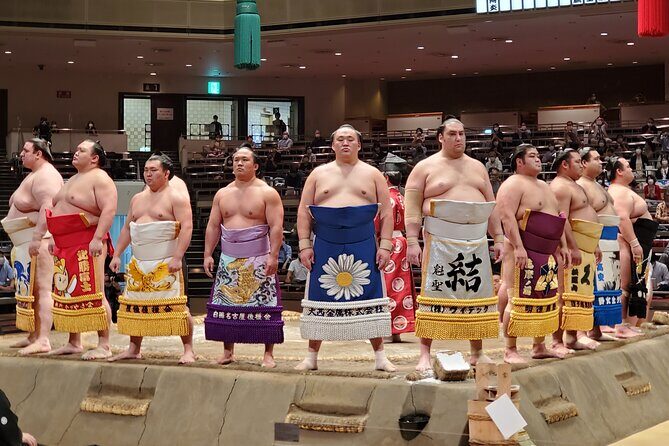
The experience is built around seeing a live Grand Sumo Tournament in Tokyo, Osaka, or Nagoya. That’s a real benefit if you’re already building an itinerary across Japan.
What changes by city:
- The venue and the exact entrance flow will differ.
- Your meeting point details may be city-specific; the provided meeting point address is for Tokyo near the Ryogoku area.
- Your seat-finding experience can vary depending on the arena layout and how your ticket information maps to the seating section.
A practical warning from real-world experiences: ticket details can be incorrect for some city formats. If you’re in Osaka or another city option, plan to double-check your ticket wording on arrival and ask on-site staff for help locating your exact seats. The venue tends to have people available to assist once you’re there.
Paper ticket reality: small detail, big payoff
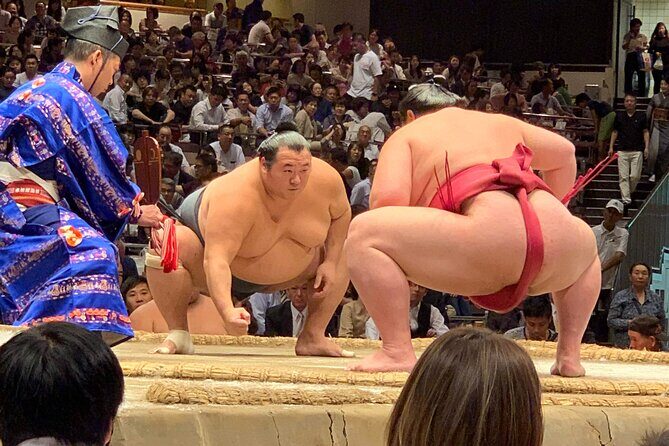
You get a paper ticket, which sounds old-school until you’re standing in Japan with a phone battery at 3%. Paper is easy in one way: there’s nothing to load or refresh, and you can hand it over quickly at entry.
The trade-off is obvious: keep it safe. Fold it carefully, keep it dry, and don’t leave it loose in a pocket with your receipts and spare change.
Because this is a timed, event-entry situation, treat ticket handling like you would a concert ticket at a busy venue: know where it is, and don’t wait until the last second to find it.
Who this is best for (and who should think twice)
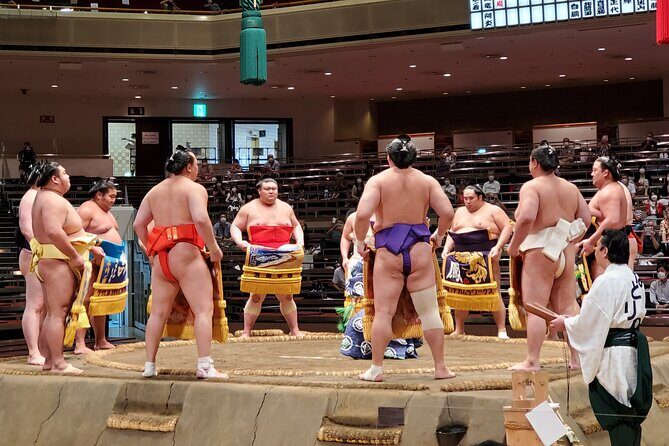
This works best if you:
- Want a front-row-style cultural sports experience without trying to solve ticket puzzles on your own.
- Like the idea of learning the rules and rituals enough to enjoy the match, not just watch bodies collide.
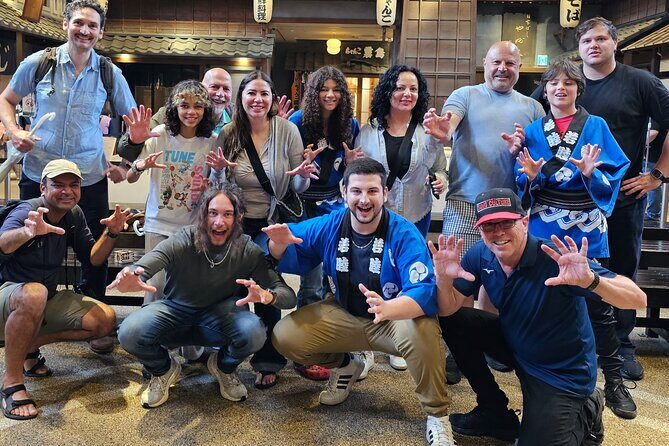
- Travel with a small group dynamic (the cap is 20 people), so the day feels organized.
Think twice if you:
- Are extremely price-sensitive. At $946, you’re paying for access and convenience, and sold-out demand can make this expensive compared with what you might see for other dates.
- Care more about bargain shopping than seating location or ceremony context.
- Prefer fully guided, step-by-step accompaniment throughout the day. The format is described as ticket only, even if staff help and explanations may happen before you enter.
Practical checklist for a smoother sumo outing
Here’s how I’d set you up for a calmer, happier match day.
- Plan to arrive early enough to find your section and still enjoy the pre-bout scene.
- Bring a jacket or layer. Arena temperatures can be unpredictable once you’re sitting still.
- Keep your paper ticket somewhere secure and easy to grab.
- If you’re upgrading seats, treat that choice as part of your experience—not just a bonus.
- Expect that entry and seat navigation can take a few extra minutes at first, especially in a large arena.
Should you book this Grand Sumo tournament experience?
If your priority is seeing a live Grand Sumo tournament in Japan—without the stress of hunting sold-out tickets—then this is a solid buy. The strongest reason to book is simple: you’re purchasing access to a top-tier sporting event that many people struggle to see as an out-of-country visitor.
I’d book it especially if you can live with the price and you’ll show up ready to arrive early, find your seat, and absorb the match-day energy. If you’re buying for a first-time sumo fan, the ceremony context and practical help around rituals can turn the bouts into something you actually understand.
But if $946 feels too steep, or if you want a guaranteed all-day guide in every city option, you should compare seat categories carefully and confirm what support looks like for your specific tournament date and city.
In short: if you want the real sumo atmosphere and are okay paying for that access, this is a strong match for your Japan trip.
More Tour Reviews in Tokyo



More Mornings with the Wrestlers
Fresh reviews from around Tokyo






Sumo Shows, compared.
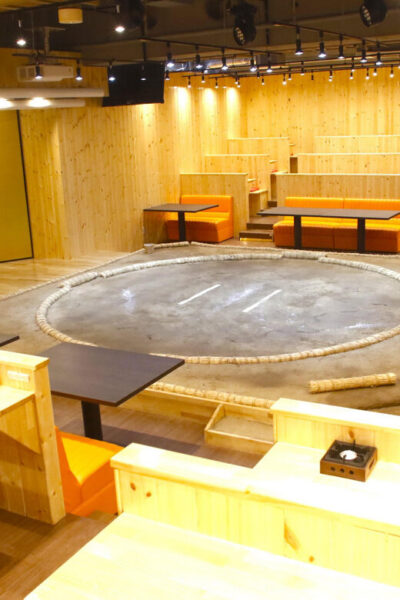 ★ 4.8Sumo Show Experience with Chicken Hot Pot and a PhotoFrom $1036,678 reviews
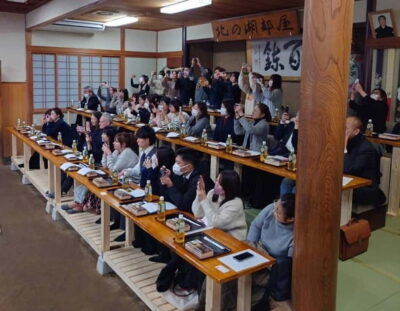 ★ 4.8Sumo Show and Dining ExperienceFrom $792,742 reviews
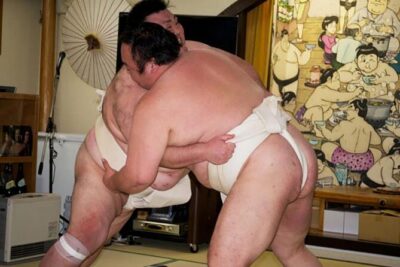 ★ 5.0the SUMO showFrom $891,960 reviews
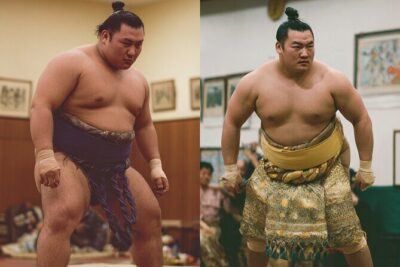 ★ 5.0Tokyo Shinjuku Sumo Show & Experience with PhotoFrom $791,750 reviews
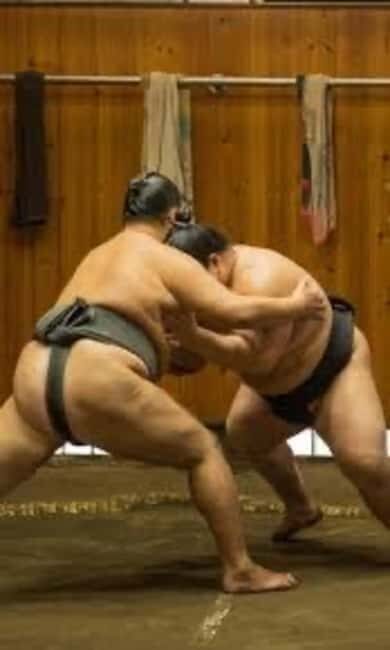 ★ 4.8Sumo Show and Experience in ShinjukuFrom $691,001 reviews
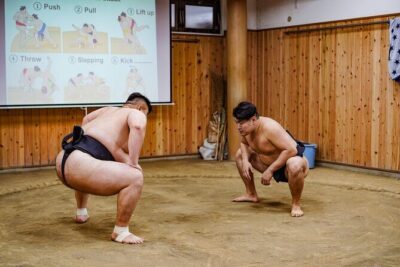 ★ 5.0Authentic Sumo Experience in Tokyo: Enter the SanctuaryFrom $171603 reviews
 ★ 4.8Tokyo Sumo Experience: Chanko & Mochi with a Former ProFrom $103567 reviews
 ★ 5.0Ultimate Sumo Tournament: Tokyo, Osaka, Nagoya, FukuokaFrom $184468 reviews
Browse the lists this tour appears in