
Reviewed · ASAKUSA TOURS
Get to know the secret of Asakusa! Shrine and Temple Tour
Asakusa has a second life.
This private tour focuses on the area’s religious side, not just photos. You’ll hit the key shrines and temples tied to the Seven Gods of Fortune, learn how those beliefs shaped daily life in Japan, and collect stamps as you go.
I especially like two things. First, the tour feels tailor-made for your group thanks to the private format and the guide who can flex the route. Second, the stamp souvenir turns each stop into a mini-mission, so you’re paying attention instead of speed-walking.
One drawback to plan for: the main stops are free, but you’ll still want budget for the meal stop (Ishihama Teahouse) and any optional extras. On top of the tour price, that can add up if you’re hungry or tempted by add-ons.
In This Review
- Key highlights worth planning for
- What makes Asakusa’s Seven Gods route more than a checklist
- Meeting at Asakusa Station and getting your bearings fast
- Stop 1: Honryuin Matsuchiyama Shoden for health, harmony, and business luck
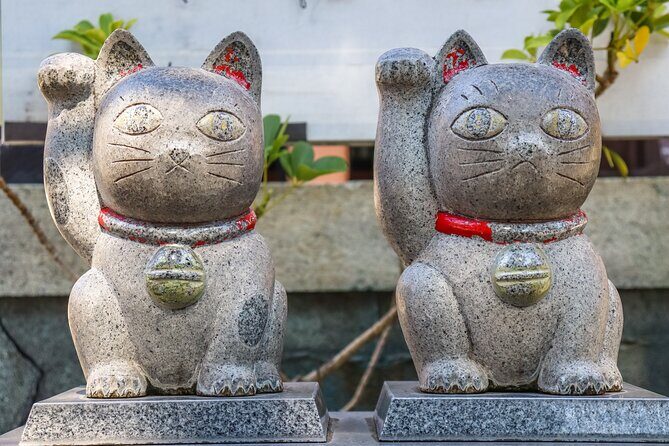
- Stop 2: Imado Shrine and the Maneki Neko birthplace feeling
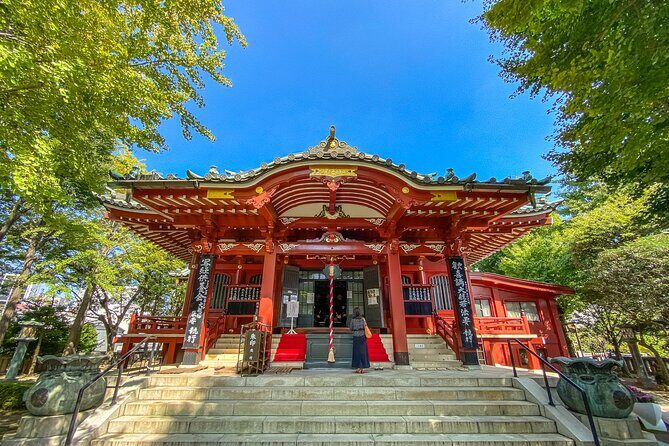
- Stop 3: Hashiba Fudoson for Edo-period architecture vibes
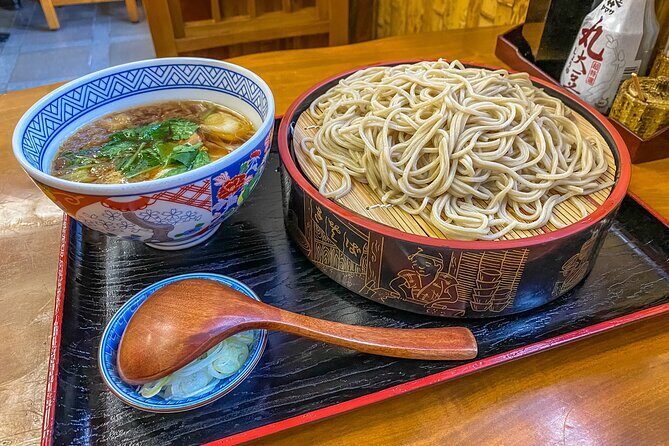
- Stop 4: Ishihama Teahouse for a meal inside shrine grounds
- Stop 5: Yoshiwara Shrine for Benzaiten and women’s luck
- Stop 6: Otori Shrine and the rooster market rake lore
- Stop 7: Asakusa Shrine and Ebisu before Senso-ji’s big moment
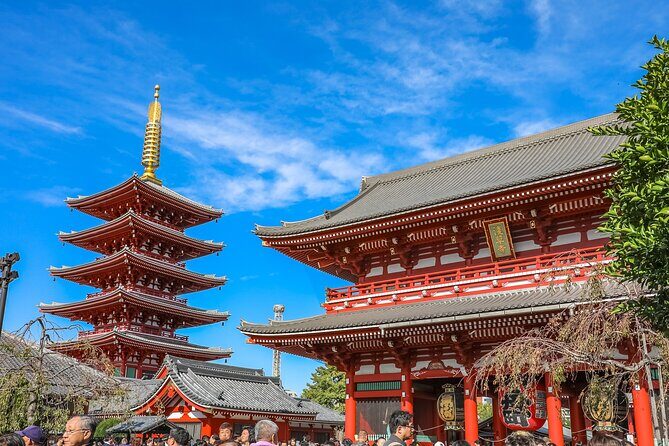
- Stop 8: Senso-ji Temple and the red-lantern center stage
- Stop 9: Nakamise Shopping Street for snacks and souvenirs with a plan
- Price and value: how $103.92 stacks up against your actual spend
- The guides are the secret sauce, and the reviews prove it
- Who should book this Asakusa secret tour
- Should you book this tour?
- FAQ
- What is the duration of the Asakusa shrine and temple tour?
- Is this a private tour?
- What souvenirs do I collect during the tour?
- Are entrance fees included?
- What happens if I’m on a Wednesday?
- Where is the meeting point?
- Can I change where the tour ends?
- Can I cancel for a full refund?
Key highlights worth planning for
- Seven Gods of Fortune route across 7 shrines and temples, with stop-by-stop meaning
- Stamp souvenir collected along the way, making the day feel like a quest
- Private guide for your party, with real story-telling and photo help from guides like Nanako and Kazumi
- Maneki Neko origin at Imado Shrine, plus luck themes tied to specific deities
- Edo period architecture and rituals you’ll notice more once your guide points them out
- Nakamise Shopping Street time to snack and buy souvenirs without wandering blindly
More mornings around Senso-ji and the old town
- Tokyo: Japanese Dance Cabaret Theater Asakusa-Kaguwa Ticket★ 4.8 · 2,270 reviews
- Tokyo: Asakusa Walking Tour with Sensoji Temple Visit★ 4.8 · 1,583 reviews
- Tokyo Asakusa Rickshaw Tour★ 5.0 · 1,375 reviews
What makes Asakusa’s Seven Gods route more than a checklist
Asakusa is famous for Senso-ji and the big red lantern. But this tour nudges you to look at the neighborhood differently: through belief, luck, and the kind of everyday hopes people carried around in the Edo period.
The big idea is the Seven Gods of Fortune, a set of deities that show up in prayers for health, business, relationships, art, and luck. Instead of hearing one general story about Asakusa, you get a new thread at each stop—who you’re praying to, what people ask for, and why that matters in how the sites look and feel today.
You’ll also walk with a guide who can explain the symbols, not just name the buildings. In the reviews, that came through again and again. People praised guides like Nanako, Kazumi, Eric, and Harada Taketsugu (listed as Tom Harada in one place) for making the day make sense and for staying helpful even when the weather got messy.
That “make sense” part matters. Asakusa can feel layered and crowded. With a plan and someone reading the meaning off the stone, you’ll actually understand what you’re seeing.
Meeting at Asakusa Station and getting your bearings fast
Your tour starts at Asakusa Station, 1-chōme (Asakusa, Taito City). It’s near public transportation, which helps because you’re starting in the heart of the action.
What I like about this setup is that you don’t spend the first half-hour trying to coordinate yourself. You get oriented right away, and the route is built so you’re moving logically from shrine to temple to shopping street.
Also keep in mind the tour is private—meaning it’s only your party. That’s important in Asakusa, where a group tour can turn into a shuffle. Here, your guide can manage pacing and offer quick tips without losing the rest of the crowd.
The tour time is about 5 hours 30 minutes. That’s long enough to feel like a real day out, but short enough that you’re not stuck in one place all afternoon.
Stop 1: Honryuin Matsuchiyama Shoden for health, harmony, and business luck
You’ll start at Honryuin Matsuchiyama Shoden. This temple is associated with prayers for health, good relations, marital relations, and prosperous business. Your guide will connect those themes to the deity worshipped here, Bishamonten, one of the Seven Gods of Fortune.
Why this stop works: it gives you the “rules” for the day. Once you understand how the deities link to real goals—well-being, relationships, work—you’ll be better at spotting why each next site is arranged the way it is.
The timing is about 25 minutes, and admission is listed as free for this stop. It’s enough time to look around, listen to what the guide explains, and still keep momentum for the rest of the loop.
Stop 2: Imado Shrine and the Maneki Neko birthplace feeling
Next is Imado Shrine, about 20 minutes. This is where the tour taps into one of Asakusa’s most playful symbols: the maneki neko (the beckoning cat).
Here’s the key detail to listen for: the shrine is described as the birthplace of maneki neko, and you’ll see those cats everywhere. This isn’t just a marketing point. It’s tied to luck themes, including the idea that many female worshipers come for marriage good fortune.
Practical tip: watch what’s around you as you walk in. Instead of treating maneki neko as souvenirs, try to read them as part of the shrine’s story. Your guide should point out what to notice, and that changes the whole experience.
Admission is free for this stop, which keeps you from feeling like you’re constantly paying to access the next piece of the puzzle.





Stop 3: Hashiba Fudoson for Edo-period architecture vibes
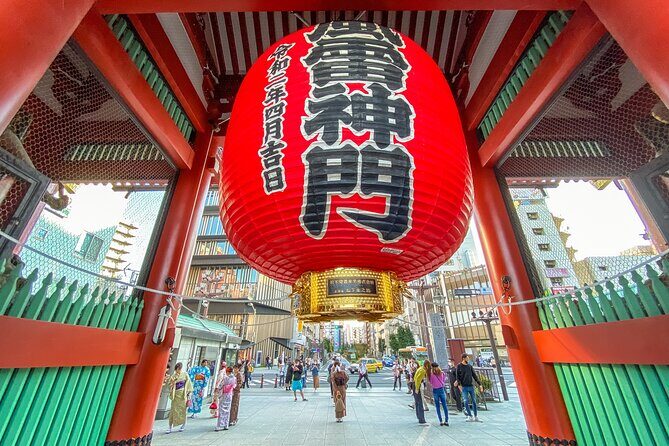
You’ll move to Hashibafudoson for about 15 minutes. The appeal here is the contrast: it’s described as small and simple, and that simplicity is exactly what makes it feel different.
This temple is linked with Hotei-son, the deity of good fortune. It’s also specifically called out for showing the beauty of Edo period architectural style. Even if you’re not an architecture nerd, your guide can help you spot the features that make it feel older than the surrounding urban scene.
A good consideration: it’s a shorter stop. So if you want long quiet time, this might not be the place. It’s built to keep the whole 7-site route moving smoothly.
Stop 4: Ishihama Teahouse for a meal inside shrine grounds
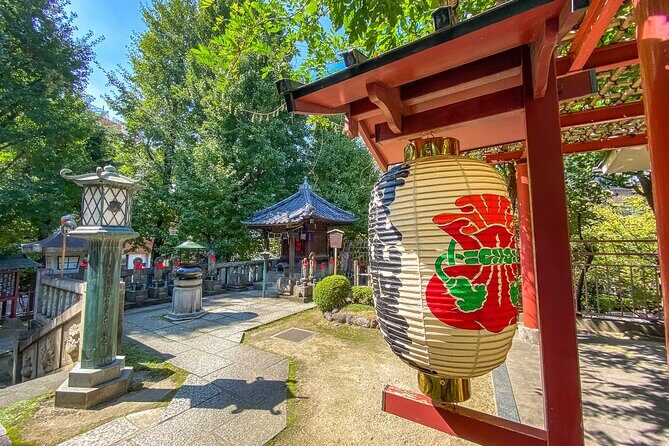
Then you get a breather with Raku Ishihama Teahouse, around 40 minutes. This is a restaurant located within the grounds of Ishihama Shrine, and it’s known for menu options like tempura bowls and soba, plus sweets.
This is also the most obvious place where the tour’s value depends on what you choose to eat. Admission for the teahouse is not included. The estimated additional cost lists ¥4,800 per person for this spot, and the meal costs estimate includes ¥1,000 per person.
So my advice is simple: go hungry, but don’t order like you’re on vacation-mode at full price. If you’re trying to keep spending down, pick one main item and one sweet, skip extras.
One important scheduling note: on Wednesday, Ishihama Saryo Raku is closed, and your guide will show an alternative spot. That means you won’t be stuck, but it does mean the exact teahouse experience won’t be identical every day.
Stop 5: Yoshiwara Shrine for Benzaiten and women’s luck
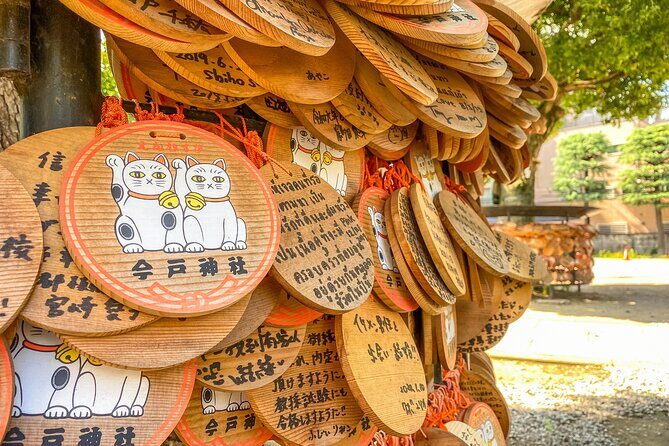
The next stop is Yoshiwara Shrine, about 20 minutes. This one focuses on a specific kind of good fortune. It enshrines Benzaiten, and it’s described as the only female god among the Seven Gods of Fortune.
The themes here are wishes connected to women—especially luck for art and marriage. That’s a nice change of pace because so many luck prayers in Japan feel general, while this one is clearly targeted.
What to watch for: how the shrine’s offerings and atmosphere match the deity’s themes. If your guide is doing their job well, you’ll leave with a clear understanding of why this site matters to people who make wishes connected to creativity and relationships.
Admission is free here as well, so the emotional payoff doesn’t come with a ticket price.
Stop 6: Otori Shrine and the rooster market rake lore
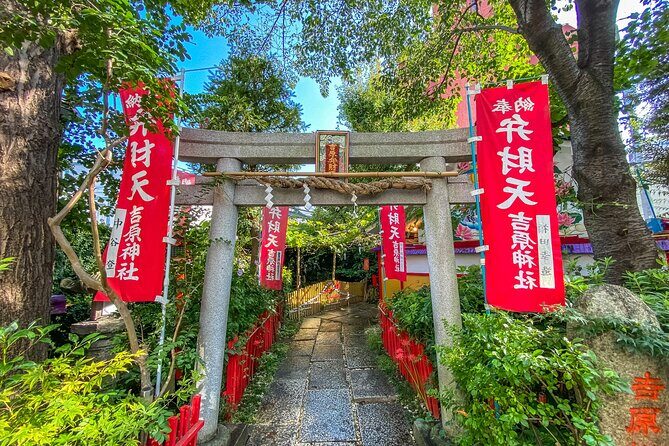
Now for something a bit quirky: Otori Shrine (about 20 minutes). It’s known for a large rake and for holding the Rooster Market, where lucky rakes are sold.
The symbol is tied to Japanese Noh theater: the mask used is Okame-san. Your guide should help you connect this performance tradition to the shrine’s luck rituals. If you like cultural crossovers, this stop is where the tour earns its name.
A realistic consideration: it’s still a shrine visit, so you’ll be walking and looking rather than sitting in one place. Wear shoes you trust. Asakusa streets can be uneven, and your day is built around steady movement.
Stop 7: Asakusa Shrine and Ebisu before Senso-ji’s big moment
You’ll then visit Asakusa Shrine for about 15 minutes. This shrine has a deep relationship with Sensoji Temple and is dedicated to Ebisu, one of the Seven Gods of Fortune.
Ebisu is traditionally linked with good fortune tied to commerce and everyday prosperity. Even if you don’t know the background yet, a good guide will translate what that means in practice—what people ask for and why it fits Asakusa’s long commercial energy.
This stop acts like a bridge. It sets you up for the final main site, so you’re not going from one place to another without context.
Stop 8: Senso-ji Temple and the red-lantern center stage
After Asakusa Shrine, it’s time for the star: Senso-ji Temple. Expect about 30 minutes here, and it’s free to enter.
Sensoji is described as the oldest temple in Tokyo, and the giant red lantern is the visual anchor of Asakusa. This is the time when the area’s spiritual identity is impossible to ignore. Your guide’s value at this stop is explaining the meaning behind the major features and what people are doing when they pray.
If you’ve only seen Senso-ji from the outside, this is where you start noticing the flow—where people gather, how offerings and prayers are placed, and how the space shapes behavior.
This is also a great stop for photos. One of the reviews singled out guide Kazumi for helping with photos and finding good vantage moments.
Stop 9: Nakamise Shopping Street for snacks and souvenirs with a plan
Finally, you’ll walk Nakamise Shopping Street near Kaminarimon for about 20 minutes. This is the busiest shopping lane in Asakusa, so having time carved out specifically for it is smart.
Your guide should guide you toward recommended shops for souvenirs and eating. I like this approach because Nakamise can be overwhelming. You’ll still have freedom to pick what you want, but you’ll avoid the start-of-walk confusion where you buy the first thing you see and later realize you missed better options.
This part also helps you keep the whole day balanced: you move from sacred space to everyday street life, which is exactly what Asakusa is in real life.
Price and value: how $103.92 stacks up against your actual spend
The tour is priced at $103.92 per person, and it runs about 5 hours 30 minutes. It’s a private tour, which already changes the math compared to crowded group formats.
What makes the value look strong on paper:
- You get a guide and private handling for your party across multiple major sites.
- The route is built around the Seven Gods of Fortune theme, so each stop has meaning.
- You get a stamp souvenir along the way, which adds a tangible memory without extra effort.
- Most admissions at the listed stops are free, which keeps the day from turning into constant paid entries.
Where your budget can expand:
- Ishihama Teahouse has an admission listed as ¥4,800 per person (not included).
- The estimate for additional costs includes transport (¥300) and meal costs (¥1,000) per person.
- There’s also an optional experience cost estimate of ¥3,500 per person.
So the honest play is this: if you eat a normal meal and skip optional add-ons, your final spend should stay reasonable. If you buy lots of extras at Nakamise and say yes to optional experiences, then the tour price becomes only part of your total cost.
In other words: the tour is good value when you treat it like a guided day, not a spending marathon.
The guides are the secret sauce, and the reviews prove it
Across the reviews, the strongest praise isn’t about one building. It’s about people—guides who explain clearly and adjust when needed.
Names showing up include Nanako, Harada Taketsugu (listed as Tom Harada in one response), Kazumi, Nobu-san, Eric, and others. Common threads:
- Guides were described as pleasant, helpful, and patient.
- People liked how guides structured the day so it stayed well paced.
- Some guides helped with route changes and photos, including viewpoint spots and picture-taking support.
- Even a rainy day didn’t derail the ability to hit all shrines and collect different souvenirs.
That matters because Asakusa isn’t a single stop. It’s many micro-moments. A good guide keeps the story moving so your feet don’t do all the work and your brain just catches up later.
Who should book this Asakusa secret tour
This tour fits best if you want:
- a private, themed walk through Asakusa that explains the meaning behind prayers
- to collect the stamp souvenir and treat the day like a route challenge
- a guide who can help with photos and pacing, not just a checklist guide
You might reconsider if you:
- hate walking in a dense neighborhood for several hours
- don’t want to add any extra spending for the teahouse meal stop
- prefer only the most famous sights with no extra stops
Should you book this tour?
Yes, if you’re the kind of traveler who likes context. This isn’t just seeing Asakusa. It’s learning why people have prayed, shopped, and hoped here for centuries.
It’s also a smart way to avoid the guesswork. The Seven Gods of Fortune theme gives structure, the stamp souvenir keeps you engaged, and the private format makes the day feel personal. If you’re okay budgeting for the Ishihama Teahouse meal and skipping some optional extras, you’ll likely feel like your money went into guidance and not just admission fees.
If you want an Asakusa day that feels like a story you can walk through, book it.
FAQ
What is the duration of the Asakusa shrine and temple tour?
The tour runs about 5 hours 30 minutes (approximately).
Is this a private tour?
Yes. It’s private and only your group participates.
What souvenirs do I collect during the tour?
You collect stamps from the shrines and temples as a free souvenir.
Are entrance fees included?
Admission fees are listed as free for the shrine and temple stops, but the Ishihama Teahouse has an admission fee listed as not included (¥4,800 per person). Meal costs and other customer-incurred expenses are also not included.
What happens if I’m on a Wednesday?
Ishihama Saryo Raku is closed on Wednesday, and your guide will show an alternative spot.
Where is the meeting point?
The meeting point is Asakusa Sta. 1-chōme-1-3, Taito City, Tokyo 111-0032, Japan.
Can I change where the tour ends?
The activity ends back at the meeting point, but it also notes the finishing spot is different from the starting spot. If you want a change, let your tour guide know.
Can I cancel for a full refund?
Yes. Free cancellation is available if you cancel up to 24 hours in advance of the experience start time. If you cancel less than 24 hours before, the paid amount is not refunded.
More Tours in Tokyo

More Tour Reviews in Tokyo



Around Senso-ji: More Asakusa Picks
Fresh reviews from around Tokyo






Asakusa Tours, compared.
 ★ 4.8Japanese Dance Cabaret Theater Asakusa-Kaguwa TicketFrom $492,270 reviews
 ★ 4.7Meiji Shrine, Asakusa, Skytree Bus Tour and CruiseFrom $1221,986 reviews
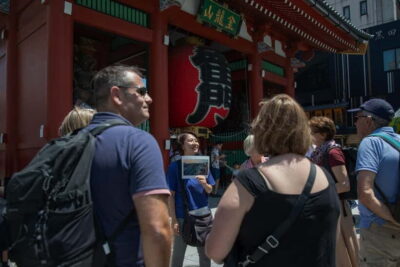 ★ 4.8Asakusa Walking Tour with Sensoji Temple VisitFrom $221,583 reviews
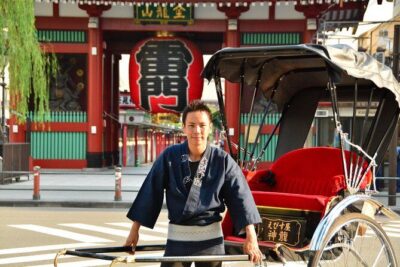 ★ 5.0Tokyo Asakusa Rickshaw TourFrom $421,375 reviews
 ★ 4.5Tokyo Panoramic 1 Day: Meiji Shrine, Asakusa, Odaiba and SKYTREE®From $851,222 reviews
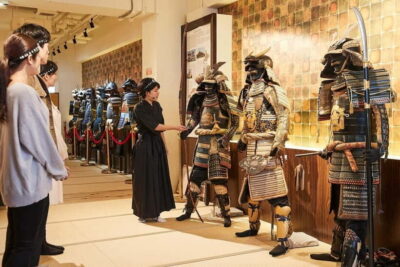 ★ 4.8Samurai Ninja Museum Asakusa: Samurai Sword Lesson & TourFrom $63306 reviews
Asakusa Sightseeing Tour by RickshawFrom $35195 reviews
Asakusa Kimono Dressing and Matcha ExperienceFrom $56173 reviews
★ 4.8Samurai Ninja Museum Asakusa: Samurai Sword Lesson & TourFrom $63306 reviews
Asakusa Sightseeing Tour by RickshawFrom $35195 reviews
Asakusa Kimono Dressing and Matcha ExperienceFrom $56173 reviews
Browse the lists this tour appears in