
Reviewed · MT FUJI DAY TRIPS
From Tokyo: Mt.Fuji, Lake Kawaguchi, Oshino Hakkai Day Tour
Fuji in one day can work. This tour is a tight little circuit of the Mount Fuji area, mixing big views with hands-on culture. I like the Mt. Fuji 5th Station stop (when it’s operating) and the matcha experience at Lake Kawaguchiko, plus the postcard-perfect Oshino Hakkai ponds. The main thing to weigh is that weather and traffic can shift the plan, and the day includes some walking, including about 25 minutes on foot to Arakura Fuji Sengen Shrine.
What makes it easier is the guide team. You’ll travel with an English/Mandarin-speaking guide, and in past departures I’ve seen guides like Arpan, Toni, and Diffany keep the day moving with clear explanations and extra practical travel tips. Still, it’s a bus-and-photos rhythm, so if you hate schedules, this might feel a bit structured.
Value is where this tour shines. At about $51 per person, you’re paying for transportation plus a live guide, while lunch and entrance fees are on you. Start early, and you’ll be set up for maximum Fuji highlights without spending your whole day figuring things out.
In This Review
- Key Things I’d Focus On
- A Tight One-Day Fuji Circuit From Tokyo Mode Gakuen
- Meeting, Bus Ride, and How the Day Actually Moves
- Mt. Fuji 5th Station vs Oishi Park: The Seasonal Pivot
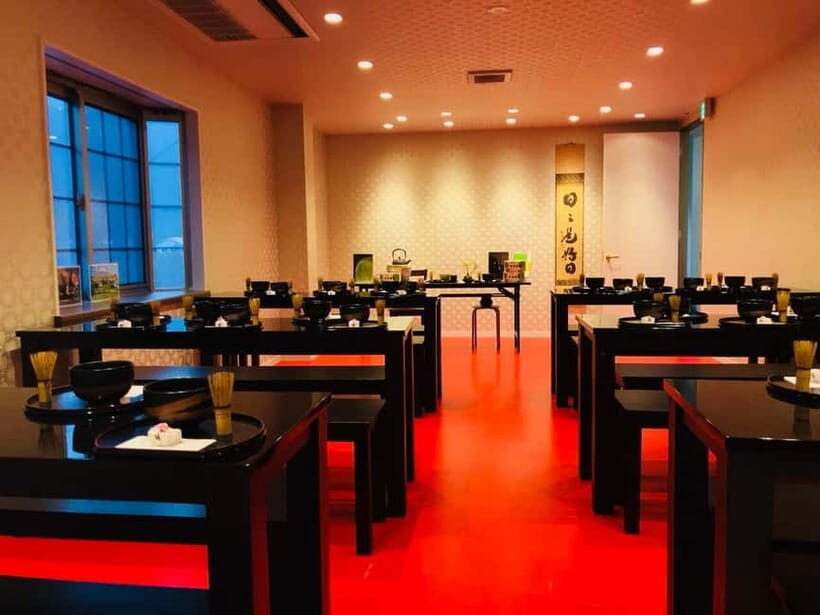
- Lake Kawaguchiko: Matcha in About 30 Minutes
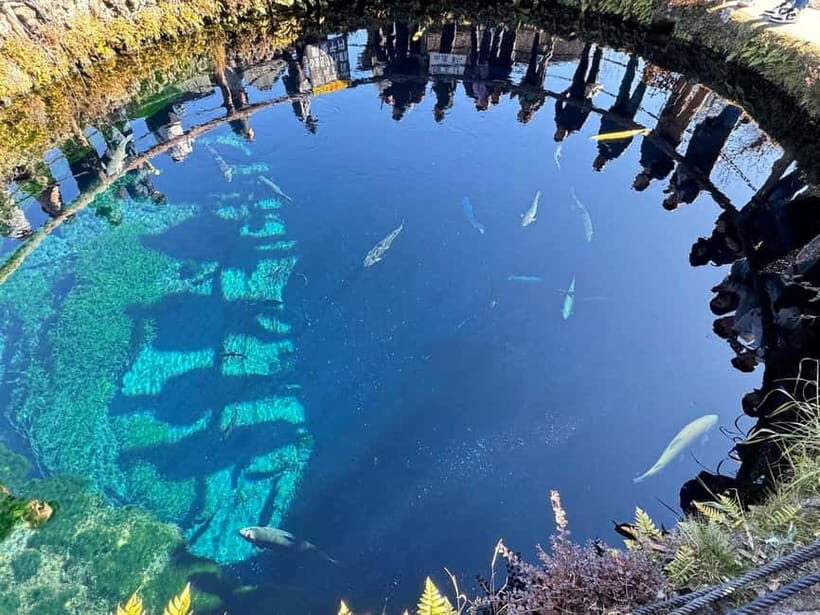
- Oshino Hakkai: Eight Ponds Fed by Fuji Water
- The Hikawa Clock Shop and the Arakura Fuji Sengen Shrine Walk
- Price and What You’re Really Paying For
- Best Fit: Who This Tour Works For
- A Balanced Take: The Upside and the Trade-Off
- Should You Book This Mt. Fuji Day Tour?
- FAQ
- Where do I meet the tour, and when does it depart?
- What languages are offered on the tour?
- Does the tour always visit Mount Fuji 5th Station?
- What happens during the matcha experience at Lake Kawaguchiko?
- Is lunch included in the price?
- Are attraction entrance fees included?
- Is the tour suitable for wheelchair users?
- What is the cancellation window?
Key Things I’d Focus On
- Seasonal Mt. Fuji 5th Station: in winter (around mid-Nov to April), it swaps to Oishi Park
- 30-minute matcha workshop at Lake Kawaguchiko with snacks included
- Oshino Hakkai ponds: eight Fuji-water ponds that are great for easy sightseeing and photos
- Shrine viewpoints at Shinkura Fuji Asama Shrine and Arakura Fuji Sengen Shrine
- Bilingual guidance in English and Mandarin (the tour does not support other languages)
- You’ll walk ~25 minutes from the shopping street up to Arakura Fuji Sengen Shrine
Other routes to the mountain, compared
- Mt Fuji & Hakone Cruise, Drum Show Bullet Train 1 Day from Tokyo★ 4.0 · 7,413 reviews
- Tokyo Mt Fuji 5th St & Hakone Cruise Bus Tour w/Bullet Train★ 4.4 · 5,024 reviews
- From Tokyo: Mount Fuji Full-Day Sightseeing Trip★ 4.5 · 4,970 reviews
A Tight One-Day Fuji Circuit From Tokyo Mode Gakuen
This is a full day that concentrates on the “greatest hits” around Mount Fuji, without trying to cram in every possible detour. The schedule is built for what you actually want on a day trip: clear photo stops, short guided time where it matters, and a couple of moments that feel more personal than sightseeing-by-speed.
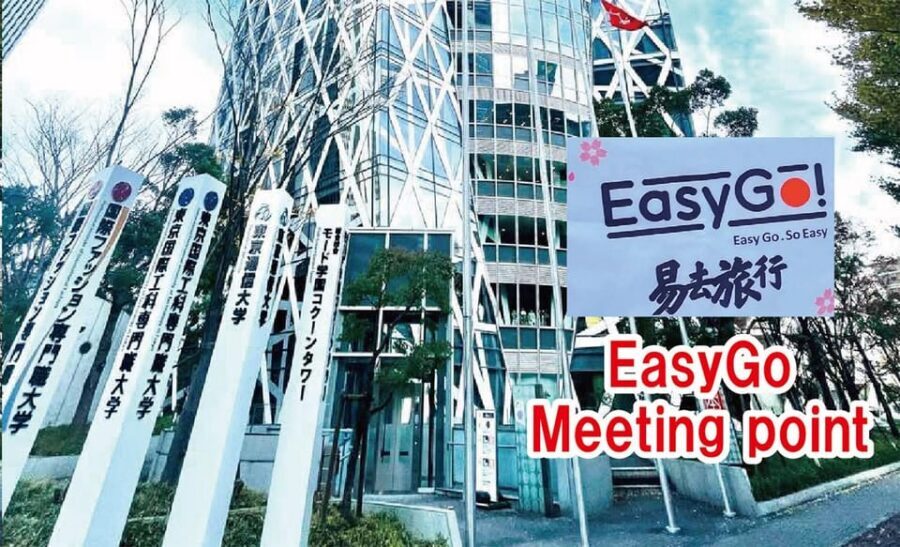
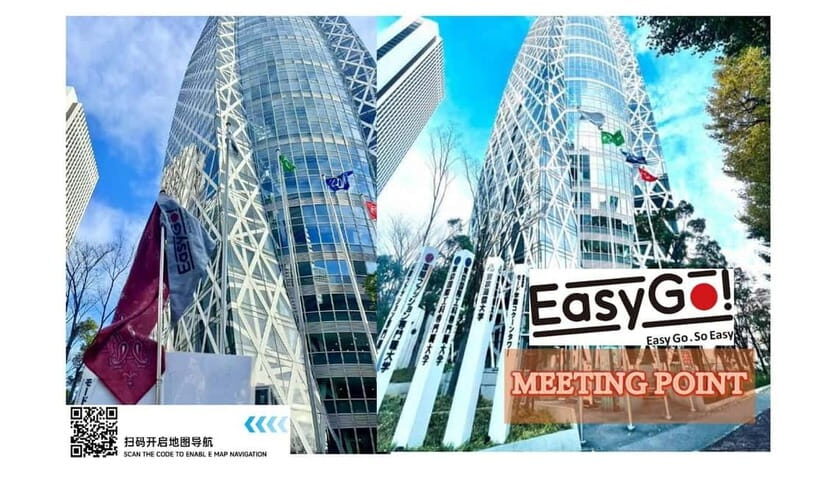
You meet at Tokyo Mode Gakuen, with a 7:50 meet-up and 8:10 departure. Then it’s a long coach ride (about 2.5 hours) toward the Fuji area. In practice, that early start is what makes it possible to see multiple stops in one day instead of just one viewpoint.
One practical note: this is a guided tour that uses both English and Mandarin. If you rely on a different language, plan ahead, because the tour guidance is limited to those languages only.
Meeting, Bus Ride, and How the Day Actually Moves
The pacing is simple: bus, stop, guided time, photo time, back to bus. That sounds basic, but it’s the difference between enjoying Fuji and getting stressed. You’re not navigating transit systems or translating ticket rules while trying to catch the best light for photos.
The day includes multiple bus segments, so you’re not stuck in one long stretch. After the morning Fuji stop, there’s a short ride to Oishi Park, then later transfers toward Lake Kawaguchiko and Oshino Hakkai. The return trip takes about 2 hours back toward Tokyo Mode Gakuen.
Because traffic and weather can affect timing, the guide may adjust the route and skip some sights if needed. That’s not ideal, but it’s normal for this region—especially around peak travel days when congestion can slow everything down.
Mt. Fuji 5th Station vs Oishi Park: The Seasonal Pivot
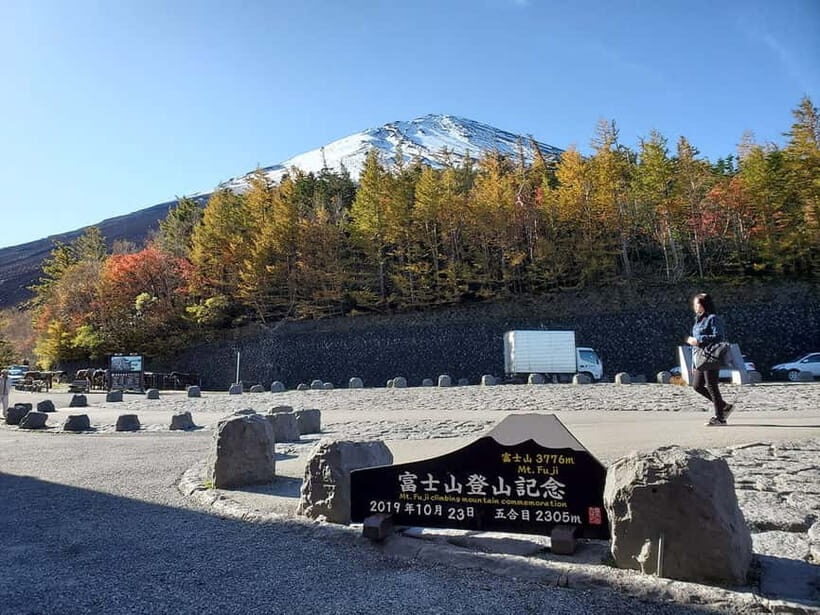
This is the heart of the day. In summer and spring, you’ll visit the Mt. Fuji 5th Station for a photo stop plus about an hour to see the area. In winter (from around mid-November to April), the 5th Station visit is replaced by Oishi Park.
Why that matters for you: the 5th Station is the iconic “high-up” feeling people want. But it can be weather-dependent, and winter conditions can limit access or make conditions unsafe or less enjoyable. Oishi Park, on the other hand, keeps the “Fuji views from the lakeside area” idea alive when conditions make the 5th Station unrealistic.
Even when the itinerary shifts, you still get a proper chunk of time outdoors. Expect this part of the tour to be the most photo-heavy. If you want a specific angle of Fuji, I’d time your photos during your guided stop rather than counting on the bus window.
Lake Kawaguchiko: Matcha in About 30 Minutes
Lake Kawaguchiko is where the tour turns from views to something hands-on. You’ll arrive for sightseeing and then a traditional matcha experience.
The matcha part is brief by design: about 30 minutes, led by a tea ceremony teacher. You’ll make Japanese matcha and it comes with Japanese snacks. This is not a long, formal multi-hour ceremony. It’s a simple introduction that’s meant to fit into the bus-day schedule.
Here’s the practical upside: you’re getting a taste of Japanese tea culture without needing to book separate experiences. Even if you’ve done matcha before, it’s still a nice “reset” in the middle of a travel-heavy day—something calmer than walking from viewpoint to viewpoint.
The only downside is timing. If you prefer slow cultural experiences, 30 minutes can feel short. But if you want value, variety, and a break from motion, it’s a good trade.





Oshino Hakkai: Eight Ponds Fed by Fuji Water
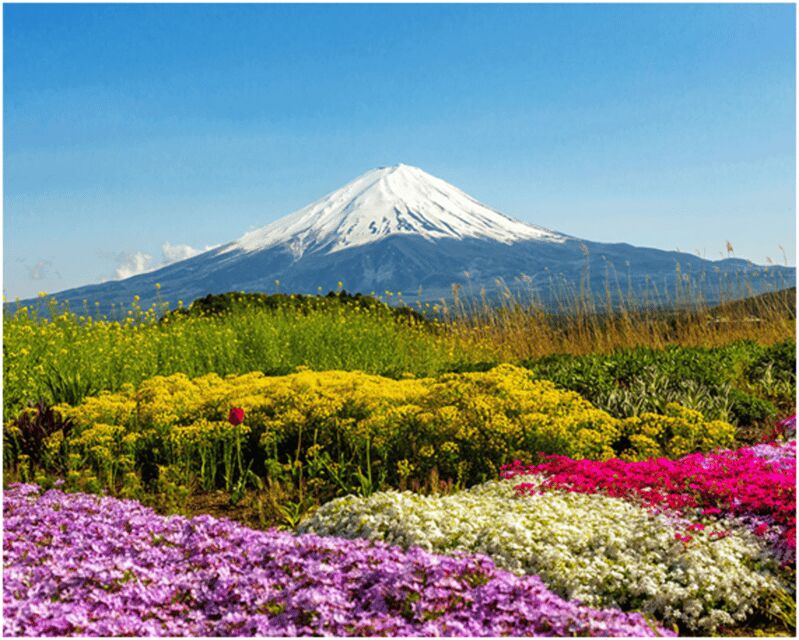
Next up is Oshino Hakkai, a scenic area known for its eight ponds formed by melted waters from Mount Fuji. It’s an easy stop to enjoy because you can wander, look closely at the water, and take photos without needing complicated logistics.
You’ll get about an hour for photo stops and sightseeing here. That’s enough time to see the pond loop at a comfortable pace and still avoid rushing. It’s also a great contrast to the bigger, taller views of the 5th Station area.
I like this stop because it shows another side of Fuji. You’re not just looking at the mountain. You’re seeing how it affects the landscape around it—through water that flows into these ponds.
Like most Fuji-area attractions, conditions and visibility can vary. If the sky is cloudy, you can still enjoy Oshino Hakkai for the water and atmosphere. If visibility is good, it’s even better for photos.
The Hikawa Clock Shop and the Arakura Fuji Sengen Shrine Walk
After Oshino Hakkai, there’s a quick stop at Hikawa Clock Shop for a photo and short sightseeing. It’s only about 10 minutes, so think of it as a brief cultural pause, not a major shopping detour.
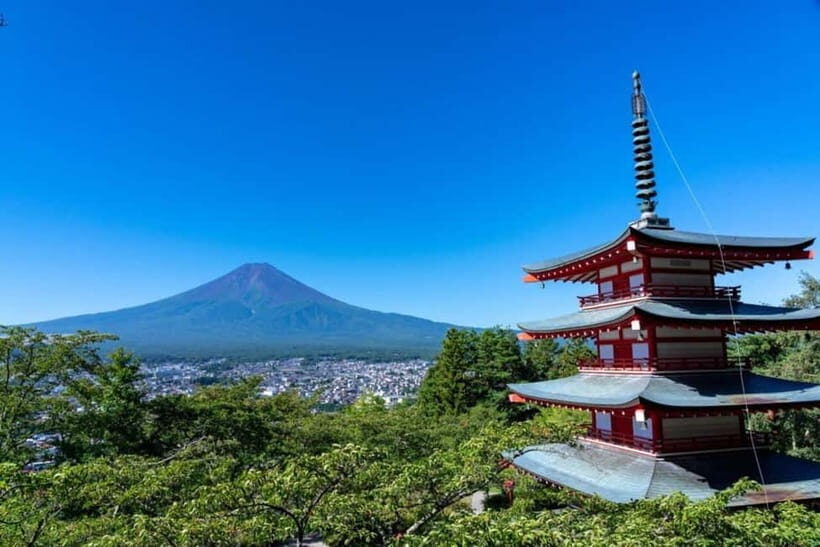
Then comes the part that you should plan for: you’ll walk about 25 minutes from the shopping street to Arakura Fuji Sengen Shrine. Once you reach the shrine area, you’ll have about 40 minutes for photo stops, a guided tour, sightseeing, and walking.
This walking time is the main consideration for mobility. If your stamina is limited, this is where you’ll feel it. The good news is that the reward is a classic shrine viewpoint experience, and guided time helps you get oriented instead of wandering.
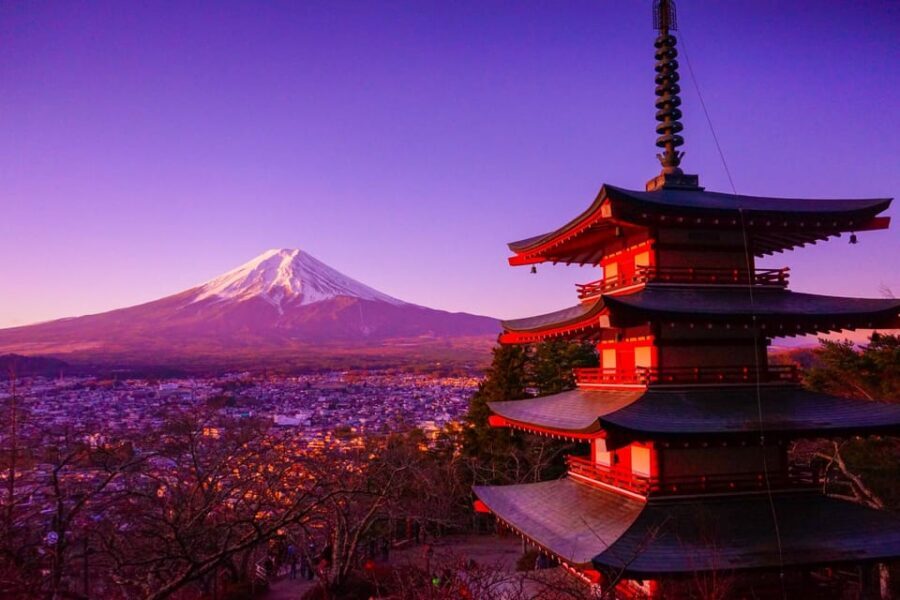
Also, the tour includes Shinkura Fuji Asama Shrine as a top viewing spot for Mount Fuji. With two shrine-related viewpoints in the day, the tour gives you multiple chances for a memorable “Fuji framed by architecture” moment.
Price and What You’re Really Paying For
The tour price is about $51 per person for a one-day experience. For that cost, you’re getting two big things: transportation by bus and a live English/Mandarin-speaking guide.
What you don’t get is also important. Lunch is not included. Entrance fees for attractions are not included. Personal expenses are also on you.
So the value equation looks like this: if you were going to arrange transport to multiple Fuji highlights anyway, this bundled day trip can make sense. If you already have an independent plan for trains/buses and you only want one or two stops, it might be cheaper on your own. But most people don’t want to spend an entire day on transit planning—this tour handles that.
My practical advice: budget a little extra for food and any entrance fees you decide to pay on-site. You’ll also want water and sun protection, especially when you’re outside at viewpoints.
Best Fit: Who This Tour Works For
This tour fits best if you want a well-paced day trip with guidance and you’re comfortable with moderate walking.
It’s a great choice for:
- First-time visitors who want the Fuji hits without building a route
- People who like photo stops mixed with short guided explanations
- Travelers who appreciate a brief but real matcha experience, not just watching from afar
It may be less ideal for:
- People over 75 years old
- Babies under 1 year
- Anyone who finds a 25-minute walk challenging
- Anyone who expects the 5th Station every time, since the stop can swap to Oishi Park depending on season and conditions
One more angle: the tour uses both English and Mandarin during the day. That’s a plus if you want bilingual support. If you need another language, you’ll have to rely on your own communication skills during the tour.
A Balanced Take: The Upside and the Trade-Off
The upside is clear: you see multiple major Mount Fuji area stops in one day, guided by a team that can give context and keep you on schedule. In past departures, guides like Toni have shared historical details and extra travel tips to help you continue your trip afterward. Drivers have also been friendly, which matters when you’re spending most of the day on a bus.
The trade-off is equally clear: it’s not a slow, personal exploration of one place. It’s a multi-stop circuit with time limits. Weather can change what you see, and traffic can shift timing or cause some stops to be skipped.
If you can accept that reality, you’ll probably love the convenience and the variety.
Should You Book This Mt. Fuji Day Tour?
I’d book it if your priority is: big Fuji highlights plus a matcha experience plus Oshino Hakkai, all in one day from Tokyo. For the price, the combination of bus transport and a live bilingual guide is a solid deal—especially if you don’t want to wrestle with transit planning.
I’d think twice if you hate walking, dislike rushed schedules, or need guaranteed access to the Mt. Fuji 5th Station. The seasonal swap to Oishi Park is built into the plan for winter, and the guide may adjust further based on weather and traffic.
If you’re okay with a structured day and you pack for outdoor stops, this is one of the more efficient ways to experience the Mount Fuji area without making it your full-time job.
FAQ
Where do I meet the tour, and when does it depart?
You meet at Tokyo Mode Gakuen and look for the guide holding an EASYGO flag. The meet-up is at 7:50, with departure at 8:10.
What languages are offered on the tour?
The live guide speaks English and Mandarin Chinese. Other languages are not supported.
Does the tour always visit Mount Fuji 5th Station?
No. The 5th Station visit is seasonal and depends on conditions. From around mid-November to April next year, it is replaced with a trip to Oishi Park.
What happens during the matcha experience at Lake Kawaguchiko?
You’ll take part in a simple tea ceremony experience where the teacher leads you to make Japanese matcha. It also includes Japanese snacks, and the stay is about 30 minutes.
Is lunch included in the price?
No. Lunch is not included.
Are attraction entrance fees included?
No. Entrance fees are not included.
Is the tour suitable for wheelchair users?
The tour is listed as wheelchair accessible, but it also says it is not suitable for wheelchair users. The day includes walking—about 25 minutes on foot from the shopping street to Arakura Fuji Sengen Shrine—so you should consider your mobility carefully.
What is the cancellation window?
You can cancel up to 24 hours in advance for a full refund.
More Tours in Tokyo

More Tour Reviews in Tokyo



The Fuji Shortlist: Other Days Out to the Mountain

Fresh reviews from around Tokyo






Mt Fuji Day Trips, compared.
 ★ 4.0Mt Fuji & Hakone Cruise, Drum Show Bullet Train 1 Day from TokyoFrom $1497,413 reviews
 ★ 4.4Tokyo Mt Fuji 5th St & Hakone Cruise Bus Tour w/Bullet TrainFrom $1545,024 reviews
 ★ 4.5From Tokyo: Mount Fuji Full-Day Sightseeing TripFrom $684,970 reviews
 ★ 4.7Mt. Fuji Tour, Hakone Ropeway, Owakudani, Lake AshiFrom $544,002 reviews
 ★ 5.0Private Tour to Mt. Fuji and Hakone (Fully Licenced Operator)From $4971,910 reviews
 ★ 4.9Mount Fuji Full-Day Private Tour from Tokyo (Customizable)From $3931,470 reviews
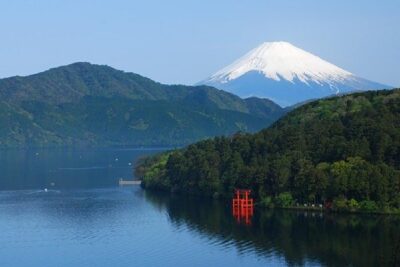 ★ 4.0Mt Fuji & Hakone Cruise, Drum Show Bus 1 Day from TokyoFrom $1221,287 reviews
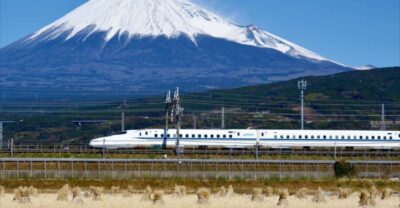 ★ 4.2From Tokyo: Mt. Fuji & Hakone Tour w/ Return by Bullet TrainFrom $1171,278 reviews
Browse the lists this tour appears in