
Reviewed · KAMAKURA DAY TRIPS
From Tokyo: Kamakura and Enoshima Full-Day Private Trip
Kamakura can feel like a postcard. This full-day private trip from Tokyo strings together the city’s biggest icons and the quieter feel you want, all in one smooth run with an English-speaking guide. You’ll see the Great Buddha at Kotoku-in and then move through temples and island scenery at a pace that’s meant for sightseeing, not stress, with guides like Shoan and Ali guiding the way.
What I like most is the private setup. You’re not stuck with a crowd, and your guide can adjust the walk length and timing in real life. I also like how the day mixes big sights (Kamakura’s bronze giant) with small, atmospheric moments like the bamboo walk and the seaside browsing on Enoshima.
The one thing to think about is that it’s still a long day on foot. Comfortable shoes matter, and you should plan for extra temple admission fees on top of the tour price, plus lunch isn’t included.
In This Review
- Key things that make this day tour work
- Private Tokyo Pickup, Realistic Timing, and a Driver Who Thinks
- Kotoku-in and the Great Buddha: The One Stop Everyone Remembers
- Hase-dera’s Gardens and Coastal Views: Where the Atmosphere Changes
- Hokokuji Bamboo Forest: The Short Walk That Changes the Mood
- Tsurugaoka Hachimangu Shrine: The Heartbeat of Kamakura
- Enoshima: Sea Views, Shopping Stops, and a Different Kind of Day
- Lunch in the Middle: How to Handle Food Without Losing Time
- What Your English Guide Actually Does for You
- Price and Value: When It’s a Deal vs When It’s a Splurge
- When to Go and What to Pack for a Day Like This
- Who This Tour Fits Best
- Should You Book This Kamakura and Enoshima Private Trip?
- FAQ
- What is the duration of the Kamakura and Enoshima private trip?
- How much does the tour cost and how many people can join?
- What’s included in the price?
- Is lunch included?
- Which major stops are part of the day?
- Are entrance fees included?
- What time is pickup in Tokyo?
- Where does pickup happen?
- Is the tour wheelchair accessible?
- What should I bring and what is not allowed?
Key things that make this day tour work
- Hotel pickup in Tokyo (23 wards) saves you from route-planning and train transfers
- Daibutsu at Kotoku-in gives you the classic Kamakura photo you came for, without guesswork
- Hase-dera pairs temple grounds with views toward the coastline
- Hokokuji Bamboo Forest is short, focused, and easy to enjoy even if you’re not a “nature person”
- Enoshima shopping and sightseeing adds sea air and a different vibe from Kamakura’s temples
More escapes to the Great Buddha and the coast
- Kamakura 8 hr Private Walking Tour with Licensed Guide from Tokyo★ 5.0 · 80 reviews
- Tokyo: Kamakura & Enoshima Day Tour with Pickup & Train Ride★ 4.1 · 61 reviews
- Kamakura Private & Customizable Tour – All-in-One Experience★ 5.0 · 49 reviews
Private Tokyo Pickup, Realistic Timing, and a Driver Who Thinks
A day like this lives or dies on logistics. The tour meets you in central Tokyo with hotel pickup and drop-off, and it’s built for a private group of up to five—so you can travel together without splitting into separate trains or taxis. The pickup time is listed as 8:30 AM, and there’s an honest heads-up that traffic can shift you by about 30 minutes. That buffer is actually helpful: you’re less likely to feel frantic if Tokyo traffic does Tokyo traffic.
You’re also not fighting the “where do we wait?” problem. The vehicle handles the movement between stops, and that matters a lot because Kamakura’s sights are spread out enough that trying to DIY it all in one day can turn into standing around.
If you’re traveling with kids, this kind of transport + guide combo is a big win. One parent-style comment you’ll hear a lot after a day here is that the day stays manageable—less walking than you feared—because the guide and driver can park close and shape the pace.
One small caution: since this is a full-day plan, you’ll want to treat the day like a hike in disguise. You can slow down, but you can’t completely avoid steps at temple sites.
Kotoku-in and the Great Buddha: The One Stop Everyone Remembers
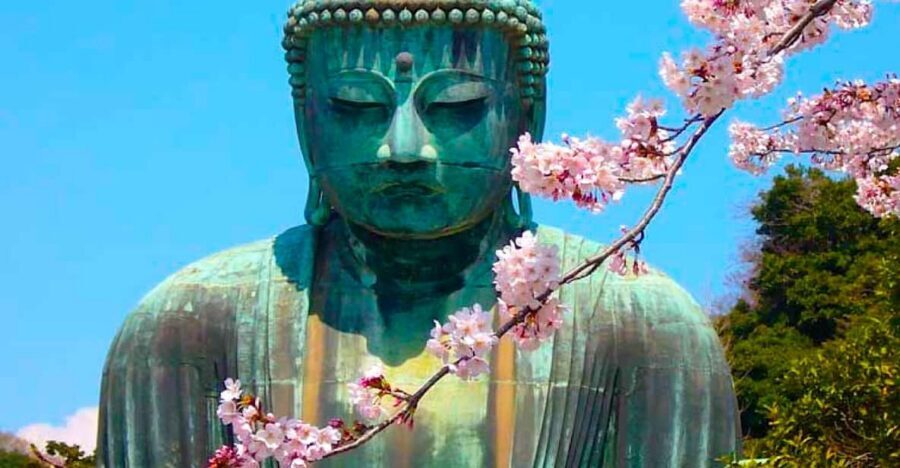
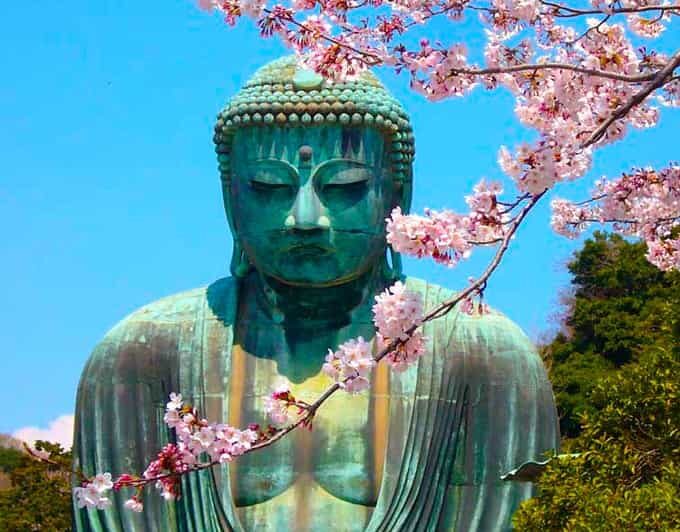
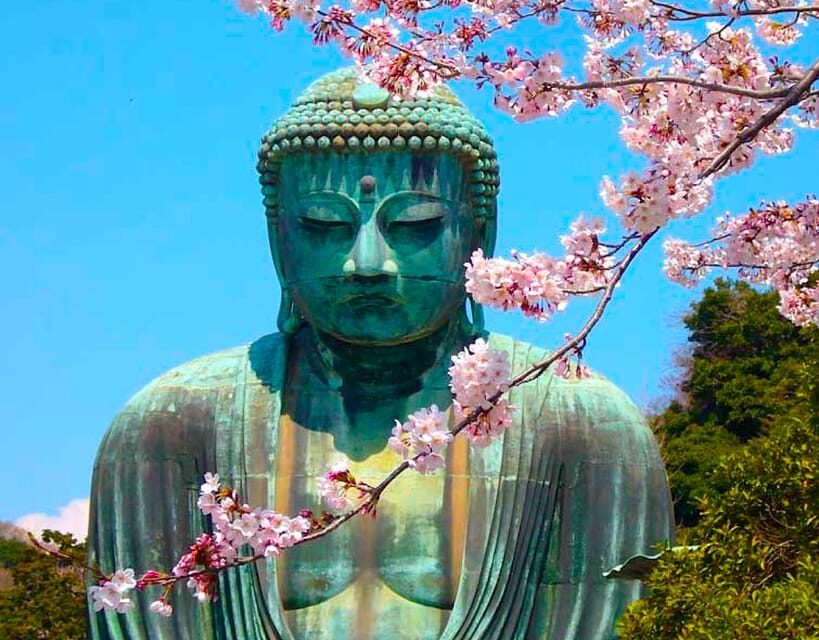
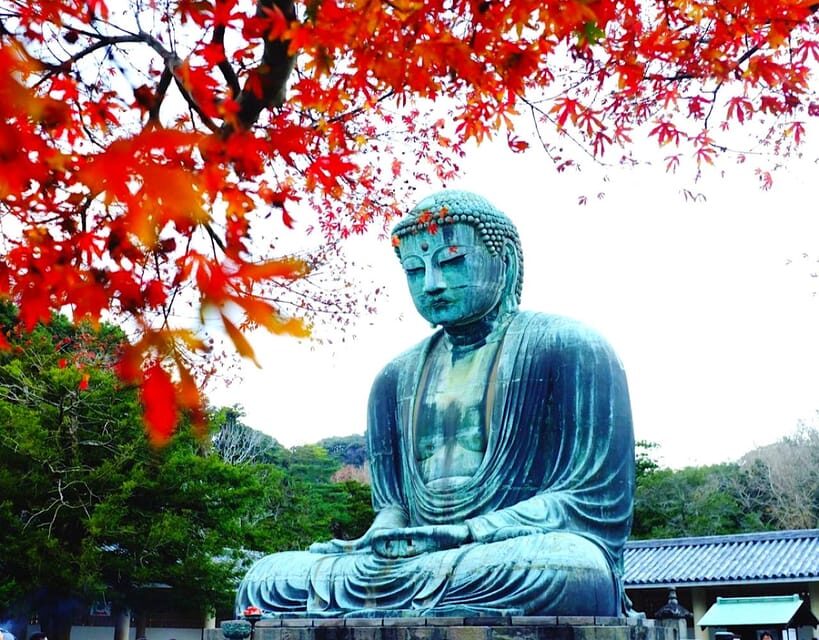
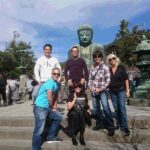
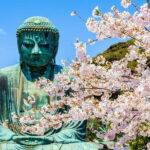
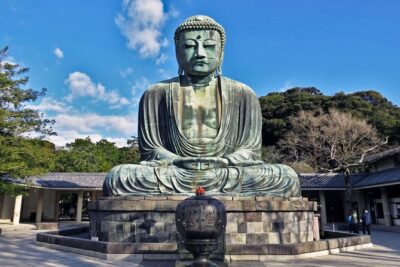
Kamakura starts with a heavyweight. At Kōtoku-in, you’ll visit the Great Buddha, the massive bronze statue that’s basically the city’s headline. Even if you’ve seen photos, it lands differently in person—partly because of scale, partly because the setting feels like you stepped into a long-running cultural tradition.
Expect the kind of stop that works two ways:
- If you love iconic sights, this is your must-do.
- If you don’t care about statues, the surrounding temple atmosphere still makes it worth the time.
The tour allots about an hour for this stop, which is a sensible length: long enough to look, take pictures, and absorb the setting, but not so long that you lose the energy for the rest of the day.
Practical detail: admission fees are not included here. The cost is listed (around 300 yen for Kotoku-in), so budget a little extra and keep a bit of cash on hand. You’ll also want sunscreen and water—this is Japan, but it’s still the sun doing its job.
Hase-dera’s Gardens and Coastal Views: Where the Atmosphere Changes
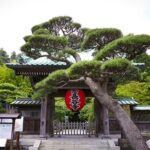
After the big bronze moment, the day softens. At Hase-dera, you get the temple experience with gardens and a viewpoint feel, including impressive angles toward the coastline. This stop is about an hour, and it’s paced so you can enjoy the grounds without feeling like you’re racing through.
Here’s what makes Hase-dera more than just “another temple”:
- The grounds are designed for wandering, so it feels natural to slow down and look.
- The views shift your perspective. You’re not just staring at stone and wood—you’re seeing the geography that makes Kamakura special.
Wear shoes you trust. Temple stairs and slopes are common, and this is the kind of place where good footing keeps the experience relaxing rather than annoying.
Also note: Hase-dera admission fees are not included, and the listed fee is about 400 yen. It’s not huge, but it’s part of the overall “pay-as-you-go” reality of this day.
Hokokuji Bamboo Forest: The Short Walk That Changes the Mood
Then you hit one of Japan’s most photogenic scenes in a compact time window: the Hokokuji Bamboo Forest. The plan gives it about an hour, which works well here. You don’t need a huge block of time to enjoy bamboo—you need a decent pace, good shoes, and a quiet moment to watch the light change between stalks.
This is also where a private guide helps, even if you don’t think you care about explanations. The guide’s job becomes making sure you’re not only snapping pictures but understanding what you’re looking at—like why this place feels different from nearby temples.
Admission is also separate here. The tour notes an entry fee (listed as 300 yen for Hokokuji), so it’s one more small payment on the day. Still, it’s usually worth it if you want that classic bamboo mood.
More private options with your own guide

Tsurugaoka Hachimangu Shrine: The Heartbeat of Kamakura
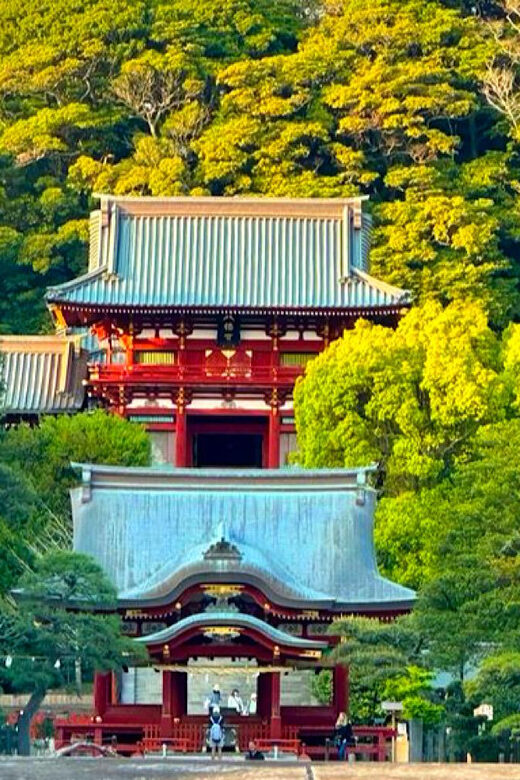
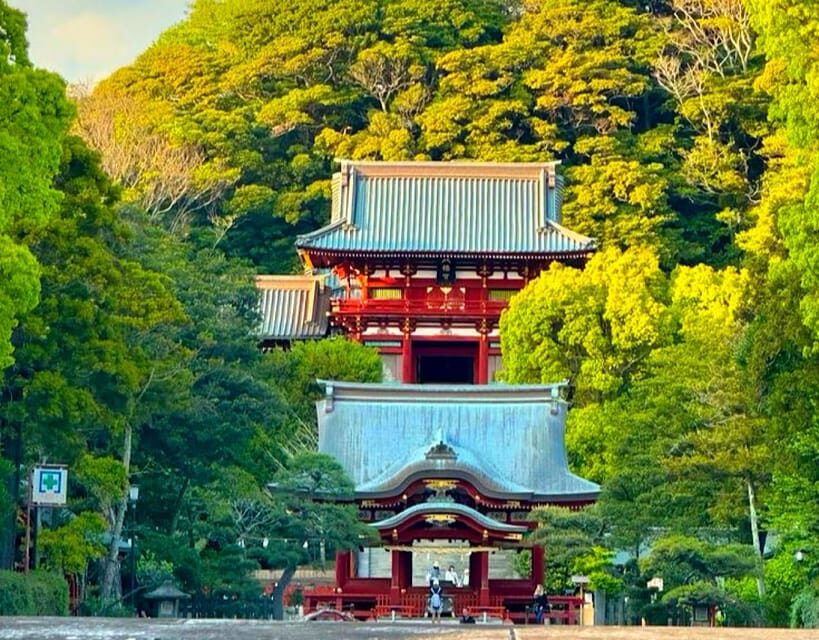
Next comes Tsurugaoka Hachimangu Shrine, the place many people feel as the center of Kamakura’s spiritual and historical identity. The time slot is short—about 30 minutes—but it’s enough to feel the shrine’s scale and get your bearings.
This is a good “reset” stop between island time and temple time. You get a different kind of atmosphere than the Great Buddha grounds:
- More open shrine space
- A stronger sense of ceremony and place
- Great photo angles if you walk slowly and watch your light
If you’re the kind of person who likes to connect the dots, your guide can help you understand how Shinto traditions show up in the layout and rhythms of the site.
Again, entry fees aren’t called out as included, so assume you might pay only if the site requires it during your visit. The bigger ticket admissions listed in the plan are for Kotoku-in, Hokokuji, and Hase-dera.
Enoshima: Sea Views, Shopping Stops, and a Different Kind of Day
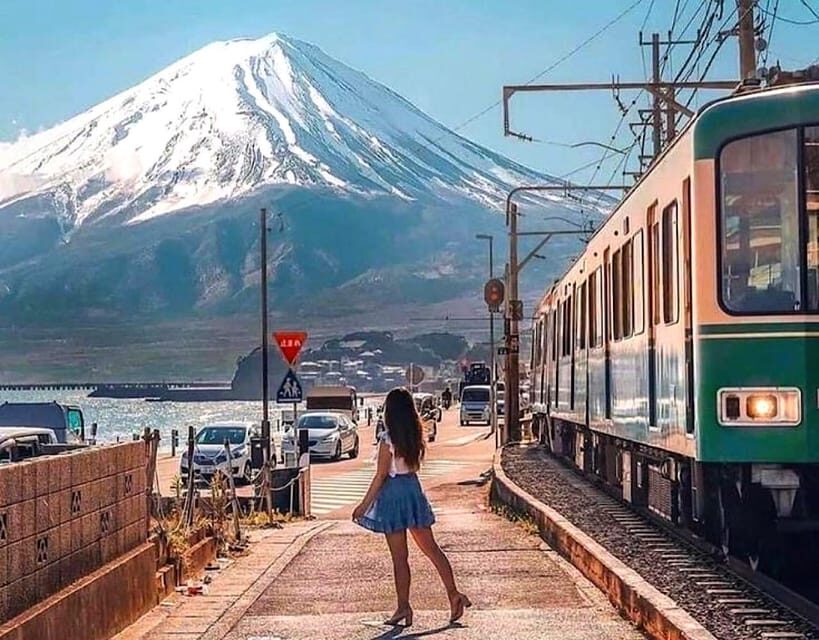
The last big chapter is Enoshima, where the whole day flips from temple gardens to seaside scenery. You get about two hours here, including shopping and sightseeing. That mix is important. Enoshima isn’t just something you stare at; it’s also the kind of island where you’ll want to snack and browse.
What I like about the Enoshima segment is that it gives you variety without requiring another train puzzle. After hours in Kamakura, it’s a relief to shift your senses:
- Sea air
- Views toward the water
- A more casual rhythm for walking and exploring
It’s also a good place to pick up small souvenirs or local snacks. Your guide can point out practical things like where it’s easiest to restrooms and where the better food stops might be—especially useful if the day gets warm.
The private format shines here too. Two hours sounds short, but with a driver who can position you well and a guide who can set expectations, it often feels like you got the best parts.
Lunch in the Middle: How to Handle Food Without Losing Time
Lunch is a key part of making a day trip feel enjoyable instead of exhausting. In this plan, lunch is not included, but the day is built so you can eat at a local restaurant with your guide’s help. That’s a practical advantage: you’re less likely to waste time hunting for food when your schedule is already packed.
If you’re traveling with picky eaters or have dietary needs, this is where you’ll want to speak up early. The guide can steer you toward options that fit your group. Since the tour is private, you have more flexibility than you would on a bus tour.
Tip I’d follow: carry a small amount of cash and keep water with you. Temple days can run long, and you’ll feel better if you don’t get stuck waiting while everyone scrambles to find drinks.
What Your English Guide Actually Does for You
An English-speaking guide is not just for translating signs. On a day like this, you’re paying for context and flow.
I love the way guides like Shoan and Ali handle the day: they keep history understandable with simple explanations. One guide is described as using charts to explain a long, complex story without turning it into a lecture. That approach matters. You want to feel smarter after the day, not drained.
Also, the guide’s patience is what turns a packed day into a good day. When someone answers questions calmly—whether it’s about temple names, what to look for, or where to find restrooms—it changes the whole feel.
And yes, the guide can shape walking intensity. One comment I like in particular is that the day felt flexible, with less walking than expected and parking positioned close to stops. That’s a big deal in Japan, where “a short walk” can sometimes become a longer walk if you land far from the entrance.
Price and Value: When It’s a Deal vs When It’s a Splurge
This tour is priced at $451 per group up to five, with private transportation and hotel pickup/drop-off included. Value depends on how you do the math.
- If you fill the group (5 people), it can come out to roughly $90 per person for a whole day with a guide and car.
- If it’s just 2 people, it effectively doubles per person, and then you’re paying more for convenience.
So here’s my practical rule: if you can travel as a group of at least three or four, the price starts looking like a smart trade for time and ease. If you’re a couple, it’s still doable, but you should compare it to what it would cost to piece together trains, taxis, and paid admissions while dragging luggage-free time constraints along.
Also remember to budget extra for admissions (Kotoku-in, Hokokuji bamboo, and Hase-dera), and lunch is not included. Those add-ons won’t ruin the plan, but they do affect the true “all-in” cost.
One more value angle: a private day means you can avoid the “we missed the meeting point” chaos that comes with self-guided days. That alone is often worth it.
When to Go and What to Pack for a Day Like This
The tour is about 10 hours, so weather can matter. You’ll walk between sites and spend time outdoors at least part of the day.
Bring:
- Comfortable shoes
- Camera
- Sunscreen
- Water
Dress for sun and for some temple stairs. If it’s warm, start your day hydrated. If it’s rainy, have a light rain layer—temple grounds and paths can get slippery.
And yes: smoking isn’t allowed, so keep that in mind if you’re the designated smoker in the group.
Who This Tour Fits Best
This is a strong fit for:
- Small groups (up to five) who want a smooth day without train juggling
- Families who want a guided plan that keeps a child engaged
- People who want the big icons—Great Buddha, bamboo forest, shrine—without missing major stops
- First-timers who like a local guide to translate what they’re seeing into something they can actually remember
It can be a less ideal fit if you hate walking at all, because even with a driver and pacing, you’re still moving through several different sites in one day.
Should You Book This Kamakura and Enoshima Private Trip?
Book it if you want one day that covers the essentials without turning travel into homework. The private setup, hotel pickup, English guide, and a plan that includes both Kamakura’s temple icons and Enoshima’s seaside time make this feel like a well-made day trip.
Skip or rethink it if you’re traveling solo or as a couple and you’re trying to minimize spending, since the price is per group and admissions plus lunch will add up. Also reconsider if your group can’t handle temple stairs and outdoor walking.
If you do book, set yourself up for success: wear good shoes, bring water, and treat it like a full-day outing rather than a quick museum run. Do that, and you’ll come away with the kind of Japan day that actually feels complete.
FAQ
What is the duration of the Kamakura and Enoshima private trip?
The trip runs for about 10 hours.
How much does the tour cost and how many people can join?
It costs $451 per group for up to 5 people.
What’s included in the price?
You get an air-conditioned vehicle, private transportation, hotel pickup and drop-off, and an English-speaking guide.
Is lunch included?
No, lunch is not included.
Which major stops are part of the day?
You visit Kotoku-in (Great Buddha), Hase-dera, Hokokuji Bamboo Forest, Tsurugaoka Hachimangu Shrine, and Enoshima.
Are entrance fees included?
No. Admission fees are listed separately for Kotoku-in (about 300 yen), Hokokuji Temple (listed as 300 yen), and Hase-dera (about 400 yen).
What time is pickup in Tokyo?
Pickup is listed for 8:30 AM, with a note that traffic may make you about 30 minutes late.
Where does pickup happen?
Hotel pickup is included for the Tokyo 23 wards. Pickup outside of Tokyo requires contacting the provider.
Is the tour wheelchair accessible?
Yes, it’s wheelchair accessible.
What should I bring and what is not allowed?
Bring comfortable shoes, a camera, sunscreen, and water. Smoking is not allowed.
Just Your Group: Private Options
More Tour Reviews in Tokyo






More Days by the Great Buddha
Fresh reviews from around Tokyo






Kamakura Day Trips, compared.
 ★ 4.5Kamakura & Enoshima Day Trip including Temple TicketsFrom $581,375 reviews
 ★ 4.5From Tokyo: Kamakura & Enoshima 1-Day Bus TourFrom $66189 reviews
 ★ 5.0Kamakura Historical Walking Tour with the Great BuddhaFrom $98129 reviews
Kamakura Private Tour: Temples, Nature, and the Great BuddhaFrom $98121 reviews
Kamakura Walking Tour – The City of ShogunFrom $35100 reviews
★ 5.0Kamakura Historical Walking Tour with the Great BuddhaFrom $98129 reviews
Kamakura Private Tour: Temples, Nature, and the Great BuddhaFrom $98121 reviews
Kamakura Walking Tour – The City of ShogunFrom $35100 reviews
 ★ 5.0Kamakura 8 hr Private Walking Tour with Licensed Guide from TokyoFrom $20180 reviews
 ★ 4.1Kamakura & Enoshima Day Tour with Pickup & Train RideFrom $1361 reviews
 ★ 4.8Kamakura: Private Guided Walking Tour with Local GuideFrom $10660 reviews
Browse the lists this tour appears in