
Reviewed · MUSASHINO
Explore Kichijoji: Walk Through One of Tokyo’s Beloved Districts
Kichijoji feels like Tokyo, but calmer. This short walk connects Sunroad Shopping Street culture with a Zen pause at Gesso-ji, then finishes in Harmonica Yokocho for one drink and two yakitori skewers. It’s also timed so you can pair it easily with a visit in the Ghibli Museum area.
I love the way the neighborhood history shows up in everyday places, not big-ticket monuments. I also love the hands-on payoff at the end: one drink and two skewers of yakitori in a narrow alley that started as a post-war black market. The one drawback is simple: it’s mostly walking in about two hours, so if you want long stops or museum-style time, plan extra hours before or after.
In This Review
- Key Points to Know Before You Go
- Kichijoji After 3 pm: How This Short Walk Fits Tokyo
- Sunroad Shopping Street: Your First Hit of Local Tokyo
- Gesso-ji Temple: Zen Calm in a Green Pocket
- Nakamichidori Arcade: Where Old Tokyo Meets New Tokyo
- Harmonica Yokocho: Yakitori, One Drink, and a Post-War Alley Story
- Price and Value: What $45.98 Buys You
- Where Guides Make the Difference (Kate and Michi)
- Logistics That Actually Matter: Meeting Point, End Point, and Mobile Ticket
- Who This Kichijoji Walk Is For
- Should You Book This Kichijoji Tour?
- FAQ
- How much does the Kichijoji walk cost?
- How long is the tour?
- What’s included when you reach Harmonica Yokocho?
- What group size should I expect?
- Where do I meet and where do I end?
- Is there an admission fee for the stops?
- Do I need a printed ticket?
- Can I cancel for a full refund?
Key Points to Know Before You Go
- A friendly 2-hour pace: enough time to connect the dots between shopping streets, a temple, and dinner-at-a-stall style food
- Sunroad’s classic shopping street energy: about 300 meters long with around 150 shops, and voted Tokyo residents’ second favorite in 2022
- Gesso-ji Temple as your reset button: a Zen Buddhist temple surrounded by greenery
- Old shops beside newer cafés on Nakamichidori: a real “then and now” stroll through Kichijoji
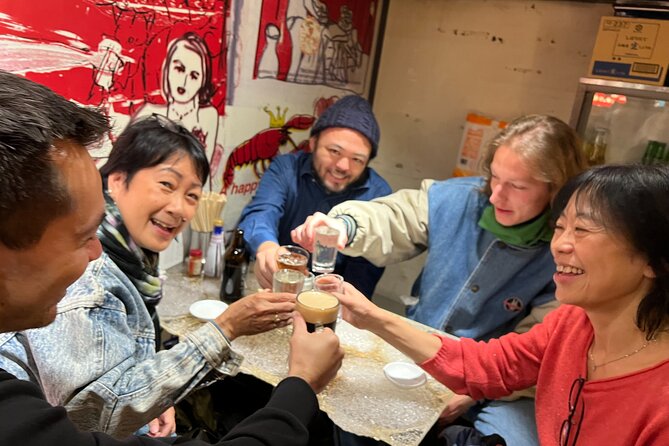
- Harmonica Yokocho food at the finish: a post-war back-alley story plus one drink and two yakitori skewers
- Small group size: maximum 8 people, plus a mobile ticket for easy entry
Before you commit, see how this one stacks up against a few Musashino favourites:
- Small Town in the Big City: Tasting Tokyo’s Kichijoji★ 5.0 · 195 reviews
- The 10 Tastings of Tokyo With Locals: Private Street Food Tour★ 5.0 · 48 reviews
- EXCLUSIVE Tokyo Secret: Kichijoji Small-Group Food & Bar Hopping★ 5.0 · 29 reviews
Kichijoji After 3 pm: How This Short Walk Fits Tokyo
This tour makes a smart case for choosing a neighborhood instead of racing from landmark to landmark. Kichijoji sits in Musashino, and it’s about a 15-minute train ride from Shibuya or Shinjuku, so you get that “local Tokyo” feel without spending your whole day commuting.
The timing matters. Starting at 3:00 pm means you’re walking while shops are still active and the day hasn’t fully cooled off. By the time you reach Harmonica Yokocho, the mood shifts naturally from afternoon shopping to evening alley eating. It’s an easy rhythm: walk, learn, pause, snack, wander some more.
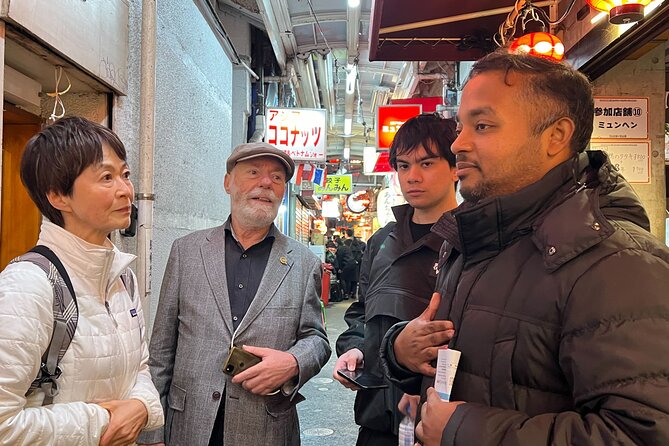
You’ll also appreciate the small group size (max 8). In a place like Kichijoji—where the best moments are often on side streets—a small group helps you keep up and actually see what matters.
Sunroad Shopping Street: Your First Hit of Local Tokyo
You begin at Sunroad, Kichijoji’s main shopping street. It’s about 300 meters long and lined with around 150 shops. That sounds like a lot, and it is—but the length is just right for a short walking tour. You can actually read shopfronts and notice patterns instead of getting swallowed by crowds.
Sunroad has a reputation with Tokyo residents too. It was voted their second favorite shopping street in 2022, just behind Ameyoko. That’s a strong signal that this isn’t just a tourist corridor. You’ll feel the everyday Tokyo rhythm: quick purchases, casual browsing, and lots of storefront variety.
What I like about starting here is the “local reality check.” Kichijoji isn’t only cute cafés and curated boutiques. Sunroad gives you the basics of how the neighborhood shops, snacks, and moves.
A small consideration: since it’s an active shopping street with many storefronts, it can feel a bit hectic if you’re sensitive to visual noise. If you’re the type who likes quiet museums, you might need a temple stop soon—good news, you get one.
Gesso-ji Temple: Zen Calm in a Green Pocket
After the shopping-street buzz, Gesso-ji Temple brings the pace down fast. It’s described as the heart of Kichijoji’s history—part of why the town formed here in the first place. You also get the quiet Zen Buddhist setting: greenery around the temple gives you a natural break from the street energy.
I always find it useful when a walking tour doesn’t just show photos of a temple. You should feel the change in sound and motion when you step into the grounds. This is one of those stops where you can slow your brain down and start noticing details like space, paths, and how locals behave in a sacred setting.
If you’re short on time in Tokyo, this kind of temple stop is valuable. It’s not a long detour, but it adds meaning to the rest of the walk. Kichijoji isn’t just a shopping district; it grew around places like this.
Nakamichidori Arcade: Where Old Tokyo Meets New Tokyo
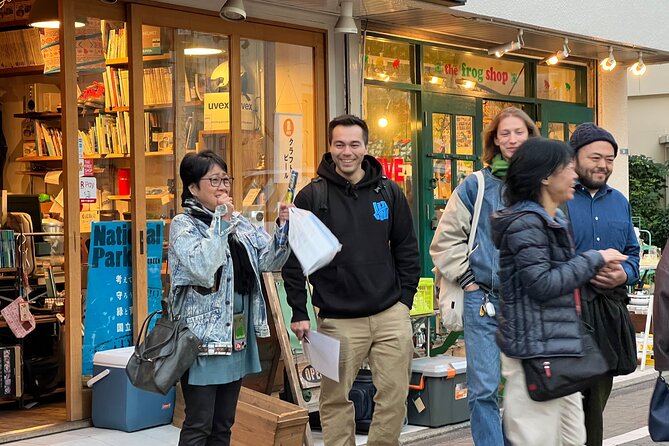
Next comes Nakamichidori, a shopping arcade and its surrounding streets. This is where Kichijoji shows its everyday style: old and new rubbing shoulders. You’ll see established shops alongside more modern cafés, sweets shops, and unique small stores.
This is also a good moment for souvenir hunting—without turning the whole trip into a shopping spree. The walk is long enough for you to compare styles, but short enough that you won’t feel stuck browsing for an hour straight.
From what I’ve gathered from tour experiences, the route often includes time that works well for finding artisan and antique-type shops—people especially enjoy pottery and older-style stores. That makes sense here. Kichijoji has the kind of neighborhood identity where small businesses can survive because locals actually support them.
One more smart thing to know: Nakamichidori isn’t framed as a “single wow spot.” It’s more like a guided way to read the neighborhood. You’re learning how Kichijoji balances tradition with current tastes, and you’re doing it at walking speed, not in a photo montage.
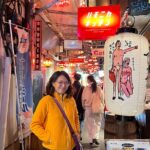
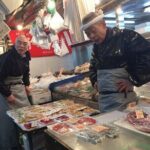

Harmonica Yokocho: Yakitori, One Drink, and a Post-War Alley Story
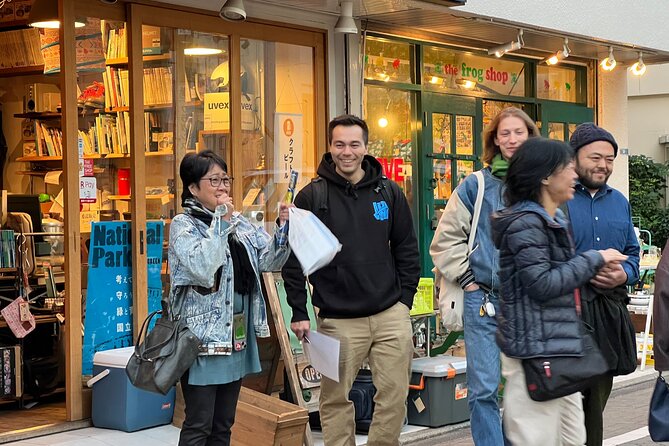
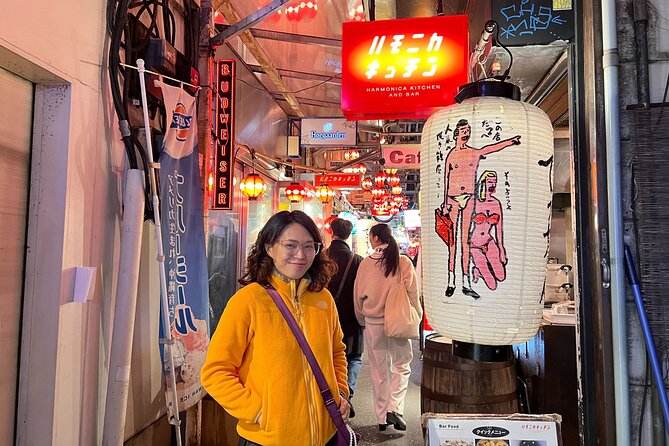
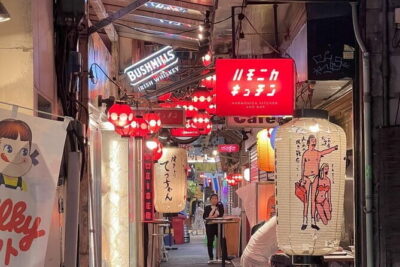
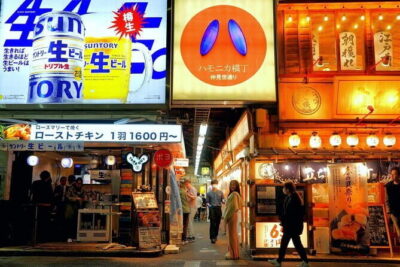
The final stop is Harmonica Yokocho, and it’s exactly the kind of place you remember because it’s compact and full of character. It’s a narrow maze of small bars and eateries, and the name comes from how the tiny alleyways resemble the reeds of a harmonica.
There’s also a real backstory here. Harmonica Yokocho began as a post-war black market. That matters, because it explains why the alley feels like a patchwork of small businesses rather than a “designed for tourists” dining zone.
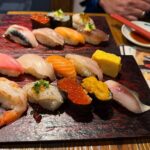
And yes, you get food. The highlight is that you can enjoy one drink and two skewers of yakitori as part of the experience. For many people, this is the best value moment of the walk. You’re not just walking past dinner—you’re ending in a place where you actually sit down and eat.
Practical tip: yakitori meals are fast by design. Don’t expect a long, slow dinner. Think of it like a local snack-finish. If you want more, you can easily keep walking afterward—this area is near Kichijoji Station, and you’ll be in the right mood to explore further.
Also, the Harmonica Yokocho stop is near the end of the tour, so it’s the most convenient moment to recharge before you head back toward your hotel or the rest of your Tokyo plans.
Price and Value: What $45.98 Buys You

At $45.98 per person for about two hours, the big value question is: what’s included vs what you’d pay on your own.
Here’s the practical math in plain terms:
- You’re paying for a guided neighborhood walk with planned stops (shopping street, temple, arcade, and the alley food area).
- You also get a built-in food moment: one drink and two skewers of yakitori at Harmonica Yokocho.
If you’ve ever tried to “DIY” Kichijoji from station to station, you can do it—but you’ll probably spend some time searching for the best tiny lanes, and you’ll miss the context that turns random streets into an actual story. With a guide, the walk becomes efficient. You’re not just seeing Kichijoji; you’re learning how it works.
The other value piece is group size. A maximum of 8 people keeps the experience from feeling like a conveyor belt. That matters in narrow streets like Harmonica Yokocho, where moving in a crowd can be tough.
One more real-world note: this tour is often booked around 33 days in advance. That’s a hint that it’s popular and spaces go first. I’d reserve when you can, especially if you’re traveling during a busy season.
Where Guides Make the Difference (Kate and Michi)
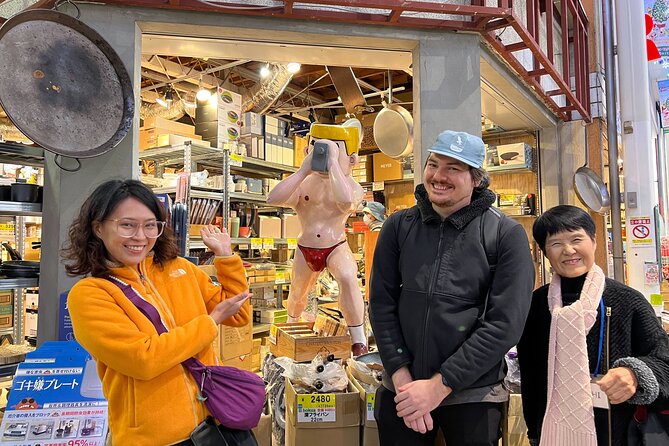
A big part of the quality here is how the guide connects Kichijoji’s details into an understandable picture. In past experiences, guides such as Kate and Michi have been praised for being friendly and informative, and for showing special places that you might not notice on your own.
You can also expect story time. Some guides share local history in ways that feel tied to daily life. For example, one guide story involves a major earthquake about 350 years ago and how it relates to the city’s creation. That kind of detail turns a temple stop and shopping street into more than just scenery.
I like tours best when the guide doesn’t treat Kichijoji like a checklist. Instead, they help you notice patterns—why certain streets exist, what people buy, why temples remain central, and why the alley food culture survived in the form it did.
Logistics That Actually Matter: Meeting Point, End Point, and Mobile Ticket

You start at 1-chōme-1-24 Kichijōji Minamichō, Musashino, Tokyo 180-0003 and you end near Harmonica Yokocyo at 1-chōme-1 Kichijōji Honchō, Musashino, Tokyo 180-0004.
The end point is a short walk from the north exit of Kichijoji Station. That’s helpful because it means you won’t be guessing how to navigate your next step.
You also use a mobile ticket. That’s practical in Tokyo, where you don’t want to scramble with paper tickets or screenshots once you’re already in motion.
If you’re doing other activities that day—like going to the Ghibli Museum area—this tour can act like a neighborhood bridge. Finish in a lively alley, then keep exploring nearby streets at your own pace.
Who This Kichijoji Walk Is For
This is a strong fit if you want a guided way to experience a Tokyo neighborhood at human scale. You’ll enjoy it most if you like:
- shopping streets that feel like real life (not just themed retail)
- temple calm with short walking distances
- a meal stop that feels local and not overly formal
It’s also a good choice for first-timers to Kichijoji who don’t want to spend hours planning side streets and local food spots.
You might want a different plan if:
- you dislike walking for two hours
- you prefer big-ticket indoor sights where you can sit for a long time
- you’re hoping for a museum-style, ticketed attraction day (this is street-and-neighborhood focused)
Should You Book This Kichijoji Tour?
Yes, you should book it if you want the fastest way to understand Kichijoji’s vibe: classic shopping streets, a real temple pause, then a proper alley meal finish in Harmonica Yokocho. The price feels fair because the yakitori and drink are baked in, and the small group size helps you actually see what you came for.
Skip it only if your ideal day in Tokyo is mostly museums, long sit-down restaurants, or lots of time in one single place. For a simple, satisfying neighborhood afternoon that turns into an evening alley meal, this one makes sense.
FAQ
How much does the Kichijoji walk cost?
It costs $45.98 per person.
How long is the tour?
It lasts about 2 hours.
What’s included when you reach Harmonica Yokocho?
You can enjoy one drink and two skewers of yakitori at Harmonica Yokocho.
What group size should I expect?
The tour has a maximum of 8 travelers.
Where do I meet and where do I end?
You start at 1-chōme-1-24 Kichijōji Minamichō, Musashino, Tokyo 180-0003, and you end at Harmonica Yokocyo, 1-chōme-1 Kichijōji Honchō, Musashino, Tokyo 180-0004. The ending spot is a short walk from the north exit of Kichijoji Station.
Is there an admission fee for the stops?
The stops listed include admission Ticket Free.
Do I need a printed ticket?
No. You’ll use a mobile ticket.
Can I cancel for a full refund?
Yes, you can cancel up to 24 hours in advance for a full refund. If you cancel less than 24 hours before the start time, the amount paid won’t be refunded. The experience may also be canceled if the minimum number of travelers isn’t met, with an alternative date/experience or a full refund offered.
More Tour Reviews in Musashino

Fresh reviews from around Musashino
Musashino, compared.
 ★ 5.0Small Town in the Big City: Tasting Tokyo’s KichijojiFrom $195195 reviews
 ★ 5.0The 10 Tastings of Tokyo With Locals: Private Street Food TourFrom $19948 reviews
 ★ 5.0EXCLUSIVE Tokyo Secret: Kichijoji Small-Group Food & Bar HoppingFrom $10529 reviews
★ 5.0Small Town in the Big City: Tasting Tokyo’s KichijojiFrom $19516 reviews
★ 5.0EXCLUSIVE Tokyo Secret: Kichijoji Small-Group Food & Bar HoppingFrom $10529 reviews
★ 5.0Small Town in the Big City: Tasting Tokyo’s KichijojiFrom $19516 reviews
 ★ 5.0Seafood Sushi Diversity for AllFrom $658 reviews
 ★ 5.0Samurai Guide Sho’s:Kichijoji Night Training–Drink & Dish PairingFrom $977 reviews
 ★ 5.03-Hour Manga Drawing Workshop in TokyoFrom $975 reviews
 ★ 5.0Plant-Based Sushi Diversity for All (vegan-friendly)From $655 reviews
Browse the lists this tour appears in