
Fuji day trips are never quiet, but this one is well-paced. You get a bus ride out of Tokyo, then switch into scenic mode with the Hakone Pirate Ship on Lake Ashi and repeated chances to spot Mt. Fuji (weather permitting). That mix of views and culture is exactly what makes this day feel efficient.
I especially like the hands-on lunch: ramen-making from scratch in Fujikawaguchiko-machi. It’s not just eating noodles; you’ll work through the steps, choose elements for your bowl, and end with something you made with your own hands.
One thing to plan around: this is a long day with real walking, including a staircase option at Arakura Fuji Sengen Shrine. If you’re sensitive to stairs or longer distances, you’ll want to choose the gentler path and make the pacing your friend.
In This Review
- Key Things to Know Before You Go
- Getting Out of Tokyo Early (Without Losing Your Morning)
- Hakone Pirate Ship on Lake Ashinoko: Fuji From the Water
- Fujikawaguchiko-Machi Ramen Factory: Make Your Lunch, Then Eat It
- Arakura Fuji Sengen Shrine: The Stair Climb to the Best Fuji Views
- Oshino Hakkai: Eight Ponds, One Fuji Water Story
- How the Day Works: Timing, Photo Stops, and Weather Reality
- Guide and Driver Impact: When the Day Runs Smoothly
- Who This Tour Is Best For (and Who Should Skip)
- Value Check: Does It Earn Its Price?
- Final Call: Should You Book This Mt. Fuji & Hakone Day Trip?
- FAQ
- What is the tour price and duration?
- Where do I meet the group?
- What time does the tour start?
- Will I get a tour guide in English?
- Is there Wi-Fi on the bus?
- What food is included?
- Is the Lake Ashi cruise included?
- What happens if weather stops the cruise?
- Is this tour good for people with mobility challenges?
- How flexible is cancellation?
Key Things to Know Before You Go
- Round-trip bus from Shinjuku saves you from timed train transfers and early-morning juggling
- Lake Ashi cruise is the classic Mt. Fuji-from-the-water moment, but weather can change the plan
- Ramen-making lunch lets you customize soup base, toppings, and noodle firmness
- Arakura Fuji Sengen Shrine + Churei-to Pagoda is the big viewpoint stop, with a 398-step staircase option
- Oshino Hakkai ponds show how Mt. Fuji’s melted snow becomes clear spring water, filtered over decades
- Small-group feel with a maximum of 42 travelers makes the schedule feel more controlled
Getting Out of Tokyo Early (Without Losing Your Morning)
The day starts at 7:40 am at Shinjuku Center Building. It’s a short walk from JR Shinjuku Station, but Shinjuku is still Shinjuku, so I’d treat this like a “leave early” kind of morning. The bus leaves on schedule and won’t wait for late arrivals, so being there a few minutes before the stated time matters.
A big value point here is that you’re not piecing together trains, buses, and transfers. You sit on an air-conditioned bus with free Wi-Fi, and you get an English-speaking guide to help you connect the dots between stops. If you’re visiting Tokyo for the first time, that alone can be worth its weight in jet lag.
One more practical note: the tour is listed as roughly 11 to 12 hours, so it’s not a “quick escape.” It’s a full-day tap into western Japan’s Fuji/Hakone loop, and you’ll feel it by the end.
Hakone Pirate Ship on Lake Ashinoko: Fuji From the Water
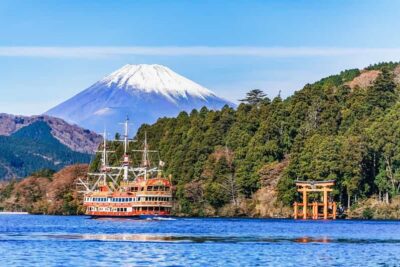
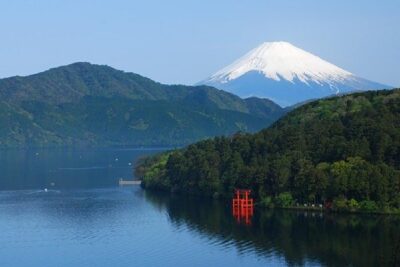
After you leave Tokyo, you head into Hakone’s scenic zone and board the Hakone Pirate Ship on Lake Ashinoko (Lake Ashi). The cruise is about 25 minutes, and it’s designed for one thing: giving you a calm, watery viewpoint where Mt. Fuji often shows up as a dramatic backdrop.
When conditions are good, this is one of the most photogenic segments of the whole day. You’re surrounded by greenery, and depending on the season you might see cherry blossoms around the lake. Even when Fuji is hidden, you still get the visual “pause” of the lake itself.
The honest travel downside: the cruise can become inaccessible due to bad weather, traffic, or service suspension. When that happens, the tour takes you to alternative facilities, and refunds aren’t issued for the cruise substitution. In plain terms, keep your expectations flexible. I treat this as a “chance to see Fuji from the water,” not a guaranteed postcard.
Fujikawaguchiko-Machi Ramen Factory: Make Your Lunch, Then Eat It
If you’ve ever wanted to taste Japan beyond a quick bowl at a restaurant, this stop is where the tour earns its keep. In Fujikawaguchiko-machi, you’ll spend about 1 hour at the ramen factory where you start from scratch. You’ll make your own noodles and then build your ramen by choosing your soup base, seasonings, toppings, and the boil/texture you want.
I like this kind of activity because it turns a meal into a small class. You come away knowing a little more about what makes ramen feel like ramen, instead of just collecting another stamp on your itinerary. It also gives you an energy boost before the shrine and ponds, because you’re actually doing something with your hands while everyone else is simply waiting around.
Two practical cautions:
- If you’re planning for a strict diet, the tour data says Halal and Vegan lunches are not available. Vegetarian requests may be possible if you contact the provider at least 7 days before.
- The lunch is included with the ramen-making experience, but if you booked a version without lunch, you may need to plan for food separately.
Arakura Fuji Sengen Shrine: The Stair Climb to the Best Fuji Views
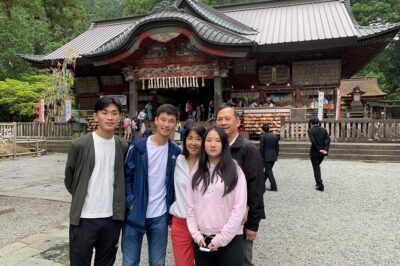
This is the stop that most people picture when they think of “Fuji scenery plus shrines.” Arakura Fuji Sengen Shrine traces back over 1,500 years to 705, and it’s famous for big Mt. Fuji views.
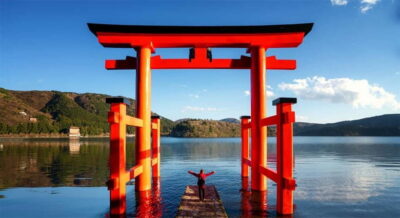
The route starts at the foot of Mt. Arakura. You pass through a grand red torii gate, then move through the complex, including smaller shrines along the stone staircase. The Shiogama and Atago shrines are associated with safe childbirth and fire protection, respectively, which adds context beyond just sightseeing photos.
Then comes the main climb. To reach the viewpoint deck and pagoda area, you can choose either:
- the Sakuya-Hime staircase with 398 steps, or
- a gentler sloping path.
I’m glad this choice is included, because it changes the whole experience. If you want the classic “I earned this view” moment, stairs work. If you want the view without the heavy burn, take the sloping route and move at your own pace.
At the top, you’ll reach the five-story Churei-to Pagoda and an observatory deck. This is one of those places where Mt. Fuji is the headline and everything else supports the framing. In overcast conditions, it can feel muted, but the shrine itself still delivers that calm, ritual atmosphere.
One more important warning pulled from tour guidance: the day includes significant walking, and it’s not recommended if you have difficulty with distances of roughly 10 to 15 minutes. This shrine stop is a major part of that walking load.
Oshino Hakkai: Eight Ponds, One Fuji Water Story
After the shrine, you head to Oshino Hakkai, about 1 hour 20 minutes. The name refers to eight seas, meaning eight ponds. They’re fed by melted snow from Mt. Fuji’s peak, which then filters through volcanic rock over an 80-year-long process before it emerges as clear spring water.
That “slow reveal” is the key idea here. Oshino Hakkai isn’t just a pretty pond photo stop. It’s a real example of how Japan talks about nature as something you respect, not just something you consume for a view.
The area also includes markets and local vendors. You may find fruit, wine, souvenirs, and regional snacks from smaller stalls. This is a good moment to browse at a relaxed pace, especially if you want something easy to bring back.
If Mt. Fuji was shy earlier in the day, Oshino Hakkai can still feel worthwhile because the ponds are the point. Even on days when the mountain stays covered, the water and the village atmosphere carry the experience.
How the Day Works: Timing, Photo Stops, and Weather Reality
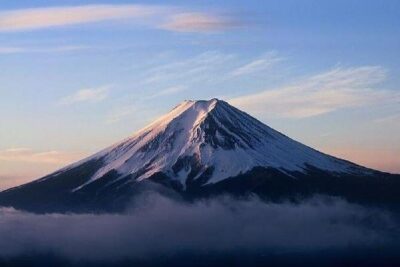
The biggest “schedule skill” for this tour is knowing that weather runs the show around Mt. Fuji. The cruise may be replaced by alternatives. The shrine views may be partially blocked. Overcast days can still be enjoyable, but don’t book this expecting perfect visibility.
That said, the tour is built with multiple chances to see Fuji. You get:
- a lake viewpoint from the boat,
- shrine and pagoda framing at Arakura,
- then a calmer environment at Oshino Hakkai.
Photo tips that actually help:
- Dress in layers. Morning can feel cooler on the bus route, and then you’ll walk and climb later.
- If you’re sensitive to stairs, commit early to the sloping path at Arakura. Waiting until you’re halfway up a staircase wastes energy.
- Plan for crowds in the shrine and viewpoint zones. This is a popular area, and the tour group size can be up to 42.
One small but real logistics note from the experience setup: there’s a chance you’ll need to use the restroom during the long bus portion and between stops. The itinerary is designed to include breaks, but you’ll still want to come prepared with basic essentials.
Guide and Driver Impact: When the Day Runs Smoothly
This tour leans heavily on the guide’s ability to keep the day moving and explain what you’re looking at. The experience includes an English-speaking guide, and the tour’s overall rating is high, with people frequently praising how kind and helpful the guide can be.
You’ll also notice that the driver matters more than you’d think. A slower pace can affect the exact timing of cruise boarding, which can force changes to where you’re picked up. On days like that, a good guide makes the difference between “lost time” and “handled quickly.”
It’s also a reassuring sign that guides like Yoko, Mami, and Hiro have been credited in past departures. Those names aren’t the point, but the pattern is: this tour can run smoothly when the human team is on top of details.
Who This Tour Is Best For (and Who Should Skip)
This is a strong fit if:
- you want a one-day Fuji + Hakone sampler from Tokyo,
- you like a plan that includes multiple major stops without you handling transfers,
- you enjoy cultural sights but also want a hands-on activity (ramen-making),
- you prefer a bus day over building your own route with public transport.
It may be less ideal if:
- you struggle with walking distances or stairs (the Arakura area includes a staircase option and a sloping alternative),
- you need a specific lunch type like vegan or halal (the tour data says those lunches are not available),
- you dislike long days. Expect roughly 11 to 12 hours and multiple movement segments.
If you’re traveling with friends or family and you want structure, this is the kind of tour that makes the day feel organized. If you’re the type who prefers to wander without a schedule, you might find it moves quickly at the stops.
Value Check: Does It Earn Its Price?
At $128.69 per person, you’re paying for more than “transport to sights.” You’re buying three things that usually cost separate money and separate time:
- Guided day structure with an English-speaking guide.
- Hands-on ramen-making lunch, including noodle work and customization.
- A set of major Mt. Fuji/Hakone experiences in one loop, including the Lake Ashi cruise boarding ticket when that option is selected.
If you were to do these separately, you’d likely spend more time coordinating—and you might still end up paying for taxis or extra transit on top. This tour can make sense for first-timers because it’s built to reduce decision fatigue.
That said, weather can change one of the signature components (the cruise). The value still tends to hold because the shrine and Oshino Hakkai are core parts of the day, but you should go in with a flexible mindset.
Final Call: Should You Book This Mt. Fuji & Hakone Day Trip?
I’d book it if you want a high-effort day with clear structure and you’d genuinely enjoy ramen-making plus shrine and pond sightseeing. It’s a practical way to see why Fuji culture is tied up with water, rituals, and viewing traditions, all without wrestling Tokyo transit at 7:40 am.
I’d skip or choose a different format if you’re dealing with walking limits, strong mobility concerns, or strict dietary needs like vegan/halal. The tour does offer a gentler path at Arakura, but it still involves enough movement that you should plan honestly.
If you’re comfortable with that and you’re excited about the idea of seeing Mt. Fuji from multiple angles in one day, this is a solid use of your time.
FAQ
What is the tour price and duration?
The tour costs $128.69 per person and runs about 11 to 12 hours.
Where do I meet the group?
You meet at Shinjuku Center Building, 1-chōme-25 Nishishinjuku, Shinjuku City, Tokyo 160-0023. It’s about a 7-minute walk from JR Shinjuku Station.
What time does the tour start?
The start time is 7:40 am.
Will I get a tour guide in English?
Yes. The tour includes an English-speaking guide.
Is there Wi-Fi on the bus?
Yes. The air-conditioned bus includes free Wi-Fi.
What food is included?
Ramen-making and lunch are included with the ramen-making experience. Vegetarian requests can be requested by contacting the provider at least 7 days in advance. Halal and Vegan lunches are not available.
Is the Lake Ashi cruise included?
You’ll board the Hakone Pirate Ship on Lake Ashi. The sightseeing cruise boarding ticket is included if that option is selected.
What happens if weather stops the cruise?
If the cruise becomes inaccessible due to bad weather, traffic, or suspension of service, the tour will take you to alternative facilities. Refunds are not given for this.
Is this tour good for people with mobility challenges?
The tour involves significant walking. It is not recommended for those who have difficulty walking distances of about 10 to 15 minutes. At Arakura Fuji Sengen Shrine, you can choose a staircase or a sloping path.
How flexible is cancellation?
You can cancel for a full refund up to 24 hours before the experience start time. Cancellation cutoff is based on local time.
Mt Fuji Day Trips, compared.
 ★ 4.0Mt Fuji & Hakone Cruise, Drum Show Bullet Train 1 Day from TokyoFrom $1497,413 reviews
 ★ 4.4Tokyo Mt Fuji 5th St & Hakone Cruise Bus Tour w/Bullet TrainFrom $1545,024 reviews
 ★ 4.5From Tokyo: Mount Fuji Full-Day Sightseeing TripFrom $684,970 reviews
 ★ 4.7Mt. Fuji Tour, Hakone Ropeway, Owakudani, Lake AshiFrom $544,002 reviews
 ★ 5.0Private Tour to Mt. Fuji and Hakone (Fully Licenced Operator)From $4971,910 reviews
 ★ 4.9Mount Fuji Full-Day Private Tour from Tokyo (Customizable)From $3931,470 reviews
 ★ 4.0Mt Fuji & Hakone Cruise, Drum Show Bus 1 Day from TokyoFrom $1221,287 reviews
 ★ 4.2From Tokyo: Mt. Fuji & Hakone Tour w/ Return by Bullet TrainFrom $1171,278 reviews
Browse the lists this tour appears in