
Reviewed · SAKE TASTING
Experience a western twist on Japanese sake snacks
Sake snacks with a Tokyo secret.
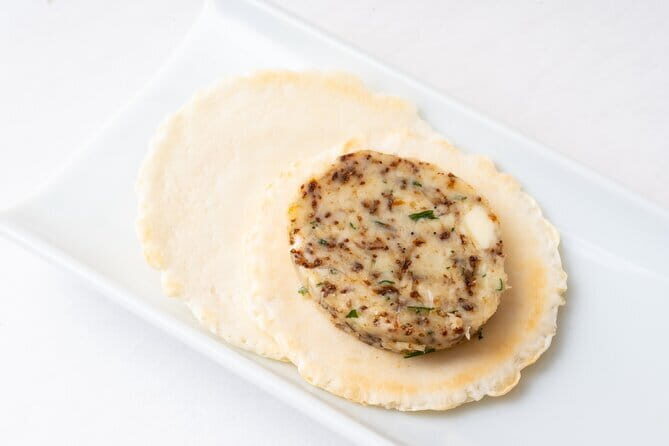
This private tasting at Shinbashi Tamakiya takes the classic Japanese preserved-seafood snack tsukudani and gives it a more “western-friendly” angle through wine or sake pairings. You’ll learn how the shop thinks about the food, from the dish’s roots to how people eat it today.
I especially like two things here. First, you don’t just taste one style—you get traditional and modern tsukudani side by side, so you can spot what’s changed and what stayed the same. Second, the teaching feels practical and welcoming, with a strong focus on how to eat (and why), including their secret sauce and signature bites.
One thing to consider: this is a tasting of preserved seafood, so if you’re sensitive to strong umami flavors or briny textures, you should go in with an open mind.
Key highlights to know before you go
- Private tasting at an Edo-era stalwart: Shinbashi Tamakiya has been operating since 1782.
- You choose morning or afternoon: pick the slot that fits your Tokyo pacing.
- All tsukudani tastings are included: you get multiple styles, not a “quick sample.”
- Sake or wine pairings are part of the plan: one price, two flavor tracks.
- More than seafood chunks: you’ll also try rice with tsukudani and furikake, plus twists like pasta and nuts.
In This Review
- Tsukudani Snack Time, But Not Like You Think
- Shinbashi Tamakiya (Founded 1782) Sets the Tone
- A Private 90-Minute Tasting With Real Teaching
- What You’ll Taste: From Secret Sauce to Pasta and Nuts
- 1) Three signature tsukudani styles
- 2) Their secret sauce concept
- 3) Rice with tsukudani and furikake
- 4) Modern twists: pasta and nuts
- Pairing Sake or Wine: How to Choose What Fits You
- How Value Really Works for $36.24
- Timing: Morning vs Afternoon Slots
- Where You Start and How to Plan Your Day
- Who This Tour Is Best For (And Who Should Think Twice)
- Practical Tips to Get More Out of Every Bite
- Should You Book Shinbashi Tamakiya’s Tsukudani Private Tasting?
- FAQ
- What is the duration of the tsukudani tasting?
- Where does the tour start?
- Is this a private tour?
- What food and drinks are included?
- Do I get wine or sake with the tastings?
- What will I taste during the session?
- Can I choose a morning or afternoon time?
- What is the cancellation policy?
Tsukudani Snack Time, But Not Like You Think
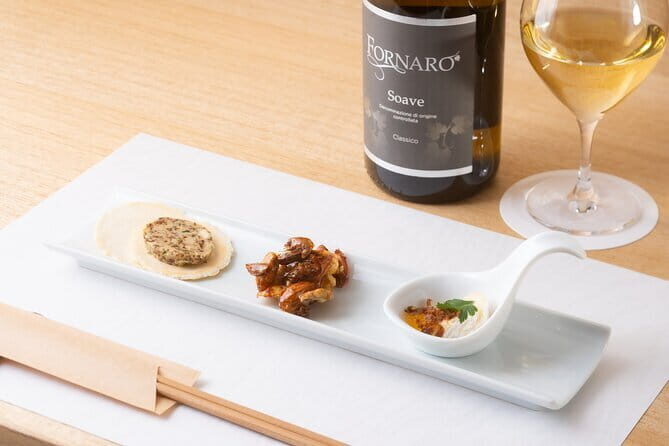
If you’ve only heard tsukudani described as a quirky Japanese pantry item, this experience changes that quickly. Tsukudani is preserved seafood—usually simmered and seasoned so it keeps well and tastes deep even when served plain. In practice, that means you’re eating something that’s part snack, part comfort food, and part cultural marker of how Japanese kitchens handled ingredients long ago.
What makes this tour especially fun is the way it’s framed for real eating, not just tasting. You’re not stuck with one tiny bite. You’re guided through how to match flavors, including suggested ways to enjoy it and what to look for when the same ingredient shows up in different versions. The preserved-seafood taste is the constant; the styles and pairings shift.
And yes, the “western twist” shows up in the pairing options. Choosing between sake and wine makes it easier to find a match that feels natural to you—even if you’re not a sake person.
Another round: more sake tastings
- Ramen and Sushi Cooking Class with Sake Pairing Set in Tokyo★ 5.0 · 291 reviews
- Sake Tasting Masterclass in Shinjuku (8+ Varieties with a Pro)★ 5.0 · 271 reviews
- Wagyu & Sake Pairing in Shinjuku – Steak, Shabu-Shabu & More★ 5.0 · 112 reviews
Shinbashi Tamakiya (Founded 1782) Sets the Tone
The location matters here. You’re meeting at Shinbashi Tamakiya in Shinbashi, right at 4-chōme254 石田ビル 1階 (near public transportation). Shinbashi is a practical base for visitors, which helps if you’re building a day around food stops and don’t want long transfers.
Shinbashi Tamakiya is established in 1782, and that age isn’t just trivia. It signals that this isn’t a one-off “food trend” experience. Their focus is tsukudani, and that specialization shows in how they teach it—shop history, dish history, and what they consider the key ideas behind traditional flavors.
I like that you’re not asked to just “trust the chef.” You’re given context and then fed samples in an order that makes sense. Start with core ideas, learn what makes tsukudani taste the way it does, then move into variations.
A Private 90-Minute Tasting With Real Teaching
This is a private experience, meaning only your group participates. You should expect it to feel like a guided food lesson where your questions matter. The experience runs about 1 hour 30 minutes, which is a sweet spot: long enough to taste several items and talk through them, short enough that it won’t hijack your whole day.
You also have a straightforward schedule choice. You can book a morning or afternoon tasting depending on your plans. That matters in Tokyo, where mornings can be for temples and late afternoons can be for neighborhoods and lights.
From the overall tone, the “teacher” element is a big part of the value. The instruction is described as warm and informative, and you can feel that this shop wants you to understand the food—not just swallow it quickly.
What You’ll Taste: From Secret Sauce to Pasta and Nuts
Here’s the heart of the experience: you’re guided through multiple tsukudani tastings, including both traditional and modern versions.
1) Three signature tsukudani styles
You’ll start with the shop’s history, then move into their key offerings. The tasting includes three signature tsukudani. This is where you learn the baseline: the classic preserved-seafood flavor profile, the seasoning approach, and the texture differences that come from different preparations.
Other plates worth crossing Tokyo for



2) Their secret sauce concept
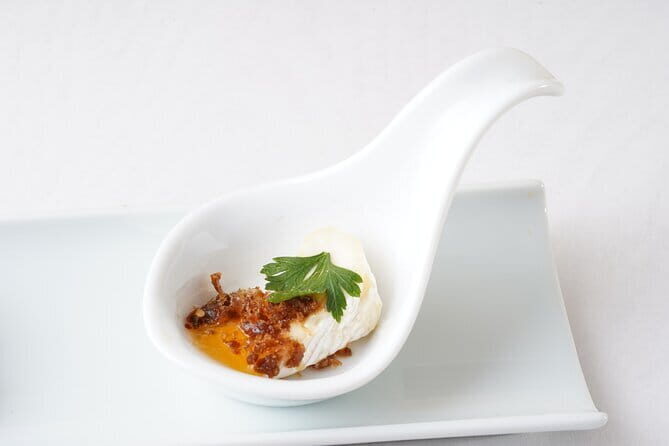
You’ll also taste their secret sauce (part of the tasting flow). Even without having the recipe in your hands, this is useful because it trains your palate. You learn what elements the shop thinks are essential—saltiness, sweetness, depth, and how they balance seafood taste instead of covering it.
Practical tip: take one bite slowly first, then go back for a “second read.” The flavors usually open up after the first moment when your tongue recalibrates.
3) Rice with tsukudani and furikake
Next comes rice with tsukudani and furikake seasonings. This is important because it shows you how tsukudani behaves in a real meal setup. Furikake brings extra aroma and texture; rice rounds out the intensity. It’s the bridge between snack and full-on comfort.
If you’ve ever had tsukudani on plain rice at home, you’ll recognize the concept. If you haven’t, this portion is often the easiest entry point.
4) Modern twists: pasta and nuts
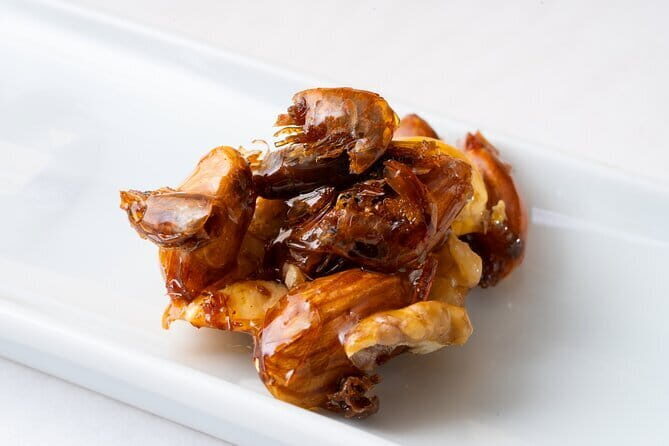
Finally, you’ll try tsukudani with different ingredients, including pasta and nuts. This is where the “western twist” becomes real. Tsukudani isn’t restricted to one kind of Japanese serving style, and those mashups show how preserved seafood can work in unexpected combinations.
This doesn’t mean it becomes un-Japanese. It means it adapts—using tsukudani’s umami backbone in ways that feel more familiar if your brain says, “Seafood + pasta works.”
Pairing Sake or Wine: How to Choose What Fits You
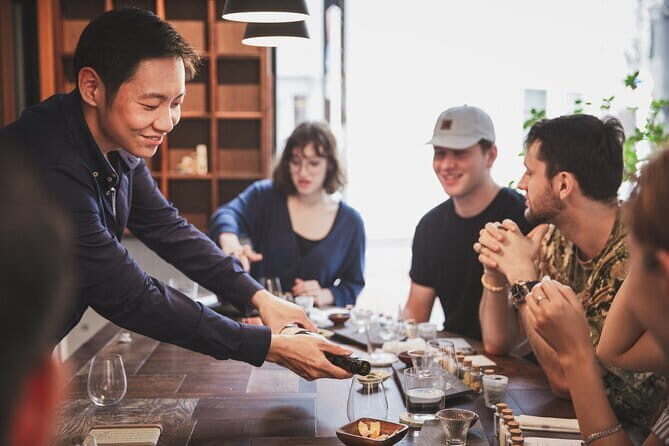
This tour includes wine or sake pairings, and that’s one of the smartest ways to make tsukudani feel approachable. Preserved seafood is salty, sweet, and savory all at once. Pairing helps you understand what those flavors “want” from a drink.
If you choose sake, you’re likely leaning into tradition. If you choose wine, you’re creating your own western-friendly route through the tasting.
What I like as a practical traveler is that the experience doesn’t treat pairing like a gimmick. They build it into the food flow. That means your glass isn’t just sitting there while you taste randomly; it’s meant to match what you’re eating right then.
If you’re undecided: pick the drink you’ll actually enjoy on your day off. Your palate won’t be neutral if you’re forcing it.
How Value Really Works for $36.24
At $36.24 per person, you’re not just paying for food—you’re paying for a curated sequence of tastings, plus snacks, brunch, and alcoholic beverages included in the price.
In Tokyo, meals and drinks add up fast. What makes this good value is the concentration: multiple servings, not just a small sample. You also get the guided explanation—shop history, dish history, and how to eat tsukudani with intention.
For a private experience, the value gets even better when the time is used well. A 90-minute guided tasting gives you enough structure to leave with real understanding, not just photos.
Timing: Morning vs Afternoon Slots
You get to choose a morning or afternoon option. That’s helpful for two reasons.
First, tsukudani tastings can work as a brunch-style experience, especially with the rice and the broader snack set. If you’re hungry in the late morning, you’ll likely feel it in the best way.
Second, pairing with alcohol is easier to enjoy when your day has a clear rhythm. Afternoon slots can pair nicely with a shopping and walking plan afterward, since you’ll already have your food lesson done.
Where You Start and How to Plan Your Day
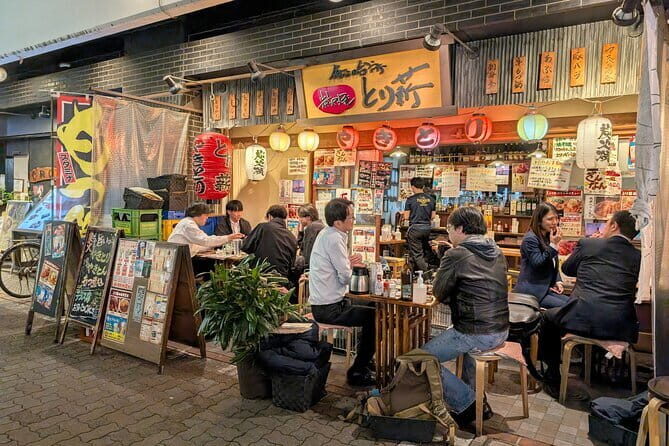
You’ll meet at Shinbashi Tamakiya, then the activity ends back at the meeting point. That keeps things simple if you hate half-day navigation chores.
Because it’s near public transportation, you can plug it into a Tokyo itinerary without stress. Still, plan to arrive a few minutes early so you’re not rushing. In a private tasting, small delays can eat up the calm pace that makes it feel enjoyable.
Mobile ticket: you’ll use a mobile ticket for entry. Bring your phone fully charged, or at least make sure you can access it without wrestling with weak battery and venue Wi-Fi.
Who This Tour Is Best For (And Who Should Think Twice)
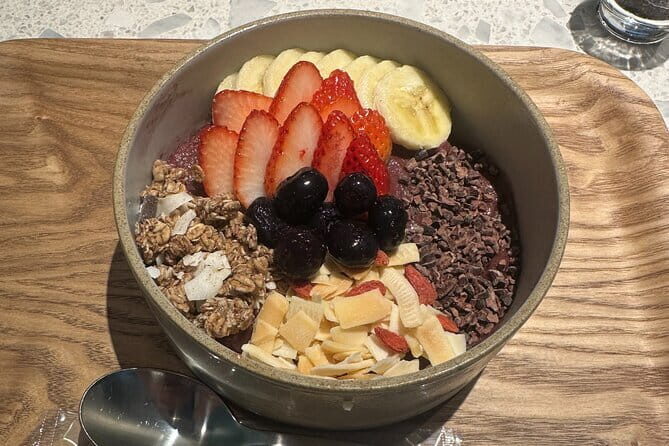
This is a strong fit if:
- You want a food-focused cultural experience in a short window.
- You like learning how traditional Japanese dishes evolved into modern styles.
- You enjoy pairing food with sake or wine, or at least want a guided recommendation.
It may be less ideal if:
- You don’t like preserved seafood flavors or briny intensity.
- You’re hoping for a hands-on cooking class (this is tasting-focused, with teaching built around it).
- You want a long walk-through market experience. This is inside the shop setting.
If you’re a first-timer in Tokyo and want something memorable but not complicated, this is a solid choice. If you’re a Japan food nerd, it also works because you’re getting both tradition and variations in one sitting.
Practical Tips to Get More Out of Every Bite
A private tasting moves at a pace you should follow. Here are a few ways to make it click:
- Taste in order, then ask questions as the food flow changes. When the pairing changes, your palate changes too.
- Take notes on what you like. It helps you remember which version you want later if you spot tsukudani in shops.
- If you pick wine, pay attention to how it handles salt and sweetness. If you pick sake, notice how it works with seafood umami.
- Go a little hungry. Brunch and multiple tastings are included, and your enjoyment improves when you’re not already full from a heavy ramen stop.
Also, because service animals are allowed, if you travel with one, it’s good to know the experience can accommodate.
Should You Book Shinbashi Tamakiya’s Tsukudani Private Tasting?
Book it if you want a guided, palate-building experience with tsukudani at its source. The biggest win is the structure: traditional vs modern tastings, built-in pairings with sake or wine, and a clear teaching style that makes the food easier to understand and enjoy.
Skip it if preserved seafood isn’t your thing. But if you’re curious—especially if you like seafood, umami flavors, or you enjoy trying Japanese food in a more approachable way—this is one of those experiences that feels worth your time even when your Tokyo schedule is tight.
FAQ
What is the duration of the tsukudani tasting?
The experience runs for about 1 hour 30 minutes.
Where does the tour start?
The tour starts at Shinbashi Tamakiya, located at Shinbashi, 4-chōme254 石田ビル 1階, Minato City, Tokyo 105-0004, Japan.
Is this a private tour?
Yes. It’s a private experience, and only your group will participate.
What food and drinks are included?
You’ll get brunch, alcoholic beverages, and snacks as part of the experience.
Do I get wine or sake with the tastings?
Yes. The tastings include pairings with wine or sake.
What will I taste during the session?
You’ll taste traditional and modern tsukudani, including the shop’s three signature tsukudani, rice with tsukudani and furikake, and tsukudani with various ingredients such as pasta and nuts.
Can I choose a morning or afternoon time?
Yes. You can choose either a morning or an afternoon tasting.
What is the cancellation policy?
You can cancel for a full refund up to 24 hours before the experience starts. Free cancellation is offered, with cut-off times based on local time.
Eat Your Way Round Tokyo

More Tour Reviews in Tokyo





Tokyo by the Cup: More Sake Tastings


Fresh reviews from around Tokyo






Sake Tasting, compared.
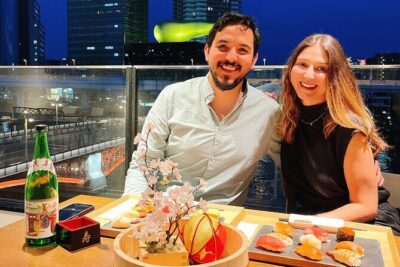 ★ 5.0Ramen and Sushi Cooking Class with Sake Pairing Set in TokyoFrom $79291 reviews
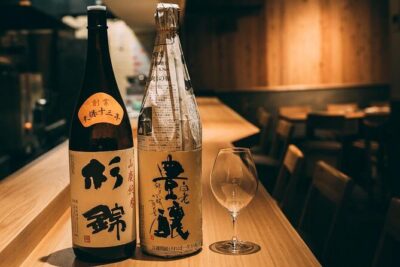 ★ 5.0Sake Tasting Masterclass in Shinjuku (8+ Varieties with a Pro)From $72271 reviews
 ★ 5.0Wagyu & Sake Pairing in Shinjuku – Steak, Shabu-Shabu & MoreFrom $148112 reviews
 ★ 5.0Tokyo Wagyu & Sake Pairing Tasting Experience with Local FlavorsFrom $151108 reviews
 ★ 5.0Sushi and Ramen Cooking Class with Sake Pairing SetFrom $12981 reviews
 ★ 4.9Tsukiji: Outer Market Walking Tour & Sake Tasting ExperienceFrom $7081 reviews
 ★ 5.0Cozy Tokyo Class: Ramen, Sushi, Sake Pairing & Cultural ExchangeFrom $7974 reviews
 ★ 5.0Wagyu Beef and Sake Pairing Foodie Tour in TokyoFrom $21871 reviews
Browse the lists this tour appears in