
Reviewed · NIKKO DAY TRIPS
English-speaking guided day tour of Nikko with a private vehicle
Nikko feels like a world away from Tokyo. This private day tour uses an English-speaking guide and a private vehicle to take you from iconic shrines to mountain scenery, with enough structure that you can actually enjoy the day instead of wrestling train schedules. You also get built-in time at the big sights, plus viewpoints that tend to feel quieter than the main rush.
Two things I really like: the English support is a major quality boost, and one past guest specifically praised Taka for perfect English, patience, and flexibility (plus good photo guidance). Second, you’re not stuck doing everything by yourself—having a private ride makes the tight Nikko geography feel manageable.
One consideration: several key places charge separate admission on the day—especially Nikkō Tōshogū, Chūzen-ji Temple, and the Akechidaira ropeway—so budget for those add-ons and expect the day to run long when traffic and lines kick in.
In This Review
- Key highlights you’ll care about
- Nikko in a Single Day: what a private 10-hour trip really feels like
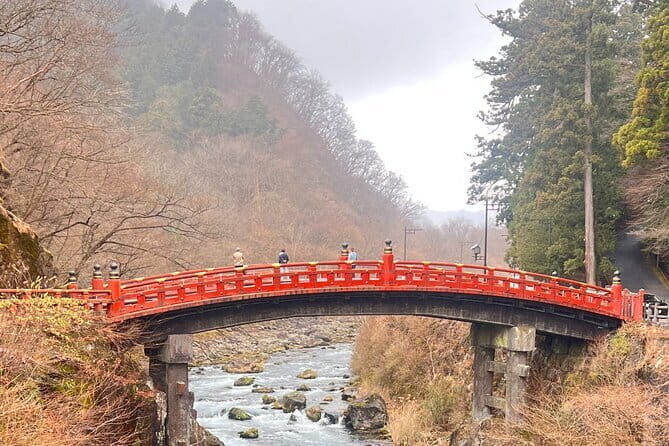
- From Tokyo Station to Shinkyo Bridge: a UNESCO start that’s easy to love
- Tōshō-gū Shrine: the complex you’ll want a guide for
- Irohazaka Road and Lake Chuzenji: from city streets to mountain air
- Chūzen-ji Temple: a big statue view on the water
- Akechidaira Observation Area and its ropeway: the “panorama” payoff
- Waterfalls and autumn lakes: Ryuzu, Yunoko, and Kegon Falls
- Price and value: what $555.04 per group buys you
- Guide quality and pace: the Taka effect and why it matters
- Logistics that affect your enjoyment (more than you think)
- When to go and what to bring
- Should you book this Nikko private day tour?
- FAQ
- How long is the Nikko private day tour from Tokyo?
- What does the tour price include for a private group?
- Which tickets are not included in the price?
- Where do we meet and where does the tour end?
- Is this tour just for my group?
- What’s the cancellation window?
Key highlights you’ll care about
- UNESCO Shinkyo Bridge starts the day with free entry and instant Nikko vibes
- Private vehicle for up to 6 keeps the pace comfortable and the routing efficient
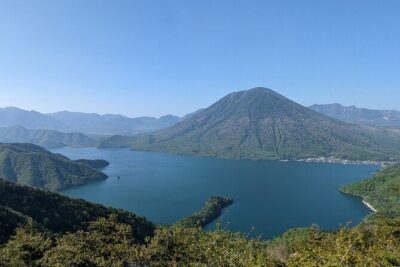
- Akechidaira viewpoint is built around that wide panorama over Lake Chuzenji and Mount Nantai
- Classic Nikko waterfalls and lakes pack in Ryuzu, Yunoko, and Kegon in one sweep
- Separate paid tickets for Toshogu and ropeway are the main extra costs to plan for
The shrine road north: other Nikko trips
- Nikko: Kegon Falls, Lake Chuzenji & Toshogu Temple★ 4.6 · 1,577 reviews
- Tokyo: Nikko Toshogu Shrine and Kegon Waterfall Tour★ 4.5 · 1,266 reviews
- From Tokyo: Nikko World Heritage Site Private Full-Day Trip★ 4.9 · 243 reviews
Nikko in a Single Day: what a private 10-hour trip really feels like
A Nikko day trip can either feel magical or exhausting. This one is designed to land in the magical category by doing the logistics for you. You meet in Tokyo (the start point is Tokyo Station area), then you go straight into Nikko’s top sights with your group—up to six people—staying together in one private vehicle.
The day is roughly 10 hours, but the schedule explicitly allows extra time for traffic and any lines you hit along the way. That’s not a small detail in Japan. Nikko roads and bottlenecks can change your timing fast, and you’ll enjoy the day more if you assume you won’t be moving at subway speed.
What you’ll likely love most is the rhythm: you get a mix of spiritual architecture, scenic lakes, and waterfall views without the typical “run-and-gasp” pace. It’s also a good fit if you want an English-speaking guide who can explain what you’re seeing rather than leaving you to guess.
From Tokyo Station to Shinkyo Bridge: a UNESCO start that’s easy to love
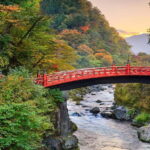
The day opens at Shinkyo Bridge, the vermillion-lacquered Nikko landmark that sits at the entrance to the mountain region. It’s a UNESCO World Heritage Site, and the practical part is that you don’t have to pay admission to experience it. You can keep your attention on the moment instead of managing tickets right away.
Why this stop works: Shinkyo Bridge gives you instant context for Nikko. Even if you’re not a shrine superfan, the bridge’s color and setting quickly tell you this is a special religious area, not just a scenic detour. It’s also a low-pressure start. Ten minutes is enough time to get a few good photos, take in the look, and get ready for the bigger walking and viewing later.
Tōshō-gū Shrine: the complex you’ll want a guide for
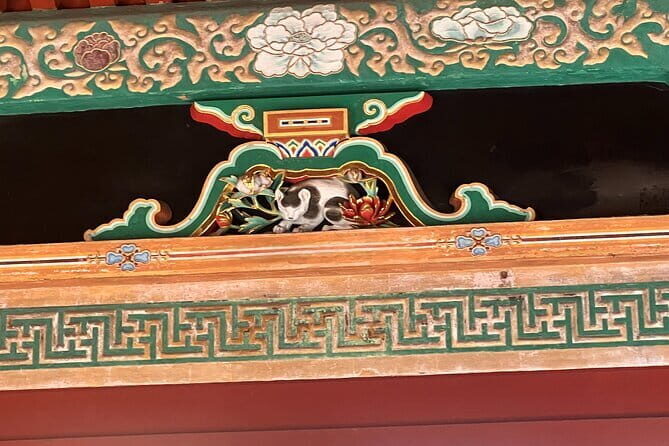
Then you move to Nikkō Tōshō-gū, the major shrine complex most people come to Nikko for. Here’s what makes it compelling: most of what you see today was rebuilt in the 17th century, and the complex is enormous in terms of what’s included—55 buildings, including 8 national treasures and 34 listed buildings.
That scale is exactly where a guide earns their keep. Without explanation, you can feel like you’re looking at a lot of ornate surfaces and missing why any one detail matters. With a guide, you can connect the dots: what you’re seeing, why it looks the way it does, and what the major buildings represent within the larger shrine ecosystem.
One reality check: Tōshō-gū admission is not included. You’ll pay separately (¥1,600 per person). If you like to keep surprises minimal, budget that upfront so the day stays smooth.
Practical tip: wear shoes you can stand in. Even if you’re not doing long hikes, shrine complexes reward stable footing and slow looking.
Irohazaka Road and Lake Chuzenji: from city streets to mountain air
After the shrine highlight, the route turns into motion. You’ll pass through Irohazaka, a pair of winding roads linking Nikko city to the mountainous Lake Chuzenji area. This part is less about ticketed attractions and more about the transition. The curves and elevation changes help you shift mental gears—from Tokyo routines to “I’m actually in Nikko now.”
Then you reach Lake Chuzenji, a scenic lake above Nikko town at the foot of Mount Nantai, a sacred volcano. This stop is about an hour, which is a nice amount of time for photos and just absorbing the scale of the setting.
Why this hour matters: lakeside stops can feel like downtime unless you understand the geography. Here, the connection to Mount Nantai makes the area feel more than just pretty water. You’re standing in a place that has meaning in the Nikko landscape.
More days made easy by a guide

Chūzen-ji Temple: a big statue view on the water
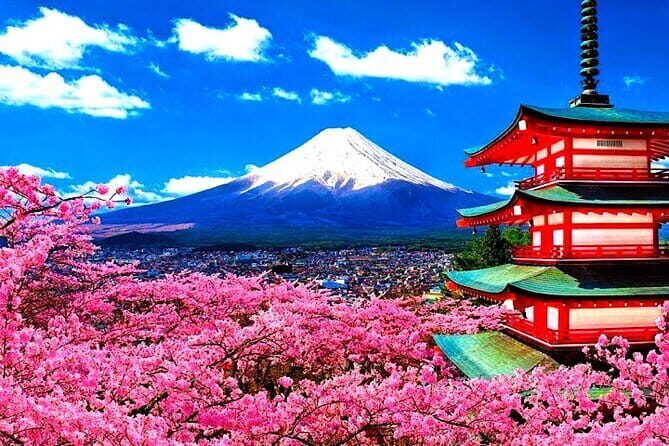
Next comes Chūzen-ji Temple, located on the eastern bank of Lake Chuzenjiko (it’s named after the temple). The standout here is the main object of worship: a six-meter tall Kannon statue, honoring the Buddhist Goddess of Mercy. You also get a good view of the lake from this area.
This stop is about an hour, and admission is not included (¥500 per person). Still, it tends to feel like a worthwhile add-on because it combines a strong religious focal point with natural views. If you want Nikko to feel spiritual and scenic on the same stop, this is one of the best blends.
If you’re the type who likes to know what you’re looking at, you’ll likely appreciate how a guide can point out what’s important in the temple scene instead of treating it like a quick photo stop.
Akechidaira Observation Area and its ropeway: the “panorama” payoff
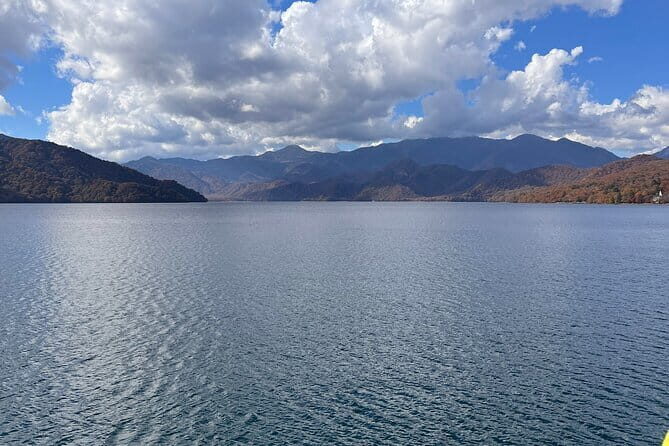
One of the most scenic moments is built around the Akechidaira Observation Area. Access includes a short ropeway ride—about three minutes—from Akechidaira. Admission is not included (¥600 per person).
This viewpoint is often described as giving the best overall panorama in Nikko. From there, you can see across to Lake Chuzenji, Kegon Falls, and Mount Nantai. Even if you’re not a geology nerd, it’s the kind of view that helps you understand how everything connects: falls feed from the lake, and the lake sits under the bigger sacred mountain backdrop.
Why this stop is valuable in a day tour: it’s your big “wide view” moment. After walking through details at shrines, a broad landscape view helps your brain reset. Also, having a guide helps you know where to look and what you’re seeing in the distance—rather than guessing at silhouettes.
Waterfalls and autumn lakes: Ryuzu, Yunoko, and Kegon Falls
This tour keeps the scenic momentum going with waterfalls and lakes, with stops that are mostly short but impactful.
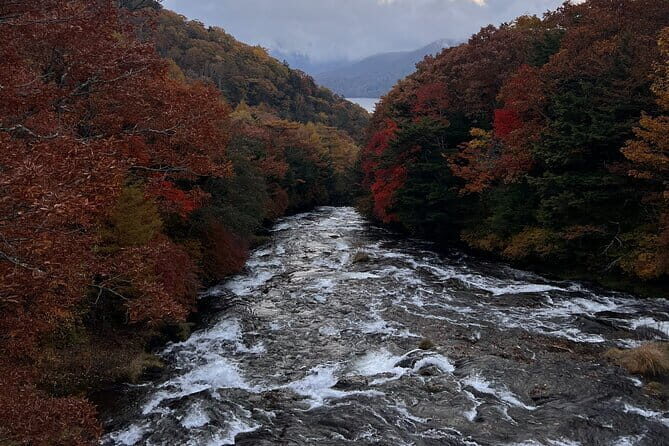
First, Ryuzu Waterfall. It’s known as an early spot to see autumn colors, and the visit is about 30 minutes. That short timing matters: it’s enough time for photos and a close look without dragging the day. If you’re hoping for a “wow” moment that doesn’t require a long hike, this works.
Then there’s Yunoko Lake, a clear-water lake with a 1.9-mile shoreline trail. The time here is short—about 10 minutes—so think of it as a quick viewing and photo window rather than a full walk. The autumn color reputation is part of the draw, but even outside peak season, the lake’s clarity tends to make photos look crisp.
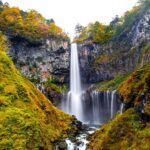
Finally, the day culminates with Kegon Falls, one of Nikko’s headline waterfalls. The water flows from Lake Chuzenji (described as Japan’s highest natural lake) and drops 97 meters into a plunge pool surrounded by greenery. Historically, it’s been known as one of Japan’s top three greatest waterfalls, and the views are meant to be stunning in every season. The stop is about 30 minutes.
Here’s where timing and posture help: a waterfall view can be crowded, loud, and a bit chaotic. You’ll enjoy it more if you keep your expectations realistic—this is a must-see moment, but it’s also a place people gather. A good guide can help you pick the best angle for photos and avoid unnecessary back-and-forth.
Price and value: what $555.04 per group buys you
The price is $555.04 per group, up to six people. That’s where the value calculation becomes interesting, because you’re paying for private routing and a private vehicle, not just sightseeing.
If you fill the group to six people, the math works out to about $92 per person. If you’re traveling as fewer people, the per-person cost rises quickly, because it’s priced per group.
What makes it feel like value (when it’s priced right for your group):
- You’re not paying for separate tickets to get to your destinations—you’re paying for someone to handle the driving and timing.
- You’re getting a guide who can explain what you’re seeing at major stops.
- You get bottled water, parking fees, and a personalized itinerary approach.
What keeps it from being pure bargain territory:
- Several major admissions are not included, including Tōshō-gū (¥1,600 pp), Chūzen-ji (¥500 pp), and Akechidaira ropeway (¥600 pp).
- The day runs long enough that you’ll want to be comfortable with long sitting time in transit.
If you’re a small group of two or three, this tour can still be worth it—just treat it like a premium day of convenience, not a budget day of sightseeing.
Guide quality and pace: the Taka effect and why it matters
One review singled out a guide named Taka for being outstanding, with perfect English, lots of interesting information, and a calm style—not rushed, and flexible when schedules needed adjustment. That kind of guide approach is the difference between sightseeing and actually enjoying the day.
You can feel the pace difference when you’re not constantly wondering what happens next or where you should stand for photos. A guide also helps you avoid the “we saw it, but we didn’t really get it” problem—especially at Tōshō-gū, where the number of buildings and details can overwhelm you.
There’s also another side to the rating picture. The overall score is 3.7 based on 3 reviews, and one very unhappy customer used strong language about ethics and a problematic situation after booking. I don’t have enough detail to judge what happened, but it does suggest you should treat this like any serious purchase: confirm pickup details clearly and keep your booking communication tidy so there are no surprises on the day.
Logistics that affect your enjoyment (more than you think)
This is a private tour/activity, meaning only your group participates. For many people, that matters as much as the route. You can move at a comfortable pace, ask questions at the right moments, and avoid the pressure of blending into a large group flow.
Pickup is offered. The meeting point is Tokyo Station area (Tokyo Station, 1 Chome-9 Marunouchi, Chiyoda City). If you’re staying near major transit lines, that’s convenient because it reduces your pre-tour stress. The tour also uses a mobile ticket, which can simplify check-in.
One more small but real point: the tour includes bottled water. In a long day with car time plus walking and viewing, that’s not glamorous, but it helps you stay comfortable without hunting for vending machines between stops.
If you’re traveling with a service animal, the tour states that service animals are allowed.
When to go and what to bring
Nikko shines across seasons, but this particular route is clearly set up for seasonal scenery. You’ll hit Ryuzu Waterfall (known as an early autumn colors spot) and Yunoko Lake (also famous for autumn color views). If you can time it for fall, the stops line up nicely with that theme.
What to bring:
- Comfortable shoes for standing and easy walking at shrine areas and viewpoints
- Layers for mountain weather swings (lakes and higher elevations can feel cooler)
- A card or cash for the admissions you’ll pay separately (Tōshō-gū, Chūzen-ji, and the ropeway)
Should you book this Nikko private day tour?
Book it if you want a stress-reduced Nikko day: private vehicle, English-speaking guidance, and a smart blend of temples plus lake-and-waterfall scenery. It’s especially appealing for couples or small families who don’t want to plan transport across Nikko’s different zones.
Consider booking a different option if you’re strictly budget-focused, because the main admissions are not included and you’ll add costs for Tōshō-gū, Chūzen-ji, and the Akechidaira ropeway. Also, since the overall rating is based on a small number of reviews and includes at least one major complaint, I’d still recommend you double-check all confirmation details before the day.
If you do book, your best strategy is simple: go in expecting a long but well-structured day, pack comfortable shoes, and let the guide steer the experience—especially at Tōshō-gū and the Akechidaira panorama moment.
FAQ
How long is the Nikko private day tour from Tokyo?
It runs about 10 hours, with extra time allowed for traffic and lines.
What does the tour price include for a private group?
The price includes bottled water, parking fees, private transportation (in a private vehicle), and a personalized itinerary for your group.
Which tickets are not included in the price?
You’ll need to pay on top of the tour price for Nikkō Tōshō-gū (¥1,600 per person), Akechidaira Ropeway (¥600 per person), and Chūzen-ji Temple (¥500 per person).
Where do we meet and where does the tour end?
You meet at Tokyo Station (1 Chome-9 Marunouchi, Chiyoda City) and the activity ends back at the same meeting point.
Is this tour just for my group?
Yes. It’s a private tour/activity, so only your group participates.
What’s the cancellation window?
You can cancel for free up to 24 hours in advance for a full refund. If you cancel less than 24 hours before the start time, the amount paid is not refunded.
More Tours in Tokyo




More Tour Reviews in Tokyo




North Again: More Nikko Trips
Fresh reviews from around Tokyo






Nikko Day Trips, compared.
 ★ 4.6Nikko: Kegon Falls, Lake Chuzenji & Toshogu TempleFrom $891,577 reviews
 ★ 4.5Nikko Toshogu Shrine and Kegon Waterfall TourFrom $841,266 reviews
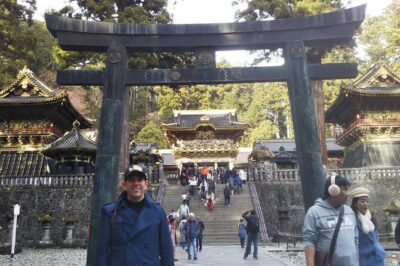 ★ 5.0Nikko Full-Day Private Tour with Government-Licensed GuideFrom $155259 reviews
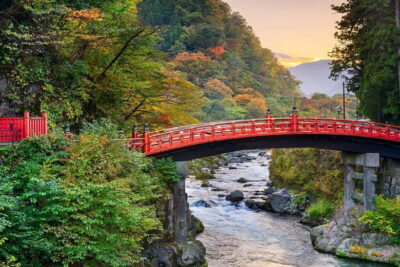 ★ 4.9From Tokyo: Nikko World Heritage Site Private Full-Day TripFrom $483243 reviews
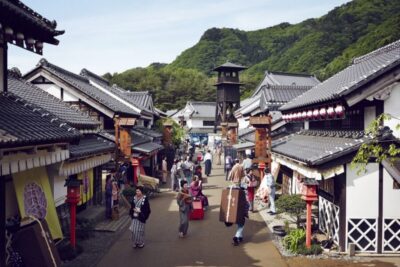 ★ 4.3Nikko: Edo Wonderland Edomura Cultural Theme Park TicketFrom $35205 reviews
From Tokyo: Nikko World Heritage Sight Full Day Private TourFrom $362127 reviews
★ 4.3Nikko: Edo Wonderland Edomura Cultural Theme Park TicketFrom $35205 reviews
From Tokyo: Nikko World Heritage Sight Full Day Private TourFrom $362127 reviews
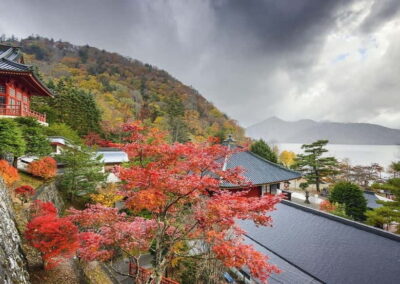 ★ 4.9Nikko – Beautiful Full-Day Personal and Private TourFrom $364119 reviews
 ★ 5.0Chartered Private Tour – Tokyo to Nikko, Toshogu, Edo WonderlandFrom $1,286105 reviews
Browse the lists this tour appears in