
Reviewed · COOKING CLASSES
Creative Japanese Cooking in a Beautiful Tokyo Home with Makiko
Tokyo cooking feels personal here.
Makiko’s home-cooking setup turns a food class into a real neighborhood evening. You start with a guided run through local shops, learning what Japanese shoppers actually buy day to day, and then you head to Makiko’s kitchen for a hands-on lesson. I like that this isn’t a lecture style class. It’s practical: you shop, cook, and then sit down to eat what you made with her.
Two things I really like are the chance to see ingredient choices up close (fish, vegetables, and shop-to-shop differences) and the way Makiko explains the steps behind the dishes, including tips you usually won’t find in recipe books. One possible drawback: there’s a shy cat in the house that hides upstairs when guests are there, which matters if you’re nervous about pets or have allergies.
In This Review
- Key things to know before you go
- Finding Makiko: getting oriented in the Komazawa area
- Shopping with a Tokyo native: what local markets teach you
- Cooking in Makiko’s home kitchen: hands-on, step-by-step
- The meal you make: eating with your host instead of leaving hungry
- Value and timing: why $89 can make sense in Tokyo
- Who this tour is for (and who should pick the cooking-only option)
- Should you book Creative Japanese Cooking with Makiko?
- FAQ
- Where do we meet for the tour?
- Is it a private experience?
- What’s included in the price?
- How long is the cooking part?
- Will we make the same dishes every time?
- Can I tell Makiko about allergies or dietary restrictions?
- Is there an option that skips the market tour?
- Do you include hotel pickup and drop-off?
- What ticket do I receive?
- When will I get confirmation after booking?
Key things to know before you go
- Market tour first, focused on ingredients used in daily Japanese cooking
- Private experience with only your group, so you can ask questions
- Seasonal menu means the dishes can change depending on when you visit
- Hands-on cooking lasts about 1.5–2 hours depending on group size
- Eat together at the dining table, not just a take-home plate
More aprons-on time in Tokyo kitchens
- Ramen & Gyoza Cooking Class in Tokyo with Local Supermarket Visit★ 5.0 · 823 reviews
- Tokyo: Easy Ramen Cooking Experience in Kabukicho, Shinjuku★ 4.6 · 321 reviews
- Ramen and Sushi Cooking Class with Sake Pairing Set in Tokyo★ 5.0 · 291 reviews
Finding Makiko: getting oriented in the Komazawa area
This experience is built around meeting in the Komazawa neighborhood. Makiko meets you at the station area (you’ll be picked up from Sakurashinmachi station on the Tokyu Denentoshi Line, and the tour starts from the provided meeting point in Setagaya City). The location is convenient for a Tokyo evening because you’re not hopping across the whole city—you’re staying local and going step-by-step like you would with a friend who lives there.
The timing matters too. It’s about 3 hours total, with the cooking portion taking 1.5–2 hours. That’s a sweet spot: long enough to actually cook, not just watch, and short enough that you still have energy afterward for a normal Tokyo dinner plan if you want one.
What you’re really buying with this tour is access. Not the “line up here, take photos there” kind of access. This is the kind where you get to see how a home cook thinks while selecting ingredients and then while turning them into a meal. In reviews, the most common praise is that Makiko talks through the process and chats about Japanese cuisine, so you’re not left with a vague memory of what happened—you leave with a better sense of how Japanese cooking works day to day.
Shopping with a Tokyo native: what local markets teach you
The supermarket and shop part is the heart of the value. First, you’ll go with Makiko for a private supermarket tour and learn how Japanese shoppers choose ingredients that show up in everyday cooking. Then you’ll move through additional local food shops focused on categories like meat, fruit and vegetables, and fish—exact stops can vary a bit, but the theme stays the same: you’re learning how ingredient quality and selection actually look in real life.
Here’s why this matters. In Japanese cooking, small differences in what you buy can change the outcome. You don’t need to memorize everything; you need a mental model. Makiko helps you build that model by walking you through where locals shop and what they’re paying attention to. The practical benefit is that you’ll know what to look for back home, even if you can’t buy the exact same brand.
You might also see the fun side of local shopping. In supplied feedback, guests mention stops like a butcher shop and even a sweet shop as part of the neighborhood route. That’s not just sightseeing. It shows you that Japanese daily life mixes “serious ingredient buying” with small treats—so the shopping feels grounded, not staged.
A good way to make the most of this segment: come ready with 1–2 questions about ingredients you’ll likely run into later in the dishes. For example, ask what makes one vegetable choice better than another, or what to look for when buying seafood. Even if you don’t plan to recreate everything later, these answers help you cook with more confidence.
Cooking in Makiko’s home kitchen: hands-on, step-by-step
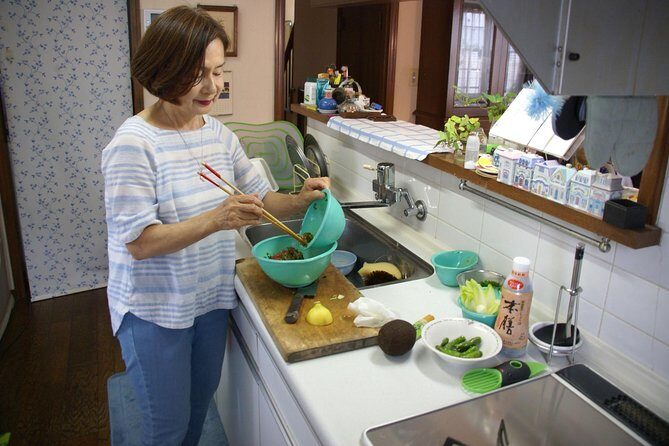
After shopping, you go to Makiko’s home near Komazawa Olympic Park for the lesson. This is the part where the experience becomes truly different from a commercial class. You’re in a real home kitchen, not a studio kitchen with identical aprons hanging everywhere. Makiko teaches the dishes in a detailed, process-focused way, and she shares cooking tips that aren’t usually in recipe books.
The cooking time is 1.5–2 hours, and it adjusts based on how many people are in your group. That flexibility is important. If your group is small, you tend to get more hands-on time. If it’s larger, you’ll still cook, but expect slightly less “each person at the same exact station” pacing. Either way, the goal is that you leave having done more than one task and having tasted what you made.
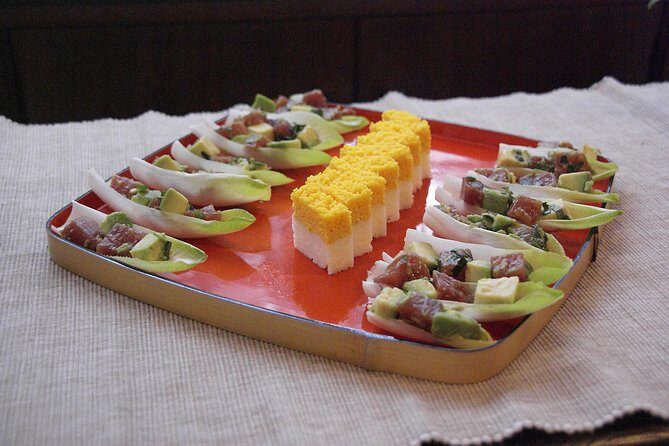
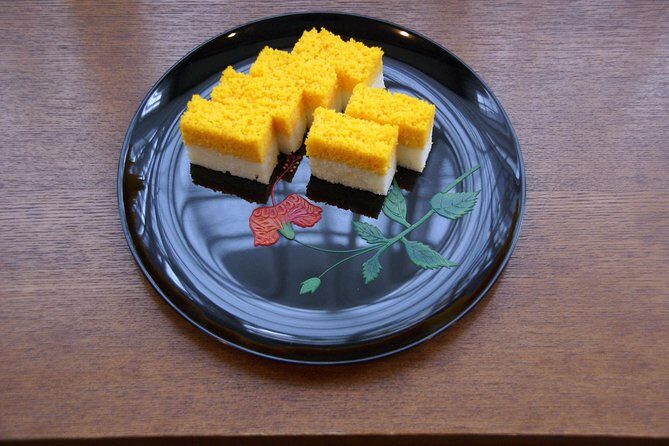
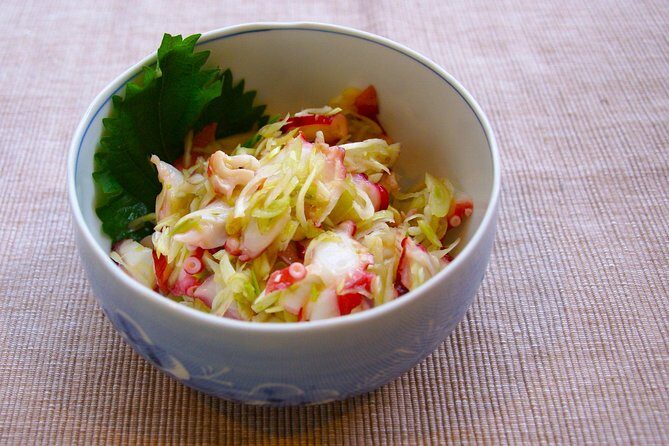
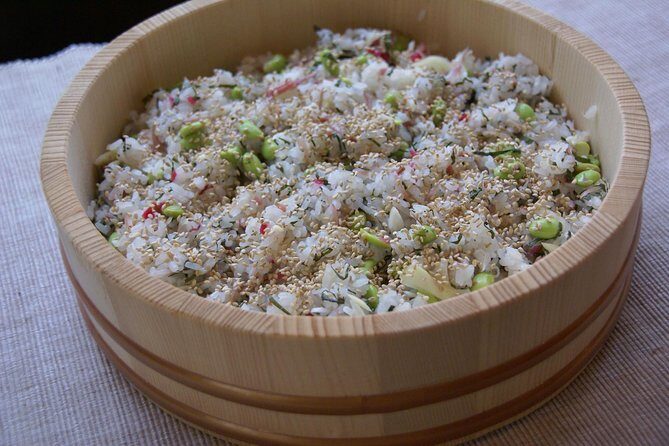
What kinds of dishes? The menu is seasonal, and it’s traditional-inspired, homemade Japanese dishes. Because the exact items can shift, this isn’t the kind of class where you should plan around one specific recipe name. Instead, think in terms of learning Japanese cooking logic: how ingredients are combined, how flavors are balanced, and how to understand what the dish should taste like.
And yes, there’s that cat note. A shy cat lives upstairs and usually hides when guests are in the home. It’s mentioned for a reason—if you’re sensitive to animals, it’s worth treating as real information, not a throwaway detail.
The meal you make: eating with your host instead of leaving hungry
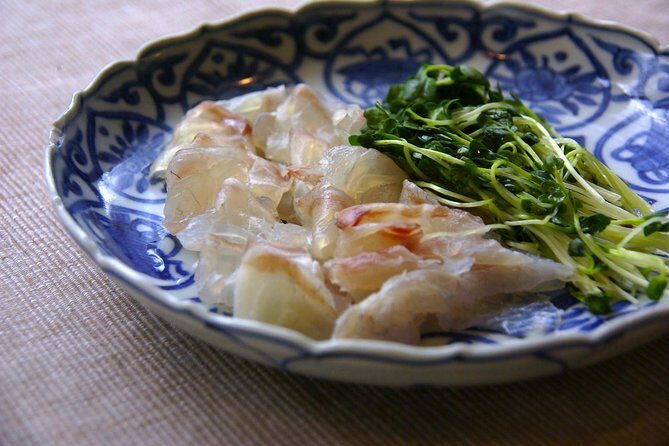
The best “final chapter” here is that you sit down and enjoy the meal together after cooking. This isn’t just a quick taste to confirm you did the steps. You actually eat at Makiko’s dining table, which changes the whole mood of the evening. You get time to talk with your host about Japanese cuisine and about what you’re tasting and why it works.
This shared meal also makes the lesson stick. When you eat the finished dishes, you can connect the flavor outcome to what you did during prep and cooking. That makes it easier to recreate later, because you’re not only relying on memory of a recipe—you’re remembering the sensory result.
If you like asking questions, this is the moment. Makiko is an expert on Japanese cuisine, so you can talk about ingredients, technique choices, and even how you might adapt something when you don’t have the exact same products available. This is where “take home culinary skills” becomes real, because skills come from understanding, not just copying.





Value and timing: why $89 can make sense in Tokyo
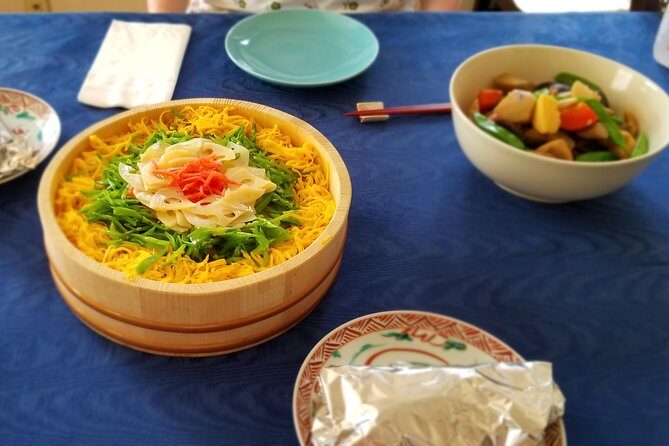
At $89 per person for roughly 3 hours, you’re paying for a bundled experience: private supermarket guidance, hands-on cooking instruction, and the meal. You’re also included for the pickup from Sakurashinmachi station. That package is the value story.
In Tokyo, “just a cooking class” can still cost a fair amount, and many don’t include the shop time. Here, the supermarket segment is part of what you’re buying. That’s not a filler add-on. The shopping component helps you learn which ingredients matter and where they come from. It’s also where you get a local’s perspective on shopping patterns—like what to choose and how to think about ingredient categories.
The other value angle is privacy. This is described as a private, personalized experience where only your group participates. That matters because it reduces the “watching from the sidelines” problem common in larger group classes. You can ask questions in real time and get feedback.
A consideration for planning: if you’re looking for a super-structured class with a fixed menu and a clear checklist of recipes, seasonal changes mean you’ll need to be flexible. The upside is that seasonal menus can also make the class feel more Tokyo and less generic.
Who this tour is for (and who should pick the cooking-only option)
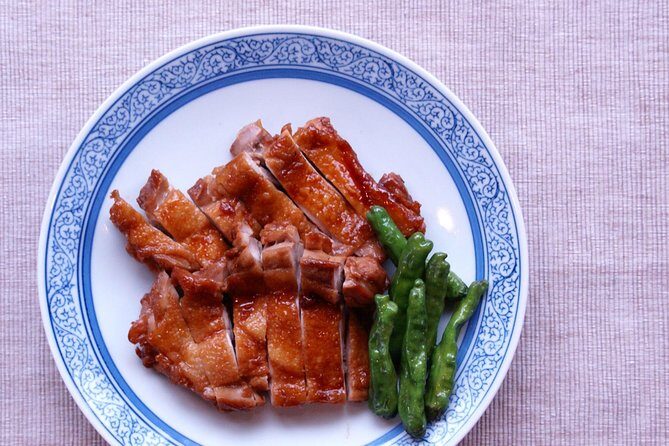
This fits best if you want a home-style Tokyo evening and you care about ingredients, not just dishes. If you’re the type who enjoys learning what to buy and how to choose, the market tour will likely be your favorite part. If you want the full “shop to table” flow—hands-on cooking plus eating with your host—this is a strong match.
It’s also a good choice if you like intimate conversations. Makiko greets you at the station, walks you through local shops, and then teaches in her own kitchen. That makes it easier to ask real questions about Japanese food and the details behind ingredients.
If you’re mainly interested in the cooking class itself, there’s an option for Cooking Class Only. Pick that if you already feel confident with Japanese ingredients or if you’d rather spend your time in the kitchen and skip the shopping route.
Should you book Creative Japanese Cooking with Makiko?
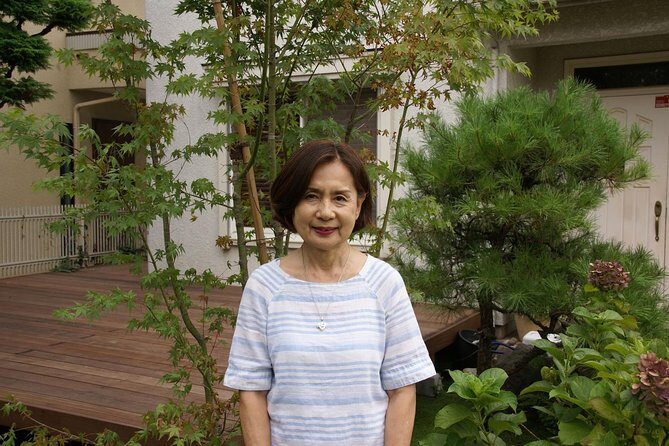
Yes, if you want a genuine-feeling Japanese cooking night with a Tokyo host, and you’ll enjoy learning from ingredient shopping as much as from cooking steps. The strongest reasons to book are the private format, Makiko’s focus on explaining process and tips beyond recipe books, and the fact that you eat together at the end—not just “sample and leave.”
Skip it (or choose cooking-only) if you dislike small-home settings, you’re uncomfortable around pets due to the cat in the house, or you need a fixed menu you can plan around. Also, go in with an open mind about seasonal dishes. The flexibility is part of what makes the class feel local.
If you want a Tokyo experience that feels less like a performance and more like a neighbor invited you over, this is the kind of class that delivers.
FAQ
Where do we meet for the tour?
You start at 2-chōme-8 Sakurashinmachi2-chōme-8-8 Sakurashinmachi, Setagaya City, Tokyo 154-0015, Japan. The tour ends back at the meeting point.
Is it a private experience?
Yes. It’s a private, personalized experience, and only your group participates.
What’s included in the price?
Included are the private supermarket tour with Makiko, the Japanese cooking class and meal, and pick up from Sakurashinmachi station on the Tokyu Denentoshi Line.
How long is the cooking part?
The cooking portion takes 1.5 to 2 hours, depending on the number of people in your group.
Will we make the same dishes every time?
No. The menu may vary depending on the season.
Can I tell Makiko about allergies or dietary restrictions?
Yes. You’re asked to advise any allergies, dietary restrictions, or cooking preferences at time of booking.
Is there an option that skips the market tour?
Yes. There is a Cooking Class Only option if you want the class without the supermarket and shops segment.
Do you include hotel pickup and drop-off?
No. Hotel pickup and drop-off are not included.
What ticket do I receive?
You receive a mobile ticket.
When will I get confirmation after booking?
Confirmation is received within 48 hours of booking, subject to availability.
Learn Another Dish: Tokyo Cooking Classes

More Tour Reviews in Tokyo



Fresh reviews from around Tokyo






Cooking Classes, compared.
 ★ 5.0Ramen & Gyoza Cooking Class in Tokyo with Local Supermarket VisitFrom $122823 reviews
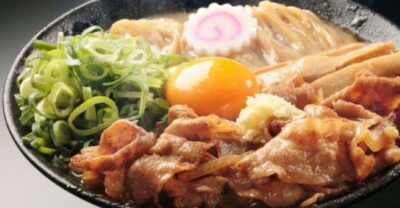 ★ 4.6Easy Ramen Cooking Experience in Kabukicho, ShinjukuFrom $29321 reviews
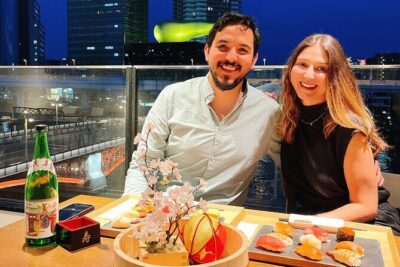 ★ 5.0Ramen and Sushi Cooking Class with Sake Pairing Set in TokyoFrom $79291 reviews
 ★ 4.9Wagyu and 7 Japanese Dishes Cooking ClassFrom $67273 reviews
 ★ 5.0Tokyo Washoku 4-hour Cooking Class: From Market to TableFrom $79253 reviews
 ★ 5.0Small-Group Wagyu Beef and 7 Japanese Dishes Tokyo Cooking ClassFrom $72190 reviews
 ★ 5.0Private Home Cooking in Yanaka – Local Flavors in a Warm SettingFrom $122173 reviews
 ★ 5.0Tokyo Sushi Making Experience & Japanese Cooking ClassFrom $59150 reviews
Browse the lists this tour appears in