
Reviewed · SAKE TASTING
Casual Japanese sake tasting and snack experience, Kabukicho
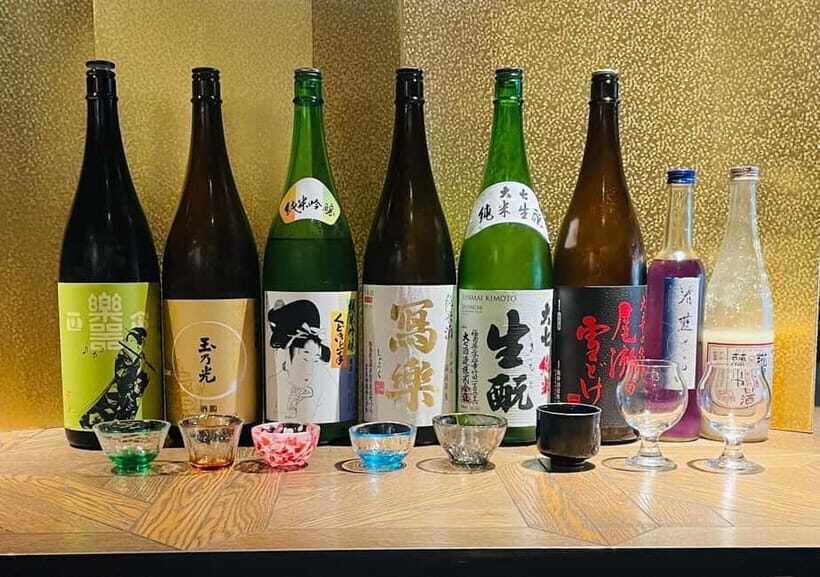
Sake comparisons are a lot of fun. This casual Japanese sake tasting in Kabukicho gives you a simple way to understand the differences, not just sip and hope for the best. I love the 8-type tasting format that trains your palate fast, and I love the snack pairings that make each pour feel more meaningful. One thing to consider: the experience takes place on the 2nd floor with no elevator, so it’s not ideal if you need step-free access.
You start with easier-to-handle options, moving from lower alcohol levels toward stronger ones, with food along the way to keep things enjoyable. The guide support is what really helps. In past sessions, English-speaking guests have been paired with staff like Mai, who keeps the explanations clear and friendly, even if translation support (like a machine translator) is sometimes used.
You’ll likely feel at home even if it’s your first time with sake. You’re not expected to be a “sake person.” You’re expected to taste, compare, ask questions, and have a good night out in Shinjuku’s Kabukicho area.
In This Review
- Key things I’d book this for
- Sake flight basics in Kabukicho (and why it works)
- What you’ll taste: lower ABV sakes, then the stronger stuff
- Snack pairings that teach your palate
- The guide style: clear, friendly, and flexible with language
- Where you meet and what to expect inside the bar
- Price and value: $38 for 8 tastings with snacks
- Who this sake tasting suits best
- Tips to get more out of your sake comparison
- The bottom line: should you book this Kabukicho sake tasting?
- FAQ
- How many types of sake are included in the tasting?
- Is this experience good for beginners?
- What happens first during the tasting?
- What food is included?
- Are there different serving styles?
- Who teaches the experience?
- What size is the group?
- Where is the meeting point?
- Is the venue wheelchair accessible?
- What’s the starting price and what’s included?
- Who should not book this experience?
Key things I’d book this for
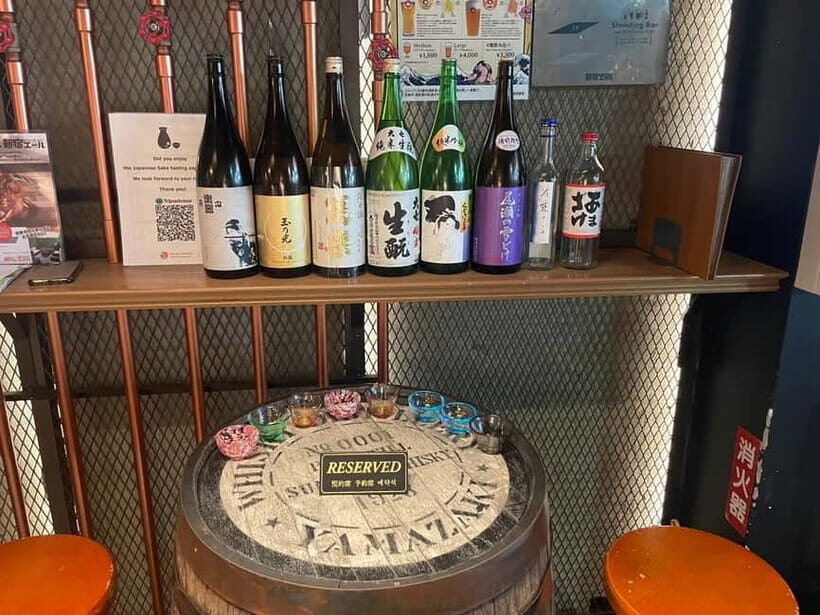
- 8 carefully selected sake varieties you can only taste in Japan (that’s part of the appeal)
- Start lower, then move higher in alcohol strength, so your palate catches up
- Snack pairings that make the tasting more about flavor than alcohol
- You can try different service styles, including cold, hot, and even a cocktail-style pour
- Small group size (up to 6) for a calmer, more conversational vibe
- Amazake dessert at the end, so the experience finishes sweet
Another round: more sake tastings
- Ramen and Sushi Cooking Class with Sake Pairing Set in Tokyo★ 5.0 · 291 reviews
- Sake Tasting Masterclass in Shinjuku (8+ Varieties with a Pro)★ 5.0 · 271 reviews
- Wagyu & Sake Pairing in Shinjuku – Steak, Shabu-Shabu & More★ 5.0 · 112 reviews
Sake flight basics in Kabukicho (and why it works)
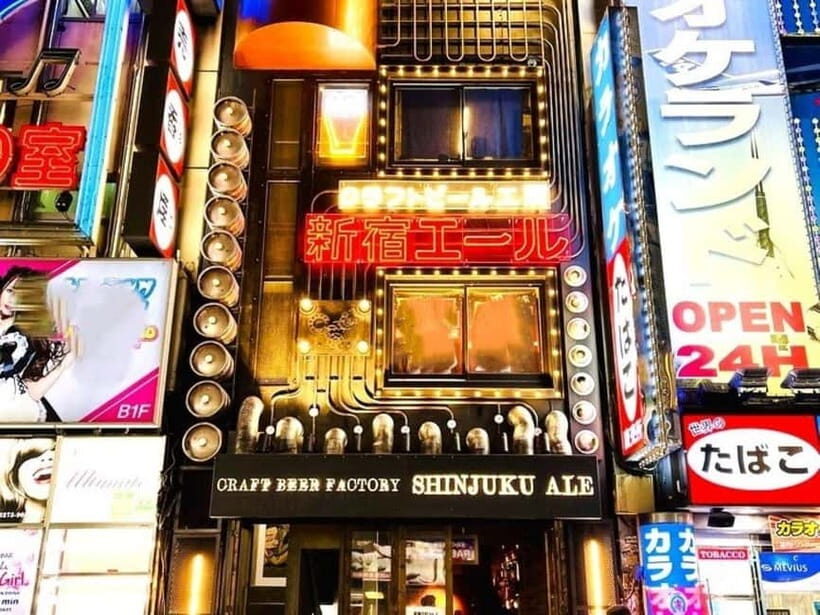
Kabukicho in Shinjuku is not subtle. Neon streets. Late-night energy. Loud bars. It’s exactly the kind of place where a low-stakes tasting can feel like a reset. Instead of hunting down one perfect bar, you get a structured experience that still feels casual.
The smartest part is the comparison format. You’re tasting multiple sake types back-to-back, with guidance on what to pay attention to. That matters because sake isn’t one flavor. It’s a range: different rice profiles, fermentation choices, and balance points all show up in the glass. If you’ve only had one type, it’s easy to think sake is one thing. This experience pushes you past that.
Also, the pace is beginner-friendly. You start with sake that has a lower alcohol content first. Your tour description notes an average sake alcohol level around 15–16%, with some higher and some lower. That step-by-step progression is a practical way to avoid the classic mistake: jumping into strong sake too early and spending the rest of the night feeling overwhelmed.
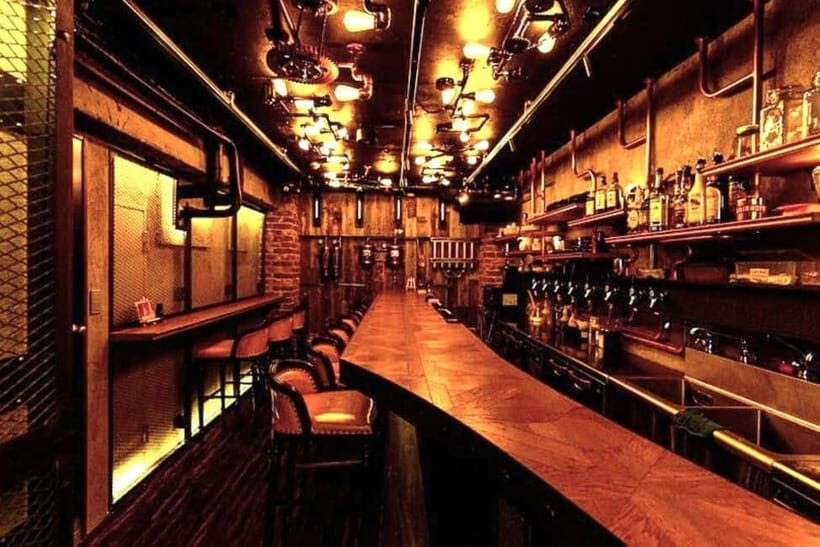
And yes, it’s still a night out. You’re in a bar setting (the tasting happens on the 2nd floor), and the mood is relaxed rather than formal. You’re encouraged to ask questions and keep things conversational.
What you’ll taste: lower ABV sakes, then the stronger stuff
The tasting is built around a simple idea: taste in order. You begin with sake that’s on the gentler side for alcohol strength. Then you move toward varieties with higher alcohol content. That lets your senses adapt instead of getting swamped.
You’ll compare 8 types total. Based on what people have shared afterward, you may encounter a mix of how sake is served, including:
- Cold pours
- Hot pours
- A cocktail-style presentation
That’s more useful than it sounds. Temperature changes aroma and taste perception. Hot sake can bring out deeper, cozy scents. Cold sake can sharpen up certain notes. If you’ve never tried sake at different temperatures, this is a quick way to learn what you actually prefer.
By the end, you’re not just chasing alcohol strength. The tasting closes with amazake as a dessert. Amazake is described here as a sweet, fermented rice drink made from rice malt. It’s the kind of finish that makes the whole experience feel complete: you end on something comforting and lower-stakes than the earlier sips.
Snack pairings that teach your palate
This tasting isn’t only about sake. The snacks are part of the lesson. Traditional Japanese snacks are included alongside the pours, and the idea is pairing: you try sake, then you eat something that can shift the way you perceive sweetness, dryness, and overall balance.
Here’s the practical value: most people don’t learn alcohol flavors from liquids alone. Food gives you contrast. It also prevents the tasting from turning into a pure “alcohol flight” where your brain just wants water and silence.
You can also see how the snack pacing helps first-timers. If you’re new to sake, your palate may not know what to look for yet. Pairings give you easy anchors. Instead of trying to identify subtle differences you can’t name, you can track what happens when you combine:
- a lower-alcohol pour with a savory bite
- a stronger pour with a different texture or salt level
- the final amazake finish after the heavier moments
That’s the kind of learning that sticks. Not because someone gave a lecture, but because you experienced the cause-and-effect in real time.
The guide style: clear, friendly, and flexible with language
This experience runs with an instructor who speaks English and Japanese. Small group means you’re not stuck asking questions through a crowd. You can actually get answers.
One theme in the feedback is how the explanations are kept simple and progressive. That’s important. Sake topics can get complicated fast—brewing details, rice types, polishing levels, and so on. A good guide doesn’t dump all of that at once. They introduce the basics, then let you taste your way into understanding.
A named example from a past session: Mai has been described as welcoming and able to chat naturally while still keeping the tasting on track. That’s a nice balance: friendly conversation without losing the educational thread.
One more real-world detail: some staff may not have strong English skills, so the experience can use a translator machine. If you’re someone who loves nuance, you might worry about losing information. In practice, this kind of setup usually still works well for a tasting because the guide can point to the glass, the snack, and the flavors you’re experiencing.
Other plates worth crossing Tokyo for


Where you meet and what to expect inside the bar
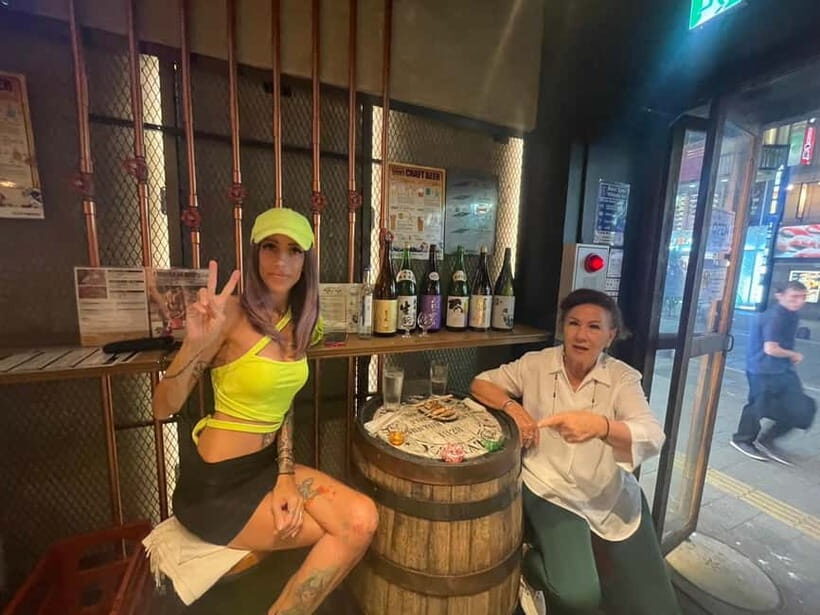
You meet about 5 minutes on foot from Shinjuku Station on the JR Yamanote Line. Head along Kabukicho Central Road toward TOHO Cinemas. When you get close, look for Shinjuku Ale next to Karaoke 747 on your right.
There’s also a Plus Code listed for navigation: MPV2+VR Shinjuku City, Tokyo. If you rely on your phone map, use that so you don’t waste time wandering in the Kabukicho maze.
A practical note from one review: the sign for the venue could be more visible, so take a moment at street level to orient yourself before you rush upstairs. Once you’re inside, the tasting activity is on the 2nd floor, which also ties into that “no elevator” consideration.
If you’re arriving early, Kabukicho is easy to get lost in. Build in a few minutes so you can find the right street corner calmly.
Price and value: $38 for 8 tastings with snacks
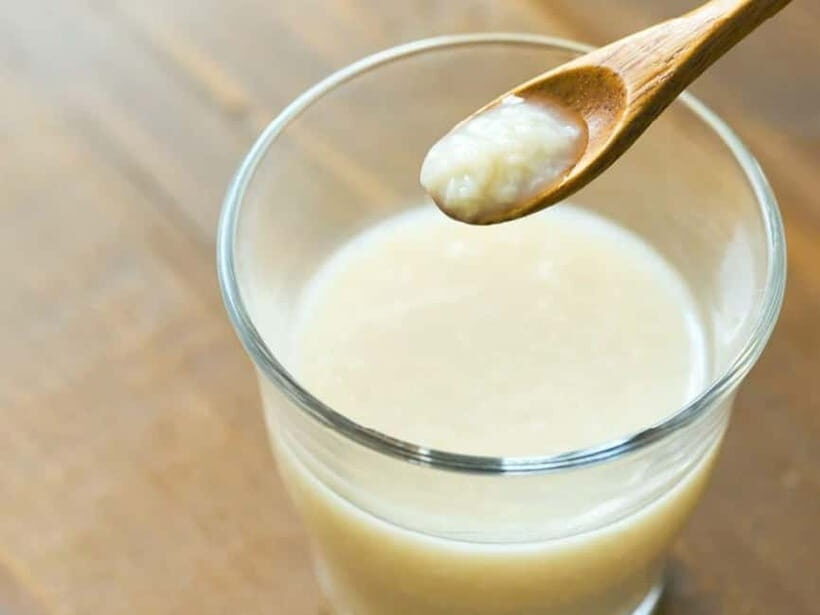
At $38 per person, this is priced like a focused experience rather than a random bar stop. And the math is straightforward: you’re getting 8 sake tastings, snack pairings, and a sweet ending (amazake), all covered by fees and taxes.
Is it expensive? In Tokyo, it’s not cheap. But it’s also not a full-day museum tour where you’re paying for transportation and admissions. Here, you’re paying for:
- a guided tasting flow
- a pre-selected variety lineup
- paired snacks
- a small group setting with time to ask questions
That’s why the price feels fair for the format. You’re not paying for one drink. You’re paying for a structured “compare and learn” session that takes the guesswork out of choosing sake on your own.
One extra value point: if you like the experience enough, you may want a souvenir after. A review mentions buying a glass, described as expensive but memorable. Souvenirs are optional, but they can help justify the cost if you’re the type who likes to take something home.
Who this sake tasting suits best
This is a strong fit if you want a low-pressure introduction to sake. The experience explicitly notes it’s enjoyable even if it’s your first time.
It’s also ideal for people who like learning by doing. Instead of memorizing terms, you’ll compare multiple varieties in a controlled sequence, with food support.
You should think twice if:
- you prefer very quiet, formal settings (Kabukicho is not quiet)
- you need step-free access (there’s no elevator)
- you’re under the drinking age or looking for a non-alcohol alternative (this is an alcohol tasting)
The experience is not suitable for pregnant women and for people under 20, since it involves alcohol tastings.
Tips to get more out of your sake comparison
You don’t need to be a critic. But a few habits make the tasting click fast.
- Pace your sips: since you start lower alcohol and progress upward, don’t race. Let each pour finish its arc before you compare.
- Take notes in your phone: even quick labels like cold, hot, sweeter, drier help you remember later.
- Eat between tastings: snacks are part of the design. Let them do their job.
- Ask one real question: you’ll get more value if you ask about what you’re noticing. For example, you can ask why a certain pour feels drier or why the temperature changes what you taste.
- Try the end dessert seriously: amazake is sweet and can reset your palate. Treat it as part of the tasting, not an afterthought.
If you go into it expecting a guided tasting with structure, you’ll be happier than if you treat it like a casual bar crawl.
The bottom line: should you book this Kabukicho sake tasting?
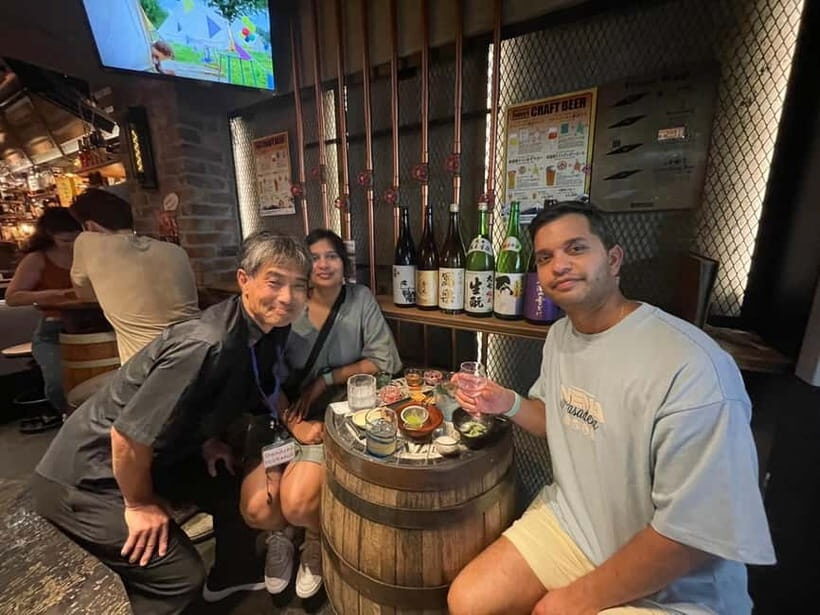
If you’re staying in Shinjuku and you want one easy, memorable activity that doesn’t require planning a long day, I’d book it. For the price, you get a real learning experience: 8 sakes, snack pairings, and amazake dessert, all in a small group with a guide who keeps things understandable. It’s also a smart choice if you’re new to sake because the flow starts gentle and builds.
Skip it only if you’re sensitive to crowds and night life energy in Kabukicho, or if you need step-free access due to the stairs. Otherwise, this is exactly the kind of hands-on Tokyo experience that turns a “maybe I’ll try sake” moment into a clear takeaway.
FAQ
How many types of sake are included in the tasting?
You’ll taste 8 carefully selected varieties of sake.
Is this experience good for beginners?
Yes. It’s designed to be enjoyable even if it’s your first time drinking sake.
What happens first during the tasting?
You start by trying sake with lower alcohol content, then you move toward sakes with higher alcohol content.
What food is included?
Traditional Japanese snacks are included alongside the tastings, and amazake is included at the end as a dessert.
Are there different serving styles?
From the experience descriptions and feedback, you may taste sake that is served cold, hot, and in a cocktail-style way.
Who teaches the experience?
An instructor guides the tasting in English and Japanese.
What size is the group?
The group is small, limited to 6 participants.
Where is the meeting point?
It’s about a 5-minute walk from Shinjuku Station on the JR Yamanote Line. Look for Shinjuku Ale next to Karaoke 747 on Kabukicho Central Road toward TOHO Cinemas.
Is the venue wheelchair accessible?
No. It is not wheelchair accessible because there is no elevator.
What’s the starting price and what’s included?
The price is $38 per person, and it includes all fees and taxes. Additional meals and drinks are not included.
Who should not book this experience?
It is not suitable for pregnant women or people under 20, since the activity involves sake tasting.
Eat Your Way Round Tokyo

More Tour Reviews in Tokyo





Tokyo by the Cup: More Sake Tastings

Fresh reviews from around Tokyo






Sake Tasting, compared.
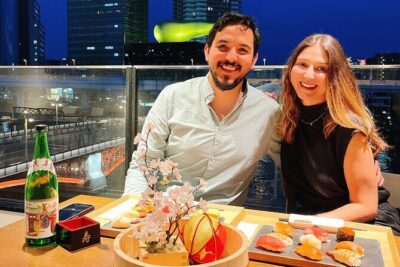 ★ 5.0Ramen and Sushi Cooking Class with Sake Pairing Set in TokyoFrom $79291 reviews
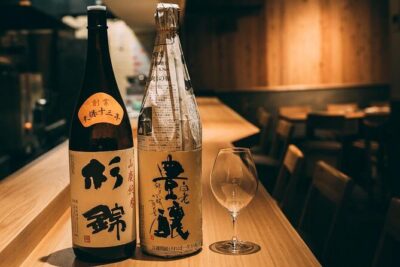 ★ 5.0Sake Tasting Masterclass in Shinjuku (8+ Varieties with a Pro)From $72271 reviews
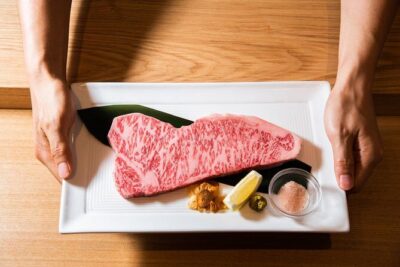 ★ 5.0Wagyu & Sake Pairing in Shinjuku – Steak, Shabu-Shabu & MoreFrom $148112 reviews
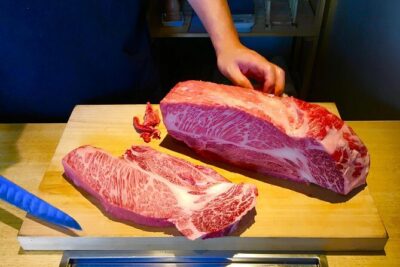 ★ 5.0Tokyo Wagyu & Sake Pairing Tasting Experience with Local FlavorsFrom $151108 reviews
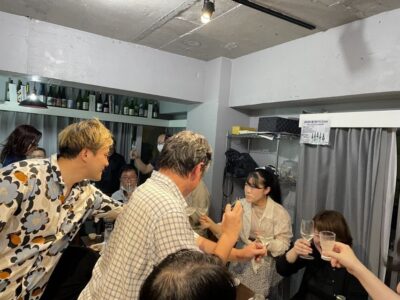 ★ 4.9Tsukiji: Outer Market Walking Tour & Sake Tasting ExperienceFrom $7081 reviews
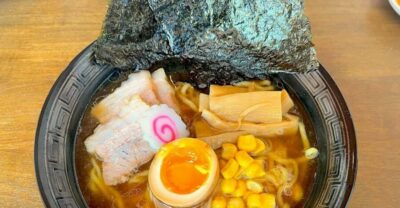 ★ 5.0Sushi and Ramen Cooking Class with Sake Pairing SetFrom $12981 reviews
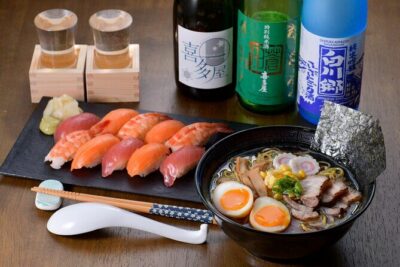 ★ 5.0Cozy Tokyo Class: Ramen, Sushi, Sake Pairing & Cultural ExchangeFrom $7974 reviews
 ★ 5.0Wagyu Beef and Sake Pairing Foodie Tour in TokyoFrom $21871 reviews
Browse the lists this tour appears in