
Reviewed · KAMAKURA DAY TRIPS
Whispers of Kamakura: Jean’s Full-Day Daibutsu & Hidden Walk
Kamakura feels made for a stroll. This full-day-style 5-hour walking tour strings together two playful shrines and the famous Kotoku-in Great Buddha, then slows down with lunch at La Terrasse Zen and a calm visit to Eishoji Temple. You also get a guide who turns the sights into something you can actually picture, not just read off a sign.
What I really like is the focus: Sasuke Inari Shrine (fox spirits) and Zeniarai Benten Shrine (coin washing) are short stops that feel full of meaning, not rushed boxes. I also appreciate the meal: a bento lunch with Japanese tea at La Terrasse Zen, plus the practical comfort of bottled water and onboard restroom access.
One thing to consider: at $130.07 per person for a 5-hour route, it’s a better value if you’ll enjoy a guide-led walk and don’t want to piece everything together yourself.
In This Review
- Key highlights you’ll feel in the moment
- How this Kamakura walk really works (5 hours, private, pickup-ready)
- Price and value: what you’re paying for beyond ticket lines
- Your guide style: Jean and the art of making temple details stick
- Stop by stop: what each place gives you (and what to watch for)
- Sasuke Inari Shrine: fox spirits and a quick, meaningful start
- Zeniarai Benten Shrine: washing money, doubling the luck
- Kotoku-in Great Buddha: the 14-meter centerpiece you came for
- La Terrasse Zen bento lunch: where you actually recharge
- Eishoji Temple: bamboo, nuns, and a quieter mood
- Finishing touch: Yuigahama Beach for your last slow hour
- Best-fit travelers: who will love this and who might not
- What to bring and how to make it feel easy
- Should you book this Kamakura tour?
- FAQ
- FAQ
- How long is the tour?
- Where does the tour start and end?
- Is pickup offered?
- What’s included in the price?
- Do I need to pay for admission at every stop?
- What kind of lunch do you get?
- Can dietary needs be accommodated?
- Is it really a private tour?
- Can I cancel for a full refund?
Key highlights you’ll feel in the moment
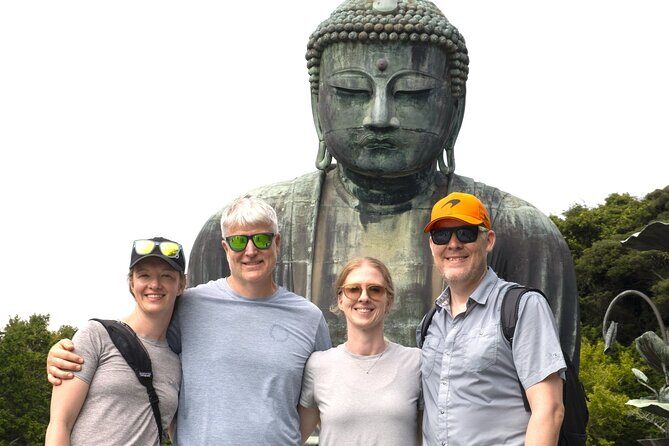
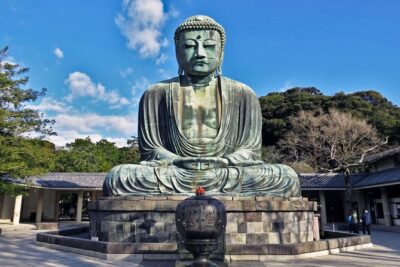
- Great Buddha at Kotoku-in: a 14-meter bronze Amitabha Buddha statue, connected to Kamakura’s big spiritual reputation
- Coin washing at Zeniarai Benten: a simple ritual with a story people take seriously
- Fox shrine at Sasuke Inari: Shinto vibes, with the fox theme threaded through what you’ll see
- Lunch at La Terrasse Zen: a full bento + Japanese tea break where you can reset before the temples
- Eishoji Temple and bamboo walk: a quieter stop, including the feel of Kamakura’s only nunnery
How this Kamakura walk really works (5 hours, private, pickup-ready)
This is designed as a guided, no-stress way to see the essentials of Kamakura without turning your day into a commute project. The tour is listed as about 5 hours, and it’s a private experience, meaning only your group goes with the guide. If you want flexibility in pace—pausing for photos, asking questions, or lingering at a shrine longer—private tours tend to be where it happens.
Logistically, you’ll start at Hotel New Kamakura at 10:00 am, and the day ends back near the meeting point. You may also be able to finish your sightseeing mood at Yuigahama Beach, since the tour description calls it out as a relaxed way to end. Either way, plan to stay in the Kamakura zone for most of the day, not hop across town repeatedly.
The big practical plus is that the package includes real comfort items: bottled water and restroom access on board. For a walking day, that matters more than people think until they need it.
Price and value: what you’re paying for beyond ticket lines
At $130.07 per person, the price is not “cheap,” but it’s also not out of line for a private guide day that includes lunch and entrance fees. What makes it feel like value is the combo:
- Several meaningful stops (not just one headline temple)
- A sit-down meal in the middle of the day
- Entrance fees included for key sights
- A guide who can explain what you’re looking at, especially when a place is old enough that the details can otherwise feel mysterious
If you’re the type who hates building an itinerary from scratch, this is one of those days where paying for direction is worth it. You’re also likely to spend less time figuring out transit and more time actually enjoying the shrines and temple grounds.
If you’re traveling solo on a tight budget and you’re happy wandering with guidebooks, you might do it for less on your own. But if you want the day to flow and you like stories that connect the places, this is a strong deal.
Your guide style: Jean and the art of making temple details stick
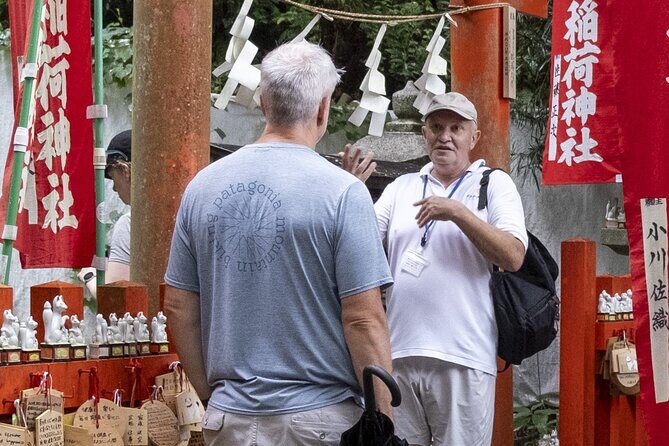
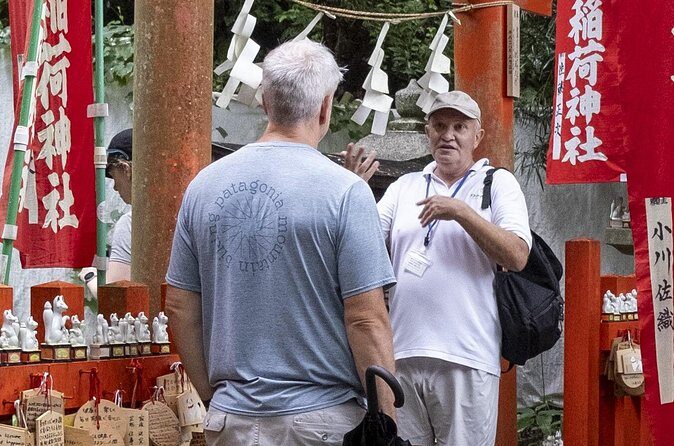
The strongest repeated theme is the guide experience. Jean is described as a master storyteller and a real historian, and that’s exactly the difference between seeing famous buildings and understanding why they matter in Kamakura. You’ll also see evidence of other guides (like Sr. Yamazaki and Bruno) being friendly, attentive, and engaged, which matters because the tour is private and the guide is the whole show.
For you, that translates into something practical: when you stand at Kotoku-in and look at the bronze, you’ll get the context around it—what it is, what it represents, and how Kamakura’s spiritual culture formed around places like this. When you visit small shrines like Sasuke Inari and Zeniarai Benten, the stories help you notice what you might otherwise ignore.
Stop by stop: what each place gives you (and what to watch for)
Sasuke Inari Shrine: fox spirits and a quick, meaningful start
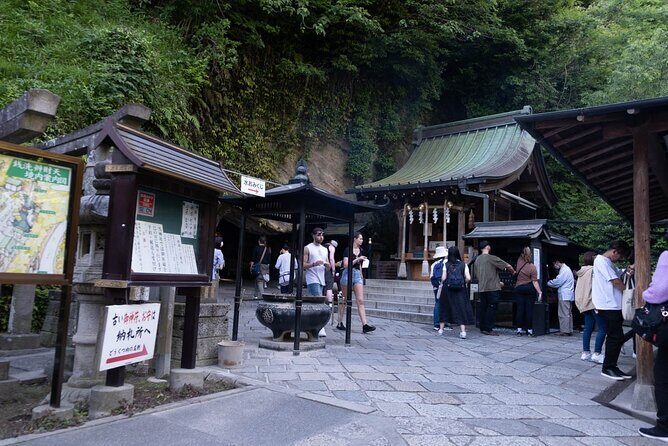
Your first stop is Sasuke Inari Shrine, about a 20-minute walk from Kamakura Station. It’s a Shinto shrine dedicated to the fox, and that theme shows up in what you’ll see and how the visit is explained.
This stop works well at the start of the day because it sets a tone. You’re not starting with the biggest landmark crowd; you’re easing into Kamakura with something themed and playful. Also, admission is free, so you can treat it as an easy win before the heavier hitters.
What to keep in mind: Inari-themed shrines often have lots of small details, so give yourself a couple minutes to look around rather than only taking a straight-on photo. A guide explanation helps you focus your attention.
Zeniarai Benten Shrine: washing money, doubling the luck
Next is Zeniarai Benten Shrine, another free admission stop with a very specific ritual. People visit to wash their money in the shrine’s spring—because the name refers to “coin washing”—and the story goes that it will double.
This is one of those places where the action feels simple, but the meaning is bigger. It’s memorable, and it’s easy to participate in a respectful, non-chaotic way if you follow the flow of what others are doing.
Potential consideration: because the ritual is popular, you may need a little patience for space. The good part is that this shrine is still short in time (about 40 minutes), so any waiting won’t derail your day.
Kotoku-in Great Buddha: the 14-meter centerpiece you came for
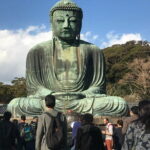
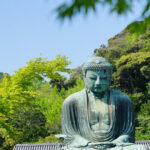
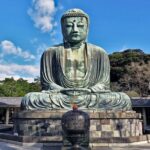
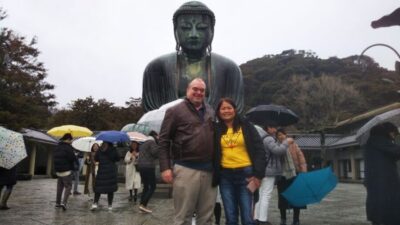
Then you reach the main event: Kotoku-in (Great Buddha of Kamakura). You’ll explore the bronze statue of Amitabha Buddha, commonly known as the Great Buddha. The statue is 14 meters high and was built in the 13th century.
This is where Kamakura earns its reputation. Even if you’ve seen big Buddhist statues in other cities, this one has gravity. The guide context matters here because you’ll understand it as more than a photo opportunity—you’ll connect it to the era and to why this temple became such a core stop for visitors.
Time-wise, plan for about 40 minutes at this part of the tour, which is enough to look carefully and still move on without feeling stuck in one spot all day.
La Terrasse Zen bento lunch: where you actually recharge
After the temples, the tour feeds you in a way that keeps you going. Lunch is at La Terrasse Zen in the Nichifutsu Chashitsu area, with a special bento lunch plus Japanese tea. The lunch block is listed as 1 hour, and it’s included.
This isn’t just a checkbox meal. It’s also a reset. After hours of walking and shrine sightseeing, a sit-down lunch helps your brain slow down and your feet recover. That makes the last temple stop more enjoyable rather than something you drag yourself through.
Dietary note: if you have dietary requirements, the booking info specifically asks you to indicate them under Special Requirements. That’s the right time to do it, so the restaurant can be prepared.
And from the review theme, the lunch prepared by Jean’s wife is described as especially delicious. That matches what you’d hope for in a place you’ve chosen for food, not just convenience.
Eishoji Temple: bamboo, nuns, and a quieter mood
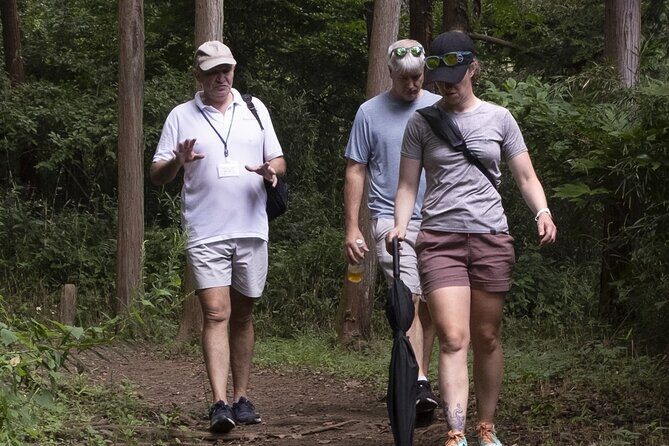
The day ends with Eishoji Temple, described as the only nunnery in Kamakura. You’ll visit the temple and take a walk through a serene bamboo forest. This stop also includes about 40 minutes.
This is a great contrast to the Great Buddha and the energetic ritual at Zeniarai Benten. Instead of “big landmark energy,” Eishoji shifts you into a quieter, more reflective rhythm. Bamboo paths tend to do that fast. Even if you’re not an expert on Buddhist practice, the atmosphere helps you read the space with your eyes rather than your checklist.
A practical consideration: bamboo walks can be cool and shaded, which is nice on a hot day, but you may still want comfortable shoes for any uneven ground.
Finishing touch: Yuigahama Beach for your last slow hour
The tour description calls out Yuigahama Beach as a relaxing place to end, letting you enjoy the seaside at your own pace. Whether you get extra time there depends on how your day runs, but it’s a smart choice. After temples, the beach gives you air, photo variety, and the chance to decompress.
If the tour schedule sends you back to the meeting point instead, you can still plan to head toward Yuigahama afterward on your own time.
Best-fit travelers: who will love this and who might not
This works especially well for you if:
- You want a private guide and don’t want to assemble the route yourself
- You enjoy both famous sights and smaller, story-driven stops
- You like structured pacing: shrine → shrine → Great Buddha → lunch → quieter temple
- You appreciate when a guide explains what you’re looking at (and you’ll use that knowledge while you’re there)
It might feel less ideal if:
- You’re purely chasing the one biggest attraction and don’t care about the two shrines and bamboo-temple contrast
- You’re on a very tight budget and want to DIY all entrances and timing
- You have limited walking tolerance, since this is still a walking tour across multiple stops (even though the stops are grouped well for a half-day)
What to bring and how to make it feel easy

A walking tour should feel like a walk, not a slog. I’d plan on:
- Comfortable shoes you can trust for temple paths
- A light layer in case the bamboo/temple areas feel cooler than the sun outside
- Your camera, but also a few minutes to look without taking anything
Since bottled water and restroom access are included, you’re covered for the essentials. Still, you’ll enjoy the day more if you keep your energy steady—lunch at the halfway point helps a lot.
Should you book this Kamakura tour?

I’d book it if you want your Kamakura day to feel guided, calm, and meaningful, with a real lunch break in the middle. The biggest strength is the pairing: Kotoku-in’s Great Buddha plus the more surprising shrine rituals at Sasuke Inari and Zeniarai Benten, then a quiet finishing note at Eishoji. Add a guide like Jean—described as a storyteller and historian—and the tour becomes more than a list of temples.
Skip it or compare prices if you’re mainly interested in only one major landmark, or if you prefer to wander entirely on your own without paying for a guide’s context.
FAQ
FAQ
How long is the tour?
The tour is listed as about 5 hours.
Where does the tour start and end?
It starts at Hotel New Kamakura, and it ends back at the meeting point.
Is pickup offered?
Yes, pickup is offered.
What’s included in the price?
Lunch is included, entrance fees are included, and you also get bottled water and restroom on board.
Do I need to pay for admission at every stop?
Admission is free for Sasuke Inari Shrine and Zeniarai Benten Shrine, and Kotoku-in, the lunch, and Eishoji Temple have included entrance access as part of the tour.
What kind of lunch do you get?
Lunch is at La Terrasse Zen and includes a bento and Japanese tea.
Can dietary needs be accommodated?
Dietary requirements can be indicated during booking under Special Requirements.
Is it really a private tour?
Yes. It’s listed as private, so only your group participates.
Can I cancel for a full refund?
Yes. You can cancel up to 24 hours in advance for a full refund.
Kamakura on Foot: More Walks
More Tour Reviews in Kamakura
More Days by the Great Buddha
Kamakura Day Trips, compared.
 ★ 4.5Kamakura & Enoshima Day Trip including Temple TicketsFrom $581,375 reviews
 ★ 4.5From Tokyo: Kamakura & Enoshima 1-Day Bus TourFrom $66189 reviews
 ★ 5.0Kamakura Historical Walking Tour with the Great BuddhaFrom $98129 reviews
Kamakura Private Tour: Temples, Nature, and the Great BuddhaFrom $98121 reviews
Kamakura Walking Tour – The City of ShogunFrom $35100 reviews
★ 5.0Kamakura Historical Walking Tour with the Great BuddhaFrom $98129 reviews
Kamakura Private Tour: Temples, Nature, and the Great BuddhaFrom $98121 reviews
Kamakura Walking Tour – The City of ShogunFrom $35100 reviews
 ★ 5.0Kamakura 8 hr Private Walking Tour with Licensed Guide from TokyoFrom $20180 reviews
 ★ 4.1Kamakura & Enoshima Day Tour with Pickup & Train RideFrom $1361 reviews
 ★ 4.8Kamakura: Private Guided Walking Tour with Local GuideFrom $10660 reviews
Browse the lists this tour appears in