
Reviewed · SAMURAI & NINJA EXPERIENCES
Tokyo: Samurai Sword Academy in the Hometown of the Last Samurai
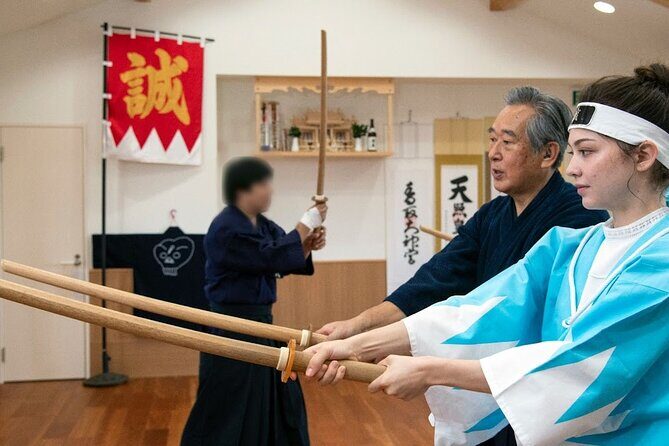
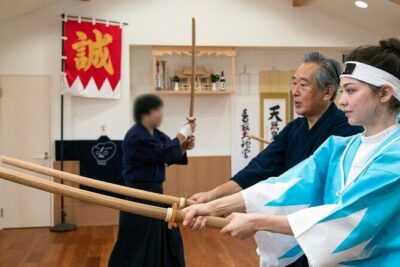
Real swords, real dojo rules. This 2-hour session is built around Tennen Rishin-ryu training in an actual dojo, not a staged performance. I also like the direct chance to handle a Japanese sword and learn the basics properly.
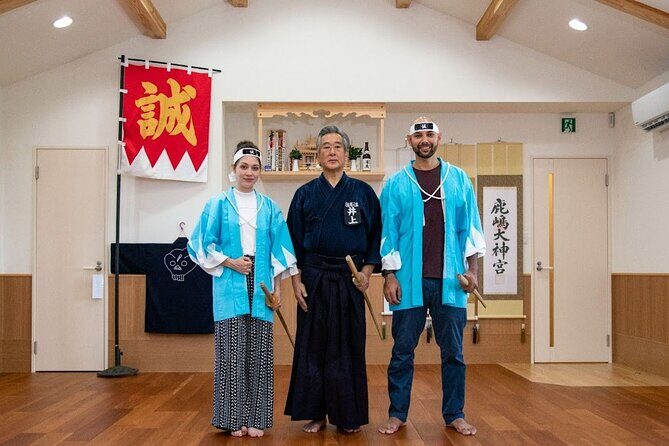
You’ll start at the Genzaburo Inoue Shiryokan and the program is led by Masao Inoue, chairman of the Tennen Rishin-ryu Hino Dojo and a descendant of Shinsengumi executive Genzaburo Inoue. The Shinsengumi angle matters here because the dojo is tied to the sword tradition from Hino City.
One caution: this isn’t casual sightseeing. Expect it to feel intense, with some demand for moderate physical fitness and focus during the movements.
In This Review
- Key things I’d circle before you go
- Hino City: why this dojo feels tied to the Last Samurai
- Genzaburo Inoue Shiryokan meeting point: your first clue that this is serious
- What you’ll practice in Tennen Rishin-ryu: etiquette, stance, and kata basics
- Handling a real Japanese sword: what that moment does to your brain
- The teaching team: Masao Inoue and the English support you’ll want
- Duration and pacing: a tight 2 hours that still feels complete
- Price and value: what $118.60 buys you in a real dojo setting
- Who this is best for (and who should reconsider)
- Should you book Samurai Sword Academy in Hino City?
- FAQ
- How long is the samurai sword academy experience?
- Where do I meet for the experience?
- What will I actually do during the session?
- Do I need experience with sword training?
- Will there be English help?
- What’s the group size?
Key things I’d circle before you go
- Hino City’s Shinsengumi connection: learn kenjutsu in the hometown linked to the Shinsengumi swordsmen
- Instructor lineage: led by Masao Inoue, chairman of the dojo and descendant of Genzaburo Inoue
- Start at Genzaburo Inoue Shiryokan: you begin the experience in a setting tied to the story
- Real dojo basics first: etiquette, sword stance, and kata-style forms are part of the training
- Hands-on sword work: you handle a Japanese sword and practice with serious attention
- Small group size (max 4): easier coaching when you’re learning something physical and precise
Before you commit, see how this one stacks up against a few Tokyo Prefecture favourites:
- Vegan/Vegetarian Ramen and Gyoza by Bentoya cooking★ 5.0 · 59 reviews
- Tokyo: Samurai Sword Academy in the Hometown of the Last Samurai★ 5.0 · 24 reviews
- (Private car)Fake It Then Taste It:Japan’s Quirky Cuisine Journey★ 5.0 · 8 reviews
Hino City: why this dojo feels tied to the Last Samurai
Tokyo has a lot of samurai-themed experiences. This one is different because it’s anchored in Hino City and tied to the sword culture that fed into the Shinsengumi at the end of the Edo period.
The Shinsengumi are often described as a top-tier swordsmen group from that era. In this program, you don’t just hear about them as distant history. You practice the sword method that students at the Tennen Rishin-ryu Hino Dojo follow today. That’s what makes the day click: you’re standing where the tradition is kept alive, with the “why” explained while you learn the “how.”
And because the program is framed as Tennen Rishin-ryu practice carried forward from the Edo period, you’ll notice the tone. This is not about flashy moves or quick photos. It’s about fundamentals and disciplined form.
Genzaburo Inoue Shiryokan meeting point: your first clue that this is serious
You meet at Japan, 191-0011 Tokyo, Hino, Hinohonmachi, 4-chōme1112, at the Genzaburo Inoue Shiryokan. Then the experience ends back at that same meeting point.
That matters more than you might think. When an activity starts at a place tied to the person behind the tradition (Genzaburo Inoue), the session tends to feel like a guided story with practice built in. You’re primed to understand what you’ll be doing with the sword and why the dojo’s lineage is part of the lesson.
Also, the location is near public transportation, which keeps your day from turning into a logistics puzzle. You can plan this as a clean 2-hour block without needing a long buffer just to get there.
What you’ll practice in Tennen Rishin-ryu: etiquette, stance, and kata basics
The program is built around learning the essence of Tennen Rishin-ryu in the dojo itself. The focus is on real swordsmanship instruction, with the kind of structure you’d expect in a class rather than a tourist demo.
Here’s what to expect in practice terms:
- 礼儀作法 (etiquette and proper behavior): expect guidance on how to handle yourself and the sword with seriousness
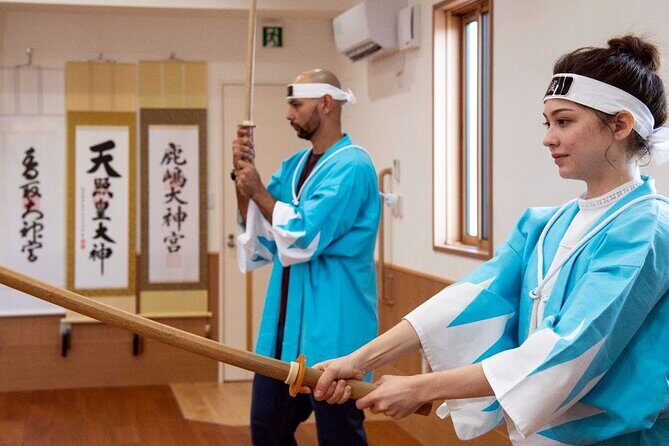
- Sword stance and posture: you’re taught where your body should be for the forms that come next
- Kata-style basics: the foundation moves that teach timing, distance, and control
Even if you’ve never done kenjutsu before, the goal is to get you moving in the right direction quickly. The instruction is designed so you can learn the basics in a true dojo setting, guided by the person running the school.
A useful mindset: treat this like coaching for a skill, not like a show. If you go in expecting to feel awkward at first, you’ll learn faster and enjoy the session more.
Handling a real Japanese sword: what that moment does to your brain
One of the strongest promises of this experience is that you can actually handle a Japanese sword. The idea is that the sword is considered the soul of the samurai, and the program emphasizes the significance of touching the instrument in a respectful, controlled way.
Practically, that means:
- you don’t just look at a blade from afar
- you learn how to hold and manage it while you’re being instructed
- you pay attention to safety and correct form, not speed
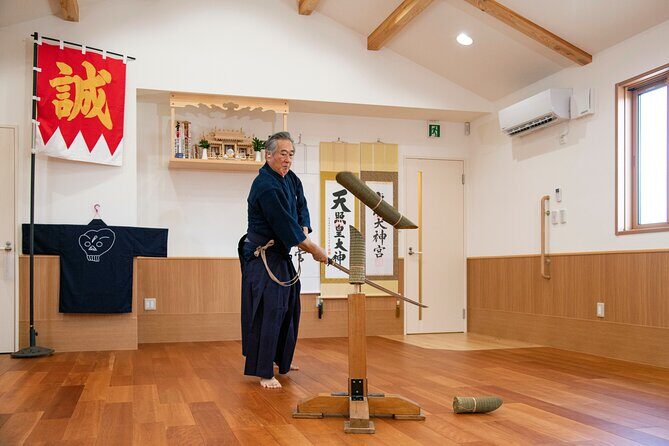
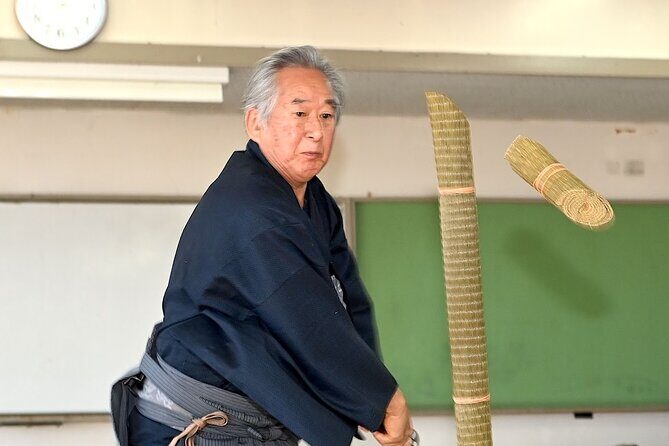
The experience also includes a “try it” side that turns learning into something physical. One participant described the flow as including not only posture and kata, but also 真剣の試し斬り, which is a real-sword test cut. That’s the kind of moment that makes the whole session feel like a real training environment instead of a lecture.
I’ll add a sanity check: even if you’ve watched sword videos online, nothing compares to holding one while someone corrects your stance. Your body has to do the work, and it’s normal if you’re tense at first. That tension is part of what makes the training feel authentic.

The teaching team: Masao Inoue and the English support you’ll want
The instructor lead is Masao Inoue, the chairman of the Tennen Rishin-ryu Hino Dojo and a descendant of Genzaburo Inoue, tied to the Shinsengumi story behind this practice.
This matters because you’re not only learning sword technique. You’re also hearing the meaning behind the method—why certain basics are emphasized and what the dojo considers essential.
There’s also English support mentioned in the program feedback, including a guide named Yu Ma. If you’re traveling in Japan without fluent Japanese, that kind of language help can be the difference between understanding the instructions and just copying movements.
Small group size helps too. With a maximum of 4 travelers, you’re less likely to get stuck standing on the edge of the training area. You can expect more direct correction, which is crucial when you’re learning something that’s all about accuracy and control.
Duration and pacing: a tight 2 hours that still feels complete
The whole experience runs about 2 hours. That’s the right length for this kind of training because it gives time to:
1) get oriented in dojo etiquette and basics
2) learn and repeat stance and kata
3) handle the sword and try the training components
The session starts at 1:00 pm and ends back at the meeting point, so you can build your day around it without guessing where you’ll end up.
If you’re deciding when to book, pick a time when you won’t be rushed right before or after. Sword training is a bit of a focus trap: once you get into it, you’ll want a calm transition both in and out.
Price and value: what $118.60 buys you in a real dojo setting
At $118.60 per person for about 2 hours, this isn’t the cheapest thing you can do in Tokyo. But it’s also not overpriced when you compare it to what you’re actually getting: a real dojo class, hands-on sword handling, instruction led by the dojo chairman, and a small group setup capped at 4 people.
Here’s how I’d judge the value for myself if I were booking:
- You’re paying for access to a structured, lineage-based kenjutsu session, not just a demo
- You’re paying for coaching time, which is more valuable when the group is small
- You’re paying for hands-on learning with proper attention to form
Booking data suggests it’s often reserved about 31 days in advance on average, which hints demand is steady. If you’re set on doing it, earlier booking helps you lock in your preferred day.
Who this is best for (and who should reconsider)
This experience is best for you if:
- you want something hands-on and structured rather than another museum stop
- you’re genuinely curious about kenjutsu practice and Tennen Rishin-ryu
- you like learning from an instructor with a clear connection to the Shinsengumi narrative
It may not be the best fit if:
- you want a relaxed, purely sightseeing experience
- you’re very uncomfortable with physical stances and controlled movements
- you don’t want to follow strict dojo etiquette for the duration
Also, the program calls for moderate physical fitness. That doesn’t mean you need to be an athlete, but it does mean you should be ready to stand, move, and stay attentive through instruction.
Should you book Samurai Sword Academy in Hino City?
If you want a Tokyo samurai experience that feels like training—not theater—this is a strong choice. I like that it’s tied to Tennen Rishin-ryu and led by Masao Inoue in an authentic dojo setting. The chance to handle a Japanese sword, learn basics like etiquette and kata, and experience the serious side of sword practice (including 真剣の試し斬り) makes it feel earned.
Book it if you’re the type of traveler who values skill-building and respectful cultural practice. Skip it if you only want light, walk-through entertainment.
You’ll get the most out of it by going in calm, listening closely, and treating corrections as part of the deal. That’s when the “history and culture” angle turns from words into something your body understands.
FAQ
How long is the samurai sword academy experience?
It lasts about 2 hours.
Where do I meet for the experience?
You meet at the Genzaburo Inoue Shiryokan at Japan, 191-0011 Tokyo, Hino, Hinohonmachi, 4-chōme1112.
What will I actually do during the session?
You’ll learn basic forms of Tennen Rishin-ryu, practice sword stance and kata in a dojo setting, and you can handle a Japanese sword. The training also includes 真剣の試し斬り.
Do I need experience with sword training?
No. The program is designed so anyone can learn sword art in a real dojo setting.
Will there be English help?
English guidance is mentioned in the program feedback, including a guide named Yu Ma.
What’s the group size?
The experience has a maximum of 4 travelers.
More Tour Reviews in Tokyo Prefecture

Fresh reviews from around Tokyo Prefecture

Samurai & Ninja Experiences, compared.
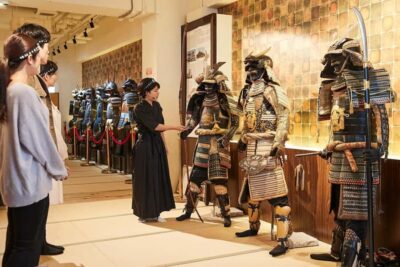 ★ 4.6Samurai Ninja Museum Guided tour and ExperienceFrom $271,010 reviews
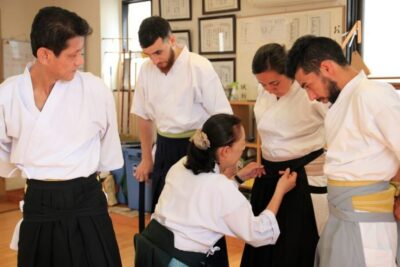 ★ 5.0Samurai Sword & Archery Class from Samurai DescendantFrom $193603 reviews
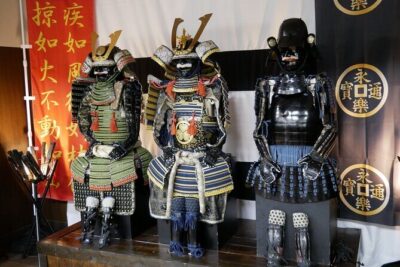 ★ 5.0Best Samurai Experience in TokyoFrom $65458 reviews
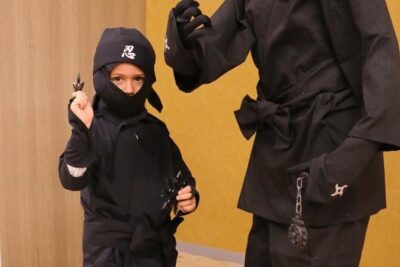 ★ 5.0Ninja Experience (Family Friendly) at Samurai Ninja Museum TOKYOFrom $47441 reviews
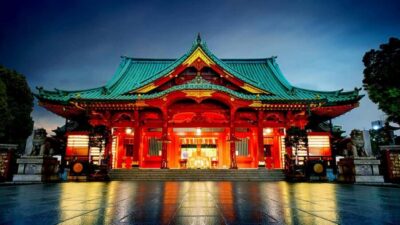 ★ 4.6Samurai Entertainment Night Show in Kanda ShrineFrom $41417 reviews
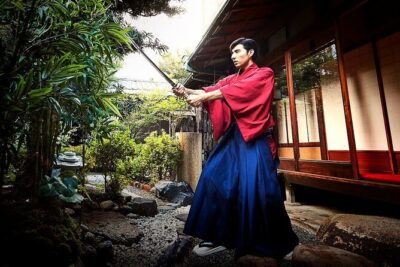 ★ 5.0Tokyo Sword Experience – includes Museum Ticket/Ninja ExperienceFrom $84314 reviews
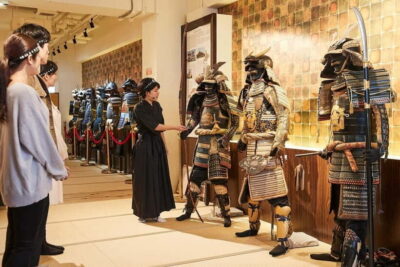 ★ 4.8Samurai Ninja Museum Asakusa: Samurai Sword Lesson & TourFrom $63306 reviews
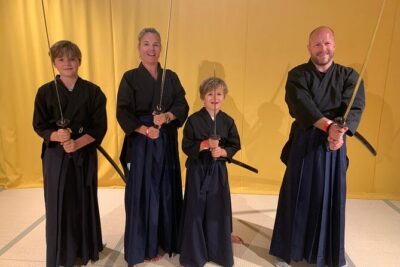 ★ 5.0Samurai Sword Experience (Family Friendly)at SAMURAI MUSEUM TOKYOFrom $65168 reviews
Browse the lists this tour appears in