
Fake food, real fun. This private outing strings together three very Japanese, very odd stops: Showa-era vending machines in Sagamihara, an Atelier Stella workshop where you craft realistic food replicas, then a local dinner in Machida. The guide helps you read the machines, spot photo moments, and (in the workshop) make your first fake dish without feeling lost.
What I like most is the mix of nostalgia and hands-on skill. You get time to stroll a retro machine area that even includes old game-style play, and you leave with something you made yourself—plus a dinner that your guide helps you order. The main trade-off is simple: the day needs good weather, and parking fees aren’t included (and your dinner budget is capped at 5,000 yen per person).
In This Review
- Key points before you plan
- Step into Sagamihara’s Used Tire Market vending machine corner
- Atelier Stella: crafting Japanese food replicas that look almost real
- Machida dinner with a guide who helps you order
- Why the private car (and pickup) matter on this Tokyo-area route
- Pricing breakdown: what $82.03 buys you (and why it’s more than it looks)
- Who should book this quirky cuisine tour in Tokyo
- Weather, timing, and practical tips for a smooth day
- Should you book Fake It Then Taste It?
- FAQ
- Where in Tokyo does this tour take place?
- How long is the tour?
- Is this a private tour?
- Do I get pickup?
- What meals or snacks are included?
- What can I make at Atelier Stella?
- Is the food sample workshop suitable for kids?
- Is there an English guide or interpreter?
- What happens if the weather is bad, or I need to cancel?
- Are parking fees included?
Key points before you plan
- Sagamihara’s Used Tire Market puts classic vending culture inside a surprisingly themed tire yard setting
- English support with a licensed guide interpreter keeps the quirky stuff understandable
- Atelier Stella food-sample making lets you choose items like sushi, takoyaki, rice crackers, or the toast-shaped clock
- Hands-on souvenir energy goes beyond watching; you actually craft and order through the process
- Machida dinner includes up to 5,000 yen per person, with a guide helping you pick your style
- Private, air-conditioned car (with pickup offered) saves you from juggling local transit across the two areas
Before you commit, see how this one stacks up against a few Tokyo Prefecture favourites:
- Vegan/Vegetarian Ramen and Gyoza by Bentoya cooking★ 5.0 · 59 reviews
- Tokyo: Samurai Sword Academy in the Hometown of the Last Samurai★ 5.0 · 24 reviews
- (Private car)Fake It Then Taste It:Japan’s Quirky Cuisine Journey★ 5.0 · 8 reviews
Step into Sagamihara’s Used Tire Market vending machine corner
Your day starts in Sagamihara at the Used Tire Market vending machines corner. It’s a location that sounds like a joke until you see it: classic machines living their lives inside a tire-market setting. Expect a time slot around 1 hour, and the admission for this stop is free.
Here’s what makes this stop click for most people: it’s not a generic “look at old machines” photo stop. You’ll get to browse rows of retro vending machines and see how the vending concept evolved—designs, layouts, and what they dispense. Based on the tour description, you can find options like hot udon, toast, capsule toys, and bottled drinks. That matters because it turns vending from a curiosity into a mini meal-and-snack hunt.
I also love how this stop feels built for wandering. You can take your time and let your eyes do the exploring: stickers, shapes, machine colors, and the whole Showa-era vibe. The guide’s role is practical here. You’re not just left to guess what to do. You get help capturing photos, and the guide can point out what’s special about the machines so you’re not scanning blindly.
One extra detail that comes through strongly in the experience: you may also get access to older game-machine-style fun around the area. That’s a nice bonus if you like playful, low-pressure activities that feel like a time capsule.
Possible drawback: the time is tight, and this is more of a “stroll and browse” stop than a sit-down tasting. If you want long lines, extended explanations, or a full-on food crawl, you may wish the vending stop lasted a bit longer. Still, as the opening act, it does its job: it sets the mood fast.
Atelier Stella: crafting Japanese food replicas that look almost real
Next up is the atelier workshop: Atelier Stella. This is the hands-on heart of the day, and it’s why this tour works even if you’re not a vending-machine person.
You’ll spend about 2 hours at the workshop, and the workshop admission is free as part of the experience. The focus is making realistic fake food—the food samples you often spot outside Japanese restaurants. You can choose your item from options like sushi, takoyaki, rice crackers, or the popular toast-shaped clock.
This is where the tour earns its keep: the guide provides English support, and the workshop is friendly to beginners. The information also calls out that kids age 6+ can participate, which tells you this isn’t a “watch an expert, clap at the end” situation. You’re guided through the steps like a real class, not a demo.
So what do you actually make? You’re crafting an item meant to look like the restaurant version. Expect a mix of shaping and finishing so it holds together visually. The goal isn’t to create a museum-grade replica; it’s to learn the look and feel of Japanese food presentation and walk away with a souvenir you’ll be proud to show.
From the experience notes, you’ll work alongside a craftsman, and the workshop is designed for creating something unique—something that scratches that same itch as collecting small travel keepsakes. One standout detail from the descriptions is that the toast-shaped clock is a fan favorite, which makes sense: it’s goofy, functional, and very “only-in-Japan.”
How to get the most out of it: bring patience for small corrections. These are delicate-looking items, and the fun comes from the guided adjustments that help it turn out well. Also, think about what you want to take home: if you love kitchen gadgets and quirky décor, the clock idea is a strong match. If you love classic comfort foods, sushi or takoyaki is an easy win.
Possible drawback: this stop can feel “structured,” because you’re making something step-by-step. If you’d rather only eat and roam freely, you might find the workshop a bit more time than you expected. Still, for most people, that’s exactly the point—this tour is fake-it-first, taste-it-later, in the best possible way.
Machida dinner with a guide who helps you order
After the workshop, you head to Machida for dinner. This part runs about 1 hour 30 minutes. There’s an important value detail here: the tour includes a dinner budget of up to 5,000 yen per person, and the guide helps you choose your preferred style and order.
What styles are on the menu choices? You’ll have options like izakaya, traditional washoku, or monjayaki. Monjayaki is one of those regional-culture foods that feels more interactive and chatty than a typical plate-and-leave meal. An izakaya dinner, on the other hand, is perfect if you want a bunch of small dishes and a relaxed vibe.
The guide’s help is more than just translation. In Japan, ordering can be a small adventure even when you speak basic phrases. Here, you don’t have to play guessing games with menus. You can tell the guide what you’re in the mood for (within the available choices), and the guide helps you land on a meal that fits the moment.
Also, remember there’s a separate included snack/food and drink charge mentioned as 1,000 yen. So your day isn’t just “pay for dinner only.” There’s a built-in snack element that fits the vending-machine theme of the first stop and keeps you from feeling hungry while you’re transitioning between areas.
Possible drawback: if you have a very specific restaurant in mind or you’re hoping to spend far beyond the included cap, you’ll need to cover any extra yourself. The included amount is capped on purpose, so treat it like a thoughtful allowance rather than a blank check.
Why the private car (and pickup) matter on this Tokyo-area route
This tour uses a private air-conditioned vehicle, and pickup is offered. That sounds like standard luxury talk until you think about the geography: Sagamihara for the vending start, then Machida for dinner. These aren’t two stops you’d want to stitch together smoothly with buses and trains when you’re on a timed schedule.
The private car also keeps the experience comfortable and low-stress. You and your group are the only ones in the vehicle, so you don’t have to adjust your pace to a large tour schedule. It also helps with the day’s rhythm: vending browsing, workshop crafting, then meal ordering.
A practical point: parking fees aren’t included. If your pickup point involves a car-access situation, you’ll want to account for that. The tour notes say it’s near public transportation too, which is reassuring if you decide you want to meet without using pickup.
You’ll also use a mobile ticket. That matters because it reduces friction on the day. Instead of paper tickets or last-minute email printing, you can just show what you need on your phone.
How long is the whole thing: about 5 hours total. Stop timing is roughly 1 hour at Sagamihara, 2 hours in the workshop, and 1.5 hours at dinner, leaving a little buffer for travel and transitions. The pacing feels designed to be complete without becoming exhausting.

Pricing breakdown: what $82.03 buys you (and why it’s more than it looks)
At $82.03 per person, this isn’t a cheap “sit and listen” tour. But it’s also not priced like a fancy full-day itinerary with pricey attractions. The value comes from what’s covered and what the guide does for you.
Here’s what’s included in the experience information:
- National government licensed guide interpreter
- Air-conditioned vehicle for a private tour
- Food sample making experience fee
- Snacks: 1,000 yen food and drink charge
- Dinner support with up to 5,000 yen per person included (guided choice and ordering)
Also, the first two stops list admission ticket free, which helps keep your day from turning into a stack of small entry fees.
So where’s the “real” value? It’s in the combination:
1) You get access to a quirky setting that would take effort to find and interpret on your own.
2) You get hands-on instruction in a workshop where language can be a barrier.
3) You get a guided dinner choice so you’re not stuck staring at menus.
What you might pay extra for: parking fees if they come up, and anything beyond the included snack charge or dinner cap. If you’re the type who likes “small extra comforts” like upsizing drinks or ordering extra dishes, plan for that. If you’re happy within the budget, this tour can feel like a well-controlled, fun day with clear spending boundaries.
One more practical detail: the experience is often booked about 27 days in advance on average, and confirmation is received within 48 hours of booking (subject to availability). If you want a specific day or you’re traveling around weekends, booking earlier gives you a safer shot.
Who should book this quirky cuisine tour in Tokyo
This tour fits best when you like hands-on cultural activities and playful food themes.
It’s especially good for:
- Food replica fans who want to understand the craft behind those restaurant window samples
- People who enjoy retro vending machines and the nostalgia of Showa-era designs
- Families with kids age 6+, since the workshop is designed to work for beginners
- Solo travelers who want structure and a friendly guide rather than wandering alone into unfamiliar places
One thing that comes through strongly in the experience descriptions and guidance style is that the guide is there to make you comfortable. That’s not a small deal. The tour includes places where you might feel awkward trying to figure things out solo—especially around ordering and workshop steps. Having English support plus a guide who explains what you’re seeing can turn a “maybe I’ll be brave” moment into an easy afternoon.
It’s also a good match if you enjoy taking photos. The first stop is built for it, and the workshop creates an object that looks good in pictures right away.
Weather, timing, and practical tips for a smooth day
This tour requires good weather. If it’s canceled due to poor weather, you’ll be offered another date or a full refund. So on the day before, do a quick weather check and avoid scheduling other heavy plans that depend on the tour being exactly on time.
Timing tip: since the day is structured around specific stops, don’t treat this as a loose “tour when you feel like it” style outing. If you’re running late, you can throw off the workshop timing and dinner flow.
Bring:
- A phone camera (this tour has lots of visual moments)
- Comfortable shoes for strolling through the vending area
- A little flexibility around the workshop process, since the fun comes from doing the steps yourself
If you’re choosing between a 1-hour or 2-hour workshop session, pick based on how patient you feel with crafts. A longer session usually means more time for finishing details. If you’re traveling with kids who have shorter attention spans, the shorter session might feel more manageable.
Should you book Fake It Then Taste It?
Book it if you want a Tokyo day that’s fun, weird in a good way, and built around real activities. You’ll get the story behind vending-machine culture in Sagamihara, you’ll learn the craft of Japanese food presentation at Atelier Stella, and you’ll end with a guided Machida dinner where ordering doesn’t become a stress test.
Skip it if you only want traditional sightseeing or pure eating time. This tour includes a workshop and a guided dinner choice, so it’s not just “walk around and taste.” It’s a themed day where you make, browse, and then eat.
If your idea of value is a guide that helps you navigate unfamiliar places while you do something hands-on, this one makes sense. Especially if you like retro details, food replicas, and the joy of turning a simple curiosity into a take-home souvenir.
FAQ
Where in Tokyo does this tour take place?
The tour is in Tokyo Prefecture, with stops in Sagamihara and Machida.
How long is the tour?
It runs for about 5 hours (approx.).
Is this a private tour?
Yes. It’s private, so only your group participates.
Do I get pickup?
Pickup is offered, and the tour also notes it’s near public transportation.
What meals or snacks are included?
The tour includes a snacks charge of 1,000 yen for food and drink. Dinner in Machida includes a maximum of 5,000 yen per person in the tour fee.
What can I make at Atelier Stella?
You can choose from sushi, takoyaki, rice crackers, or the popular toast-shaped clock.
Is the food sample workshop suitable for kids?
Yes. The workshop is suitable for beginners and kids age 6+.
Is there an English guide or interpreter?
Yes. The tour includes a national government licensed guide interpreter with English support.
What happens if the weather is bad, or I need to cancel?
This experience requires good weather. If it’s canceled due to poor weather, you’ll be offered a different date or a full refund. You can cancel for a full refund up to 24 hours in advance.
Are parking fees included?
No. Parking fees are not included.
More Tour Reviews in Tokyo Prefecture
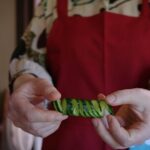
Fresh reviews from around Tokyo Prefecture
Tokyo Prefecture, compared.
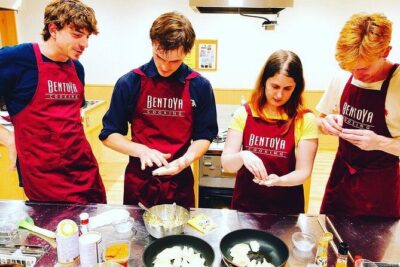 ★ 5.0Vegan/Vegetarian Ramen and Gyoza by Bentoya cookingFrom $7559 reviews
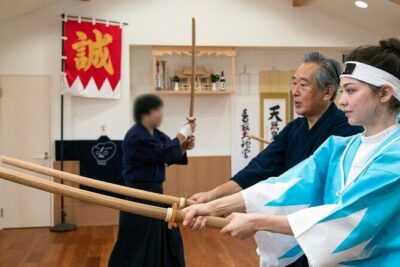 ★ 5.0Samurai Sword Academy in the Hometown of the Last SamuraiFrom $11824 reviews
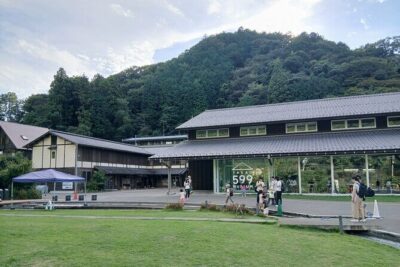 ★ 5.0Mt. Takao Tour with Ramen and Tattoo-Okay Hot SpringFrom $12012 reviews
 ★ 5.0Little Adventure with Cycling in Tokyo No. 1 Crystal Clear RiverFrom $1436 reviews
 ★ 5.0Cook Everyday Japanese Home Meals with Your Tokyo MomFrom $994 reviews
 ★ 4.5Sanrio Puroland Tokyo TicketFrom $493 reviews
Browse the lists this tour appears in