
Reviewed · NIKKO DAY TRIPS
Tokyo:Nikko UNESCO World Heritage Sites Private 1-Day Tour
Nikko feels like a world switch. One day in Nikko can pack UNESCO temples and shrines next to big nature views, all without rail transfers or timetable stress. This is a private day trip with hotel pickup in a comfortable, air-conditioned vehicle, plus a guide-driver who helps with safety, timing, and even group photos.
I especially like the way the plan mixes spirituality with scenery: Toshogu Shrine’s ornate Tokugawa legacy, then the quiet, green stops around Shinkyo and the shrines. Another strong point is practical value for a group of up to six: the price covers driving costs like fuel, tolls, and parking, so you can focus on seeing rather than juggling logistics.
The main thing to watch is the pace. You’ll spend about an hour at each highlight, so if you want long, slow temple time—or lots of extra stops—this schedule may feel a bit tight.
In This Review
- Key things worth knowing before you go
- From Tokyo to Nikko UNESCO: what makes this day trip work
- The private van ride: logistics that actually matter
- Toshogu Shrine: gold, carvings, and the Tokugawa story
- Nikko National Park: UNESCO nature without the hiking pressure
- Shinkyo Bridge: the Sacred Bridge and your best photo rhythm
- Narabi Jizo: a calm, human-scale moment
- Futarasan Shrine and Rinnoji Temple: two styles, one forest mood
- Edo Wonderland Nikko Edomura: a smart break from temples
- Pace, customization, and how to protect your energy
- Price and value: what $387 covers for a group of up to six
- Small rules that keep the day smooth
- Should you book this Nikko UNESCO private day trip?
- FAQ
- How long is the Tokyo to Nikko private day tour?
- What’s the price and group size?
- Where does pickup and drop-off happen?
- What are the main stops included?
- Are meals and entrance fees included?
- Does the van include Wi‑Fi and water?
- How early should I be ready for pickup?
- Are there extra charges for pickup outside Tokyo’s 23 Wards?
- Is the tour suitable for wheelchair users?
Key things worth knowing before you go
- Private, door-to-door pickup from many Tokyo areas, with a driver waiting policy that reduces morning stress
- Short, high-impact timing: roughly an hour per main stop, plus photo stops built in
- UNESCO mix of Toshogu, temples/shrines, and the nature side of Nikko National Park
- Shinkyo Bridge photo window plus Narabi Jizo and two shrine/temple visits that change the mood
- Edo Wonderland Nikko Edomura breaks up the day with recreated Edo-period life
- English, Urdu, or Japanese support, and photo/video help for your group shots
The shrine road north: other Nikko trips
- Nikko: Kegon Falls, Lake Chuzenji & Toshogu Temple★ 4.6 · 1,577 reviews
- Tokyo: Nikko Toshogu Shrine and Kegon Waterfall Tour★ 4.5 · 1,266 reviews
- From Tokyo: Nikko World Heritage Site Private Full-Day Trip★ 4.9 · 243 reviews
From Tokyo to Nikko UNESCO: what makes this day trip work
If you’re basing yourself in Tokyo, Nikko can feel like a hassle: trains, transfers, and the temptation to rush. This tour’s core value is that you hand the transport to someone else, and you still get a guided approach at key sites. You’re moving as a group in an air-conditioned van, with fuel, highway tolls, and parking covered.
You’re also not stuck on a single type of experience. The itinerary strings together carved shrine splendor, Buddhist temple atmosphere, mountain-shrine views, and then a nature-and-water moment at Shinkyo Bridge. Add Edo-period fun at Edo Wonderland, and the day avoids the one-note problem many temple-heavy outings have.
The private van ride: logistics that actually matter
The schedule starts with pickup options across central Tokyo—areas like Shinjuku, Shibuya, Ginza, and multiple wards in between. It’s door-to-door in the sense that you choose your hotel lobby or another clear meeting point, and the driver comes to you. If you’re ready 10 minutes early, that helps a lot.
Expect about two hours driving each direction, so you’re not just visiting Nikko—you’re dedicating a full day to getting there and soaking it in. The van includes bottled water and free onboard Wi‑Fi, which sounds small until you realize how much you’ll use your phone for photos and directions.
One practical thing I’d plan around: the day is “private,” but it’s still a shared timing window with the realities of traffic and site hours. That’s why the guide-driver’s job is mostly about pacing you through stops rather than letting you wander for hours.
Toshogu Shrine: gold, carvings, and the Tokugawa story
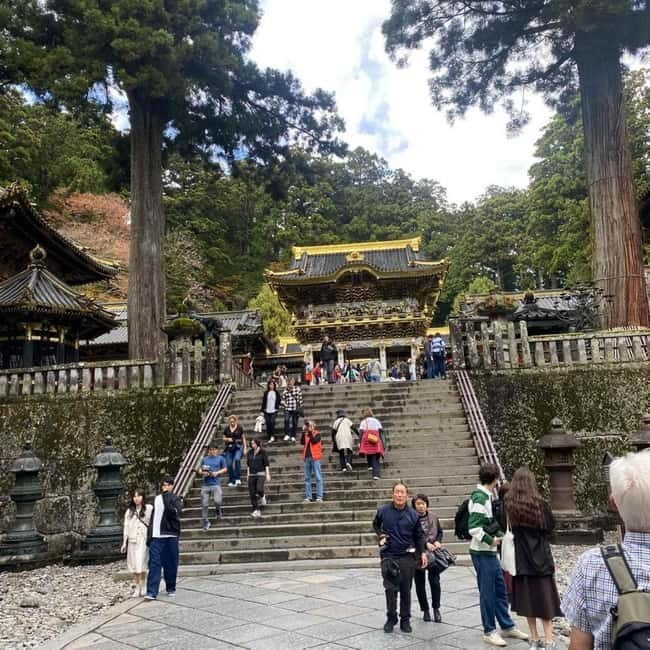
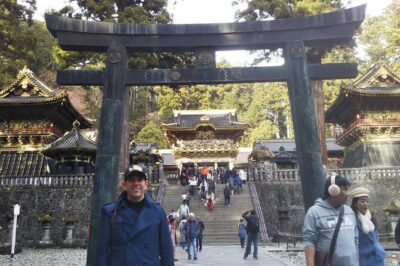
This is the centerpiece stop. Toshogu Shrine is where you’ll see the UNESCO-level craftsmanship most people came for. The visit includes both a photo stop and a guided tour, with roughly one hour set aside. The setting matters too: the shrine sits in a forested area, so even before you reach the main buildings, the atmosphere shifts from city noise to something quieter and more formal.
What makes Toshogu especially worth your time is the way it connects art to history. It’s associated with Tokugawa Ieyasu, the founder of the Tokugawa shogunate, and the shrine’s decorations—intricate carvings and gilded details—make that legacy feel tangible instead of textbook-only.
How to get the most out of your hour:
- Wear shoes you can stand in for photos. You’ll walk.
- Take a few minutes early to look slowly at details, not just the biggest structures.
- If fog or weather changes visibility, ask the guide to recommend the best angles for photos. A past guest praised a driver for proactively checking views even in fog.
Nikko National Park: UNESCO nature without the hiking pressure
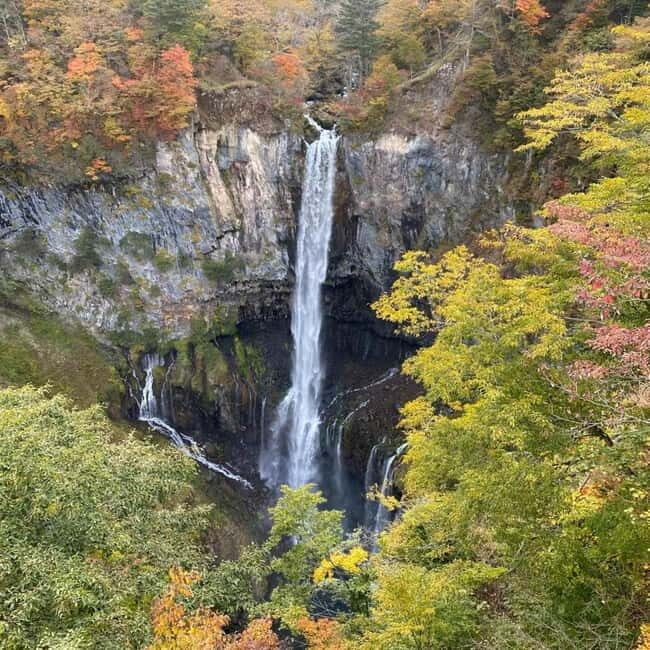
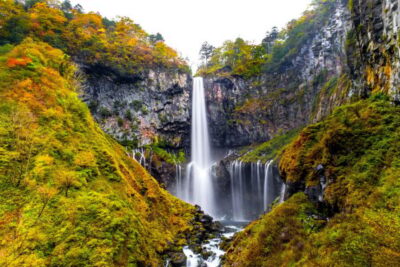
After Toshogu, you move into Nikko National Park, another UNESCO-listed natural heritage area. Your time here is also around one hour, which means this is not a deep hiking day. It’s more about scenic stops and photo windows—think lakes, waterfalls, and seasonal color.
What’s nice is that the tour description explicitly points to seasonal variety: autumn leaves and spring blooms are both part of Nikko’s appeal. If you travel during either season, you’ll likely feel like you hit a bonus deck of scenery cards.
Real talk: with only about an hour, you’ll get highlights rather than “finish the whole park.” If your dream is long trails, you might need a different plan. But if you want nature views paired with major UNESCO sites, this works.
More private options with your own guide

Shinkyo Bridge: the Sacred Bridge and your best photo rhythm
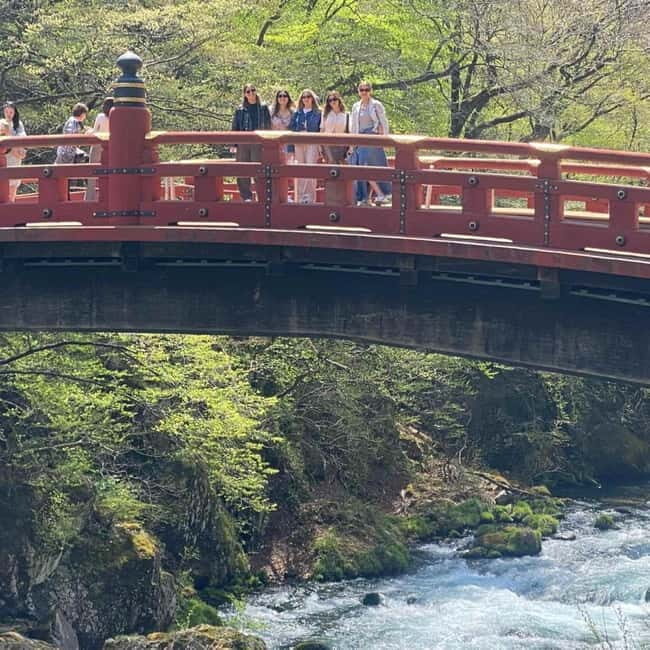
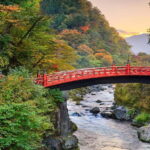
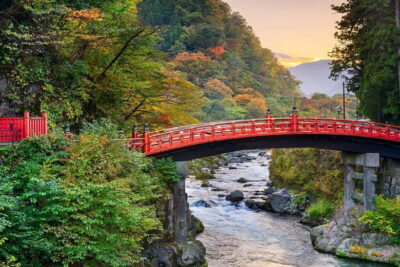
Shinkyo Bridge is one of Nikko’s signature images—often called the Sacred Bridge—spanning the Daiya River. You’ll get about one hour here, with a photo stop, guided sightseeing, and safety briefing.
The reason this stop is built in is simple: the bridge’s red color and the surrounding mountain-and-temple backdrop create instant “postcard” framing. You don’t need fancy photography equipment, either. Good light and good timing do most of the work.
My practical tip: spend a few minutes before shooting to find two or three angles. One for the full composition, one for a tighter detail shot, and one where you include a bit of the surrounding landscape.
Narabi Jizo: a calm, human-scale moment
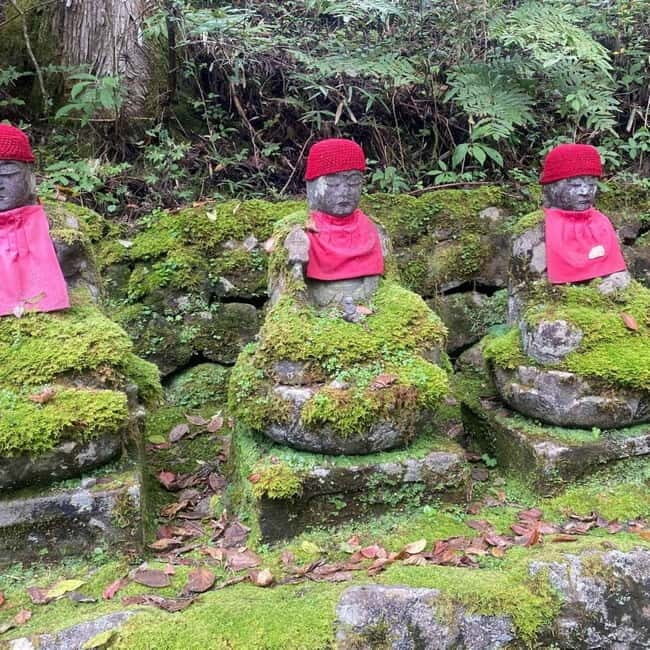
Narabi Jizo is a shorter stop, around 40 minutes, but it has a different emotional tone than the major shrine and bridge moments. You’ll see a line of stone statues dedicated to the Jizo Bodhisattva—figures believed to protect travelers and children. Many of these statues are decorated with red bibs and hats.
This is the kind of stop where the guide’s pacing helps. If you rush, you miss the quiet meaning. If you slow down, you’ll notice how people react differently here—more stillness, more photos that feel less like snapshots and more like memories.
It’s also a nice reset between the bigger landmarks: your day stays moving, but your mood gets a chance to cool off.
Futarasan Shrine and Rinnoji Temple: two styles, one forest mood
Next comes Futarasan Shrine (another 40-minute stop) dedicated to powerful mountain deities. The “mountain” theme is key: you’re surrounded by Nikko’s sacred peaks, so the views and the forest setting shape the experience. If you like when a place feels tied to the environment—more than just the buildings—this is a good fit.
Then you head to Nikkozan Rinnoji Temple, also about 40 minutes. Rinnoji is a major Buddhist site dedicated to Fudo Myo-o. The description highlights lush greenery and a calm atmosphere. In plain terms: this is where the day can feel more reflective.
A helpful way to think about these two stops:
- Futarasan gives you a peak-and-shrine feeling.
- Rinnoji gives you a temple-and-tranquility feeling.
Both benefit from comfortable shoes and a willingness to pause. Even at short time windows, quiet places get better when you stop treating them like a checklist.
Edo Wonderland Nikko Edomura: a smart break from temples
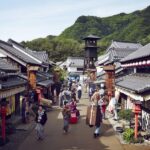
By the time you reach Edo Wonderland (Edo-Mura), you’re ready for a change of pace. You’ll spend about one hour here with photo stops and guided sightseeing.
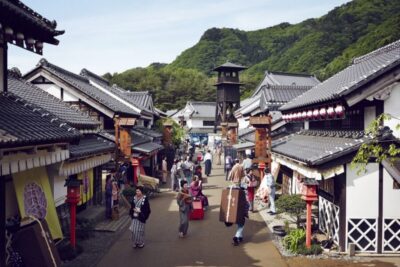
This is a recreated Edo-period world. You can stroll recreated streets and see performances and activities. There’s also the chance to dress in period costumes, which is a fun detail if your group enjoys silly memories and quick costume photos.
Why this stop is valuable in a UNESCO day: temples and shrines can run together if you don’t change modes. Edo Wonderland gives you movement, color, and human-scale entertainment. It also helps families or mixed-interest groups stay engaged.
Pace, customization, and how to protect your energy
The day runs for about 10 hours, and the visit pattern is consistent: short guided windows, plus photo time and safety briefings. The tour also notes the itinerary is flexible—if you want to linger longer at one location or swap a stop, you can ask your guide.
That’s your best tool for making the day feel like your trip rather than a timer. If you’re the type who always wants more time at the main sight, tell the driver- guide early. If your group prefers fewer photos and more walking, say so. If you care more about nature than Edo cosplay, ask if the balance can shift.
A note on communication style: the experience depends on the driver-guide and how much commentary you get while moving. I’ve seen praise for drivers who clearly listen and stay patient with requests, but I’ve also seen complaints when guests expected more explanation during the stops. You can reduce that risk by asking for a quick overview of what you’re about to see at each stop. A good guide will appreciate the prompt.
Price and value: what $387 covers for a group of up to six
At $387 per group (up to 6 people) for a 10-hour private day trip, you’re paying for transport, time, and someone handling the driving and coordination. This isn’t cheap, but for Nikko, it can be good value because the tour includes costs that often get annoying to calculate yourself: fuel, highway tolls, and parking, plus hotel pickup/drop-off.
Here’s how I’d decide if it’s worth it:
- If you’re traveling as a couple or small group and you’d rather avoid train transfers and walking from stations, the private structure makes sense.
- If your group wants maximum convenience and you’ll actually use the photo help and onboard Wi‑Fi, you’ll feel the “private” premium.
- If you’re solo or two people who don’t mind public transport and you’d happily self-plan Nikko, you might find cheaper options.
You should also budget for what’s not included: meals and entrance fees. Even when the main sights feel “free,” it’s usually the site-level costs that surprise people.
Small rules that keep the day smooth
This is a structured day trip, so follow the basic expectations:
- Bring comfortable shoes, a camera, and a daypack.
- The tour notes no alcohol and drugs and no making fire.
- If you have mobility needs, let them know in advance so they can accommodate you—though the operator information includes a note that some people, including wheelchair users, may not be suitable. If you’re in a wheelchair, message ahead so you don’t reach Nikko only to discover the practical limits.
Also, the driver will wait up to 60 minutes if you’re late, but you should still plan to be ready 10 minutes before pickup.
Should you book this Nikko UNESCO private day trip?
I think you should book it if you want Nikko without the Tokyo-to-Nikko hassle, and you like a plan that hits the big sights in one day: Toshogu Shrine, Shinkyo Bridge, Narabi Jizo, plus Rinnoji and Futarasan, with Edo Wonderland as a fun payoff.
I’d hesitate if your top priority is slow, detailed temple time or deep nature hiking. This schedule is built for highlights. It’s also worth going in knowing that guide style can vary—some people get more explanation than others, so ask questions early.
If your group includes mixed interests—temples for some, photos and fun activities for others—this is a solid match. It’s the kind of day trip that makes Nikko feel doable, even when Tokyo logistics would otherwise steal your energy.
FAQ
How long is the Tokyo to Nikko private day tour?
The tour lasts about 10 hours total.
What’s the price and group size?
It’s $387 per group, up to 6 people.
Where does pickup and drop-off happen?
Pickup is from your hotel or a designated spot in Nikko (and pickup options are listed across multiple Tokyo wards/cities). Drop-off is also to your hotel or preferred location in Tokyo.
What are the main stops included?
The tour includes Toshogu Shrine, Nikko National Park, Narabi Jizo, Shinkyo Bridge, Futarasan Shrine, Nikkozan Rinnoji Temple, and Edo Wonderland Nikko Edomura.
Are meals and entrance fees included?
No. Meals and entrance fees are not included.
Does the van include Wi‑Fi and water?
Yes. You get complimentary bottled water onboard and free Wi‑Fi on the move.
How early should I be ready for pickup?
You should be ready 10 minutes before your scheduled time. The driver waits up to 60 minutes.
Are there extra charges for pickup outside Tokyo’s 23 Wards?
Yes. An additional fee (JPY 5,000–20,000) can apply for pickups outside Tokyo’s 23 Wards, paid to the driver. No extra charge applies within Tokyo’s 23 Wards.
Is the tour suitable for wheelchair users?
The information says wheelchair accessible, but it also lists wheelchair users as not suitable. If you need mobility support, you should let the provider know in advance so they can confirm what’s workable for your situation.
More Tours in Tokyo




More Tour Reviews in Tokyo




North Again: More Nikko Trips
Fresh reviews from around Tokyo






Nikko Day Trips, compared.
 ★ 4.6Nikko: Kegon Falls, Lake Chuzenji & Toshogu TempleFrom $891,577 reviews
 ★ 4.5Nikko Toshogu Shrine and Kegon Waterfall TourFrom $841,266 reviews
 ★ 5.0Nikko Full-Day Private Tour with Government-Licensed GuideFrom $155259 reviews
 ★ 4.9From Tokyo: Nikko World Heritage Site Private Full-Day TripFrom $483243 reviews
 ★ 4.3Nikko: Edo Wonderland Edomura Cultural Theme Park TicketFrom $35205 reviews
From Tokyo: Nikko World Heritage Sight Full Day Private TourFrom $362127 reviews
★ 4.3Nikko: Edo Wonderland Edomura Cultural Theme Park TicketFrom $35205 reviews
From Tokyo: Nikko World Heritage Sight Full Day Private TourFrom $362127 reviews
 ★ 4.9Nikko – Beautiful Full-Day Personal and Private TourFrom $364119 reviews
 ★ 5.0Chartered Private Tour – Tokyo to Nikko, Toshogu, Edo WonderlandFrom $1,286105 reviews
Browse the lists this tour appears in