
Reviewed · MT FUJI DAY TRIPS
Tokyo:Cherry Blossom Mt Fuji & Shibazakura Festival Day Trip
A whole lot of pink happens fast. This Tokyo to Mt. Fuji day trip is built around the Shibazakura Festival at Lake Motosuko, where the foothills turn into a flower “carpet” with Mt. Fuji as your photo backdrop. What makes it interesting is the mix: a big, timed festival visit, plus classic Fuji viewpoints and quick cultural scenery that keeps the day moving.
I especially like the way the itinerary handles the must-see photos, with stops like Oishi Park and those Fuji-perfect roadside angles near Kawaguchiko. One consideration: while the booking advertises an English/Chinese speaking driver-guide, the experience can feel more like transport + photo stops than a deep guided lecture, and one rider reported the driving felt intense. If you need lots of narration, I’d mentally budget for that up front.
In This Review
- Why This Mt. Fuji Day Trip Feels Practical (Not Just Scenic)
- Key Things You’ll Actually Like About This Day Trip
- Morning Start: Pickup, Tokyo Anchors, and a Van That Keeps You Moving
- Lake Motosuko Shibazakura Festival: The Whole Reason You Go
- Oishi Park on Lake Kawaguchiko: Panoramas Beyond the Pink
- Lawson Kawaguchiko Station and Hikawa Clock Shop: Fuji Photo Stops That Depend on Alignment
- Lawson convenience store with the blue-sign Fuji frame
- Hikawa Clock Shop (Ladder Town)
- Oshino Hakkai: Eight Ponds and a Calmer Rural Finish
- Price and Value: Does $77 Make Sense for a 10-Hour Day?
- Timing, Traffic, and What Can Change on a Fuji Day
- Who This Tour Suits Best (And Who Might Want Another Option)
- Should You Book This Tokyo to Mt. Fuji Day Trip?
- FAQ
- How long is the Tokyo to Mt. Fuji day trip?
- What’s included in the price?
- Do I need to pay for festival entry?
- Where do I meet the guide if I’m not doing hotel pickup?
- Is lunch included?
- Are pets allowed on the tour?
Why This Mt. Fuji Day Trip Feels Practical (Not Just Scenic)

This isn’t a slow, sit-and-stare kind of day. It’s a “get there early, see the flowers, take the photos, move on” schedule. And honestly, that’s exactly how you want a Fuji day trip to work. Mt. Fuji views depend on timing and weather, and spring is when crowds and traffic can turn a relaxed plan into a stressful one.
You’ve got two ways to start: hotel pickup in select central Tokyo wards, or a simpler meet-up at Tokyo Station Marunouchi North Exit. The driver-guide handles the pickup order for efficiency, which matters when you’re trying to beat traffic heading west.
The highlight is the festival time at Lake Motosuko. You get 120 minutes there, including the entry ticket, which takes one headache off your plate. From mid-April to late May, the festival showcases roughly 800,000 moss phlox (shibazakura) blooms. That’s why this tour exists: the scale is the whole point.
Price-wise, it’s positioned as a full-day transportation package with park entry included. You’re not paying extra for the biggest ticket item (the festival grounds), and that’s a real value move when you’re already spending money on food and transit around Tokyo.
Other routes to the mountain, compared
- Mt Fuji & Hakone Cruise, Drum Show Bullet Train 1 Day from Tokyo★ 4.0 · 7,413 reviews
- Tokyo Mt Fuji 5th St & Hakone Cruise Bus Tour w/Bullet Train★ 4.4 · 5,024 reviews
- From Tokyo: Mount Fuji Full-Day Sightseeing Trip★ 4.5 · 4,970 reviews
Key Things You’ll Actually Like About This Day Trip

- Lake Motosuko shibazakura fields with Mt. Fuji in frame: You’ll get 2 hours onsite, including entry.
- Oishi Park panoramic viewpoints: A famous lakeside garden stop where the color theme changes by season.
- Two quick Fuji photo stops done right: Lawson’s blue-sign view and Hikawa Clock Shop’s Ladder Town alignment.
- Oshino Hakkai ponds for a slower ending: Eight spring-fed ponds and a calm rural village feel.
- Central pickup or Tokyo Station meet-up: The plan tries to reduce commute friction before the big drive.
Morning Start: Pickup, Tokyo Anchors, and a Van That Keeps You Moving
You’ll start somewhere between 7:30am and 8:30am depending on your pickup option. If you choose hotel pickup, the driver-guide will contact you to confirm your hotel name and address and make sure you’re within the pickup area. If your hotel runs outside their pickup zone, you can still join by meeting at Tokyo Station with a partially refund approach mentioned in the info.
If you meet at Tokyo Station, it’s Marunouchi North Exit (1-chōme-9-1 Marunouchi, Chiyoda). The meeting logistics are handled via WhatsApp: your guide will message you the gathering location photo the night before, and the bus departs on time with no exceptions. For these tours, being early isn’t optional. If you’re late or at the wrong place, refunds may not apply.
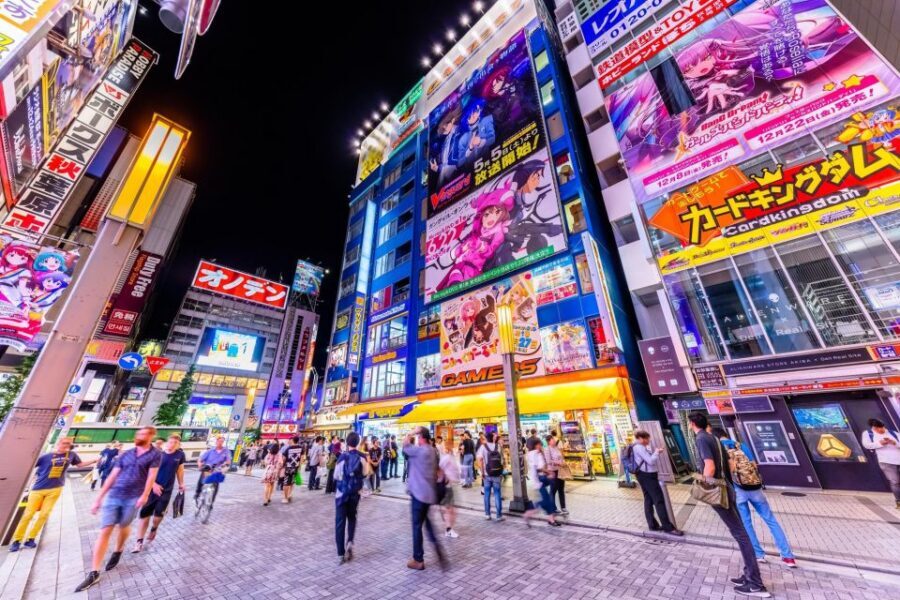
Also note this style of day trip: even though you’re traveling far, the schedule can include several Tokyo stops before the Fuji run. The plan lists time at places like Ueno Park (with a picnic option), Akihabara, Asakusa Shrine, and Tokyo Skytree Town. That’s a nice bonus if you’re new to Tokyo and want a quick hit of neighborhoods without adding more transit tickets.
Practical tip: this kind of mixed schedule is great for first-timers, but it’s not ideal if you want to sleep in. You’re working on a set clock all day.
Lake Motosuko Shibazakura Festival: The Whole Reason You Go
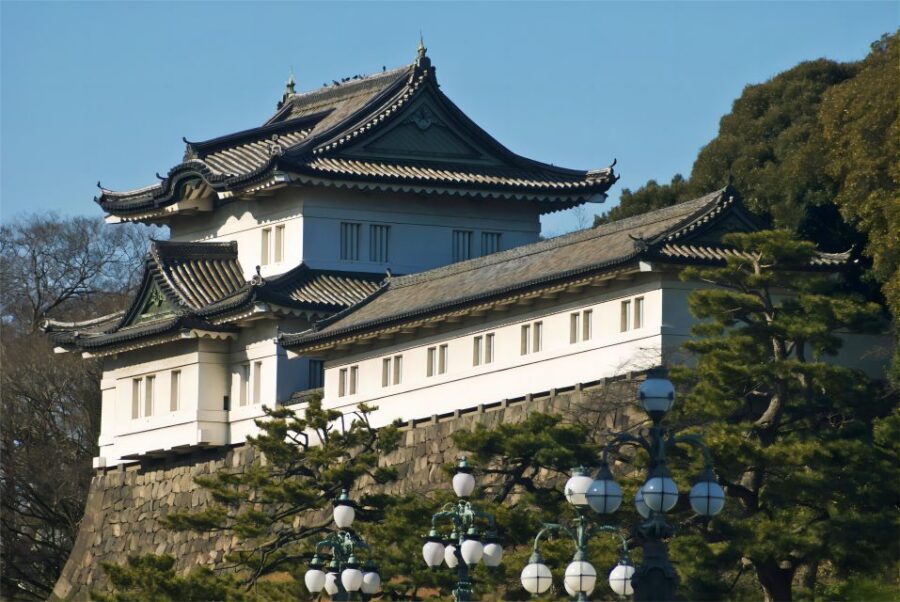
The core of the tour is the Lake Motosuko stop. You’ll have about 120 minutes there, and the entry fee to the festival grounds is covered.
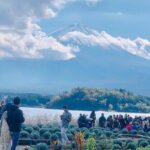
From mid-April to late May, the festival turns the area into a sea of pink. The tour specifically calls out about 800,000 moss phlox blossoms, which is hard to picture until you see how wide the fields can feel. The goal isn’t only viewing. It’s photographing: you’re meant to capture Mt. Fuji framed against that flower “carpet.”
What you’ll do in that time:
- Walk through the festival fields and find your angles
- Take photos from different vantage points as the light shifts
- Enjoy free time to eat festival food at your own expense (meals aren’t included)
One key thing: the Fuji moment is weather-dependent. If it’s clear, this stop can feel like a postcard. If clouds roll in, Mt. Fuji may be partially blocked. You can still enjoy the flowers, but your photos may be more “impressionistic” than dramatic.
If you want the best shot, wear shoes you can stand in and keep your camera ready early. This isn’t a place where you can wander slowly for an hour and still expect perfect framing.
Oishi Park on Lake Kawaguchiko: Panoramas Beyond the Pink

After Lake Motosuko, you’ll move to Oishi Park on Lake Kawaguchiko for about 50 minutes.
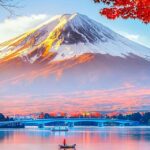
This is a classic Fuji viewpoint because it offers a broad panoramic view across the water. The tour highlights it as one of the best postcard angles of Mt. Fuji from the Kawaguchiko lakes area.
The deeper value here is that Oishi Park changes with the season. The info notes:
- Lavender in summer
- Cosmos in autumn
- (And, in spring, you’re visiting during a moment when flowers are a major theme overall)
So even though shibazakura is the headline flower today, Oishi Park is a “second look” that can broaden your photos and keep the scenery from feeling repetitive.
In a tight day trip, 50 minutes is enough to stroll a bit, find a viewpoint, and get a couple photos without turning into a rushed scramble. Still, bring sun protection if you’re going in clear weather.
Worth weighing up alongside this Tokyo pick:


Lawson Kawaguchiko Station and Hikawa Clock Shop: Fuji Photo Stops That Depend on Alignment
You’ll have two short, iconic photo breaks here, each about 20 minutes.
Lawson convenience store with the blue-sign Fuji frame
The tour calls out the famous Lawson with its classic blue sign. This is a must-have shot for many Japan visitors because the sign visually anchors Mt. Fuji and makes the mountain look like it belongs in the composition.
Hikawa Clock Shop (Ladder Town)
Then comes Hikawa Clock Shop, sometimes referred to as Ladder Town. The “ladder” idea is about the narrow lane and how it lines up with Mt. Fuji so you get a framed perspective that feels very local.
Important note: the tour explicitly says these photo stops are highly weather-dependent. In clear conditions, they can be quick wins. In haze or clouds, you may feel like you arrived at the right place but with the mountain missing from the frame.
If photography matters to you, this is where you should slow down for 30 seconds and pick your exact spot instead of rushing to the next stop.
Oshino Hakkai: Eight Ponds and a Calmer Rural Finish

Your final scenic stop is Oshino Hakkai, about 40 minutes.
This area is known for eight crystal-clear ponds fed by spring water coming from Mt. Fuji’s melted snow. It’s a different mood than the bright festival fields. Instead of crowds and pink flowers, you’re walking through a traditional village setting with koi-filled ponds and that cool, spring-water feeling in the air.
The tour also notes that you can taste the pure cold spring water. Even if you don’t care about the taste, the ponds are genuinely pretty and a good way to end the day without constant “look here, photo now” energy.
This stop is also a nice reminder that Mt. Fuji tourism isn’t only about one big mountain view. The region has its own rhythm, and Oshino Hakkai is one of the best short windows into it.
Price and Value: Does $77 Make Sense for a 10-Hour Day?
At $77 per person for a 10-hour trip, you’re buying:
- Round-trip transportation from Tokyo (within designated areas)
- A driver-guide service in English and Chinese (and Japanese)
- Entrance fee to the Shibazakura Festival grounds
- Highway tolls, parking fees, and vehicle expenses
Meals are not included, so lunch becomes your variable cost. The tour gives you free time to eat festival food during the Lake Motosuko stop, which can be fun if you’re comfortable trying snacks and small meals on the go.
So is it a good value? It’s usually a good deal when:
- You’re relying on the tour to handle the logistics (especially traffic and parking)
- You want the festival entry handled for you
- You don’t want to plan a complicated route on your own
It might feel less worth it if you expect lots of expert commentary or a slow, guided stroll. One rider’s complaint (in a separate booking case) pointed to English not feeling strong and the driver role feeling more like driving than guiding. That may not be your experience, but it’s a reason to manage expectations: the tour is built to move you between viewpoints and set photo moments, not to provide a lecture-heavy day.
Timing, Traffic, and What Can Change on a Fuji Day

The tour says departure time and itinerary may alter based on peak-season traffic. That matters because Mt. Fuji area roads can get crowded, and spring is prime season.
It also matters because the most dramatic scenes require you to hit the festival fields when conditions line up. If cloud cover arrives, you might still enjoy the flower spectacle, but the “Mt. Fuji behind the pink” effect can be reduced.
Practical advice:
- Bring layers. Spring mornings can still feel chilly, and later you may bake in the sun.
- Keep your phone charged; you’ll want quick comparisons of angles at the festival.
- Plan to stand and walk. Even the scenic stops include walking time, especially at the festival and Oshino Hakkai.
Also, luggage space is limited. If you’re traveling with big bags, you may need to travel lighter than you would for a multi-day trip.
Who This Tour Suits Best (And Who Might Want Another Option)
This is a strong choice if you:
- Want a one-day Mt. Fuji solution from Tokyo
- Care about photographing the Shibazakura festival and classic Fuji viewpoints
- Prefer a van and organized schedule over route planning
It may not be the best fit if you:
- Need a lot of guided explanation all day (the format can be more transport-and-photo oriented)
- Have trouble standing/walking for extended periods
- Are expecting a guaranteed cherry blossom focus. The tour title mentions cherry blossoms, but the described flower centerpiece is shibazakura at Lake Motosuko.
One more filter: the info says this isn’t suitable for people over 70 years. If you’re traveling with seniors, you’ll want to look for a different pace and vehicle plan.
Good to know: it’s listed as wheelchair accessible, and pets are not allowed (assistance dogs allowed). Alcohol and drugs are also not allowed.
Should You Book This Tokyo to Mt. Fuji Day Trip?
If your dream spring photo is Mt. Fuji above a massive field of pink flowers, this tour is built for that goal. The biggest strength is simple: the festival entry is included and the schedule gives you enough time to actually enjoy the fields rather than just drive by.
I’d book it if you’re comfortable with a structured day and you want the highlights in one shot: Lake Motosuko, Oishi Park, the Lawson and Hikawa Clock Shop photo angles, and Oshino Hakkai to slow down at the end.
I’d think twice if you’re the type who needs deep, fluent guiding and nonstop explanation. In that case, you might still enjoy the sights, but you may want to pair the tour with extra independent time in Tokyo afterward so the day doesn’t feel like “I rode a bus and took photos” only.
FAQ
How long is the Tokyo to Mt. Fuji day trip?
The total duration is 10 hours.
What’s included in the price?
Included are round-trip transportation from Tokyo within designated areas, an English and Chinese speaking driver-guide service, the entrance fee to the Fuji Shibazakura Festival at Lake Motosuko, and all highway tolls, parking fees, and vehicle expenses.
Do I need to pay for festival entry?
No. The entrance fee to the Shibazakura Festival grounds at Lake Motosuko is covered.
Where do I meet the guide if I’m not doing hotel pickup?
Meet at Tokyo Station Marunouchi North Exit, 1-chōme-9-1 Marunouchi, Chiyoda City, Tokyo. Your guide will send the gathering location photo via WhatsApp.
Is lunch included?
No. Meals and drinks are not included, and lunch is free time at the festival food stalls.
Are pets allowed on the tour?
Pets are not allowed. Assistance dogs are allowed.
More 1-Day Tours in Tokyo
More Tour Reviews in Tokyo





The Fuji Shortlist: Other Days Out to the Mountain

Fresh reviews from around Tokyo






Mt Fuji Day Trips, compared.
 ★ 4.0Mt Fuji & Hakone Cruise, Drum Show Bullet Train 1 Day from TokyoFrom $1497,413 reviews
 ★ 4.4Tokyo Mt Fuji 5th St & Hakone Cruise Bus Tour w/Bullet TrainFrom $1545,024 reviews
 ★ 4.5From Tokyo: Mount Fuji Full-Day Sightseeing TripFrom $684,970 reviews
 ★ 4.7Mt. Fuji Tour, Hakone Ropeway, Owakudani, Lake AshiFrom $544,002 reviews
 ★ 5.0Private Tour to Mt. Fuji and Hakone (Fully Licenced Operator)From $4971,910 reviews
 ★ 4.9Mount Fuji Full-Day Private Tour from Tokyo (Customizable)From $3931,470 reviews
 ★ 4.0Mt Fuji & Hakone Cruise, Drum Show Bus 1 Day from TokyoFrom $1221,287 reviews
 ★ 4.2From Tokyo: Mt. Fuji & Hakone Tour w/ Return by Bullet TrainFrom $1171,278 reviews
Browse the lists this tour appears in