
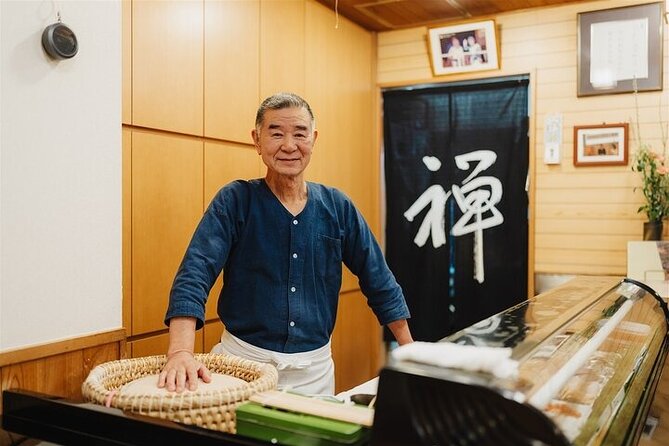
Reviewed · TOKYO
Tokyo Time Machine Exploring Old School Monzen Nakacho
Old Tokyo, right where locals live.
This tour swaps Tokyo’s famous hype districts for Monzen-Nakacho, a quieter neighborhood with older food shops and temple streets that feel closer to how the city used to run. I especially like the small group (max 6) and the translator guide who helps you connect the dots when you can’t read the signs. One heads-up: if you’re chasing only big-name landmarks, this is more about everyday local culture and food than a checklist of famous sights.
I also like that the walking plan mixes the spiritual with the street-level. You’ll visit Tsurugaoka Hachimangu Shrine (free), then Fukagawa Fudodo (free), and finish with a lantern-lit stretch of tiny bars in Tatsumi Shindo—the kind of place where Showa-era mood still matters. The tour runs about 6 hours, starting at 1:00 pm, and ends back at the meeting point near Monzen-nakacho Station, so you’re not left figuring out how to get home after dark.
At $195 per person, it’s not cheap, but it does include the food and drinks that usually make Tokyo food tours add up. Dinner and alcoholic beverages are included, along with coffee/tea and snacks. A possible drawback is that alcohol and sake-adjacent culture may be part of the vibe, so if you prefer a strictly non-alcohol day, you’ll want to speak up early with your guide.
In This Review
- Key things I’d plan around
- Monzen-Nakacho: the Tokyo day that feels like real life
- Starting at Monzen-nakacho Station (and why the timing matters)
- Stop 1: Tsurugaoka Hachimangu Shrine and its sumo link
- Stop 2: Fukagawa Fudodo—Goma fire rituals and fox inari details
- Stop 3: Tatsumi Shindo alley—tiny bars, Showa-era mood, and real eating
- Food and drinks included: what you can expect beyond snacks
- Guides and the small-group advantage (why it changes the whole day)
- How the 6 hours usually feels on the ground
- Price and value: is $195 actually fair here?
- Who should book this tour?
- Should you book this Tokyo Time Machine day?
- FAQ
- FAQ
- How long is the Monzen-Nakacho Tokyo time-machine tour?
- What’s included in the price?
- Is admission charged for the shrine and temple stops?
- Is transportation included?
- Where do I meet the group?
- What time does the tour start?
- How many people are in each group?
- Do I need to speak Japanese?
- What ticket format do I receive?
- When will I know if my booking is confirmed?
- What is the cancellation policy?
Key things I’d plan around
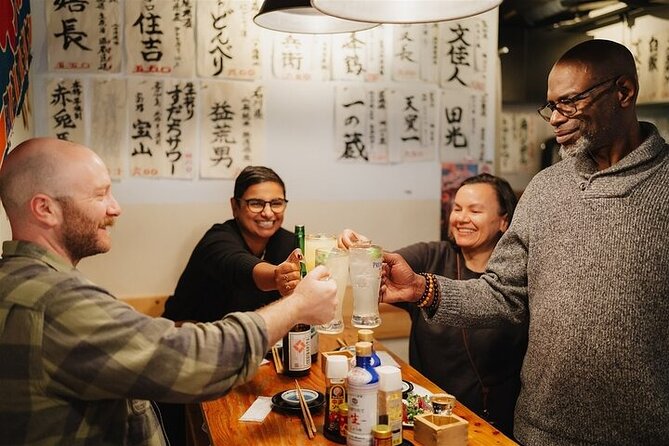
- Max 6 people means you’re not stuck in a loud herd while you eat and move.
- Translator guide helps you understand what you’re seeing at shrines and during tastings.
- Free admission at both the shrine and the temple keeps the day from turning into a pay-to-play itinerary.
- Tatsumi Shindo gives you the Showa-era alley experience, not just a quick photo stop.
- Dinner + alcoholic beverages included, so you can focus on the neighborhood instead of budget math.
- Mobile ticket keeps things simple when you show up near Monzen-nakacho Station.
Before you commit, see how this one stacks up against a few Tokyo favourites:
- Mt Fuji and Hakone 1-Day Bus Tour Return by Bullet Train★ 5.0 · 26,383 reviews
- 1-Day Tokyo Bus Tour★ 5.0 · 14,250 reviews
- Tokyo: teamLab Planets TOKYO Digital Art Museum Entry Ticket★ 4.6 · 9,779 reviews
Monzen-Nakacho: the Tokyo day that feels like real life
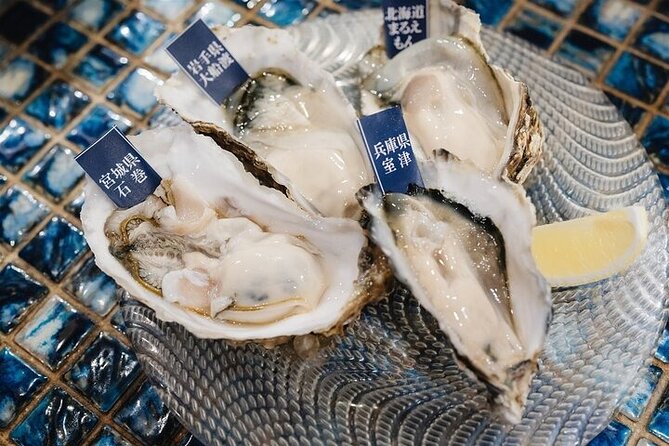
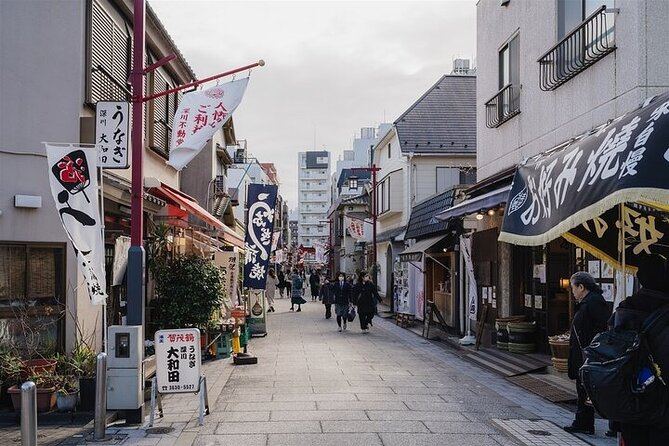
Tokyo has two speeds: the one everyone sees, and the one locals actually pace themselves with. This tour aims for the slower rhythm—Monzen-Nakacho, a Koto City neighborhood where you’re more likely to notice generational shops and temple paths than big-brand crowds.
What makes it work is balance. You’re not only doing food. You’re also walking through places that explain why people built and maintained community spaces the way they did. And because you’re with a guide who translates, the stops aren’t just pretty backdrops; they become understandable.
Also, this is a “small-group, talk-to-people” style day. With a cap of six people, you’ll get chances to ask questions rather than waiting until everyone catches up.
Starting at Monzen-nakacho Station (and why the timing matters)
The meeting point is Monzen-nakacho Station, specifically 2 Chome-4 Monzennakacho, Koto City, Tokyo 135-0048. The tour starts at 1:00 pm and returns to that same spot.
That timing matters because you’re catching the late-afternoon-to-evening transition. Shrines and temples can feel calm earlier, and then the neighborhood shifts into the after-work food and drink rhythm. By the time you’re in Tatsumi Shindo, you’re in the right window for the alley’s energy.
One practical note: the tour doesn’t include private transportation. That usually means you’ll rely on public transit and walking. If your shoes are worn-out, replace them before you go. This is a neighborhood stroll, not a bus-and-brochure day.
Stop 1: Tsurugaoka Hachimangu Shrine and its sumo link
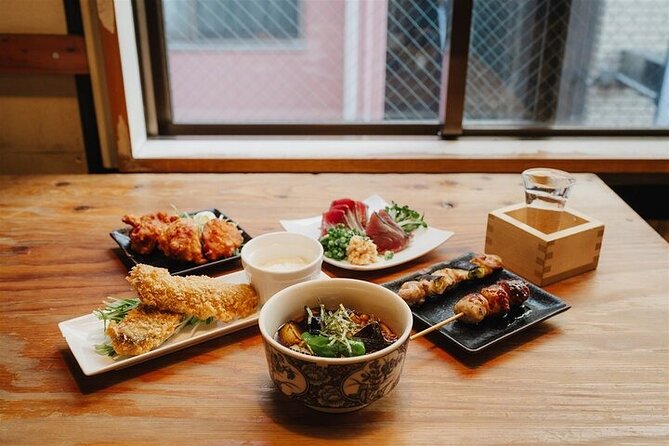
Your first major stop is Tsurugaoka Hachimangu Shrine, described as Tokyo’s largest Hachiman shrine, founded in 1627. The guide-led value here is context—especially the shrine’s connection to sumo, including a yokozuna stele that ties wrestling prestige to local religious life.
You’ll also see the shrine’s red torii and get a feel for why it’s still active. The shrine is known for monthly markets held on the 1st, 15th, and 28th, which helps you understand that this isn’t a dead monument. It’s part of a regular community calendar.
What I like about starting here: it sets a tone. You’re learning how to look—at rituals, at why spaces are arranged the way they are, and at how everyday Tokyo life can run alongside tradition. Admission is free, so you’re not burning your budget early.
Possible drawback: if you’re not into shrines, you may feel impatient at the beginning. The workaround is to treat it as the warm-up—use it to get your bearings for what you’re seeing later in the food alley.
Stop 2: Fukagawa Fudodo—Goma fire rituals and fox inari details
Next up is Fukagawa Fudodo, a temple that’s famous for Goma fire rituals and impressive wooden statues. This stop is the “old and new” contrast in real space: you get one foot in traditional ritual practice, and you walk through a place that still has everyday meaning for people around it.
One detail that really helps this stop land is the approach. There are small fox inari shrines along the way in the approach route, and those roadside mini-shrines are the sort of thing you’d miss without a guide who knows what to point out.
Also, admission is free again, which keeps the overall pacing from feeling like it’s built around ticketed attractions. For many people, this is where the tour earns its name: you’re literally moving through layers of old Tokyo practice, not just reading about it later.
Practical note: temple areas can involve standing, walking up small paths, and changing light levels. If you have mobility concerns, tell the guide early. Past tours have included accommodations for limited mobility, so don’t assume you’ll be left out of the walking parts.





Stop 3: Tatsumi Shindo alley—tiny bars, Showa-era mood, and real eating
The final stretch takes you to Tatsumi Shindo, a lively alley with around 30 tiny bars. This is where the tour shifts from “sites” to neighborhood atmosphere.
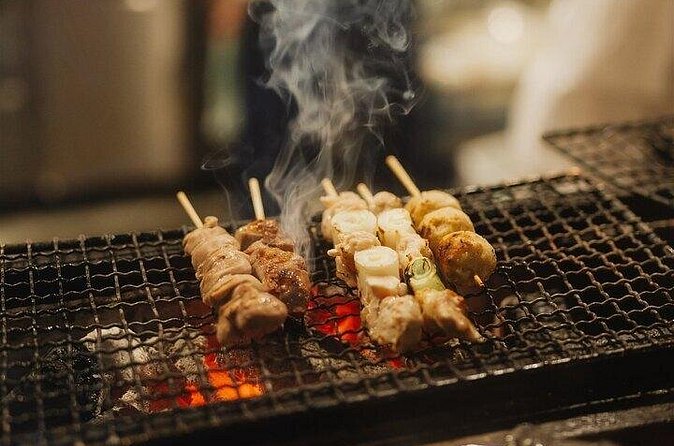
Think of it as bar-hopping with guardrails: you’ll have tastings and time to experience the alley’s vibe—without having to figure out where to go or how to order. The alley is known for preserving Showa era atmosphere, and the food-and-drink culture fits that mood: spots for karaoke, yakitori, and slow, savory comfort styles like motsu-nikomi.
Your guide is also key here. With translation support, you’ll get more than basic ordering. You’ll learn why certain drinks and foods matter locally, and you’ll know what to ask for or how much to pace yourself.
One thing to keep in mind: the alley experience is more adult-friendly in tone because it includes alcoholic beverages in the tour. If you don’t drink alcohol, you can still join—just set expectations early so you’re not stuck with a forced rhythm.
Food and drinks included: what you can expect beyond snacks
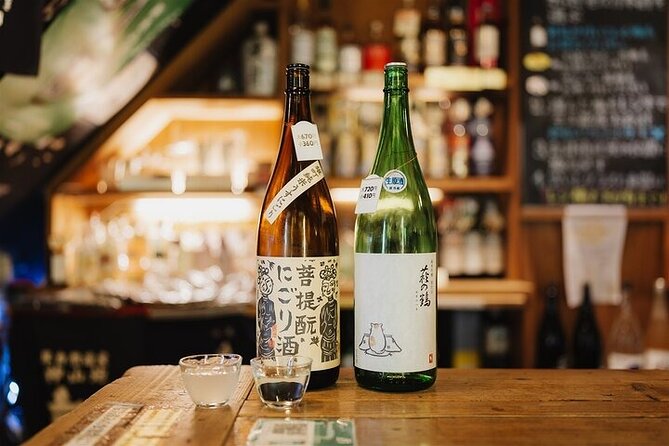
The tour includes coffee and/or tea, snacks, dinner, and alcoholic beverages. That matters because in Tokyo, food tours often feel like a few bites sprinkled across a day. Here, the included dinner helps you actually eat like you’re living there.
This is also why the translator guide is so important. Food in Japan isn’t just taste—it’s small cultural signals: regional preferences, seasonality, and the reason certain drinks are paired with certain bites. When your guide can translate, you stop guessing.
In past groups, guides such as Diana, Michelle, China, Nicole, Maira, and Chika have been specifically praised for pacing tastings and adding story. You may hear about things like plum wine tasting, sake-focused moments, or how certain temple ceremonies connect to community life. One person even called out a warmth like a fisherman-style clam broth or rice stew, which is exactly the sort of comfort-food lesson you can’t easily replicate on your own without local help.
So when you plan your day around this, don’t schedule another major dinner right after. You’ll already have dinner with the group.
Guides and the small-group advantage (why it changes the whole day)
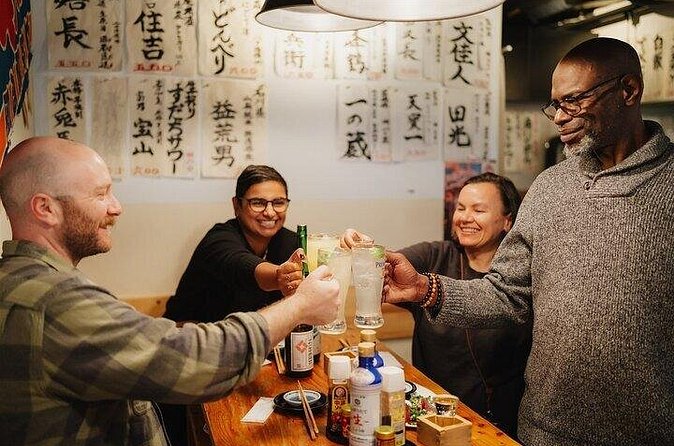
Culinary Backstreets runs this as a maximum of 6 experience, which affects everything: the walking pace, the quality of questions, and how long you can linger at a spot.
You also get a guide who translates so the day doesn’t become silent standing. That’s huge at shrines and temples where the meaning lives in details. It’s also huge when you’re in tiny bars, because ordering isn’t just about words—it’s about understanding the options you’re offered.
A bonus: the writing you get from guides tends to feel personal. People have praised guides for being thoughtful, including support when someone had limited mobility. That’s not something you should assume on every tour, so it’s worth appreciating here.
How the 6 hours usually feels on the ground
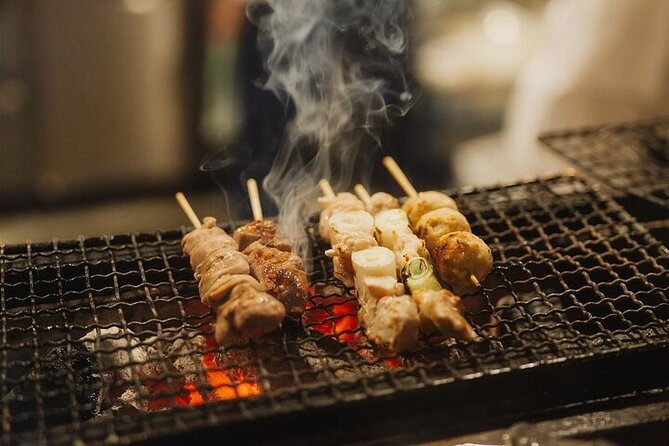
The itinerary lists three main stops: 1 hour at the shrine, 1 hour at the temple, and 2 hours at Tatsumi Shindo. That adds to 4 hours of “anchor” time. The remaining time is for walking between stops and the tastings you’ll have along the way.
So expect a day with movement, not long sit-down sightseeing blocks. The value of that format is that you’re constantly experiencing the neighborhood: the streets, the signage you can read with your guide’s help, and the small storefront rhythms.
Also, since you start at 1:00 pm, you can enjoy a late lunch before or after based on your appetite. Just don’t arrive starving, because you’ll likely start with drinks/snacks and build from there.
Price and value: is $195 actually fair here?
$195 per person sounds like a lot until you translate it into what’s usually extra in Tokyo: multiple guided stops, translation support, and multiple food/drink moments.
Here, the math is better because you’re not paying only for the walking. The tour includes dinner and alcoholic beverages, plus snacks and coffee/tea. It also has free admission for the shrine and temple, which reduces the risk that the day turns into paid attractions you didn’t budget for.
There’s also a “you save time” value. Monzen-Nakacho is less touristy, which is exactly why it’s worth visiting—but it also means it’s harder to plan perfectly on your own if you want local bars and small shops.
One more detail: this tour is commonly booked about 84 days in advance on average. That’s a sign it doesn’t sit forever, so if your trip dates are fixed, plan to lock it in earlier rather than waiting.
Who should book this tour?
Book it if you want:
- A non-touristy Tokyo neighborhood day with meaningful stops and food focus
- A translator-led tour so you don’t feel shut out by language barriers
- A small-group day where you can actually talk and ask questions
- A mix of spiritual sites plus local bar-alley culture
Skip it if you want:
- Only the biggest, most famous sights
- A day with zero alcohol at all (the tour includes it, even if you can still participate)
- A totally passive “sit and look” sightseeing plan
Should you book this Tokyo Time Machine day?
I’d say yes—especially if you’re tired of the same Tokyo route. This is the kind of tour that makes a lesser-known area feel legible fast: temples that explain community practice, and an alley of tiny bars that shows how people actually eat and drink after work.
If you’re the type who likes asking questions, this will feel fun. If you’re focused only on postcard monuments, you might find the day more subtle than you hoped. But if you want to leave Tokyo with real neighborhood texture on your memory, this is a strong bet.
FAQ
FAQ
How long is the Monzen-Nakacho Tokyo time-machine tour?
It runs for about 6 hours.
What’s included in the price?
The tour includes coffee and/or tea, snacks, dinner, and alcoholic beverages.
Is admission charged for the shrine and temple stops?
Both Tsurugaoka Hachimangu Shrine and Fukagawa Fudodo list free admission.
Is transportation included?
No. Private transportation is not included.
Where do I meet the group?
You meet at Monzen-nakacho Station, 2 Chome-4 Monzennakacho, Koto City, Tokyo 135-0048, Japan.
What time does the tour start?
The start time is 1:00 pm.
How many people are in each group?
This experience has a maximum of 6 travelers.
Do I need to speak Japanese?
You don’t. The guide provides translation so you won’t be stuck with language barriers.
What ticket format do I receive?
You get a mobile ticket.
When will I know if my booking is confirmed?
You’ll receive confirmation at the time of booking.
What is the cancellation policy?
You can cancel for a full refund if you cancel at least 24 hours in advance of the experience’s start time.
More Tour Reviews in Tokyo



Fresh reviews from around Tokyo






Tokyo, compared.
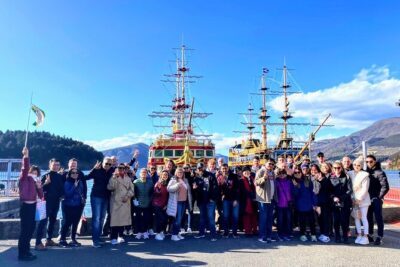 ★ 5.0Mt Fuji and Hakone 1-Day Bus Tour Return by Bullet TrainFrom $16326,383 reviews
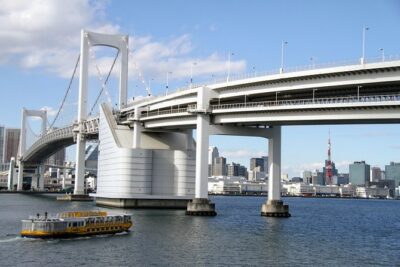 ★ 5.01-Day Tokyo Bus TourFrom $12914,250 reviews
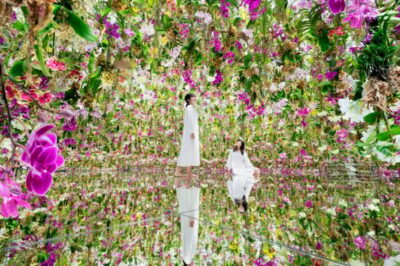 ★ 4.6teamLab Planets TOKYO Digital Art Museum Entry TicketFrom $259,779 reviews
 ★ 4.0Mt Fuji & Hakone Cruise, Drum Show Bullet Train 1 Day from TokyoFrom $1497,413 reviews
 ★ 5.0Shinjuku Food Tour (13 Dishes at 4 Local Eateries)From $866,603 reviews
 ★ 4.4Tokyo Mt Fuji 5th St & Hakone Cruise Bus Tour w/Bullet TrainFrom $1545,024 reviews
 ★ 5.0Flagship 2-Hours Official Street Go-Kart Tour – Tokyo Bay ShopFrom $644,974 reviews
 ★ 4.5From Tokyo: Mount Fuji Full-Day Sightseeing TripFrom $684,970 reviews