
Reviewed · TOKYO
Japanese Wine Omakase in Shibuya – Guided Tasting, Not Sake
One easy way to learn Japan without the crowds.
This Shibuya experience takes you into Japan’s emerging wine scene with a guided, English tasting focused on Japanese grapes and bottles you typically won’t find abroad. It’s set steps from Meiji Jingu in an intimate room where the vibe is calm and conversation-friendly.
What I really like is the mix of 5 Japanese wines and refined small plates. You don’t just sip and move on; you get context for what you’re tasting, so each glass makes more sense on your tongue.
The one possible drawback: the session is only about 1.5 hours, so if you’re hoping for a long, slow meal, you’ll likely want the optional extra time afterward.
In This Review
- Key highlights I’d bet you’ll care about
- Why Japanese wine omakase beats the usual sake stop
- The 75-minute tasting flow near Meiji Jingu (what you’ll actually do)
- The wines: rare Japanese bottles, native grapes, and an ice wine moment
- Small plates and smart pairings (why the food isn’t just filler)
- Meet Alex and the English-guided style that makes it click
- After the tasting: optional bar time and buying bottles to take home
- Price and value: what you get for $97.98
- Weather, timing, and logistics (the stuff that can make or break your plan)
- Who should book this Shibuya Japanese wine omakase
- Should you book this Japanese wine omakase in Shibuya?
- FAQ
- How long is the Japanese wine omakase tasting in Shibuya?
- How many wines are included?
- Is this a sake experience?
- Is the tour guided in English?
- Can I take bottles home after the tasting?
- What if I need to cancel?
Key highlights I’d bet you’ll care about
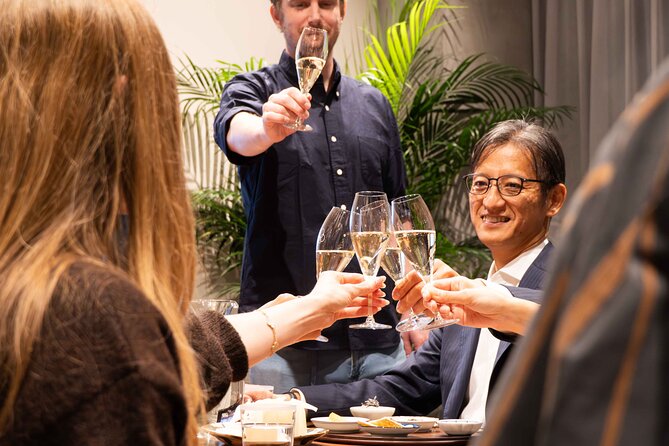
- Small-group format (12 guests max) keeps it interactive instead of lecture-y
- English guidance makes Japanese wine easier to enjoy and order later
- Native grapes + rare bottles focus on what’s genuinely Japanese
- Pairing with small plates helps you taste details you might miss solo
- Optional bar time after the tasting lets you keep going and buy bottles to take home
Before you commit, see how this one stacks up against a few Tokyo favourites:
- Mt Fuji and Hakone 1-Day Bus Tour Return by Bullet Train★ 5.0 · 26,383 reviews
- 1-Day Tokyo Bus Tour★ 5.0 · 14,250 reviews
- Tokyo: teamLab Planets TOKYO Digital Art Museum Entry Ticket★ 4.6 · 9,779 reviews
Why Japanese wine omakase beats the usual sake stop
If your Tokyo plan already includes sushi, temples, and a sake tasting, this is a smart alternative. Japanese wine isn’t as globally hyped as sake or whisky, but that’s exactly why it feels fresh. The point here isn’t to replace everything else—it’s to add a different lens on Japanese agriculture and flavor.
This experience is built like a mini omakase, but for wine. You’ll taste a sequence of Japanese wines paired with small plates, and your guide connects the dots between the grape, the style, and what makes Japanese terroir different. And yes, it’s explicitly not a sake-focused session—so you’re not stuck in the usual alcohol routine.
There’s also a practical travel advantage. The tasting is near Meiji Jingu, and it runs daily, so it slots nicely between sightseeing and dinner. Plus, with a maximum of 12 people, it’s not the kind of group tour where you spend half your time trying to hear through a crowd.
The 75-minute tasting flow near Meiji Jingu (what you’ll actually do)
You’ll start at the Sangū Building at 3-chōme-38-12 Yoyogi, Shibuya. The whole experience ends back at the meeting point, so you’re not dragging yourself across town at the end.
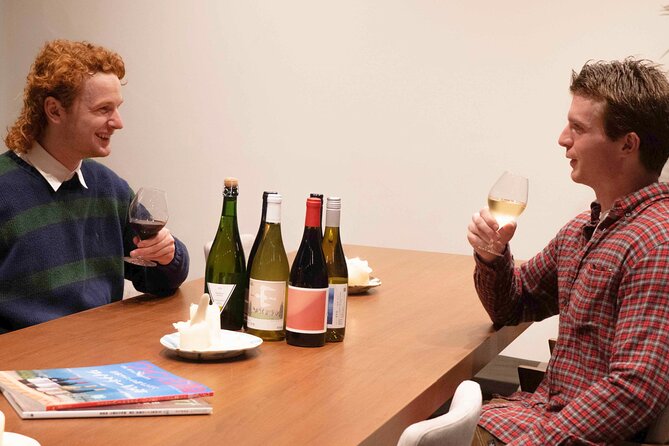
From there, the rhythm is simple and structured. Expect a short introduction, then a tasting sequence of five Japanese wines, each paired with small plates designed to match what’s in the glass. This is where the time adds up—75 minutes moves fast enough to feel energizing, but slow enough that your guide can explain what matters.
A big part of the value is the way the host talks about the wines. You’re not just told what to taste; you’re given the why. That makes it easier to compare styles and figure out what you genuinely like, even if you’re new to Japanese wine.
If you want a more hands-on vibe, this is also a good fit. One review described the host’s explanations as excellent and easy to follow, and another highlighted how even someone who normally doesn’t drink alcohol found the experience comfortable. The format helps: it’s paced, guided, and small enough that questions won’t feel like a hassle.
The wines: rare Japanese bottles, native grapes, and an ice wine moment
You’ll taste five Japanese wines during the session, and they’re chosen to show what’s distinct about Japan. The experience leans into native Japanese grapes and flavors shaped by Japanese growing conditions—so the goal isn’t to taste familiar European profiles. It’s to taste what Japan does differently.
One review specifically called out ice wine as fantastic. That might not appear in every session, but it’s a good sign that the bar is willing to include interesting, higher-profile styles—not only safe, mainstream pours.
Here’s the practical takeaway for you: even if you don’t know much about wine, this format gives you a clear learning path. Each course builds your palate memory. By the end, you’re less likely to think Japanese wine tastes like a generic version of something else. Instead, you’ll start recognizing the themes: acidity, texture, fruit character, and how the food pairing changes your perception.
If you already know your way around wine, this is still worth it. Reviews mention the host being thoughtful and selective, and one person specifically appreciated that the wines weren’t picked just to impress. That usually means the tasting is designed for understanding, not performance.
Small plates and smart pairings (why the food isn’t just filler)
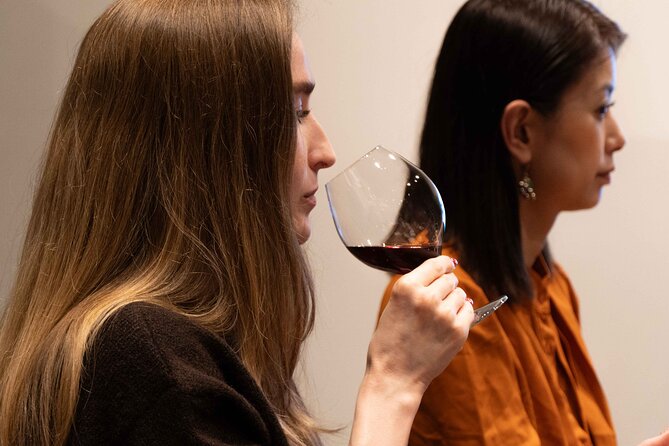
Let’s be honest: tasting menus can sometimes treat food like decoration. Not here. The small plates are meant to support the wines, not just to keep you from going hungry.
You’ll get refined bites that line up with the flavor direction of each wine—so your palate can separate sweetness from fruit, texture from aroma, and how acidity changes your perception of the food. Even if you don’t do technical wine notes, you’ll feel the difference. Pairing works because it makes flavors louder and flaws easier to notice.
This matters for value, too. A tasting that includes both wine + plates + expert explanation tends to cost less than you’d pay to replicate the same experience in Tokyo on your own. And if you’re pairing on your own later, you’ll have a better sense of what to order.





Meet Alex and the English-guided style that makes it click
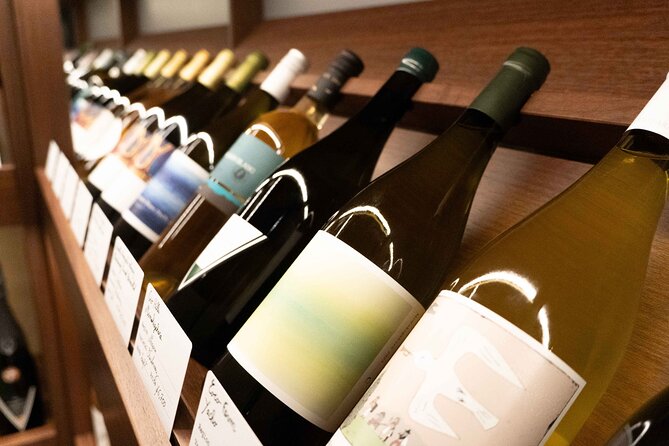
The guide experience is a major reason this tour gets top marks. One review highlighted Alex by name for being friendly, knowledgeable, and providing excellent suggestions. That’s the kind of detail that matters: when the host can explain clearly and recommend confidently, you leave with a list of what you’d actually want to drink again.
A few other things show up repeatedly in the vibe:
- Staff feel friendly and stylish
- English is good enough to feel natural, not robotic
- The atmosphere is classy but relaxed, so it doesn’t feel stiff
There’s also a design detail people noticed: a review mentioned the window art, and that kind of small setting detail can make a tasting feel more like a place you’d return to, not a one-and-done activity.
And because the group is limited to 12, you’re more likely to connect with the flow. You can ask questions without feeling like you’re interrupting a train of people.
After the tasting: optional bar time and buying bottles to take home
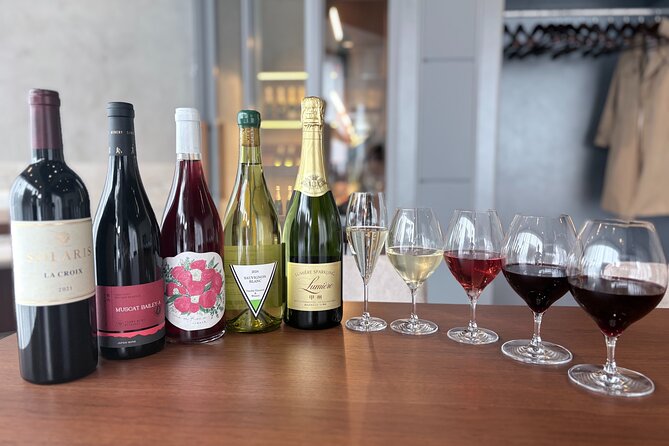
One of the best parts is what happens after the main session. When the guided portion ends, you can choose to stay for optional bar time.
That’s where you can keep sampling and order additional glasses if you want to go deeper. One review mentioned extending the experience and getting extra pours, which is exactly what optional bar time is for—you’re not forced to end right when the “official” clock runs out.
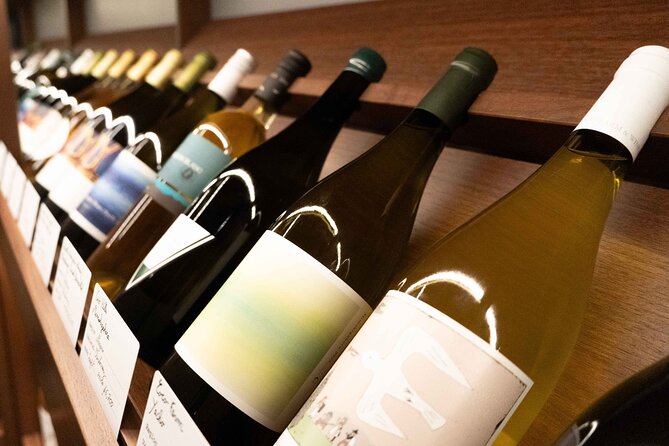
You can also buy bottles. The experience includes access to a Japanese wine cellar setup, where you can select bottles to take home. Hotel or airport delivery is available, which is a big deal if you don’t want to pack delicate glass bottles into a suitcase. (Just double-check the delivery options at the venue if you’re traveling with tight luggage space.)
This after-part turns the tasting into a souvenir you can actually use on your trip—either by enjoying more wine on-site or by bringing bottles home in a way that won’t ruin your packing strategy.
Price and value: what you get for $97.98
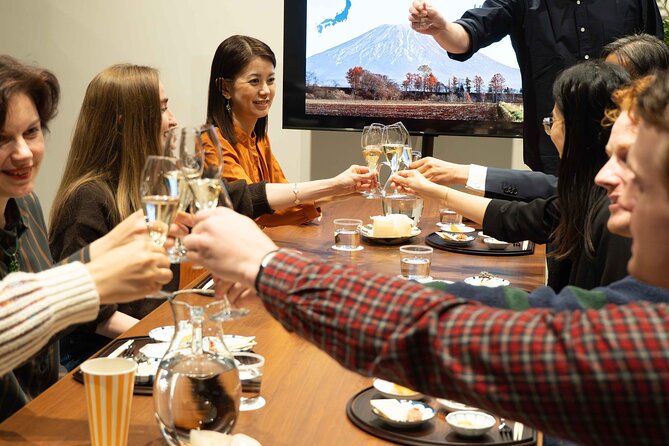
At $97.98 per person for about 1.5 hours, you’re paying for three things at once:
1) Five wines
2) small plates paired to the pours
3) an English-speaking expert guiding you through Japanese wine styles
In Tokyo, if you try to piece this together alone, it often costs more than you expect—especially once you factor in a good selection and explanations. Here, the pricing is basically the “buy the whole learning package” option.
The group size matters, too. With only 12 people max, the guide time doesn’t get spread too thin. That usually improves the quality of the tasting, because the host can adapt the explanations to what people are actually asking.
One more practical clue: it’s commonly booked ahead (on average about 49 days in advance). That tells me the demand is real. If you’re set on a specific day near your Japan itinerary, don’t assume you can walk in last minute.
Weather, timing, and logistics (the stuff that can make or break your plan)
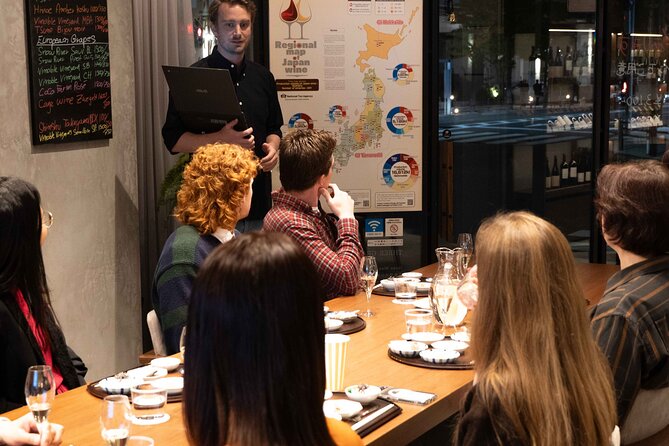
This is the kind of activity that fits best on a day you want something indoor and structured. The experience does require good weather. If weather cancels it, you’ll be offered a different date or a full refund.
Timing-wise, plan it as a mid-afternoon or early evening activity. Since it ends back where you started, you can line it up with a Meiji Jingu visit and then decide what’s next for dinner.
Also note the age rule: it’s open to ages 20+. And it’s near public transportation, so you won’t need a taxi to make the start time.
Who should book this Shibuya Japanese wine omakase
Book it if:
- You want a Japanese-specific drinking experience, not a generic international tasting
- You like learning while you taste, especially with native grapes
- You’re curious about styles like ice wine
- You want something small-group and relaxed, not a noisy party vibe
You might skip it if:
- You only want sake and don’t care about wine at all
- You prefer long multi-hour dining experiences (this is about 75 minutes, plus optional add-on time)
It also works well for couples and solo travelers. The format is structured enough to feel easy, and the small size helps you feel like part of the conversation, not an audience member.
Should you book this Japanese wine omakase in Shibuya?
Yes—if you want a smart, Japan-first food-and-drink experience that you can actually use after the tasting. The 5-wine sequence, paired plates, and English guidance make it beginner-friendly without dumbing it down. And the chance to keep going with optional bar time and buy bottles (with delivery options) turns it from a “cool hour” into a memorable takeaway.
If you’re debating between another standard Tokyo night out and this, I’d choose this. It’s one of those activities that feels like you stepped off the usual track and got a story worth remembering.
FAQ
How long is the Japanese wine omakase tasting in Shibuya?
It runs for about 1 hour 30 minutes.
How many wines are included?
The guided tasting includes 5 Japanese wines paired with small plates.
Is this a sake experience?
No. This experience is focused on Japanese wine, not sake.
Is the tour guided in English?
Yes, it’s an English-guided tasting.
Can I take bottles home after the tasting?
Yes. After the session, you can stay for optional bar time and choose bottles to take home, with hotel or airport delivery available.
What if I need to cancel?
You can cancel for free up to 24 hours in advance for a full refund. If it’s canceled due to poor weather, you’ll be offered a different date or a full refund.
More Tour Reviews in Tokyo



Fresh reviews from around Tokyo






Tokyo, compared.
 ★ 5.0Mt Fuji and Hakone 1-Day Bus Tour Return by Bullet TrainFrom $16326,383 reviews
 ★ 5.01-Day Tokyo Bus TourFrom $12914,250 reviews
 ★ 4.6teamLab Planets TOKYO Digital Art Museum Entry TicketFrom $259,779 reviews
 ★ 4.0Mt Fuji & Hakone Cruise, Drum Show Bullet Train 1 Day from TokyoFrom $1497,413 reviews
 ★ 5.0Shinjuku Food Tour (13 Dishes at 4 Local Eateries)From $866,603 reviews
 ★ 4.4Tokyo Mt Fuji 5th St & Hakone Cruise Bus Tour w/Bullet TrainFrom $1545,024 reviews
 ★ 5.0Flagship 2-Hours Official Street Go-Kart Tour – Tokyo Bay ShopFrom $644,974 reviews
 ★ 4.5From Tokyo: Mount Fuji Full-Day Sightseeing TripFrom $684,970 reviews