
Reviewed · SHIBUYA TOURS
Tokyo: Shibuya Food Tour, Neon Lights & Local Flavors
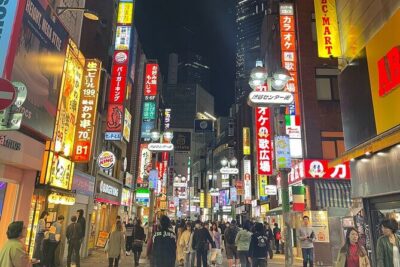
Shibuya at night feels like a movie set. You’ll start at the Hachiko statue, cross Shibuya Crossing, and snack your way through neon-lit streets, making Tokyo’s modern side meet the everyday rhythm of local food. I especially like how the route mixes famous landmarks with practical food stops, and I love the focus on favorites like onigiri and Japanese sponge cake. One possible drawback: you’ll walk a fair bit, and this is not suitable for wheelchair users.
This tour is built for people who want Tokyo after dark without getting lost in the maze. You’ll get a small-group guide who explains what you’re eating and where to find similar treats again later, including stops at a konbini, Don Quijote, and Tokyu Hands. If you have dietary restrictions, tell the operator ahead of time so the tastings can be adjusted.
In This Review
- Key things to know before you go
- Night markets, neon streets, and why Shibuya works at night
- Meeting at Hachiko Square and getting ready to move
- Hachiko to Shibuya Crossing: the fastest way to get oriented
- Konbini snacks at the heart of it: egg sandwich, onigiri, and more
- Miyashita Park: a short reset between streets
- Center Gai and the food-street momentum: corndog or takoyaki
- Don Quijote: where discount shopping turns into a cultural experience
- A small onigiri stand and the “street food payoff”
- Tokyu Hands and a cozy café break to close the night
- Four tastings that actually map to Tokyo street food
- Handling dietary needs without stress
- Pace, group size, and what to wear
- Value check: is $119 reasonable for a Shibuya night food tour?
- Who this tour fits best (and who should reconsider)
- Should you book this Shibuya food tour?
- FAQ
- Where do I meet the guide?
- What’s included in the price?
- What food tastings should I expect?
- Are dietary restrictions accommodated?
- Do I need to bring anything specific?
- What happens if the weather is bad?
- Is the tour wheelchair accessible?
- Can I cancel and get a full refund?
Key things to know before you go
- Hachiko Square start: The tour kicks off right by the meeting point, with the guide holding an Amigo Tours sign.
- Neon-crossing photo stop: You’ll pause at Shibuya Crossing, including time to take photos while the city moves around you.
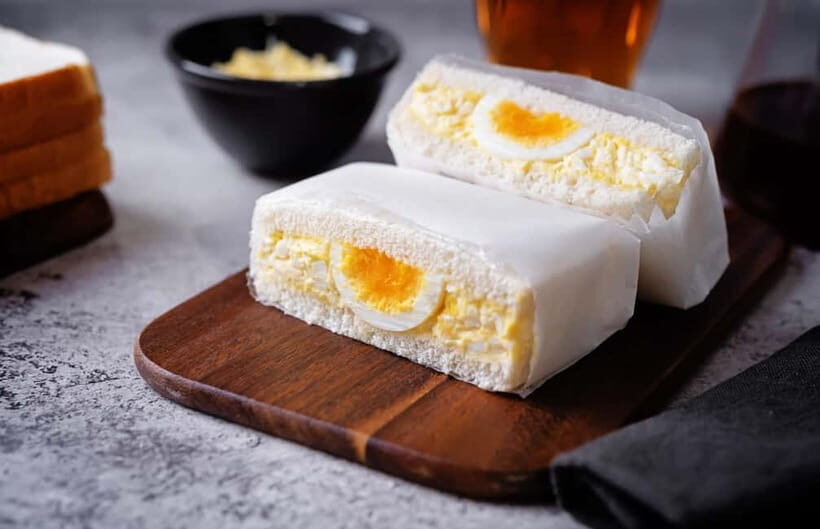
- Konbini classics: Expect everyday Japanese snack culture like an egg sandwich, onigiri, and crispy fried chicken.
- Four iconic tastings: You’re not just walking; you’re sampling four well-known Tokyo items.
- Shopping stops that actually help: Don Quijote and Tokyu Hands give you smart souvenir options without needing a separate plan.
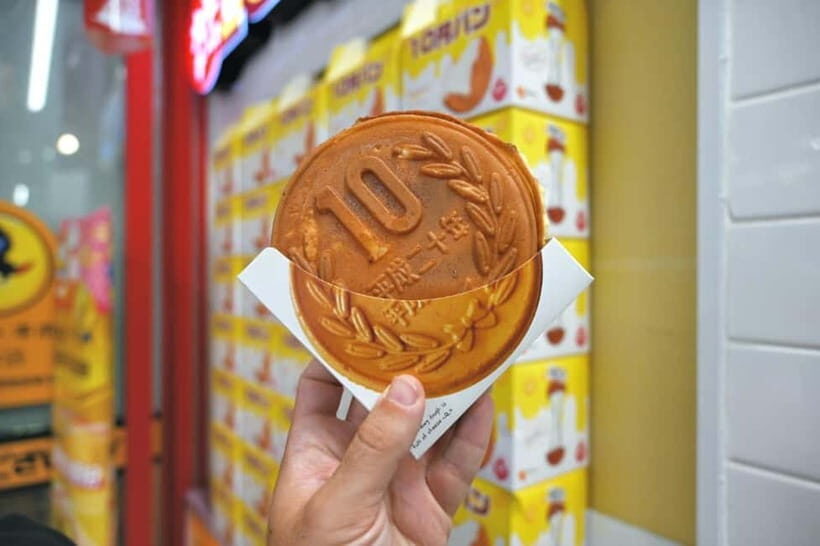
- A small keepsake: You’ll receive a 10-yen coin as a fun reminder of the night.
More to do within sight of the Crossing
- Official Street Go-Kart in Shibuya★ 5.0 · 3,435 reviews
- Tokyo: Street Kart Experience in Shibuya★ 4.9 · 1,484 reviews
- Shibuya Meltdown Nightlife Tour: All-You-Can-Drink Bar Hopping★ 5.0 · 1,058 reviews
Night markets, neon streets, and why Shibuya works at night
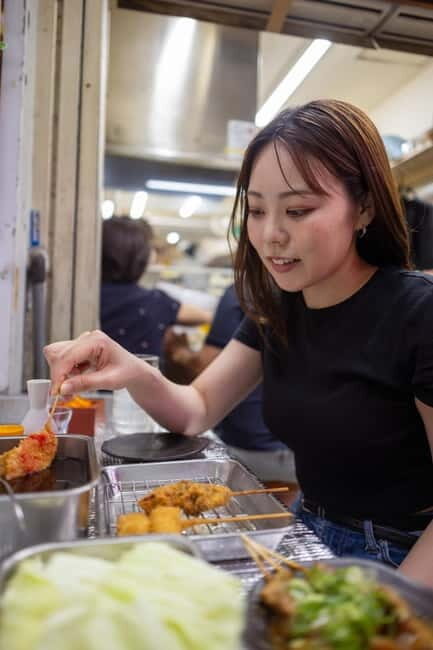
Tokyo can feel efficient in daylight. At night, Shibuya becomes something else: louder, brighter, and very human. The point of a Shibuya food tour is not just the food, though that’s a big part. It’s the way you learn the neighborhood through the things people actually grab after work or between plans.
This tour is priced at $119 per person, and the value comes from how the snacks are woven into the walking route. You’re not paying for a long ride or a big show. You’re paying for a guide, a set of four tastings, and a night route that hits the places you’d struggle to sequence on your own.
I also like the pacing in the real world. You get landmark moments that make photos easy, but you also spend time at regular-feeling food stops and quick streetside moments. That balance matters. Shibuya is a visual overload. A guide helps you turn the noise into a plan.
Meeting at Hachiko Square and getting ready to move
Your evening starts at Hachiko Square next to the Hachiko Statue. The guide from Amigo Tours will be waiting with a sign, and you should arrive at least 10 minutes early for check-in.
I recommend wearing comfortable shoes even if you think you can handle a stroll. Shibuya sidewalks can be crowded, and you’ll be switching between streets and small stops. This is a walking-focused experience.
If you’re taking photos, bring your camera. The tour is set up for nighttime shots: neon signs, street angles, and the dramatic Shibuya Crossing moment. Just don’t trip over your own excitement while you’re filming.
Hachiko to Shibuya Crossing: the fastest way to get oriented
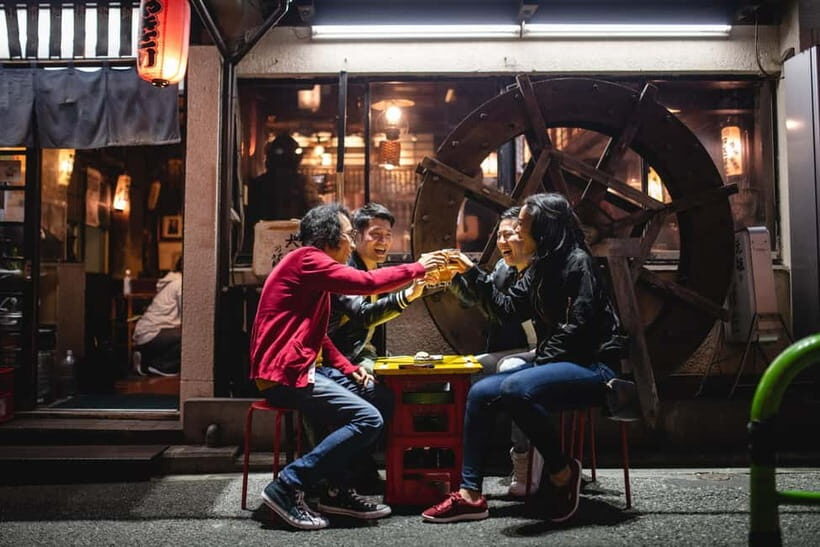
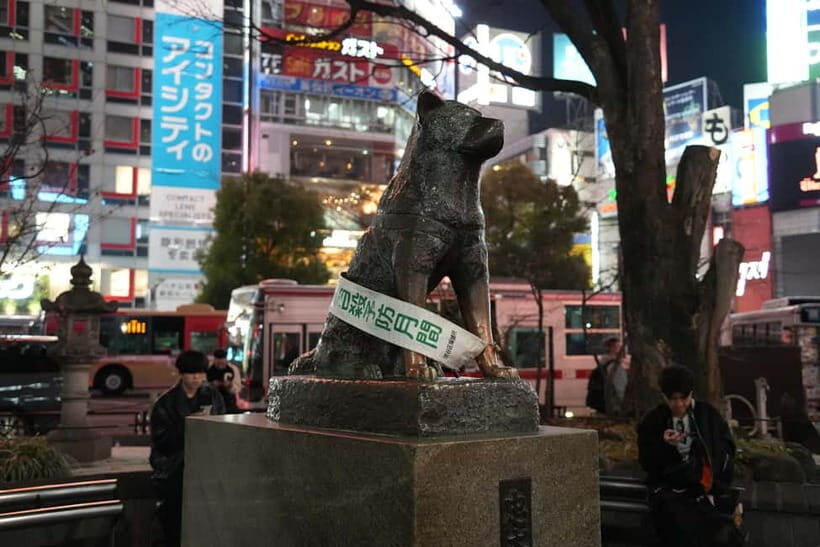
You begin with the story of Hachiko, the loyal dog who became a beloved symbol of the city. It’s not just a sentimental warm-up. It gives the area context. Before you cross the street, you learn why people treat this spot like a meeting place, not a random statue.
Then you head toward Shibuya Crossing, the intersection that has essentially become shorthand for Tokyo’s energy. You’ll stop there so you can take photos while the traffic pattern does its thing around you. This is one of those moments where standing still for a minute helps your brain catch up with what you’re seeing.
Practical tip: if you want your best shots, position yourself early and pay attention to pedestrian flow. The crowd moves fast. You’ll get a short pause, not a long session.
Konbini snacks at the heart of it: egg sandwich, onigiri, and more
One of the strongest parts of the route is the stop at a Japanese konbini right around the Shibuya Crossing area. Konbini snacks are everyday Tokyo food culture, and eating them with a guide makes it easier to choose what’s popular and worth trying.
You’ll sample classics such as:
- Classic egg sandwich
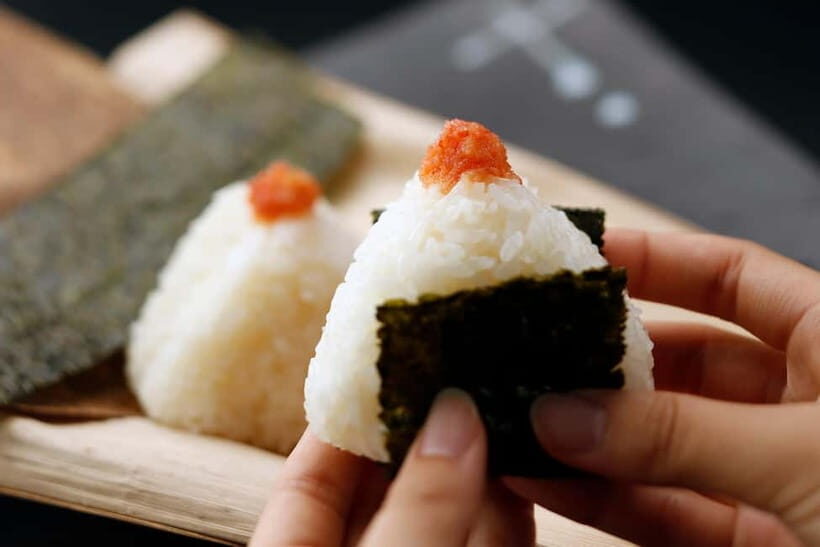
- Onigiri
- Crispy fried chicken
This is the tour’s “why Japan does convenience so well” segment. The food is easy to eat, portion-friendly, and built for movement. Even if you’re not a super adventurous eater, these items are familiar enough to feel approachable while still being distinctly Japanese.
If you’re wondering what to expect texture-wise: onigiri is the handheld comfort-food category, and it’s a smart pairing with the rest of the snack-heavy evening. The egg sandwich and fried chicken help fill you up without slowing you down.
Other plates worth crossing Tokyo for

Miyashita Park: a short reset between streets
After the main landmark action, the tour moves through Miyashita Park. This is a chic urban oasis in Shibuya, with stylish shops and restaurants nearby. There’s also a rooftop park viewpoint, which gives you a different angle on the area.
I like this stop because it breaks the walking rhythm. Shibuya streets can feel tightly packed. A small “breather” area helps you recharge your attention, so the next food stop lands harder.
Also, this is a good time to take a couple non-traffic photos. Neon is great, but rooftops and calmer spaces can give your pictures a bit of variety.
Center Gai and the food-street momentum: corndog or takoyaki
Next comes Center Gai, one of Shibuya’s busiest streets. This is where the night really shows you its volume. You’ll feel the crowd, the lights, and the quick casual energy.
Food-wise, you’ll get either a:
- Korean-style corndog, or
- Takoyaki
Both fit the handheld, street-snack vibe. Corndogs are usually a little sweet and savory, with that crisp outer layer that disappears fast if you hesitate. Takoyaki is all about small bites and heat, and it’s a great way to keep eating without losing track of the walking schedule.
I also like that this part of the tour keeps you moving through lively streets rather than stopping only in controlled, tourist-friendly spaces. You get a feel for what Shibuya looks like when it’s not trying to perform for visitors.
Don Quijote: where discount shopping turns into a cultural experience
After the street-food moment, you’ll head to Don Quijote, often described as a top discount store. The appeal here is not fancy shopping. It’s that slightly chaotic Japan-in-one-building feeling: snacks, quirky products, and easy-to-browse souvenirs.
This stop is useful for you even if you buy nothing. It helps you understand how Japanese shoppers browse. The guide can steer you toward things that make good take-home items without wasting time comparing everything for an hour.
Also, this tour doesn’t treat shopping like a chore. It’s part of the story of how Shibuya supports late-night convenience and fun.
A small onigiri stand and the “street food payoff”
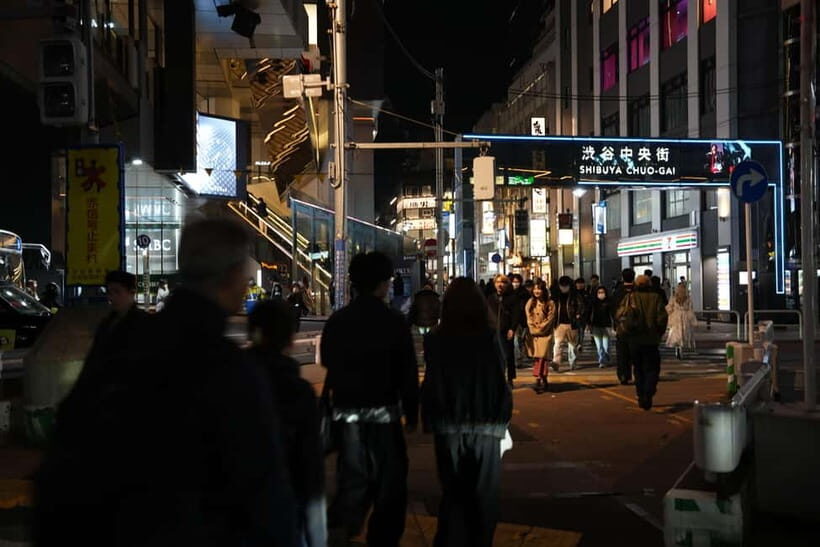
Then you’ll visit a smaller onigiri stand. This is a satisfying repeat in a good way. You already tried onigiri earlier at the konbini, so this gives you a comparison point: different style, different vibe, and a fresh chance to get the details right the first time you see them.
Street food is about speed and simplicity, but the quality still matters. This second onigiri stop helps you pick up what you actually like, not just what’s famous.
If you have any food preferences, this is a moment to pay attention. What’s the filling like? Is the rice more firm? Does the seasoning feel stronger? You’ll thank yourself later when you try to recreate it on your own.
Tokyu Hands and a cozy café break to close the night
To finish, you’ll go to Tokyu Hands, a store packed with Japanese design-minded products, stationery, and creative goods. Think: things you didn’t know you wanted until you see them.
This stop is also a smart way to convert your last food energy into a souvenir plan. Instead of hunting for gifts across multiple stores, you can browse in one focused place with ideas that suit different budgets.
After shopping, the tour ends with a relaxing break in a cozy café. That downtime matters. A nighttime walking tour feels better when you can sit down and digest what you’ve just eaten.
Four tastings that actually map to Tokyo street food
The tour includes tastings of four iconic Tokyo dishes, and they’re chosen to represent different sides of casual food.
From the stops, you can expect a mix like:
- Konbini-style items (like the egg sandwich, onigiri, and crispy fried chicken)
- A hot street snack later in the route (either Korean-style corndog or takoyaki)
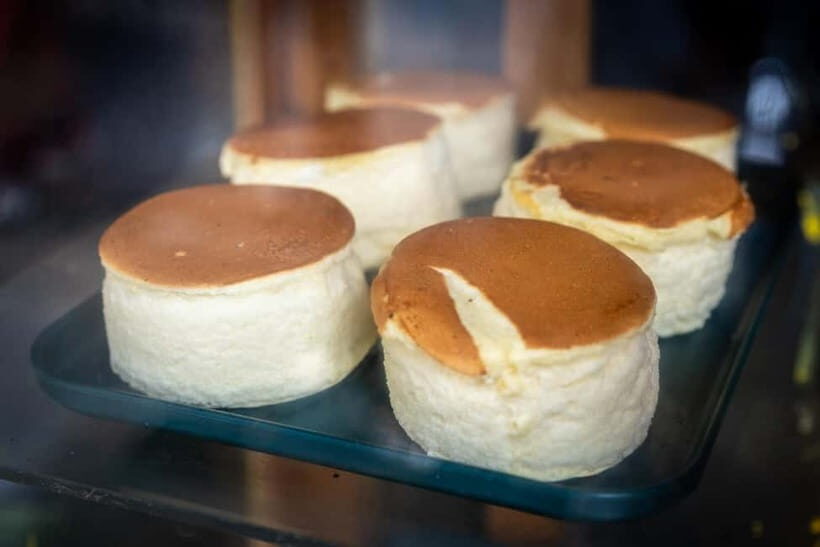
- Plus Japanese sponge cake and additional familiar treats from the evening’s food plan
- You’ll also receive a 10-yen coin as a small keepsake
What I like about this set is that you get variety without making the meal too heavy. You’re eating small portions across different formats: handheld, quick, and easy to sample while walking.
Handling dietary needs without stress
Dietary restrictions can be accommodated with prior notice. That’s the key. If you need vegetarian, halal, or allergy-aware options, contact the operator before you go so the guide can adjust the tastings. This tour is built around a set route and set tastings, so last-minute changes can be harder.
If you’re just avoiding one ingredient, tell the guide clearly when you meet up. You’ll have a better chance of matching the food to your needs.
Pace, group size, and what to wear
This is a small group tour, and that matters more than people think. In Shibuya, crowds are everywhere. A smaller group helps you stay together and makes it easier for the guide to keep things moving.
You should also expect walking. Comfortable shoes are not optional here. You’ll be switching between major streets and store interiors, plus the landmark moments that pull you into photo positions.
The tour operates in all weather conditions, so dress for rain or cold if needed. Tokyo at night can change fast once you’re out on the streets.
Value check: is $119 reasonable for a Shibuya night food tour?
Let’s talk money in plain terms. $119 per person is not a bargain-basement price, but it can be fair value if you care about four things:
- A guided route you can’t easily assemble at night
Shibuya is intimidating when you’re tired and hungry. The guide handles the sequencing, so you don’t waste time wandering.
- Four tastings that are already chosen
The tour includes specific snack categories, so you’re paying for selection, not just tickets and walking.
- Bilingual guidance
The guide is available in English and Spanish, which helps a lot if you’re traveling with someone who doesn’t want to rely on translation apps.
- Landmarks plus practical shopping
You’re not only eating. You also hit major spots like Hachiko and Shibuya Crossing, then get time at Don Quijote and Tokyu Hands for souvenirs you can actually use.
If you were going to spend money on snacks anyway, the guided tastings make the cost feel more reasonable. If you’re the kind of traveler who plans every meal alone and loves getting lost, you might prefer DIY. But if you want a smooth, guided night that feeds you and points you to good places, this price starts to feel less random.
Who this tour fits best (and who should reconsider)
This tour is a good match if you:
- Want Tokyo nightlife that focuses on street-level food rather than only museums or temples
- Like neon-night photos but also want a plan for what to eat
- Prefer a small group with an English or Spanish-speaking guide
- Enjoy casual shopping for gifts at places like Don Quijote and Tokyu Hands
You might want to reconsider if:
- You’re not comfortable with walking
- You use a wheelchair (this tour is not suitable for wheelchair users)
- You’re traveling with pets (pets aren’t allowed)
It’s also best for people who like a steady flow of stops. If you prefer long sit-down meals and slow pacing, this is more about movement and snack variety.
Should you book this Shibuya food tour?
I’d book it if you want an easy, structured Shibuya night: landmark start at Hachiko, photo time at Shibuya Crossing, then a sequence of snack stops that teaches you what Japanese convenience and street food taste like.
The biggest reason to choose it is the combination of food focus and direction. The night isn’t vague. You’re guided step by step to places that make sense for eating, shopping, and taking photos in one evening. And because the tastings are built in, you’re not stuck making quick decisions while you’re hungry.
Skip it only if you want a totally flexible night where you control every stop. This tour is a set route with set tastings. It’s designed to work like a plan, not like an open itinerary.
FAQ
Where do I meet the guide?
Meet at Hachiko Square next to the Hachiko Statue. The guide will be waiting with a sign of Amigo Tours.
What’s included in the price?
The tour includes a small group experience, an English and Spanish bilingual guide, and tastings of four iconic Tokyo dishes.
What food tastings should I expect?
You’ll try items such as snacks from a Japanese konbini (including an egg sandwich, onigiri, and crispy fried chicken), plus other iconic treats on the route such as sponge cake and a Korean-style corndog or takoyaki.
Are dietary restrictions accommodated?
Yes, dietary restrictions can be accommodated with prior notice.
Do I need to bring anything specific?
Wear comfortable shoes, and bring a camera if you want to capture the neon-lit streets and nighttime sights.
What happens if the weather is bad?
The tour operates in all weather conditions, so dress appropriately for the conditions.
Is the tour wheelchair accessible?
No, the tour is not suitable for wheelchair users.
Can I cancel and get a full refund?
You can cancel up to 24 hours in advance for a full refund.
More Tours in Tokyo


More Tour Reviews in Tokyo




Still in Shibuya? Keep Going


Fresh reviews from around Tokyo






Shibuya Tours, compared.
 ★ 5.0Official Street Go-Kart in ShibuyaFrom $763,435 reviews
 ★ 4.9Street Kart Experience in ShibuyaFrom $741,484 reviews
 ★ 5.0Shibuya Meltdown Nightlife Tour: All-You-Can-Drink Bar HoppingFrom $1061,058 reviews
 ★ 5.0Shibuya Official Street Go-Kart in Shibuya AnnexFrom $69972 reviews
 ★ 5.0Shibuya Food Tour (13 dishes and 4 Eateries)From $77770 reviews
 ★ 5.0Best of Shibuya Food TourFrom $217612 reviews
 ★ 4.8Shibuya Highlights Walking TourFrom $19601 reviews
 ★ 4.7Premium Go-Kart Tour with Tower & Shibuya CrossingFrom $116528 reviews
Browse the lists this tour appears in