
Reviewed · CRUISES & BOAT TOURS
Tokyo: Scenic Bay Cruise with Local Guide on Private Boat
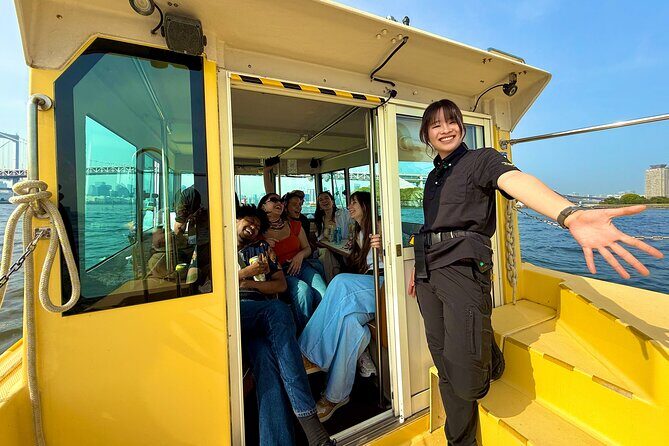
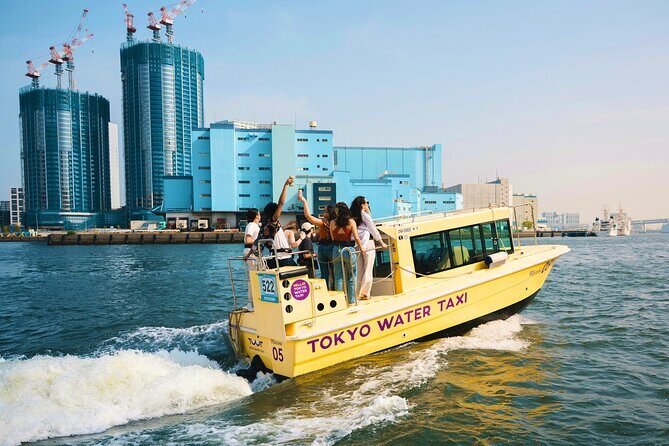
Tokyo from the water changes the whole mood. This small-boat cruise puts you close enough to feel Tokyo Bay instead of just looking at it. With a local English guide on board, you glide under the Rainbow Bridge and pass the Odaiba waterfront angles bigger boats usually miss.
My favorite part is the photo-to-view ratio. You get timed moments for Tokyo Tower and Tokyo Skytree, then real up-close bay passes that make the skyline feel personal. I also like that the guide keeps things practical and fun, with cultural stories and on-the-spot questions answered by people like Sho, who shows up in the reviews.
One thing to consider: this isn’t a fit for everyone. If you’re prone to seasickness, or you use a wheelchair, you’ll want to skip this boat experience and pick something else.
In This Review
- Key takeaways before you go
- Why a small private Tokyo Bay boat beats the big sightseeing cruises
- Meeting right at Tokyo Water Taxi and settling in quickly
- Tokyo Tower first: the glow looks different from the bay
- Passing Odaiba and the waterfront zone up close
- Rainbow Bridge: the moment the cruise earns its keep
- Tokyo Skytree photo stop: yes, it fits on a bay cruise
- Statue of Liberty in Tokyo Bay: quirky, photogenic, and close
- Seabirds swooping beside your boat (and when to expect it)
- What the guide actually does for you on board
- Indoor comfort, speaker, and the simple joys of water time
- Price and value: why $38 can feel fair
- Who should book this cruise (and who should skip it)
- Practical do’s and don’ts for an easy hour on Tokyo Bay
- Should you book this Tokyo Bay cruise?
- FAQ
- Where is the meeting point for the cruise?
- How long is the Tokyo Bay cruise?
- Is the tour guide available in English?
- What is included in the price?
- Can I bring my own food and drinks?
- What shouldn’t I bring or do?
- Is it suitable for wheelchair users or people prone to seasickness?
Key takeaways before you go
- Small boat access: you’ll go where larger sightseeing boats can’t, including a close pass under Rainbow Bridge
- Photo stops with breathing room: short timed stops for Tokyo Tower and Tokyo Skytree that don’t feel rushed
- Local guide value: you’ll hear insider stories and recommendations, not just generic facts
- Sunset-level skyline views: Tokyo Bay from the water gives a skyline angle you don’t get on land
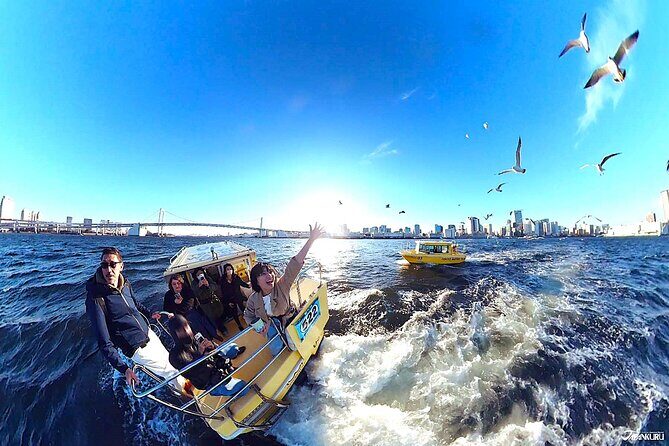
- Seabirds feeding (daytime): in the right cruise timing, you can watch seabirds swoop near the boat
- Comfort perks: life jacket included and there’s an indoor space if you want a break from the wind
More time on the water around Tokyo
- Mt Fuji & Hakone Cruise, Drum Show Bullet Train 1 Day from Tokyo★ 4.0 · 7,413 reviews
- Tokyo Mt Fuji 5th St & Hakone Cruise Bus Tour w/Bullet Train★ 4.4 · 5,024 reviews
- Mt Fuji & Hakone Cruise, Drum Show Bus 1 Day from Tokyo★ 4.0 · 1,287 reviews
Why a small private Tokyo Bay boat beats the big sightseeing cruises
If you’ve been walking nonstop through Tokyo, this cruise feels like switching channels. Roads and sidewalks are one kind of Tokyo. From the water, you see the city as layers—bridges, islands, and waterfront structures—stacked in a way that’s hard to recreate from street level.
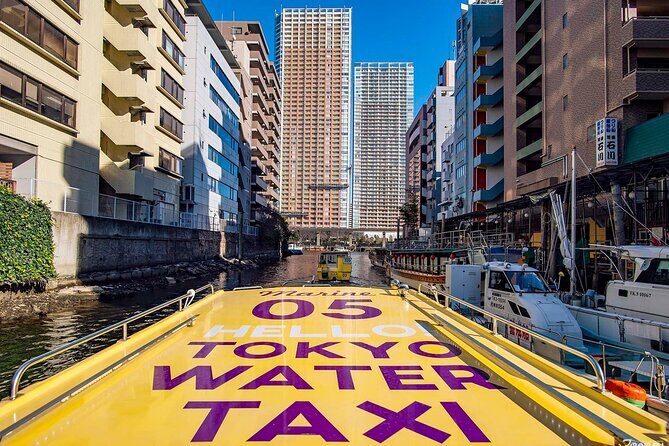
The big difference is the boat size. A small craft can slide through tighter water routes and get you nearer to landmarks. That matters most around Odaiba and the Rainbow Bridge zone, where the view is all about distance. You’re not just watching from afar; you’re moving through the geometry of the bay.
And yes, the guide makes a difference. This isn’t a silent ride with a map app. The local crew is there with a live English guide to point out what you’re seeing and add human context—sometimes even answering questions as you go. In the reviews, Sho (spelled both Sho and Show) is specifically praised for helpfulness and humor, which fits the vibe you want on a short outing.
Meeting right at Tokyo Water Taxi and settling in quickly
You meet right in front of the Tokyo Water Taxi office. From there it’s a short walk—about two minutes—to the pier. I like this kind of meeting point because it avoids the usual Tokyo chaos of “find the exact gate number.”
Once aboard, there’s a short safety briefing (about 10 minutes). That’s a good thing, even if you’re usually the type to ignore safety talks. Here, it helps you feel comfortable so you can focus on looking up at Tokyo Tower and out at the bay instead of wondering what to do if something changes.
You’ll also get what you need immediately: a life jacket is included, plus a JBL speaker on board. That means you can keep the cruise relaxed without extra shopping for gear. If you bring a light meal, there’s comfortable indoor space for sitting back.
Tokyo Tower first: the glow looks different from the bay
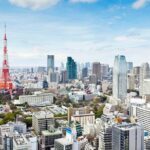
The cruise starts with Tokyo Tower in the distance, shining as you pull out. From the water, it doesn’t feel like a landmark you’ve already seen in photos. It becomes a point of reference—something your eyes can lock onto while the shoreline slides by.
There’s a brief photo stop for Tokyo Tower (around five minutes). That’s enough time to get the obvious shots, but not so much time that you feel trapped waiting for the rest of the group. The guide also uses this moment to orient you. Even if you only catch a few details, you’ll understand where you are in Tokyo Bay geometry.
One more nice touch: the pace is “cruise,” not “tour marathon.” This is perfect when you’re tired from walking. You get movement, fresh air, and clear sightlines without the effort of climbing steps or trekking between stations.
Passing Odaiba and the waterfront zone up close
As you head deeper into the bay, you’ll pass Odaiba. If you associate Odaiba with shopping malls, this section reframes it as waterfront skyline and harbor architecture.
Here’s where the boat size matters again. Large tour boats often keep a distance, partly because they’re managing traffic and partly because they’re built for broad views. On a smaller boat, you can get that closer feeling—more “I’m right here” and less “that’s far over there.”
You also start to get the sense of Tokyo’s waterfront identity. It’s futuristic without being themed like a theme park. It feels engineered, planned, and very modern. The guide stories add an extra layer: you’re not only seeing buildings, you’re hearing how the bay area fits into Tokyo’s bigger story.
More days made easy by a guide

Rainbow Bridge: the moment the cruise earns its keep
The highlight most people remember is the glide beneath the Rainbow Bridge. The route takes you through a pass that’s built for visuals, with a clear window for photos and attention.
There’s a dedicated stop for Rainbow Bridge views (around 10 minutes), plus a pass-by experience. In plain terms: you’ll have enough time to photograph it, and you’ll also have the “wow, we’re really underneath it” experience that you can’t replicate from a random viewpoint.
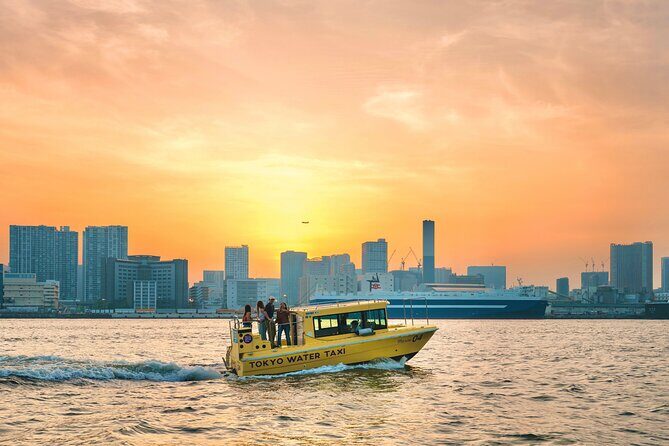
Sunset rides make this part even better. Even on clear days, Tokyo can look flat from land because of perspective and distance. From the water at golden hour, the bridge becomes a moving frame, and the skyline picks up depth. In the reviews, people specifically praised Rainbow Bridge colors at sunset, which matches what I’d expect when the sky does its best work.
Tokyo Skytree photo stop: yes, it fits on a bay cruise
You might not think Tokyo Skytree belongs on a boat cruise, but it works surprisingly well. The skyline is full of vertical landmarks, and Skytree is the big one you’ll notice quickly once the angle lines up.
You’ll have a short photo stop (about five minutes) and scenic views while passing. That combination matters. The stop gives you time to step into the right position, while the passing moments help you see it as part of the bay view rather than just a single photographed object.
If you’re juggling Tokyo Tower versus Skytree, this cruise helps you do both without turning your day into a sprint. You get the best of both worlds: Tower’s classic presence and Skytree’s towering modern look.
Statue of Liberty in Tokyo Bay: quirky, photogenic, and close
Another photo stop comes next for the Statue of Liberty in Tokyo (passing and visiting time, about 10 minutes). From the bay, it reads as a monument with a Tokyo setting around it, which is exactly the kind of surreal contrast that makes travel fun.
The time here is short enough to keep energy up, but long enough to get photos and take in the scene. The guide helps you connect what you see with context, so you’re not just collecting another landmark for your camera.
If you enjoy playful, slightly odd Tokyo details, this stop is a good one. It’s not just big and shiny. It’s also a reminder that Tokyo has a way of reinterpreting global icons in its own style.
Seabirds swooping beside your boat (and when to expect it)
One of the most fun elements is the chance to feed seabirds during daytime cruises. The idea is simple: you’re on the water, and local seabirds treat the boat as an opportunity.
This is where timing matters. Your exact experience depends on whether you’re on a daytime departure or a sunset-focused one, since the feeding detail is tied to daytime cruises. If you’re traveling in daylight hours, you can look forward to that moment where birds soar alongside the boat.
In the reviews, people describe seabirds and birds flying close to the vessel, which adds a lively “living view” factor. It’s not a static photo stop; it’s action around you, right within the bay atmosphere.
What the guide actually does for you on board
On a cruise like this, the guide’s role isn’t just telling you what things are called. It’s connecting the view to why you should care.
The best guides on this route help you notice patterns: where the skyline changes, how the bay area feels different from inland neighborhoods, and how Odaiba’s presence reshapes the harbor mood. In reviews, guide Sho is mentioned as talkative, funny, and helpful with questions and recommendations.
That kind of guidance is especially useful if you only have a short window in Tokyo. If you’re the type who likes to ask why something looks the way it does, this cruise rewards you.
The crew also keeps the tone friendly. You’re not being rushed, and the vibe is suited for families, couples, and small groups who want a relaxed outing.
Indoor comfort, speaker, and the simple joys of water time
You might assume a short cruise means you spend the whole hour outdoors. You can, but you don’t have to. There’s an indoor space on board, so if the breeze gets chilly—or if you just want a break—you can sit comfortably.
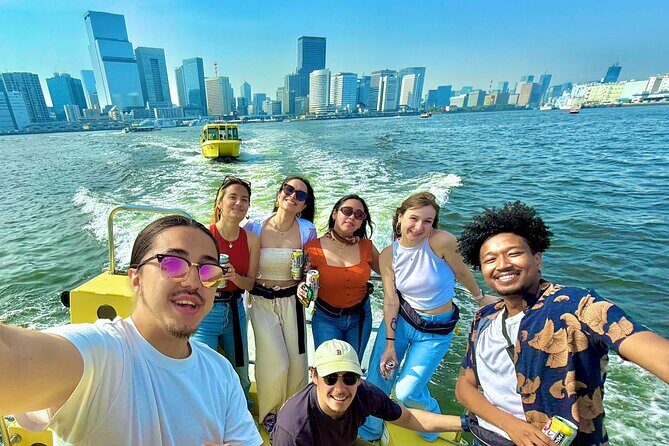
Food and drinks are allowed, with a common-sense rule: plastic bottles or cans only, no glass. You can bring something light like a rice ball or sandwich. It’s a nice way to make the cruise feel like a mini break rather than a boxed-in activity.
Also included: a JBL speaker. That can be a small detail, but it matters for comfort. It turns the ride into an experience you can control a bit, rather than a strictly quiet boat.
Price and value: why $38 can feel fair
At about $38 per person for a 1-hour cruise, this isn’t a cheap add-on if you’re traveling on a tight budget. But it’s also not “pay a lot for a badge photo.” You’re paying for four things at once:
First, you get a small-boat route with access that’s harder to replicate on big tourist ferries. Second, you get live English guidance plus a captain and guide crew. Third, you get multiple landmark view moments—Tokyo Tower, Skytree, Rainbow Bridge, and the Statue of Liberty. Fourth, you’re buying time to rest your feet.
If you’re already spending money on trains, taxis, and entrance tickets, this feels like a smart swap: one hour of bay views instead of another half day of walking loops.
Who should book this cruise (and who should skip it)
This is a strong match if you want a low-effort, high-view payoff. It’s great for a romantic date, a family outing, or anyone who wants a different angle on Tokyo without committing to a full day trip.
It’s also a good choice if you like guided context. This boat experience gives you quick, digestible stories and helps you understand what you’re seeing while the scenery is right in front of you.
I’d skip it if either of these applies:
- You’re prone to seasickness. The boat is still water travel, and conditions can feel different on the bay.
- You use a wheelchair. The activity notes it isn’t suitable for wheelchair users.
Practical do’s and don’ts for an easy hour on Tokyo Bay
Bring a passport or ID card for children. If you’re bringing drinks, stick to plastic bottles or cans only—no glass. For food, light snacks work best since you only have about an hour, and you’ll want room to enjoy the view.
On the don’t list: no smoking, no fishing, no umbrellas, no littering, and no jumping. Swimming and diving are also not allowed, which is standard for safety and common sense on boats.
If you’re planning photos, dress for wind. Even in mild seasons, bay breezes can make your hair and camera hands feel a bit dramatic.
And one more small tip: keep your most important photo moments near the planned landmark segments, but don’t miss the passing views in between. Those in-between lines often make better photos than the formal stops.
Should you book this Tokyo Bay cruise?
Yes, if you want a break from walking and a skyline view that feels like you’re inside the city’s geography. The small-boat access, Rainbow Bridge pass, and guided storytelling make it more than a sightseeing checkbox.
Skip it if you’re sensitive to boat motion or need wheelchair-friendly access. Also, if you only travel in tight schedules and can’t match daylight timing, you may not get the seabird feeding moment, since it’s tied to daytime cruises.
If you can spare one hour and you’d rather see Tokyo from moving water than from another station-to-station route, this is a strong bet.
FAQ
Where is the meeting point for the cruise?
Meet right in front of the Tokyo Water Taxi office. Then you’ll walk about two minutes to the pier.
How long is the Tokyo Bay cruise?
The cruise lasts about 1 hour.
Is the tour guide available in English?
Yes. The live tour guide speaks English.
What is included in the price?
You get a 1-hour cruise, a captain and local guide on board, a life jacket, and a JBL speaker.
Can I bring my own food and drinks?
Yes. You can bring your own drinks (plastic bottles or cans only, no glass) and a light meal such as a rice ball or sandwich. There is comfortable indoor space on board.
What shouldn’t I bring or do?
Smoking, fishing, umbrellas, littering, jumping, swimming, and diving are not allowed.
Is it suitable for wheelchair users or people prone to seasickness?
No. It is not suitable for wheelchair users, and it is not suitable for people prone to seasickness.
Easier with a Guide
Out on the Water Around Tokyo


More Tour Reviews in Tokyo




Fresh reviews from around Tokyo






Cruises & Boat Tours, compared.
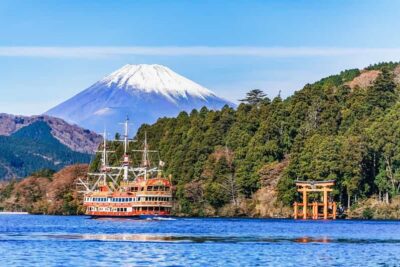
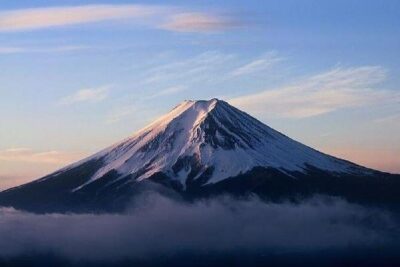 ★ 4.0Mt Fuji & Hakone Cruise, Drum Show Bullet Train 1 Day from TokyoFrom $1497,413 reviews
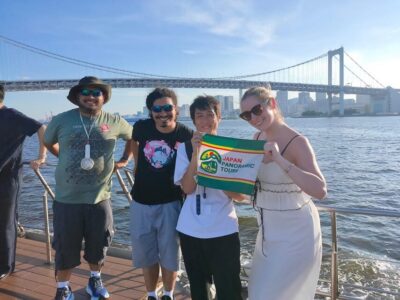
 ★ 4.4Tokyo Mt Fuji 5th St & Hakone Cruise Bus Tour w/Bullet TrainFrom $1545,024 reviews
 ★ 4.7Meiji Shrine, Asakusa, Skytree Bus Tour and CruiseFrom $1221,986 reviews
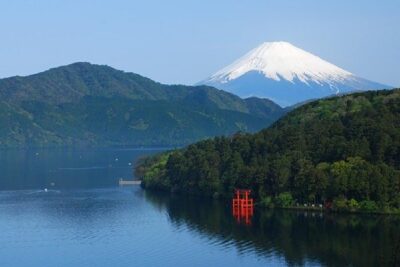 ★ 4.0Mt Fuji & Hakone Cruise, Drum Show Bus 1 Day from TokyoFrom $1221,287 reviews
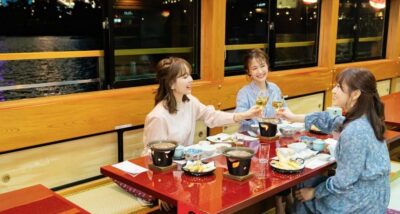 ★ 4.6Sumida River: Japanese Traditional Yakatabune Dinner CruiseFrom $103779 reviews
 ★ 4.2Hakone Fuji Day Tour w/ Cruise, Cable Car, VolcanoFrom $98724 reviews
 ★ 4.5Dynamic Tokyo: Tokyo Tower, Tea Experience, Bay Cruise Day TourFrom $99521 reviews
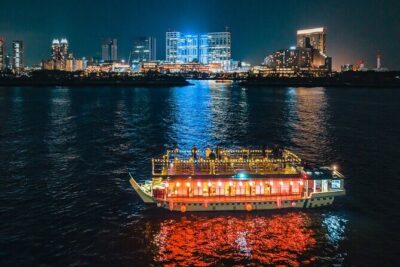 ★ 4.5Tokyo Bay Yakatabune Dinner/Day Cruise with Japan Show and DrinksFrom $65473 reviews
Browse the lists this tour appears in