
Reviewed · SUMO SHOWS
Tokyo: Sanctuary Authentic Grand Sumo Experience & Training
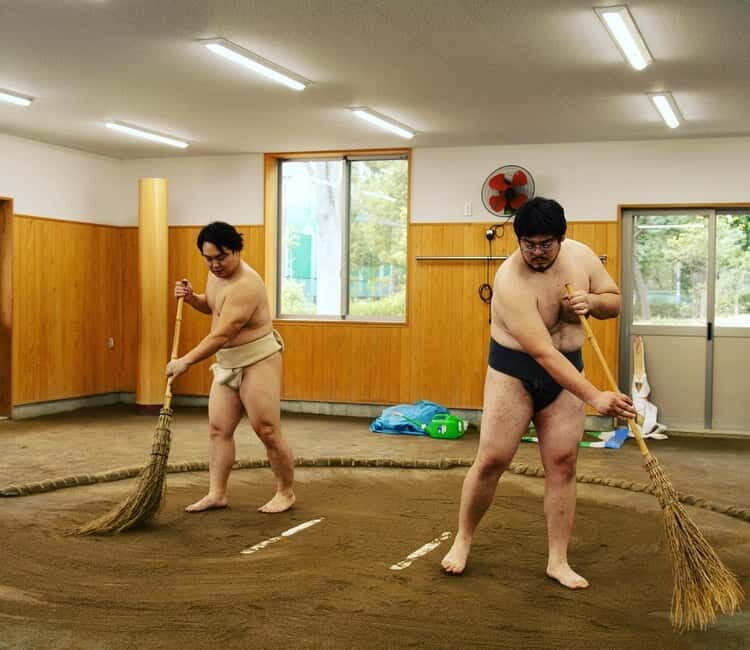
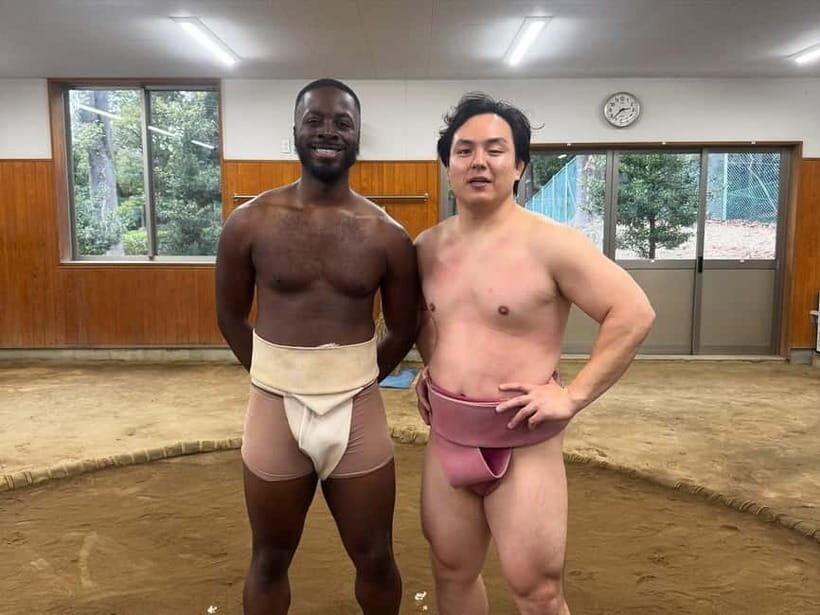
You will wrestle in Tokyo’s real sumo ring.
This is one of the few chances to do hands-on sumo training instead of only watching from the sidelines. I like that you get a full keiko-style class with stretches, warm-ups, and ritual basics before you step in, and you don’t need experience. One thing to think about: you’ll get very sweaty, and you’ll want good water habits and a plan for rinsing off afterward.
What makes this experience especially fun is the mix of tradition and practical coaching. You follow a demonstration, learn ring procedures for the dohyo, and then you wrestle with friends and, if you’re game, with the coaches. The main drawback is simple: it’s physical. Even if you’re not looking for a workout, you’ll still work hard.
In This Review
- Quick reasons to book Amita Sumo Dojo
- Why this is real sumo training, not a spectator show
- Entering Heiwanomori Park Sumo-jo: location and getting there
- Inside the 2-hour class: warm-ups, rituals, ring rules, then matches
- The mawashi and the dohyō: gear that changes how you move
- Price and value: what $199 really buys you
- What to bring: the sweat plan you’ll be glad you made
- Photos and etiquette: filming is allowed, but follow the rules
- Kids and families: who can watch and who can join
- Injury reality check: how to be smart about it
- Who should book this Tokyo sumo training experience
- Should you book this sumo training in Tokyo?
- FAQ
- How long is the sumo training experience?
- Where does the activity take place?
- Do I need any sumo experience or special skills?
- Do I need to bring a mawashi or other gear?
- What language is the instruction offered in?
- What should I bring with me?
- Is there a shower available?
- Can children participate?
- Is it okay to take photos or videos?
- What is the cancellation policy?
Quick reasons to book Amita Sumo Dojo
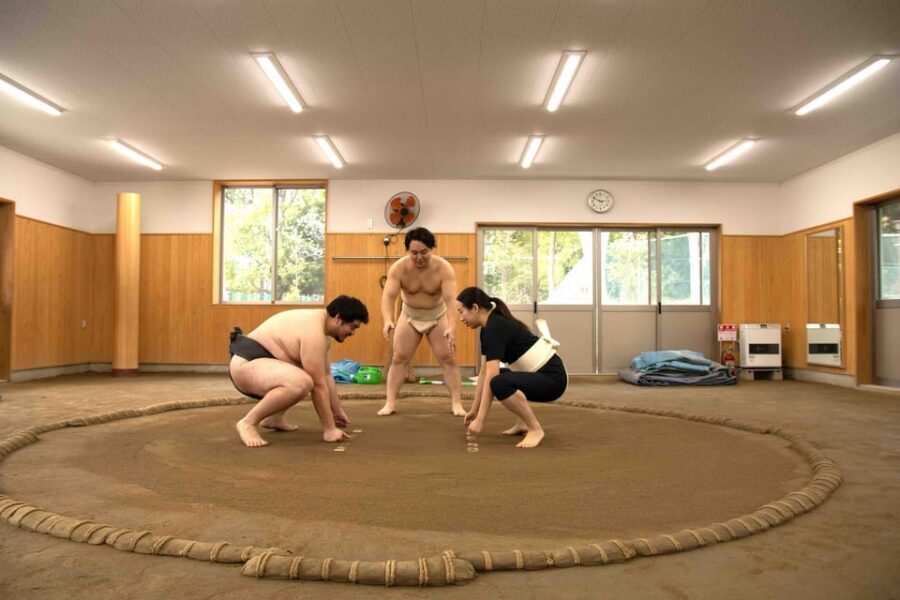
- You train in the dohyō: a real clay sumo ring, not a staged photo set
- You wear a real mawashi: the belt is provided at no extra cost
- A coach guides you in English and Japanese: you learn rules and fundamentals step by step
- Rituals are part of the session: warm-ups and Shinto-inspired sumo ceremony basics
- You wrestle at the end: matches with your group, and sometimes the coaches
More chances to sit ringside
- Tokyo: Sumo Show and Dining Experience★ 4.8 · 2,742 reviews
- the SUMO show★ 5.0 · 1,960 reviews
- Tokyo Shinjuku Sumo Show & Experience with Photo★ 5.0 · 1,750 reviews
Why this is real sumo training, not a spectator show
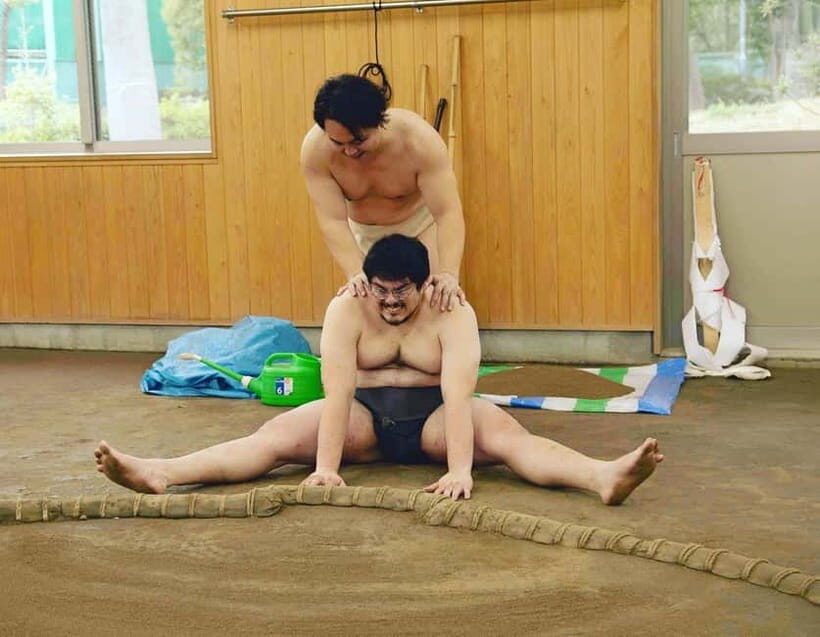
Most sumo activities in Tokyo fall into two buckets: you watch a tournament, or you sit through a performance. Here, you do the sport. The session is built around training fundamentals: stretching, warm-ups, and the ring rules you need to make sense of what you’re about to do.
And it’s not just “wear gear and try a move.” You learn the basics of how sumo is conducted inside the ring, including how the ritual side connects to the wrestling side. That matters, because sumo is both sport and ceremony. When you understand why the rituals happen, the match feels more meaningful than a random sparring session.
Entering Heiwanomori Park Sumo-jo: location and getting there
Your meeting point is Heiwanomori Park Sumo-jo, 2-1 Heiwanomorikoen, Ota City, Tokyo. It’s a small office at the address where you meet up before training.
Getting there is straightforward if you’re on the Keikyu Main Line. The venue is about a 10-minute walk from Heiwajima Station. If you’re taking a taxi, be aware taxis won’t automatically drop you right at the location unless you arrange it yourself.
If you’re bouncing around central Tokyo, you can estimate transit time using the provided examples (these are useful for planning, even if your exact route will vary). For example, Shimbashi is around 28 minutes, Ryogoku about 53 minutes, and Shinagawa about 22 minutes. The session is only 2 hours, so I recommend planning to arrive early enough to change, drink some water, and not rush the start.
Inside the 2-hour class: warm-ups, rituals, ring rules, then matches
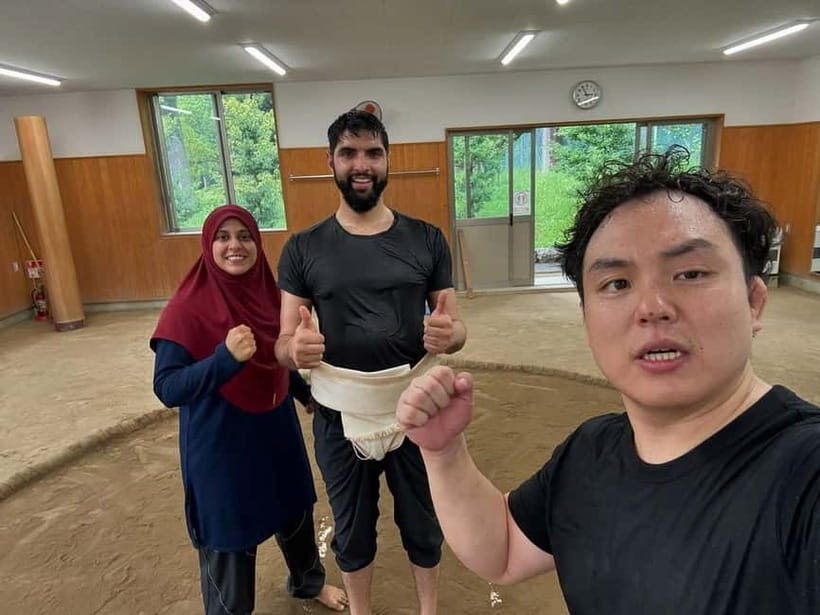
This is a structured 2-hour experience designed for real beginners and mixed skill levels. No prior sumo experience is required. The session is led by a Japanese sumo coach, with instruction in English and Japanese, which is a huge help when you’re learning both physical technique and ceremony details.
Here’s the flow of what you’ll do:
- Welcome and preparation: you get set for training and learn what comes next
- Stretching and warm-ups: you start with movement that prepares your body for impact and grip work
- Sumo rituals and training meaning: you learn the traditional side, including Shinto ritual elements tied to sumo
- Rules and wrestling basics: you get taught how things work inside the ring, including the dohyo area and how to wrestle using a mawashi
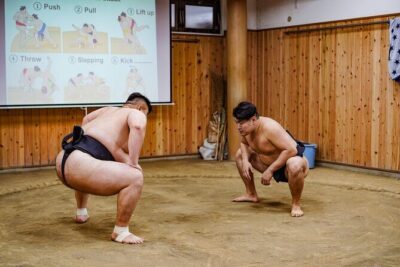
- Practice and demonstration: you follow along as the coach shows key moves and transitions
- Your matches: at the end, you wrestle with friends and you may face the coaches if you’re up for it
The nice part is that your group gets time in the ring, not just a quick demo. One review highlighted that the training is adaptable to different participant skills, which matches what you’d hope from a class that welcomes all genders and ages.
The mawashi and the dohyō: gear that changes how you move
You wear the real sumo belt, called a mawashi. If you don’t have your own gear, you don’t have to worry about it. The mawashi is provided at no extra cost, which makes the whole thing more approachable and better value.
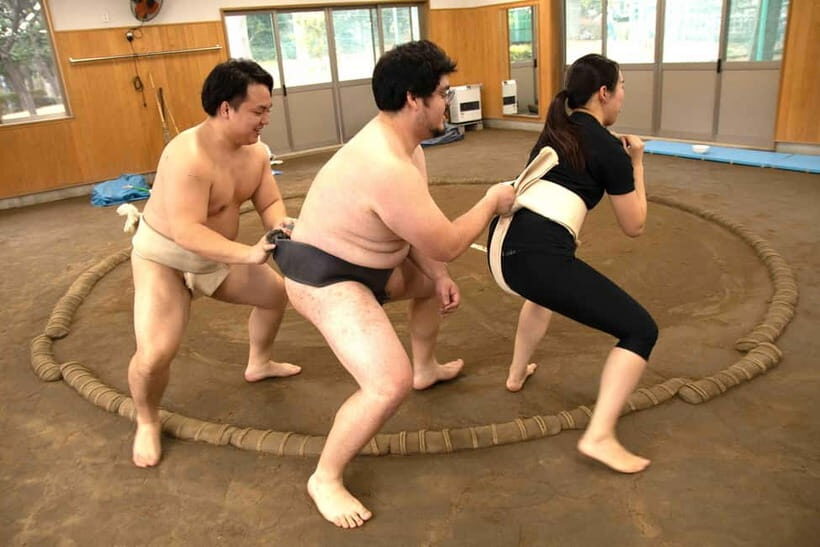
The ring is the other key piece: you train on a real clay sumo ring called the dohyo. That floor changes everything. Clay grips differently than studio mats or gym floors, and your footing matters more than you think. Even if you’ve done other combat sports, the dohyō forces you to respect balance and positioning right away.
Expect the workout to be real. The final wrestling rounds can get intense fast, especially when you’re trying to apply technique while staying stable on clay. If you come in expecting a calm cultural activity, plan to sweat anyway.





Price and value: what $199 really buys you
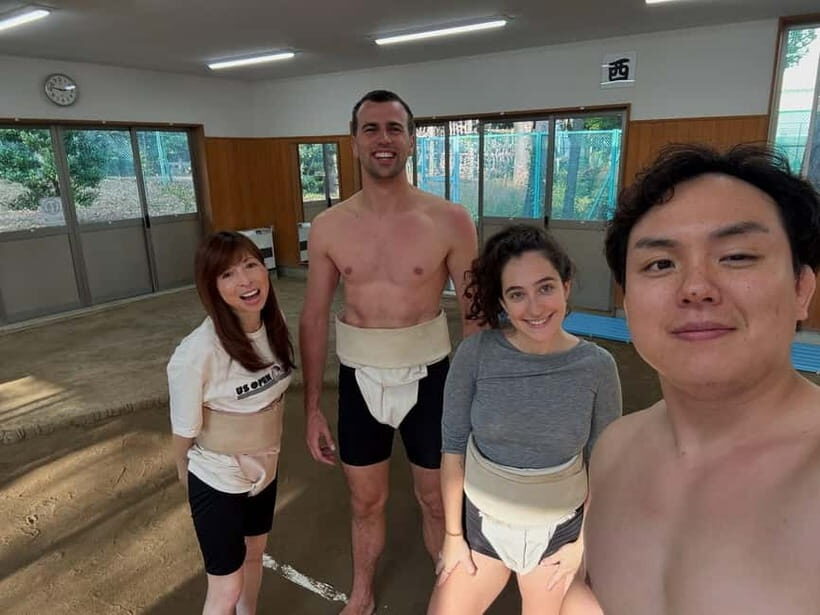
At $199 per person for 2 hours, this isn’t a cheap activity, but it also isn’t a “grab a souvenir and pose” experience. You’re paying for three big things that usually cost extra elsewhere:
- real training equipment and setting (mawashi and dohyo)
- coaching focused on fundamentals and ring procedure
- actual in-ring wrestling time, not just observation
When I look at value, the biggest win is that you leave with participation. You don’t just learn about sumo; you feel what it takes to push, grip, stay upright, and follow ring rules. That’s the kind of experience that sticks.
Based on the strong ratings and repeated praise, the hosting and teaching style also seems to matter. Several reviews named the trainer-host Takeshi, describing him as warm, easy-going, and able to make the traditions understandable while still keeping the session fun and hands-on.
What to bring: the sweat plan you’ll be glad you made
Bring:
- a towel
- drinks
I strongly recommend bringing more than the bare minimum. You’ll likely sweat a lot. Two towels is ideal: one for training and one for wiping down and showering. There’s also a shower room near the place, and it costs ¥100 for 5 minutes. If you have time in your schedule after the class, I’d build it in. You’ll feel better leaving clean instead of figuring out how to cool off on the train.
For hydration, keep it simple. Drink water before you start, bring enough bottles for the session, and keep a relaxed pace between rounds so you don’t gas out early.
Photos and etiquette: filming is allowed, but follow the rules
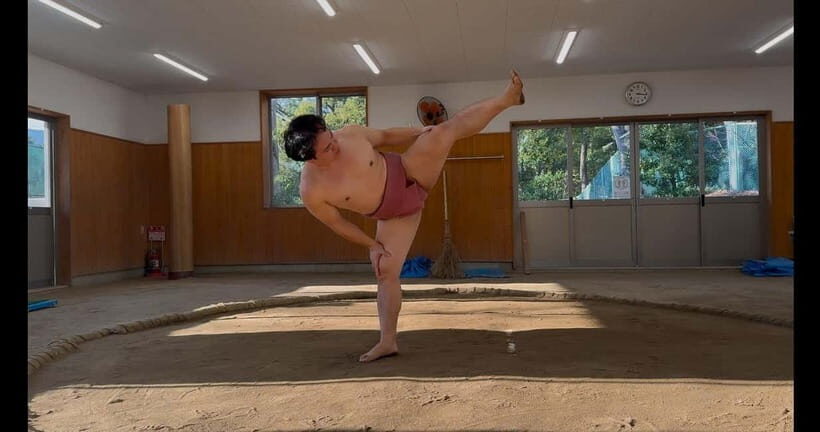
You can take photographs and videos during the sumo experience and share them on social media. That said, there are clear guidelines.
Keep filming from interfering with the class. Also, don’t record participants who haven’t given permission to be filmed. If someone isn’t allowed to be recorded, respect that. It’s not just politeness; it protects the flow for everyone in the ring.
If you’re filming, aim for short clips and step back when it’s your turn to train. The best souvenirs here are usually the moments where you’re actually moving correctly in the ring.
Kids and families: who can watch and who can join
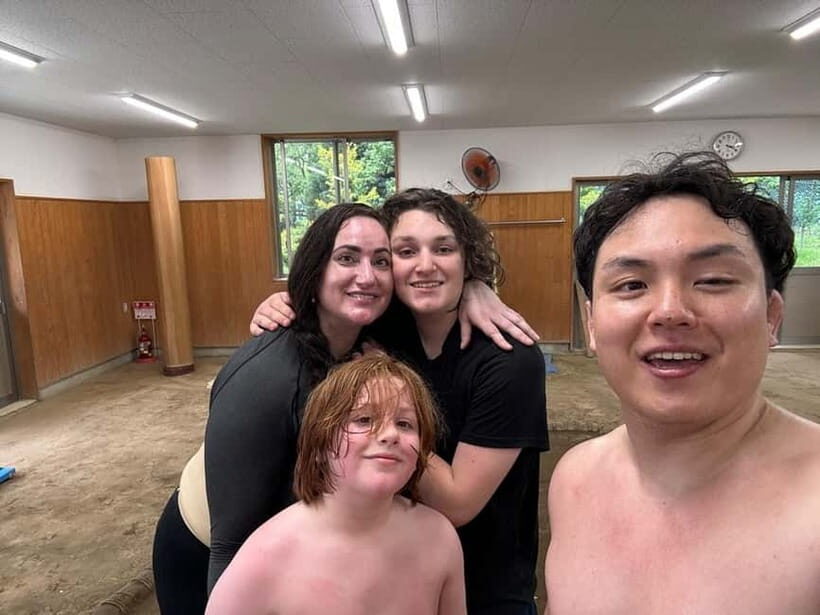
This experience can work for families, but the rules are specific.
- Children under 4 can accompany you, but they can only observe.
- For children 5 and older, observation is complimentary.
- If a child wants to participate, you need to place an order for each participating child.
The practical takeaway: if you’re traveling with kids, decide early whether you want them in the ring. Participation is where the magic happens, but it also means planning extra time and energy.
Injury reality check: how to be smart about it
The organizers note they’re not responsible for injuries or accidents. That’s a standard warning, but it’s worth taking seriously.
If you have knee, back, or shoulder issues, be honest with the coach before you step into matches. Tell them what feels unsafe. Sumo involves grappling, sudden shifts in balance, and bracing. You can have a great time while moving within your limits, but the earlier you set boundaries, the better.
Who should book this Tokyo sumo training experience
This is a strong fit if you want:
- authentic Japanese culture you can physically participate in
- a beginner-friendly introduction to sumo fundamentals
- a structured class that includes rituals and rules, not just wrestling
It’s also ideal if you’re with a friend group or family and you want a shared activity that actually puts you in the action. One review described it as a highlight of a Tokyo trip, exactly because it exceeded expectations: they came wanting to watch, then got the real training and ring matches.
Should you book this sumo training in Tokyo?
Book it if you want to do sumo, not just see it. The combination of mawashi + dohyō + coaching + end-of-session matches is the recipe for a memorable experience at a fair price for what you get.
Skip it, or at least think twice, if you can’t handle a physical session or you’re uncomfortable with sweaty, close-contact training. Also, if you hate surprises, remember that the clay ring and grappling rounds are going to challenge your balance immediately.
If you want a hands-on Tokyo story that’s both traditional and genuinely fun, this is one of the better bets.
FAQ
How long is the sumo training experience?
The experience lasts 2 hours.
Where does the activity take place?
It takes place at Heiwanomori Park Sumo-jo, 2-1 Heiwanomorikoen, Ota City, Tokyo 143-0005. There is a small office at the address where you meet up.
Do I need any sumo experience or special skills?
No experience is needed. The class is designed so everyone is welcome.
Do I need to bring a mawashi or other gear?
No. You can wear a real mawashi, and it is provided at no extra cost.
What language is the instruction offered in?
Instruction is available in English and Japanese.
What should I bring with me?
Bring a towel and drinks.
Is there a shower available?
Yes. There is a shower room near the place, and it costs ¥100 for 5 minutes.
Can children participate?
Children under 4 may observe only. For children 5 and older, observation is complimentary; if they want to participate, you need to order for each child who takes part.
Is it okay to take photos or videos?
Yes, you may take photos and videos and share them on social media, as long as you follow the rules: don’t interfere with others’ experience, don’t film participants who haven’t given permission, and don’t film people who are not allowed as specified by the organizers.
What is the cancellation policy?
You can cancel up to 24 hours in advance for a full refund.
More Tour Reviews in Tokyo



More Mornings with the Wrestlers
Fresh reviews from around Tokyo






Sumo Shows, compared.
 ★ 4.8Sumo Show Experience with Chicken Hot Pot and a PhotoFrom $1036,678 reviews
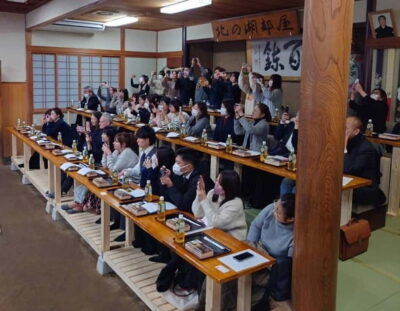 ★ 4.8Sumo Show and Dining ExperienceFrom $792,742 reviews
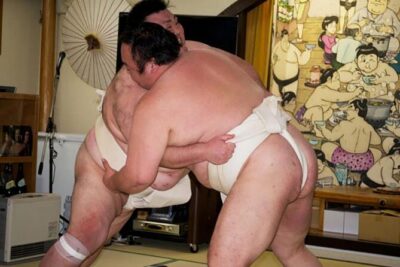 ★ 5.0the SUMO showFrom $891,960 reviews
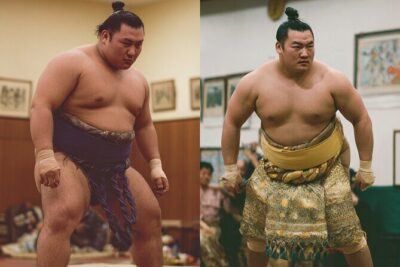 ★ 5.0Tokyo Shinjuku Sumo Show & Experience with PhotoFrom $791,750 reviews
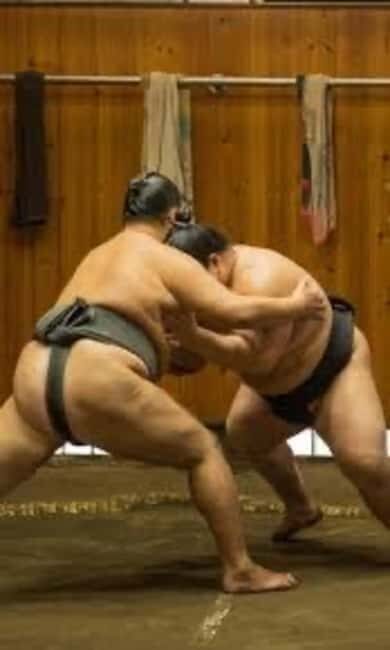 ★ 4.8Sumo Show and Experience in ShinjukuFrom $691,001 reviews
 ★ 5.0Authentic Sumo Experience in Tokyo: Enter the SanctuaryFrom $171603 reviews
 ★ 4.8Tokyo Sumo Experience: Chanko & Mochi with a Former ProFrom $103567 reviews
 ★ 5.0Ultimate Sumo Tournament: Tokyo, Osaka, Nagoya, FukuokaFrom $184468 reviews
Browse the lists this tour appears in