
Reviewed · SHINJUKU BAR HOPPING
Tokyo Private Art Tour in Kagurazaka Shinjuku with Licensed Guide
Art history hits different here.
This private tour strings together Tokyo’s Edo-era imagination and modern design in a tight, walk-friendly loop, with a licensed guide to connect the dots. I especially love the Yayoi Kusama Museum stop, because the guide adds human context before you even look closely at the art. I also like how the route mixes art with real places you can still feel today, from architecture to shrines, rather than treating everything like a museum label hunt.
One possible drawback: the Kusama museum is the most structured part, so if you’re not into her work, the rest of the time becomes more about atmosphere and explanation than “big-ticket” sights.
In This Review
- Key highlights worth planning for
- Why Kagurazaka–Shinjuku feels like Tokyo in miniature
- The 2:30 pm start: pacing, meeting points, and how not to stress
- Yayoi Kusama Museum: a full hour where the guide sets the context
- Akomeya Tokyo and Kengo Kuma: architecture you can feel with your eyes
- Akagi Shrine: modern style in a sacred setting
- Kagurazaka: Edo traces meet a more polished Parisian mood
- Ushigome Mitsuke near Idabashi: samurai-era heritage in plain sight
- Licensed guide value: what you’re paying for beyond admission
- Price and value: $46.05 for a museum ticket plus a focused art route
- What to expect day-of: the rhythm and the kind of questions you’ll want
- Who this tour suits best (and who might find it less useful)
- Should you book this private art tour in Tokyo?
- FAQ
- How long is the Tokyo private art tour?
- What stops are included?
- Is the museum admission ticket included?
- Where do I meet and where does it end?
- Is this tour private?
- Do I get a ticket on my phone?
- What is the cancellation policy?
Key highlights worth planning for
- Yayoi Kusama Museum with admission included and about one full hour to slow down
- A licensed guide who brings background on art, Edo-era culture, and what you’re seeing
- Akomeya Tokyo’s architecture by Kengo Kuma (a design stop, not just a quick photo stop)
- Akagi Shrine’s modern take on a traditional setting, where the contrast is the point
- Kagurazaka’s Edo-to-Paris vibe, mixing old traces with a more polished feel
- Ushigome Mitsuke near Idabashi, tying the walk to samurai-era heritage
Different nights, same neon: more Shinjuku crawls
- Tokyo: Shinjuku Food Tour (13 Dishes at 4 Local Eateries)★ 5.0 · 6,603 reviews
- Tokyo Bar Hopping Tour in Shinjuku (All-You-Can-Drink + Dinner)★ 5.0 · 3,587 reviews
- Tokyo: Shinjuku Food Tour (15 Dishes and 4 Eateries)★ 4.9 · 2,033 reviews
Why Kagurazaka–Shinjuku feels like Tokyo in miniature
Tokyo can be noisy with options. This experience cuts through that with a clear theme: art as a way to understand Tokyo’s layers. You’re not bouncing randomly across the city; you’re moving through a sequence of places where meaning builds stop by stop.
What makes it work is the balance. You get one anchor location with admission included, plus several free, walkable stops that add texture. You’ll come away seeing Tokyo (Edo roots, modern design, and cultural rituals) as one connected story.
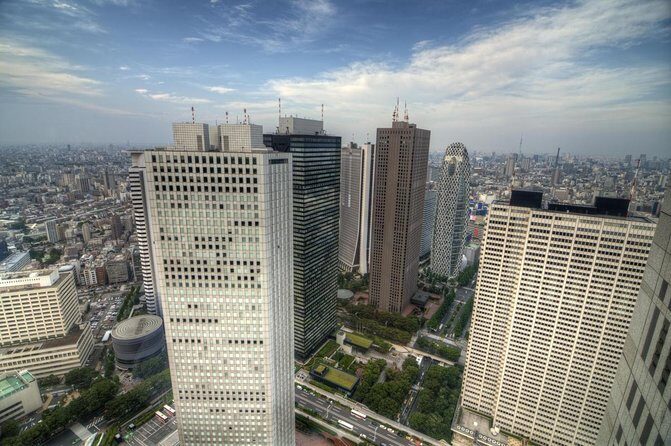
And yes, you’ll notice the neighborhood shift. Kagurazaka is known for an older mood, while Shinjuku’s energy is always close by, so the contrast stays in your mind as you walk.
The 2:30 pm start: pacing, meeting points, and how not to stress
The tour starts at 2:30 pm. Your meeting point is at FamilyMart Evergrace Haramachi, in Shinjuku (Haramachi, 1-chōme). Ending is at Fujimi in Chiyoda, with the final stop near Idabashi Station on the JR line.
That end point detail matters. If you’re using JR to get out for your next plan, you’re dropped near an easy connection rather than backtracking across the same streets.
Because the whole experience runs about 2 hours 30 minutes, pacing is part of the deal. Expect a mix of short visits (often 20–30 minutes) plus one longer museum block. Wear comfy shoes. This is a walking-and-looking tour, not a sit-and-watch show.
Yayoi Kusama Museum: a full hour where the guide sets the context
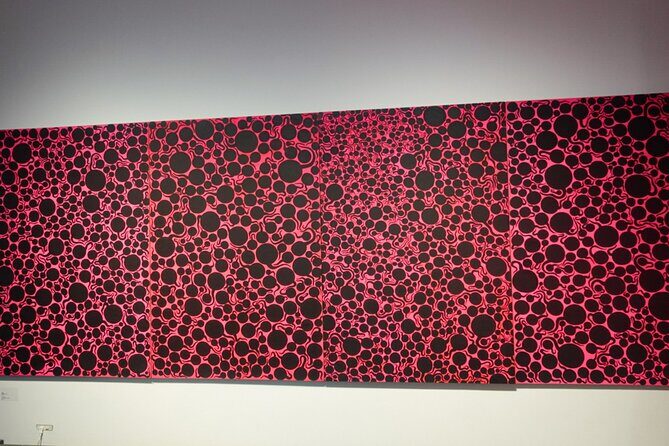
Your first stop is the Yayoi Kusama Museum, with about one hour and the admission ticket included. This is the moment when the tour becomes about seeing, not just passing by.
The big value here is the lead-in. The guide explains Kusama’s background, so when you look around, you’re not starting from zero. Instead, you can match themes you notice with the human story behind them—how an artist thinks, not just what she makes.
A practical note: museums like this can be visually intense. I like that the tour doesn’t rush you out after a quick look. One hour gives you room to step back, re-check details, and decide what you personally respond to.
Akomeya Tokyo and Kengo Kuma: architecture you can feel with your eyes
Next you stop at Akomeya Tokyo for about 20 minutes. Admission is free, and the standout here is the building design by Kengo Kuma, a globally known architect.
This is the kind of stop that’s easy to miss if you’re only hunting for landmark names. But design-driven architecture changes the whole walking experience. Even without a “tourist checklist” feeling, the building’s shape, materials, or layout can make you look at the street differently once you step back outside.
I like that it’s short. In 20 minutes, you get the architectural “why,” then move on before the tour loses momentum. It keeps the day balanced: art ideas, design thinking, then cultural context.
More days made easy by a guide

Akagi Shrine: modern style in a sacred setting
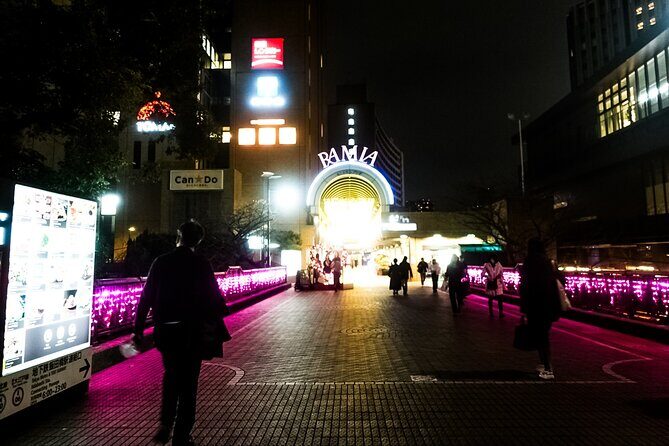
You then visit Akagi Shrine for about 20 minutes. Admission is free, and the main hook is that it’s described as modern and sophisticated compared to what many people expect from a shrine setting.
That contrast is exactly why this stop is worth your time. You’ll be able to compare your preconceptions with what’s right in front of you. Tokyo often uses “tradition plus modern choices,” and this is a neat example in miniature.
If you enjoy noticing small shifts—how a place feels, how the space is arranged, how the mood changes—this stop will click. If you’re expecting a long cultural deep lecture, you’ll still get enough to reframe the area, but the emphasis stays on direct observation.
Kagurazaka: Edo traces meet a more polished Parisian mood
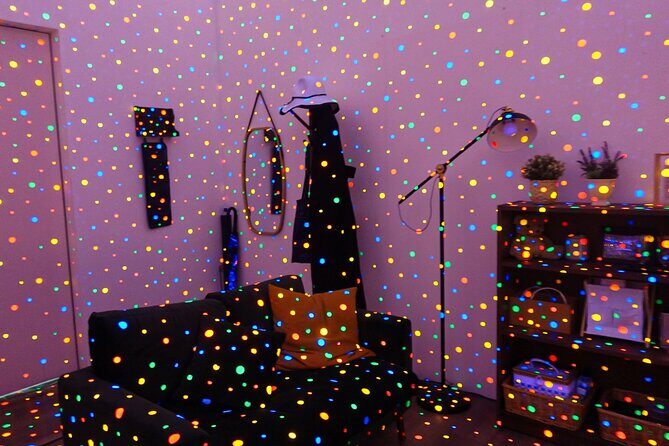
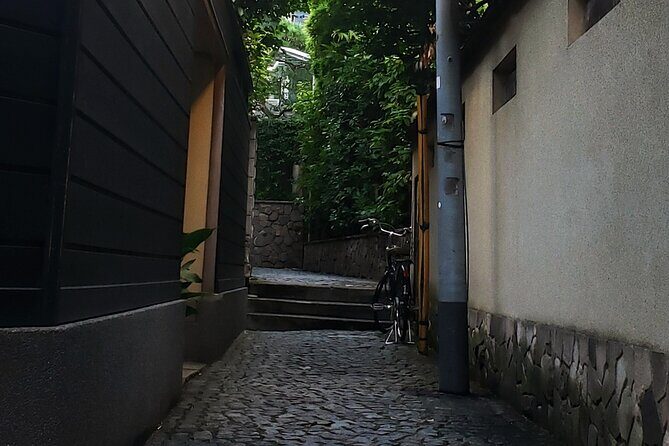
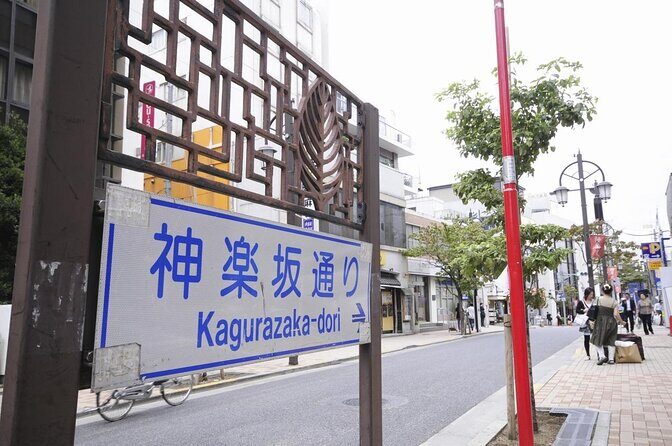
The longest outdoor segment after the museum is Kagurazaka, at about 30 minutes. Admission is free, and the tour highlights a specific vibe: Edo-period traces combined with a sophisticated Paris feel.
For me, Kagurazaka works as a “slow understanding” stop. It’s not just about taking pictures; it’s about letting the neighborhood character explain the theme. The Edo connection gives you the historical texture, while the more chic atmosphere helps you see how Tokyo reuses, reframes, and lives with the past.
A small piece of practical advice: bring patience for crowds and narrow streets. This area’s charm is partly in the way it’s built. You’ll likely spend time orienting, looking down side streets, and letting the guide point out what you might otherwise walk past.
Ushigome Mitsuke near Idabashi: samurai-era heritage in plain sight
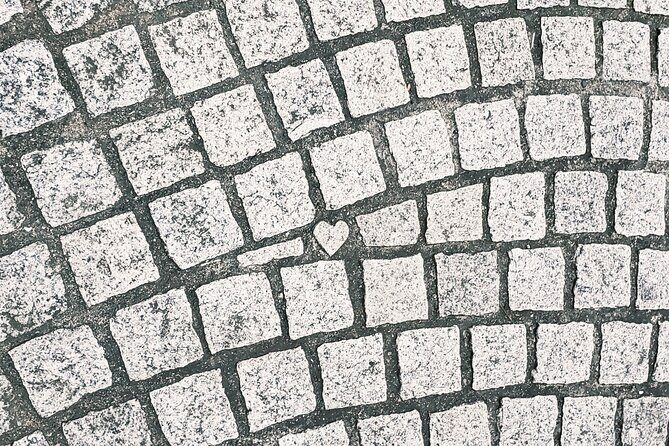
Your final stop is Ushigome Mitsuke, near Idabashi Station on the JR line. You’ll spend about 20 minutes there, and admission is free.
This is where the tour ties its Edo thread into a more specific heritage point. The guide explains the samurai-era legacy connection, and the area is associated with Edo Castle Ushigome-Mitsuke based on the tour’s end location.
I like ending here because it changes the feeling of the walk. Earlier stops are art and design. Here, you get a cultural anchor you can mentally store: Tokyo’s visual culture wasn’t created in a vacuum. It grew with political power, social roles, and the spaces people used in everyday life.
Licensed guide value: what you’re paying for beyond admission
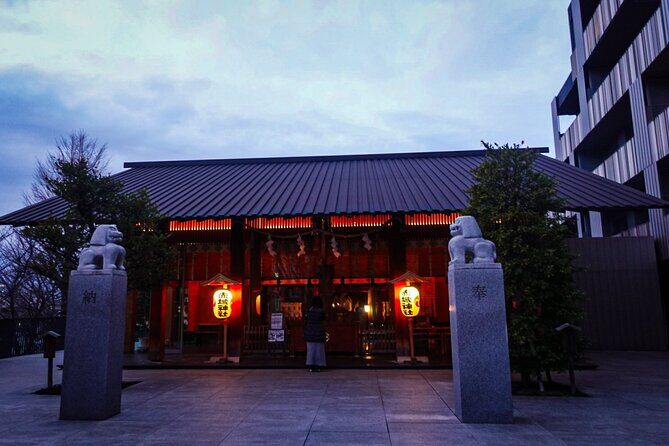
This is a private tour, meaning it’s just your group. That alone can change the experience. You’re not squeezed between strangers or stuck with a one-size-fits-all pace.
The licensed guide is the real multiplier. The tour is built around interpretation: how a museum theme connects to culture, how architecture links to how spaces shape people, and how shrine and neighborhood character reflect Tokyo’s layered identity.
One guide name you may see associated with this tour is Nao, described as easy to talk with and focused on explaining Kusama, plus history around shrines and temples. I can’t promise who you’ll get, but the style is clearly what the tour is aiming for: conversation plus context, not just pointing at labels.
Price and value: $46.05 for a museum ticket plus a focused art route
At $46.05 per person for about 2 hours 30 minutes, the pricing looks reasonable once you break down what’s included. You get private guiding and at least one paid admission item (the Kusama museum). The other stops are free, which helps you feel like you’re using time efficiently rather than buying your way from one paid gate to the next.
Another practical value point: the tour uses a mobile ticket, so you’re not juggling paper on the street. That matters more than it sounds when you’re trying to meet on a specific corner at 2:30 pm.
One more thing: this tour gets booked in advance (on average 46 days), which usually means people are planning carefully. If you’re traveling during a busy season, booking sooner is often your best bet for the exact time window you want.
What to expect day-of: the rhythm and the kind of questions you’ll want
Plan to split your attention between three modes:
- Museum looking (with explanation)
- Architecture and design viewing (with guided framing)
- Neighborhood atmosphere scanning (with cultural context)
Because some stops are short—often 20 minutes—you’ll want to ask the guide questions as you go. Good questions are simple: why this place looks the way it does, how it connects to Edo culture, or what theme to watch for at the next stop.
I also recommend you take one moment between stops to reset. Even if you’re excited, stepping back for 30 seconds helps you absorb what the guide is saying rather than just rushing to the next photo.
Who this tour suits best (and who might find it less useful)
This experience is a strong match if:
- You want a guided art explanation and not just self-guided wandering
- You’re a fan of Yayoi Kusama, or you’d like to understand what makes her work tick
- You like the idea of art reaching beyond galleries into shrines and neighborhoods
- You prefer a private format with a clear route and steady pacing
You might consider another option if your only goal is major, widely-famous Tokyo landmarks with lots of time inside them. This is more about connecting ideas than checking off the biggest structures.
Should you book this private art tour in Tokyo?
I think this is a good booking when you want a focused afternoon: one major art stop with admission included, then several free cultural stops that help the theme make sense. If you value context—why a shrine feels modern, why a Kengo Kuma building matters, why Kagurazaka carries Edo traces—your money goes to the right place: a licensed guide who can turn walking into understanding.
If you’re Kusama-curious, you’ll get the best payoff here. If you’re not, the tour can still be interesting, but it will lean more on atmosphere and design contrast than on art interpretation.
If that trade-off sounds fair to you, book it and plan for comfortable shoes and a calm pace.
FAQ
How long is the Tokyo private art tour?
It runs about 2 hours 30 minutes.
What stops are included?
The tour includes the Yayoi Kusama Museum, Akomeya Tokyo, Akagi Shrine, Kagurazaka, and Ushigome Mitsuke.
Is the museum admission ticket included?
Yes. Admission for the Yayoi Kusama Museum is included. The other listed stops have admission listed as free.
Where do I meet and where does it end?
You start at FamilyMart Evergrace Haramachi in Shinjuku. The tour ends at 2 Chome-9 Fujimi in Chiyoda, with the last spot near Idabashi Station on the JR line.
Is this tour private?
Yes. It’s private, so only your group participates.
Do I get a ticket on my phone?
Yes. The experience uses a mobile ticket.
What is the cancellation policy?
You can cancel for a full refund if you cancel up to 24 hours in advance of the experience start time.
More Tours in Tokyo




More Tour Reviews in Tokyo




Shinjuku After Hours: The Other Crawls


Fresh reviews from around Tokyo






Shinjuku Bar Hopping, compared.
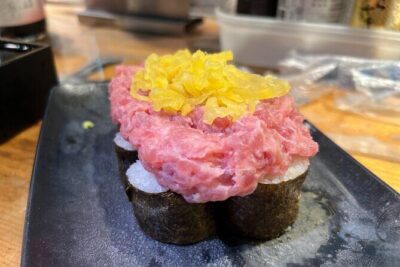 ★ 5.0Shinjuku Food Tour (13 Dishes at 4 Local Eateries)From $866,603 reviews
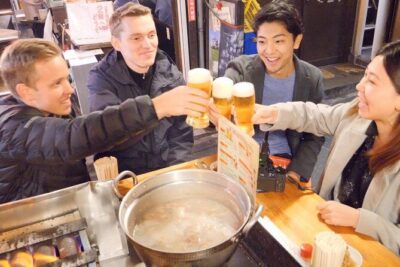 ★ 5.0Tokyo Bar Hopping Tour in Shinjuku (All-You-Can-Drink + Dinner)From $1063,587 reviews
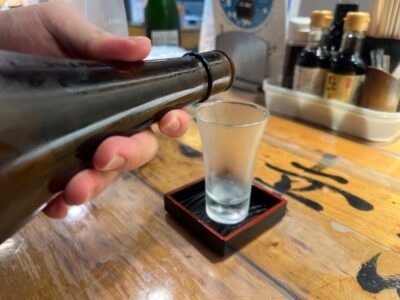 ★ 4.9Shinjuku Food Tour (15 Dishes and 4 Eateries)From $852,033 reviews
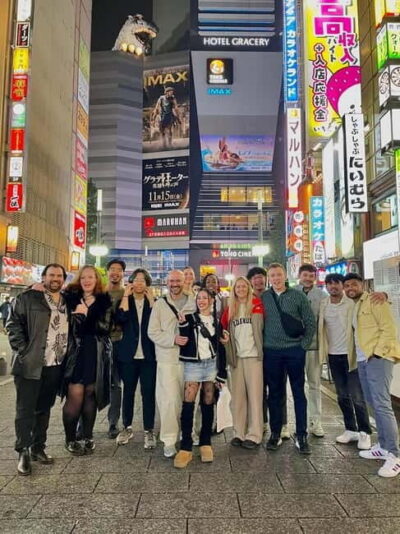 ★ 4.9Shinjuku Local Bar and Izakaya Guided Walking TourFrom $341,794 reviews
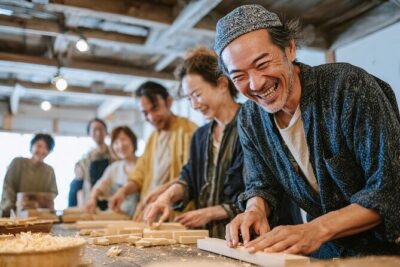 ★ 5.0Tokyo Shinjuku Chopsticks Making ClassFrom $201,763 reviews
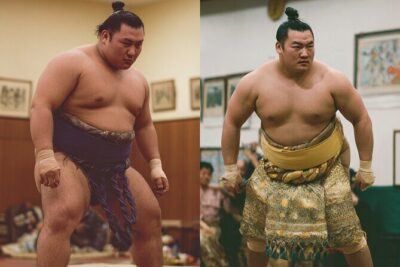 ★ 5.0Tokyo Shinjuku Sumo Show & Experience with PhotoFrom $791,750 reviews
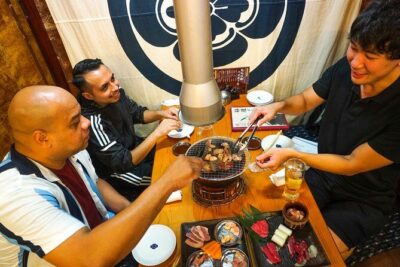 ★ 5.0Tokyo Night Foodie Tour in Shinjuku – Seasonal Sushi, Wagyu BeefFrom $1111,161 reviews
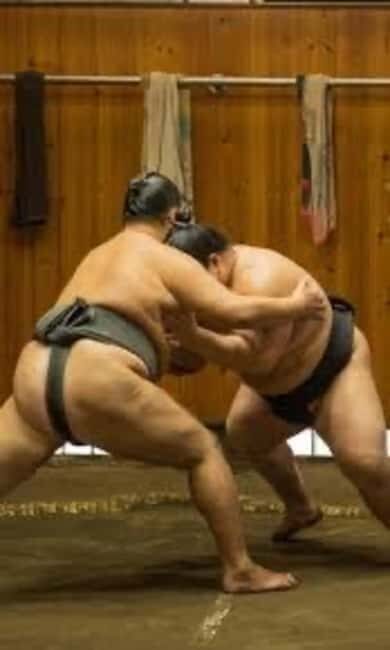 ★ 4.8Sumo Show and Experience in ShinjukuFrom $691,001 reviews
Browse the lists this tour appears in