
Reviewed · TOKYO
Tokyo: Imperial Palace and Shogun Historical Walking Tour
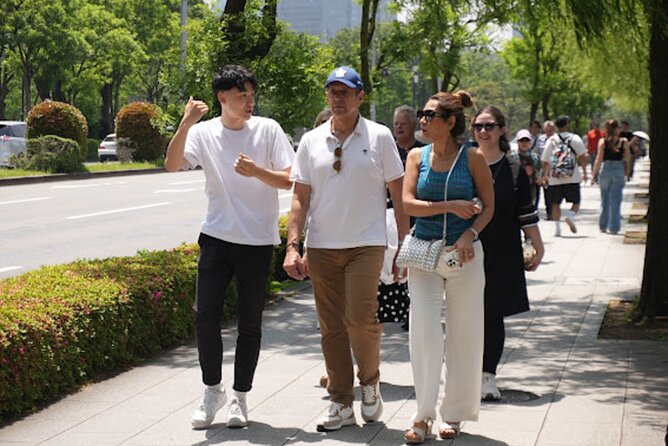
A palace walk that actually makes sense. I like having guide commentary so I am not stuck Googling names while I am staring at stone gates. You follow the story from the imperial family to the old Edo Castle grounds, and the route is designed for what you can really see on foot.
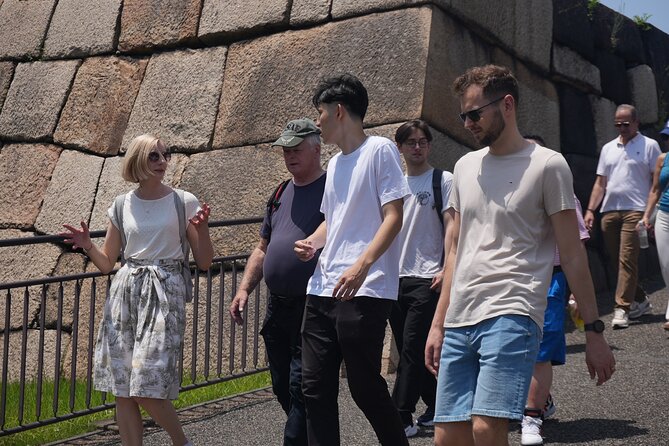
I love the small group size (up to 15), which keeps the pace relaxed and makes it easier to ask questions without feeling rushed. One thing to plan for: it is still a walking tour, and you may hit some slopes and outdoor waiting, so bring comfortable shoes.
In This Review
- Key takeaways before you go
- Why the Imperial Palace East Gardens work best on foot
- Getting there: the Starbucks meeting point and a smart start
- The walk through the Edo Castle ruins: where you slow down and look closer
- Ninomaru Garden: the calmer chapter you’ll remember
- How the guide changes everything (from shogun eras to everyday context)
- Timing and pace: what 2 hours feels like in real life
- Value check: is $22 worth it when the gardens can be free?
- Practical tips to make this tour smoother
- Who should book this walking tour
- Should you book the Tokyo Imperial Palace and Shogun Historical Walking Tour?
- FAQ
- What is the price of the Tokyo Imperial Palace and Shogun Historical Walking Tour?
- How long is the tour?
- How big is the group?
- Is this tour ticket-based or does it require a specific pass?
- Do I need to buy admission separately for the main site?
- Where do we meet for the tour?
- Is the meeting point near public transportation?
- When do I get confirmation?
- Is the tour suitable for most people?
- What is the cancellation policy?
Key takeaways before you go
- Edo Castle ruins, not just garden strolls: stone gates, remnants of castle walls, and the keep foundation are built into the route.
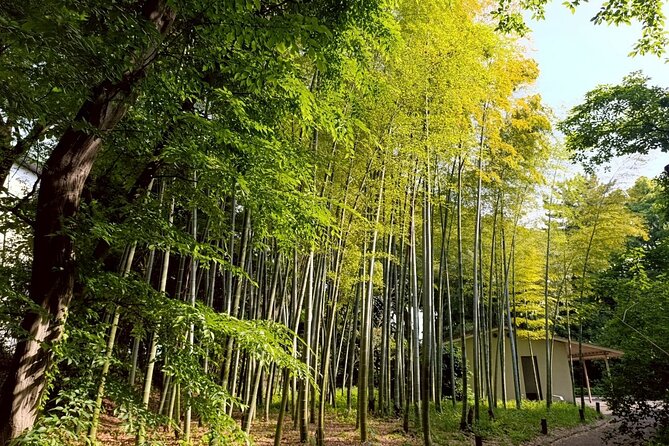
- Ninomaru Garden is a quiet payoff: seasonal flowers and tranquil ponds give you a calmer chapter of the walk.
- Guide storytelling is the real value: from shogun-era context to modern Tokyo connections, guides like Blake, Jim, Miguel, Tony, and Aya are praised for making details click.
- Admission is included for the main site: the East Gardens entry ticket is part of the tour.
- It stays manageable: about 2 hours total with a group capped at 15.
- You start at a real landmark: Starbucks Coffee at Kokyo Gaien Wadakura Fountain Park, near public transportation.
Before you commit, see how this one stacks up against a few Tokyo favourites:
- Mt Fuji and Hakone 1-Day Bus Tour Return by Bullet Train★ 5.0 · 26,383 reviews
- 1-Day Tokyo Bus Tour★ 5.0 · 14,250 reviews
- Tokyo: teamLab Planets TOKYO Digital Art Museum Entry Ticket★ 4.6 · 9,779 reviews
Why the Imperial Palace East Gardens work best on foot
This tour’s sweet spot is simple: you get history you can point to. The Imperial Palace East Gardens are beautiful, but without context they can blur together into pretty paths and walls. With a guide, you start recognizing what you are looking at and why it matters—especially the former Edo Castle grounds.
What makes it feel different from a typical sightseeing loop is the focus on details: stone gates, remnants of castle walls, and the keep foundation. You are not just moving through Tokyo’s most famous green space; you are walking through the layers of how power shifted in Japan, from shoguns and feudal lords into the imperial era.
Also, the pacing helps. This is a small-group experience, so you’re less likely to get swept along. If something sparks a question—architecture, daily life, or how the story connects to modern Tokyo—you can usually get a straight answer.
Getting there: the Starbucks meeting point and a smart start
You meet at Starbucks Coffee – Kokyo Gaien Wadakura Fountain Park (3-1 Kōkyogaien, Chiyoda City). It’s a friendly setup because it’s easy to spot and it gives you a clear place to regroup if your first train transfer leaves you winded.
Two practical tips that will save you stress:
- Arrive a few minutes early. There’s enough outdoor wandering around the area that you want time to find your group and confirm you are at the right point.
- Keep your phone handy for the mobile ticket. This tour uses a mobile ticket, so you do not need to hunt for paper.
The tour is listed as being near public transportation, which matters in Tokyo where one wrong exit can turn a quick ride into a slow hike. If you’re doing this on your tight itinerary day, allow extra buffer so you can still enjoy the first gates instead of sprinting toward them.
The walk through the Edo Castle ruins: where you slow down and look closer
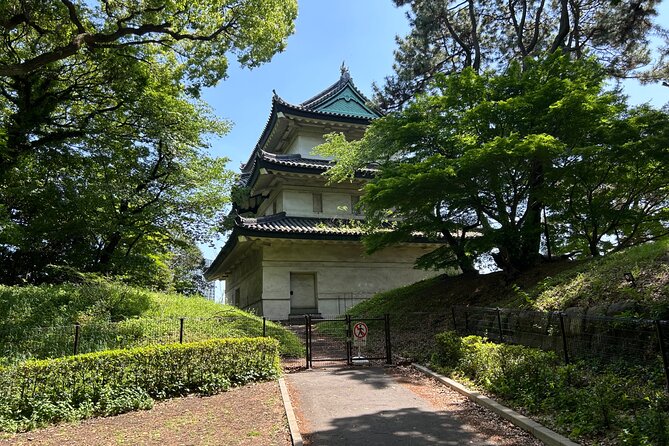
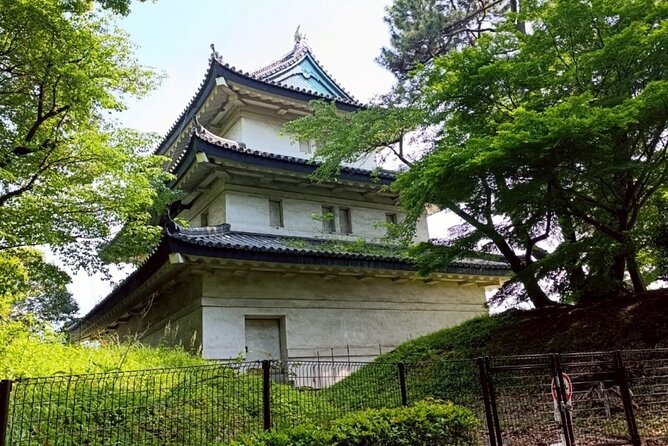
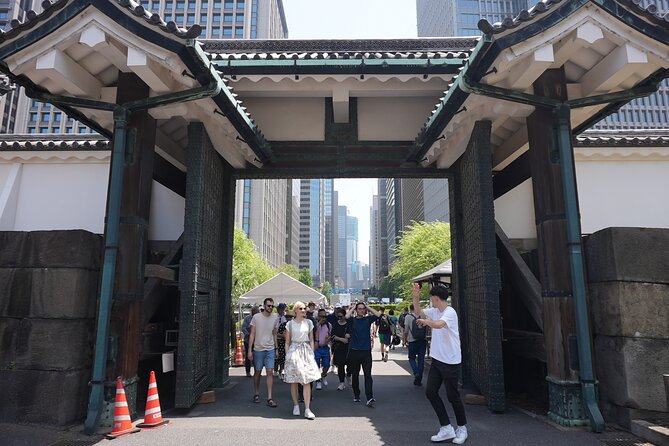
The main stop is the East Gardens of the Imperial Palace, tied directly to the Edo Castle ruin setting. That connection is what makes the tour more than a stroll. You’ll pass majestic stone gates, see remnants of towering castle walls, and walk into garden areas shaped by the samurai and imperial eras.
One of the best parts here is that the tour asks you to do one small mental trick: imagine life in the place, not just read about it later. When you stand near the foundation of the castle keep, it becomes easier to understand how major castles were organized and why certain spaces felt powerful in a way that a modern park just can’t replicate.
You’ll also spend time in Ninomaru Garden, with seasonal flowers and tranquil ponds. This is the “exhale” moment—after the heavier Edo Castle imagery, the garden side helps you reset. It’s also where you’ll notice the artistry of design, not because you memorized a manual, but because your guide helps you look at what is in front of you.
Possible drawback: this part can feel more like a history walk than a pure sightseeing loop. If you want only casual views and zero talking, the guide’s explanations will be a bigger factor than you might expect. If you enjoy making sense of what you see, this is exactly the right tempo.
Ninomaru Garden: the calmer chapter you’ll remember
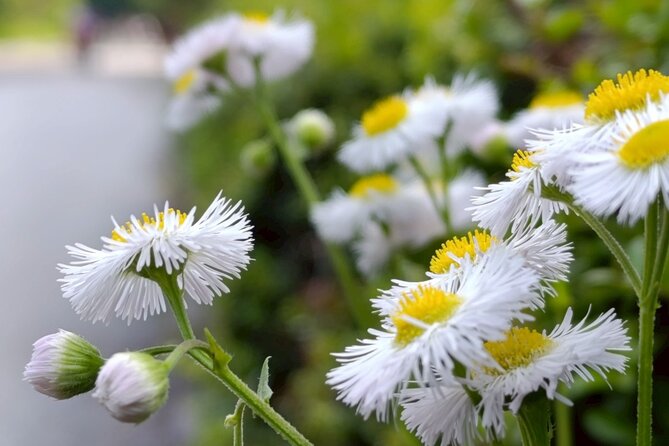
Ninomaru Garden is included as part of the East Gardens experience. It’s described with seasonal flowers and tranquil ponds, which means your visit can feel different depending on the time of year.
Even if you’re not a “flowers and ponds” person, don’t skip this stop just to check off the palace box. This garden portion gives contrast to the castle imagery. You shift from imagining fortifications and feudal power into the more refined, controlled serenity of Edo-period garden design.
When you have a guide, you’re not just taking photos. You’re learning how gardens functioned as cultural spaces—places meant to be experienced deliberately. That turns what could be a quick wander into something you’ll likely talk about later because it sticks to specific details you learned on site.





How the guide changes everything (from shogun eras to everyday context)
This is a history-forward tour, but it doesn’t feel like a lecture. The guiding theme is that you don’t have to research ahead of time. Instead, you walk with someone who can translate what you’re seeing into clear context: imperial family connections, the shogunate period, and the shift from feudal power structures to the later imperial era.
The group size helps here too. With fewer people, you can ask follow-up questions. Guides also seem to lean into engaging storytelling styles. In past groups, guides such as Blake and Jim were specifically praised for being engaging and making the information fun and informative. Miguel was noted for connecting stories about imperial history with both historical and modern Tokyo, while Aya was praised for making significance feel personal and patient with questions.
Important for your expectations: the quality can vary by guide, since this is a human-led experience. If you’re the type who wants your notes to feel perfectly detailed, you might find that some explanations go longer than you want. On the other hand, if you like asking questions and leaving with names, relationships, and a mental map of what happened where, the guide layer is the main reason this tour is worth it.
Timing and pace: what 2 hours feels like in real life
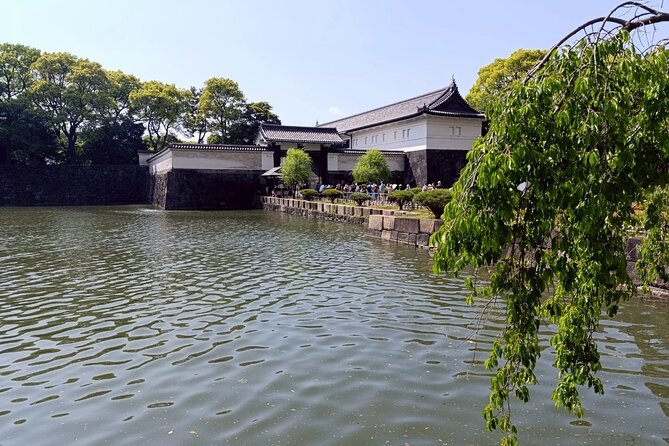
The tour runs about 2 hours (and the main garden visit portion is about 1 hour 30 minutes). Because it is outdoors and walking-centered, the “2 hours” includes real movement time plus time stopping at key points.
This is why shoes matter. One piece of feedback you should take seriously: there can be slopes. It isn’t described as a harsh hike, but it is not flat-city-walking either. If you’re coming from another museum and your feet are already protesting, wear the most reliable footwear you have.
Also, remember that you are outdoors. In warm weather, plan water and sun protection. In cooler or windy weather, bring a layer. Tokyo’s Imperial Palace area can be pleasant, but you’ll still feel the elements during a walking tour.
Because the group is capped at 15, the pace tends to stay manageable. You’re not trying to keep up with a bus-load. Still, it is not a slow meander. You’ll move through gates and garden segments while the guide explains what you’re seeing.
Value check: is $22 worth it when the gardens can be free?
Price is where this tour becomes a smart decision for the right person. At $22 per person, you are paying for:
- a guided route through the East Gardens focused on Edo Castle remnants
- interpretation so the stone gates, wall remnants, and keep foundation become meaningful
- and an admission ticket included for the main garden experience
You might also know that the Imperial Gardens can be visited for free. That means the real question is not whether you’re paying for entry—it’s what you’re buying with the guide. For me, the guide factor is the value lever. Without context, you might enjoy the scenery but miss the structure of the story: how the Edo-era layout connects to later imperial space, and why particular spots carry weight.
If you like history only in short bursts, you may feel $22 is too much. If you like learning on the go and you want the sites to make sense as you see them, this is priced like a bargain for the time and attention you get.
Practical tips to make this tour smoother
- Start early at the Starbucks meeting point so you’re relaxed, not rushed.
- Use your mobile ticket correctly so you are not fumbling at check-in.
- Ask questions about what you’re standing in front of. The tour is built for that small-group back-and-forth.
- Bring comfortable shoes because this is walking with some slope.
- Give yourself buffer time in case you have to coordinate if the meeting group shifts locations. (One past experience had a communication mix-up that cut into visit time, which is a reminder to stay proactive and contactable.)
Who should book this walking tour
Book it if:
- you want a relaxed small-group way to see the Imperial Palace East Gardens
- you care about the Edo Castle and shogunate context, not just pretty scenery
- you prefer guided explanation over DIY research
- you want an easy, memorable addition to a Tokyo history day
Consider skipping or doing it differently if:
- you dislike walking or you know you’ll struggle with outdoor slopes
- you only want quiet sightseeing and no structured storytelling
- you plan such a tight schedule that any delay would ruin the rest of your day
Should you book the Tokyo Imperial Palace and Shogun Historical Walking Tour?
If you’re even slightly curious about how Japan’s political power shifted—castle authority, shogun rule, and the imperial line—this tour is a strong pick. The value isn’t just the gardens; it’s the way a guide makes the stone gates, wall remnants, keep foundation, and Ninomaru Garden click into a single story you can carry with you.
My call: if you can walk comfortably for about two hours and you like learning while you sightsee, book it. It’s one of those Tokyo experiences that feels small in size but big in meaning because you leave with a map of what you saw, not just a handful of photos.
FAQ
What is the price of the Tokyo Imperial Palace and Shogun Historical Walking Tour?
The tour costs $22.00 per person.
How long is the tour?
The duration is about 2 hours.
How big is the group?
The tour has a maximum of 15 travelers.
Is this tour ticket-based or does it require a specific pass?
You receive a mobile ticket.
Do I need to buy admission separately for the main site?
An admission ticket is included for the East Gardens of the Imperial Palace.
Where do we meet for the tour?
The meeting point is Starbucks Coffee – Kokyo Gaien Wadakura Fountain Park, 3-1 Kōkyogaien, Chiyoda City, Tokyo 100-0002, Japan.
Is the meeting point near public transportation?
Yes, it is listed as being near public transportation.
When do I get confirmation?
Confirmation is received at the time of booking.
Is the tour suitable for most people?
It says that most travelers can participate.
What is the cancellation policy?
Free cancellation is available. You can cancel up to 24 hours in advance for a full refund.
More Tour Reviews in Tokyo



Fresh reviews from around Tokyo






Tokyo, compared.
 ★ 5.0Mt Fuji and Hakone 1-Day Bus Tour Return by Bullet TrainFrom $16326,383 reviews
 ★ 5.01-Day Tokyo Bus TourFrom $12914,250 reviews
 ★ 4.6teamLab Planets TOKYO Digital Art Museum Entry TicketFrom $259,779 reviews
 ★ 4.0Mt Fuji & Hakone Cruise, Drum Show Bullet Train 1 Day from TokyoFrom $1497,413 reviews
 ★ 5.0Shinjuku Food Tour (13 Dishes at 4 Local Eateries)From $866,603 reviews
 ★ 4.4Tokyo Mt Fuji 5th St & Hakone Cruise Bus Tour w/Bullet TrainFrom $1545,024 reviews
 ★ 5.0Flagship 2-Hours Official Street Go-Kart Tour – Tokyo Bay ShopFrom $644,974 reviews
 ★ 4.5From Tokyo: Mount Fuji Full-Day Sightseeing TripFrom $684,970 reviews