
Reviewed · MT FUJI DAY TRIPS
Tokyo: Mt Fuji 3 Lakes Day Trip | 9-Guest Small Group
Quiet Fuji starts early. This 9-guest day trip is built around quieter, crowd-light viewpoints, not just the standard photo stops. I like that you get a smart mix of scenic lakes, a shrine stop that ties into Fuji lore, and seasonal scenery that changes through the year. The other thing I love is how the timing works: you spend long enough at each lake area to actually look, not just rush through.
One consideration: the fun add-ons are partly “choose and buy” territory. Some rides or museum visits require separate entry tickets, and the exact on-the-ground options can vary by season and access—so I’d plan for flexibility (and for a little extra walking on some days).
In This Review
- Key things to know before you go
- Why this Mt Fuji day trip feels quieter than the usual loop
- Pickup in Tokyo: where the van meets you and how timing really works
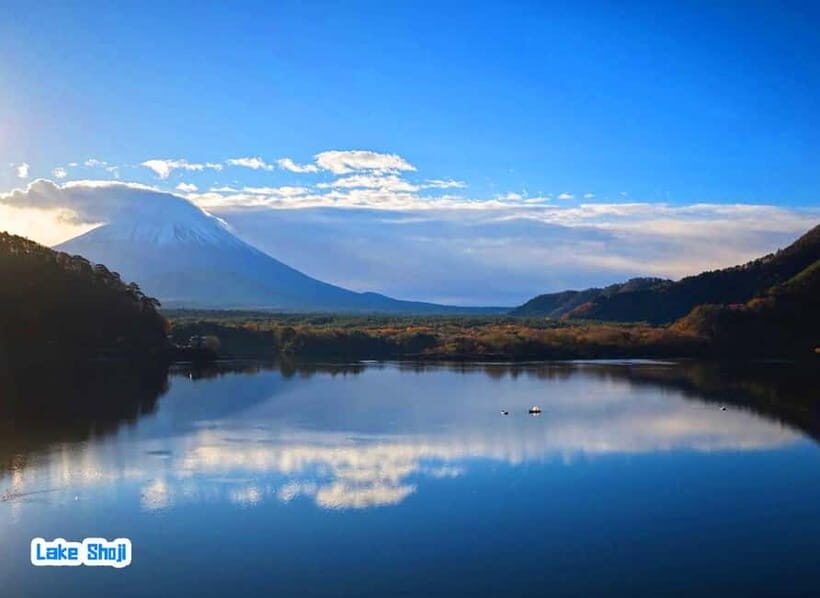
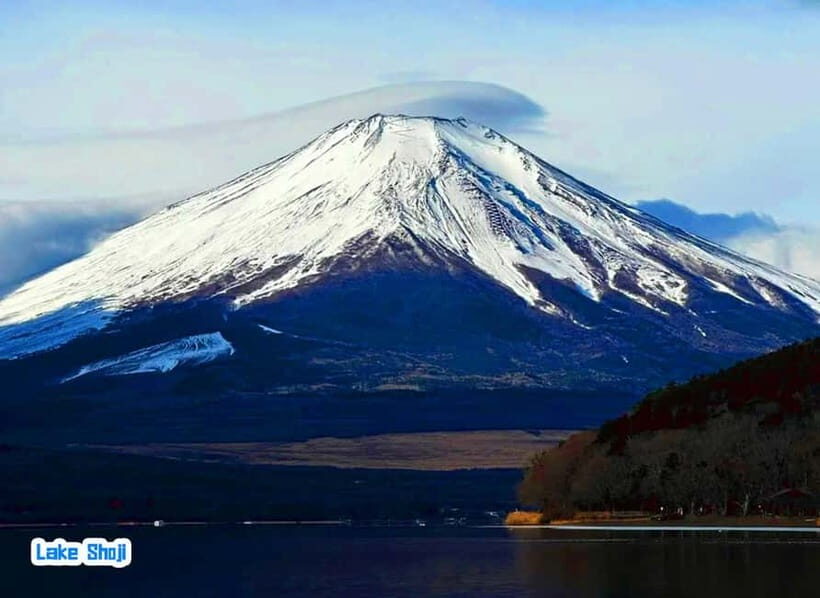
- Lake Shoji and Sengen Shrine: Fuji’s mirror, tuned to the season
- Oishi Park area (plus Lunch time): how the scenery shifts through the year
- Choose one from Lake Kawaguchi: cruise, ropeway, or Music Forest
- Option 1: Lake Kawaguchi cruise with Upside-Down Fuji views
- Option 2: Mt Kachikachi Ropeway and Tenjozan Park
- Option 3: Lake Kawaguchi Music Forest Museum
- Lawson photo stop and Hikawa Clock Shop: quick stops with character
- Hirano Beach at Lake Yamanaka: the higher-altitude calm
- Price and value: what $20 covers and what you still pay for
- Who this Mt Fuji 3 Lakes tour suits best
- Should you book this tour or not?
- FAQ
- FAQ
- Where do I meet the tour in Tokyo?
- What time does pickup happen and when do we return?
- How long is the tour?
- What’s included in the price?
- Are meals included?
- Do I have to pay for entry tickets?
- What should I bring?
- Are there restrictions on the trip?
- Who isn’t the tour suitable for?
Key things to know before you go
- Small-group pacing (9 guests) makes the whole day feel calmer than big-bus tours
- Three Fuji-lake viewpoints you won’t hit on most one-day circuits
- Seasonal swaps at Lake Shoji and the Oishi Park area keep the scenery changing by month
- Choose-one Lake Kawaguchi experience (cruise with samurai photos, ropeway with folklore stops, or Music Forest Museum)
- Photo heavy but not only photos: you also get Sengen Shrine and local culture moments
- Long day, early start: you’re out about 10 hours, and the day runs on a tight route plan
Other routes to the mountain, compared
- Mt Fuji & Hakone Cruise, Drum Show Bullet Train 1 Day from Tokyo★ 4.0 · 7,413 reviews
- Tokyo Mt Fuji 5th St & Hakone Cruise Bus Tour w/Bullet Train★ 4.4 · 5,024 reviews
- From Tokyo: Mount Fuji Full-Day Sightseeing Trip★ 4.5 · 4,970 reviews
Why this Mt Fuji day trip feels quieter than the usual loop
If you’ve ever done the “Mt Fuji day trip” thing and felt herded from one famous frame to another, this route is different. The day focuses on three lakes and their viewpoints with the goal of giving you the kind of Fuji you can actually enjoy. Lake Shoji is the star for quiet atmosphere, and Lake Yamanaka is where you go for that higher-altitude calm.
You also get a tour format designed for real sightseeing, not just a checklist. You’re in a van, not a bus, and the schedule is structured so you’re at each area long enough to wander. That matters around Fuji, because fog, wind, and cloud cover can change fast. If the weather cooperates, you want time to catch it at different angles.
Finally, the seasonal approach is practical. In spring you’re chasing cherry blossoms. In summer you’re looking for lush green and cultural festival energy. In autumn you’re hunting the warmer colors. In winter you’re hoping for snow clarity. The itinerary is built to swap in what fits the month.
Pickup in Tokyo: where the van meets you and how timing really works
This is one of those tours where the details decide whether your morning is smooth or stressful. You’ll get a guide’s direct contact and the van info (license plate number and vehicle type) the night before. Do check email and spam. Then save the phone number so you can message or call quickly.
Pickup runs from about 7:30 to 8:30 AM depending on where you’re staying. Confirmed pickup areas include these wards: Shinjuku, Chiyoda, Chuo, Shinbashi, Akasaka, Tamachi, Shiodome, Hamamatsuchō, Roppongi, and Taito. If you’re coming from the designated meetup spot, it’s JR Tokyo Station (Marunouchi North Exit).
Two practical rules:
- Be ready 5–10 minutes before pickup. Hotel lobbies are the waiting point.
- Late arrivals usually don’t get accommodated, so if you’re even a few minutes unsure, contact the driver-guide first.
No smoking or alcohol is allowed in the vehicle. That sounds small, but on a long ride it keeps things comfortable.
Lake Shoji and Sengen Shrine: Fuji’s mirror, tuned to the season
The day’s first big scenery break is Lake Shoji, about 10:00 AM. This is where you’re meant to slow down. Lake Shoji is often described as one of Fuji’s quieter mirrors, and the timing here gives you a better shot at clear views before the day warms up.
Seasonal atmosphere is the theme:
- Spring: cherry blossoms around the lake
- Summer: emerald forest tones
- Autumn: fiery foliage colors
- Winter: snow-dusted quiet
In August, there’s a chance to catch Suzumi-no-Matsuri, with taiko drums plus local street food. Even if you’ve seen festivals before, this one fits the Fuji setting in a way that feels place-specific rather than generic.
After the lake time, you’ll visit Sengen Shrine, a meaningful stop if you want to connect Mt Fuji to Japanese spiritual heritage. It’s not just “see a shrine.” It’s more like a short course in why Fuji matters culturally beyond being a scenic backdrop.
Oishi Park area (plus Lunch time): how the scenery shifts through the year
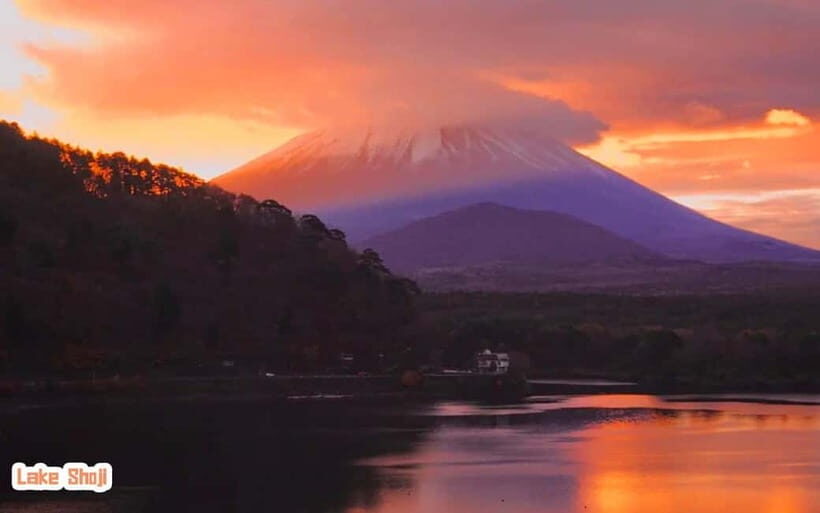
Around 11:30 AM, the tour moves to the Oishi Park area for roughly 150 minutes including lunch time. This is the core “seasonal scenery” block. The idea is to give you the right flower or winter-style look for your travel month, so you’re not stuck with the wrong season’s photos.
Expect swaps like:
- Lavender season (often Jun–Jul)
- Cosmos season (often Sep–Oct)
- Snow-style art or winter scenery (Dec–Feb)
There’s also a special callout window for the Lake Kawaguchi Cherry Blossom Festival (roughly Mar 25–Apr 15), when you can stroll under pink canopies and snack at festival stalls.
Here’s what I’d do when you get there: walk first, then return to your favorite view angle for photos. With Fuji, the clouds can play tricks. A second pass can be the difference between a blurry outline and a crisp mountain line.
Worth weighing up alongside this Tokyo pick:


Choose one from Lake Kawaguchi: cruise, ropeway, or Music Forest
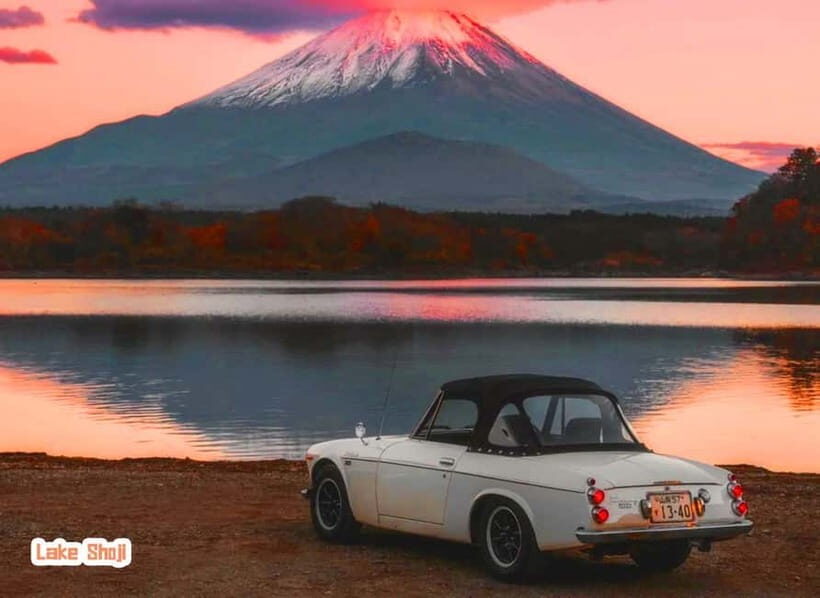
After Oishi Park, the schedule gives you one adventure from three options (that’s your choose-one block). This is smart because people have different “Fuji moods.” Some want water views. Some want panoramas and folklore. Some want quirky indoor time.
Option 1: Lake Kawaguchi cruise with Upside-Down Fuji views
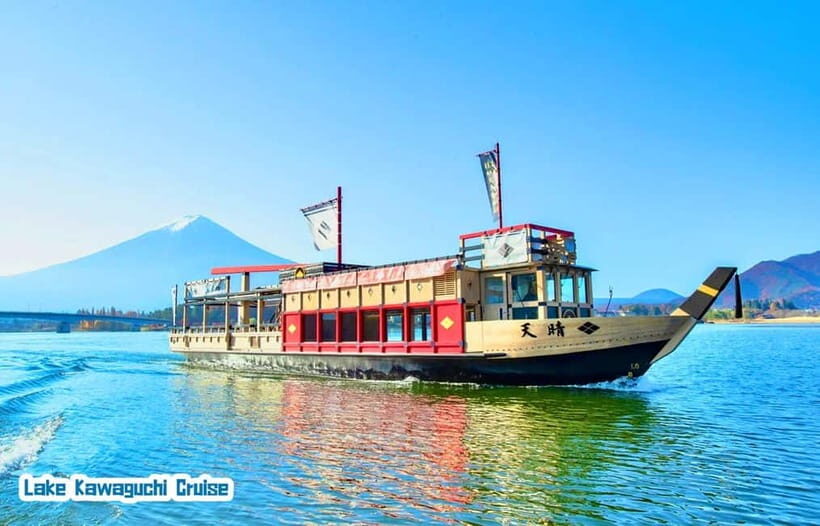
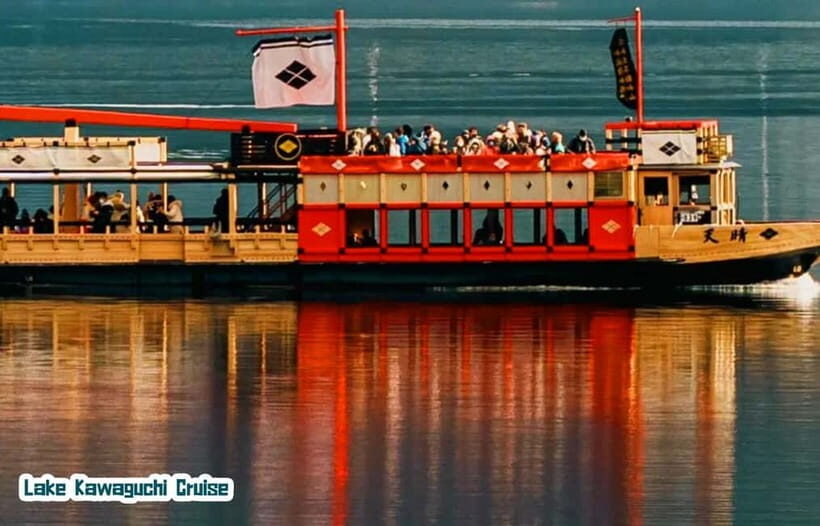
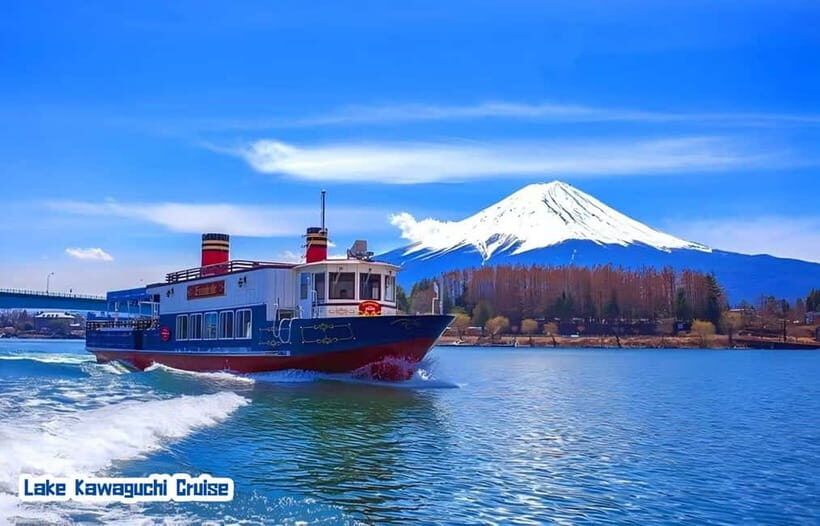
You might take a 20-minute cruise on the Tenkyo sightseeing boat, which is modeled after a 16th-century warship. The cruise is designed for photos, including the classic “Upside-Down Fuji” style reflections on the water.
You’ll also get photo-friendly touches like samurai-style outfits. If you’re traveling with mobility needs, this option is specifically listed as wheelchair-accessible.
Option 2: Mt Kachikachi Ropeway and Tenjozan Park
Another option is the Mt Kachikachi Ropeway to Tenjozan Park. It’s only about a 3-minute ride, but the real point is the viewpoint.
Tenjozan is folklore-themed, with things like:
- Rabbit and raccoon statues and shrines
- Kachi-Kachi grilled dango (sweet rice dumplings)
- Clay disc throwing for luck
- The Bell of Heaven, often a “couples ring it” moment
Even if you don’t buy souvenirs, this is a fun stop because it breaks up the day’s Fuji visuals with small, local-feeling experiences.
Option 3: Lake Kawaguchi Music Forest Museum
If you want a break from outdoors, the Lake Kawaguchi Music Forest Museum is a European-style garden with a strong “small quirky museum” vibe.
You’ll find antique music boxes and organs, including a Titanic replica. Weekend concerts may be scheduled, and there are lakeside dining and souvenir shops. If workshops are running, you can also try a music box-making activity.
Pick this option when the weather turns questionable. Indoors and sheltered time can save the day.
Lawson photo stop and Hikawa Clock Shop: quick stops with character
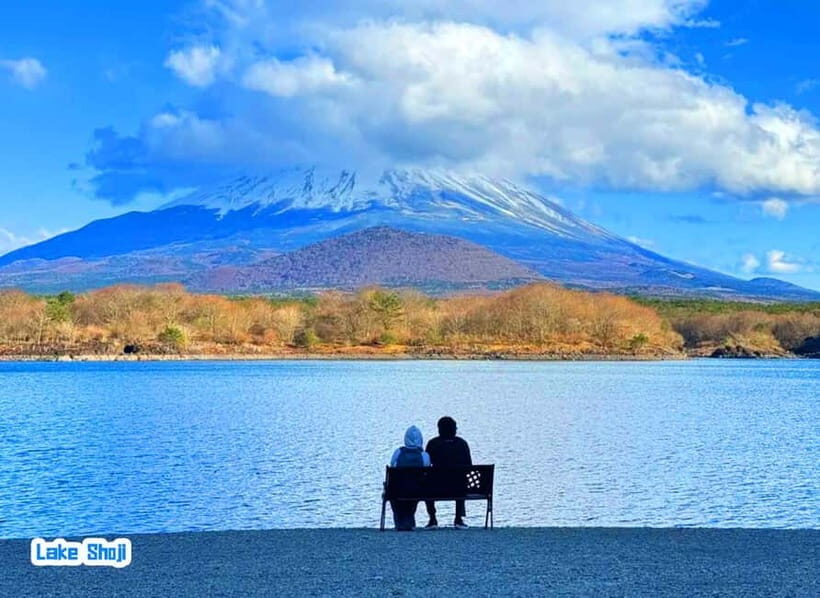
Around 2:10 PM, you’ll hit a quick, iconic photo moment: the viral Lawson store framing, where Fuji is positioned behind Japan’s famous convenience store sign setup. It’s short, but if you care about those “how did they frame that” shots, this is the moment.
Then at about 2:50 PM, the tour moves to Hikawa Clock Shop. This is a retro alley-style shop filled with 1,000+ handcrafted clocks. Weather matters for the Fuji view here, so don’t assume you’ll get the mountain line in every condition—but even without perfect weather, the shop setup is part of the fun.
This block is one of the reasons I like this itinerary: it’s not only scenery. It’s small local quirks that make the day feel more like Japan than a scenic drive.
Hirano Beach at Lake Yamanaka: the higher-altitude calm
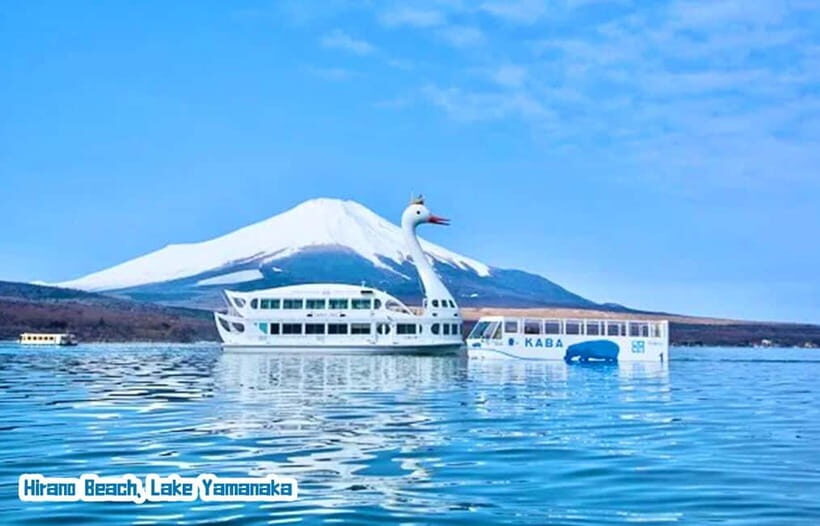
By around 3:20 PM, the day reaches Hirano Beach on Lake Yamanaka. This lake is described as Fuji’s highest-altitude lake, so you’re chasing that “quiet distance” feeling—and potentially a more dramatic perspective if the sky stays clean.
This is where golden hour can matter. The itinerary specifically highlights the “floating Fuji” illusion, which is the kind of effect you only notice if you’re looking from the right shoreline angle as light changes.
Plan to just stand, watch, and reset your eyes after a long van day. You’ve done the big viewpoints already; this is the decompress point.
Price and value: what $20 covers and what you still pay for
At around $20 per person, the base value is strong for what’s included: van transportation, the driver service, and the day’s full 10-hour tour window, plus fuel, tolls, and parking.
What isn’t included is important for budgeting:
- Meals
- Entry tickets for options like the ropeway, cruise, or museum
- Any extra self-expenses
So the real cost picture is: you’re paying for the drive and the curated route, then deciding which of the “choose-one” add-ons you want and paying that entry separately. For some people that’s a perfect match. For others, the total day cost depends on weather and which option you choose.
Also note the day is tightly scheduled. Some stops can feel like they’re allotted generously, and if you’re not a slow-walker, it can be a little time-heavy. On the other hand, if you want time to linger at Fuji angles, that extra minutes buffer is helpful.
Who this Mt Fuji 3 Lakes tour suits best
This tour is a good fit if you want:
- A small-group Mt Fuji experience without feeling stuck in a crowd at each viewpoint
- Seasonal scenery (flowers, festival energy, or winter looks) rather than one fixed route
- A mix of outdoor lakes + one culture/lore stop (Sengen Shrine) + light indoor variety
It may not be your best choice if you:
- Want a super flexible, slow travel day with lots of free time (this is scheduled)
- Need very relaxed timing around changing access or options (the plan can shift with conditions)
There are also clear suitability notes: it’s listed as not suitable for pregnant women, people with heart problems, and people over 70. If any of those apply, look for a less physically demanding option.
Should you book this tour or not?
If your goal is to see Mt Fuji from multiple angles and you like the idea of swapping scenery by season, I’d say yes—especially given the small-group size and the inclusion of the driving, routing, and long scenic blocks.
Book it if you’re okay with two truths:
1) You’ll likely pay separate entry tickets for the choose-one adventures.
2) The exact experience can change slightly based on what’s running and how access works that day.
Skip it if you need maximum spontaneity or you strongly prefer only free viewpoints with no add-on decisions.
FAQ
FAQ
Where do I meet the tour in Tokyo?
If you’re joining from the meetup package, you meet at JR Tokyo Station (Marunouchi North Exit). For many guests, the tour also offers hotel pickup in listed wards, with confirmed pickup locations including Shinjuku, Chiyoda, Chuo, Shinbashi, Akasaka, Tamachi, Shiodome, Hamamatsuchō, Roppongi, and Taito.
What time does pickup happen and when do we return?
Pickup happens roughly between 7:30 AM and 8:30 AM. The tour returns to JR Tokyo Station or to your original pickup location by around 6:00 PM.
How long is the tour?
The tour runs for about 10 hours total.
What’s included in the price?
Included are transportation by van, driver service, and coverage of fuel, tolls, and parking fees. The tour is also listed as (EN/CHI) guides provided.
Are meals included?
No. Meals are not included.
Do I have to pay for entry tickets?
Yes. Entry tickets for places like the ropeway, cruise, or museum are not included, so you should budget extra.
What should I bring?
Bring comfortable shoes, water, and comfortable clothes.
Are there restrictions on the trip?
Smoking and alcoholic drinks in the vehicle are not allowed.
Who isn’t the tour suitable for?
It’s listed as not suitable for pregnant women, people with heart problems, and people over 70 years.
More 1-Day Tours in Tokyo
More Tour Reviews in Tokyo





The Fuji Shortlist: Other Days Out to the Mountain


Fresh reviews from around Tokyo






Mt Fuji Day Trips, compared.
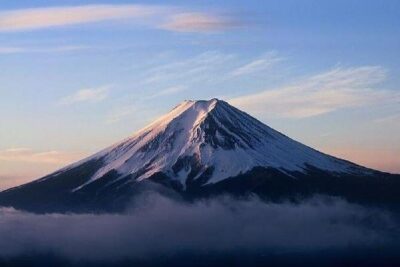 ★ 4.0Mt Fuji & Hakone Cruise, Drum Show Bullet Train 1 Day from TokyoFrom $1497,413 reviews
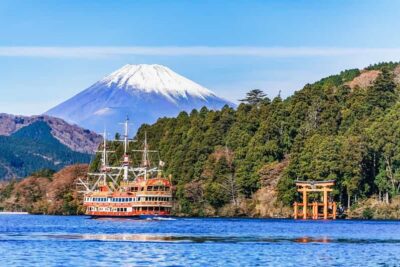 ★ 4.4Tokyo Mt Fuji 5th St & Hakone Cruise Bus Tour w/Bullet TrainFrom $1545,024 reviews
 ★ 4.5From Tokyo: Mount Fuji Full-Day Sightseeing TripFrom $684,970 reviews
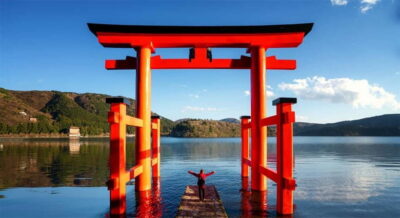 ★ 4.7Mt. Fuji Tour, Hakone Ropeway, Owakudani, Lake AshiFrom $544,002 reviews
 ★ 5.0Private Tour to Mt. Fuji and Hakone (Fully Licenced Operator)From $4971,910 reviews
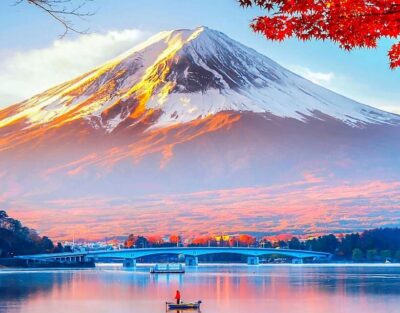 ★ 4.9Mount Fuji Full-Day Private Tour from Tokyo (Customizable)From $3931,470 reviews
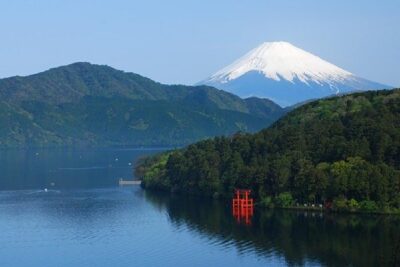 ★ 4.0Mt Fuji & Hakone Cruise, Drum Show Bus 1 Day from TokyoFrom $1221,287 reviews
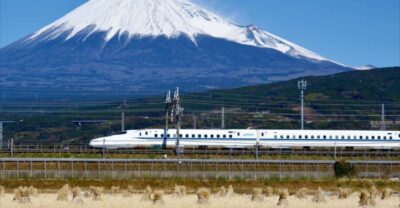 ★ 4.2From Tokyo: Mt. Fuji & Hakone Tour w/ Return by Bullet TrainFrom $1171,278 reviews
Browse the lists this tour appears in