
Reviewed · MT FUJI DAY TRIPS
Tokyo: Mount Fuji Day Trip with Scenic & Local Stops
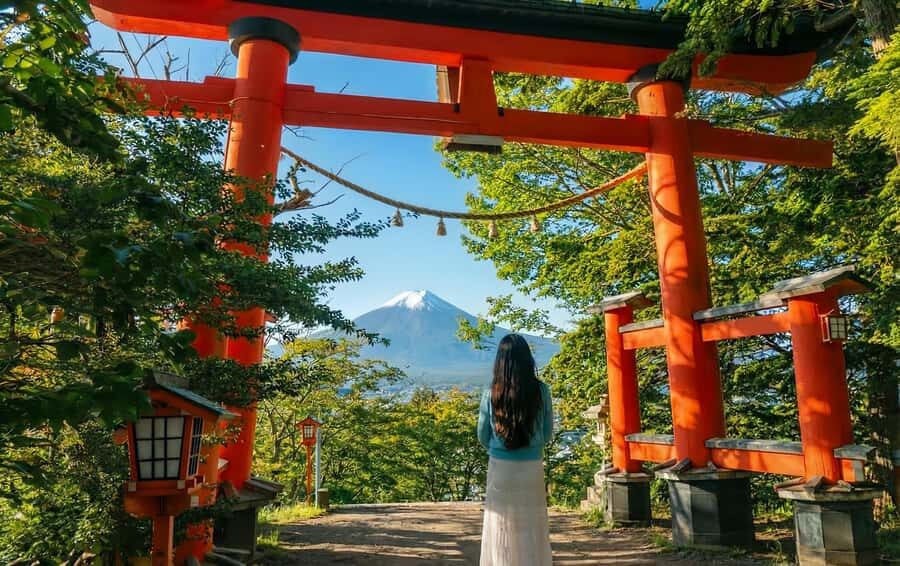
Fuji in one day hits different. This tour strings together six classic photo stops around Mount Fuji with a bilingual English-Chinese guide who also gives practical photography help. I especially like how the day is built around real viewpoints you can work with, starting at Niikurayama Asama Park where the mountain often dominates the frame.
The other thing I love is the hands-on photo coaching at Hikawa Clock Shop, where you learn how to set up the famous clock-tower + Fuji look. One possible drawback: the schedule is full, so if Mount Fuji is socked in by clouds, you’ll still see a great day—but you can’t force a perfect view on demand.
In This Review
- Key Takeaways Before You Go
- Why This Mount Fuji Day Trip Works (Even When Weather Has Ideas)
- The Full-Day Flow from Tokyo: 10 Hours, 6 Fuji Photo Missions
- Niikurayama Asama Park: Hilltop Panoramas and Composition Tricks
- Hikawa Clock Shop: The Retro Facade Photo Tutorial
- Oshino Hakkai: UNESCO Springs and Easy Strolls
- Lake Kawaguchi: Reflections, Mirror Days, and Seasonal Shot Options
- Fuji Lawson Store: Blue-White Logo Photos and Fuji Snacks
- Lake Yamanaka Swan Feeding: A Calmer End to the Day
- Guide Quality and Group Size: Bilingual Help Without the Chaos
- What to Bring, What to Skip, and How to Keep Your Day Smooth
- Price and Value at Around $44: What You Actually Get
- Should You Book This Fuji Tour?
- FAQ
- How many photo stops are included in the tour?
- Is a meal included?
- What language is the guide?
- Do I need special camera gear?
- Is it okay to eat or drink on the bus?
- Is Mount Fuji guaranteed to be visible?
- Is swan feeding suitable for children?
Key Takeaways Before You Go
- Bilingual English-Chinese guidance: you get cultural context plus photo setup tips, not just directions.
- Six structured Fuji photo stops: hilltop views, retro storefront shots, spring water scenery, and Fuji-lake reflections.
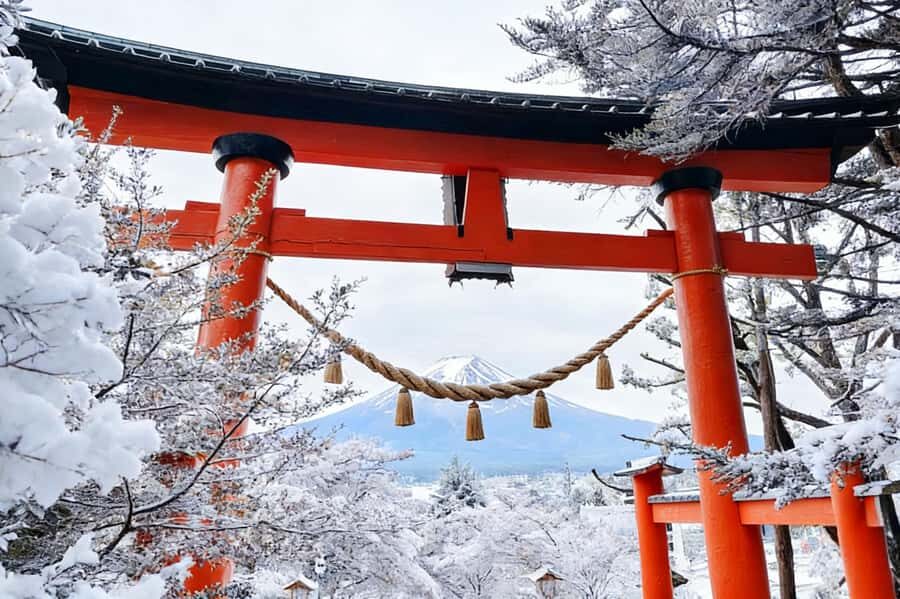
- Niikurayama Asama Park seasonal scenery: cherry blossoms in spring, fall foliage later, plus wide panoramas.
- Hikawa Clock Shop shot tutorial: help lining up the classic clock-and-Fuji composition.
- Lake Yamanaka swan feeding: an easy, calm moment to end the day at a human pace.
Other routes to the mountain, compared
- Mt Fuji & Hakone Cruise, Drum Show Bullet Train 1 Day from Tokyo★ 4.0 · 7,413 reviews
- Tokyo Mt Fuji 5th St & Hakone Cruise Bus Tour w/Bullet Train★ 4.4 · 5,024 reviews
- From Tokyo: Mount Fuji Full-Day Sightseeing Trip★ 4.5 · 4,970 reviews
Why This Mount Fuji Day Trip Works (Even When Weather Has Ideas)
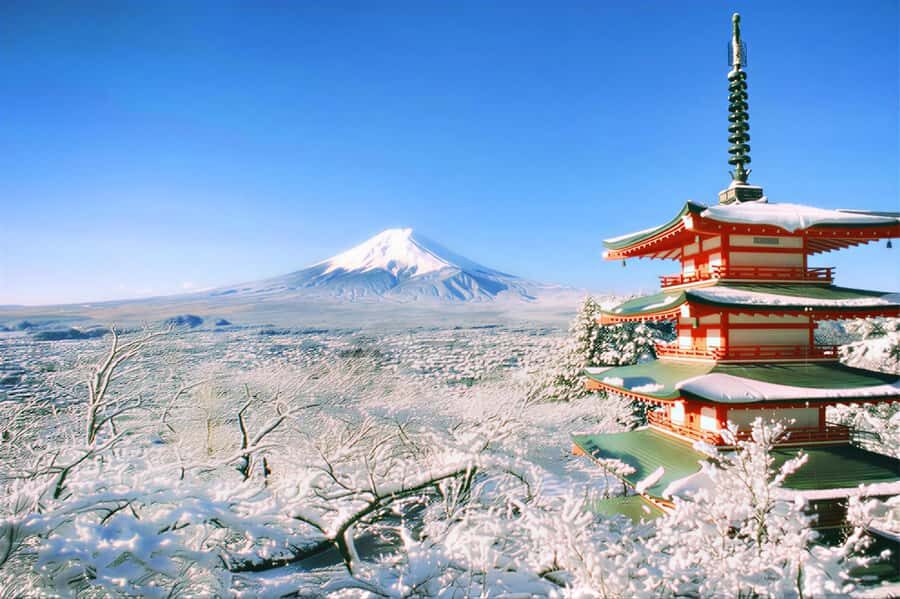
Mount Fuji is one of those places where the weather decides the mood. This tour doesn’t promise one magical shot no matter what the sky does, but it stacks the odds in your favor by visiting multiple viewpoints around the mountain.
I like that it’s not just sightseeing. You get a guide who talks about what you’re looking at and how to photograph it, so you’re not just standing there hoping the picture turns out. Plus, the day includes small moments that feel local, like spring treats and a gentle stop to feed swans.
The Full-Day Flow from Tokyo: 10 Hours, 6 Fuji Photo Missions
Plan for a long day. Most people experience it as roughly 10 hours total with round-trip transport from Tokyo, and the pace is intentionally brisk because the photogenic spots are spread out.
You’ll meet your guide at a starting point that can vary by option. Then you’ll move through the day in a logical loop, ending back near the meeting point. The driver/guide team also adjusts timing when traffic or closures happen, which matters a lot around popular areas and weekend crowds.
A key rule: the tour avoids eating in the vehicle. If you’re the type who likes to snack while traveling, you’ll want to save food breaks for the stops.
Niikurayama Asama Park: Hilltop Panoramas and Composition Tricks
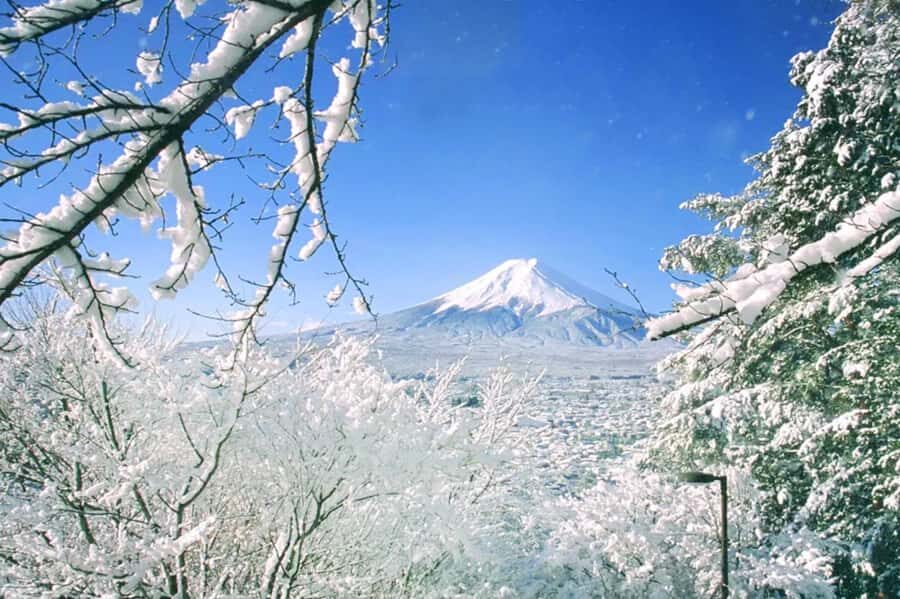
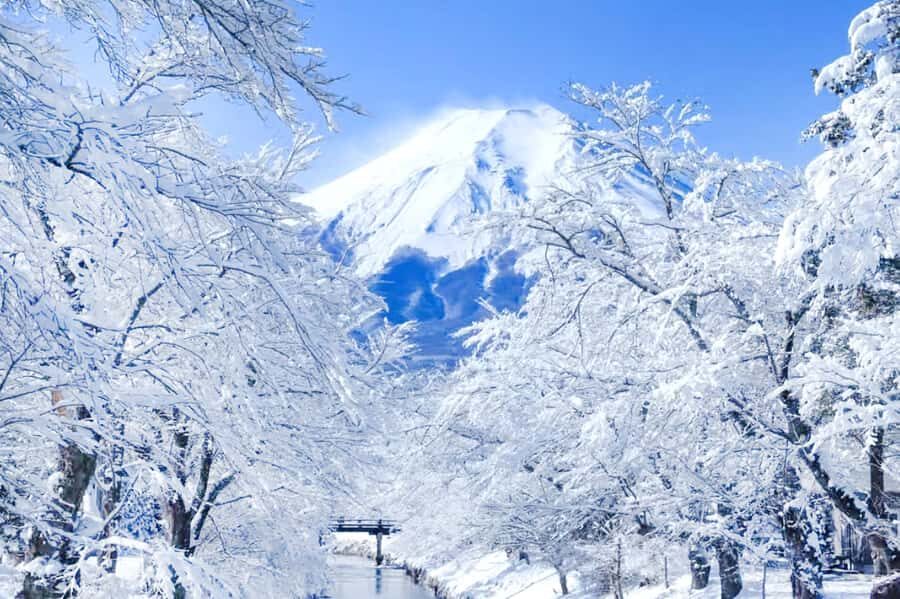
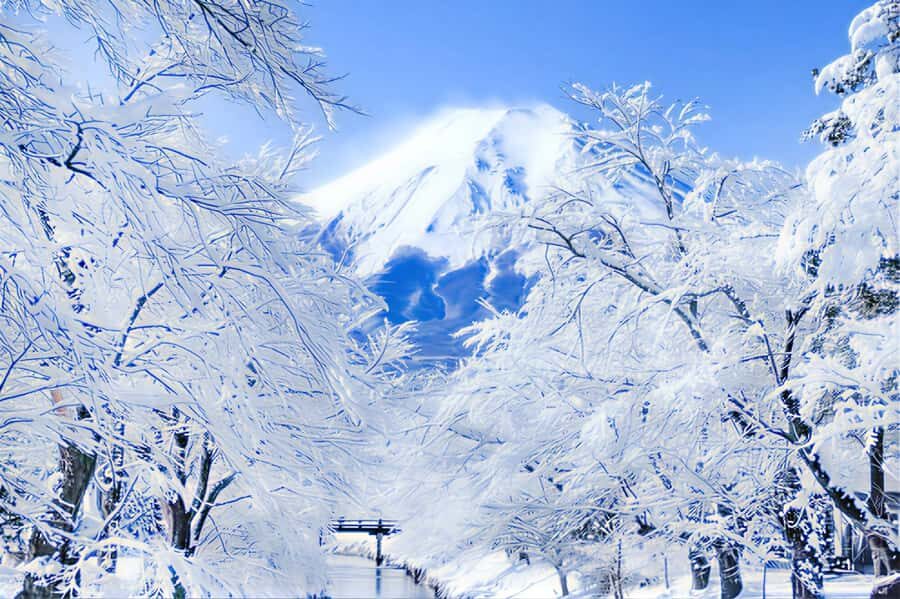
Niikurayama Asama Park is your first big “face-to-face with Fuji” moment. From the hilltop observatory, you look out over a wide scene where snow-capped Mount Fuji (when conditions allow) can feel close and dramatic.
This is also where the photography coaching pays off. You’ll get practical advice on composition—things like where to place the horizon and how to frame the mountain so it looks like the classic postcard shots rather than a small detail in the distance.
Seasonal timing is part of the appeal. In spring, you might catch cherry blossoms as a foreground layer; in autumn, the fall colors can add contrast. It’s one of those spots where even a “not-perfect” Fuji day can still photograph well if you focus on layers.
Gear note: bring a telephoto lens if you have one. It helps you compress the scene and make Fuji look bigger in your images from those viewpoints.
Hikawa Clock Shop: The Retro Facade Photo Tutorial
Next comes Hikawa Clock Shop, a place that feels tailor-made for Instagram—retro facade, big visual lines, and that iconic clock framing. The goal here is a recognizable shot where the clock tower and Mount Fuji line up in the same frame.
What makes this stop better than a quick photo stop is the setup help. Your bilingual guide gives a hands-on tutorial for the classic clock-and-Fuji composition, so you’re not guessing where to stand or how to angle your phone/camera.
This stop also has a fun “slow down for five minutes” vibe. You can take multiple versions: wider shots that show the building shape, and tighter frames that focus on the clock details and Fuji alignment.
Tip: wear shoes with grip. Some walkways and photo spots involve uneven ground or slopes, and your future self will thank you for not slipping while you’re lining up a shot.
Worth weighing up alongside this Tokyo pick:


Oshino Hakkai: UNESCO Springs and Easy Strolls
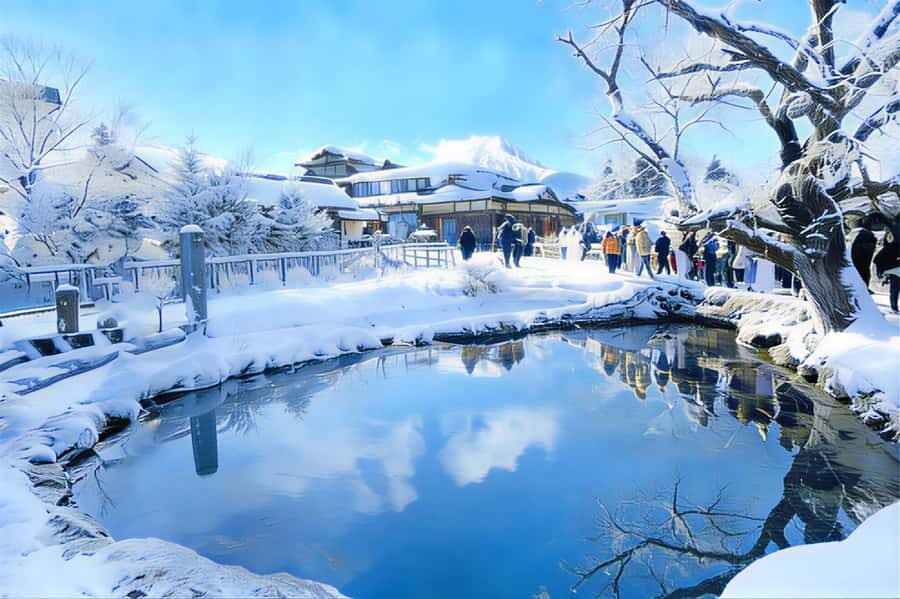
Oshino Hakkai is a different flavor from the viewpoints. Instead of chasing skyline drama, you get to slow down and focus on water: traditional village lanes plus clear spring-fed ponds.
The scenery here centers on natural springs with crystal-clear water, and the area is known for its traditional village atmosphere. You can wander along the ponds and look for reflections and texture, which is a nice change of pace after the hilltop and retro storefront stops.
The practical upside: it’s easier to photograph without needing the exact weather angle that Fuji demands. Even when the mountain is muted, water reflections and the village vibe can still give you strong images.
Lake Kawaguchi: Reflections, Mirror Days, and Seasonal Shot Options
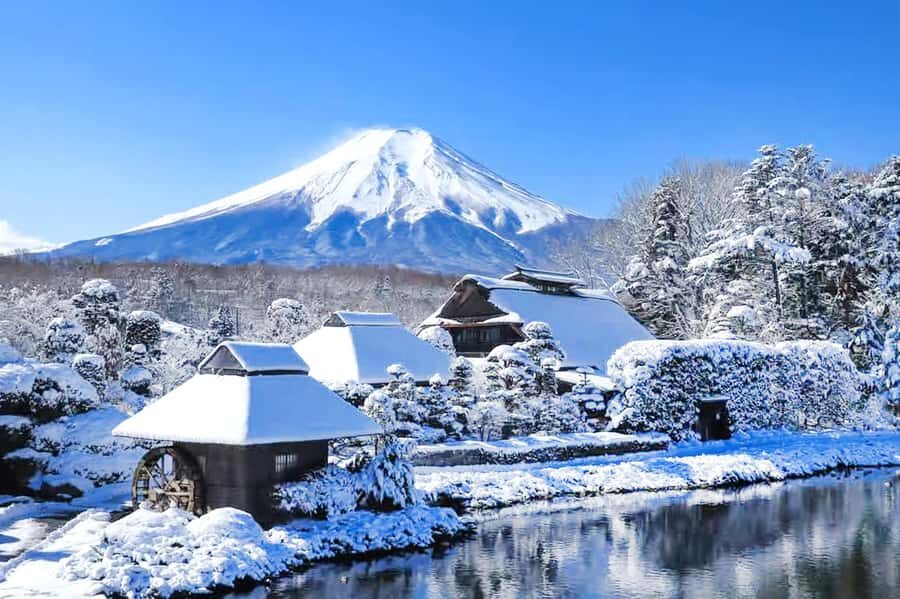
Lake Kawaguchi is one of the most photogenic of Fuji’s Five Lakes, and you’ll feel why fast. When the day is clear, you can chase mirror-like reflections where the mountain appears to float on the water.
When the sky is less cooperative, you’ll still have a beautiful lake setting and chances to frame Fuji from different angles around the shoreline areas you visit. The guide may also offer an optional shot approach for more dynamic pictures, depending on the season and conditions.
This stop is worth treating like your “main photography block.” If you’re going to swap lenses, check settings, and take your time, do it here. Don’t spend it all on one shot—take a few safe angles, then try your more dramatic ones.
Fuji Lawson Store: Blue-White Logo Photos and Fuji Snacks
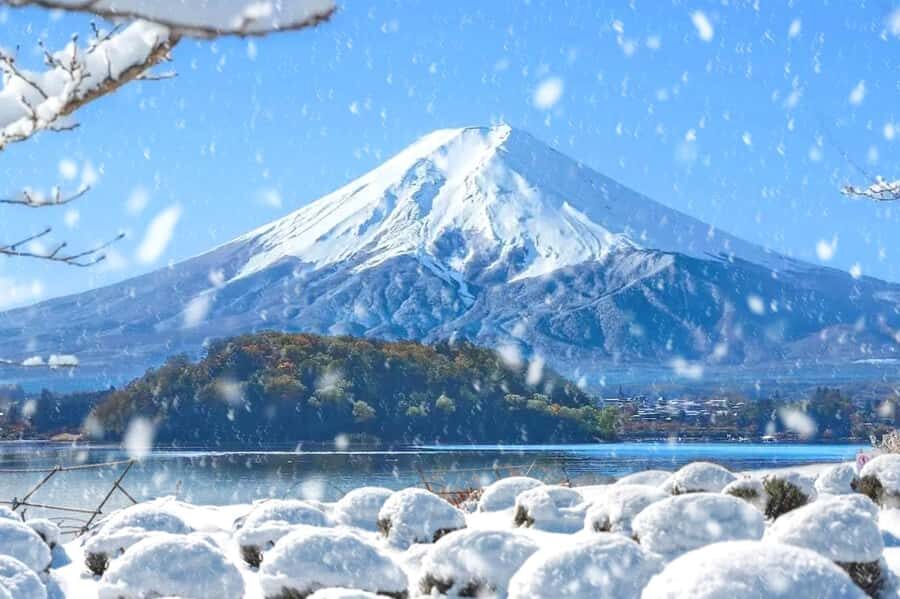
Yes, a convenience store stop can sound random. But the Fuji Lawson Store is designed for a very specific kind of photo: the blue-white logo with a Fuji backdrop.
This is one of those places where the goal is fast: get the shot, then keep moving. The guide also shares a list of Fuji-limited snacks, which gives you a structured way to try something fun without wandering around clueless.
Even if you skip food, it’s a useful change of pace. After outdoor walking, you get a compact photo target, and the whole area can work well for quick framing.
Bring cash. Some snacks and purchases depend on on-site payment, and the day asks you to be ready at stops.
Lake Yamanaka Swan Feeding: A Calmer End to the Day
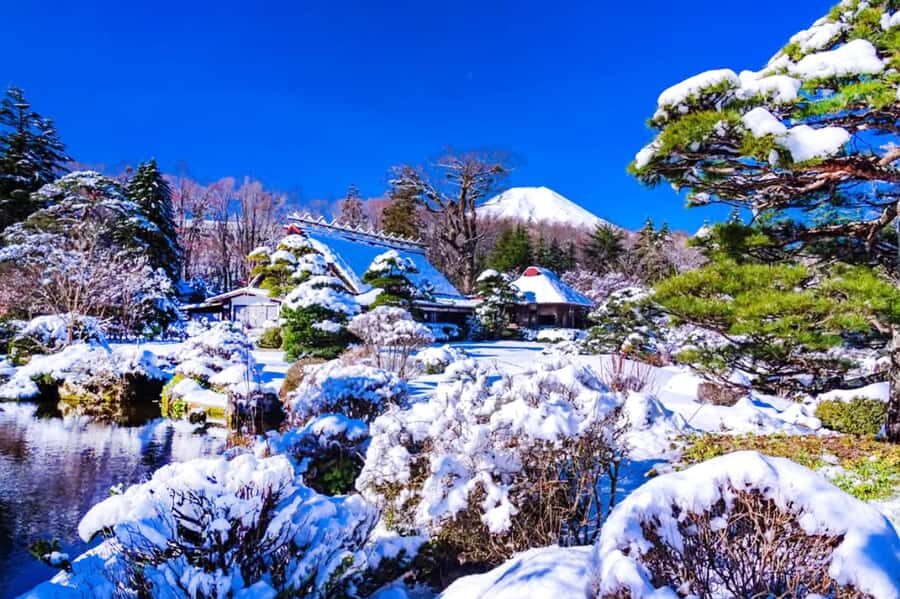
End your day at Lake Yamanaka, where things slow down. Swan feeding here is peaceful and surprisingly memorable, especially because it’s a gentle, easy activity that fits families as well as solo travelers.
Feeding swans isn’t just “cute.” It gives you a break from camera work and lets you enjoy a calmer scene with Fuji in the background if conditions allow. Even if Fuji is partially hidden, the water setting and the interaction with the birds still make this last stop feel special rather than rushed.
It’s also a nice way to land the day. You’ve spent hours chasing compositions and viewpoints; this is your chance to reset.
Guide Quality and Group Size: Bilingual Help Without the Chaos
This is where the tour really earns its high marks. The bilingual English-Chinese guidance means you can understand context and photo tips without playing language roulette.
You might have guides such as Yulina, Yuan, Agnes, Will, or Tim. Across guides, the common thread is clear: friendly, prepared, and focused on helping people get good pictures and feel included.
One more detail that matters: this often runs with small daily groups, and the driver may also provide limited commentary (especially while the vehicle is moving). That can mean less narration during driving and more explanation when you’re actually at stops. It’s not a flaw; it’s how the day keeps moving while staying helpful.
What to Bring, What to Skip, and How to Keep Your Day Smooth
You’ll have the best time with simple prep.
Bring:
- Comfortable shoes with non-slip grip
- A camera, plus a telephoto lens if you own one
- Cash for snacks or any extra purchases
- Weather gear, since conditions can change through the day
Watch for rules:
- No smoking in the vehicle
- No eating/drinking in the vehicle
It’s also smart to plan around meals. Meals are not included, so you’ll likely handle food at your stops. The tour does include a Fuji spring mochi snack, but it’s not a full meal.
If you’re sensitive to walking, note that the day includes hills and outdoor viewpoints. This tour is not designed for wheelchair users or people with mobility impairments, and it’s not suitable for pregnant women or people over 70.
Price and Value at Around $44: What You Actually Get
At about $44 per person, this tour is good value if you want structure, transport, and multiple stops without spending your whole day figuring out logistics.
You’re paying for:
- Round-trip transport from Tokyo
- A bilingual English-Chinese guide
- A guided photography approach across major Fuji locations
- A Fuji spring mochi snack included
You’re not paying for:
- Meals
- Other personal expenses
- Personal travel or accident insurance
That insurance note is worth taking seriously. The tour doesn’t include it, so if you rely on insurance for peace of mind, arrange it separately before you go.
The best value angle is time. Fuji day trips from Tokyo are tough to plan alone if you’re trying to hit several viewpoints in one day. This tour gives you that packed itinerary with a guide who helps you get better shots instead of just seeing sights.
Should You Book This Fuji Tour?
Book it if:
- You want a first-timer-friendly Fuji day with several iconic photo stops
- You care about photos and appreciate guidance on composition
- You want cultural flavor without a heavy shopping detour
- You like a day that’s active but not technical—just follow the plan and take your time at the viewpoints
Skip it if:
- You hate fast pacing and prefer a relaxed walk-and-wander day
- You need a wheelchair-friendly itinerary
- You’re going only for a single perfect Fuji reflection shot, no matter the weather
If you’re aiming for the best odds and the most photo variety in one day, this tour fits nicely. Just go in with the right mindset: plan for Fuji, but don’t panic if the mountain plays hide-and-seek. You’ll still come back with a full day of scenic variety and helpful photography setup.
FAQ
How many photo stops are included in the tour?
The tour visits six iconic photo spots, including Niikurayama Asama Park, Hikawa Clock Shop, Oshino Hakkai, Lake Kawaguchi, a Fuji Lawson Store photo stop, and Lake Yamanaka.
Is a meal included?
No. Meals are not included. The tour includes a Fuji spring mochi snack, but you’ll need to handle food separately during the day.
What language is the guide?
The guide is bilingual English-Chinese.
Do I need special camera gear?
A telephoto lens is recommended for Niikurayama Asama Park. A camera is also important for the photo-focused stops.
Is it okay to eat or drink on the bus?
No. Eating and drinking are not allowed in the vehicle.
Is Mount Fuji guaranteed to be visible?
Visibility depends on conditions. If it’s cloudy, you may still enjoy the day’s stops, but you might not get the full Fuji views from every location.
Is swan feeding suitable for children?
Yes. Swan feeding at Lake Yamanaka is described as suitable for all ages.
More 1-Day Tours in Tokyo
More Tour Reviews in Tokyo





The Fuji Shortlist: Other Days Out to the Mountain

Fresh reviews from around Tokyo






Mt Fuji Day Trips, compared.
 ★ 4.0Mt Fuji & Hakone Cruise, Drum Show Bullet Train 1 Day from TokyoFrom $1497,413 reviews
 ★ 4.4Tokyo Mt Fuji 5th St & Hakone Cruise Bus Tour w/Bullet TrainFrom $1545,024 reviews
 ★ 4.5From Tokyo: Mount Fuji Full-Day Sightseeing TripFrom $684,970 reviews
 ★ 4.7Mt. Fuji Tour, Hakone Ropeway, Owakudani, Lake AshiFrom $544,002 reviews
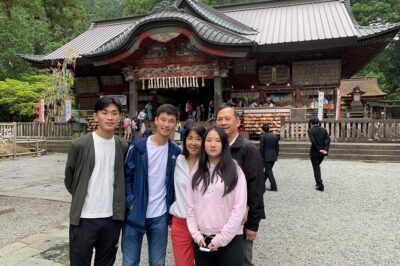 ★ 5.0Private Tour to Mt. Fuji and Hakone (Fully Licenced Operator)From $4971,910 reviews
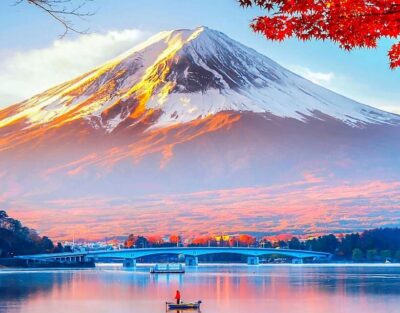 ★ 4.9Mount Fuji Full-Day Private Tour from Tokyo (Customizable)From $3931,470 reviews
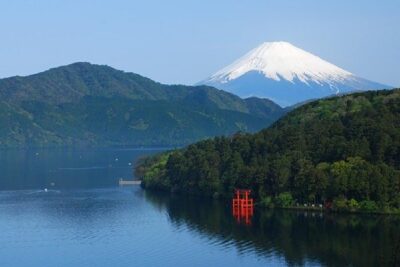 ★ 4.0Mt Fuji & Hakone Cruise, Drum Show Bus 1 Day from TokyoFrom $1221,287 reviews
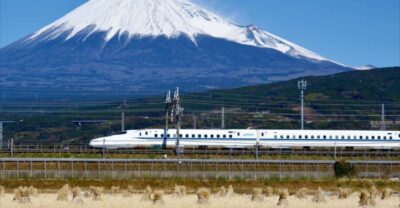 ★ 4.2From Tokyo: Mt. Fuji & Hakone Tour w/ Return by Bullet TrainFrom $1171,278 reviews
Browse the lists this tour appears in