
Reviewed · SHIBUYA TOURS
Tokyo: Matcha Tea Ceremony Experience in Shibuya
A calm hour can beat a busy day. This matcha tea ceremony in Shibuya turns a classic Japanese tradition into something you can actually do, not just watch. You’ll make your own matcha with step-by-step guidance, then slow down for a guided tasting where you compare different Japanese teas and how each one pairs with a traditional sweet.
I really like two parts here: the hands-on matcha making (so you leave with muscle memory, not just photos) and the small-group feel that makes it easy to ask questions. One consideration: it’s only 1 hour, so if you want deep, lifelong mastery of every ceremony detail, this is more of a great introduction than a full training course.
In This Review
- Key things I think you’ll enjoy most
- Shibuya meet-up: find your tea teacher at Okazaki Building
- The 1-hour flow: what you’ll do during the ceremony
- Making matcha: the best kind of souvenir is the skill
- Tea tasting in the same hour: compare flavor like a pro
- Tea-ceremony manners: calm focus you can actually use
- Who leads the session and what to expect from the teaching
- Price and value: what $30 gets you in Shibuya
- Practical tips so you enjoy it more
- Accessibility and comfort
- Should you book this matcha ceremony in Shibuya?
- FAQ
- How long is the Tokyo matcha tea ceremony experience?
- Where do I meet the instructor in Shibuya?
- Is the experience taught in English?
- What group size should I expect?
- What’s included in the price?
- Is the experience wheelchair accessible?
- Can I cancel and get a full refund?
- Can I reserve without paying right away?
Key things I think you’ll enjoy most
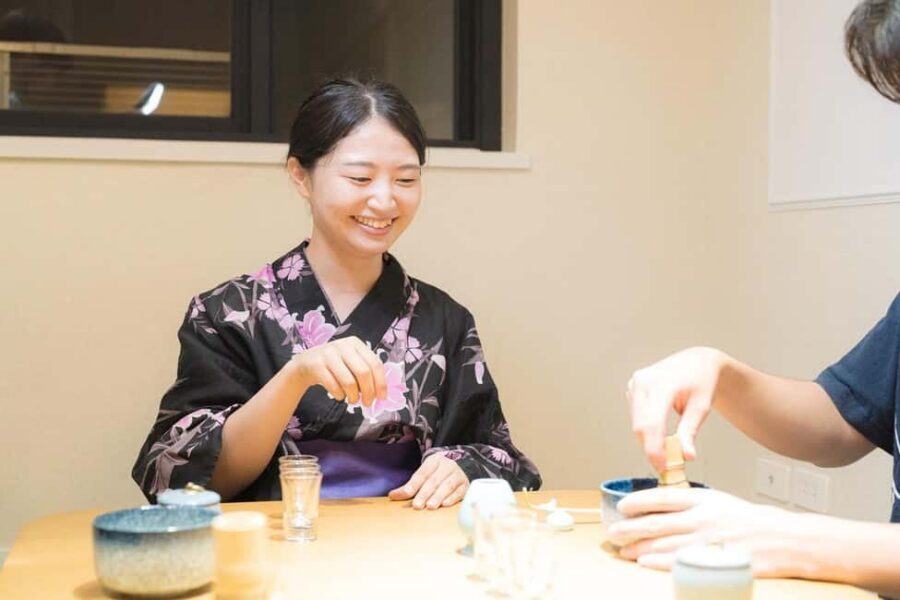
- Hands-on matcha making with step-by-step guidance and ceremony tools
- Taste-and-compare tea varieties and notice differences in aroma, taste, and presentation
- Tea-ceremony manners you can use right away when serving tea
- English instruction led by an English-speaking teacher (Taku is specifically mentioned in reviews)
- Small group limit of 10 for a more relaxed, personal experience
- Photos shared after the session so you can remember what you made
More to do within sight of the Crossing
- Official Street Go-Kart in Shibuya★ 5.0 · 3,435 reviews
- Tokyo: Street Kart Experience in Shibuya★ 4.9 · 1,484 reviews
- Shibuya Meltdown Nightlife Tour: All-You-Can-Drink Bar Hopping★ 5.0 · 1,058 reviews
Shibuya meet-up: find your tea teacher at Okazaki Building
Your tea hour starts at a specific, easy-to-miss spot in Shibuya: the instructor stands in front of the Okazaki Building entrance, with a vending machine next to it. That kind of clear meeting point matters in Tokyo, where trains and streets can make you feel like you’re chasing your own itinerary.
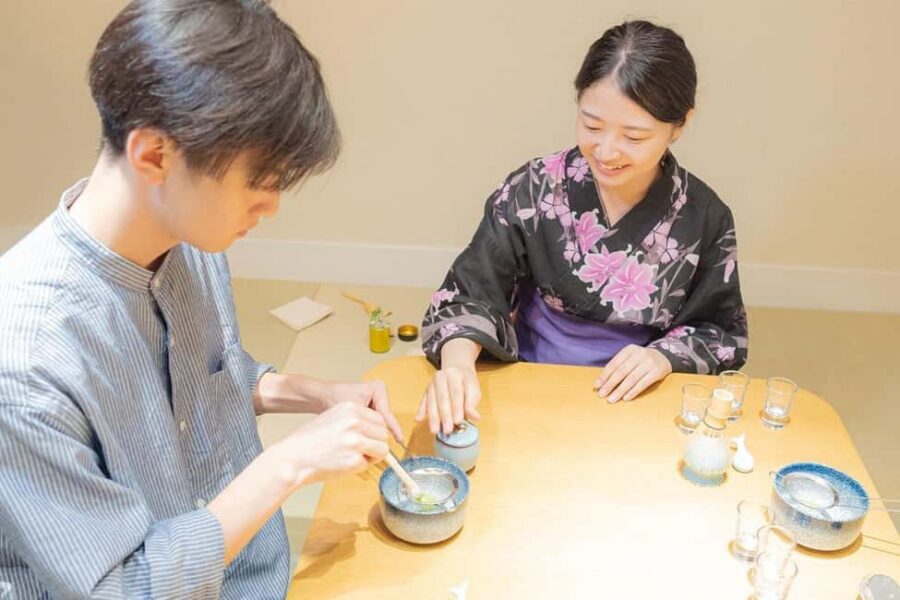
Expect to see a small group gather and get oriented quickly. This isn’t a big bus-style experience. The session is designed to move at a gentle pace, and the group size is limited to 10 participants, which helps you feel like you’re part of the ceremony rather than an observer.
If you’re planning your day, give yourself a bit of breathing room. Shibuya is active, and you’ll get more enjoyment out of this if you arrive without stress and can settle into a calmer rhythm.
The 1-hour flow: what you’ll do during the ceremony
This is a 1-hour experience, so the format is intentionally focused. You’ll spend your time on three main things: preparing matcha, tasting different teas, and learning basic serving manners.
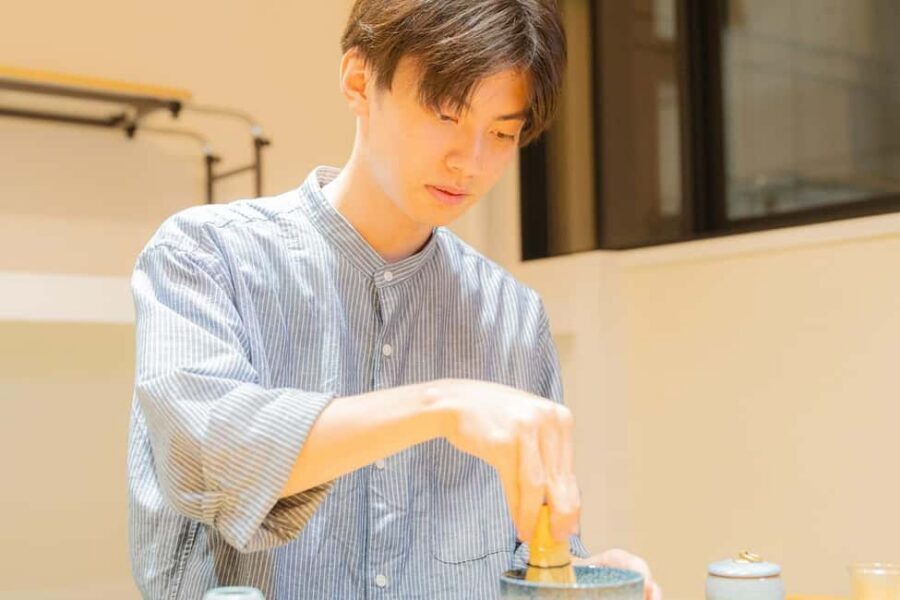
First, you’ll get expert guidance from the teacher. The activity is hands-on, so you’re not just listening while someone else performs. You’ll use the tools for the tea ceremony provided for the session, and you’ll follow step-by-step instructions to make your own matcha.
Next comes the tasting portion. The experience includes tasting several kinds of carefully prepared tea, and each tea is paired with a traditional sweet. You’ll compare the subtle differences you notice from sip to sip—taste, aroma, and presentation are all part of what you learn to observe.
Finally, you’ll practice tea-ceremony manners. The goal here isn’t to memorize every rule forever. It’s to understand the basic steps of serving tea and the cultural significance behind the movements, so you can recognize why this ritual is so calming and respectful.
Making matcha: the best kind of souvenir is the skill
I love experiences where the main takeaway is something you can repeat. This session is built around that idea. Instead of only getting a drink, you’ll actually make matcha yourself with step-by-step help.
That matters because matcha is easy to misunderstand if you only ever buy it in a cafe cup. In a ceremony setting, you learn that the experience isn’t just about flavor. It’s about process: how you prepare, how you serve, and how you slow down enough to taste what’s in front of you.
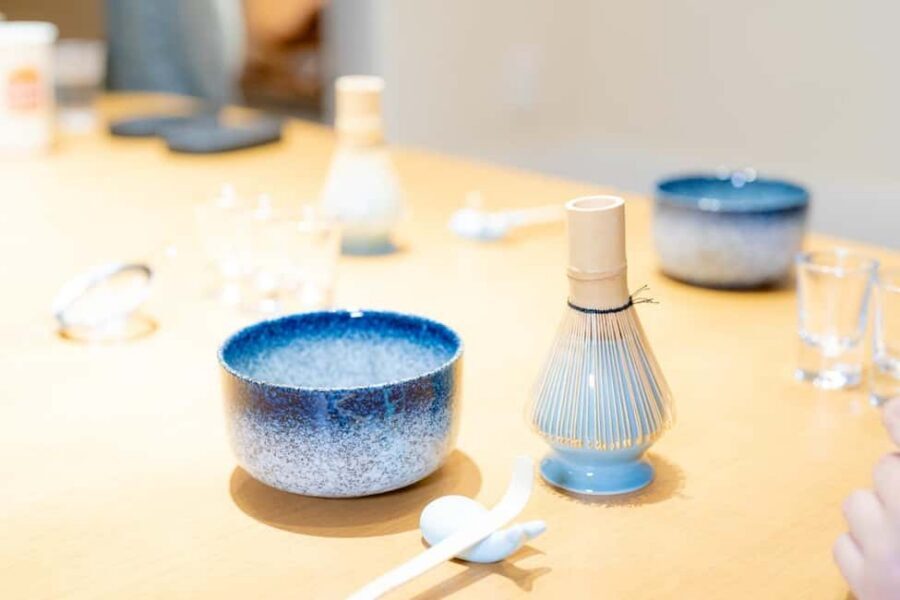
You’ll also work with the tea ceremony tools provided. When tools are included, you don’t have to worry about whether you brought the right equipment or whether you’re missing the one thing that makes matcha preparation work. It’s more straightforward: you follow the teacher, you ask questions, and you learn by doing.
The session length keeps this practical. You’ll leave knowing the basic flow and manners, which you can apply later if you want to recreate a small version at home.
Tea tasting in the same hour: compare flavor like a pro
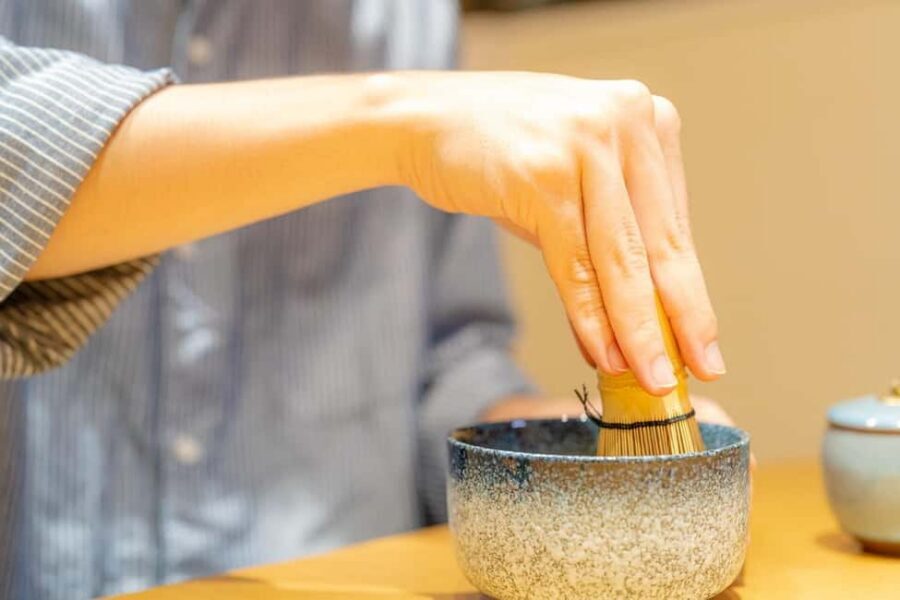
One of the most enjoyable surprises in this experience is that it’s not just matcha. You’ll taste and compare different Japanese teas, and the teacher guides you as you notice differences in taste and aroma.
The tasting is paired with sweets. That’s an important detail. In this kind of ceremony, sweets are not thrown in as a snack. They’re chosen to complement the tea, so you can understand how flavor changes when you shift pairing. You get a more complete picture of what the tea is doing.
You’ll also learn to pay attention to presentation. That can sound fancy, but it’s actually practical. When you’re told what to look for, you start tasting more consciously—less autopilot sipping, more actual evaluation.
This is also where the teacher’s English matters. Clear explanations let you connect what you’re experiencing with what the tradition means. In one review, the host is specifically praised for excellent English and being very prepared, which is exactly what you want for a tasting-based activity.
Quieter hours: more tea rooms and ceremonies


Tea-ceremony manners: calm focus you can actually use
The ceremony isn’t only about the drink. It’s about respectful manners and attention. In this experience, you’ll be guided through the basic steps and manners of serving tea.
That’s useful even if you never plan to perform a full ceremony again. Knowing how to serve tea with the right tone and movement changes the way you host friends at home. It also helps you understand what you’re seeing when you encounter tea culture in Japan.
This part of the session tends to feel quieter. The atmosphere is described as calm and welcoming, which fits the purpose of tea ceremony: a short break from the noise of daily life. You don’t need to be overly serious about etiquette. You just need to follow the teacher and be present.
If you like experiences that slow you down without being stiff, this is a strong match. You’re learning manners through guidance, not pressure.
Who leads the session and what to expect from the teaching
The experience is taught in English, and the teacher is described as friendly and welcoming. One review specifically names Taku, and highlights his preparation and strong English skills. That’s a good sign for clarity, especially during a step-by-step activity.
The session is designed for a small group, limited to 10 participants, so you’re not likely to get lost in the crowd. That makes a difference when you’re doing hands-on tasks like preparing matcha and learning serving manners. You’ll get more time to correct mistakes and understand what to do next.
The teacher also covers the tradition’s background. You’ll learn about the history from a local knowledgeable teacher, presented in a way that matches the pace of the ceremony. In other words, the cultural context doesn’t interrupt the experience—it supports what you’re doing and tasting.
Price and value: what $30 gets you in Shibuya
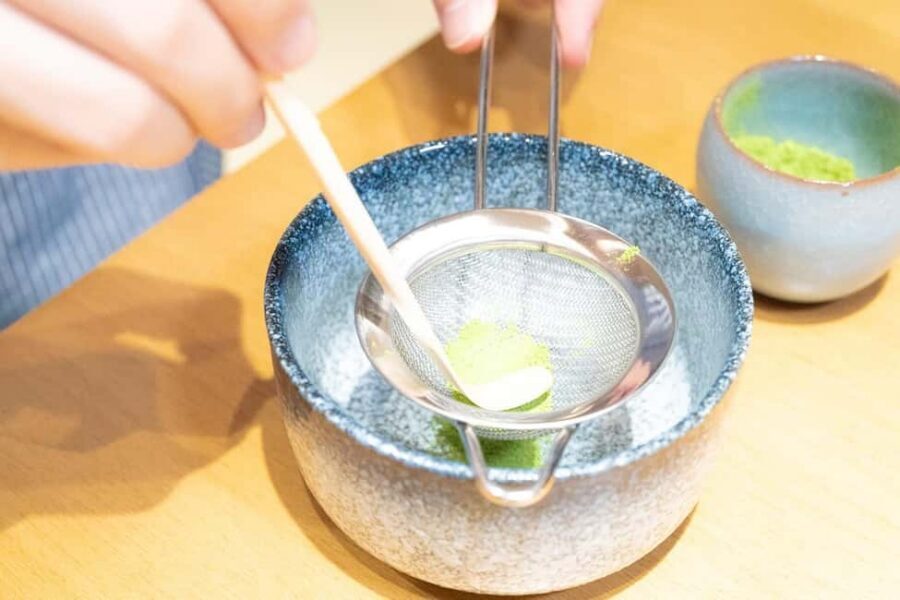
The price is $30 per person for about 1 hour. At first glance, that’s not “cheap,” especially in a city where you can grab tea for a few bucks. But tea ceremony experiences aren’t just buying tea. You’re paying for guidance, included materials, and a structured cultural experience.
Here’s what you get within that price:
- Expert 1-hour guidance from an English-speaking teacher
- Tools for the tea ceremony
- Best selections of tea leaves plus a little sweet snack
- Photos during the experience, shared at the end
When you add up the fact that you’re tasting multiple teas, learning manners, and making your own matcha, the cost starts to look more reasonable. This is less like a one-time beverage stop and more like a small lesson with multiple tastings.
If you want a practical cultural activity that feels hands-on and not overly touristy, this one hits a sweet spot in value.
Practical tips so you enjoy it more
You don’t need special clothing or gear. The tools are provided. What you do need is a mindset shift: arrive ready to slow down.
A few practical things I’d do before you go:
- Plan for a short time buffer so Shibuya doesn’t stress you out right before the session.
- Bring a question or two about tea, manners, or what you’re tasting. Small groups make questions easy.
- Take the tasting seriously. You’ll enjoy the comparisons more if you reset your palate between sips instead of treating it like a quick chug.
Also, remember the photos are taken during the experience and shared at the end. So don’t worry about trying to document everything while you’re making matcha.
Accessibility and comfort
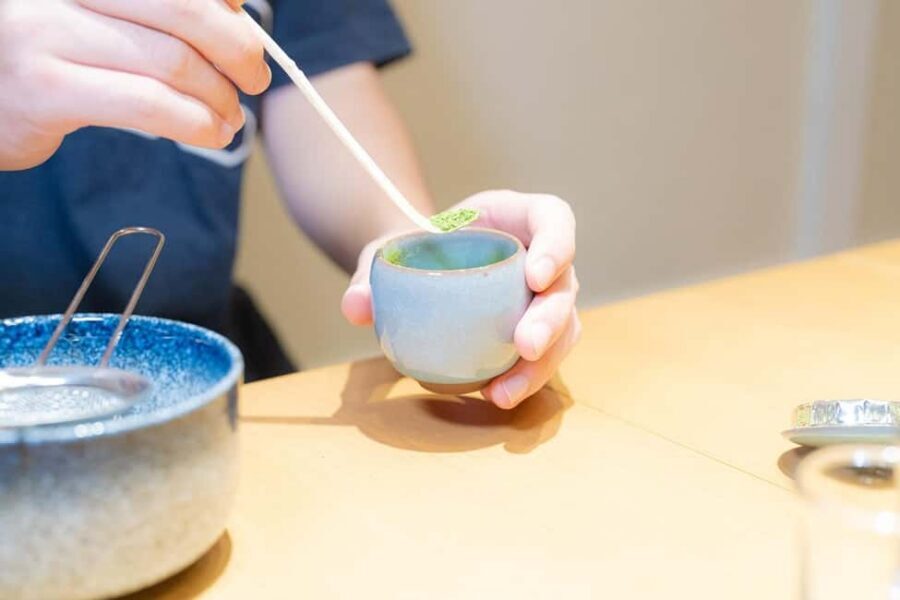
This experience is listed as wheelchair accessible, which is a big deal for activities that might otherwise be cramped or hard to navigate. If you use a wheelchair, this is one of the better options on the menu because accessibility is explicitly addressed.
The calm pace also helps. Tea ceremony style sessions aren’t loud or chaotic by design, so you can expect a more comfortable environment than many other Shibuya activities.
Should you book this matcha ceremony in Shibuya?
Book it if you want:
- A hands-on introduction to tea ceremony, not just watching
- Step-by-step help making your own matcha
- A chance to taste and compare multiple teas with sweets in one short session
- An English-led format in a small group (up to 10)
Skip or adjust expectations if:
- You’re looking for a long, advanced training program. This is 1 hour, so you’ll learn basics and take home the feel, not master every detail.
- You prefer experiences with lots of walking or big sightseeing stops. This one is centered on calm instruction and tasting.
For many people, this is a smart Shibuya add-on: short, meaningful, and interactive.
FAQ
How long is the Tokyo matcha tea ceremony experience?
It lasts 1 hour.
Where do I meet the instructor in Shibuya?
The instructor stands in front of the Okazaki Building entrance, and there is a vending machine next to it.
Is the experience taught in English?
Yes. The instructor provides English instruction.
What group size should I expect?
It’s a small group limited to 10 participants.
What’s included in the price?
The price includes 1-hour expert guidance, tea ceremony tools, tea leaves and a little sweet snack, and photos taken during the experience (shared at the end).
Is the experience wheelchair accessible?
Yes, it’s listed as wheelchair accessible.
Can I cancel and get a full refund?
Yes. You can cancel up to 24 hours in advance for a full refund.
Can I reserve without paying right away?
Yes. The option to reserve now & pay later is available, so you can book without paying today.
More Tour Reviews in Tokyo






More Tea Rooms Worth Booking
Still in Shibuya? Keep Going





Fresh reviews from around Tokyo






Shibuya Tours, compared.
 ★ 5.0Official Street Go-Kart in ShibuyaFrom $763,435 reviews
 ★ 4.9Street Kart Experience in ShibuyaFrom $741,484 reviews
 ★ 5.0Shibuya Meltdown Nightlife Tour: All-You-Can-Drink Bar HoppingFrom $1061,058 reviews
 ★ 5.0Shibuya Official Street Go-Kart in Shibuya AnnexFrom $69972 reviews
 ★ 5.0Shibuya Food Tour (13 dishes and 4 Eateries)From $77770 reviews
 ★ 5.0Best of Shibuya Food TourFrom $217612 reviews
 ★ 4.8Shibuya Highlights Walking TourFrom $19601 reviews
 ★ 4.7Premium Go-Kart Tour with Tower & Shibuya CrossingFrom $116528 reviews
Browse the lists this tour appears in