
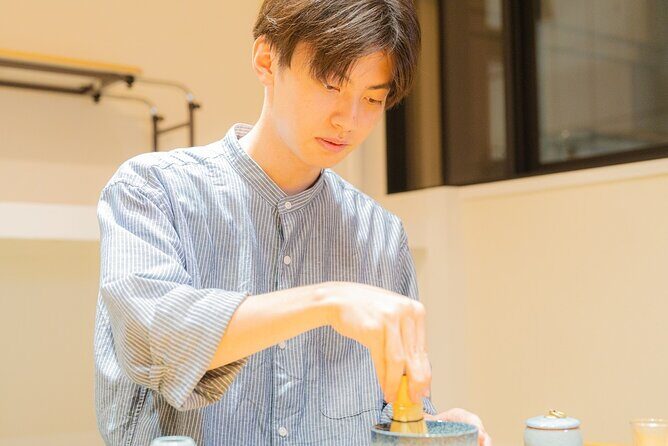
Reviewed · SHIBUYA TOURS
Tokyo: Matcha Tea Ceremony Experience at Japanese room in Shibuya
That quiet hour feels like a reset.
In Shibuya, you join a traditional Japanese tea ceremony in a calm room, learning basic etiquette as you go. The experience is hands-on, so you’re not just watching. You’ll make your own matcha, taste other Japanese teas, and pick up the “why” behind the small, careful movements.
I really like two parts of this: you get guided matcha preparation step by step, and you also do a side-by-side tea tasting experience so you can actually taste the differences. I’ve also seen the session highlighted for friendly instructors by name, including Teacher Taku, Ryota, and So-Wa, with lots of Q&A about tea and Japanese culture.
One consideration: the whole thing runs about 1 hour, so it’s an introduction, not a lifelong skill. It’s perfect for first-timers, but you won’t leave with deep practice plans or a full tea-library course.
In This Review
- Key things you’ll do in Shibuya’s matcha tea ceremony
- Why a matcha tea ceremony in Shibuya works so well
- Your hour schedule: from etiquette to your first sip
- 1) Getting oriented in the Japanese room
- 2) Learning manners the way you actually use them
- 3) Making matcha with hands-on instruction
- 4) Tasting and comparing Japanese teas
- 5) A calm ending that returns you to the meeting point
- What makes the instruction feel trustworthy (and not stiff)
- Matcha, hojicha, and the tasting skill you’ll keep using
- Price and value: is $32.58 worth your hour?
- Who this Shibuya matcha ceremony suits best
- Practical tips so you get the most from your ceremony
- Should you book this matcha tea ceremony in Shibuya?
- FAQ
- How long is the matcha tea ceremony experience?
- Where does the experience start?
- How many people are in the group?
- What do I do during the experience?
- Is there a mobile ticket?
- Is the experience beginner-friendly?
- What is the cancellation policy?
Key things you’ll do in Shibuya’s matcha tea ceremony
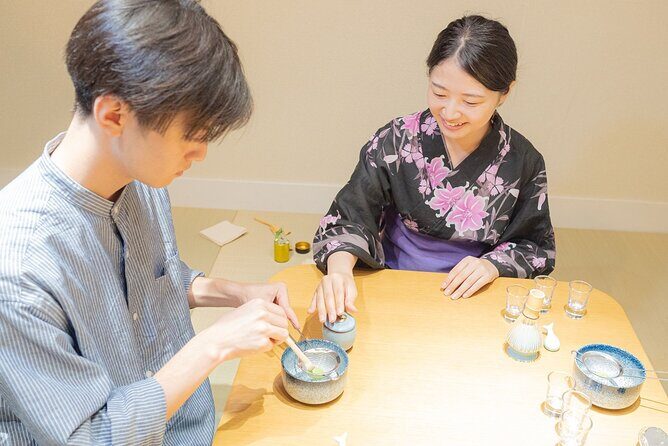
- Make your own matcha with hands-on instruction
- Learn tea ceremony manners in a beginner-friendly way
- Taste different Japanese teas, including matcha plus additional teas
- Ask questions in a relaxed setting with instructors like Taku, Ryota, and So-Wa
- Enjoy a calm room setup designed for learning and mindfulness
More to do within sight of the Crossing
- Official Street Go-Kart in Shibuya★ 5.0 · 3,435 reviews
- Tokyo: Street Kart Experience in Shibuya★ 4.9 · 1,484 reviews
- Shibuya Meltdown Nightlife Tour: All-You-Can-Drink Bar Hopping★ 5.0 · 1,058 reviews
Why a matcha tea ceremony in Shibuya works so well
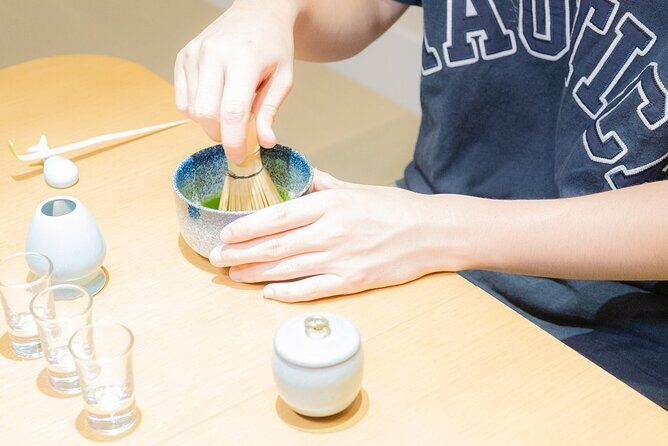
Tokyo already has plenty of sensory overload. This is one of those activities that gives you the opposite. You trade phone scrolling for focus: whisking, smelling, tasting, and learning the small etiquette rules that make the ceremony feel respectful and grounded.
The reason this Shibuya option is especially practical is the format. It’s about an hour, and the group is kept small (up to 8 people). That matters because tea ceremony etiquette is hard to learn from a lecture. When the instructor can see what you’re doing, you fix mistakes fast and you feel confident quickly.
Also, it’s set up for beginners. You don’t need any prior tea knowledge, and the pacing is designed so you can join even if this is your first time holding a tea bowl.
Finally, the setting is in Shibuya, which is useful for real trip planning. You’re not forced to take a long commuter trek at the end of a busy day. The meeting point is near public transportation, so you can fit this between shopping, meals, or even a pre-dinner wander.
Your hour schedule: from etiquette to your first sip
This experience is straightforward: meet at the address in Shibuya, do the tea ceremony steps, and then return to the meeting point when it’s done. Nothing gets overly complicated or stretched out.
Here’s what that hour typically feels like, in a logical flow.
1) Getting oriented in the Japanese room
You start at 2-chōme-14-13 Shibuya, Tokyo 150-0002. From there, the session moves into a calm, welcoming atmosphere. Expect a guided introduction to how the ceremony works and what the basic etiquette looks like in practice.
Even if you don’t know the cultural background yet, you’ll understand the intent quickly. It’s about being present, making small movements with care, and treating the tea like something worth slowing down for.
2) Learning manners the way you actually use them
The overview calls out that you’ll learn basic etiquette. In practice, that usually means learning how to handle the bowl, how to serve or receive politely, and how to respond during the ceremony without feeling awkward.
The key for value is that you learn these rules while you’re actively doing the activity. That’s how it sticks. You’re not only hearing explanations; you’re applying them in real time.
Quieter hours: more tea rooms and ceremonies


3) Making matcha with hands-on instruction
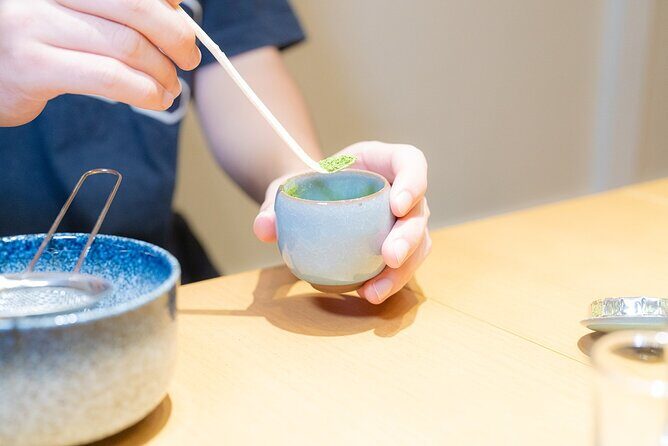
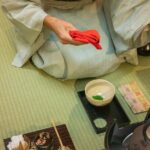
This is the headline moment: you prepare your own bowl of matcha under friendly guidance. One review specifically praises help on making the perfect matcha, which tells me the instruction doesn’t just point you at tools. You get coaching that improves your result.
You’ll likely focus on the technique used to whisk matcha so it tastes right and has the texture you expect. The ceremony isn’t fast, either. You take your time enough to do it carefully.
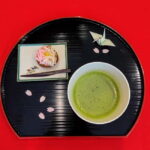
Also, at least one highlight mentions traditional sweets alongside the matcha. That pairing is practical for beginners because it balances bitterness and helps you notice the tea’s flavor more clearly.
4) Tasting and comparing Japanese teas
After matcha, you move into tasting. The experience is described as tasting different kinds of Japanese tea, and one description specifically notes a tasting of three different teas.
This is where the activity becomes more than a cultural performance. You get to compare. You can notice differences in flavor and character and start building your own preferences.
One review calls out hojicha as a new favorite. That’s useful if you’re thinking, I want to try tea styles I might not order casually at a cafe. A tasting like this is one of the fastest ways to learn what you genuinely like, without guessing.
5) A calm ending that returns you to the meeting point
The activity ends back at the meeting point. In other words, you’re not sent off to another neighborhood or stuck hunting transit. You finish where you started, which keeps the day easy.
What makes the instruction feel trustworthy (and not stiff)
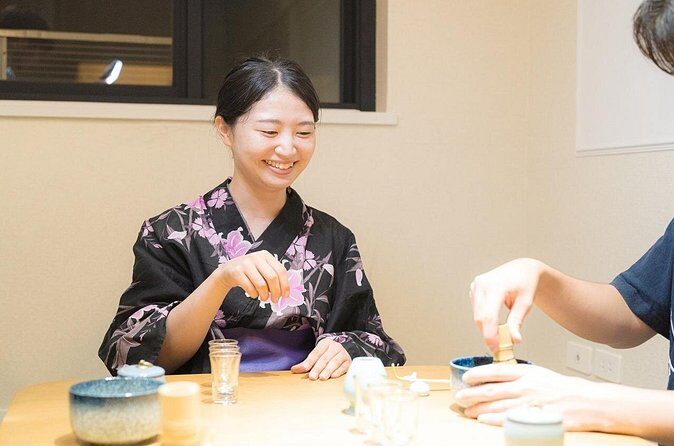
Tea ceremonies can feel formal. This one aims for calm and friendliness, so you don’t feel like you’re being tested.
Several instructor names show up in feedback: Teacher Taku, Ryota, and So-Wa. They’re described as knowledgeable about matcha and teas, and also good at answering questions about both traditional practice and modern Japan.
That combination matters. You’re not only learning how to do the ceremony. You’re also learning how tea fits into everyday Japanese culture. You get context for what you’re tasting and what the etiquette is trying to express.
The small group size (maximum of 8) is part of that. In a bigger crowd, etiquette training becomes more like watching a show. Here, your questions have room, and the instructor can correct details quickly.
Matcha, hojicha, and the tasting skill you’ll keep using
One of the best parts is that you’ll taste multiple teas in one sitting. That helps you learn something useful for the rest of your trip: how to order tea more thoughtfully.
After a tasting, you’ll likely start thinking about questions like:
- Do I like roasted notes (often associated with teas like hojicha), or do I prefer greener, fresher flavors?
- Does matcha taste too strong on its own, or is it enjoyable once you understand the bitterness and sweetness balance?
- How do different teas feel in your mouth, not just how they smell?
Even if you’ve only had matcha in a sweet drink before, this kind of tasting changes your baseline. It’s easier to notice quality differences once you’ve experienced them in a structured way.
And because the session includes making matcha yourself, you understand what goes into it. You know you can taste your own technique, which makes the lesson stick.
Price and value: is $32.58 worth your hour?
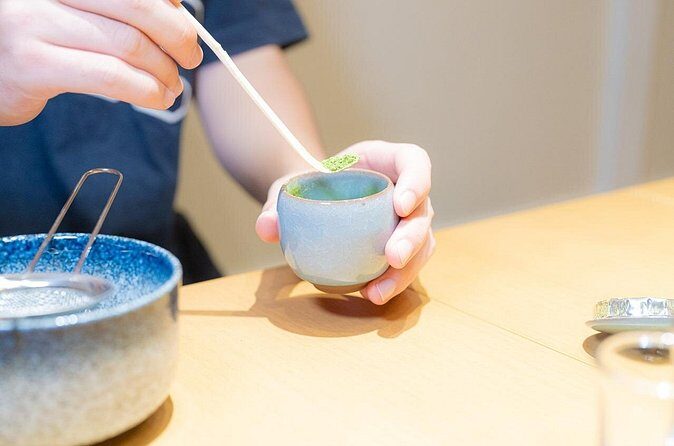
At $32.58 per person, you’re paying for three things you don’t get at a regular cafe tea:
1) Hands-on matcha preparation with guidance
2) Structured etiquette learning in a respectful setting
3) A multi-tea tasting that gives you comparisons in one hour
Could you do some of this cheaply by buying tea and watching videos? Sure. But you’d miss the coaching and the cultural context, and you wouldn’t get that guided, step-by-step flow.
This price also feels reasonable because the group is capped at 8. You’re not competing for attention in a crowd, and that’s what makes a short experience worth it.
In other words: the value isn’t about the tea being expensive. It’s about the teaching method and the time you save learning how to do it the right way.
Who this Shibuya matcha ceremony suits best
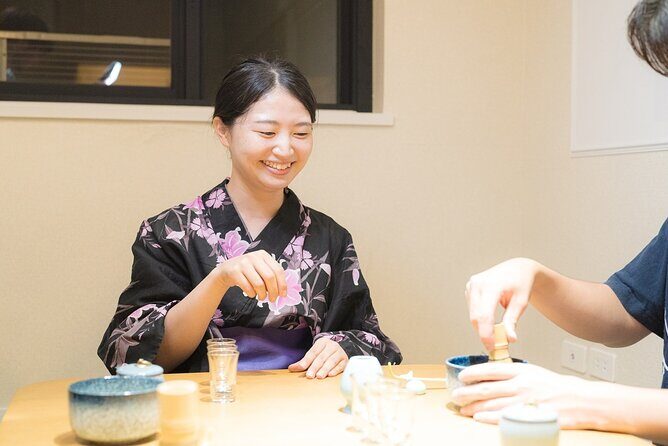
This experience fits best if you want an authentic cultural activity without stress.
You’ll probably enjoy it if:
- You’re new to tea ceremony etiquette and want a beginner-friendly start
- You like hands-on activities more than museum-style sightseeing
- You want a break from fast-paced Tokyo days
- You’re a tea lover who wants to try teas you might not order on your own
It’s also a good solo activity. Small-group settings can be intimidating, but the tone here is described as relaxed and welcoming, and instructors are responsive to questions.
If you hate anything that involves sitting quietly and focusing for a sustained stretch, then an hour might feel long. That’s not a dealbreaker, just be honest with your own travel style.
Practical tips so you get the most from your ceremony
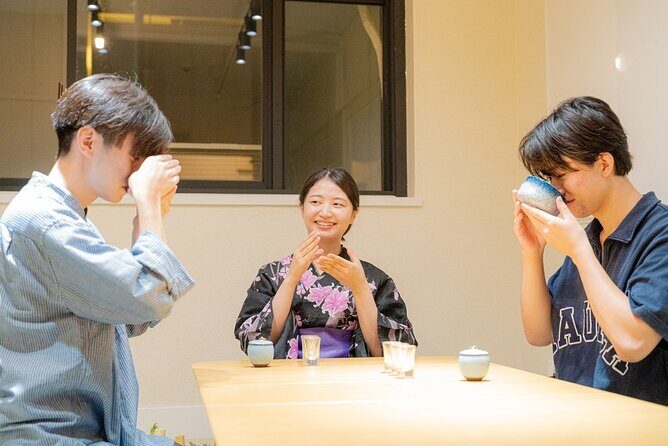
Because the session is about mindfulness and careful movement, small choices help.
- Go in with a relaxed mindset. Don’t treat it like a photo scavenger hunt.
- Eat beforehand if you know you get hungry fast. You may have sweets during the session, but you should plan for your own comfort.
- Ask questions during the tasting portion. If the instructor is open to it, use that time to learn what you’re tasting.
- Expect a gentle pace. This is about doing it right, not rushing through.
Also, since the meeting is in Shibuya and near public transportation, plan to arrive a little early. With small-room activities, arriving calm helps you settle in instead of rushing.
Should you book this matcha tea ceremony in Shibuya?
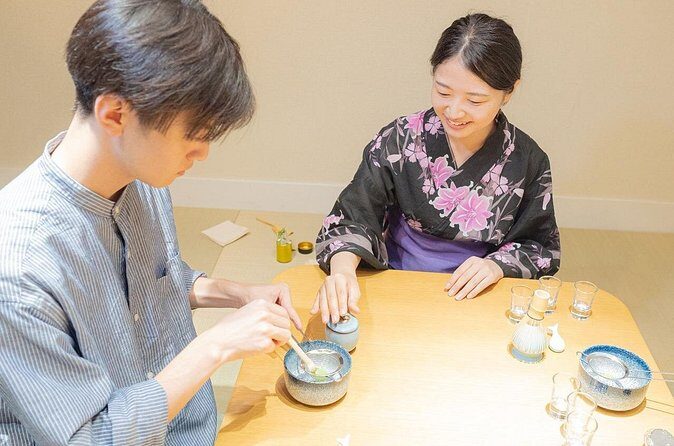
Yes, if you want a short, high-quality cultural experience you can actually learn from. This is a good use of an hour because you do the key parts yourself: making matcha and tasting multiple teas. The small group size and friendly instruction style are exactly what you want for a first attempt.
Skip it only if you’re strictly looking for a long, sightseeing-heavy day. This isn’t a “see Tokyo” tour. It’s a “slow down and learn tea” experience, and it’s at its best when you’re ready to focus.
If you like thoughtful experiences with practical takeaways, this Shibuya tea ceremony is an easy yes.
FAQ
How long is the matcha tea ceremony experience?
It lasts about 1 hour.
Where does the experience start?
The meeting point is at 2-chōme-14-13 Shibuya, Tokyo 150-0002, Japan.
How many people are in the group?
The tour has a maximum of 8 travelers.
What do I do during the experience?
You learn basic tea ceremony etiquette, make your own matcha with hands-on guidance, and taste different kinds of Japanese tea.
Is there a mobile ticket?
Yes, the experience includes a mobile ticket.
Is the experience beginner-friendly?
Yes. It’s described as relaxed and beginner-friendly, so you can join even if you have no prior experience.
What is the cancellation policy?
Free cancellation is available if you cancel up to 24 hours in advance of the experience’s start time for a full refund. If you cancel less than 24 hours before, the amount paid is not refunded.
More Tour Reviews in Tokyo






More Tea Rooms Worth Booking
Still in Shibuya? Keep Going





Fresh reviews from around Tokyo






Shibuya Tours, compared.
 ★ 5.0Official Street Go-Kart in ShibuyaFrom $763,435 reviews
 ★ 4.9Street Kart Experience in ShibuyaFrom $741,484 reviews
 ★ 5.0Shibuya Meltdown Nightlife Tour: All-You-Can-Drink Bar HoppingFrom $1061,058 reviews
 ★ 5.0Shibuya Official Street Go-Kart in Shibuya AnnexFrom $69972 reviews
 ★ 5.0Shibuya Food Tour (13 dishes and 4 Eateries)From $77770 reviews
 ★ 5.0Best of Shibuya Food TourFrom $217612 reviews
 ★ 4.8Shibuya Highlights Walking TourFrom $19601 reviews
 ★ 4.7Premium Go-Kart Tour with Tower & Shibuya CrossingFrom $116528 reviews
Browse the lists this tour appears in