
Reviewed · TOKYO
Tokyo: Horse Racing Tour with Local Fan
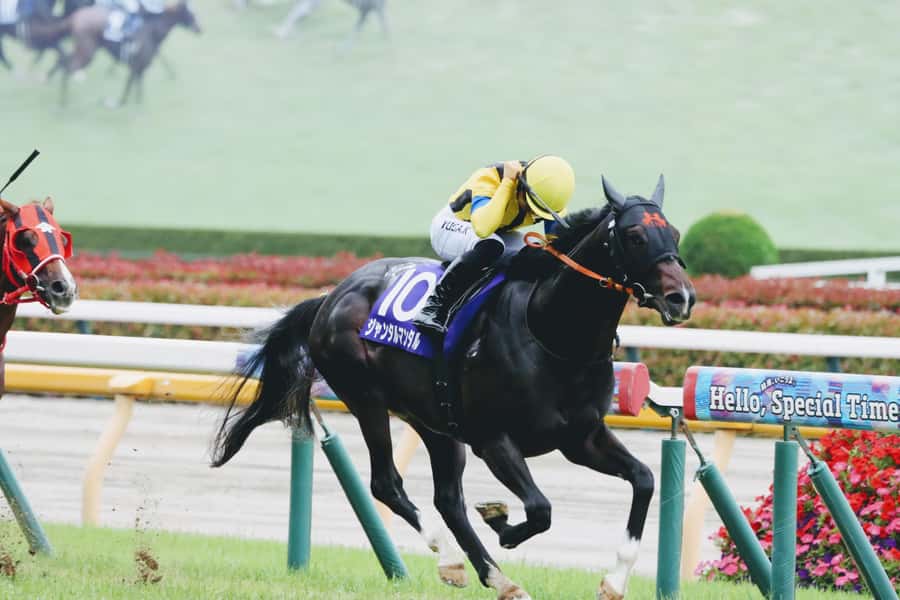
Betting slips meet big race energy. This Tokyo-area horse racing tour is one of those rare experiences that puts you in the middle of a Japanese race day, with English help so you can actually follow what’s happening. The racecourse you visit can change by day, which helps make the experience feel like you’re joining locals rather than doing a generic sightseeing loop.
I particularly like the English-speaking guide who explains the rules and betting clearly. In the reviews, several people praised Eito specifically for being friendly and easy to understand, including help navigating the train and getting you settled with reserved seating when available.
One thing to plan for: betting is paid individually, and you’ll need cash in Japanese yen. Also, your entry depends on going with the guide—your voucher isn’t an admission ticket—so you’ll want to show up on time and follow the group.
In This Review
- Key things I think you’ll care about
- A Tokyo race day that feels local, not touristy
- Racecourse location changes by your date (and that affects the feel)
- Meeting your guide and getting settled with reserved seating
- How you learn to bet when everything is in Japanese
- The race itself: cheering, timing, and those big emotions
- Food and drinks on your own tab, but the setting invites snacks
- Price and value: $60 plus what you choose to bet
- Who this tour is best for (and when to skip it)
- Small details that make a big difference
- Should you book this Tokyo horse racing tour?
- FAQ
- What does the tour cost?
- Do I need cash for the tour?
- Is my GetYourGuide voucher an admission ticket?
- Which racecourse will the tour visit?
- Are food and drinks included?
- Are train tickets included?
- Will there be an English-speaking guide?
- Does the guide help me place bets?
- Where do I meet the guide?
- What is the cancellation policy?
Key things I think you’ll care about
- English support for the full betting process, so you’re not stuck guessing at Japanese-only signs
- Reserved-seat handling by the guide (given in person at the meeting point)
- Racecourse location varies by date: weekend options differ from weekday ones
- Betting help even if you’re a total beginner, including what to look for in jockeys and horses
- On-site food and drinks are on your own tab, but you’ll be in the right place to enjoy them
- Cash-only mindset for betting, so arrive prepared
Before you commit, see how this one stacks up against a few Tokyo favourites:
- Mt Fuji and Hakone 1-Day Bus Tour Return by Bullet Train★ 5.0 · 26,383 reviews
- 1-Day Tokyo Bus Tour★ 5.0 · 14,250 reviews
- Tokyo: teamLab Planets TOKYO Digital Art Museum Entry Ticket★ 4.6 · 9,779 reviews
A Tokyo race day that feels local, not touristy
Tokyo horse racing tours can sound like a “watch and clap” activity. This one is different because it’s built around the part most tourists never figure out: betting. With an English-speaking guide by your side, you get the meaning behind the noise—why people cheer, how the betting works, and what those race details actually tell you.
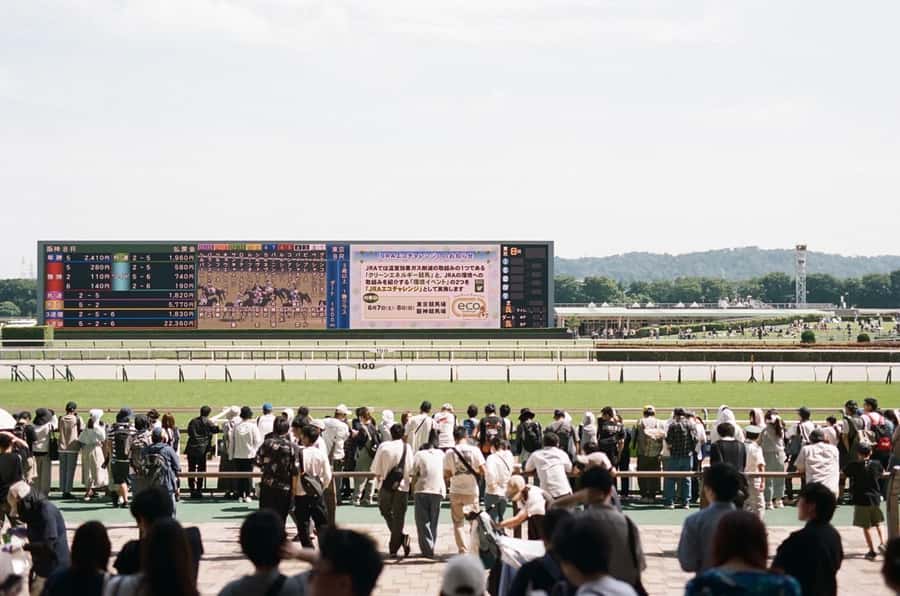
I also like that this isn’t stuck to one track. Depending on the day, you may go to Tokyo Racecourse or Nakayama Racecourse on weekends, and Oi or Kawasaki Racecourse on weekdays. That flexibility matters because Japan’s race culture is tied to the track, and you’ll feel the difference in the crowd and pacing.
The vibe you’re aiming for is simple: a real race day with real fans. Expect strong emotions, fast turns, and that funny moment when you’re suddenly invested in a horse you picked minutes ago.
Racecourse location changes by your date (and that affects the feel)
The tour’s location isn’t one fixed address. It’s based on the date you choose, and the exact venue shows at booking. Here’s the practical way to think about it:
- Weekend: typically Tokyo Racecourse or Nakayama Racecourse
- Weekday: typically Oi or Kawasaki Racecourse
- Same deal, different track: rules and betting are explained either way, but the crowd energy can feel different
Why you should care: each track has its own rhythm. Even if you’re learning the same betting process, the environment shapes how easy it is to follow the races. A guide helps you translate what you’re seeing into something you can act on—especially if you don’t read Japanese.
If you’re the type who likes to build a trip around local routines (instead of just ticking boxes), the changing venue is a plus. It keeps the experience feeling tied to the calendar, not packaged.
Meeting your guide and getting settled with reserved seating
The tour starts with a meet-up where the guide is holding a sign with your name. You’ll text when you arrive, then the guide takes you through the next steps. This is one of those details that matters more than it seems. Japanese ticketing and entry steps can be confusing even for organized people—so having someone handle the flow gets you to the fun part faster.
A key point: your GetYourGuide voucher is not an admission ticket. The guide meets you in person and provides your reserved seat ticket then. Entry to the racecourse is only possible when you’re accompanied by the guide. In other words, don’t plan to wander off before you’re officially in.
Expect train travel as part of the day. Train tickets aren’t included, so check that you have a way to pay for transit. In the reviews, people talked about the guide helping them navigate the train, which is exactly what you want if you’d rather spend your focus on the race than on route-planning.
How you learn to bet when everything is in Japanese
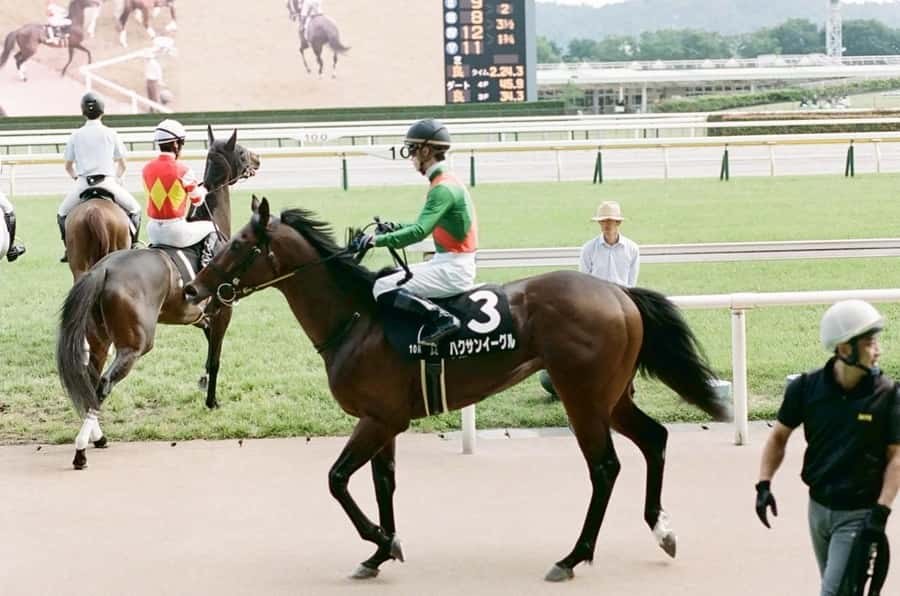
Let’s be honest: the hardest part of Japanese horse racing isn’t the horses. It’s the process—what to do, what to pay attention to, and how not to freeze at the moment you should place your bet.
That’s where the guide earns their spot. The tour includes:
- an English-speaking guide throughout the event
- detailed explanation of horse racing rules
- hands-on help placing bets
- assistance with understanding betting options
If you’ve never bet before, you’ll still be able to follow along because the guide walks you through it step by step. If you have bet before, you’ll still likely appreciate the local explanations, like how to interpret the jockeys, horses, and race info in a way that actually translates to betting decisions.
One practical tip from the overall setup: bring your cash ahead of time. Betting amounts are paid individually by you, and the guide helps you place them, but you’re the one funding your slip. This is not a fixed package bet where everything is decided for you.
Also, keep your expectations realistic. The betting part is part lesson and part fun experiment. If you “win,” great. If you don’t, you still learn how race day decisions work in Japan—which is the point.





The race itself: cheering, timing, and those big emotions
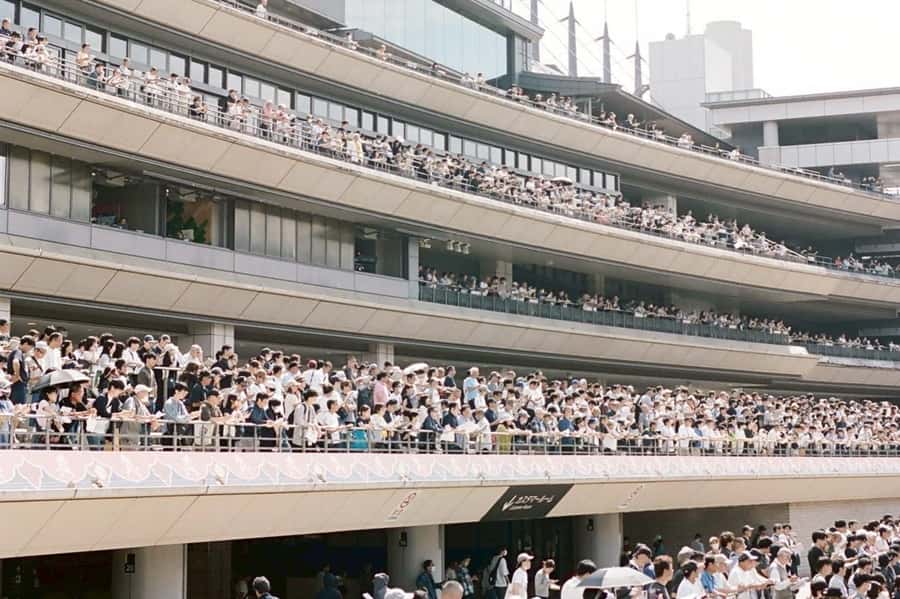
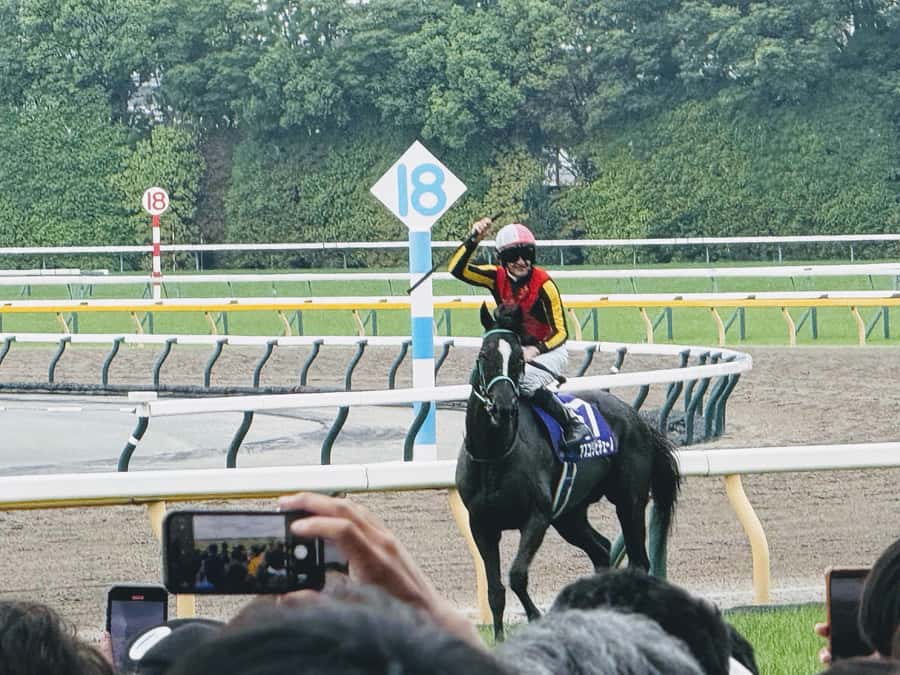
Once you’re seated and betting is understood, the day becomes pure race energy. Japanese race fans are serious, but in a fun way. The crowd reacts in waves, and you start to recognize how people track the action.
Here’s what you should expect as races pick up:
- you’ll place bets during the event (with guidance)
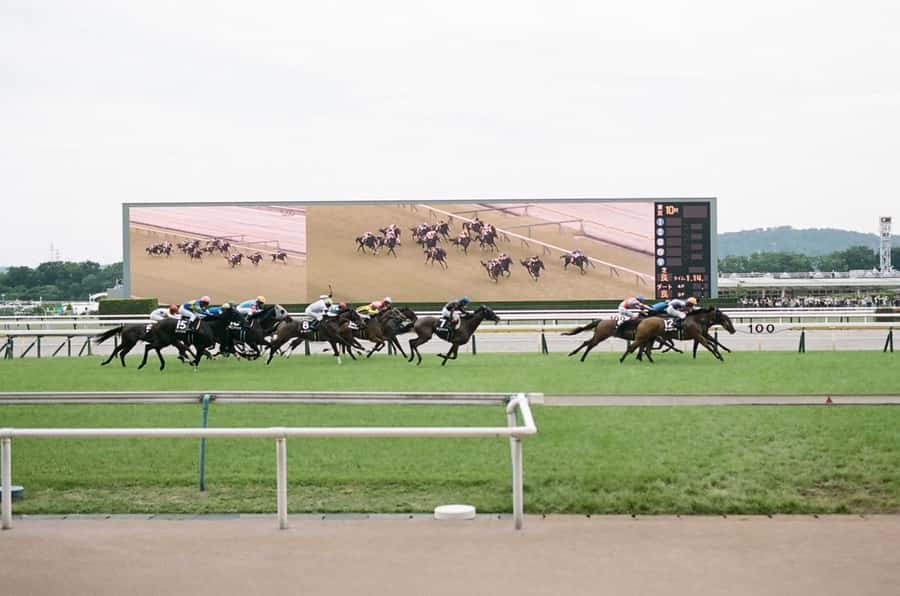
- you’ll watch live races from your reserved seats
- you’ll get explanations along the way so you can connect race details to what’s happening
In reviews, the overall theme was excitement—people called it racing on steroids and said it felt nothing like other major race events they’d seen abroad. I get why. When you can actually participate in betting, the watching isn’t passive. You’re making choices, the whole room feels them, and the outcome lands with extra weight.
Also, the guide’s job is not just to translate words. It’s to connect meaning. When the information you see is explained, you’re not just watching pretty horses. You’re watching a structured competition with human decisions behind each bet.
Food and drinks on your own tab, but the setting invites snacks
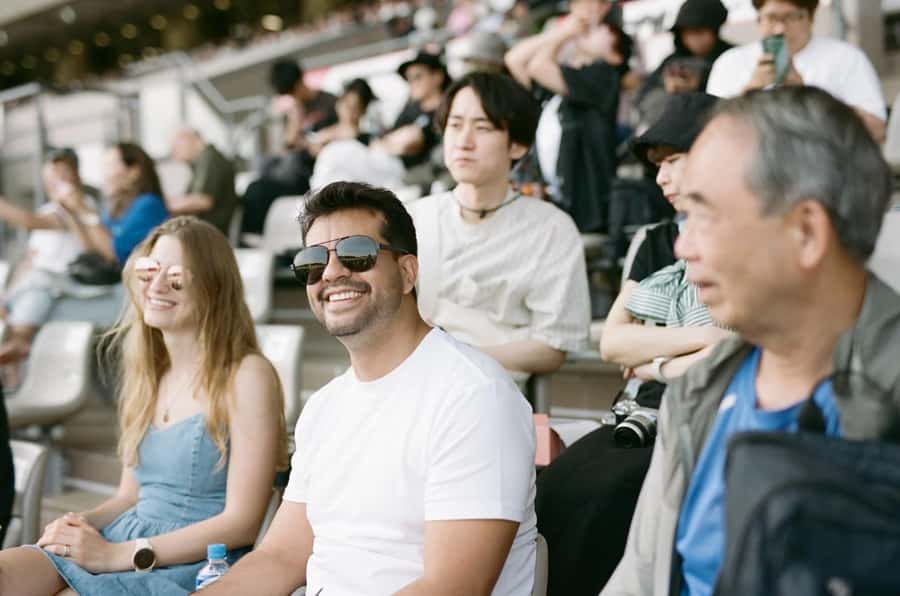
The tour experience is described as pairing betting with drinks and Japanese snacks, but the included list clarifies something important for budgeting: food and drinks aren’t included. That means you should plan to buy your own meals and drinks at the racecourse.
The good news: the racecourse environment is exactly where you’ll want to eat. You’ll be surrounded by Japanese snack culture, with options like street-style items and crowd-friendly bites. If you want beer, sake, or a cocktail, you’ll likely find plenty of chances to do that on site—you just won’t have it covered in the tour price.
So think of it like this: the guide helps you with the racing and the betting. You handle the menu. That’s usually a better deal than a rigid meal plan anyway, because you can choose what fits your tastes and hunger level.
Price and value: $60 plus what you choose to bet
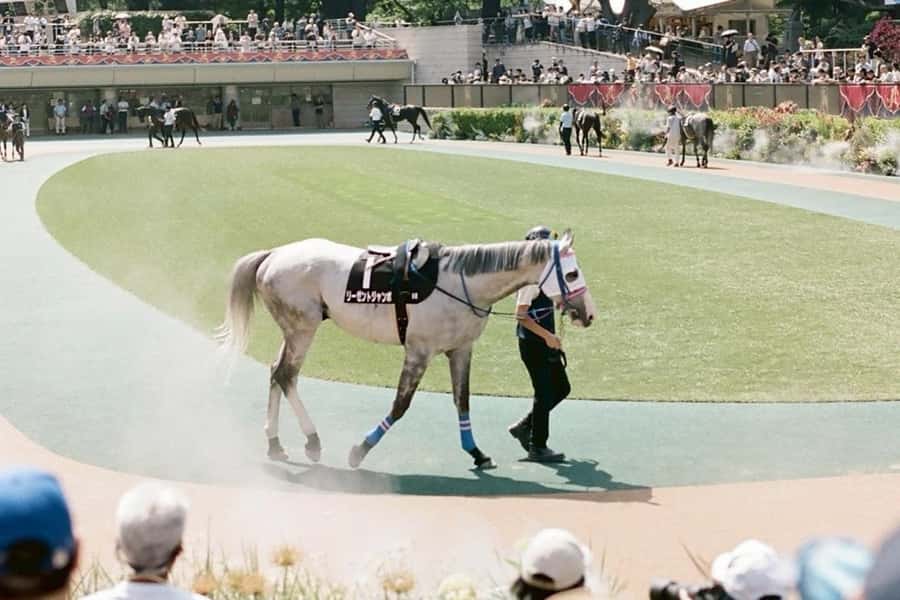
At $60 per person, this tour is priced like a half-day activity that mostly costs you for expertise and translation. You’re paying for an English-speaking guide who can: explain the rules, help you navigate betting, and get you through the entry/ticket flow with reserved seating.
What’s not in the $60:
- food and drinks
- your betting amounts
- train tickets
This is where value thinking helps. If you were to figure out the system alone, you’d spend time on research and likely feel lost at the exact moment you want to bet. Here, you trade a bit of cash and transit planning for time saved and confidence gained.
If you’re on a tight budget, keep your betting amount modest. You can still enjoy the races, the crowd, and the guide’s explanations without going all-in financially. If you like the idea of placing a few bets and treating it like a fun activity, the price makes even more sense.
Either way, bring cash, because betting is a real-money moment. The guide can help you place the bet, but your wallet has to do the rest.
Who this tour is best for (and when to skip it)
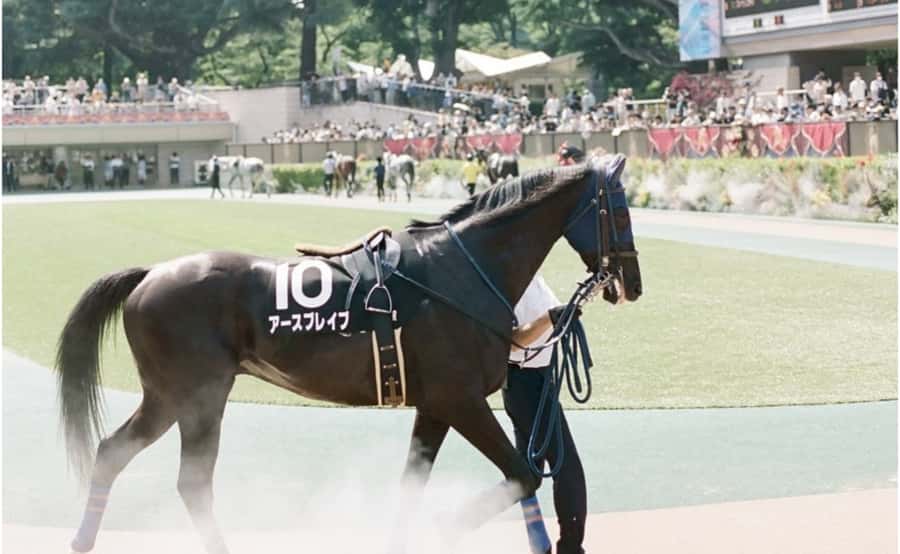
This tour is a great match if:
- you want a real Japanese race day, not a photo stop
- you don’t read Japanese and want English support for the key steps
- you’re curious about betting and want help doing it correctly
- you like learning how locals do something, including what they pay attention to
It’s less ideal if:
- you hate spending money spontaneously on betting (because betting is not included)
- you’re expecting a fully packaged meal/drink experience (since food/drinks aren’t included)
- you prefer unguided wandering and don’t want your entry tied to the guide
The overall feel from people who did it is that the guide turns the experience from confusing to fun fast. If you want that kind of guided clarity, you’ll probably enjoy the day a lot.
Small details that make a big difference
A few practical points can save you stress:
- Bring cash in Japanese yen for betting. Don’t rely on cards for the betting moment.
- Keep your phone ready for the arrival message and meeting instructions.
- Show up on time at the sign meet-up. Entry is tied to being accompanied by the guide.
- Budget for transit since train tickets aren’t included.
Also, get comfortable with the idea that you’ll learn on the fly. The guide explains the process so you can place bets during the event, but the race pace means you’ll feel busy in a good way. You won’t have a long classroom lecture before the action.
Should you book this Tokyo horse racing tour?
If you want one Tokyo experience that feels truly different—where you’re not just watching but participating—this is a strong pick. The biggest selling point is the English-speaking guide who helps you handle the betting and race-day flow, including reserved seating logistics.
Book it if you can bring yen cash, are okay with buying your own food and drinks, and want a half-day that’s equal parts culture and adrenaline. Skip it if you’d rather keep all spending fixed and avoid the betting part entirely.
If you’re unsure, this is the kind of tour that reduces uncertainty fast. You’ll learn the rules, get assistance placing bets, and walk away knowing how locals actually experience race day.
FAQ
What does the tour cost?
The price is $60 per person.
Do I need cash for the tour?
Yes. You should bring cash in Japanese yen, especially because betting amounts are paid individually.
Is my GetYourGuide voucher an admission ticket?
No. Your voucher is not an admission ticket. The guide provides your reserved seat ticket in person.
Which racecourse will the tour visit?
It depends on your date. Weekend tours typically go to Tokyo Racecourse or Nakayama Racecourse. Weekday tours typically go to Oi or Kawasaki Racecourse. The exact venue is shown when you select your tour date during booking.
Are food and drinks included?
No. Food and drinks are not included. You can buy your own meals at the racecourse.
Are train tickets included?
No. Train tickets are not included.
Will there be an English-speaking guide?
Yes. An English-speaking guide is included throughout the event, and they explain the rules and betting process.
Does the guide help me place bets?
Yes. The tour includes assistance with placing bets during the event.
Where do I meet the guide?
The guide will meet you at the start location while holding a sign with your name. You’ll text when you arrive.
What is the cancellation policy?
You can cancel up to 24 hours in advance for a full refund.
More Tour Reviews in Tokyo



Fresh reviews from around Tokyo






Tokyo, compared.
 ★ 5.0Mt Fuji and Hakone 1-Day Bus Tour Return by Bullet TrainFrom $16326,383 reviews
 ★ 5.01-Day Tokyo Bus TourFrom $12914,250 reviews
 ★ 4.6teamLab Planets TOKYO Digital Art Museum Entry TicketFrom $259,779 reviews
 ★ 4.0Mt Fuji & Hakone Cruise, Drum Show Bullet Train 1 Day from TokyoFrom $1497,413 reviews
 ★ 5.0Shinjuku Food Tour (13 Dishes at 4 Local Eateries)From $866,603 reviews
 ★ 4.4Tokyo Mt Fuji 5th St & Hakone Cruise Bus Tour w/Bullet TrainFrom $1545,024 reviews
 ★ 5.0Flagship 2-Hours Official Street Go-Kart Tour – Tokyo Bay ShopFrom $644,974 reviews
 ★ 4.5From Tokyo: Mount Fuji Full-Day Sightseeing TripFrom $684,970 reviews