
Reviewed · SHIBUYA TOURS
Tokyo: Harajuku Meiji Shrine to Shibuya Crossing Guided Tour
Two hours can change how you see Tokyo.
This Harajuku to Shibuya guided loop strings together a major shrine visit, the style-and-snacks chaos of Takeshita Street, and the big photo moment at Shibuya Scramble Crossing. I like that you get a local guide who explains why Meiji Jingu matters and how to visit, not just a walk-by.
I especially love the small-group feel (max 10) and the fact that you do more than sightseeing. You also get the omikuji (fortune paper) included, and the guide helps you understand what to do with it. Guides such as Shigure and Masahito have been singled out for being warm and answering questions at a pace that feels right.
One possible drawback: at 2 hours, it’s efficient. If you want long shopping detours in Harajuku or extra time hovering at Shibuya, this format may feel a bit tight.
In This Review
- Key points to know before you go
- Meiji Jingu in two hours: why this start works
- What to watch for on the shrine grounds
- Harajuku to Takeshita Street: crepes, photos, and not overthinking it
- Photo tip: grab the famous street energy early
- Shibuya Scramble Crossing: how the guide helps you get the shot
- Group photos are the point here
- Hachiko statue: the loyalty story that adds weight to the photo
- A quick moment to slow down
- Logistics that matter: where to meet and how the pace feels
- Guide names you might hear in recent tours
- Pace reality check
- Price and value: what $78 buys you in Tokyo time
- When the price might feel high
- When the price feels fair
- Who should book this Harajuku to Shibuya tour?
- Book it or skip it: my practical call
- FAQ
- How long is the Tokyo Harajuku to Shibuya guided tour?
- Where do I meet the guide?
- Is the tour offered in English?
- What’s the group size?
- What are the main stops on the tour?
- Is the omikuji (fortune paper) included?
- Do I pay right away?
- What’s the cancellation timeframe?
Key points to know before you go
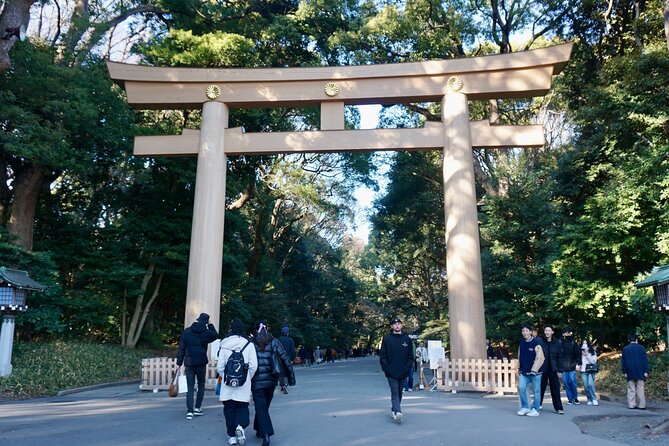
- Meiji Jingu with context: a guide explains the origins of the shrine and how to visit
- Omikuji included: fortune paper fee is part of the tour
- Harajuku stop timed for crepes: you get a break on Takeshita Street for a Japanese-style crepe
- Shibuya Crossing group photos: the guide helps you get the shot and then find a scenic viewpoint
- Hachiko photo moment with meaning: you’ll hear the sad tale behind the loyalty symbol
- Small group of 10 or less: more questions, less waiting around
More to do within sight of the Crossing
- Official Street Go-Kart in Shibuya★ 5.0 · 3,435 reviews
- Tokyo: Street Kart Experience in Shibuya★ 4.9 · 1,484 reviews
- Shibuya Meltdown Nightlife Tour: All-You-Can-Drink Bar Hopping★ 5.0 · 1,058 reviews
Meiji Jingu in two hours: why this start works
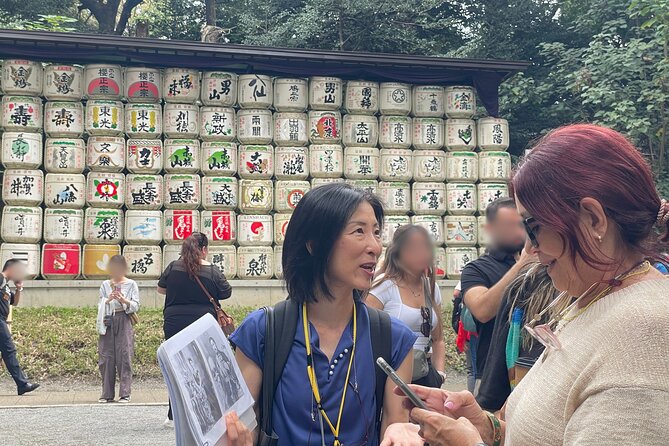
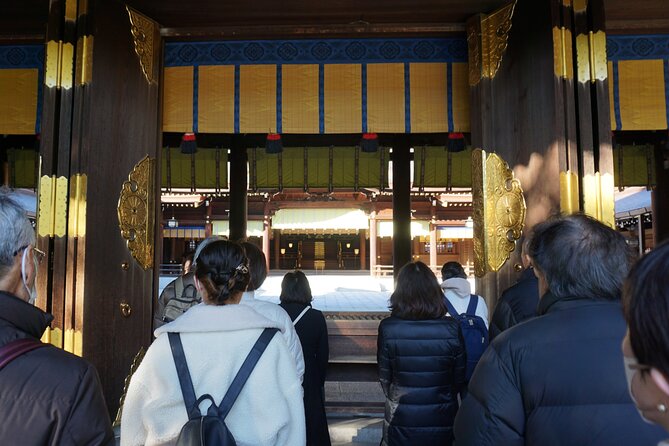
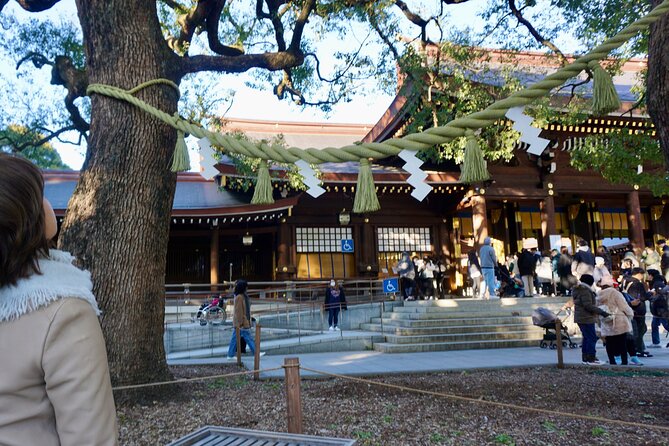
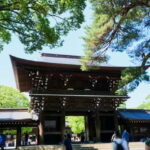
Starting at Meiji Jingu is a smart move because it flips Tokyo from fast streets to quiet ritual. Meiji Jingu is known for Hatsumode, Japan’s New Year shrine visit, and it’s described here as the most visited shrine in Japan for that season. Even if you’re not in January, that reputation signals something important: this place is built for crowds, but the grounds themselves are designed for calm.
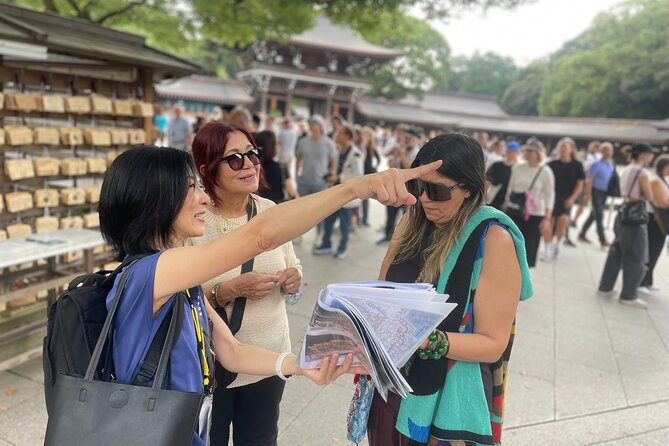
You’ll arrive with a guide who can explain what you’re seeing and how to take part respectfully. That matters because shrine etiquette can feel confusing if you’re guessing. The tour’s promise is not only that you’ll be there, but that you’ll learn how to visit.
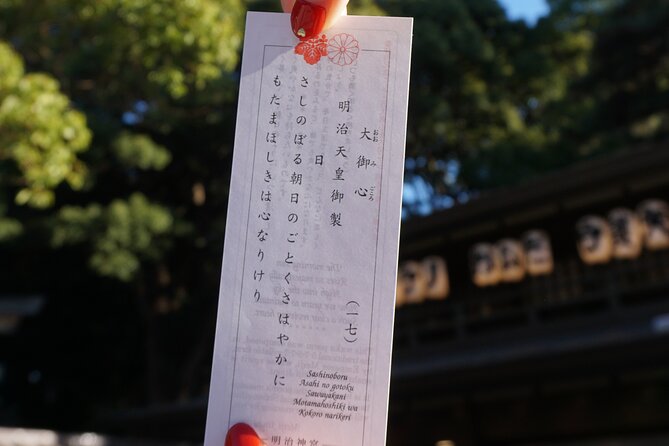
A practical bonus: you’re also paying the omikuji fee as part of the experience. Omikuji (fortune paper) is a fun Tokyo ritual when you understand the basic flow. The guide is there to help you interpret what’s going on and make sure you’re doing it the expected way, instead of standing around wondering if you’re missing a step.
What to watch for on the shrine grounds
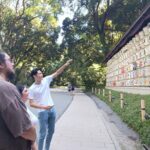
If you’ve only seen shrine photos, you’ll probably notice two things immediately: scale and rhythm. You’ll walk through a space that feels wide and slow, and then the tour keeps moving. That’s the value of this being a guided stop: you get the meaning without turning it into a half-day project.
Harajuku to Takeshita Street: crepes, photos, and not overthinking it
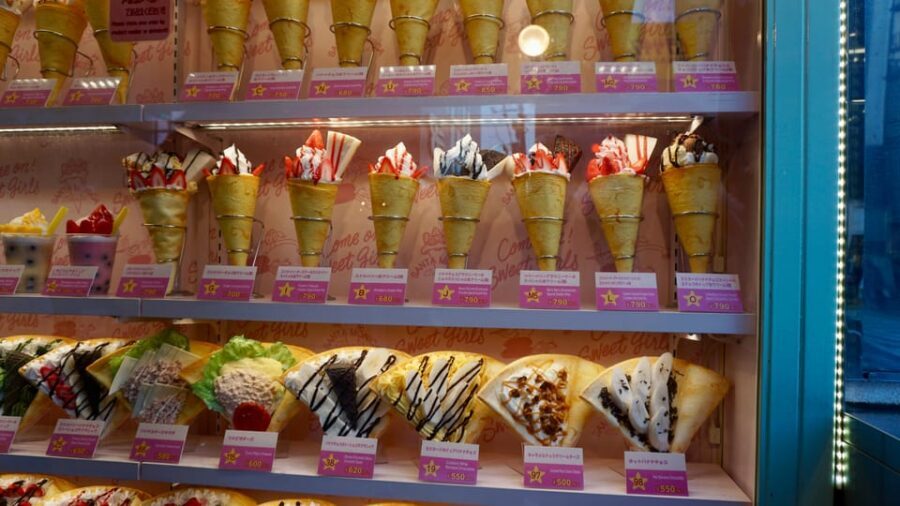
After the shrine, you shift into Harajuku, where Tokyo style culture takes over. The tour specifically includes time for Takeshita Street and Japanese-style crepes. This is the classic scene people associate with Harajuku, and having it on a timed itinerary helps you avoid the common beginner mistake: wandering for an hour without seeing the whole vibe.
I like that you get the crepe moment as a practical break. Food stops in a tour aren’t just about eating; they give you a “human pace” break so the rest of the walk doesn’t feel like nonstop transit. Also, crepes here are a way to interact with the culture in a simple, low-pressure way. You don’t need a reservation or a research rabbit hole.
Photo tip: grab the famous street energy early
Takeshita Street is the kind of place where photos can turn into a long wait if you aim for the perfect shot too late. If your goal is pictures and a quick snack, go early in the stop window and use your guide’s timing. A good guide knows where the group photo bottlenecks happen and can help you get around the worst of them.
More colour: other Harajuku wanders


Shibuya Scramble Crossing: how the guide helps you get the shot
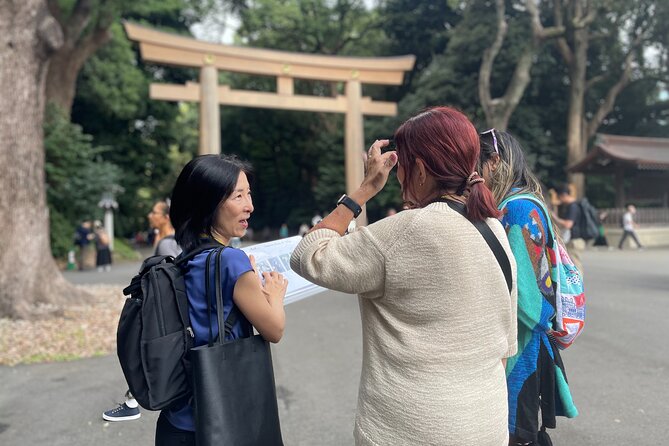
Next comes Shibuya Scramble Crossing, the Tokyo landmark that needs no introduction. But the trick is doing it without getting lost in the chaos. The tour is built around this: the guide takes you to the crossing area for famous “scramble” photos and then continues to a scenic vantage point where you can look back over Shibuya Crossing.
That extra viewpoint is a real quality-of-life upgrade. From street level, the crossing can feel like standing inside a moving crowd. From a viewpoint, it turns into a calmer scene where you can see the choreography of the intersections. The tour’s format helps you get both perspectives in one smooth flow.
Group photos are the point here
You’ll take group photos at the crossing, which sounds small, but it solves a big problem for couples and solo travelers: who’s going to take your picture when it’s packed? Having a guide coordinate the moment can save you time and keep you from missing the shot while you trade camera settings with strangers.
Hachiko statue: the loyalty story that adds weight to the photo
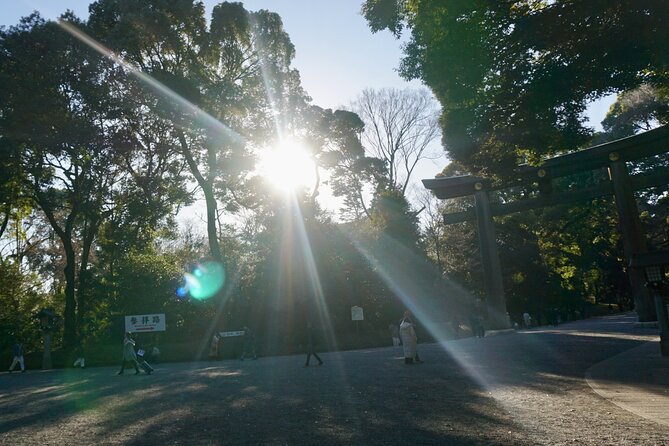
Before you wrap up, you’ll reach the Hachiko statue, and the guide shares the sad tale behind why Hachiko is remembered as a loyalty symbol. That storytelling piece is what keeps the stop from becoming just another tourist checkpoint.
I find that short cultural story stops are the best kind of “extra.” You don’t need a long lecture, just enough context to make your photo feel earned. You’ll get that here, and it pairs nicely with Shibuya because Hachiko is one of the few places in the area that feels human-scale compared to the massive city energy around it.
A quick moment to slow down
Even with a tight schedule, pause at Hachiko instead of treating it as a quick snap. The sad tale is the reason this statue is famous, and it makes your memory stick better than any skyline photo.
Logistics that matter: where to meet and how the pace feels
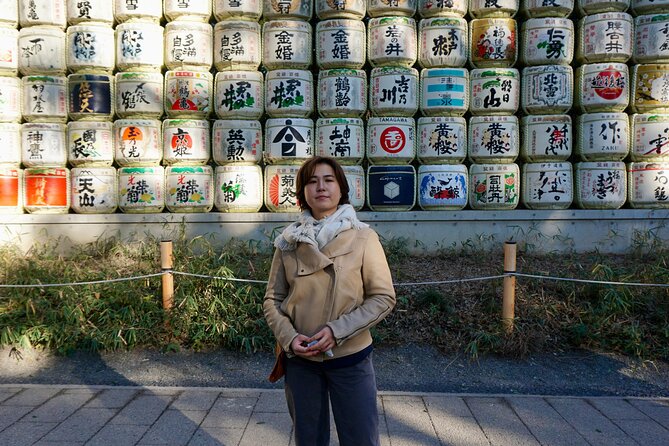
You’ll meet at JR Harajuku Station, west exit. The guide is waiting at the west exit with a signboard that shows gotcha. That detail matters because Harajuku can be confusing if you come up through the wrong exit and end up walking with a time crunch.
The tour runs for 2 hours, with a live English-speaking guide and a group limited to 10 participants. In practice, that small group size is what lets the guide keep questions moving. It also helps the walking pace feel steady, not rushed or scattered.
Guide names you might hear in recent tours
The reviews included here mention guides like Shigure and Masahito, praised for being attentive, friendly, and able to answer questions. You shouldn’t expect a specific person, but it’s a good sign when multiple guides are described as warm and responsive. It usually means the tour style is consistent: clear pacing, clear explanations, and room to ask.
Pace reality check
Two hours means you’ll see a lot, but you won’t have time to treat this like independent sightseeing with long stays. If your travel style is fast-and-focused, you’ll love it. If you want long shopping loops, plan to add free time before or after the tour.
Price and value: what $78 buys you in Tokyo time
At $78 per person for a 2-hour guided walk, you’re not paying for transportation or a multi-course meal. You’re paying for three things:
- Guided context at the main anchor stop (Meiji Jingu), including how to visit
- A guided route that links Harajuku, Takeshita Street, and Shibuya in one efficient loop
- Omikuji included via the fortune paper fee
For short Tokyo itineraries, paying for a guide often saves more time than you’d think. Without guidance, you can still do this on your own, but you’ll spend time figuring out shrine etiquette and interpreting what you’re seeing. That’s where the value shows up.
When the price might feel high
If all you want is photos at Shibuya Crossing and you’re comfortable doing everything else independently, you might not need a guide. This tour works best when you want explanations and a guided “do this, then that” flow.
When the price feels fair
If you want a first-timer-friendly route with cultural context and you like the idea of coordinated group photos, $78 for two hours is a reasonable way to buy time and reduce confusion.
Who should book this Harajuku to Shibuya tour?
This one fits best if you’re:
- New to Tokyo and want a guided introduction to three iconic areas
- Short on time and want a smart route that compresses a lot into 2 hours
- Curious about shrine customs and rituals like omikuji
- Interested in seeing famous spots like Takeshita Street and Shibuya Crossing without spending energy figuring out the logistics
It’s also a good match for people who enjoy a steady walk with stops that have a purpose, not random wandering.
Book it or skip it: my practical call
I’d book this tour if you want a focused highlight route with cultural context, plus the key photo moments coordinated for you. The Meiji Jingu start and the Hachiko storytelling give the trip more meaning than a pure photo-and-walk itinerary.
I’d skip it if you plan to spend most of your day shopping in Harajuku or you dislike structured timing. In that case, you’ll probably want a more free-form plan.
FAQ
How long is the Tokyo Harajuku to Shibuya guided tour?
It’s 2 hours long.
Where do I meet the guide?
Meet at JR Harajuku Station, west exit. The guide waits there with a signboard showing gotcha.
Is the tour offered in English?
Yes, it has a live English guide.
What’s the group size?
It’s a small group limited to 10 participants.
What are the main stops on the tour?
You’ll visit Meiji Jingu, stroll through Harajuku including Takeshita Street, go to Shibuya Scramble Crossing for photos, and stop at the Hachiko statue.
Is the omikuji (fortune paper) included?
Yes. The omikuji fortune paper fee is included.
Do I pay right away?
With reserve now & pay later, you can book your spot and pay nothing today.
What’s the cancellation timeframe?
You can cancel up to 24 hours in advance for a full refund.
More Time at Meiji Shrine

More Harajuku to Wander
Still in Shibuya? Keep Going





Fresh reviews from around Tokyo






Shibuya Tours, compared.
 ★ 5.0Official Street Go-Kart in ShibuyaFrom $763,435 reviews
 ★ 4.9Street Kart Experience in ShibuyaFrom $741,484 reviews
 ★ 5.0Shibuya Meltdown Nightlife Tour: All-You-Can-Drink Bar HoppingFrom $1061,058 reviews
 ★ 5.0Shibuya Official Street Go-Kart in Shibuya AnnexFrom $69972 reviews
 ★ 5.0Shibuya Food Tour (13 dishes and 4 Eateries)From $77770 reviews
 ★ 5.0Best of Shibuya Food TourFrom $217612 reviews
 ★ 4.8Shibuya Highlights Walking TourFrom $19601 reviews
 ★ 4.7Premium Go-Kart Tour with Tower & Shibuya CrossingFrom $116528 reviews
Browse the lists this tour appears in