
Reviewed · SUMO SHOWS
Tokyo Ginza : Sumo and Mikoshi Experience,Open from Sep.
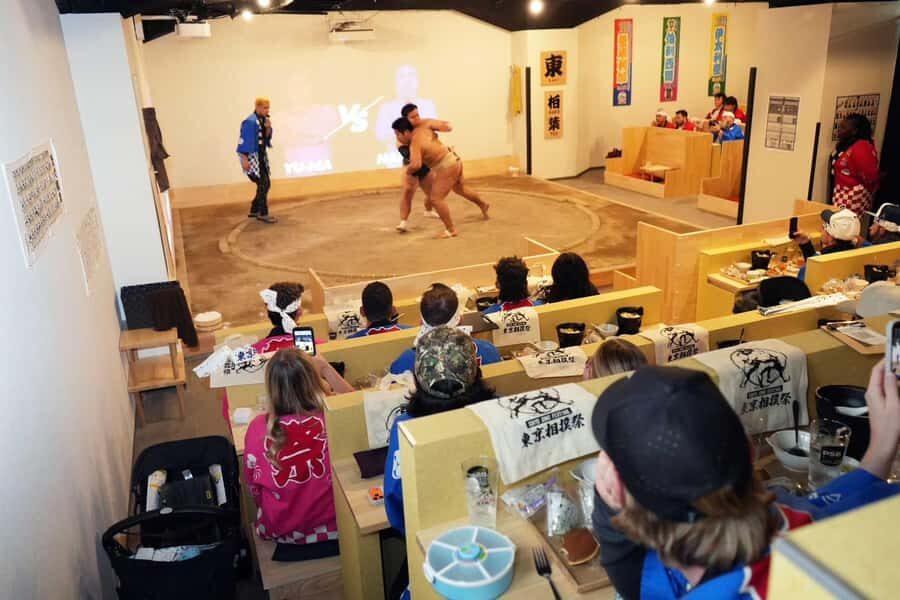
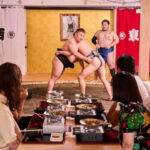
Sumo in Tokyo feels bigger than life. This Ginza experience turns that excitement into an up-close, hands-on festival-style show with food and interactive moments. I especially like how close you get to the wrestlers and how the evening doesn’t just tell you about sumo rules—it gets you involved.
Two strong wins here: you can step into the ring for sumo wrestling practice with a retired wrestler, and you’ll take part in a mikoshi carry, a traditional shrine ritual people usually only watch from the sidelines. One thing to plan around: participation in the ring can be limited, and general seating may be chosen by lottery.
In This Review
- Key Things I’d Highlight Before You Go
- A Festival-Style Sumo Show in Ginza
- Getting to Ginza INZ 1 B1: Quick, Walkable Logistics
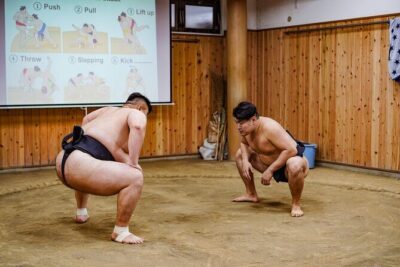
- Morning Training vs. Show Format: What You’re Actually Watching
- Meet a Retired Wrestler in the Ring: How Practice Works
- Chanko Hot Pot or Snack: The Meal That Fits the Culture
- Mikoshi Carrying: The Part That Feels Rare
- The Festival Touches: Costumes, Stage Moments, and Energy
- Price and Value: What $97 Really Buys in Ginza
- Who Should Book This Sumo and Mikoshi Experience?
- Food Notes, Drinks, and Small Practicalities
- Should You Book This? My Straight Answer
- FAQ
- FAQ
- Where is the meeting point for the experience?
- How long does it take to walk from major Ginza-area stations?
- What’s included in the price?
- Is participation in the ring guaranteed?
- What meal will I receive?
- Can you provide vegetarian or vegan meals?
- Do you offer gluten-free or halal food?
- What language is used during the experience?
Key Things I’d Highlight Before You Go
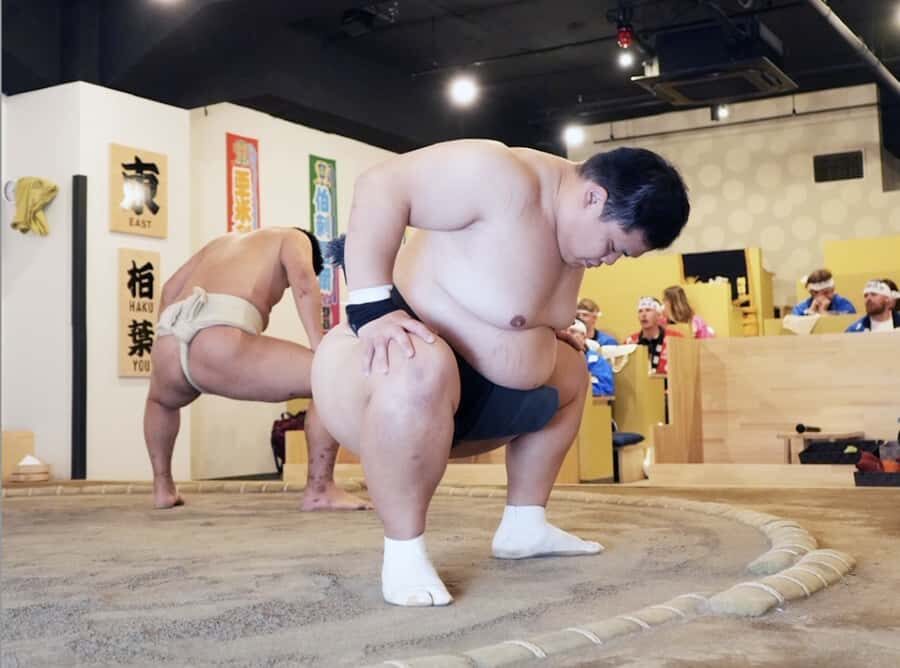
- Step into the ring to try sumo against a retired wrestler
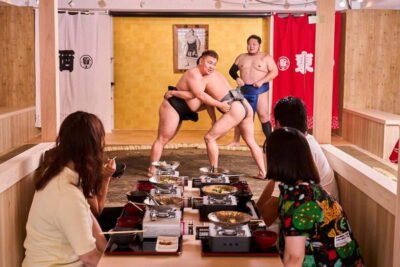
- Chanko hot pot or a snack included, served in a relaxed, traditional setup
- Mikoshi (portable shrine) experience tied to festival culture
- Rules and winning techniques explained in an entertaining way, not a lecture
- Participation for general seats can be lottery-based, while premium/box are guaranteed
- Convenient Ginza location with multiple nearby stations and a first-basement-floor venue
More chances to sit ringside
- Tokyo: Sumo Show and Dining Experience★ 4.8 · 2,742 reviews
- the SUMO show★ 5.0 · 1,960 reviews
- Tokyo Shinjuku Sumo Show & Experience with Photo★ 5.0 · 1,750 reviews
A Festival-Style Sumo Show in Ginza
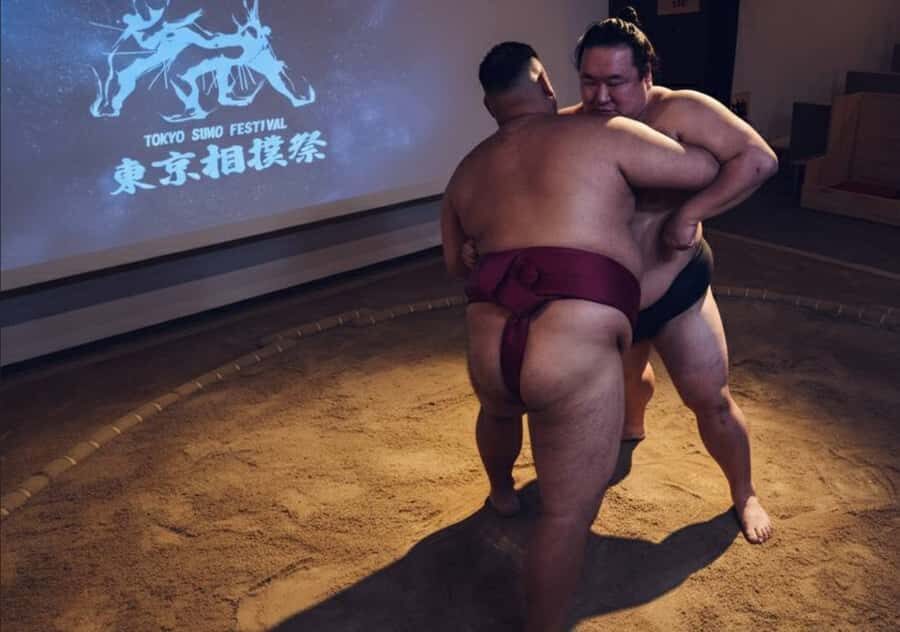
This isn’t the kind of sumo experience where you quietly sit and hope you’ll catch a good view. In Ginza, you’re treated to a fun, structured show that’s built for a mix of adults and kids, with explanations that keep things moving.
What makes it feel authentic is the combination: you get the sport side (technique basics and live demonstrations), the food side (chanko hot pot or a snack), and the festival side (carrying a mikoshi). Sumo culture in Japan isn’t only about matches. It’s ritual, community energy, and training discipline that spills into public life.
And yes, the scale is impressive. The wrestlers are simply big in person, and that visual impact hits you fast when you’re close.
Getting to Ginza INZ 1 B1: Quick, Walkable Logistics
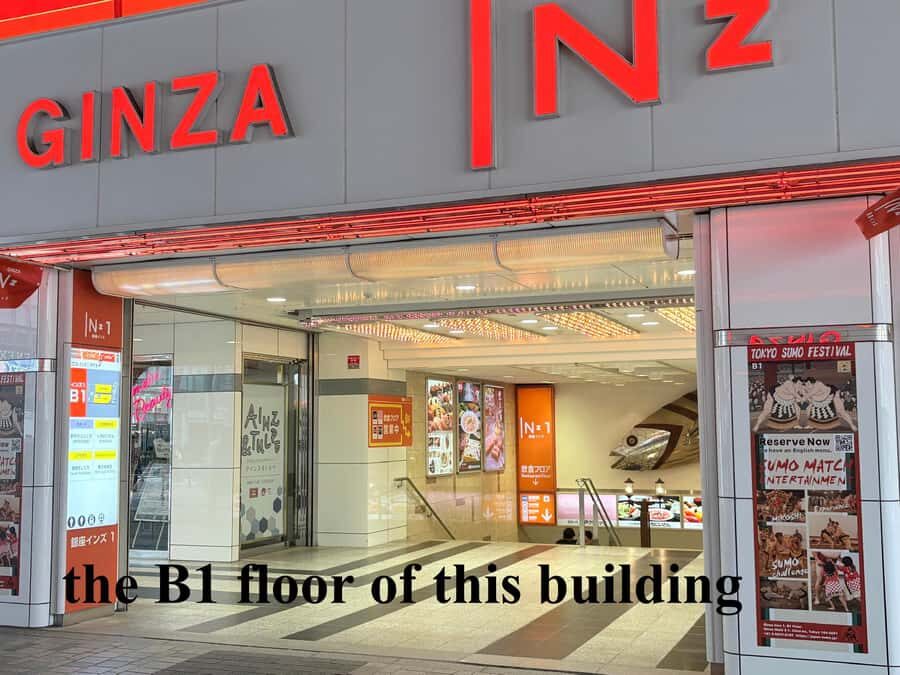
The meeting point is at Ginza INZ 1 B1, Nishi 3-chome, Ginza, Chuo City, Tokyo. The most practical tip: this is a first basement floor, so don’t linger outside trying to spot it at street level.
Good transit options:
- JR Yurakucho Station: about a 3-minute walk
- Tokyo Metro Ginza-Itchome Station: about a 2-minute walk
- Tokyo Metro Ginza Station: about a 4-minute walk
Ginza itself is easy to navigate. After the experience ends, you’ll return to the meeting point, so it’s simple to tack this onto a shopping-and-dining day.
Morning Training vs. Show Format: What You’re Actually Watching
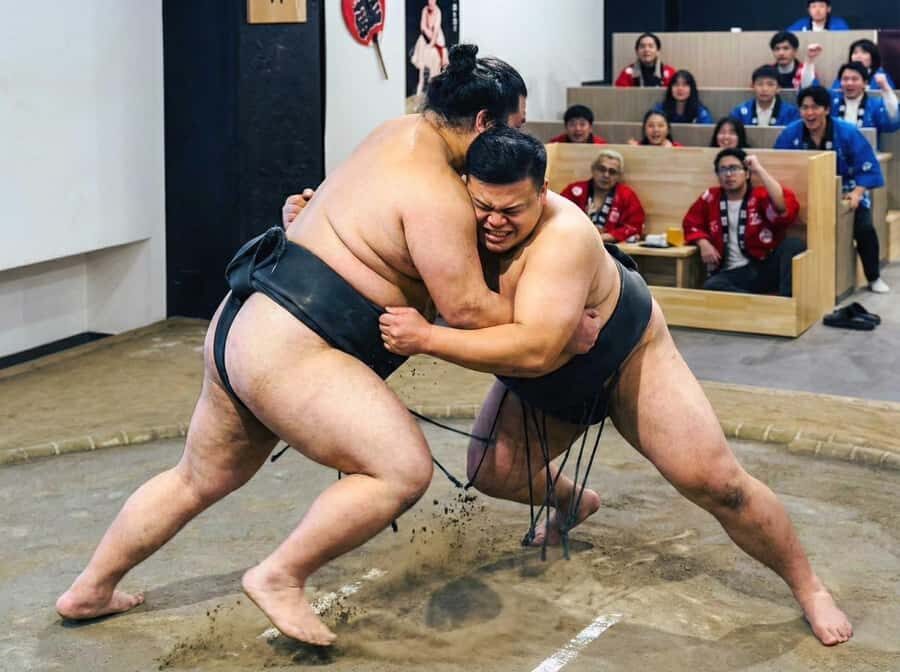
There’s a key expectation to set: this is not the same thing as serious morning sumo training or full matches. The structure is designed as an entertaining sumo show that you can enjoy regardless of your sumo knowledge.
That’s a good thing, even if you came for the real sport. The format helps you understand:
- what techniques aim to accomplish
- why certain moves work
- how winners are decided
Then you get demonstrations, and the experience moves from watching to doing—where most people’s excitement spikes.
Meet a Retired Wrestler in the Ring: How Practice Works
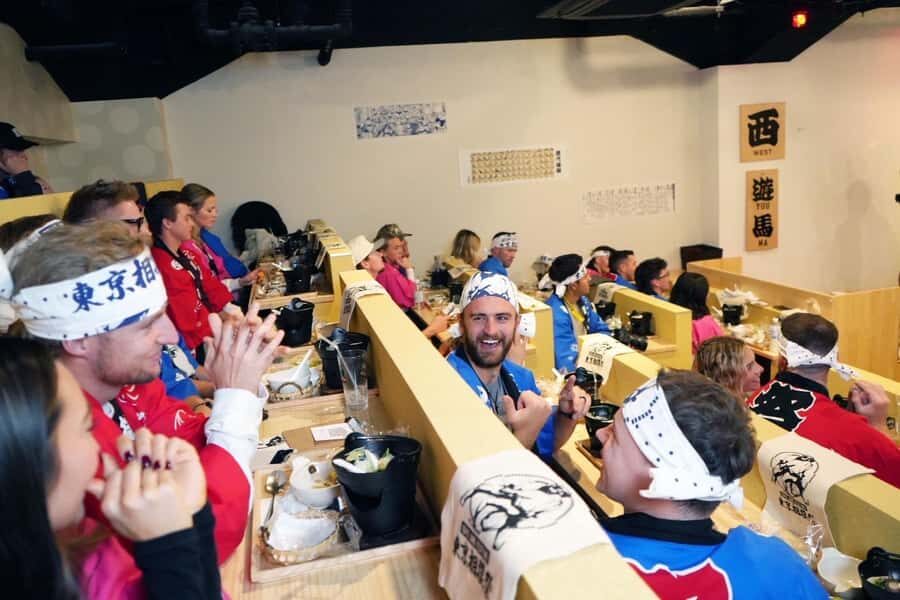
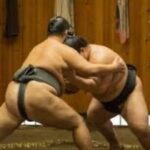
One of the biggest reasons this works is the ring time. After you watch explanations and demonstrations, you’ll get a chance to step into the ring and try sumo against a wrestler—specifically, a retired pro wrestler.
This matters for two reasons:
- You’re not just imitating a move from the stands. You’re getting feedback in the moment from someone who actually lived the sport.
- The “fairness” of it makes you feel included. Even if you’re not strong enough to “win,” the challenge is real, and your effort still counts.
A practical reality: participation is limited. If there are many applicants, general seating may be chosen by lottery. Premium and box seat guests are guaranteed participation, so if ring time is your top priority, that guarantee is worth factoring into your decision.





Chanko Hot Pot or Snack: The Meal That Fits the Culture
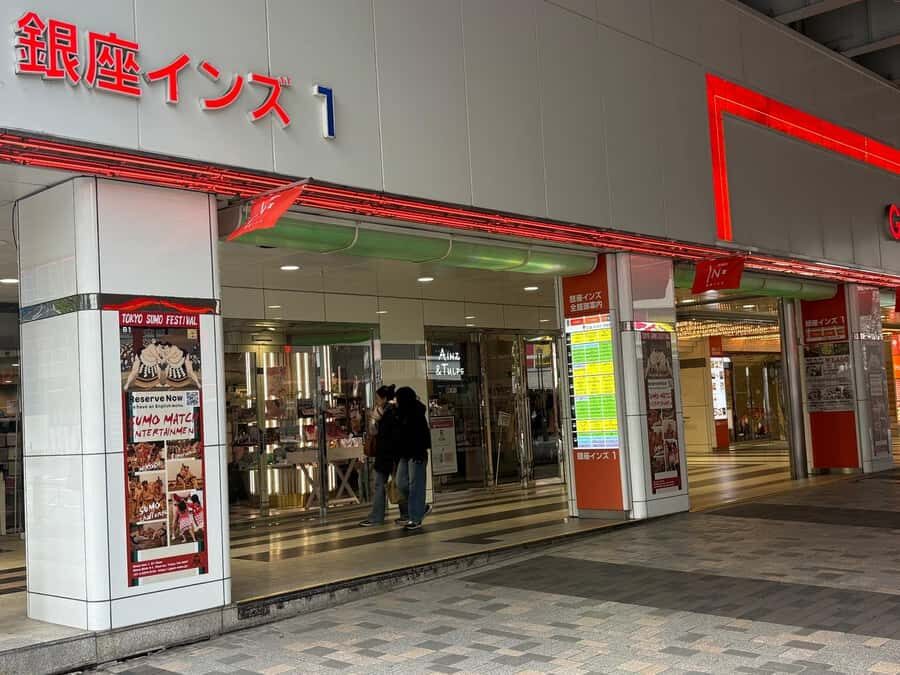
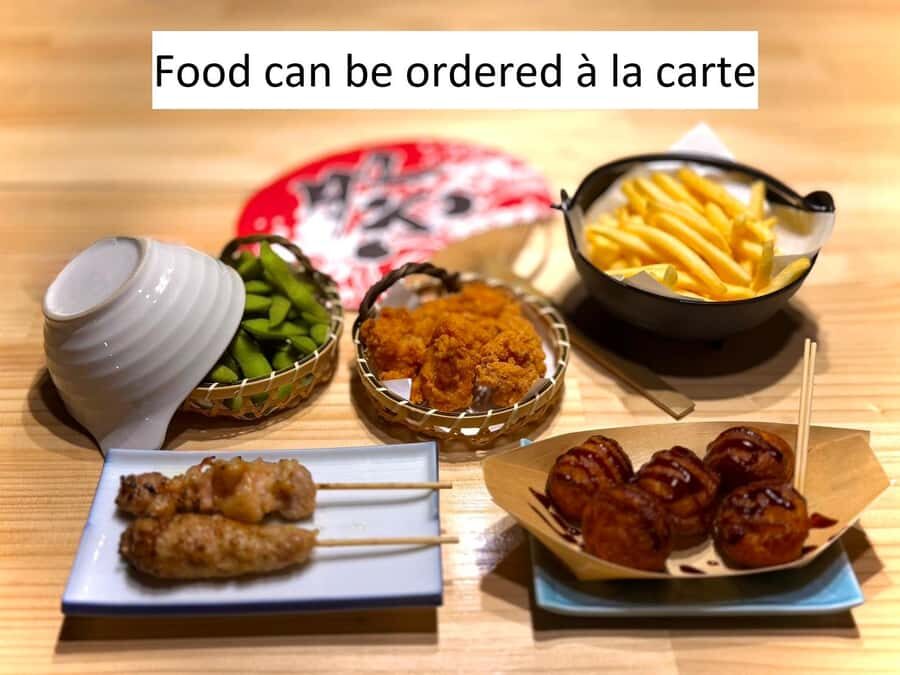
You’ll get a meal as part of the experience: Chanko Hot Pot or a snack. Drinks are not included.
Chanko is sumo’s classic staple food, and the fact that it’s included here is a strong value point. You’re not just watching tradition—you’re eating it in the same theme as the show. The meal also helps if you’re scheduling a long day in Ginza, since you won’t have to find food before or during.
If you’re watching your diet, here’s what you can request in advance:
- Vegetarian and vegan meals are available, as long as you inform the provider 2 days before your reservation date.
Diet limits:
- No gluten-free and no halal options can be provided, so if that affects you, plan to eat beforehand or bring your own items where appropriate.
Mikoshi Carrying: The Part That Feels Rare
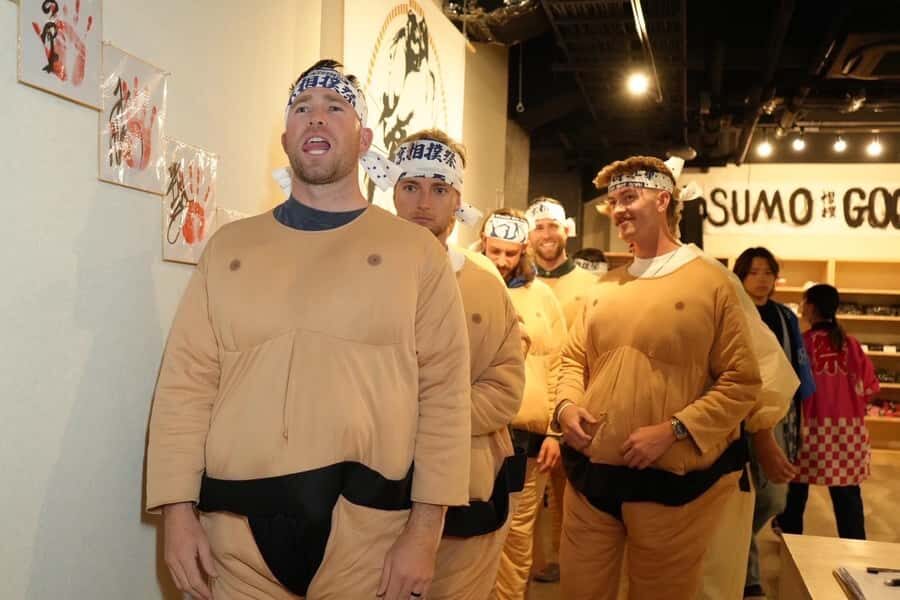
Most sumo experiences stop at wrestling. This one adds something different: a mikoshi (portable shrine) experience.
A mikoshi is carried during Japanese festivals, and doing it yourself changes how you think about the entire atmosphere around sumo. Sumo events often have a ceremonial feel, and the mikoshi part ties that idea to everyday festival practice—energy you can physically feel through your body as you carry it with the group.
From a travel-value standpoint, this is a great add-on because it’s not something you can easily DIY. You’d have to find a festival that matches your schedule. Here, it’s built into the program.
The Festival Touches: Costumes, Stage Moments, and Energy
The show leans into festival-style participation. You might get dressed in a happi (a Japanese festival coat), and the overall vibe is lively, not museum-quiet.
You may also get moments that put you on stage or involve you directly with wrestlers during activities. Staff explanations are typically clear in English, which makes the whole thing easier to enjoy without constantly translating in your head.
This is also where the experience can surprise you in a good way. If you expected only a standard demonstration, the interactive bits are often the highlight.
Price and Value: What $97 Really Buys in Ginza
At $97 per person, you’re not only paying for entertainment. You’re paying for a package that includes:
- a meal (chanko hot pot or snack)
- a hosted sumo show with demonstrations
- the chance to try sumo in the ring (with lottery dynamics for general seating)
- the mikoshi experience
- a souvenir
If you’ve done Tokyo attractions that are basically a show plus a photo, this feels more like a guided activity. You’re moving through multiple layers of Japanese sports-and-festival culture in one sitting, and the included meal helps your day budget.
The one trade-off: because the ring participation is limited, the value depends partly on whether you end up with ring time. If you choose premium/box seating, you remove that uncertainty.
Who Should Book This Sumo and Mikoshi Experience?
I’d point you here if:
- you want hands-on culture, not just viewing
- you’re curious about sumo beyond match results
- you like activities with a clear structure and short explanations
- you want a Ginza plan that’s easy to reach and easy to finish
You might consider another option if:
- you only care about serious morning training or official tournament-style matches
- you’re extremely sensitive to uncertainty about ring participation (general seating may be lottery-based)
- your dietary needs are gluten-free or halal, since those can’t be accommodated
This is especially good for first-timers to sumo. The show format is built to teach you without making it feel like studying.
Food Notes, Drinks, and Small Practicalities
Plan around the fact that drinks aren’t included. If you’re thirsty after the activity, you’ll want cash or a card ready for nearby stops.
Also keep your expectations realistic about menu choices:
- Chanko hot pot is included for the hot pot plan.
- A snack is included for the snack plan.
- Vegetarian/vegan meals require notice 2 days ahead.
- Gluten-free and halal aren’t available, so you’ll need to handle those needs separately.
If you’re the kind of traveler who likes to be comfortable in advance, message the provider about the meal plan before arrival. It saves time and stress.
Should You Book This? My Straight Answer
Book it if you want a Tokyo activity that’s more than watching. The combination of sumo practice, an included chanko or snack meal, and the mikoshi carry gives you multiple entry points into Japanese festival culture in one compact stop.
Skip it or consider your seating carefully if ring participation certainty matters to you, since general seating can be lottery-based. If you can choose premium/box seats, you’re buying peace of mind along with the experience.
FAQ
FAQ
Where is the meeting point for the experience?
The meeting point is Ginza INZ 1 B1, Nishi 3-chome, Ginza, Chuo City, Tokyo, Japan.
How long does it take to walk from major Ginza-area stations?
It’s about a 3-minute walk from JR Yurakucho Station, about a 2-minute walk from Tokyo Metro Ginza-Itchome Station, and about a 4-minute walk from Tokyo Metro Ginza Station.
What’s included in the price?
The price includes a meal (Chanko Hot Pot or Snack), the sumo experience, mikoshi experience, sumo wrestling experience (with lottery for general seating), and a souvenir.
Is participation in the ring guaranteed?
General seating participation is limited and may be determined by lottery if there are many applicants. Premium and box seats are guaranteed participation.
What meal will I receive?
You’ll receive either Chanko Hot Pot or a snack. Drinks are not included.
Can you provide vegetarian or vegan meals?
Yes. Vegetarian and vegan meals are available, but you must inform the provider through messaging 2 days before your reservation date.
Do you offer gluten-free or halal food?
No. Gluten-free and halal food can’t be provided, but you’re welcome to bring your own.
What language is used during the experience?
The experience is offered in English.
More Tour Reviews in Tokyo



More Mornings with the Wrestlers
Fresh reviews from around Tokyo






Sumo Shows, compared.
 ★ 4.8Sumo Show Experience with Chicken Hot Pot and a PhotoFrom $1036,678 reviews
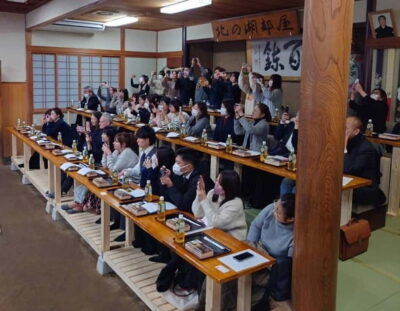 ★ 4.8Sumo Show and Dining ExperienceFrom $792,742 reviews
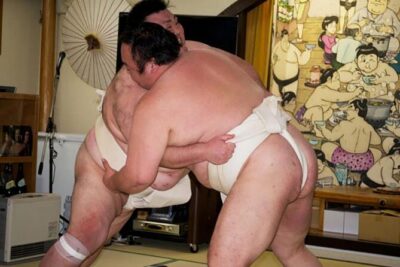 ★ 5.0the SUMO showFrom $891,960 reviews
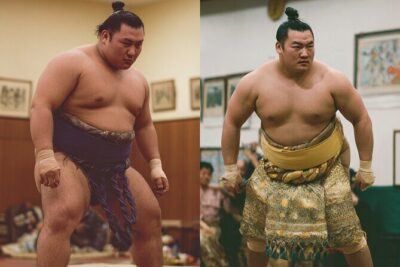 ★ 5.0Tokyo Shinjuku Sumo Show & Experience with PhotoFrom $791,750 reviews
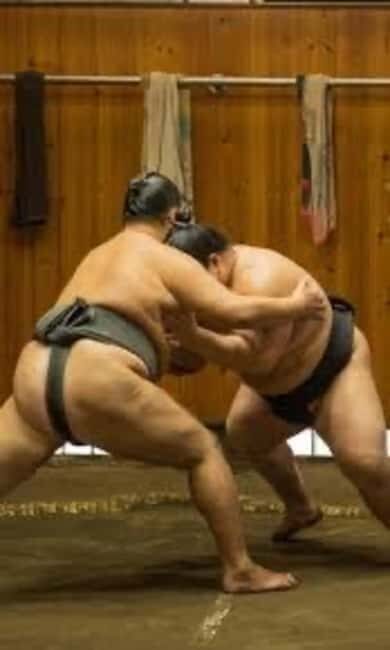 ★ 4.8Sumo Show and Experience in ShinjukuFrom $691,001 reviews
 ★ 5.0Authentic Sumo Experience in Tokyo: Enter the SanctuaryFrom $171603 reviews
 ★ 4.8Tokyo Sumo Experience: Chanko & Mochi with a Former ProFrom $103567 reviews
 ★ 5.0Ultimate Sumo Tournament: Tokyo, Osaka, Nagoya, FukuokaFrom $184468 reviews
Browse the lists this tour appears in