
Fuji day, with a schedule that actually works. This Tokyo-to-Hakone outing is built for big-picture sightseeing: you’ll start at the lakeside torii at Hakone Shrine, cross Lake Ashi for that classic Mount Fuji-on-the-water angle, ride the Hakone Ropeway, and end with two more Fuji photo stops. It’s a lot to fit in, but the pace is designed to keep you moving between the key sights.
The two biggest wins are practical. First, your Hakone Ropeway ticket is included, which saves you time and decision-making. Second, you get central Tokyo pickup and drop-off, plus a multilingual guide who can explain things in English, Japanese, and Chinese.
The main thing to think about is weather. If the clouds roll in, Mount Fuji visibility can disappoint, and the day still keeps going with the other sights. Also, expect a long day and slower traffic outside Tokyo.
In This Review
- Key points to know before you go
- Tokyo to Hakone in one day: how the timing feels
- Hakone Shrine and the lake torii: a calm start with big payoff
- Lake Ashi pirate ship: that “Fuji on the water” moment (plus the extra cost)
- Hakone Ropeway at Togendai: the view upgrade you already paid for
- Owakudani Valley: steam vents, black eggs, and raw geology
- Lake Yamanaka’s Swan Lake: a short pause for softer photos
- Oshino Hakkai: the classic pond reflections finale
- Price and value: what you’re really paying for
- Guides, pacing, and the small issues that matter
- Mount Fuji visibility: your best strategy is flexibility
- Tips that make the day smoother (and less stressful)
- Who should book this Tokyo to Mt. Fuji day trip
- Should you book this tour?
- FAQ
- FAQ
- Is the Hakone Ropeway ticket included?
- Do I have to pay extra for the Lake Ashi pirate ship cruise?
- How long is the day trip?
- Where do I meet my guide, and how will I recognize them?
- Will I definitely see Mount Fuji?
- Is lunch included?
Key points to know before you go
- Hakone Ropeway is included so you spend less time figuring out tickets and more time on the views.
- Central pickup/drop-off makes this feel like a real day trip, not a transit homework assignment.
- Shared group size is capped at 45 which keeps it lively but usually manageable.
- Owakudani means volcanic reality: steam vents and the famous black eggs boiled in sulfur water.
- You may need cash because some stops don’t reliably take credit cards.
- The “pirate ship” cruise costs extra (and is not included in the base price).
Other routes to the mountain, compared
- Mt Fuji & Hakone Cruise, Drum Show Bullet Train 1 Day from Tokyo★ 4.0 · 7,413 reviews
- Tokyo Mt Fuji 5th St & Hakone Cruise Bus Tour w/Bullet Train★ 4.4 · 5,024 reviews
- From Tokyo: Mount Fuji Full-Day Sightseeing Trip★ 4.5 · 4,970 reviews
Tokyo to Hakone in one day: how the timing feels
This is the kind of day trip where you stop counting minutes in Tokyo and start enjoying the rhythm. You’ll start with a pickup from a designated central area, then head west toward Hakone and the Mount Fuji region. The tour runs about 10 hours, but the day can run past 8 p.m. on weekends and holidays due to traffic, so don’t stack plans right after.
What I like about this setup is that the schedule matches the geography. You’re not bouncing randomly around the region; you’re moving along a route that lines up the shrine, the lake crossing, the ropeway, volcanic Owakudani, and then two classic Fuji reflection/photo spots.
You’ll also be in a shared group with visitors from different countries. That’s a plus if you like a guide who keeps the explanations clear and multi-language, and it helps you avoid the “only me on a coach” awkwardness.
Hakone Shrine and the lake torii: a calm start with big payoff
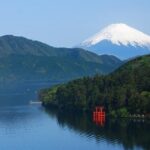
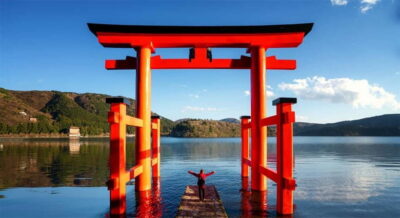
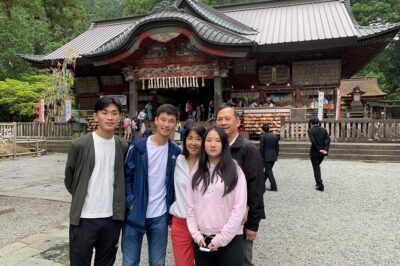
Hakone Shrine is where the day’s tone turns scenic right away. You’ll get roughly 50 minutes here, enough time to walk around, take photos, and enjoy that lakeside torii view people come for.
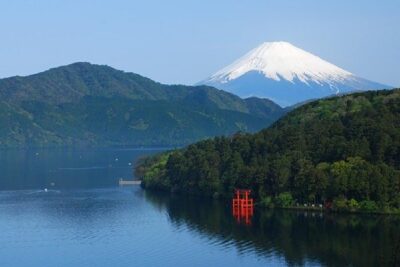
This is also a useful stop for context. Hakone is all about the mix of spiritual sites and active geothermal energy, and seeing the shrine close to the water helps you understand why this area feels so distinct from the rest of Japan. And if Mount Fuji is visible at this point, you’ll often catch an early preview of the mountain before later fog changes the odds.
Practical note: because it’s outdoors and it’s a popular stop, it can get crowded. Wear something comfortable and be ready for photo pauses that run long.
Lake Ashi pirate ship: that “Fuji on the water” moment (plus the extra cost)
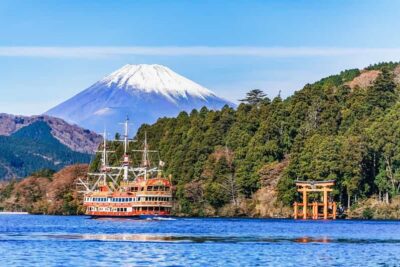
Next comes the Lake Ashi crossing aboard the Hakone Pirate Ship from the Tōgendai port. The cruise itself is about 25 minutes.
Here’s the deal: the cruise ticket is not included. Expect an added $12 per person if you want to sail. If you’re trying to keep the day affordable, you could skip that cost, but if you’re aiming for the classic views, this is one of the best ways to get Mount Fuji angles that you can’t get from land.
I like this stop because it breaks up the earlier sightseeing with something slower. It also gives you time to reset—no long hikes, just a ride where you can stand, look, and let the sights come to you.
Hakone Ropeway at Togendai: the view upgrade you already paid for
The heart of the day’s big views is the Hakone Ropeway. You’ll head to Togendai Station General Information Center, then take the ropeway for about 30 minutes, with the ticket included.
This is where your trip moves from “nice Japan scenery” to “geothermal drama.” From the ropeway, you get a higher perspective over volcanic terrain toward the Owakudani area and, when the sky cooperates, views of Mount Fuji.
If you’ve ever felt like Japan tours make you guess what to book, this is the opposite. Getting the ropeway ticket included is a real time-saver. It also matters because weather can change quickly in this region; having the ropeway portion handled smoothly helps you keep momentum.
One more reality check: even on clear days, visibility of Mount Fuji isn’t guaranteed. You’ll still get excellent views of the terrain, but Fuji isn’t something you can control.
More time on the water around Tokyo


Owakudani Valley: steam vents, black eggs, and raw geology
After the ropeway, you’ll spend about 50 minutes at Owaku-dani Valley. Admission is free here, which is nice, since this part of the day is already priced well around the included ropeway.
Owakudani is famous for volcanic activity. Expect steaming vents, sulfur smells in spots, and that surreal gray-black ground that looks more like a movie set than a calm vacation photo backdrop.
And yes, there are the black eggs. This is one of those “only here” experiences that turns sightseeing into something memorable. The eggs are boiled in sulfur water, and the idea is part taste, part tradition. If you eat them, it’s not just a snack—it’s a small, fun way to connect with the geothermal theme of Hakone.
Practical tip: bring a little patience with your nose and your eyes. The air around active vents can be intense. Also, if you’re sensitive to strong smells, you might want to time your standing around vents carefully.
Lake Yamanaka’s Swan Lake: a short pause for softer photos
Then you head to Lake Yamanaka (Yamanakako Swan Lake), with about 20 minutes at the stop. It’s part of the Five Lakes area tied to Mount Fuji.
This is a useful break from the volcanic intensity. Instead of steam and sulfur, you get a more open, calmer lake view. If birds are active, you may see swans or a lively scene depending on the season and conditions. Even when the action is minimal, this is a good spot for cleaner, wide-angle photos with Mount Fuji in the background if you’re lucky with weather.
Because your time here is short, focus on your best shot and then move. It’s not a long wander day; it’s a “hit the photo moment and keep going” day.
Oshino Hakkai: the classic pond reflections finale
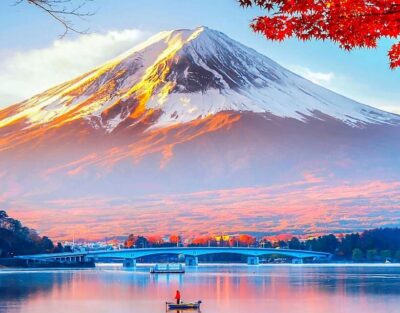
Your final major stop is Oshino Hakkai, about 40 minutes. This area is known for eight crystal-clear ponds fed by Mount Fuji’s snowmelt, and the reflections can look spectacular when the light is right.
This is a nice ending because it feels different from Hakone. You go from geothermal steam to clear water and still reflections. If your Fuji visibility improved earlier in the day, Oshino can deliver some of the most photogenic results.
It’s also a chance to slow down a bit near the ponds and take in the quieter feel compared to the earlier busy stops. You won’t have hours, but you’ll have enough time for a walk and a few photos.
Price and value: what you’re really paying for
At $67.39 per person, this is priced in the “serious day trip” category rather than budget sightseeing. The value comes from bundling the parts that are hard to assemble yourself smoothly.
Here’s what you’re getting value-wise:
- Pickup and drop-off from central Tokyo, which saves you from long, stressful transit planning
- A guide who can explain the route in English, Japanese, and Chinese
- The Hakone Ropeway ticket included, which is a big deal for saving time
- A route that covers multiple high-recognition sights in one day
The one extra cost to plan for is the Lake Ashi pirate ship cruise (listed at $12 per person). If you’re the type who loves iconic scenery, that cruise is usually worth budgeting for. If your budget is tight, you can choose how much you want to spend once you see how the day’s going.
Also remember the day is long. If you hate rushed schedules, this tour may feel busy. If you want a one-day “best-of” around Mount Fuji and Hakone without the hassle, it’s priced like that: pay for convenience, then spend your energy on the views.
Guides, pacing, and the small issues that matter
A lot of the positive energy around this tour centers on the guide. Names like Jake, Kousei, Jack, Tom, Andrew, Peter, and Sato show up in feedback as people who keep timing clear and make sure the group hits the good photo spots. Several of them are praised for helping with photos and making sure everyone stays safe and accounted for.
That kind of guiding matters on a day like this. When the schedule is tight, you don’t want a guide who says a few facts and then disappears. You want someone who helps you get bearings fast—where to stand, when to move, and how long you really have.
Now for the practical caution: it can be a long coach day. One piece of feedback mentioned that the bus seats picked up strong smells, so I’d plan for that possibility. Bring a small pack of tissues or wet wipes, and consider a face covering if you’re sensitive.
And yes, lunch is not included. Some stops have food options, including a lunch location where wagyu has been mentioned, but the time can feel short. If you’re picky about food or want control, you might bring a bento or plan to grab something fast near your first stop.
Mount Fuji visibility: your best strategy is flexibility
You can do everything right and still not see Mount Fuji clearly. This region’s weather is unpredictable, and fog happens. The tour doesn’t promise specific views, and that’s honest.
So what’s the best strategy? Think of the day as two layers:
1) The views and photo angles when Fuji is visible
2) The geothermal and lake scenery even when Fuji hides
That way, the day remains satisfying either way. Also, if you do get a clear window for Fuji, make your photo choices quickly. Don’t wait for the “perfect” angle if the clouds are already shifting.
Tips that make the day smoother (and less stressful)
A few practical moves turn this from tiring to enjoyable:
- Bring cash: some areas don’t accept credit cards.
- Bring water. It’s a long day with multiple outdoor stops.
- Pack comfortable shoes. Walking time adds up, even if hikes aren’t the plan.
- Don’t schedule anything right after pickup/drop-off time. Return can run late on busy days.
- For Owakudani, expect strong smells around active areas and plan accordingly.
If you want to do the optional Lake Ashi cruise, budget it in advance so you’re not doing math at the port.
Who should book this Tokyo to Mt. Fuji day trip
This tour makes the most sense if you:
- Want a single-day, big-sight route around Hakone and Mount Fuji
- Prefer guided logistics over DIY transit planning
- Like iconic scenery that hits different angles: shrine torii, lake crossing, ropeway, volcanic valley, and clear-water reflections
It may not be ideal if you:
- Hate long days and coach time
- Need guaranteed Mount Fuji visibility
- Want unhurried sightseeing without a tight itinerary
Still, if your priority is seeing the region’s highlights efficiently, this is a strong format.
Should you book this tour?
I’d book it if you want a structured, time-efficient day trip that covers the core Hakone and Mount Fuji hits without you wrestling with tickets and transport. The included Hakone Ropeway ticket and the central Tokyo pickup/drop-off are the kind of value that pays off when the day is packed.
I would hesitate only if you’re sensitive to schedule pressure or you’re traveling with the mindset that Mount Fuji must be visible at every stop. In this region, weather calls the shots.
FAQ
FAQ
Is the Hakone Ropeway ticket included?
Yes. The tour includes your ticket for the Hakone Ropeway.
Do I have to pay extra for the Lake Ashi pirate ship cruise?
Yes. The Hakone Pirate Ship cruise is not included, and it costs $12.00 per person.
How long is the day trip?
It runs about 10 hours (approx.).
Where do I meet my guide, and how will I recognize them?
The guide will be holding a yellow flag with Gogoday Travel at the meeting point. You should also provide the guide with the name and phone number used to place the booking.
Will I definitely see Mount Fuji?
No. Visibility of Mount Fuji cannot be guaranteed due to unpredictable weather.
Is lunch included?
No. Lunch is not included.
More Tours in Tokyo




More Tour Reviews in Tokyo




The Fuji Shortlist: Other Days Out to the Mountain


Fresh reviews from around Tokyo






Mt Fuji Day Trips, compared.
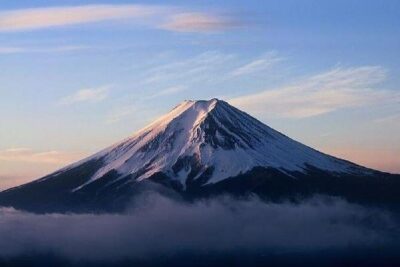 ★ 4.0Mt Fuji & Hakone Cruise, Drum Show Bullet Train 1 Day from TokyoFrom $1497,413 reviews
 ★ 4.4Tokyo Mt Fuji 5th St & Hakone Cruise Bus Tour w/Bullet TrainFrom $1545,024 reviews
 ★ 4.5From Tokyo: Mount Fuji Full-Day Sightseeing TripFrom $684,970 reviews
 ★ 4.7Mt. Fuji Tour, Hakone Ropeway, Owakudani, Lake AshiFrom $544,002 reviews
 ★ 5.0Private Tour to Mt. Fuji and Hakone (Fully Licenced Operator)From $4971,910 reviews
 ★ 4.9Mount Fuji Full-Day Private Tour from Tokyo (Customizable)From $3931,470 reviews
 ★ 4.0Mt Fuji & Hakone Cruise, Drum Show Bus 1 Day from TokyoFrom $1221,287 reviews
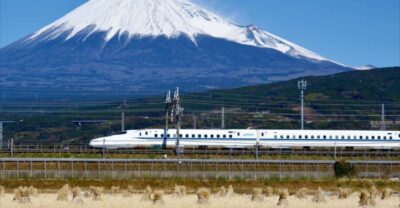 ★ 4.2From Tokyo: Mt. Fuji & Hakone Tour w/ Return by Bullet TrainFrom $1171,278 reviews
Browse the lists this tour appears in