
Reviewed · TOKYO
Tokyo: Daikoku Car Meet Tour at Night with JDM Guides
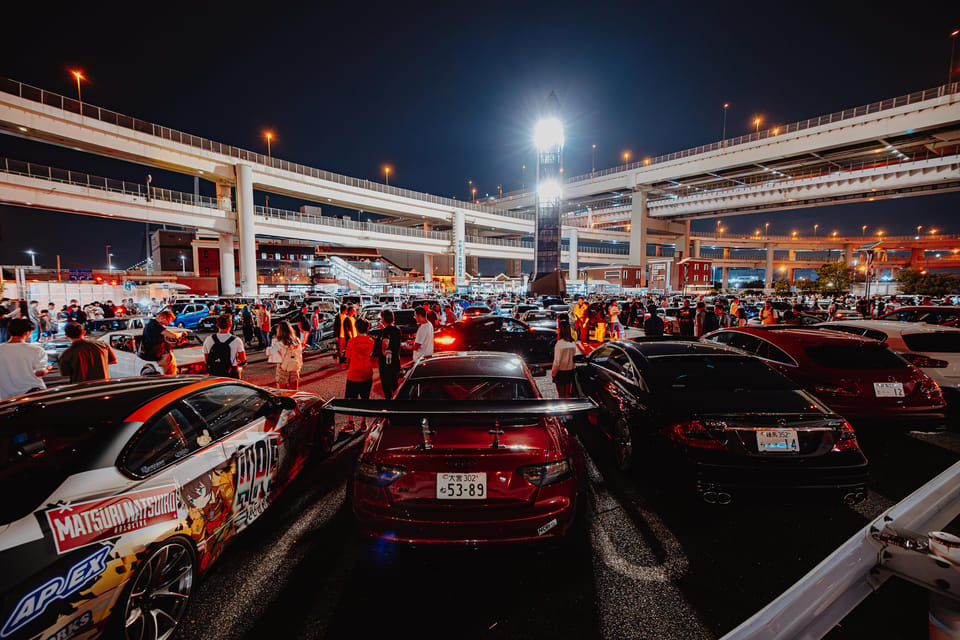
Tokyo at night turns into a car show. Daikoku PA is the big-name meeting spot in Japanese JDM culture, and this tour is built around getting you there with a guide who can explain what you’re seeing. What I love most is the chance to talk with local car owners and soak up the scene beyond the photos, and the fact that you also ride Tokyo’s famous runner routes so the night feels like part of the story, not just transport. One thing to consider: the number of cars and even the exact plan can shift with weather, police activity, or traffic, so you should be flexible about what the night looks like.
You’ll start around Tokyo Station at BAR STAND T (custom cars parked out front), then spend about 3 hours moving through the city, landmarks viewed from the car, and time at the meet. Meeting times change by day: Monday to Thursday usually start at 7:30 PM, and Friday to Sunday usually start at 6 PM. Pickup options are available near Shinbashi and you’ll also have several drop-off areas across central Tokyo.
Bring comfy shoes and warm layers. You’ll do a fair bit of standing and walking, and a camera really helps because Daikoku’s lineup can be unreal when the turnout is strong.
In This Review
- Key Things I Think You’ll Care About
- Meeting at BAR STAND T (Tokyo Station) and Timing Your Night
- APIT Car Shop Stop for Parts, Engines, and Souvenirs
- Daikoku PA Car Meet: Where the JDM Scene Really Shows Up
- Runner Routes, Rainbow Bridge, and Tokyo Tower Without the Sightseeing Hassle
- Your Random JDM Ride: What You Might Drive and What’s Excluded
- Where Your $160 Goes: Value vs. What You Can’t Control
- Who This Tour Fits Best (and Who Should Skip It)
- Booking Tip: Make the Night Go Smoothly
- FAQ
- How long is the Daikoku Car Meet tour?
- What time does the tour start?
- Where do you meet the guides?
- Does the tour include pickup and drop-off?
- Is APIT included on every day?
- What kind of car ride is included?
- Are food and drinks included?
- What should I bring and what is not allowed?
- Should You Book This Daikoku Car Meet Tour?
Key Things I Think You’ll Care About
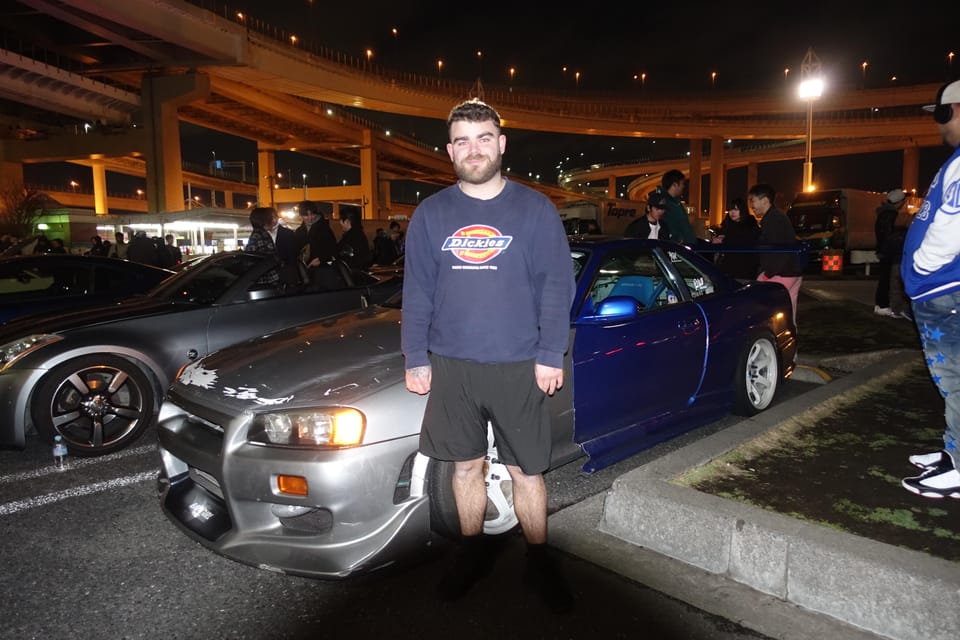
- Daikoku PA is the headline: you’re not just driving past it, you get time to walk the meet and take photos.
- APIT can be part of your route: one of Tokyo’s largest car-shop stops for parts and souvenirs (skipped on some weekend days).
- Landmarks from the car: you’ll see icons like Tokyo Tower and Rainbow Bridge without dealing with stop-and-go sightseeing.
- Bayside Line runner routes: the drive is a big part of the fun, not just the meet.
- You ride a random JDM-style car: often Subaru or RX8, with specific exclusions and optional upgrades.
- The scene can change fast: turnout and timing can vary, and sometimes the plan gets rerouted.
Before you commit, see how this one stacks up against a few Tokyo favourites:
- Mt Fuji and Hakone 1-Day Bus Tour Return by Bullet Train★ 5.0 · 26,383 reviews
- 1-Day Tokyo Bus Tour★ 5.0 · 14,250 reviews
- Tokyo: teamLab Planets TOKYO Digital Art Museum Entry Ticket★ 4.6 · 9,779 reviews
Meeting at BAR STAND T (Tokyo Station) and Timing Your Night
Your tour meets at BAR STAND T in the Marunouchi area, Tokyo Station side. The address is 1-5-1 Marunouchi, Chiyoda-ku (1F), and the guides will be near the custom cars parked in front of the shop. If you choose pickup, it’s optional and you’ll wait at your hotel about 5 minutes before the scheduled pickup time.
Here’s the timing reality: the meet-up start shifts by day. Monday to Thursday: 7:30 PM. Friday to Sunday: 6:00 PM. That matters because Tokyo traffic, lighting, and the meet’s rhythm change by time of day. If you want the best odds of a strong car lineup, arriving early (not just on time) is your friend.
Also know this: your drop-offs are spread out across central areas. You may end up at 新橋駅 (Shimbashi Station), Hibiyakoen, Shinjuku City, Minato City, or Shibuya. That’s convenient if you’re sightseeing, but it also means you should plan the rest of your night around a flexible end point.
APIT Car Shop Stop for Parts, Engines, and Souvenirs
One of the smartest parts of this tour is the pre-meet stop at APIT, a large car shop in the Tokyo area. This stop is listed for most days, but it’s not included on Friday, Saturday, and Sunday. If you’re traveling on a weekday, you’ll likely get this extra layer of car culture before you hit Daikoku.
What makes APIT worth your attention is that it’s not just shelves of accessories. You can see various car parts and engines on display, which helps you understand what you’re looking at later when you’re walking the meet and spotting modifications. For me, this kind of stop bridges the gap between tourist curiosity and real gearhead conversation.
If you want souvenirs, APIT is also the kind of place where you can find themed items without needing to hunt around afterward. And if you’re traveling with someone who doesn’t care about car meets but likes watching the city, APIT is still visually interesting.
Daikoku PA Car Meet: Where the JDM Scene Really Shows Up
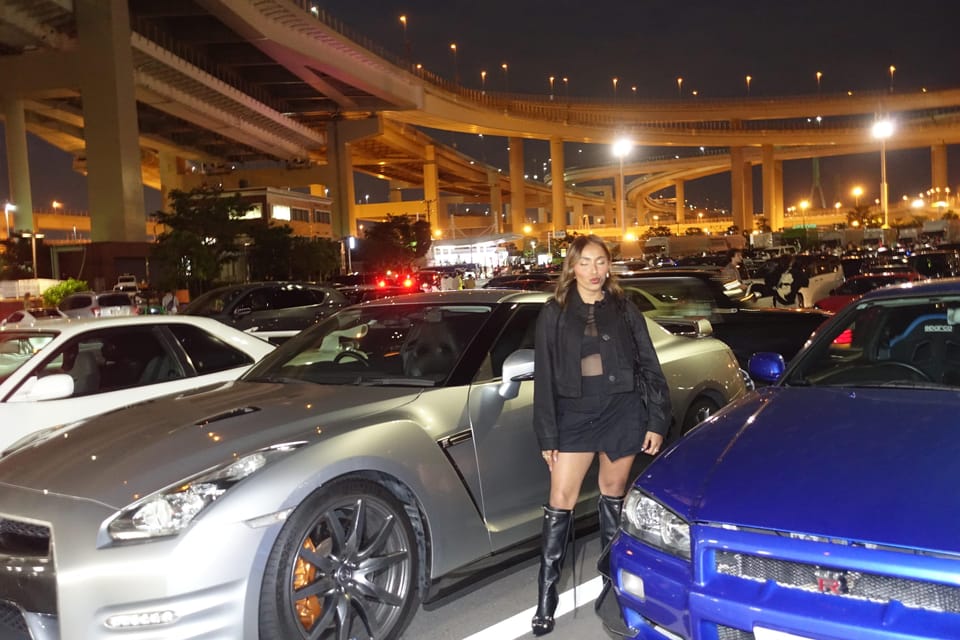
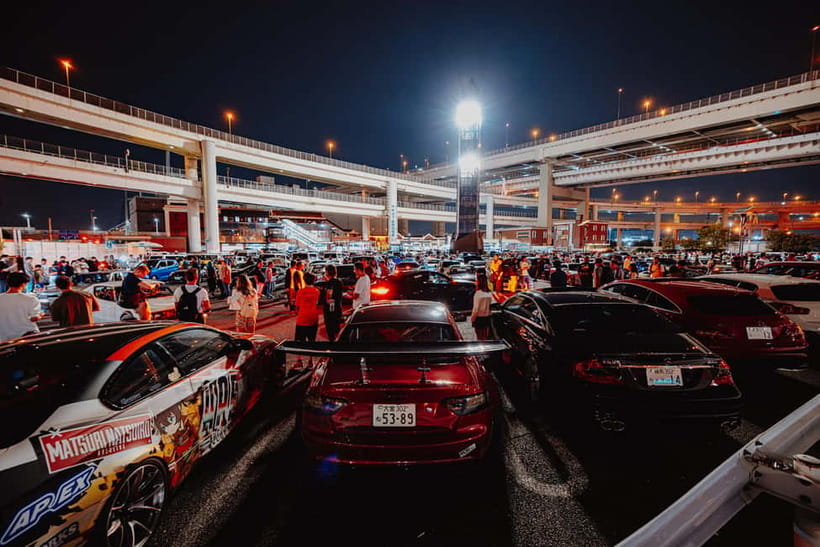
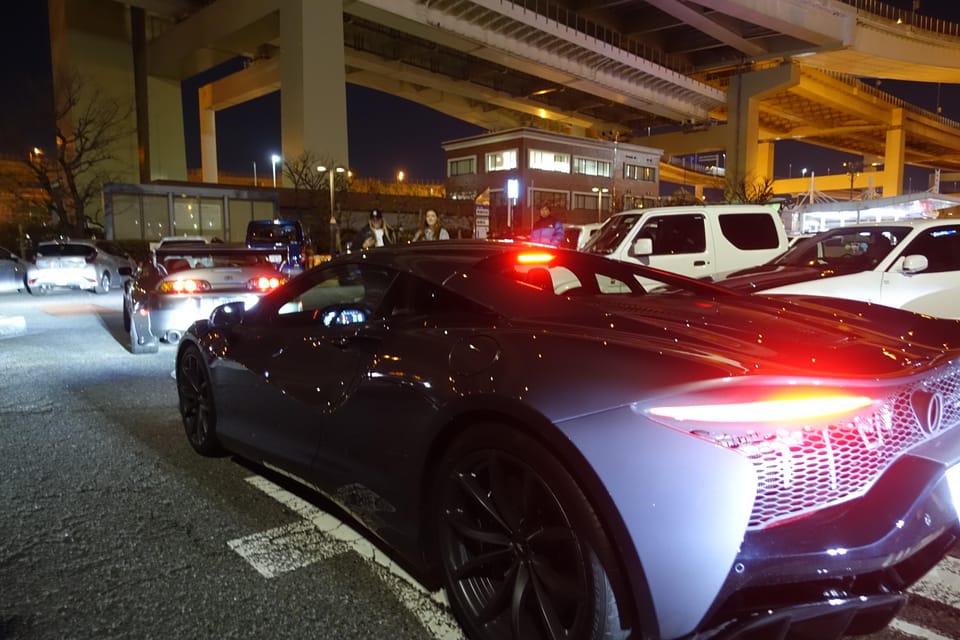
Daikoku Parking (PA) is the heart of the tour. This is the most famous and important location in Japan’s JDM scene, and you’ll visit it at night. The key word here is visit, not pass through. You get time to walk among the cars, take photos, and experience what people online only show in fragments.
Two practical notes based on how the tour is described:
- The turnout can vary a lot. If the night is slow—because of weather, timing, or other disruptions—you might see fewer cars than you hoped.
- In rare situations, the plan can change. One example from guide feedback: Daikoku was shut down by police for part of the evening, and the group was taken to another bay-area PA (Umihotaru PA) where the car meet moved.
So how do you make the most of it when the lineup isn’t perfect? Focus on details you can control:
- Walk the whole edge of the lot, not just the loudest clusters.
- Take photos that show variety: body kits, wheels, engine swaps, and interior setups.
- Use your guide for quick context. If they’re a car person (many guides are, like Renon, JJ, Ryosuke, and Re-san from past tours), they can point out what’s actually meaningful.
One reviewer mentioned that after the meet, they even spotted activity in tunnels during the return drive. You can’t bank on that every night, but it fits the idea that the tour leans into Tokyo’s underground driving culture, not just surface-level landmarks.
Runner Routes, Rainbow Bridge, and Tokyo Tower Without the Sightseeing Hassle
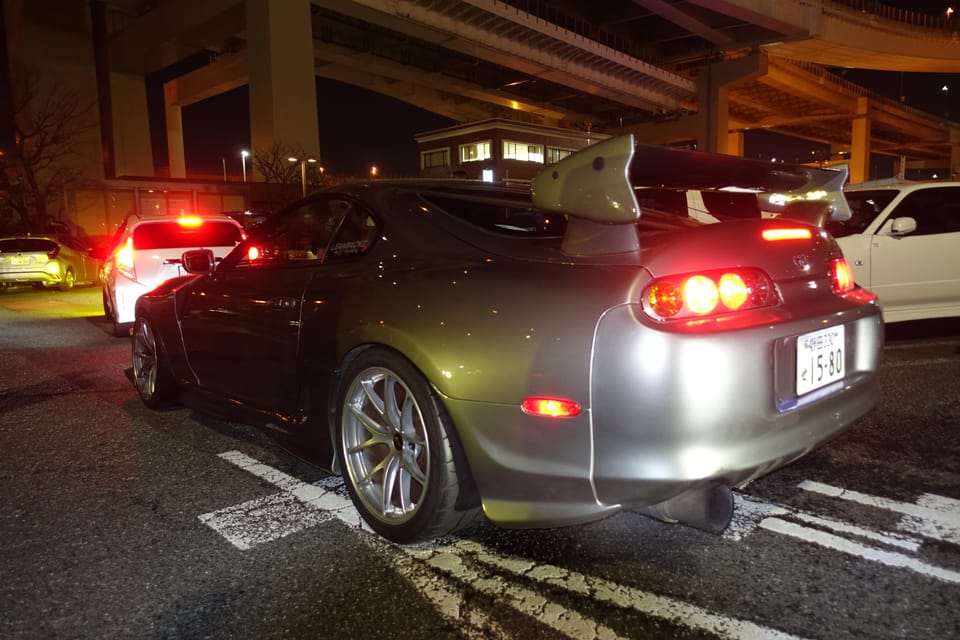
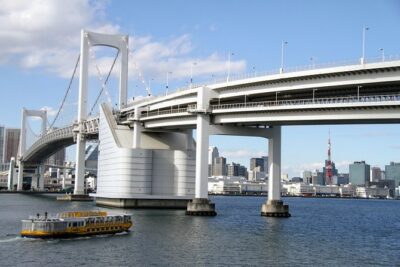
This is a driving tour, not a walking tour. You’ll travel through popular runner routes, and along the way you’ll see Tokyo’s famous sights from the car. Icons included in the experience are Rainbow Bridge and Tokyo Tower, with the important detail that the tour is designed so you view them without stopping for long sightseeing breaks.
Why that matters: Tokyo traffic can be unpredictable, especially at night. If you stop too much, your actual time at the meet shrinks. This tour keeps the pace efficient by stacking the best “look from the car” moments into the drive, so you spend more minutes where the cars are.
Also, the route includes the Bayside Line area. That’s not just trivia. The Bayside Line is a big part of how Tokyo’s night driving gets mythologized, so riding those stretches helps the whole experience feel like Tokyo’s car culture, not a generic city tour.
If photo ops are your priority, know there’s a photo service on request during the tour. So if you want a specific angle—like getting Tokyo Tower framed with the bridge—you should ask while you’re moving or when you stop briefly. Don’t wait until the end.




Your Random JDM Ride: What You Might Drive and What’s Excluded
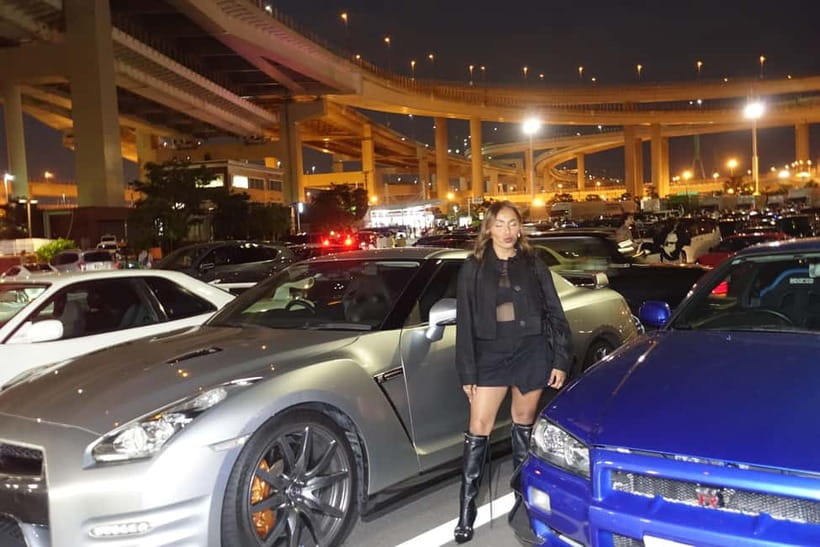
A huge part of the value here is the drive itself, because you’re not riding in some plain taxi. You’ll get a random Sports or JDM car experience. The details list Subaru and RX8 as examples, and it also clarifies what you should not expect: no GTR, and no RX7 in this standard experience.
There’s also a clear limit on the biggest-name cars. The tour specifically does not include riding certain special JDM models like R34 and Silvia, and some other rare cars are also excluded. Those options are tied to a VIP package, so if you have a specific car fantasy (like the exact model you want the seat time in), check upgrades first.
One practical point for expectations: your ride may be shared with other participants, since the tour notes that you could share a car depending on the situation. That’s not necessarily bad. It can be normal for a 3-hour experience in central Tokyo, but it does mean you might not have full control of the seating, camera positioning, or conversation volume.
What to do if you care a lot about the English commentary: the guide language level can vary. If you need a highly fluent English speaker, message the company in advance so they can match you better. Past experiences praised multiple guides for communication and enthusiasm, including Marty (owner) and guides like Renon and JJ, so most nights are likely to feel easy—but plan for variation.
Where Your $160 Goes: Value vs. What You Can’t Control
At $160 per person for about 3 hours, you’re paying for three things at once:
- a curated route through Tokyo at night,
- access to the car-meet scene at a legendary meeting point,
- and a guided explanation (often with real car culture knowledge rather than generic sightseeing talk).
Is it “just a ride”? Not really. A normal taxi won’t give you the context, and it won’t time the city drive around Daikoku’s scene. And a standard “Tokyo landmarks” tour won’t give you the gearhead atmosphere of standing near heavily modified machines with someone who can explain what you’re looking at.
Still, you do pay for something you can’t fully control: the car turnout. The tour explicitly accepts that on some nights there may be extremely limited cars. Also, the return timing can be affected by traffic and unforeseen delays, and there can be reroutes if authorities intervene.
So the best way to think about value is like this:
- If you show up ready to enjoy whatever the lineup is, this price can feel fair.
- If you come expecting the biggest possible Daikoku lineup every time, you might feel frustrated if the night is quiet.
One last cost note: food and drinks are not included. That said, there can be convenience options at the meet area (including restrooms and shops mentioned in past experiences), so you can usually handle snacks on-site, just don’t plan on meals being provided.
Who This Tour Fits Best (and Who Should Skip It)
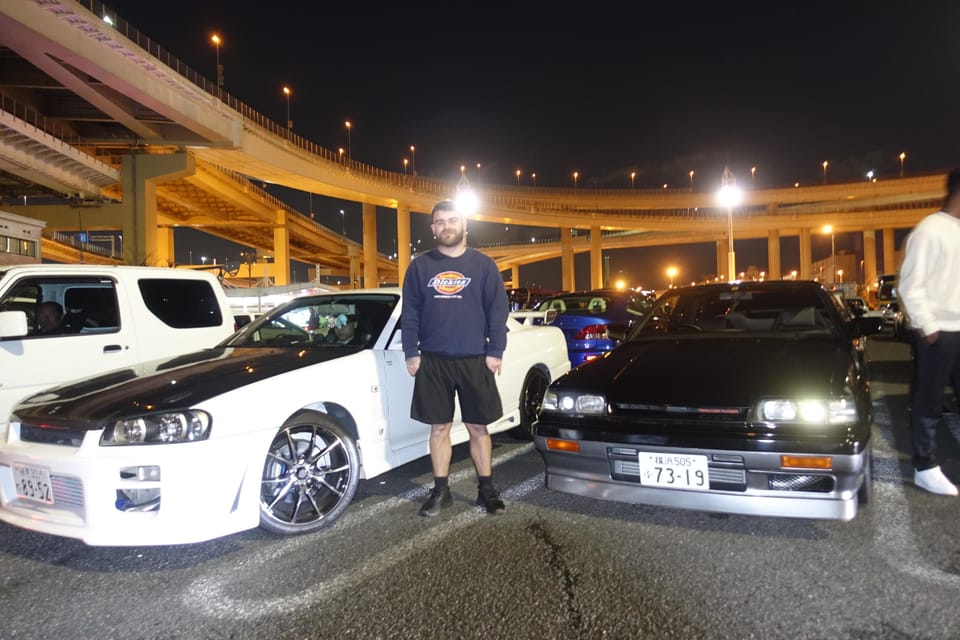
This is a strong match if you:
- love JDM culture, modified cars, or the specific Daikoku-style night scene,
- want Tokyo landmarks plus driving energy in one package,
- enjoy talking with locals who actually care about cars (the interaction with local car owners is included),
- want a guided route without the headache of figuring out the night drive on your own.
It might be a weaker fit if you:
- dislike walking around lots or standing in crowds for photos,
- need guaranteed access to specific car models (R34 and Silvia are not part of the standard ride),
- get stressed by schedule changes (weather, traffic, and police situations can affect what happens that night).
And if you’re traveling with someone who isn’t into cars, APIT and the landmark views can help keep the experience balanced, but the heart of the tour is still the meet.
Booking Tip: Make the Night Go Smoothly
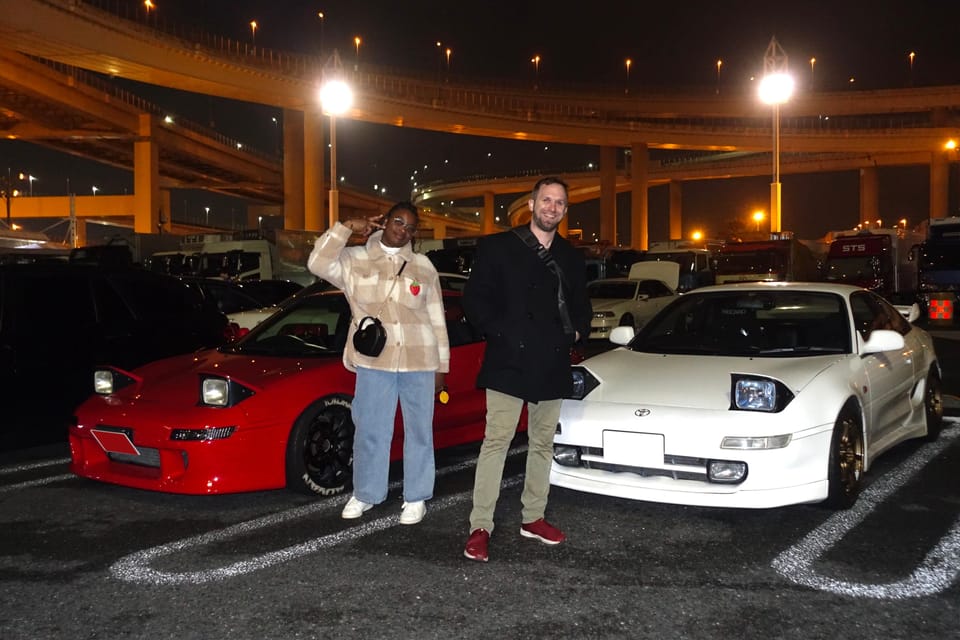
If you want this tour to feel effortless, do three simple things:
- Arrive on time or early. Being late can create problems for others in a shared-car setup.
- Wear comfortable shoes and bring warm layers. Tokyo nights can feel colder than you expect when you’re standing.
- Have your camera ready, and ask your guide for photo help during the brief opportunities.
Also, if you’re the type who needs a specific car model, confirm whether your dream ride is only available in a VIP package. The standard tour has clear exclusions, so it’s better to know before you book.
FAQ
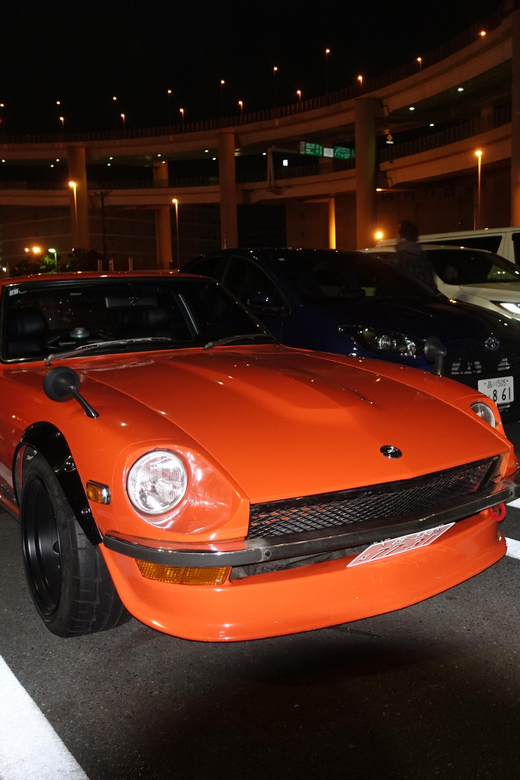
How long is the Daikoku Car Meet tour?
The tour lasts about 3 hours.
What time does the tour start?
Monday to Thursday typically start at 7:30 PM, and Friday to Sunday typically start at 6 PM.
Where do you meet the guides?
You meet in front of BAR STAND T, 1F, at 1-5-1 Marunouchi, Chiyoda-ku, Tokyo (Tokyo Station). The cars are parked in front of the shop, and you should meet the guides near the custom cars.
Does the tour include pickup and drop-off?
Pickup optional is offered, and there is free pickup and drop-off near Shinbashi Station. Drop-off areas can include Shimbashi Station, Hibiyakoen, Shinjuku City, Minato City, and Shibuya.
Is APIT included on every day?
APIT is included except on Friday, Saturday, and Sunday.
What kind of car ride is included?
You get a random Sports or JDM car ride, with examples including Subaru and RX8. The tour notes no GTR and no RX7 for this standard experience.
Are food and drinks included?
No. Food and drinks are not included.
What should I bring and what is not allowed?
Bring comfortable shoes, warm clothing, and a camera. Baby strollers are not allowed, and alcohol and drugs are not allowed.
Should You Book This Daikoku Car Meet Tour?
If you’re a car fan, or you want one Tokyo night that feels like Tokyo’s car culture instead of just another sightseeing loop, this tour is a good bet. I’d book it when you can handle schedule changes and when you’re excited to enjoy what shows up at Daikoku PA, even if the lineup varies. The biggest payoff is the combination of a strong night drive plus guided context from people who care about the scene. Just be realistic about the ride selection limits, especially if you’re chasing a specific model that’s not included in the standard package.
More Tour Reviews in Tokyo



Fresh reviews from around Tokyo






Tokyo, compared.
 ★ 5.0Mt Fuji and Hakone 1-Day Bus Tour Return by Bullet TrainFrom $16326,383 reviews
 ★ 5.01-Day Tokyo Bus TourFrom $12914,250 reviews
 ★ 4.6teamLab Planets TOKYO Digital Art Museum Entry TicketFrom $259,779 reviews
 ★ 4.0Mt Fuji & Hakone Cruise, Drum Show Bullet Train 1 Day from TokyoFrom $1497,413 reviews
 ★ 5.0Shinjuku Food Tour (13 Dishes at 4 Local Eateries)From $866,603 reviews
 ★ 4.4Tokyo Mt Fuji 5th St & Hakone Cruise Bus Tour w/Bullet TrainFrom $1545,024 reviews
 ★ 5.0Flagship 2-Hours Official Street Go-Kart Tour – Tokyo Bay ShopFrom $644,974 reviews
 ★ 4.5From Tokyo: Mount Fuji Full-Day Sightseeing TripFrom $684,970 reviews