
Reviewed · MT FUJI DAY TRIPS
Private Unforgettable Mt Fuji Tour with English Speaking Driver
Mt Fuji looks best when you can move fast. This private day from Tokyo is built around that simple idea: you get an English-speaking driver in a comfy, air-conditioned car with round-trip pickup, so you spend less time figuring out buses and more time chasing the views.
I especially love two things. First, the pick-up and drop-off means you don’t wrestle with timing or transfers in the morning rush. Second, your driver will help with photo stops and is happy to take pictures for you, which turns the whole trip from sightseeing into actual keepsake moments.
One thing to plan for: Mt Fuji can be hidden by weather, and the big test spot can change. If the 5th Station can’t be reached or you can’t see it from where you are, the plan shifts to the highest elevation point possible, and there’s no refund just because visibility was off.
In This Review
- Key things that make this Fuji day work
- Why a private car beats the Tokyo-to-Fuji scramble
- The 7:00 am start and how the day stays moving
- Oshino Hakkai springs and Chureito Pagoda’s classic silhouette
- Lake Kawaguchiko: hot-springs town energy and big-view refresh
- Mt Fuji Panoramic Ropeway for height and perspective
- Oishi Park’s Fuji-lake framing, then Saiko Iyashi no Sato
- Arakura Fuji Sengen Shrine and the 5th Station reality check
- Gotemba Premium Outlets for a practical end to a long day
- Price and value: what $480 buys you for up to 5 people
- Who should book this Mt Fuji private day trip
- Final thoughts: should you book this private Fuji day
- FAQ
- What time does the tour start, and how long is it?
- Where do you get picked up and where do you get dropped off?
- Is this a private tour?
- Are all attractions’ admission tickets included?
- What happens if Mt Fuji’s 5th Station can’t be reached or isn’t visible?
- How much does it cost, and how many people can be in a group?
Key things that make this Fuji day work
- Private group time: only your party rides together, so you’re not stuck in someone else’s pace
- Easy photo moments: your driver helps you get into position and captures the shots
- Classic Fuji stops: Oshino Hakkai, Chureito Pagoda, Oishi Park, and more
- A viewpoint ride: the Mt Fuji Panoramic Ropeway adds height and perspective
- Weather-adaptive approach: the schedule can shift to avoid wasted time
- A satisfying finish: Gotemba Premium Outlets keeps the day from feeling like a one-note trip
Other routes to the mountain, compared
- Mt Fuji & Hakone Cruise, Drum Show Bullet Train 1 Day from Tokyo★ 4.0 · 7,413 reviews
- Tokyo Mt Fuji 5th St & Hakone Cruise Bus Tour w/Bullet Train★ 4.4 · 5,024 reviews
- From Tokyo: Mount Fuji Full-Day Sightseeing Trip★ 4.5 · 4,970 reviews
Why a private car beats the Tokyo-to-Fuji scramble
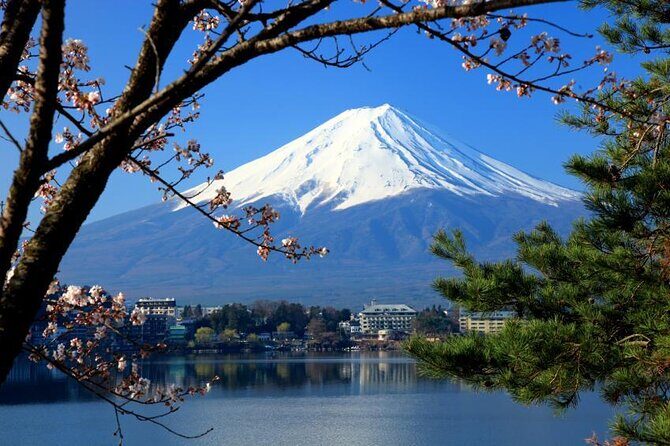
Tokyo to Mt Fuji can be a long day even when everything goes right. This tour cuts out the mental load by putting you in a car that meets you where you are and returns you to Tokyo when the day is done. You’re not stacking train transfers, waiting at bus stops, or doing the spreadsheet math on timetables.
I also like the flexibility of “private” here. You’re not forced to stay glued to a strict group route, and you can ask for extra time for photos or quieter moments. That matters because the Fuji area is all about timing, and timing is easier when you have your own driver.
Finally, this is a great setup if you want the day to feel relaxed. Many drivers you might meet on this route are praised for being personable and accommodating, including guides like Irfan, Shah, Shan, Ali, and Ahmad, who are often mentioned for adjusting to conditions and helping with pictures.
The 7:00 am start and how the day stays moving
You kick off early, around 7:00 am, and the full day runs about 10 hours including commuting. That early start is practical: morning light and clearer visibility often help, and you also avoid some peak congestion before the Fuji-area traffic thickens.
Expect short, efficient stops sprinkled through the morning and afternoon. The plan gives you multiple “wow” points instead of one long stop, so even if weather isn’t perfect, you’re still likely to get strong views and iconic scenes.
Your driver can also change the order if traffic is ugly or waiting times get out of hand. The goal is to prevent that common trip problem where you lose half your day standing in line instead of looking at Mt Fuji.
Oshino Hakkai springs and Chureito Pagoda’s classic silhouette
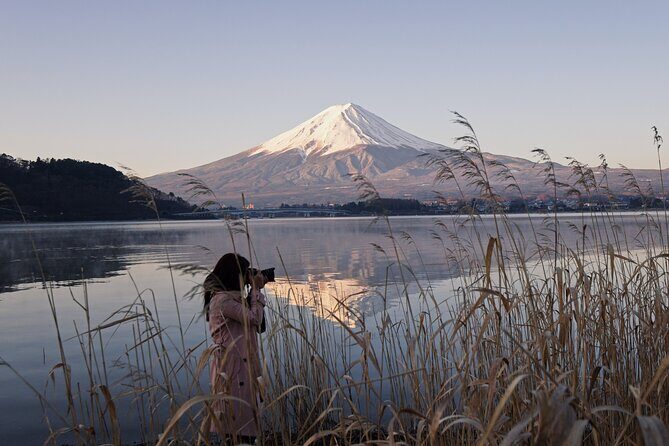
Oshino Hakkai is your first major stop. These famous springs come from Mount Fuji’s aquifer and form eight separate spring sources, and they’re protected as a natural monument. The visit is brief, but it’s a clean start: walk the lanes, spot the spring pools, and use the time to reset before the bigger viewpoint areas.
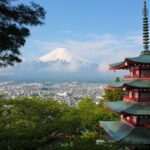
Chureito Pagoda is next, and it’s one of the most recognizable Mt Fuji compositions in Japan. The five-storied pagoda ties into the area’s historical memorial meaning, honoring those lost from the First Sino-Japanese War in 1868. It’s an easy stop to love because you’re right there for the iconic background shot—Mt Fuji framed by structures that instantly feel “Japan.”
Time here is about 30 minutes, which is enough to get photos from the best angles and still have a buffer if you run into crowds.
Lake Kawaguchiko: hot-springs town energy and big-view refresh
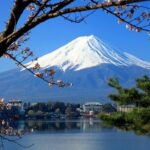
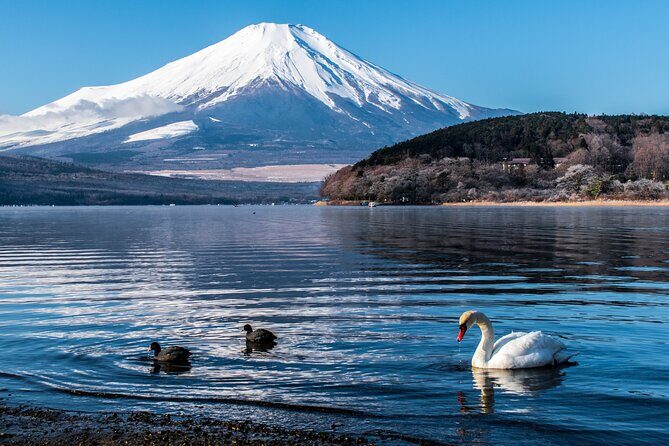
Lake Kawaguchiko is one of the easiest Fuji Five Lakes to reach from Tokyo, which is exactly why it’s a natural mid-day anchor. You get a short stop—about 30 minutes—to take in the lake area and recharge before you head to higher viewpoints.
What I like about this stop is how it sets the tone. It feels like a tourist-friendly hub with hot-spring resort vibes, so you’re not stuck in a quiet spot with nothing around it. That can make it easier to handle logistics like snacks or a quick bathroom break before the next viewpoints.
From a photography point of view, this stop also helps you “read” the weather. If clouds are moving in, you’ll usually start noticing patterns here—when you later climb for views, you’re not going in blind.
More door-to-door days with your own driver

Mt Fuji Panoramic Ropeway for height and perspective
The Mt Fuji Panoramic Ropeway is one of the more satisfying “do something” segments of the day. It climbs 400 meters from the eastern shore of Lake Kawaguchiko up to an observation deck near Mt Tenjo, giving you a stronger sense of scale than the lakeside areas.
Plan about an hour here, which is enough time to ride, look around, and take your photos without feeling rushed. One practical note: the ropeway admission isn’t included, so you’ll pay that separately.
Even if Mt Fuji is partly obscured, you’ll often get strong value from the elevation. You can still see the surrounding contours, and the whole scene feels bigger when you’re looking down rather than across at ground level.
Oishi Park’s Fuji-lake framing, then Saiko Iyashi no Sato
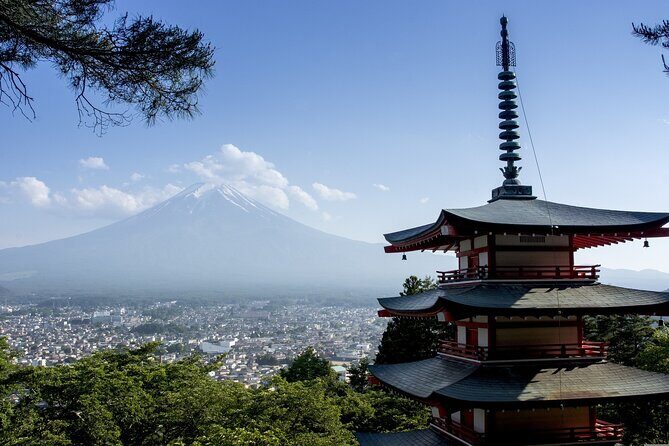
Oishi Park is built for one of the easiest Fuji photo setups. The view is arranged with Mt Fuji in the background, Lake Kawaguchiko in the mid ground, and the foreground planted for color—often lavender, which is part of its fame. This is a short stop (around 30 minutes), so it works well as a “grab your shot and enjoy” segment.
From there, you head to Saiko Iyashi no Sato Nemba, a recreated old Japanese village. It’s a chance to slow down and switch gears from pure scenery to atmosphere, with thatched-roof buildings that make you feel like you stepped into another era. The stop is about 30 minutes, and admission isn’t included.
I like pairing a scenic park with a village setting like this because it keeps the day from blending together. One moment you’re hunting composition; the next you’re strolling, looking, and letting the experience breathe.
Arakura Fuji Sengen Shrine and the 5th Station reality check
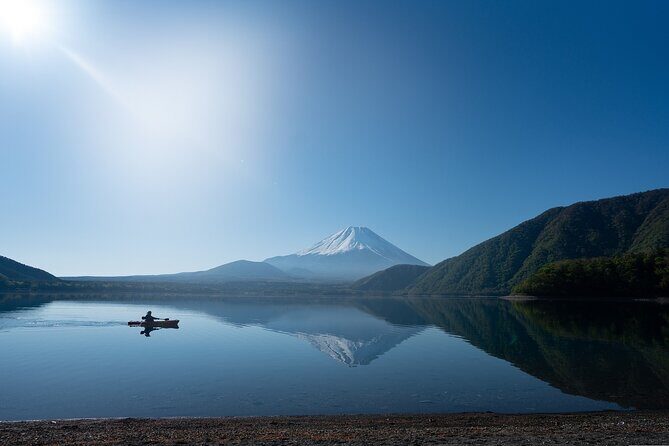
Arakura Fuji Sengen Shrine brings both spirituality and a viewpoint. People visit to ward off evil and pray for things like family happiness and safe childbirth. In spring, cherry blossoms can pull crowds in for the famous view, so if you’re visiting during blossom season, you’ll want to expect extra foot traffic.
This stop is around 30 minutes and has free admission, so it’s a low-cost way to add meaning and a new angle to your Fuji day. It’s also a nice bridge between the village and the bigger “halfway up the mountain” moment coming next.
Then you reach Mt Fuji 5th Station. This is a major highlight because it’s the common starting point for climbers and hikers heading upward, and it has that in-between mountain atmosphere that’s hard to replicate anywhere else. The plan includes about 2 hours here, and admission isn’t included.
Now the reality check: visibility is not guaranteed, and the 5th Station may not be reachable in some conditions. The tour adapts by shifting you to the highest elevation point possible if the 5th Station can’t be seen or accessed. That’s why this day feels worth it even when the mountain plays hide-and-seek—you still get a serious “Fuji altitude” experience rather than a flat disappointment.
Gotemba Premium Outlets for a practical end to a long day
A full day around Mt Fuji can make you hungry and tired, and sometimes people worry the tour ends the way it started: more driving and less payoff. Gotemba Premium Outlets helps prevent that.
You get about 2 hours at Gotemba Premium Outlets, and entry to the mall area is free. It’s a big outlet complex with over 200 stores, so even if you’re not a shopper, it’s a comfortable place to reset, browse, and grab something to eat at your own pace.
I like this ending because it turns the day into a win no matter what the weather did earlier. If clouds rolled in and Mt Fuji views were limited, at least you still finish with a fun, easy, real-world Japanese shopping stop.
Price and value: what $480 buys you for up to 5 people
The price is $480 per group up to 5 people, and the day runs about 10 hours including commuting. That means your cost per person can drop fast if you travel as a small group. If you split the car between four people, you’re effectively paying about $120 each; with five people, it’s closer to $96 each—still not “cheap,” but it starts to look more reasonable for a private full-day chauffeur service.
What you’re really paying for is time saved and stress avoided. Round-trip transfers reduce the friction, and the ability to stop for photos without fighting transit schedules is a big deal. If you’re the planner type, you might not need this; if you’re the “I want the easiest path to the good views” type, this is where the money starts making sense.
Also, this isn’t presented as a full guided lecture. It’s a private tour with an English-speaking driver, and your driver can share info and help with your experience. If you want more of a true guide-style commentary, you can request a guide arrangement for an extra cost.
One more value point: flexibility. The plan can shift due to traffic congestion or to avoid long waiting times in crowded areas, which helps you protect your daylight.
Who should book this Mt Fuji private day trip
This works well for couples who want iconic Fuji spots without driving, and for families who want everyone to stay comfortable in one vehicle. It also fits photographers and anyone who cares about getting posed shots, since the driver is happy to take pictures for you.
Most travelers can participate, and it’s also a strong choice if you’re short on time in Tokyo. You get a full Fuji-region hit in one day instead of stretching it into multiple trips.
The main reason not to book is if you’re chasing only one thing: a guaranteed, crystal-clear view of the exact summit from the 5th Station. Conditions can change, and while the tour adjusts to the highest elevation point possible, you’re still at the mercy of weather.
Final thoughts: should you book this private Fuji day
If you want a smooth, private day that mixes classic Fuji landmarks with viewpoint time, I think this is a solid choice. The combination of early start, multiple iconic stops, and a driver who helps with photos is where the experience earns its keep.
Book it if your travel style is “I want the best plan without the research headache.” Skip it only if you’re traveling solo on a tight budget or if you need a strict, unchangeable schedule.
If you do book, I’d come with one or two priorities—like ropeway views, shrine scenery, or 5th Station atmosphere—then let your driver handle the pacing as conditions shift.
FAQ
What time does the tour start, and how long is it?
The tour starts at 7:00 am and runs about 10 hours, including commuting time.
Where do you get picked up and where do you get dropped off?
Pickup is offered from your hotel or other Tokyo location, and you also receive return transfers back to your hotel or another Tokyo location.
Is this a private tour?
Yes. It’s private, and only your group participates.
Are all attractions’ admission tickets included?
Not all of them. Oshino Hakkai, Chureito Pagoda, Lake Kawaguchiko, Oishi Park, Arakura Fuji Sengen Shrine, and Gotemba Premium Outlets are listed as free. The Mt Fuji Panoramic Ropeway, Saiko Iyashi no Sato Nemba, and Mt. Fuji 5th Station are listed as admission ticket not included.
What happens if Mt Fuji’s 5th Station can’t be reached or isn’t visible?
If the 5th Station will not be visible from the base or cannot be reached due to weather, the tour will go to the highest elevation point possible. The data notes that tour cancellation or refund is not applicable due to this reason.
How much does it cost, and how many people can be in a group?
It costs $480 per group for up to 5 people. A group of more than 5 people can be facilitated for an additional cost.
More Tour Reviews in Tokyo






Your Own Wheels: More Private Driver Days
The Fuji Shortlist: Other Days Out to the Mountain

Fresh reviews from around Tokyo






Mt Fuji Day Trips, compared.
 ★ 4.0Mt Fuji & Hakone Cruise, Drum Show Bullet Train 1 Day from TokyoFrom $1497,413 reviews
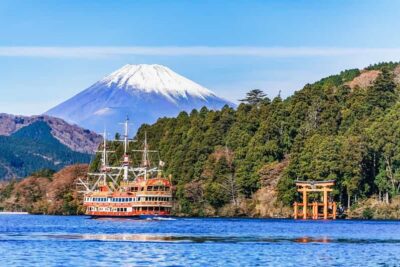 ★ 4.4Tokyo Mt Fuji 5th St & Hakone Cruise Bus Tour w/Bullet TrainFrom $1545,024 reviews
 ★ 4.5From Tokyo: Mount Fuji Full-Day Sightseeing TripFrom $684,970 reviews
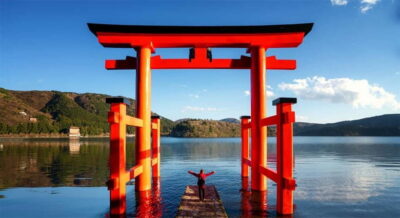 ★ 4.7Mt. Fuji Tour, Hakone Ropeway, Owakudani, Lake AshiFrom $544,002 reviews
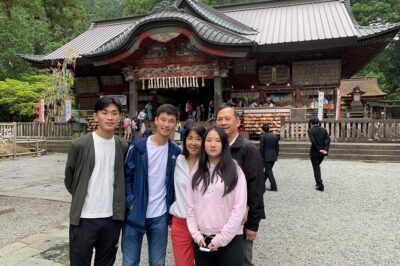 ★ 5.0Private Tour to Mt. Fuji and Hakone (Fully Licenced Operator)From $4971,910 reviews
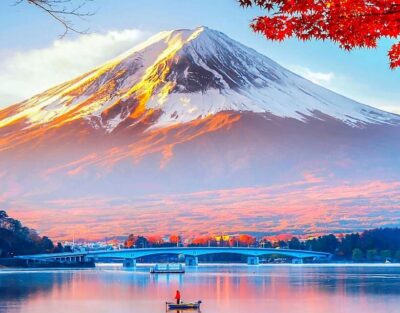 ★ 4.9Mount Fuji Full-Day Private Tour from Tokyo (Customizable)From $3931,470 reviews
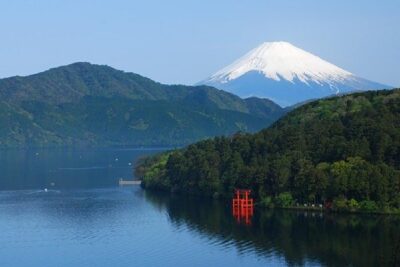 ★ 4.0Mt Fuji & Hakone Cruise, Drum Show Bus 1 Day from TokyoFrom $1221,287 reviews
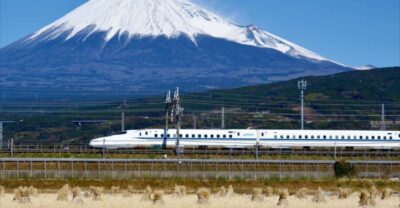 ★ 4.2From Tokyo: Mt. Fuji & Hakone Tour w/ Return by Bullet TrainFrom $1171,278 reviews
Browse the lists this tour appears in